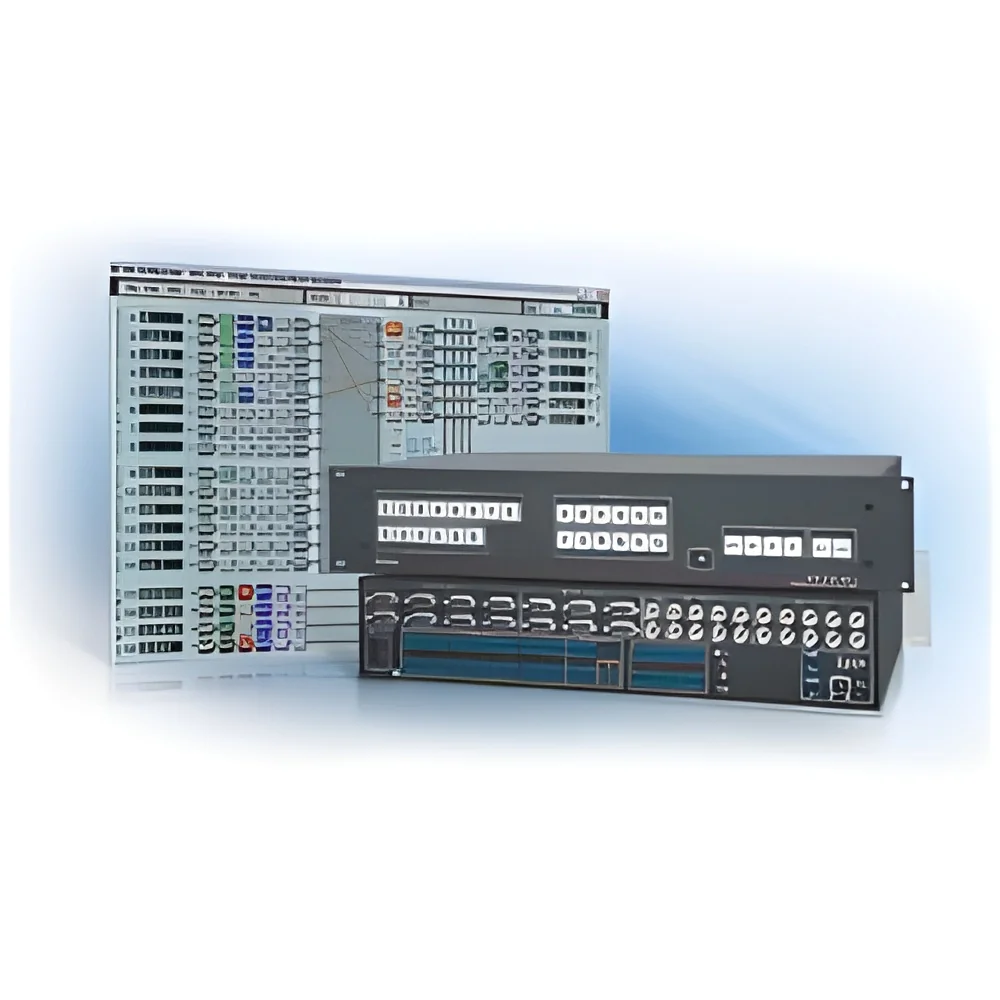
Key Features and Specifications
When considering networking equipment leasing, it is essential to understand the key features and specifications that these devices offer. Routers and switches come with various specifications that cater to different business needs and technical requirements.
Key specifications include:
1. Bandwidth Capacity:
- Determines the maximum data transfer rate.
- Typical ranges from 1 Gbps to 100 Gbps or more.
2. Port Density:
- Refers to the number of ports available on a device.
- Can range from 8 to 48 ports depending on the model.
3. Protocol Support:
- Compatibility with various networking protocols, such as Ethernet, MPLS, and VLAN.
- Ensures seamless integration with existing systems.
4. Layer Functionality:
- Indicates whether the device operates at Layer 2 (data link) or Layer 3 (network).
- Layer 3 switches provide routing capabilities in addition to switching.
5. Power over Ethernet (PoE):
- Ability to deliver power to connected devices through network cables.
- Typically supports 15.4W to 60W per port.
6. Security Features:
- Includes built-in firewalls, VPN support, and access control lists.
- Essential for protecting sensitive data and network integrity.
7. Management Capabilities:
- Options for remote management and configuration.
- Supports SNMP and web-based interfaces for ease of use.
8. Warranty and Support:
- Standard warranty periods and available customer support options.
- Important for ensuring equipment reliability and performance.
Understanding these specifications helps businesses select the right leasing options based on their specific networking needs.
Common Applications and Use Cases
Networking equipment leasing is applicable across various industries, allowing organizations to enhance their operational capabilities.
1. IT Services: Companies in this sector often lease routers and switches to support data centers and cloud services, ensuring robust connectivity and high availability.
2. Education: Educational institutions utilize leased networking equipment to support online learning platforms, enabling seamless connectivity for students and staff.
3. Healthcare: Hospitals and clinics lease networking equipment to manage patient data and ensure secure communication, adhering to strict compliance requirements.
4. Retail: Retail businesses leverage leased equipment to maintain connectivity across multiple locations, facilitating real-time inventory management and customer engagement.
5. Manufacturing: Manufacturing firms use leased networking solutions to support automation systems and monitor equipment performance, optimizing production efficiencies.
6. Telecommunications: Telecom companies often lease routers and switches to enhance their service offerings and manage large data traffic efficiently.
7. Government: Government agencies can lease networking equipment to improve communication infrastructure and ensure secure data transmission.
Product Variants and Subcategories
Networking equipment leasing encompasses a variety of product options to meet diverse business needs.
Enterprise Routers: These routers are designed for large-scale networks, offering high throughput and advanced features like traffic management and security protocols. They are ideal for organizations with significant data transfer requirements.
Managed Switches: Managed switches provide greater control over network traffic and security. They are suitable for businesses that need to configure network settings and monitor performance actively.
Unmanaged Switches: These are basic switches that require no configuration, making them ideal for smaller businesses or temporary setups that need immediate connectivity.
Benefits and Advantages
Leasing networking equipment presents several advantages for businesses looking to optimize their IT infrastructure.
1. Cost Efficiency: Leasing reduces the upfront costs associated with purchasing equipment, allowing businesses to allocate funds to other critical areas.
2. Flexibility: Organizations can easily upgrade or change leased equipment as their networking needs evolve, ensuring they always have access to the latest technology.
3. Reduced Maintenance Costs: Leased equipment often comes with maintenance and support included, minimizing unexpected repair costs and ensuring reliable performance.
4. Risk Mitigation: Leasing helps organizations avoid the risks associated with owning depreciating assets, providing a safer financial model.
5. Immediate Availability: Businesses can quickly access the equipment they need without lengthy procurement processes, allowing for faster project implementation.
6. Scalability: Leasing enables organizations to scale their network infrastructure up or down based on demand, supporting growth and seasonal fluctuations.
Buying Guide for B2B Buyers
When sourcing networking equipment leasing for routers and switches, there are several critical factors to consider to make an informed decision.
1. Quality Assessment: Evaluate the quality of equipment by reviewing specifications and performance metrics. Look for trusted brands known for reliability and durability.
2. Supplier Verification: Vet potential suppliers thoroughly to ensure they have a good reputation and can deliver as promised. Check for customer reviews and references.
3. Pricing and MOQ: Understand the pricing structure and any minimum order quantities that may apply. Compare different suppliers to find competitive rates.
4. Delivery and Lead Times: Confirm delivery timelines and ensure they align with your project schedules. Timely delivery is crucial for maintaining operations.
5. Compliance Requirements: Be aware of any regulatory or compliance standards that the equipment must meet. This includes safety and operational certifications.
Compliance and Certifications
Compliance and certifications play a crucial role in ensuring that networking equipment meets industry standards for quality and safety.
Relevant quality standards such as ISO 9001 provide frameworks for quality management systems, ensuring that products are consistently produced and controlled according to quality standards.
Industry certifications, such as CE marking, indicate that the equipment meets European safety, health, and environmental protection standards. This certification is crucial for companies operating within or exporting to Europe.
Safety and testing requirements are essential to guarantee that the equipment operates effectively and safely in various environments. Ensuring compliance with these standards protects businesses from liability and enhances operational reliability.
Regional compliance considerations may vary, so it is important for businesses to familiarize themselves with local regulations to ensure that their leased equipment is compliant.
Why Source Networking Equipment Leasing (Routers, Switches) from Pepagora?
Pepagora offers an excellent platform for sourcing networking equipment leasing, providing several advantages that set it apart from competitors.
Verified Supplier Network: Pepagora ensures that all suppliers are thoroughly vetted, offering buyers peace of mind. This verification process establishes trust and reliability in the leasing process.
Streamlined RFQ Process: The request for quotation (RFQ) system simplifies the sourcing process, allowing buyers to receive competitive quotes from multiple suppliers quickly. This efficiency saves time and resources.
Trade Assurance and Support: Buyers benefit from trade assurance programs that protect their investments. Pepagora provides support throughout the leasing process, ensuring customer satisfaction.
Regional Coverage: With a strong presence in India, the GCC, and Southeast Asia, Pepagora connects buyers with local suppliers, facilitating easier access to networking equipment leasing tailored to specific regional needs.

 IN
IN