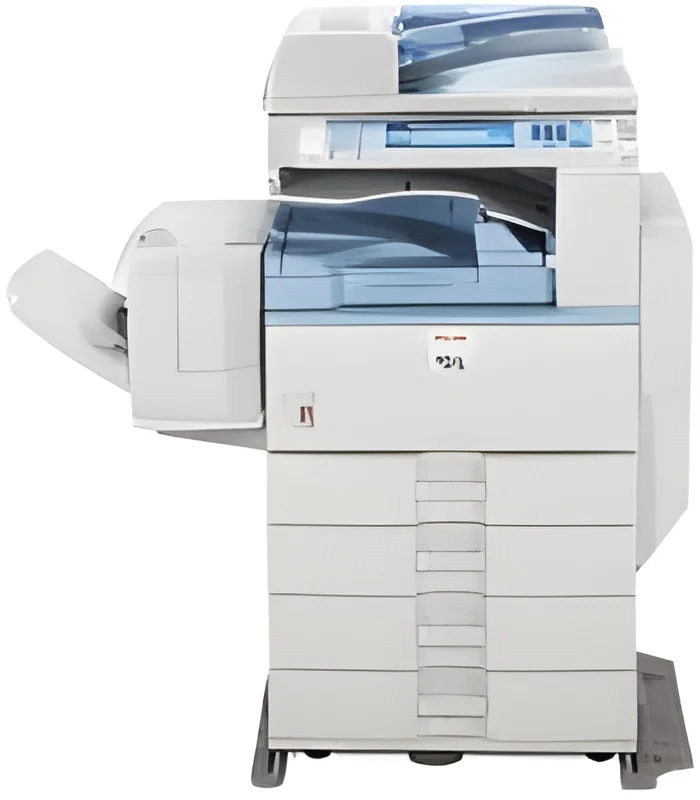
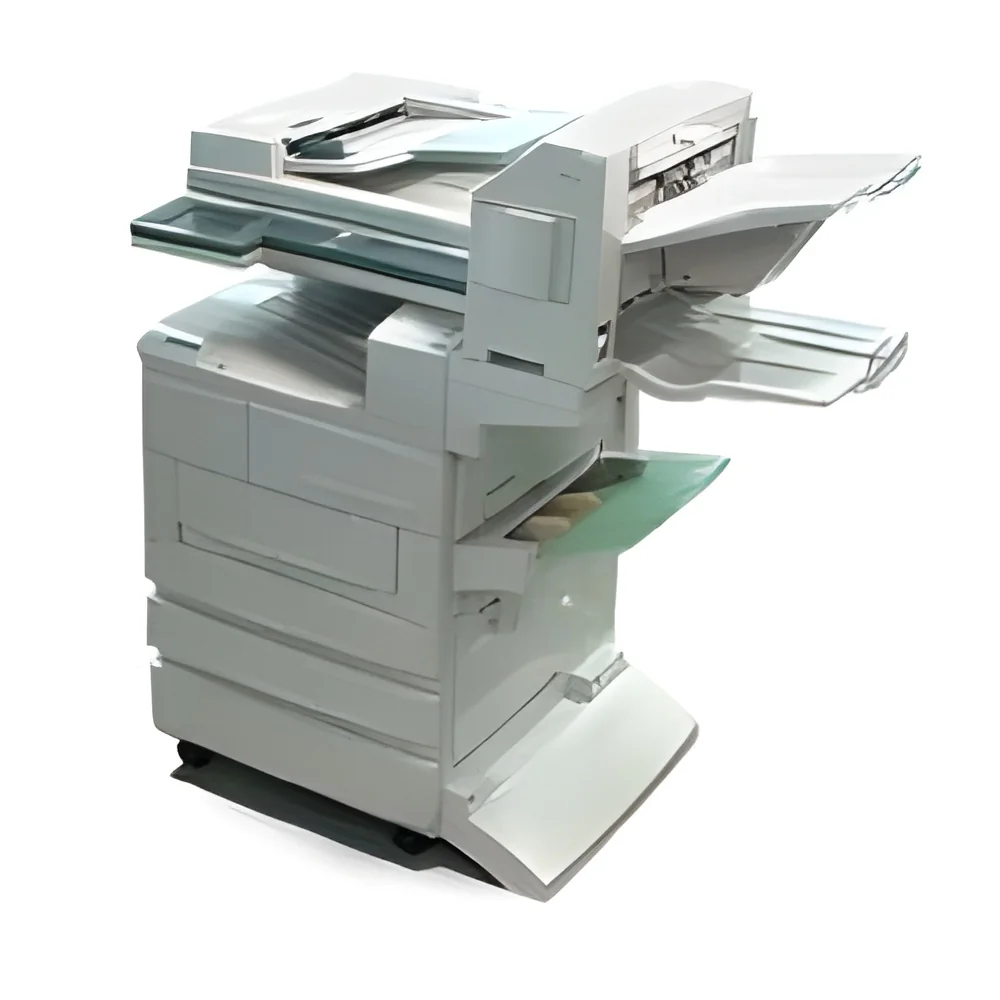
What are Printer & Copier Rentals?
Printer and copier rentals are a practical solution for businesses that require high-quality printing and copying capabilities without the long-term commitment of purchasing equipment. These rentals allow companies to access the latest technology and models while maintaining flexibility in their operations. Organizations can choose from a variety of machines tailored to their specific needs, whether for short-term projects or ongoing requirements.
These rentals are commonly used in various business settings, including corporate offices, educational institutions, and event management companies. They are particularly beneficial during peak periods or for special projects where additional resources are needed. Printer and copier rentals help businesses improve efficiency and reduce costs associated with maintenance, repairs, and depreciation of owned equipment.
In today's competitive market, the demand for flexible printing solutions is on the rise. Many companies are increasingly recognizing the benefits of renting over buying as they seek to optimize their workflows and budget allocations. This trend is particularly relevant in industries where technology evolves rapidly, making it crucial for businesses to stay updated without significant financial investments.
Key Features and Specifications
When considering printer and copier rentals, buyers should evaluate key features and specifications to ensure they meet their operational needs. Understanding these details helps in making informed decisions about which equipment to rent.
Key specifications include:
1. Print Speed
- Refers to the number of pages printed per minute (PPM).
- Typical ranges are 20 to 60 PPM depending on the model.
2. Print Quality
- Measured in dots per inch (DPI).
- Common resolutions range from 600 DPI to 1200 DPI for high-quality prints.
3. Paper Handling
- Includes input tray capacity and types of media supported.
- Standard input trays can hold 250 to 500 sheets.
4. Connectivity Options
- Types of connections available such as USB, Ethernet, and wireless.
- Many modern machines support mobile printing capabilities.
5. Monthly Duty Cycle
- Refers to the maximum number of pages a printer can handle monthly.
- Ranges from 20,000 to 100,000 pages depending on the device.
6. Energy Efficiency
- Models may have energy-saving modes or certifications.
- Look for ENERGY STAR ratings for environmentally friendly options.
7. User Interface
- Touchscreen displays or physical buttons for ease of use.
- User-friendly interfaces can enhance workflow efficiency.
8. Maintenance and Support
- Information on included support services and maintenance agreements.
- Check if the rental includes replacement toner and service calls.
In summary, understanding these specifications can significantly impact the productivity and cost-effectiveness of printer and copier rentals for any business.
Common Applications and Use Cases
Printer and copier rentals serve a wide range of industries, providing tailored solutions based on specific requirements.
1. Corporate Offices: Businesses often rent printers and copiers for short-term projects, ensuring access to high-quality equipment without long-term commitments.
2. Educational Institutions: Schools and universities can rent equipment for temporary needs during exam periods or special events, allowing for flexibility in resource management.
3. Event Management: Companies organizing events frequently require additional printing capabilities for brochures, tickets, and promotional materials, making rentals a cost-effective solution.
4. Government Agencies: Public sector organizations may rent devices for specific projects or initiatives, ensuring they have adequate resources without the need for permanent purchases.
5. Healthcare Facilities: Hospitals and clinics can benefit from renting equipment to manage printing needs for patient records and administrative documents during peak times.
6. Retail Businesses: Retailers may rent printers and copiers for seasonal promotions and events, providing flexibility to scale up or down based on demand.
7. Construction Firms: Construction companies often require high-volume printing for blueprints and plans, making rentals a suitable option for project-based work.
Product Variants and Subcategories
Printer and copier rentals come in various configurations and types, catering to diverse business needs. This diversity allows organizations to choose machines that best fit their operational requirements.
Multifunction Printers: These devices combine printing, copying, scanning, and faxing capabilities in one unit. They are ideal for businesses looking to streamline operations and save space.
High-Volume Copiers: Designed for businesses that require extensive copying capabilities, these machines handle larger workloads and often come with advanced features for high-speed production.
Compact Printers: Suitable for small offices or mobile applications, compact printers offer convenience without sacrificing quality. They are easy to transport and set up in various locations.
Wide-Format Printers: Perfect for businesses needing to print large documents, such as banners and posters, wide-format printers provide high-quality output for marketing and advertising purposes.
Benefits and Advantages
Choosing printer and copier rentals offers several advantages that can significantly impact business operations.
Key benefits include:
1. Cost Savings: Renting reduces upfront costs associated with purchasing equipment, allowing businesses to allocate funds more efficiently.
2. Flexibility: Rentals provide the ability to adapt to changing business needs, allowing for easy upgrades or downgrades in equipment as required.
3. Access to Latest Technology: Renting ensures access to the latest printer and copier models, helping businesses stay competitive with modern features and capabilities.
4. Maintenance and Support: Most rental agreements include maintenance services and support, reducing the burden on in-house IT staff and ensuring equipment is always operational.
5. Scalability: Businesses can easily scale their printing capabilities up or down based on project demands, optimizing resource allocation.
6. Reduced Downtime: Quick access to replacement equipment or service ensures minimal disruption to operations.
Buying Guide for B2B Buyers
When sourcing printer and copier rentals, businesses should carefully consider several important factors to ensure they select the right equipment and supplier.
1. Quality Assessment: Evaluate the quality of the equipment and the reputation of the brand. Consider reviews and performance ratings to ensure reliability.
2. Supplier Verification: Vet suppliers to ensure they are reputable and provide quality service. Look for testimonials and check their history in the industry.
3. Pricing and MOQ: Understand the pricing structure and minimum order quantities. Compare quotes from multiple suppliers to find competitive rates.
4. Delivery and Lead Times: Consider the logistics involved in getting the equipment delivered. Ensure that suppliers can meet your deadlines and provide timely service.
5. Compliance Requirements: Verify that the equipment meets any relevant compliance standards or regulations specific to your industry. This can include safety certifications or environmental considerations.
Compliance and Certifications
Compliance and certifications are critical aspects of printer and copier rentals, as they ensure that the equipment meets industry standards and safety requirements.
Relevant quality standards, such as ISO 9001, help ensure that manufacturers maintain high levels of quality in their production processes. This standard is essential for businesses that prioritize reliability and performance in their rented equipment.
Industry certifications, such as CE marking, indicate that the products comply with European health, safety, and environmental protection standards. This assurance is vital for businesses operating in regulated markets.
Safety and testing requirements must be adhered to, ensuring that the equipment is safe for use in various environments. This includes electrical safety tests and performance evaluations.
Additionally, regional compliance considerations may vary, so businesses should ensure that the rented equipment meets local regulations and standards applicable in their operating regions.
Why Source Printer & Copier Rentals from Pepagora?
Pepagora offers a trusted platform for sourcing printer and copier rentals with several key advantages that benefit B2B buyers.
Verified Supplier Network: Pepagora connects businesses with a network of verified suppliers, ensuring that all listed vendors meet stringent quality and reliability standards. This reduces the risks associated with sourcing equipment.
Streamlined RFQ Process: The request for quotation (RFQ) process is simplified on Pepagora, enabling buyers to easily compare offers from multiple suppliers. This transparency helps organizations make informed decisions more quickly.
Trade Assurance and Support: Pepagora provides trade assurance to protect buyers throughout the sourcing process. This includes support for resolving any issues that may arise during the rental agreement, giving businesses peace of mind.
Regional Coverage: With a broad geographic reach, Pepagora serves businesses across India, the GCC, and Southeast Asia. This extensive coverage ensures that companies can find suitable rental options regardless of their location or specific needs.
By choosing Pepagora, businesses can navigate the complexities of printer and copier rentals with confidence, ensuring they secure the best equipment and support for their operations.

 IN
IN