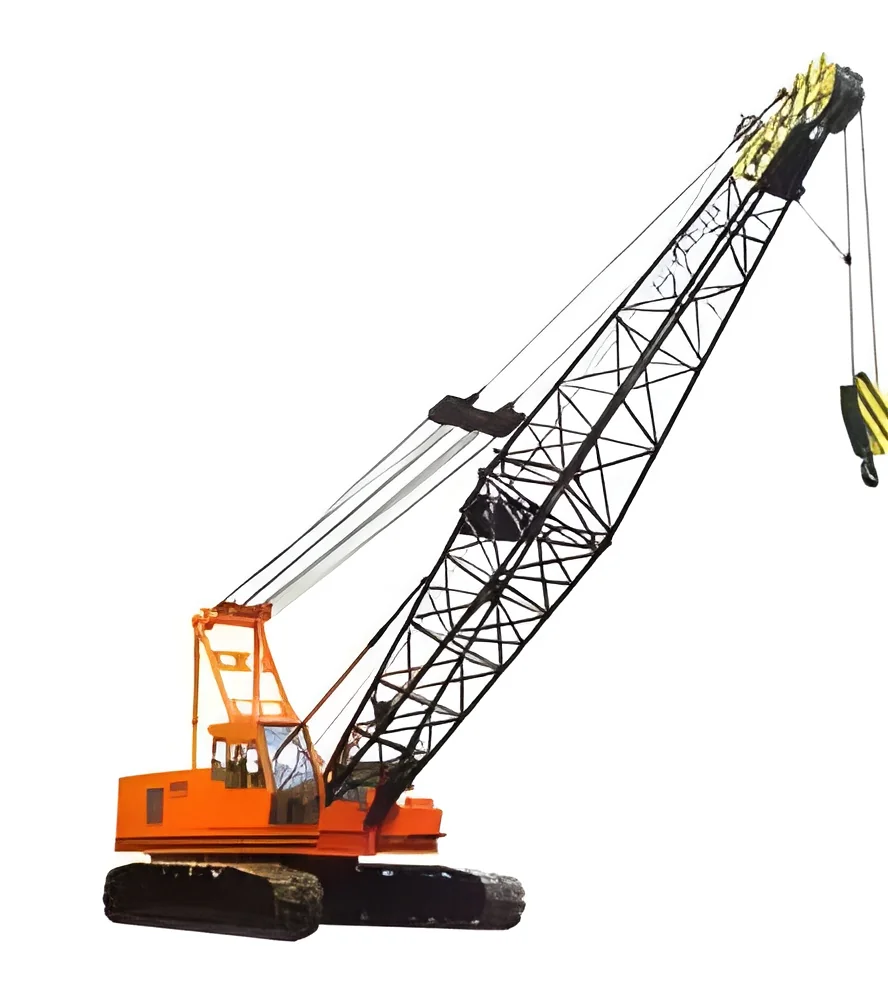
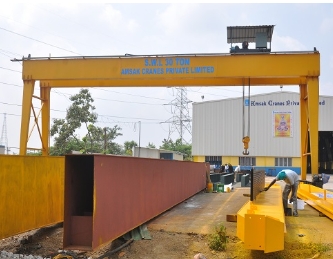
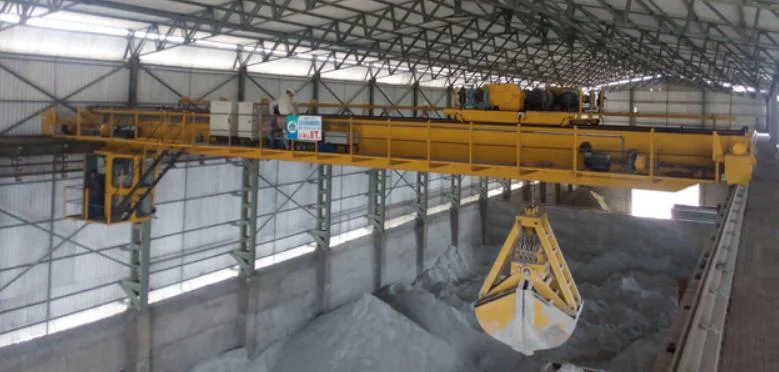
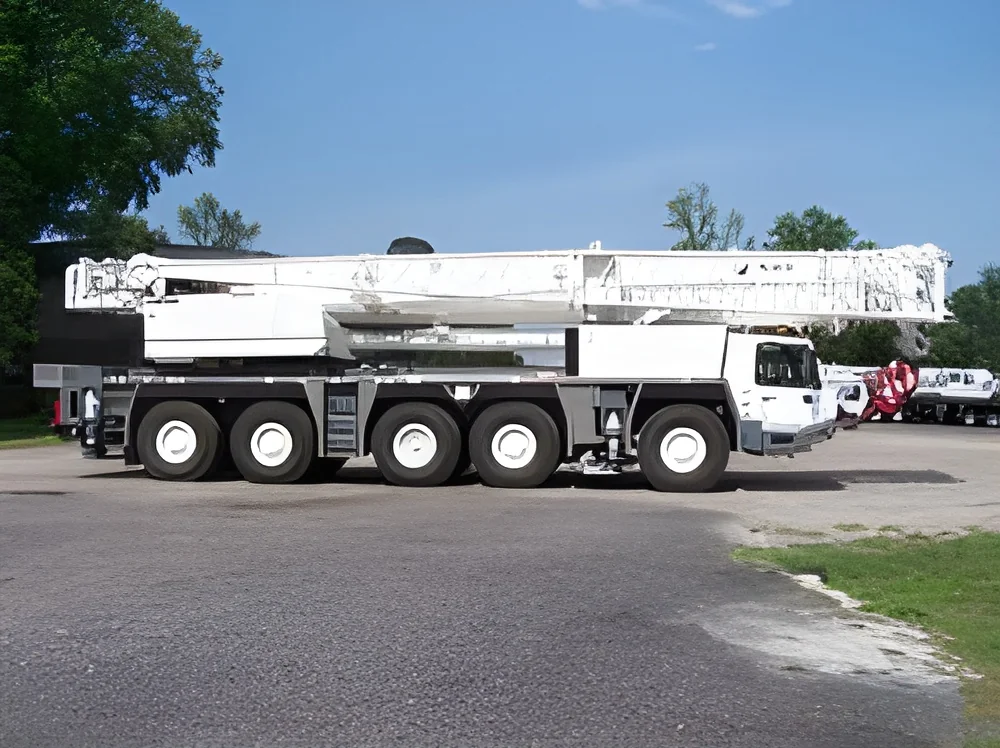
What are Material Handling Equipment Leasing (Forklifts, Cranes)?
Material Handling Equipment Leasing involves renting equipment such as forklifts and cranes for the movement, storage, and handling of materials. This leasing model allows businesses to access essential machinery without the significant upfront costs associated with purchasing. Companies can lease these machines for short or long-term periods based on their operational requirements.
These machines play a crucial role in various business applications, including warehousing, construction, and manufacturing. Forklifts are primarily used for lifting and transporting materials on pallets, while cranes are essential for moving heavy loads vertically and horizontally. By leasing this equipment, companies can enhance efficiency and productivity while keeping their capital investment low.
In today's industrial landscape, leasing material handling equipment has gained popularity due to its flexibility and cost-effectiveness. As businesses face fluctuating demand and project-based work, leasing provides a strategic advantage. It allows companies to scale operations quickly and respond to market changes without the burden of owning expensive machinery.
๐๐ฒ๐ ๐๐ฒ๐ฎ๐๐๐ฟ๐ฒ๐ ๐ฎ๐ป๐ฑ ๐ฆ๐ฝ๐ฒ๐ฐ๐ถ๐ณ๐ถ๐ฐ๐ฎ๐๐ถ๐ผ๐ป๐
Material Handling Equipment Leasing provides businesses with access to advanced machinery tailored to their operational needs. The equipment specifications are critical in ensuring that the right machines are selected for specific tasks.
Key specifications include:
1. Load Capacity
- The maximum weight the machine can lift or carry.
- Ranges from 1,500 kg for smaller forklifts to 50,000 kg for large cranes.
2. Lift Height
- The maximum vertical distance the machine can reach.
- Typical reach for forklifts is 3 to 7 meters, while cranes can exceed 20 meters.
3. Power Source
- Types of power sources include electric, diesel, and propane.
- Electric forklifts are ideal for indoor use, while diesel cranes are suited for outdoor applications.
4. Maneuverability
- The ability to navigate tight spaces and corners.
- Forklifts often have a turning radius as low as 1.5 meters.
5. Safety Features
- Includes seat belts, stability controls, and emergency brakes.
- Compliance with safety standards is essential for operational safety.
6. Operator Comfort
- Ergonomic seating and controls enhance productivity.
- Features include adjustable seats and intuitive control layouts.
7. Maintenance Requirements
- Regular maintenance needs to ensure equipment longevity.
- Leasing agreements often include maintenance services.
8. Certification Compliance
- Ensures that equipment meets industry standards.
- Common certifications include CE for safety.
Selecting the right specifications is vital for optimizing performance and safety in material handling operations.
๐๐ผ๐บ๐บ๐ผ๐ป ๐๐ฝ๐ฝ๐น๐ถ๐ฐ๐ฎ๐๐ถ๐ผ๐ป๐ ๐ฎ๐ป๐ฑ ๐จ๐๐ฒ ๐๐ฎ๐๐ฒ๐
Material Handling Equipment Leasing is utilized across various industries to enhance operational efficiency.
1. Warehousing: Forklifts are extensively used for moving goods in and out of storage. They enable quick loading and unloading of pallets, improving inventory management.
2. Construction: Cranes are essential for lifting heavy materials like steel beams and concrete blocks. Their ability to reach high elevations is crucial for construction projects.
3. Manufacturing: Forklifts assist in transporting raw materials to production lines and finished goods to shipping areas, streamlining production processes.
4. Retail: In large retail environments, forklifts help restock shelves quickly and efficiently, ensuring product availability for customers.
5. Logistics: In logistics centers, both forklifts and cranes are employed to optimize the movement of goods, reducing handling time and increasing throughput.
6. Agriculture: Forklifts are used for transporting bulk materials such as feed and fertilizers in agricultural settings, enhancing productivity.
7. Mining: Cranes play a vital role in moving heavy equipment and materials in mining operations, ensuring safety and efficiency in challenging environments.
๐ฃ๐ฟ๐ผ๐ฑ๐๐ฐ๐ ๐ฉ๐ฎ๐ฟ๐ถ๐ฎ๐ป๐๐ ๐ฎ๐ป๐ฑ ๐ฆ๐๐ฏ๐ฐ๐ฎ๐๐ฒ๐ด๐ผ๐ฟ๐ถ๐ฒ๐
Material Handling Equipment Leasing offers a diverse range of options to meet specific business needs. Each variant presents unique features suited for different operational demands.
Electric Forklifts
These forklifts are powered by batteries, making them suitable for indoor use. They produce zero emissions and operate quietly, making them ideal for warehouses and retail environments.
Diesel Forklifts
Engineered for heavy-duty tasks, diesel forklifts provide high power and load capacity. They are commonly used in outdoor environments such as construction sites where heavy lifting is required.
Rough Terrain Forklifts
Designed to navigate uneven surfaces, rough terrain forklifts are equipped with large tires and strong suspensions. They are commonly used in construction and landscaping projects.
Warehouse Cranes
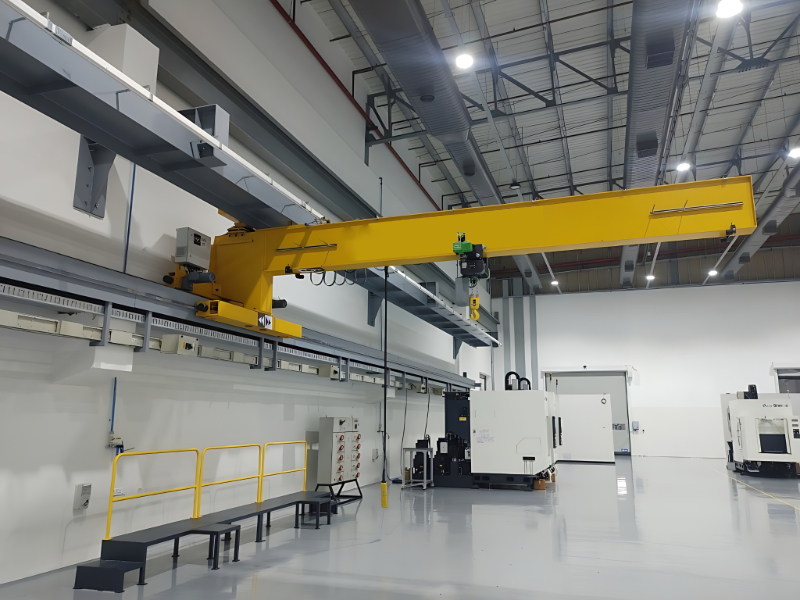
These cranes are used for moving goods within warehouse environments. They offer precise control for lifting and placing items in tight spaces, optimizing storage capacity.
Mobile Cranes
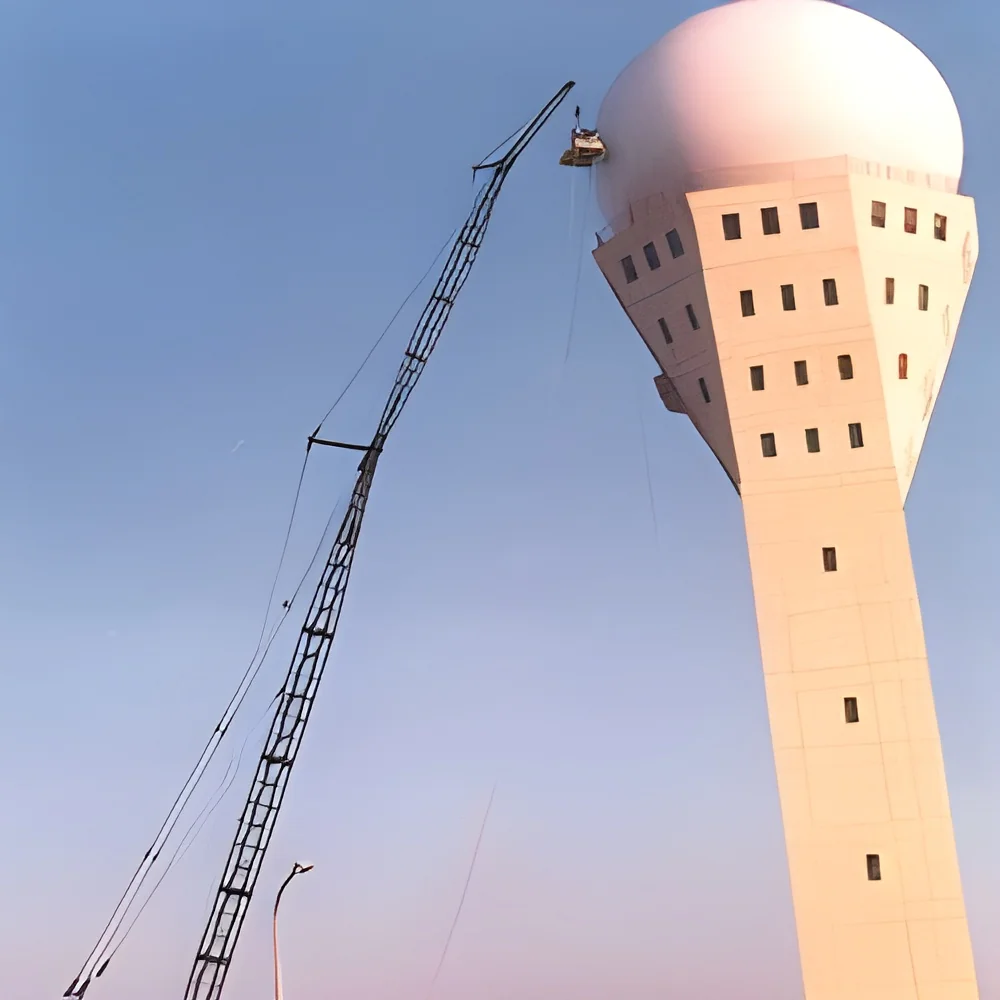
Mobile cranes are versatile machines that can be moved easily from site to site. They are ideal for construction projects that require flexibility and mobility.
๐๐ฒ๐ป๐ฒ๐ณ๐ถ๐๐ ๐ฎ๐ป๐ฑ ๐๐ฑ๐๐ฎ๐ป๐๐ฎ๐ด๐ฒ๐
Leasing Material Handling Equipment offers numerous benefits that can enhance operational efficiency and reduce costs.
1. Cost Savings: Leasing eliminates the need for large upfront investments, allowing businesses to allocate funds to other operational areas.
2. Flexibility: Companies can lease equipment based on project needs, adjusting their fleet size as demand fluctuates.
3. Access to Latest Technology: Leasing provides access to the latest equipment models with advanced features, improving productivity and safety.
4. Maintenance Support: Many leasing agreements include maintenance services, reducing the burden of upkeep and ensuring equipment reliability.
5. Reduced Financial Risk: Leasing minimizes the financial risks associated with equipment ownership, such as depreciation and resale challenges.
6. Improved Cash Flow: By avoiding large capital expenditures, businesses can maintain better cash flow, which is essential for operational stability.
๐๐๐๐ถ๐ป๐ด ๐๐๐ถ๐ฑ๐ฒ ๐ณ๐ผ๐ฟ ๐๐ฎ๐ ๐๐๐๐ฒ๐ฟ๐
When sourcing Material Handling Equipment Leasing, buyers should consider several critical factors to ensure they select the right equipment and supplier.
1. Quality Assessment: Evaluate the quality of the equipment by reviewing specifications, certifications, and maintenance records. High-quality machinery is essential for safety and efficiency.
2. Supplier Verification: Conduct thorough research on potential suppliers. Look for reviews, testimonials, and industry reputation to ensure reliability and trustworthiness.
3. Pricing and MOQ: Understand the pricing structure and any minimum order quantities. This helps in budgeting and ensures that the leasing agreement meets business needs.
4. Delivery and Lead Times: Consider logistics and delivery times when planning projects. Ensure that suppliers can meet required timelines for equipment availability.
5. Compliance Requirements: Verify that the equipment meets all relevant industry regulations and safety standards. Compliance is critical to avoid legal issues and ensure safe operation.
๐๐ผ๐บ๐ฝ๐น๐ถ๐ฎ๐ป๐ฐ๐ฒ ๐ฎ๐ป๐ฑ ๐๐ฒ๐ฟ๐๐ถ๐ณ๐ถ๐ฐ๐ฎ๐๐ถ๐ผ๐ป๐
Material Handling Equipment must adhere to various quality standards and certifications to ensure safety and performance.
Relevant quality standards include ISO 9001, which focuses on quality management systems, ensuring that manufacturers maintain high quality in their processes. Additionally, HACCP and GDP standards are essential for industries dealing with food and pharmaceuticals.
Industry certifications such as CE indicate compliance with European safety standards, demonstrating that the equipment meets essential health and safety requirements.
Safety and testing requirements are crucial in the leasing process. Equipment should undergo rigorous testing to ensure it can safely handle the loads and tasks for which it is designed.
Regional compliance considerations vary by location. Buyers should be aware of local regulations that may impact equipment use and safety requirements.
Why Source Material Handling Equipment Leasing (Forklifts, Cranes) from Pepagora?
Pepagora offers a reliable platform for sourcing Material Handling Equipment Leasing (Forklifts, Cranes) with several key advantages that benefit B2B buyers.
Verified Supplier Network: Pepagora connects businesses with a network of verified suppliers. Each supplier goes through a rigorous vetting process, ensuring reliability and trust in the leasing agreements.
Streamlined RFQ Process: The Request for Quotation (RFQ) process is designed to be efficient, allowing buyers to receive competitive quotes from multiple suppliers quickly. This facilitates informed decision-making and cost comparison.
Trade Assurance and Support: Pepagora provides trade assurance to protect buyers in their transactions. This includes support services to address any concerns during the leasing process, ensuring peace of mind.
Regional Coverage: With a strong presence in India, the GCC, and Southeast Asia, Pepagora offers extensive regional coverage, making it easy for businesses to access material handling equipment tailored to their local markets.