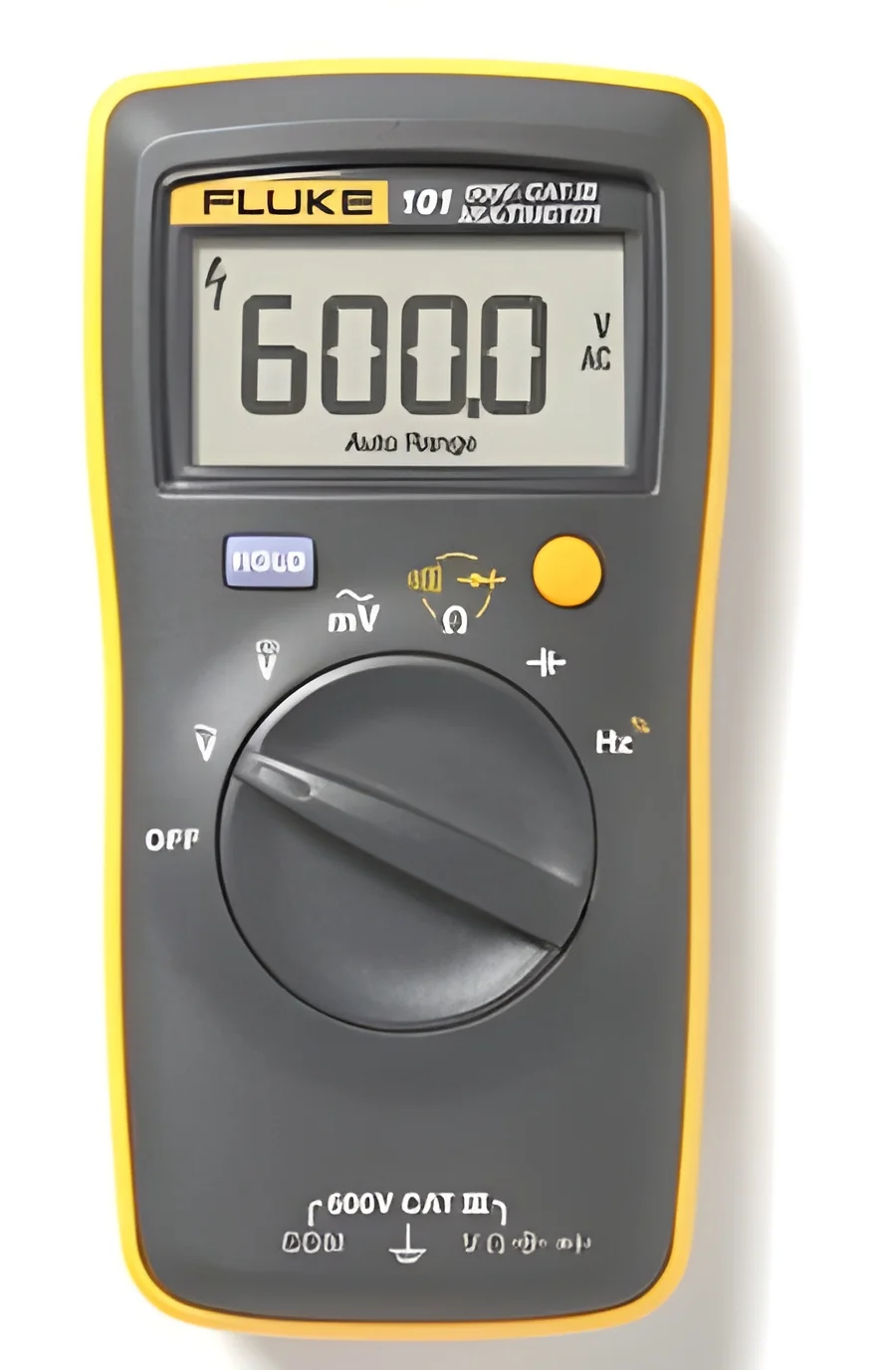
Key Features and Specifications
Electrical test equipment such as multimeters and clamp meters has a range of features and specifications that enhance their usability and performance. Understanding these key specifications helps buyers make informed decisions when selecting the right tools for their needs.
Key specifications include:
1. Measurement Range
- Multimeters typically offer a range of voltage, current, and resistance measurements.
- Clamp meters focus on current measurements with specific ranges for AC and DC currents.
2. Display Type
- Digital displays provide clear readings, while analog displays offer a visual representation of measurements.
- Backlit displays are beneficial for low-light environments.
3. Accuracy Level
- Accuracy is critical for reliable measurements, often expressed as a percentage of the reading.
- Higher accuracy levels are crucial for precision-based applications.
4. Safety Ratings
- Many multimeters and clamp meters are rated for CAT III or CAT IV safety levels, indicating their suitability for various electrical environments.
- Compliance with safety standards ensures protection for the user during operation.
5. Data Logging Capability
- Some advanced models come with data logging features to record measurements over time.
- This is especially useful for trend analysis and long-term monitoring.
6. Battery Life
- Battery life is an essential consideration, particularly for field applications.
- Longer battery life reduces the frequency of replacements and downtime.
7. Size and Portability
- Compact and lightweight designs enhance portability, making it easier to carry tools to different job sites.
- Ergonomic designs improve user comfort during prolonged use.
8. Additional Features
- Some devices offer features like Bluetooth connectivity for data transfer and integration with mobile applications.
- Auto-ranging capabilities simplify the measurement process by automatically detecting the correct range.
In summary, understanding the key features and specifications of electrical test equipment is vital for selecting the right tools for specific applications. Buyers should consider their unique needs and the environments in which they will be used.
Common Applications and Use Cases
Electrical test equipment is utilized across various industries, facilitating a wide range of applications.
1. Electrical Utilities: Technicians use multimeters to monitor voltage levels and ensure the integrity of power distribution systems.
2. Manufacturing: In manufacturing plants, clamp meters help monitor electrical systems, ensuring machinery operates efficiently and safely.
3. Construction: Electricians use multimeters during the installation and maintenance of electrical systems in new buildings, ensuring compliance with safety standards.
4. Automotive: Automotive technicians rely on these tools for diagnosing electrical issues in vehicles, allowing for effective repairs and maintenance.
5. Telecommunications: In telecommunications, these devices are used to troubleshoot and maintain network infrastructure, ensuring reliable communication services.
6. HVAC: HVAC technicians utilize multimeters and clamp meters to diagnose electrical issues in heating and cooling systems, ensuring optimal performance.
7. Home Services: Residential electricians use these tools to perform safe installations and repairs, helping homeowners maintain their electrical systems.
Product Variants and Subcategories
Electrical test equipment encompasses a variety of product variants tailored to specific applications.
Digital Multimeters: These devices are equipped with advanced features such as auto-ranging, data logging, and connectivity options. They are ideal for technicians who require precise measurements and advanced functionality.
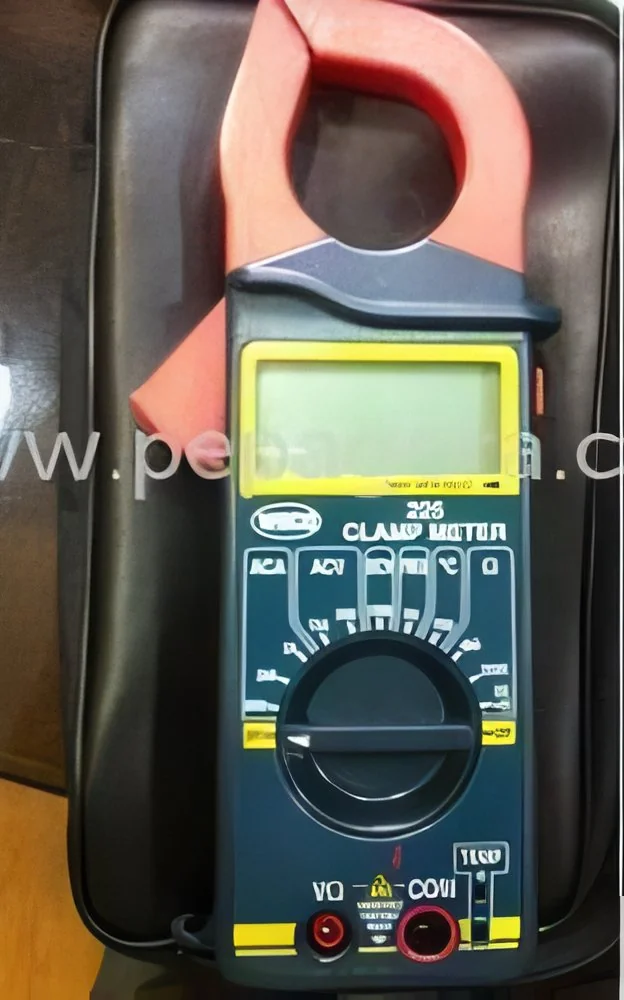
Clamp Multimeters: Designed for easy current measurement, these devices allow users to measure current without disconnecting wires. They are particularly useful in tight spaces where disconnecting wires may be impractical.
Analog Multimeters: Though less common today, analog multimeters still find use in certain applications due to their simplicity and reliability. They offer a visual representation of measurements, which can be beneficial for some users.
Pocket Multimeters: Compact and lightweight, these multimeters are designed for portability, making them suitable for technicians on the go. They provide essential measurement functions in a smaller form factor.
Benefits and Advantages
Electrical test equipment provides numerous benefits that enhance operational efficiency and safety.
1. Precision Measurement: These tools offer accurate readings, which are crucial for troubleshooting and diagnostics.
2. Versatility: Multimeters and clamp meters can be used in various applications, making them multi-functional tools for technicians.
3. Safety Assurance: With safety ratings and features, these devices help protect users while working in potentially hazardous environments.
4. Cost-Effectiveness: Investing in reliable electrical test equipment can lead to long-term savings by reducing errors and enhancing efficiency in electrical work.
5. User-Friendly Features: Many modern devices are designed with intuitive interfaces, making them accessible even for less experienced users.
6. Enhanced Productivity: Quick and accurate measurements streamline workflows, allowing technicians to complete tasks more efficiently.
Buying Guide for B2B Buyers
When sourcing electrical test equipment, it is essential for B2B buyers to consider several key factors to ensure they select the right products for their needs.
1. Quality Assessment: Buyers should evaluate the quality of the equipment based on manufacturer reputation, customer reviews, and compliance with industry standards.
2. Supplier Verification: It is critical to vet suppliers for reliability, product quality, and support offerings. A trusted supplier can provide valuable insights and assistance.
3. Pricing and MOQ: Buyers should consider pricing structures and minimum order quantities. Understanding these factors helps in budgeting and inventory management.
4. Delivery and Lead Times: Logistics play a crucial role in procurement. Buyers should assess lead times and delivery options to ensure timely access to equipment.
5. Compliance Requirements: Buyers must be aware of regulatory compliance for electrical tools in their region. This may include certifications and safety standards necessary for operation.
Compliance and Certifications
Electrical test equipment must meet relevant quality standards to ensure safety and reliability. Common standards include ISO 9001, which addresses quality management systems, and industry-specific certifications such as UL and CE.
Compliance with these standards ensures that the equipment meets safety and performance requirements, providing confidence to users regarding its reliability.
In addition to general certifications, specific safety and testing requirements may apply based on the application and environment in which the equipment is used. Regional compliance considerations are also important, as different regions may have distinct regulatory requirements for electrical tools.
Why Source Electrical Test Equipment (Multimeters, Clamp Meters) from Pepagora?
Pepagora offers a trusted platform for sourcing electrical test equipment, providing several key advantages to buyers.
Verified Supplier Network: Pepagora has established a network of verified suppliers, ensuring that buyers have access to high-quality products and reliable service. This network helps streamline the sourcing process.
Streamlined RFQ Process: The request for quotation (RFQ) process on Pepagora is designed to be user-friendly, allowing buyers to easily compare options and receive competitive quotes from multiple suppliers.
Trade Assurance and Support: Buyers benefit from trade assurance, which provides protection throughout the purchasing process. This support fosters confidence in transactions and helps address any issues that may arise.
Regional Coverage: With a focus on regions including India, the GCC, and Southeast Asia, Pepagora ensures that buyers can access electrical test equipment tailored to their specific markets and needs. This geographic reach helps facilitate efficient procurement and logistical support.

 IN
IN