
 IN
Waste Couplings
8 products available
What are Waste Couplings?
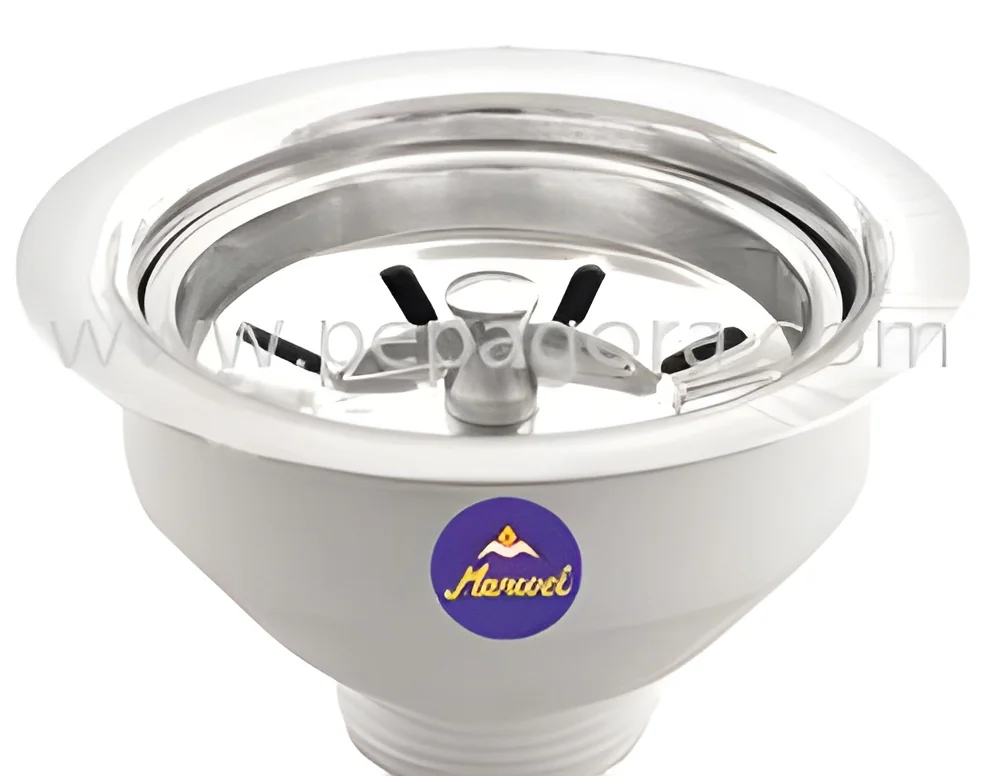
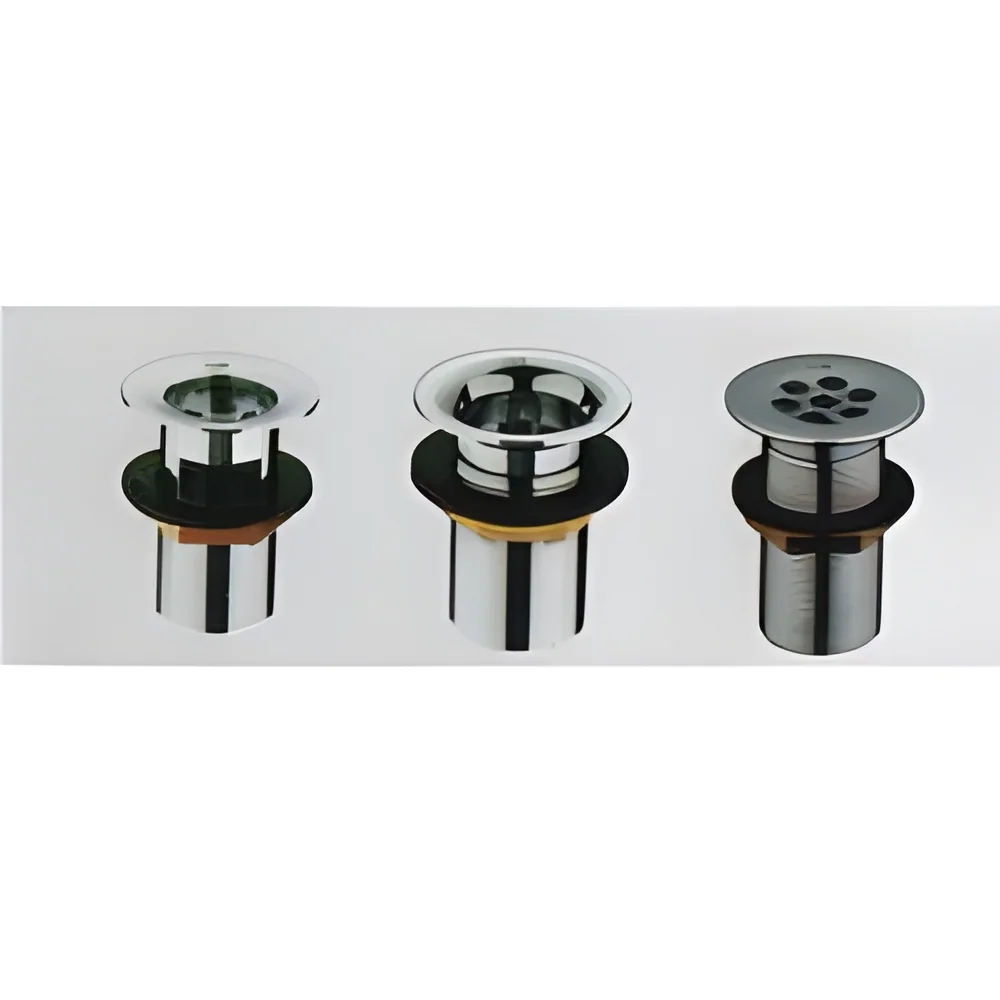
Waste couplings are essential components in various industrial applications, designed to connect pipes or hoses used in waste management systems. These couplings facilitate the secure transfer of liquids and solids, ensuring efficient waste disposal and transportation. Typically made from durable materials, waste couplings are engineered to withstand harsh conditions, including exposure to chemicals and extreme temperatures.
These couplings are primarily used in industries such as wastewater treatment, chemical processing, and construction. In wastewater treatment facilities, waste couplings help manage the flow of sewage and sludge. In chemical processing, they are utilized for transferring hazardous materials safely. Their versatility makes waste couplings relevant across multiple sectors, where effective waste management is critical to operational efficiency and environmental compliance.
Key Features and Specifications
Waste couplings come with a variety of features that enhance their utility in industrial applications. Understanding these specifications is crucial for selecting the right couplings for specific needs.
Key specifications include:
1. Material Type
- Typically constructed from materials like PVC, stainless steel, or rubber
- Provides resistance to corrosion and chemical exposure
2. Size Range
- Available in various diameters to accommodate different pipe sizes
- Common sizes include 1 inch, 2 inches, and larger options
3. Pressure Rating
- Designed to withstand varying levels of pressure
- Common pressure ratings range from 150 PSI to 300 PSI
4. Temperature Tolerance
- Capable of operating in a wide temperature spectrum
- Specific ranges may vary based on material used
5. Connection Type
- Includes options for threaded, slip-on, or flange connections
- Ensures compatibility with existing piping systems
6. Seal Type
- Equipped with gaskets or O-rings for leak prevention
- Helps maintain integrity under pressure
7. Compliance Standards
- Adheres to relevant industry standards for safety and performance
- Certification options include CE
In summary, the specifications of waste couplings are designed to meet the demands of various industrial environments, ensuring reliable performance and safety.
Common Applications and Use Cases
Waste couplings are utilized in multiple industries, demonstrating their versatility and critical role in waste management.
1. Wastewater Treatment: In this industry, waste couplings are used to connect pipelines that transport sewage and sludge to treatment facilities, ensuring efficient flow and minimal leakage.
2. Chemical Processing: Waste couplings facilitate the safe transfer of hazardous liquids and materials between tanks and systems, minimizing risks associated with chemical spills.
3. Construction: In construction sites, waste couplings are employed in drainage systems to manage excess water and waste, helping maintain site safety and compliance.
4. Food and Beverage: These couplings are used in food processing plants to transport waste materials, ensuring hygiene and preventing contamination.
5. Oil and Gas: In this sector, waste couplings are critical for managing waste byproducts from extraction and refining processes.
6. Agriculture: Waste couplings help transport waste from agricultural operations, contributing to effective waste management practices.
7. Mining: Used in mining operations, waste couplings manage the disposal of waste materials generated during extraction processes.
Product Variants and Subcategories
While there are no specific subcategories available for waste couplings, the product diversity allows for customization based on industry requirements.
Standard Waste Couplings: These are the most common variants, designed for general waste management applications. They typically feature robust construction to handle various waste types.
Heavy-Duty Waste Couplings: Engineered for high-stress environments, these variants are built to withstand extreme conditions and heavy usage, making them suitable for industries like mining and oil and gas.
Custom Waste Couplings: Tailored to meet unique specifications, these couplings can be adapted in size, material, and connection type to fit specific piping needs.
Benefits and Advantages
Choosing waste couplings offers numerous benefits that enhance operational efficiency and safety.
1. Durability: Made from high-quality materials, waste couplings are built to withstand harsh environments, ensuring longevity and reduced maintenance costs.
2. Versatility: With various sizes and types available, waste couplings can be adapted to suit a wide range of applications across different industries.
3. Leak Prevention: The design features, including seals and gaskets, help prevent leaks, minimizing environmental impact and ensuring safety.
4. Compliance with Standards: Many waste couplings meet industry standards, providing assurance of quality and safety in operations.
5. Cost-Effectiveness: Investing in reliable waste couplings can lead to lower operational costs by reducing the risk of leaks and the need for frequent replacements.
6. Ease of Installation: Waste couplings are designed for straightforward installation, allowing for quick assembly and reducing downtime in operations.
Buying Guide for B2B Buyers
When sourcing waste couplings, it is essential to consider several factors to ensure you select the right product for your needs.
1. Quality Assessment: Evaluate the quality of materials used in the couplings. Look for certifications that indicate compliance with industry standards to ensure durability and reliability.
2. Supplier Verification: Vet suppliers carefully by checking their reputation, customer reviews, and their ability to meet delivery timelines and quality standards.
3. Pricing and MOQ: Understand the pricing structure and minimum order quantities. Compare quotes from multiple suppliers to ensure competitive pricing without compromising quality.
4. Delivery and Lead Times: Consider the logistics involved in sourcing waste couplings. Ensure that suppliers can meet your lead time requirements to avoid disruptions in your operations.
5. Compliance Requirements: Familiarize yourself with the regulatory needs specific to your industry. Ensure that the couplings you choose comply with local and international standards.
Compliance and Certifications
Compliance with quality standards is crucial for waste couplings to ensure safety and performance in industrial applications. Relevant standards include ISO 9001, which focuses on effective quality management systems, and CE certification, indicating compliance with European safety standards.
In addition to these certifications, waste couplings may need to meet safety and testing requirements specific to the industry they serve. This includes rigorous testing for pressure tolerance and material durability to ensure they can perform under operational stresses.
Regional compliance considerations should also be taken into account. Different regions may have specific regulatory frameworks governing the use of industrial components, and understanding these requirements can help avoid legal complications and ensure operational efficiency.
Why Source Waste Couplings from Pepagora?
Pepagora provides a trusted platform for sourcing waste couplings, equipped with several key advantages that benefit B2B buyers.
Verified Supplier Network: Pepagora offers a network of verified suppliers, ensuring buyers can trust the quality and reliability of the products they purchase. This reduces the risks associated with sourcing from unknown manufacturers.
Streamlined RFQ Process: The platform simplifies the request for quotation (RFQ) process, allowing buyers to efficiently gather pricing and product information from multiple suppliers. This competitive environment helps ensure fair pricing.
Trade Assurance and Support: Pepagora prioritizes buyer protection through trade assurance policies. This support gives buyers confidence in their purchases, knowing they have recourse in case of issues.
Regional Coverage: With a strong presence in India, GCC, and Southeast Asia, Pepagora ensures that buyers have access to local suppliers who understand regional requirements and can provide timely delivery of waste couplings.


 India
 India

 India
Frequently Asked Questions
What are Waste Couplings?
Waste couplings are fittings used to connect pipes in plumbing systems, specifically designed to manage wastewater. They ensure a secure and leak-proof connection between different sections of waste pipes, facilitating the efficient flow of wastewater.
What are the different types of Waste Couplings?
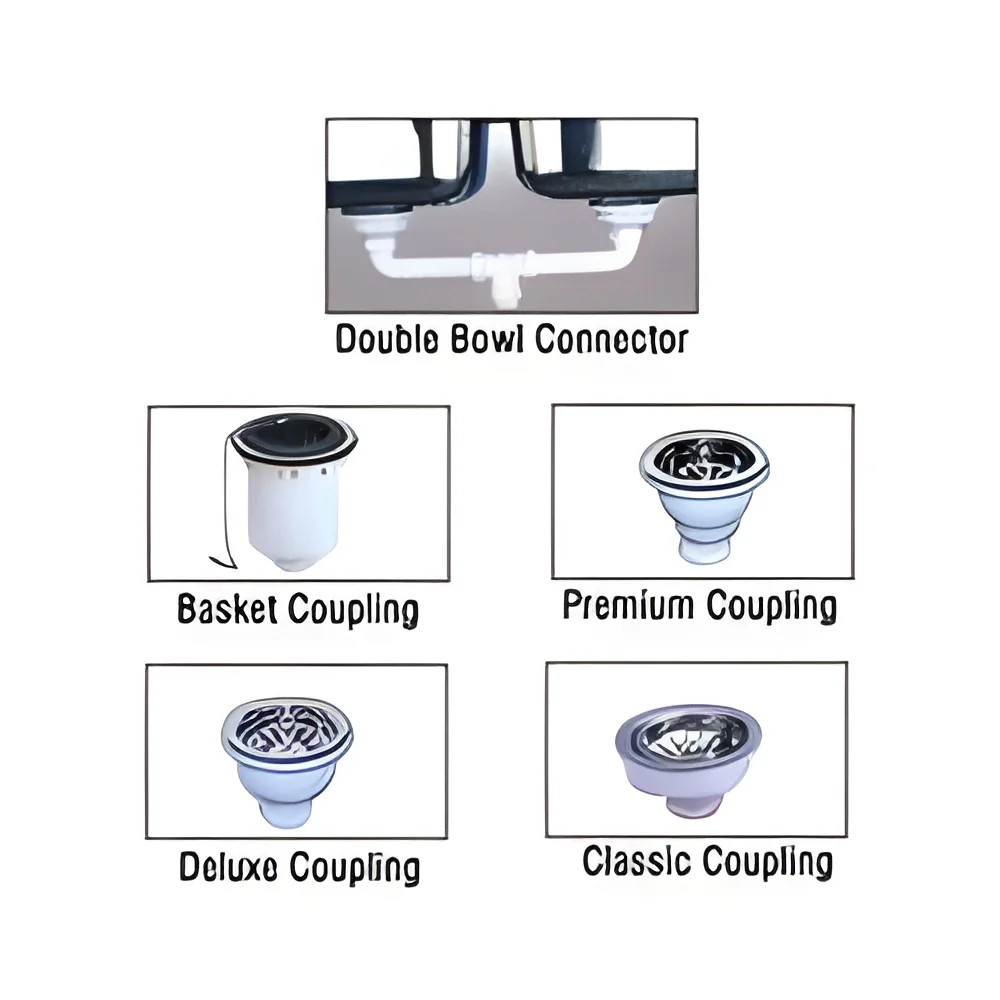
There are several types of waste couplings, including flexible couplings, rigid couplings, and rubber couplings. Each type serves different applications, with flexible couplings allowing for slight movement and rigid couplings providing a sturdy connection without any flexibility.
How do I choose the right Waste Couplings?
Choosing the right waste couplings involves considering the pipe material, diameter, and the specific application requirements. It is important to ensure compatibility with the existing plumbing system and to select couplings that can withstand the expected pressure and temperature.
What are the standard specifications for Waste Couplings?
Standard specifications for waste couplings typically include dimensions, material type, and pressure ratings. Common materials include PVC, ABS, and rubber, with specifications often conforming to industry standards such as ASTM or ISO.
What is the price range for Waste Couplings?
The price range for waste couplings can vary widely depending on the type, material, and size. Generally, prices can range from a few rupees for basic plastic couplings to several hundred rupees for specialized or larger couplings.
What quality standards apply to Waste Couplings?
Waste couplings must adhere to various quality standards to ensure safety and reliability. Common standards include ISO 9001 for quality management systems and specific material standards that govern the durability and performance of plumbing fittings.
Where can I find Waste Couplings suppliers in India?
Waste couplings suppliers in India can be found through online B2B marketplaces like Pepagora.com, local plumbing supply stores, and specialized manufacturers. It's advisable to compare suppliers based on product quality, pricing, and customer reviews.
Can Waste Couplings be customized?
Yes, many manufacturers offer customization options for waste couplings to meet specific requirements. Customizations can include alterations in size, material, and design features to suit particular plumbing applications.
What is the typical minimum order quantity for Waste Couplings?
The typical minimum order quantity (MOQ) for waste couplings can vary among manufacturers but often ranges from 50 to 100 units. It is best to check with individual suppliers for their specific MOQ policies.
What is the typical lead time for Waste Couplings?
The typical lead time for waste couplings can range from a few days to several weeks, depending on the supplier and whether the couplings are in stock or need to be manufactured. It's important to confirm lead times when placing an order.
Why Businesses Trust Pepagora
Thousands of companies trust Pepagora to source smarter and sell faster
Expand Your Sales Globally

Source Smarter,Grow Faster
