Key Features and Specifications
Urinals come with various features and specifications that cater to different user needs and settings. When selecting urinals, it is essential to understand these aspects to make informed decisions.
Key specifications include:
1. Type of Operation
- Manual or sensor activation
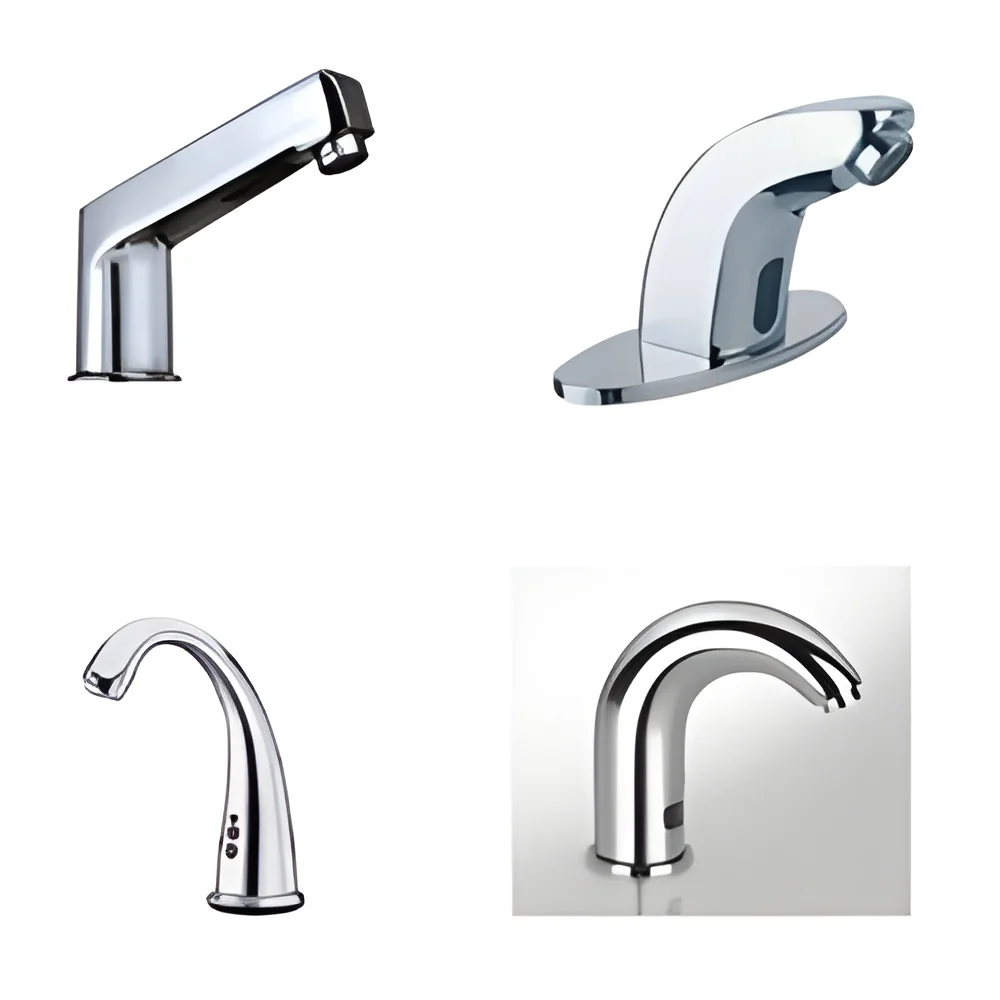
- Sensor urinals may offer touch-free operation
2. Water Consumption
- Flow rate typically ranges from 0.5 to 1.0 gallons per flush
- Some models designed for low water usage
3. Material
- Common materials include vitreous china, stainless steel, or plastic
- Durability and ease of cleaning vary by material choice
4. Design and Aesthetics
- Various styles available to suit different restroom designs
- Options for wall-mounted or floor-mounted installations
5. Size and Dimensions
- Standard dimensions typically range from 12 to 18 inches in width
- Height specifications vary to accommodate different user needs
6. Maintenance Features
- Easy-to-clean designs to reduce upkeep
- Some models include anti-microbial coatings
7. Compliance Standards
- Must adhere to local plumbing codes and regulations
- CE certification indicates compliance with safety standards
8. Warranty and Support
- Warranty periods vary; typically between 1 to 5 years
- Availability of customer support for installation and maintenance
In summary, understanding key features and specifications is crucial for selecting the right type of urinal that meets the needs of your business while ensuring efficiency and compliance.
Common Applications and Use Cases
Urinals find applications across a wide range of industries, contributing to enhanced restroom experiences.
1. Educational Institutions: Urinals are commonly installed in schools and universities to accommodate large volumes of students. Their efficient design helps maintain cleanliness and reduces wait times.
2. Hospitality Industry: Restaurants and hotels utilize urinals in their restrooms to provide guests with convenient and hygienic options, often opting for sensor models to enhance user experience.
3. Commercial Offices: Many businesses install urinals in employee restrooms to save space and improve restroom efficiency, promoting a clean and professional environment.
4. Healthcare Facilities: Hospitals and clinics implement urinals for patient and visitor restrooms, ensuring ease of use and maintaining hygiene standards.
5. Sports Venues: Stadiums and arenas use urinals to manage high foot traffic during events, providing quick access while minimizing congestion.
6. Public Restrooms: Parks and transportation hubs often feature urinals to accommodate large numbers of users, offering a more efficient solution compared to traditional toilets.
7. Manufacturing and Warehousing: Industrial facilities sometimes install urinals for employee convenience, ensuring efficient restroom access in high-traffic areas.
Product Variants and Subcategories
Urinals are available in various designs and functionalities to meet specific customer needs.
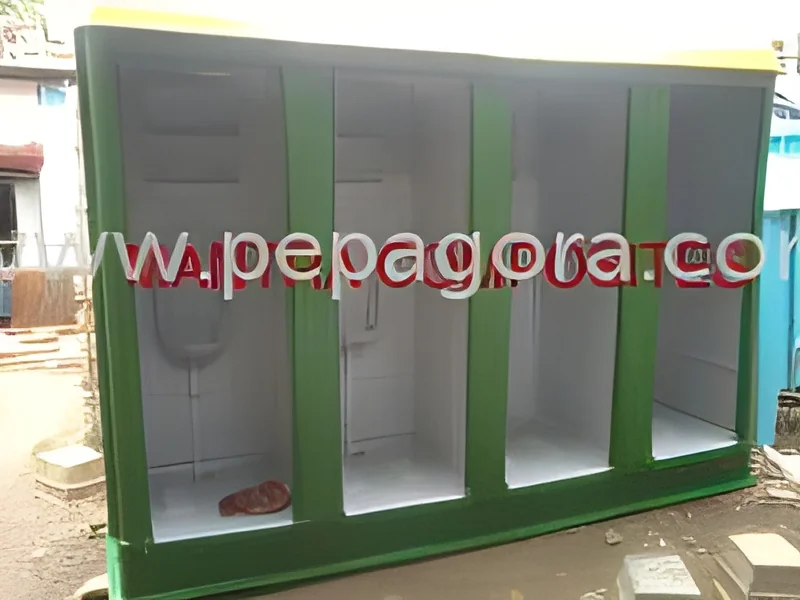
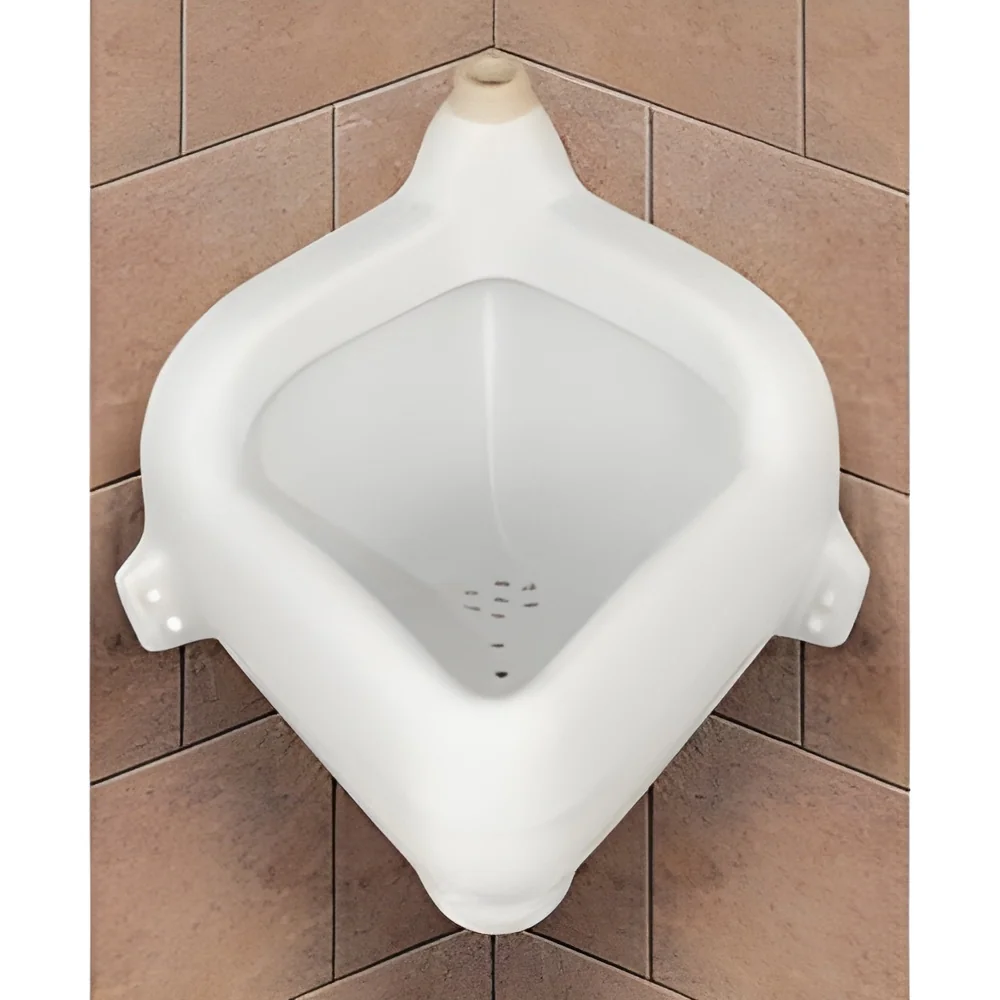
Manual Urinals: These traditional fixtures require users to flush manually, providing a straightforward option that is easy to maintain. They are typically more cost-effective and widely used in settings where automation is not a priority.
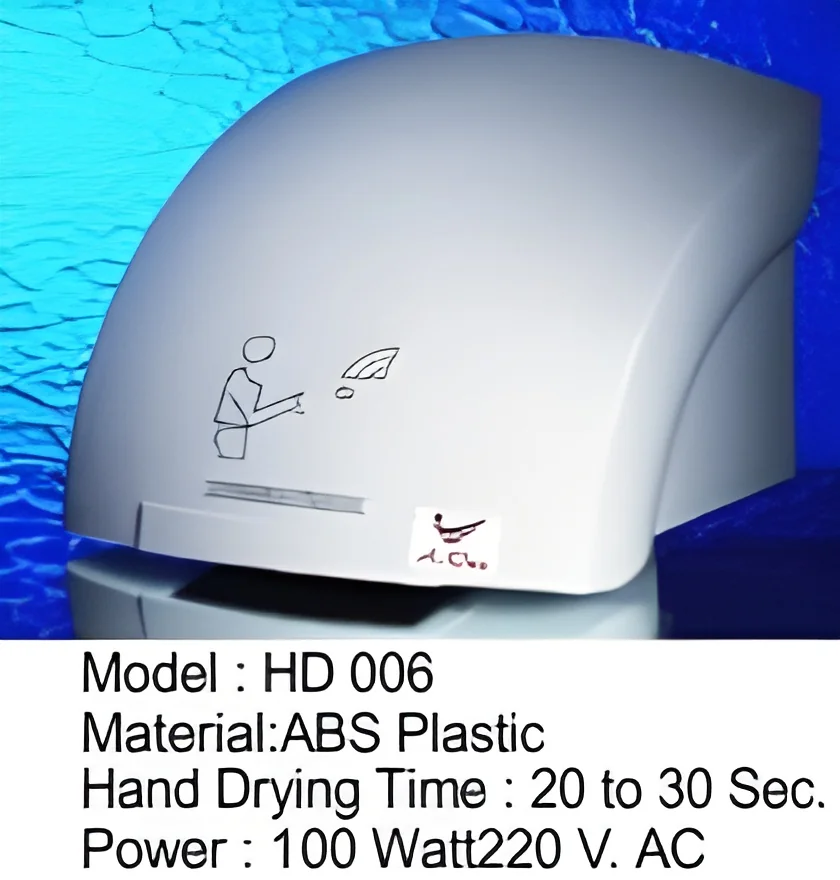
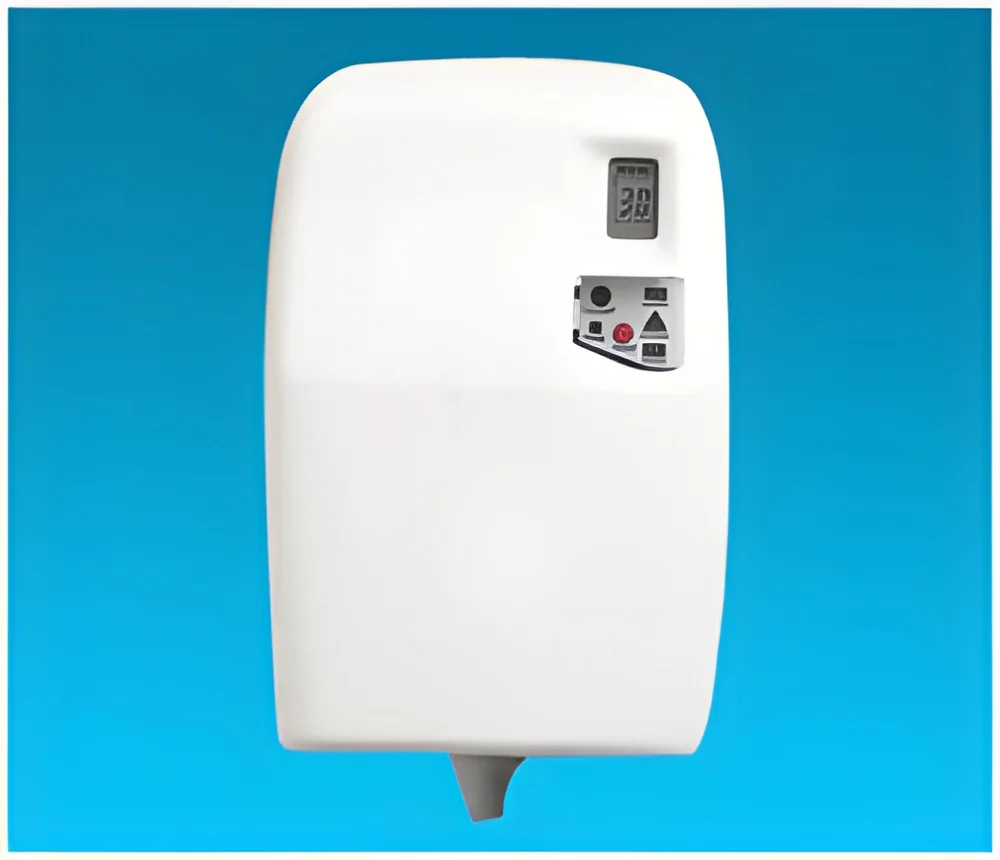
Sensor Urinals: These advanced models utilize infrared technology to detect user presence, automatically flushing after use. Sensor urinals are favored for their hygiene benefits and water-saving capabilities, making them ideal for high-traffic areas.
Benefits and Advantages
Selecting the right type of urinal offers several advantages that contribute to overall restroom efficiency and user satisfaction.
1. Enhanced Hygiene: Sensor urinals reduce contact with surfaces, minimizing the risk of germs and promoting better hygiene standards.
2. Water Conservation: Many urinals are designed to use less water per flush, supporting sustainability efforts and reducing utility costs.
3. Space Efficiency: Urinals take up less space than traditional toilets, allowing for better restroom layout and user flow.
4. Improved User Experience: With features like automatic flushing, urinals provide a convenient and pleasant experience for users.
5. Easy Maintenance: Modern urinals are designed for easy cleaning, which can save time and labor costs for facilities.
6. Compliance with Regulations: Many urinals meet industry standards, ensuring that businesses adhere to local plumbing codes and regulations.
Buying Guide for B2B Buyers
When sourcing urinals, businesses should consider several key factors to ensure they select the right products for their needs.
1. Quality Assessment: Evaluate the materials and construction quality of urinals to ensure durability and long-term performance. Look for certifications that indicate compliance with industry standards.
2. Supplier Verification: Conduct thorough research on potential suppliers to verify their reputation and reliability. Ensure they have a track record of delivering quality products on time.
3. Pricing and MOQ: Consider the cost of urinals and the minimum order quantity (MOQ) required by suppliers. Balance budget constraints with the need for quality products.
4. Delivery and Lead Times: Discuss logistics with suppliers to understand delivery schedules and lead times. Timely delivery is crucial for project planning and implementation.
5. Compliance Requirements: Ensure that selected urinals meet local and regional compliance standards. It's essential to verify that products comply with plumbing codes and safety regulations.
Compliance and Certifications
Compliance with industry standards and regulations is essential when sourcing urinals.
Relevant quality standards such as ISO 9001 ensure that manufacturers adhere to consistent quality management practices. This certification indicates a commitment to producing reliable and high-quality products.
Industry certifications like CE demonstrate that urinals meet European safety and health requirements. This certification is vital for businesses looking to distribute products in the European market.
Safety and testing requirements must also be considered. Urinals should undergo rigorous testing to ensure they are safe for use and perform as intended under various conditions.
Additionally, regional compliance considerations can vary. Businesses should be aware of specific local regulations that may affect the installation and use of urinals in their facilities.
Why Source Urinals (Manual & Sensor) from Pepagora?
Pepagora offers a reliable platform for sourcing urinals with numerous advantages.
Verified Supplier Network: The platform connects buyers with a vetted network of suppliers, ensuring that businesses only engage with trusted manufacturers. This reduces risks and enhances the sourcing process.
Streamlined RFQ Process: Pepagora's request for quotation (RFQ) system simplifies the purchasing process, allowing buyers to easily compare offers from multiple suppliers. This transparency helps in making informed decisions.
Trade Assurance and Support: Buyers are protected through trade assurance features, which provide added security during transactions. Pepagora also offers customer support to assist with any queries or issues that may arise.
Regional Coverage: With a strong presence in India, the GCC, and Southeast Asia, Pepagora provides access to a diverse market. This geographic reach enables businesses to find suitable suppliers tailored to their regional needs.

 IN
IN