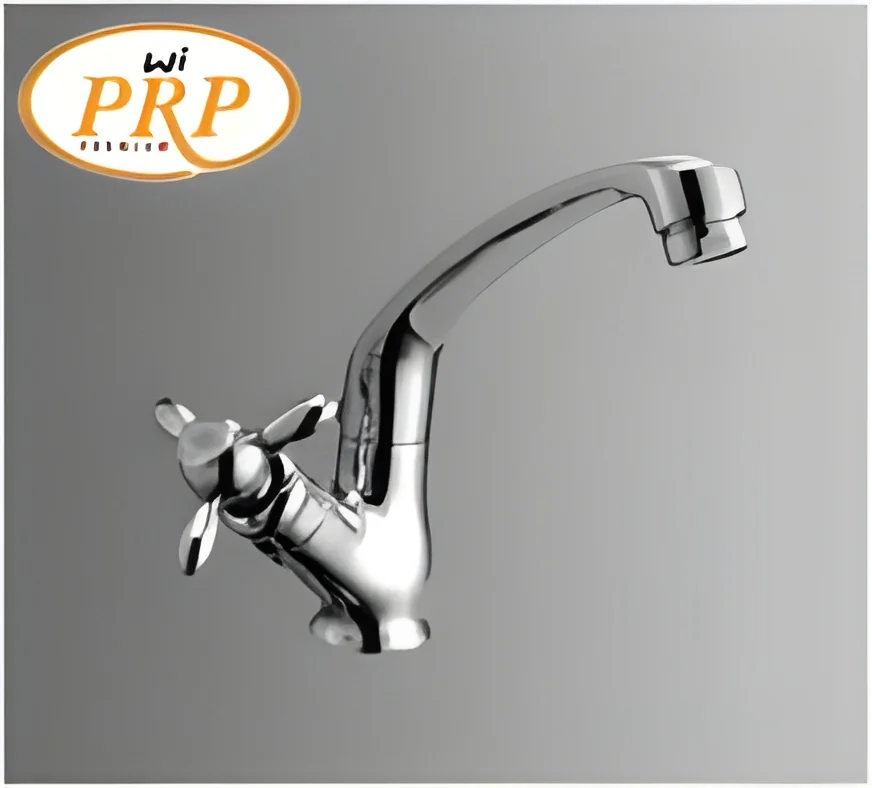
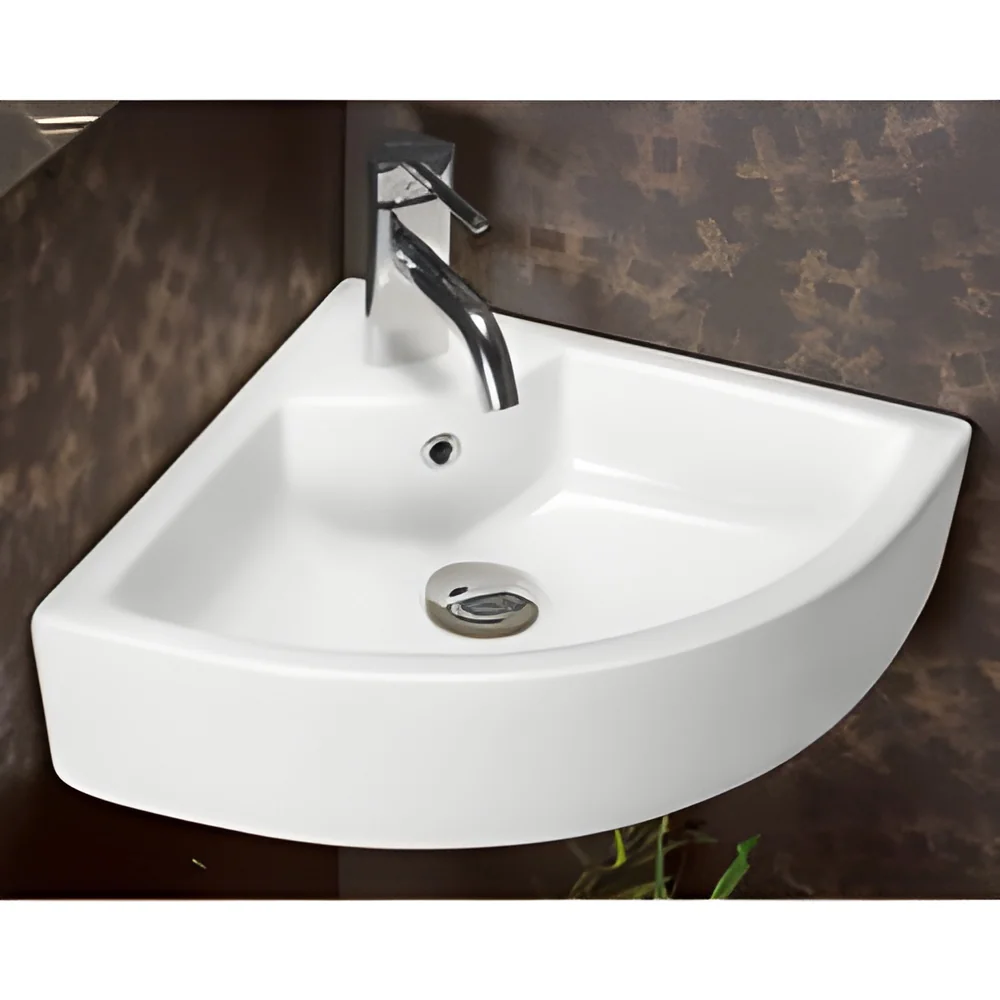
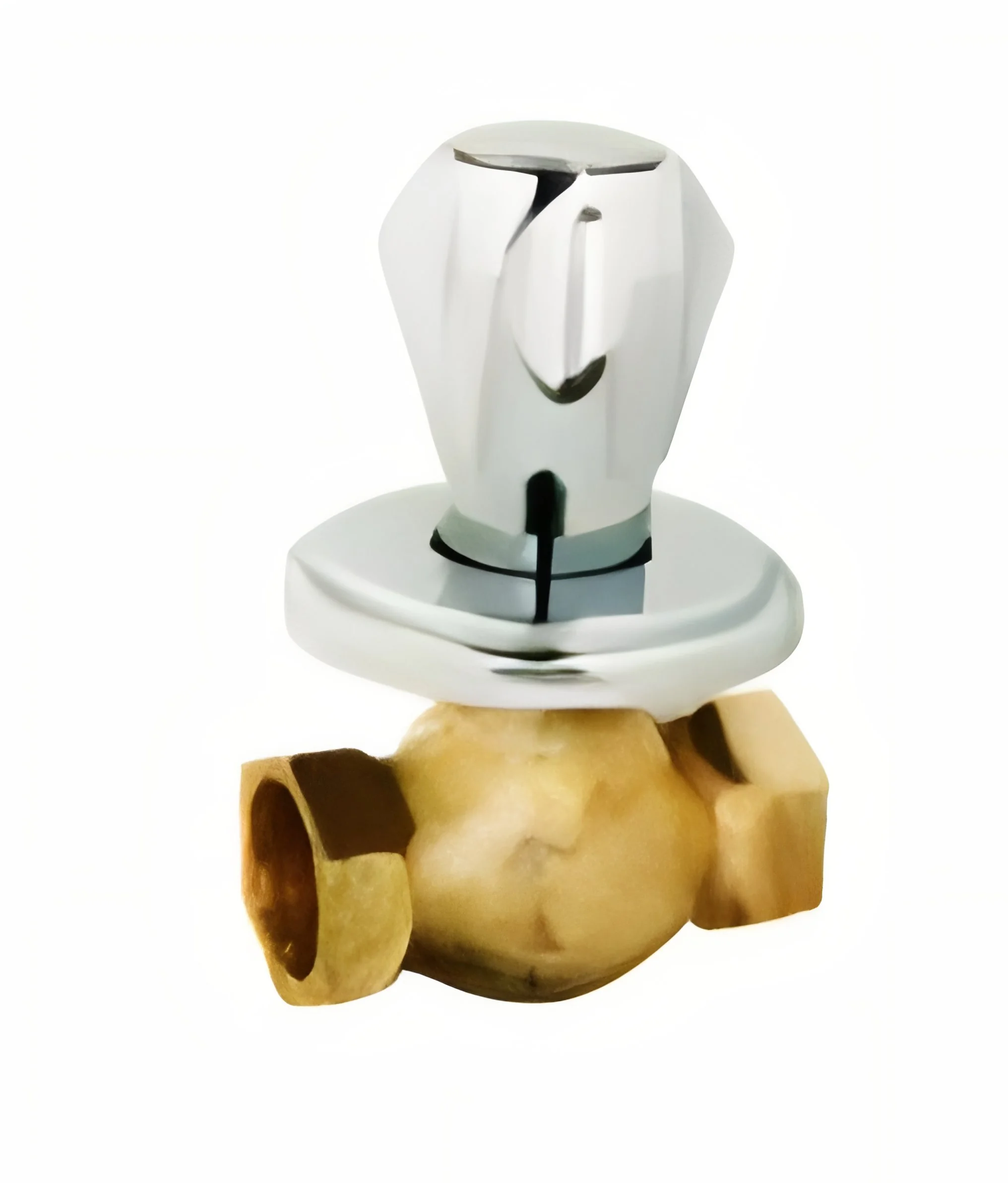
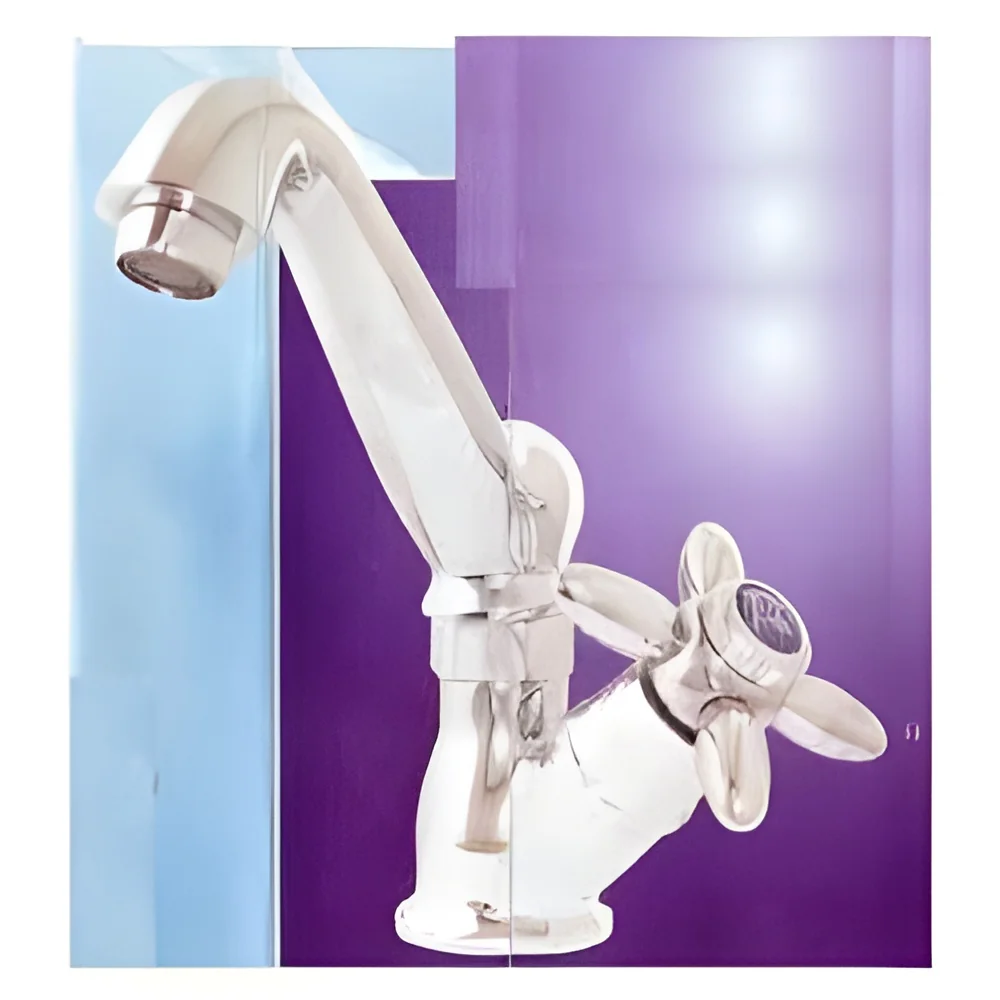
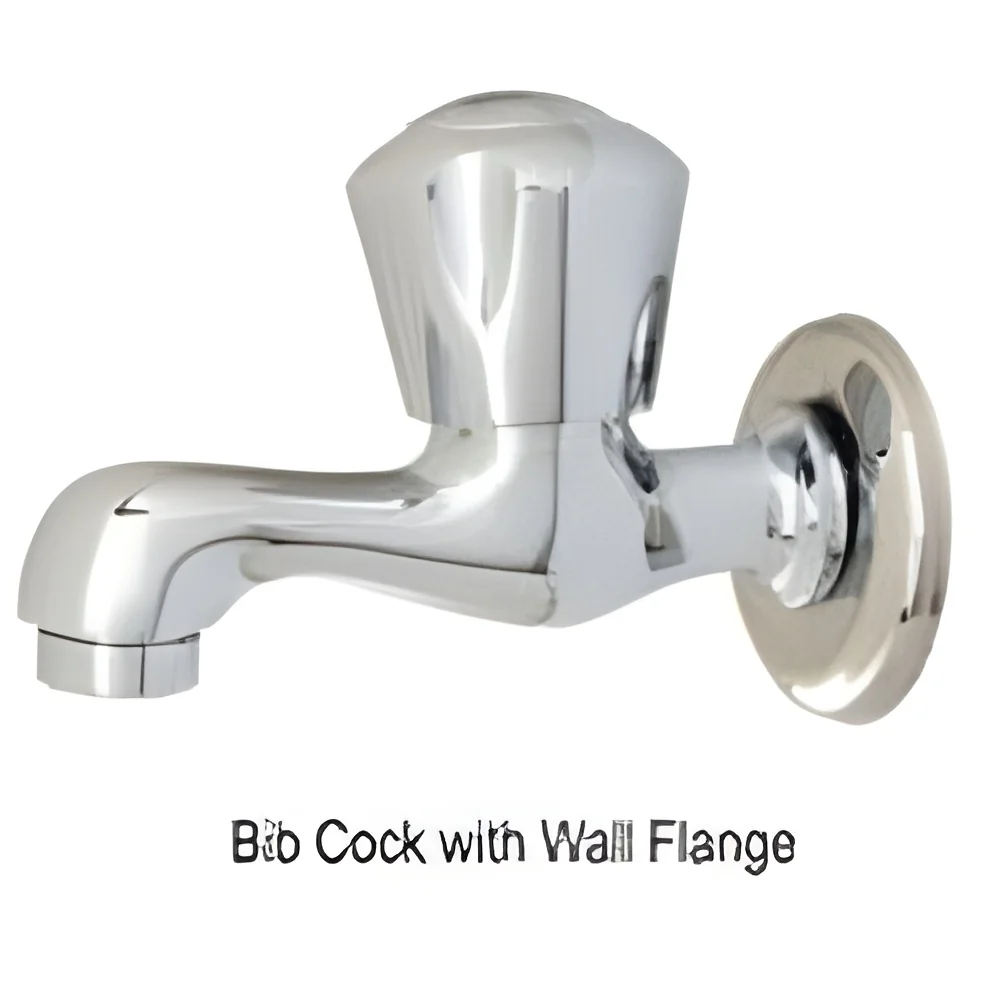
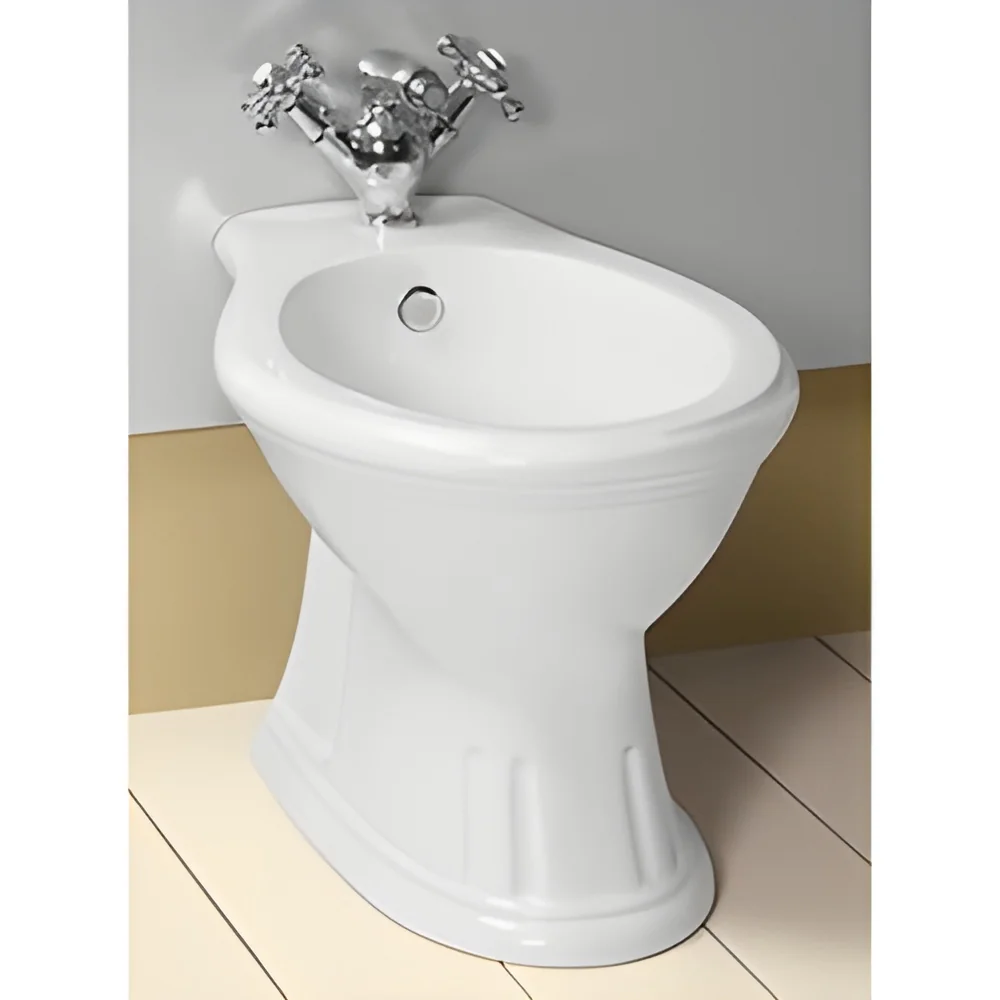
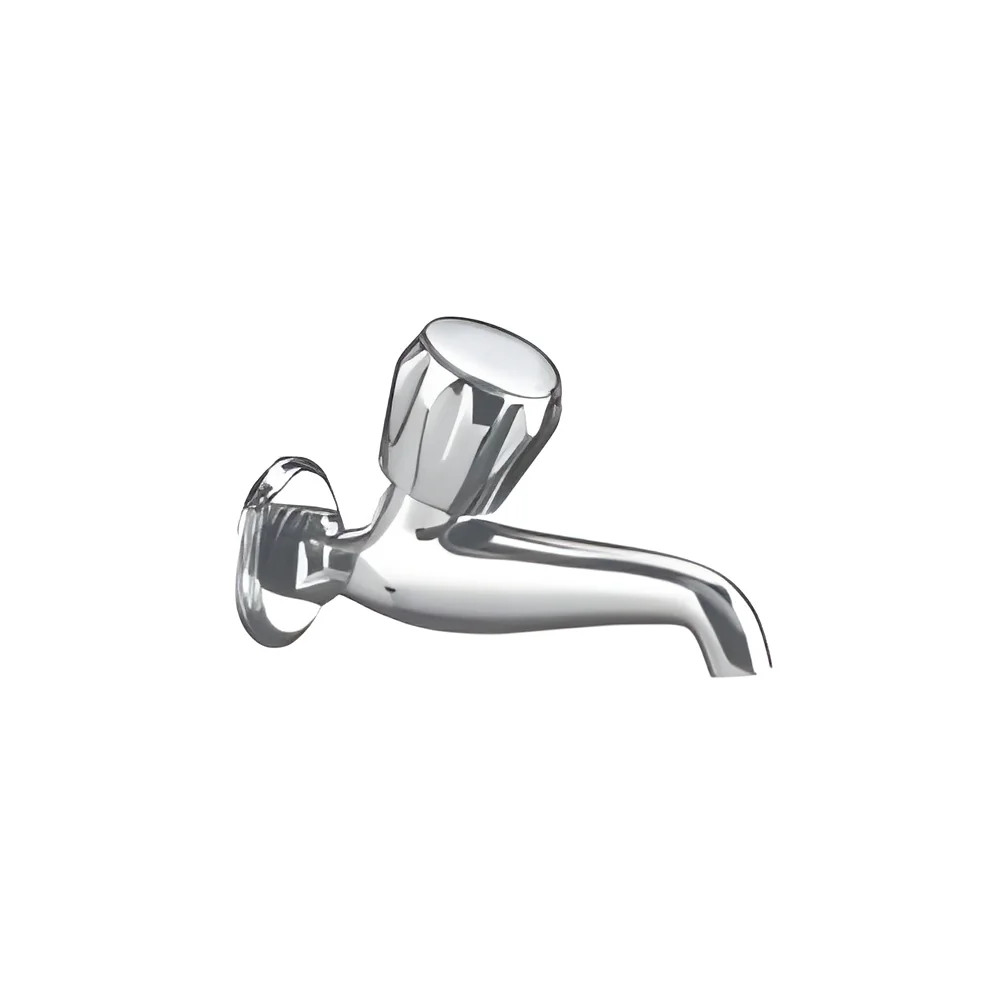
What are Taps & Faucets (Single Lever, Mixer, Sensor)?
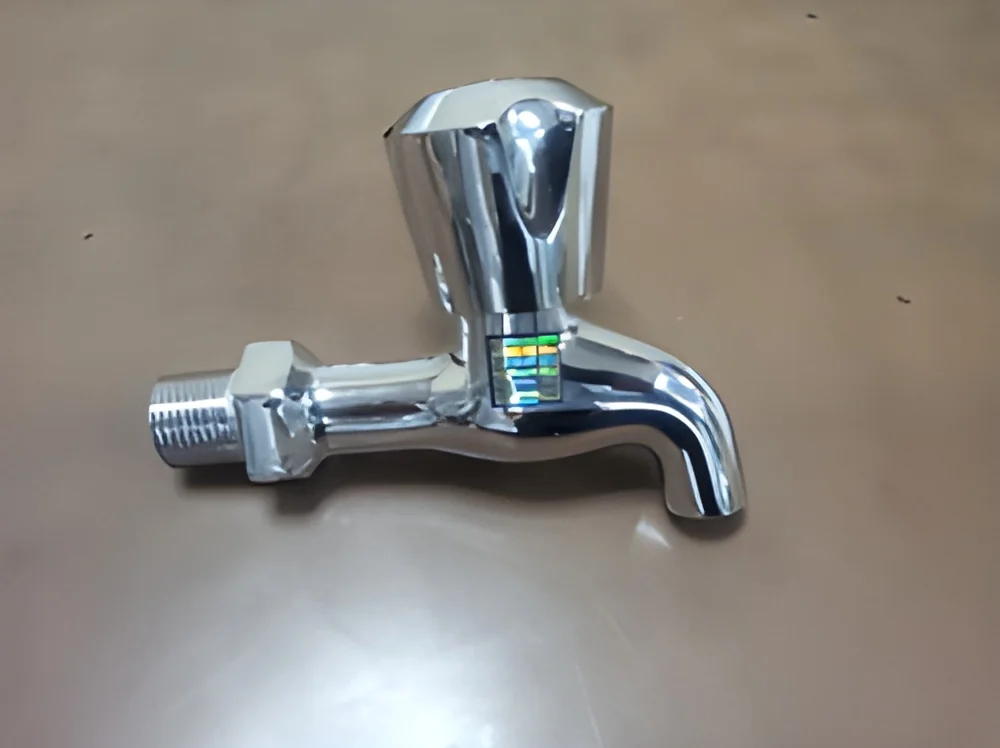
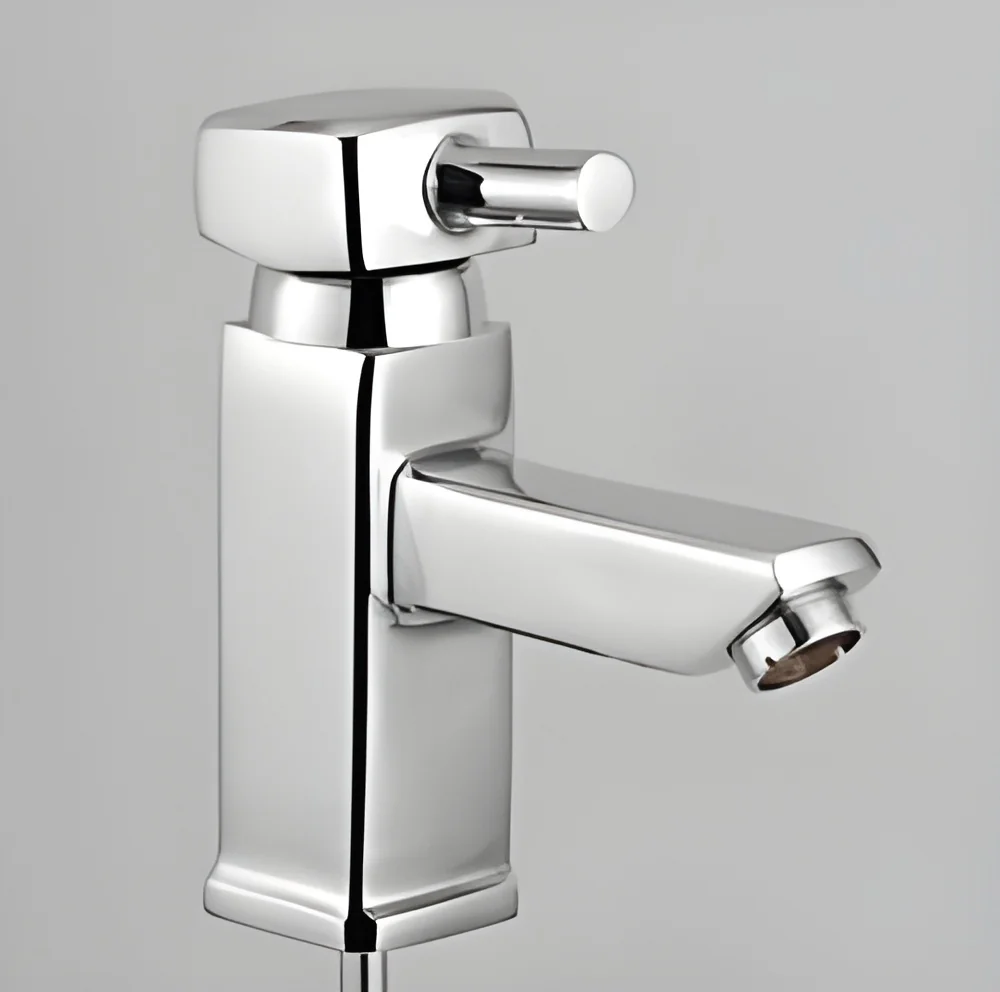
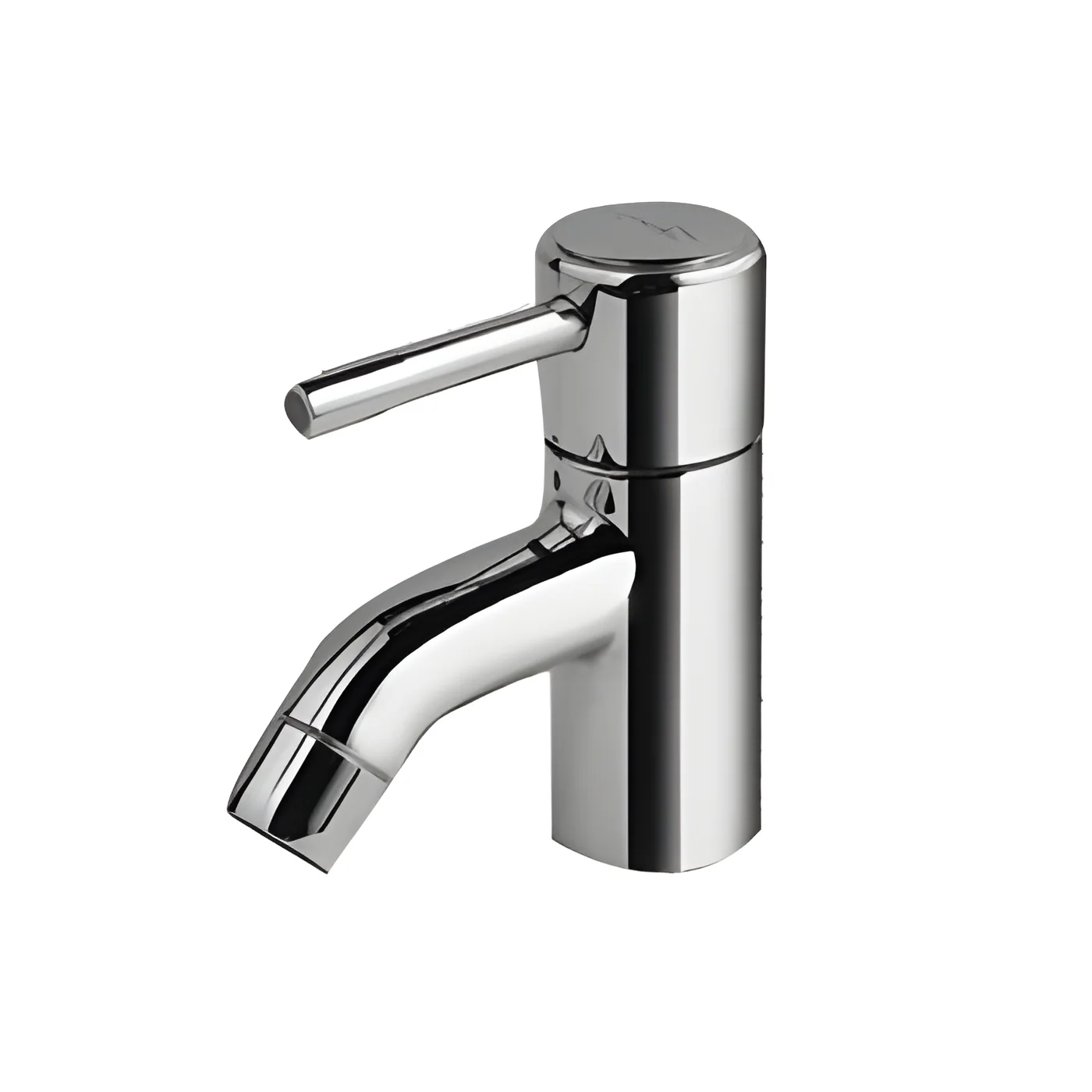
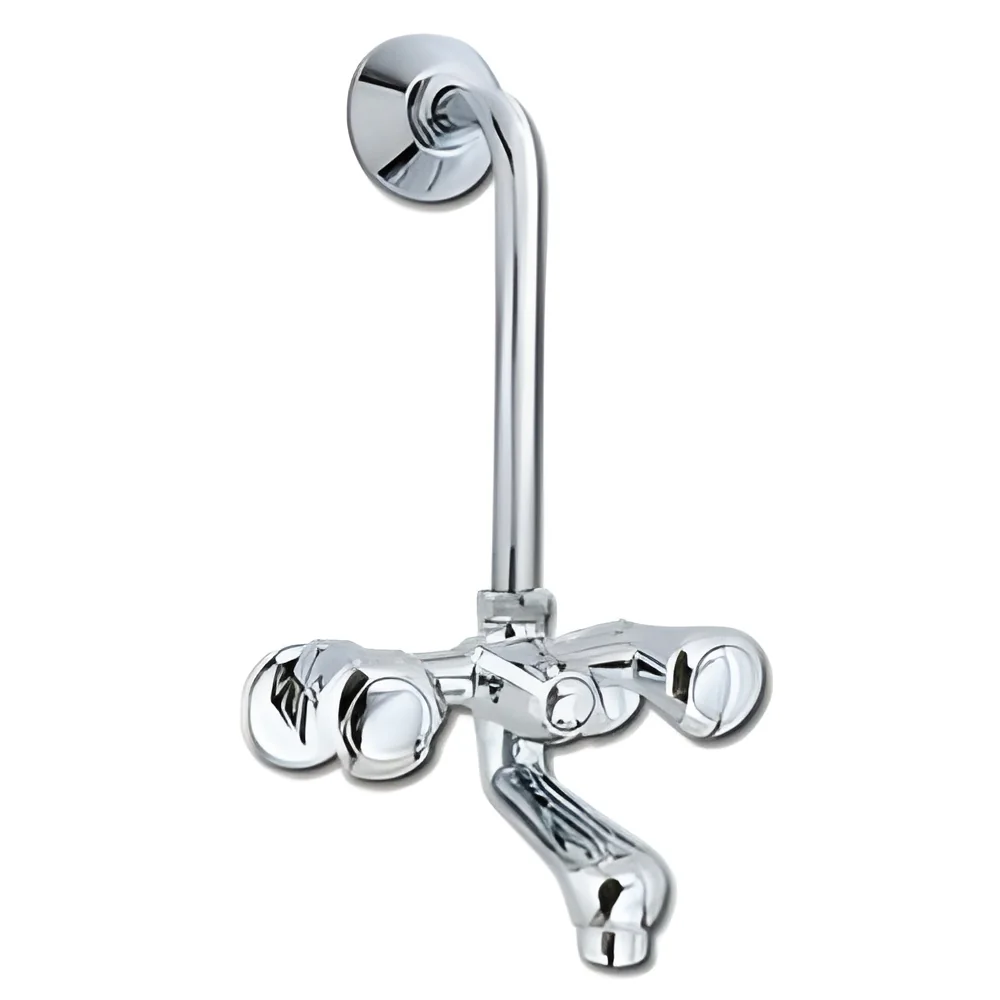
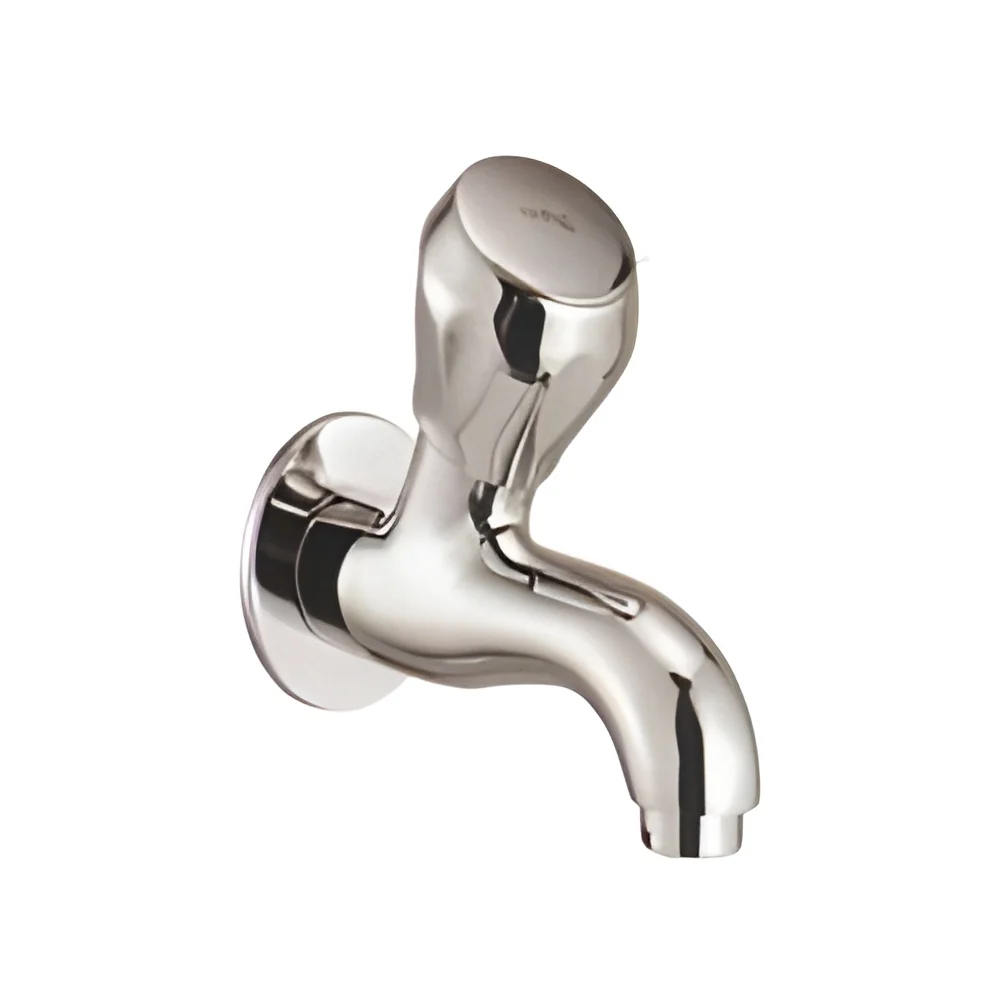
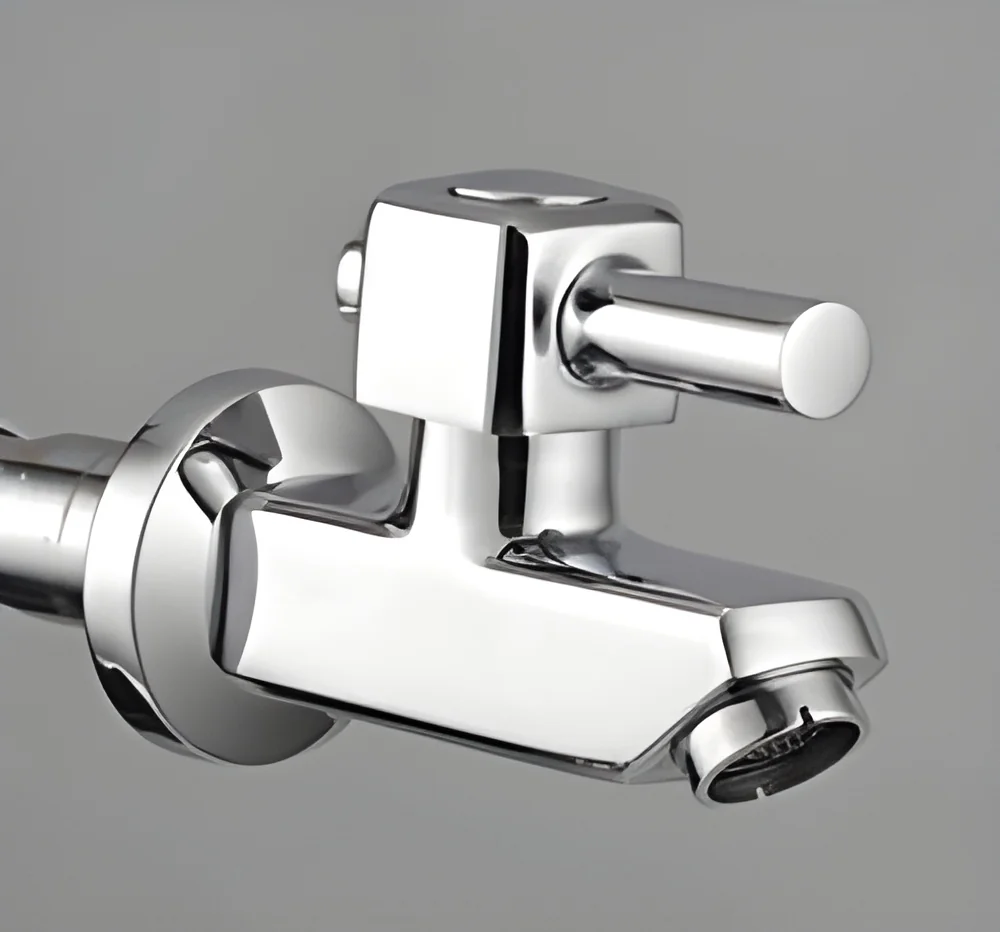
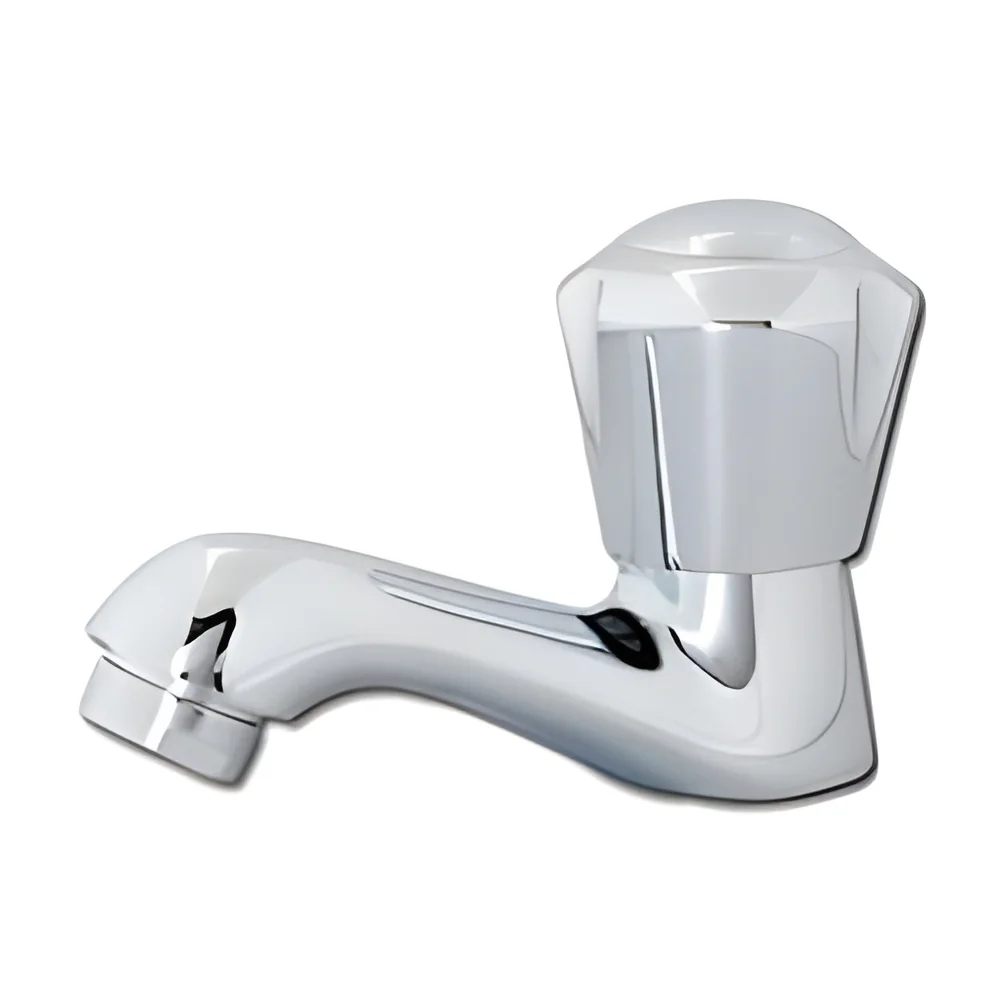
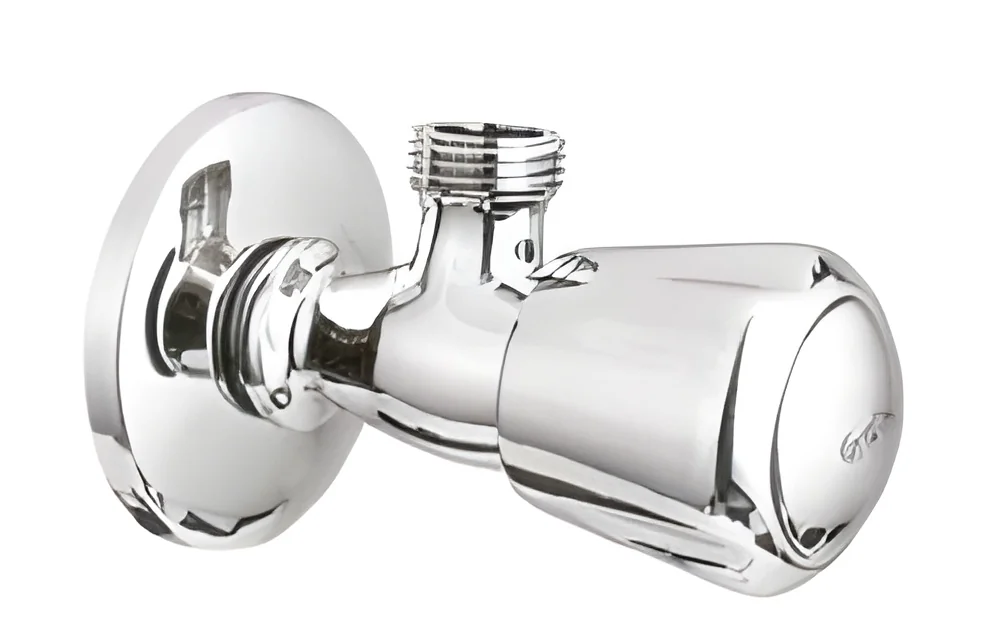
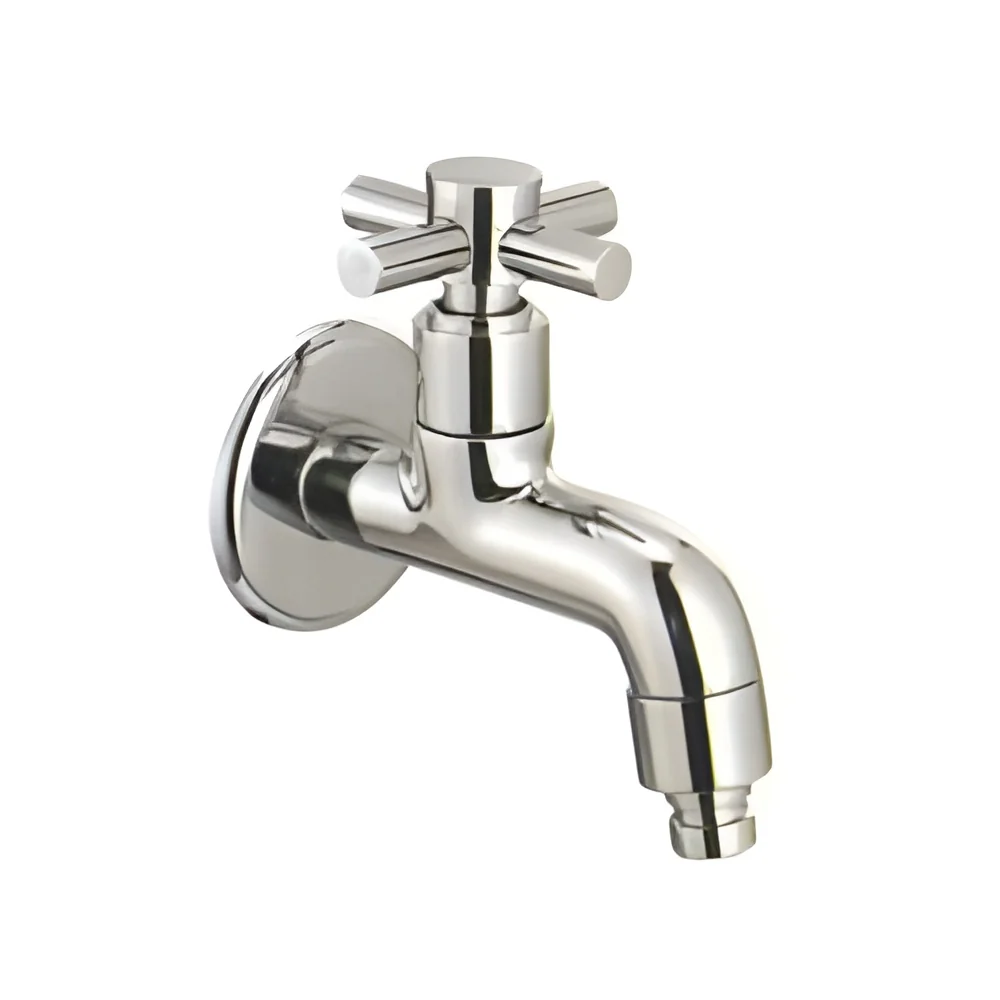
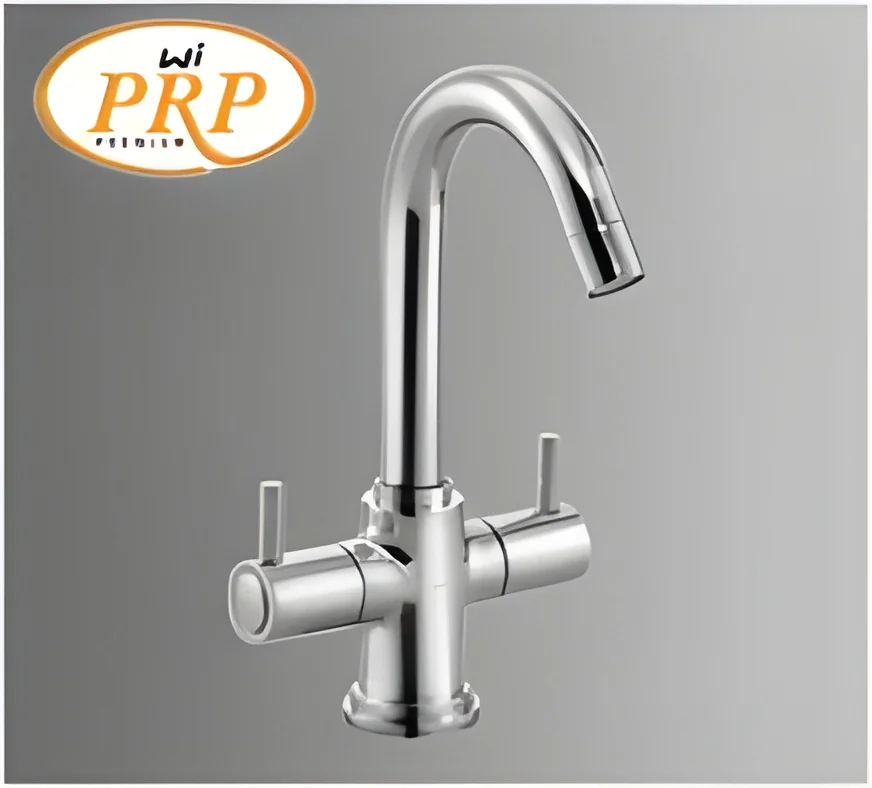
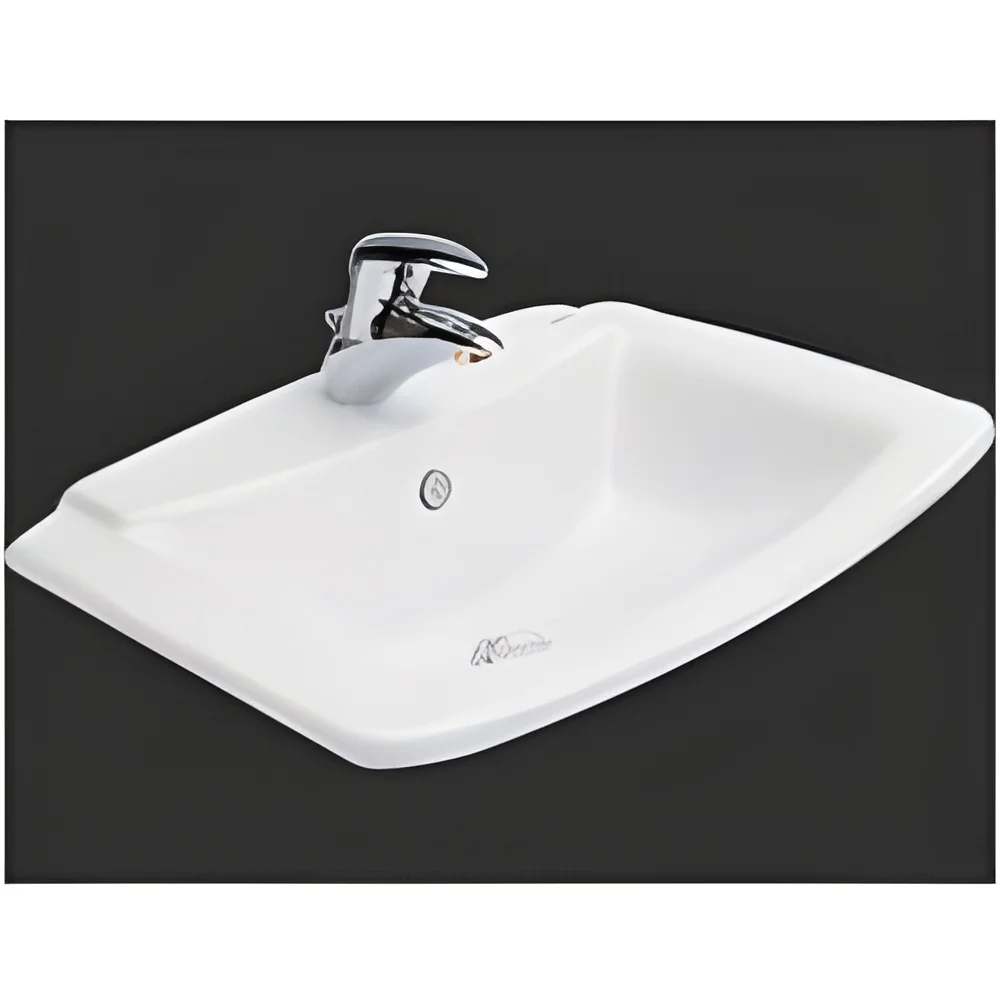
Taps and faucets are essential fixtures in both residential and commercial settings, designed to control the flow of water. These devices typically consist of a spout and a mechanism for turning the water on and off. Single lever faucets operate with one handle that controls both the temperature and flow, while mixer faucets combine hot and cold water through separate controls. Sensor faucets, also known as touchless faucets, utilize infrared technology to detect motion, allowing for hands-free operation.
The primary applications of taps and faucets span various industries, including hospitality, healthcare, food service, and manufacturing. In restaurants and hotels, efficient and hygienic water delivery is crucial. In healthcare settings, touchless faucets minimize the risk of cross-contamination, enhancing sanitation. Manufacturing facilities rely on durable taps and faucets for their operational requirements, ensuring reliable water access.
In a market context, there is a growing emphasis on sustainability and water conservation. This has led to innovations in faucet technology, such as low-flow designs and smart sensors. Companies are increasingly prioritizing eco-friendly solutions that align with regulatory standards and meet consumer demand for responsible products.
𝗞𝗲𝘆 𝗙𝗲𝗮𝘁𝘂𝗿𝗲𝘀 𝗮𝗻𝗱 𝗦𝗽𝗲𝗰𝗶𝗳𝗶𝗰𝗮𝘁𝗶𝗼𝗻𝘀
Taps and faucets come with a variety of features and specifications tailored to meet diverse business needs. These specifications ensure performance, durability, and user satisfaction.
Key specifications include:
1. Type of Operation
- Single lever, mixer, or sensor
- Varies in functionality and ease of use
2. Material
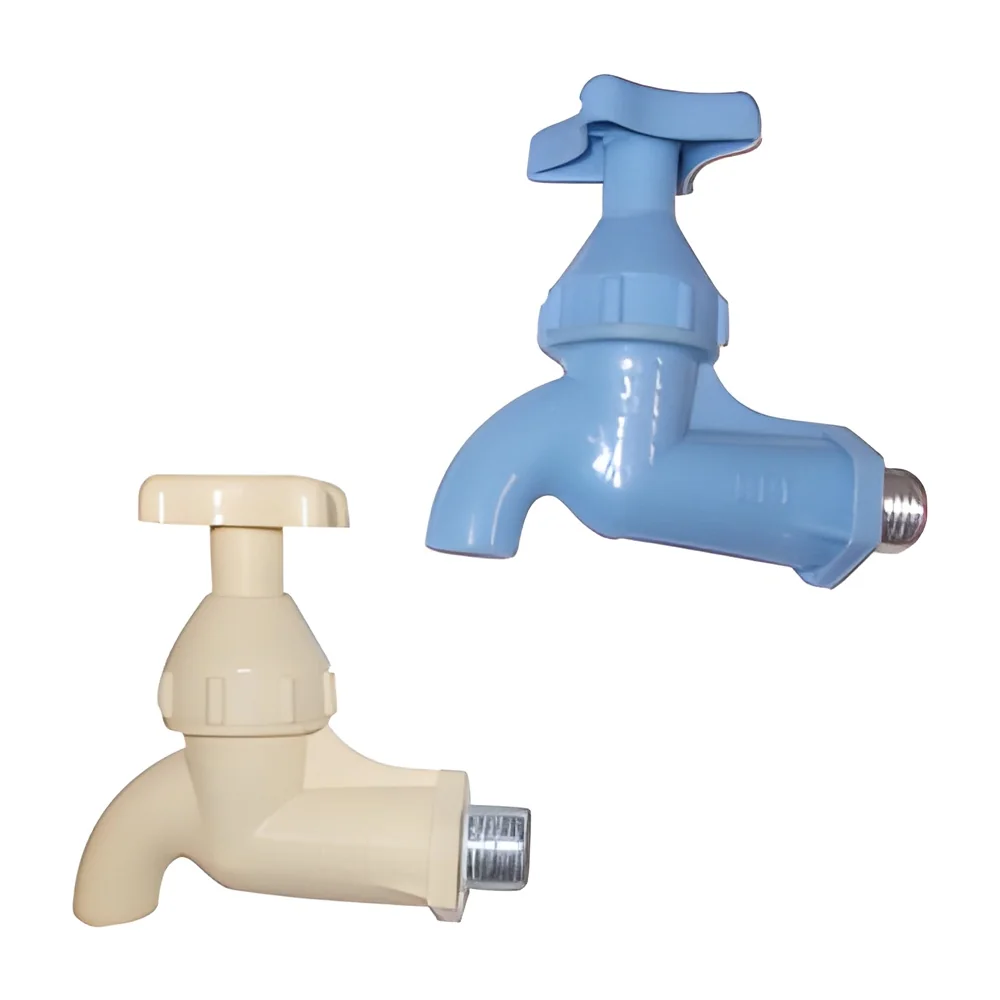
- Typically constructed from brass, stainless steel, or plastic
- Ensures durability and resistance to corrosion
3. Flow Rate
- Standard flow rates typically range from 1.5 to 2.2 gallons per minute (GPM)
- Affects water efficiency and usage
4. Installation Type
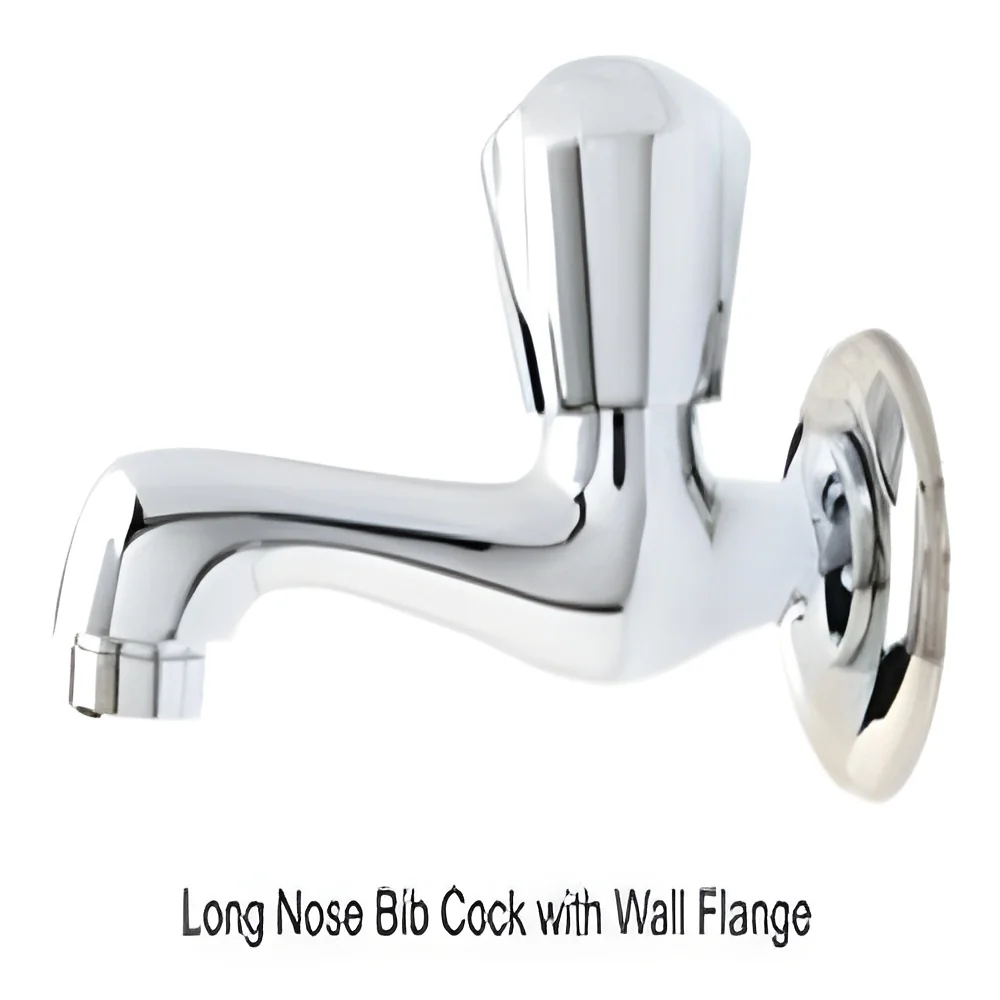
- Deck-mounted, wall-mounted, or freestanding options
- Influences installation complexity and space requirements
5. Temperature Control
- Manual or thermostatic options available
- Impacts user comfort and safety
6. Finish
- Available in chrome, matte black, brushed nickel, and more
- Enhances aesthetic appeal and maintenance
7. Sensor Range
- Detection ranges from a few inches to several feet
- Affects responsiveness of touchless operation
8. Certification
- Compliance with industry standards such as CE
- Ensures safety and quality assurance
These specifications highlight the versatility and adaptability of taps and faucets for various applications.
𝗖𝗼𝗺𝗺𝗼𝗻 𝗔𝗽𝗽𝗹𝗶𝗰𝗮𝘁𝗶𝗼𝗻𝘀 𝗮𝗻𝗱 𝗨𝘀𝗲 𝗖𝗮𝘀𝗲𝘀
Taps and faucets find critical roles across numerous industries.
1. Hospitality: Hotels and restaurants utilize taps and faucets for kitchens, restrooms, and guest areas. Efficient water management is essential for service quality.
2. Healthcare: Hospitals and clinics require touchless faucets to maintain hygiene in surgical and patient care areas. Minimizing contact is vital for infection control.
3. Food Service: Commercial kitchens rely on durable faucets for washing dishes and food preparation. Reliability and ease of cleaning are paramount.
4. Manufacturing: Factories and plants need robust taps to support various processes, from washing equipment to providing water for staff.
5. Educational Institutions: Schools and universities install taps in restrooms and cafeterias to ensure accessible water for students and staff.
6. Retail: Stores and shopping centers incorporate faucets in restrooms to enhance customer experience and satisfaction.
7. Residential: Homeowners seek efficient and stylish faucets for kitchens and bathrooms, reflecting personal taste and functionality.
𝗣𝗿𝗼𝗱𝘂𝗰𝘁 𝗩𝗮𝗿𝗶𝗮𝗻𝘁𝘀 𝗮𝗻𝗱 𝗦𝘂𝗯𝗰𝗮𝘁𝗲𝗴𝗼𝗿𝗶𝗲𝘀
Taps and faucets are available in a range of variants to suit different preferences and requirements.
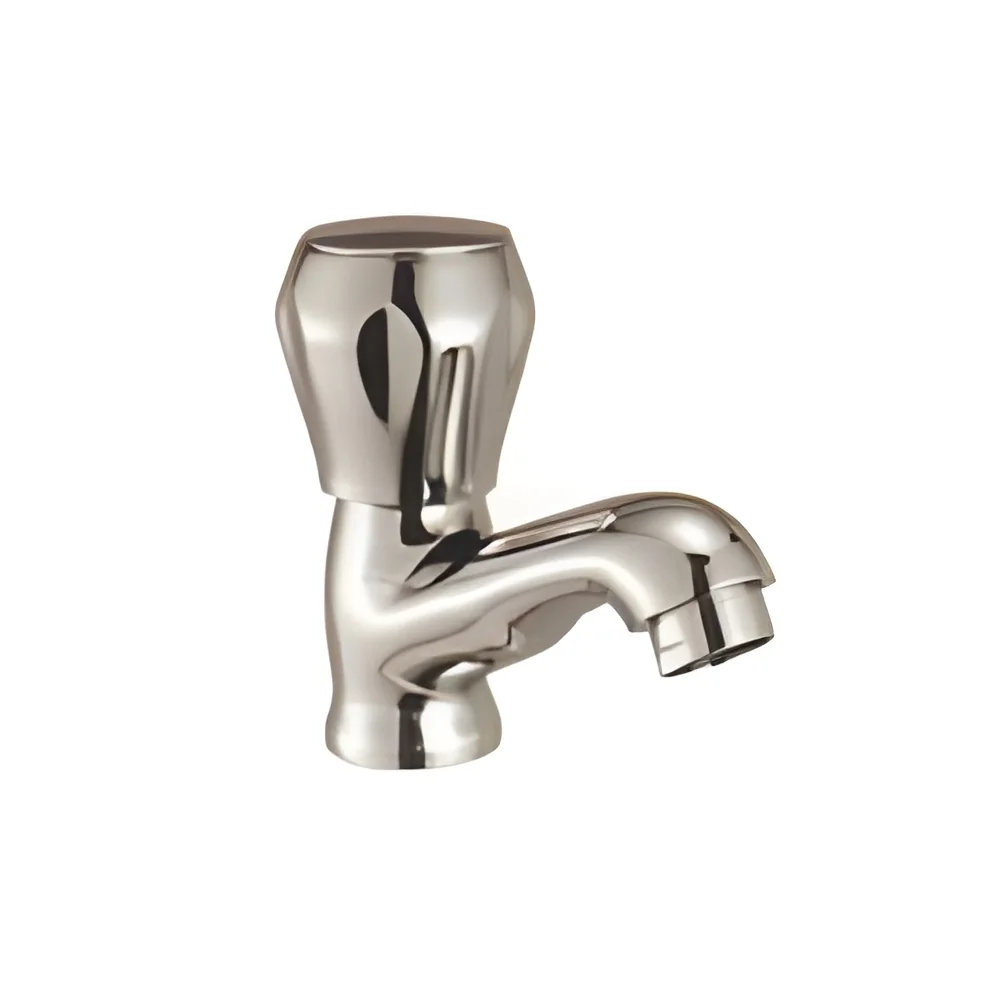
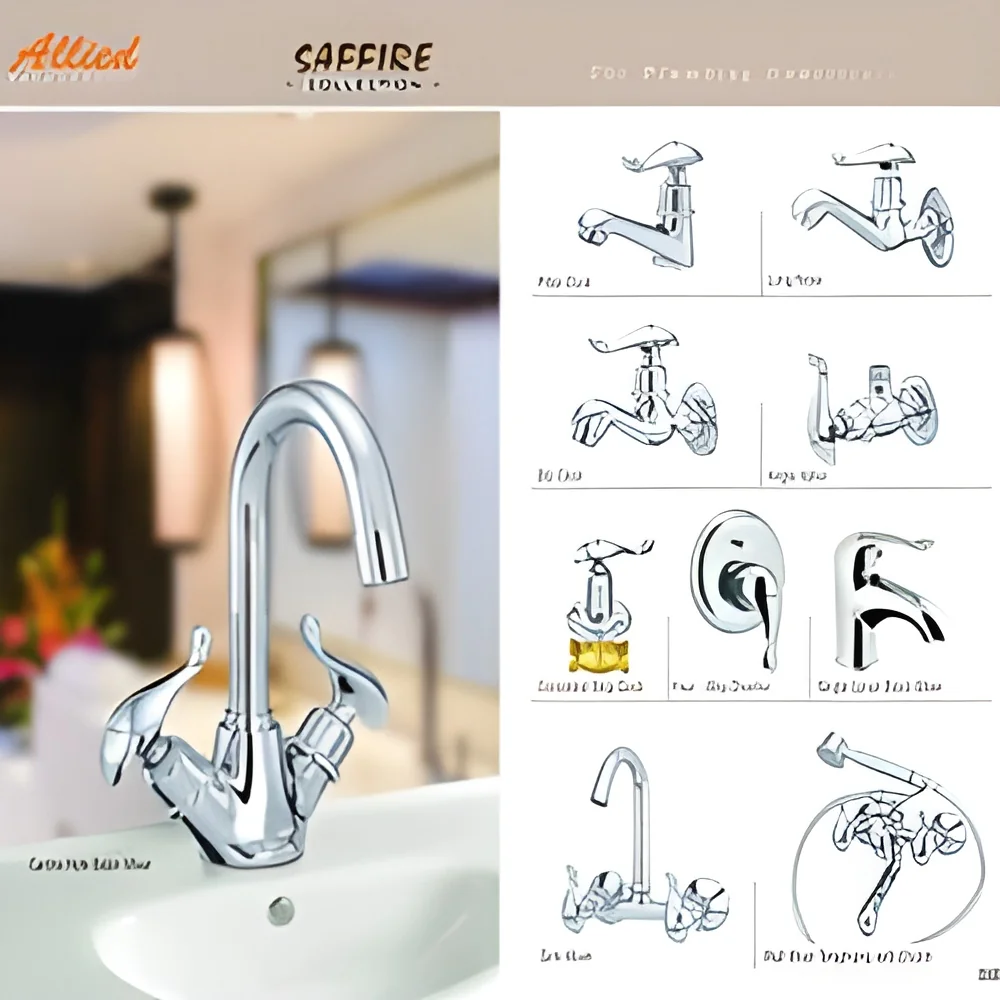
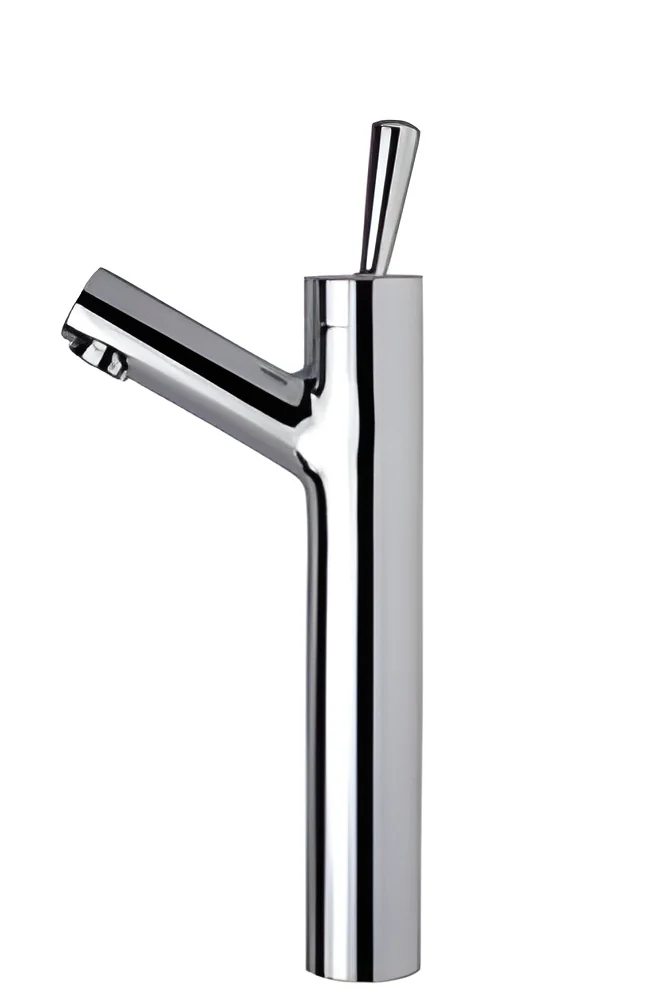
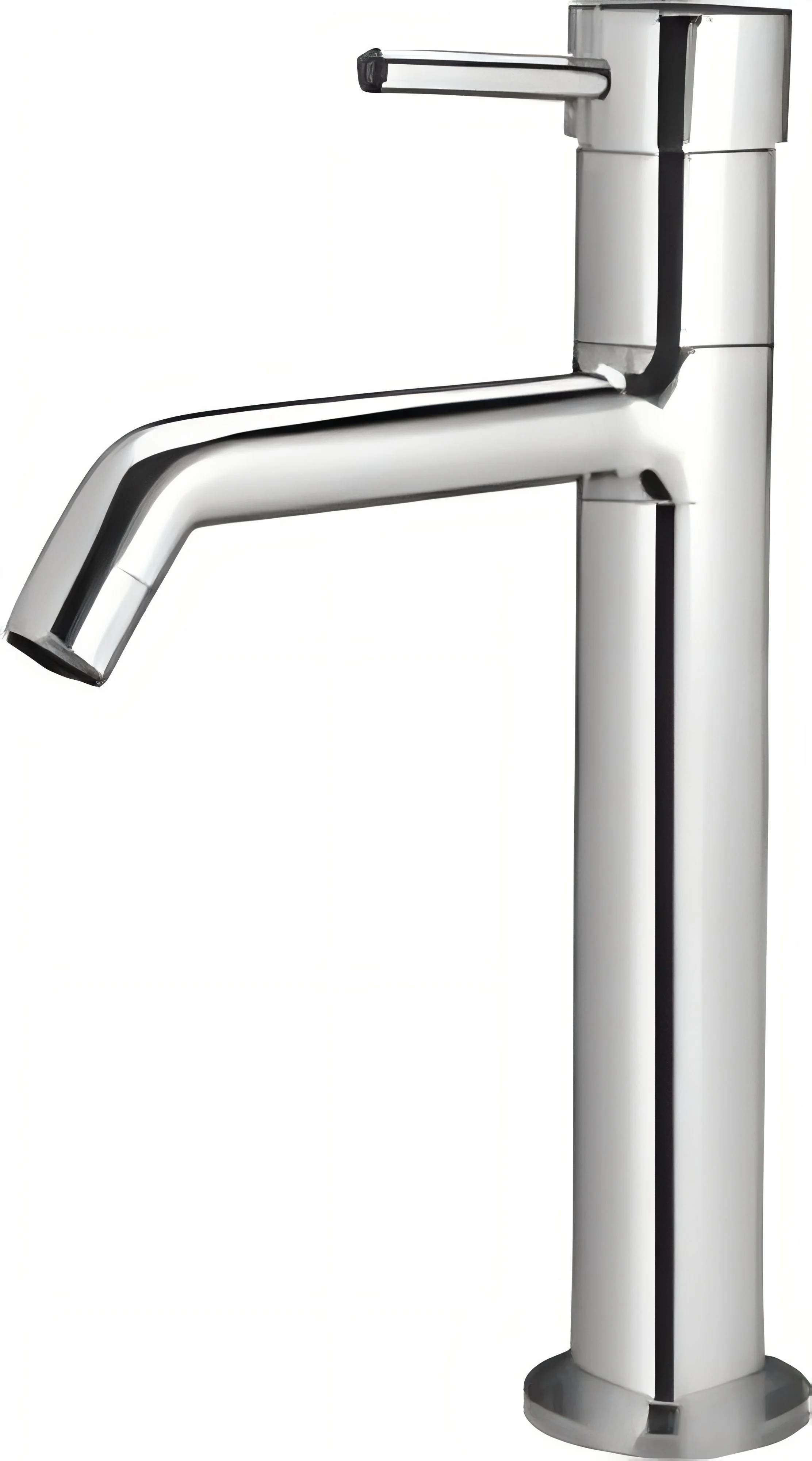
Single Lever Faucets: These taps feature a single handle that controls both the temperature and flow of water. They are popular for their ease of use and modern design, making them ideal for kitchens and bathrooms.
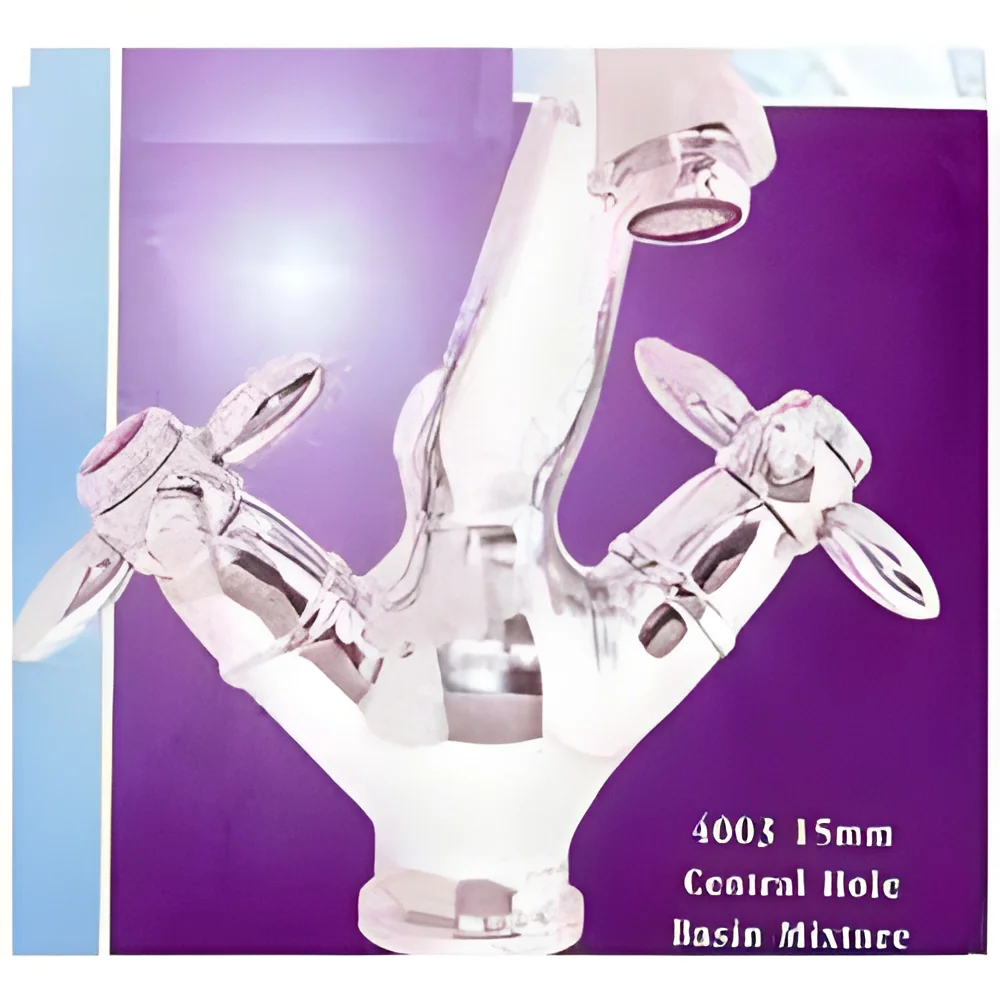
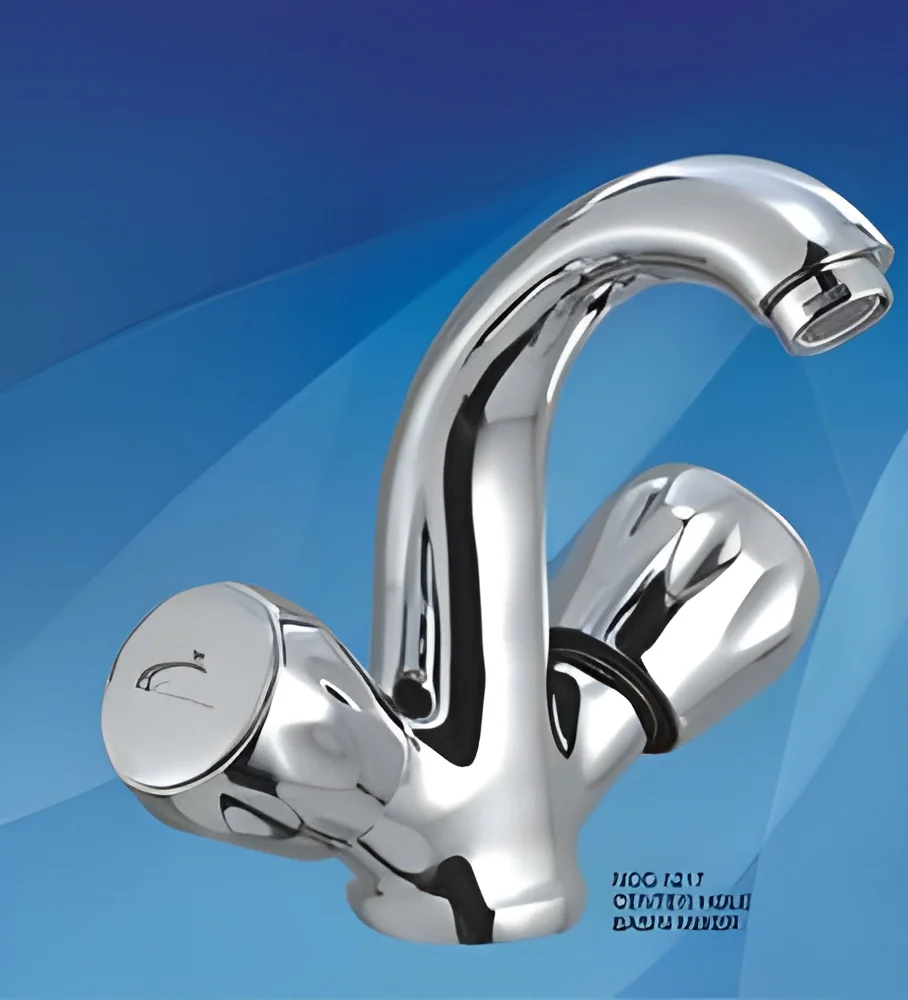
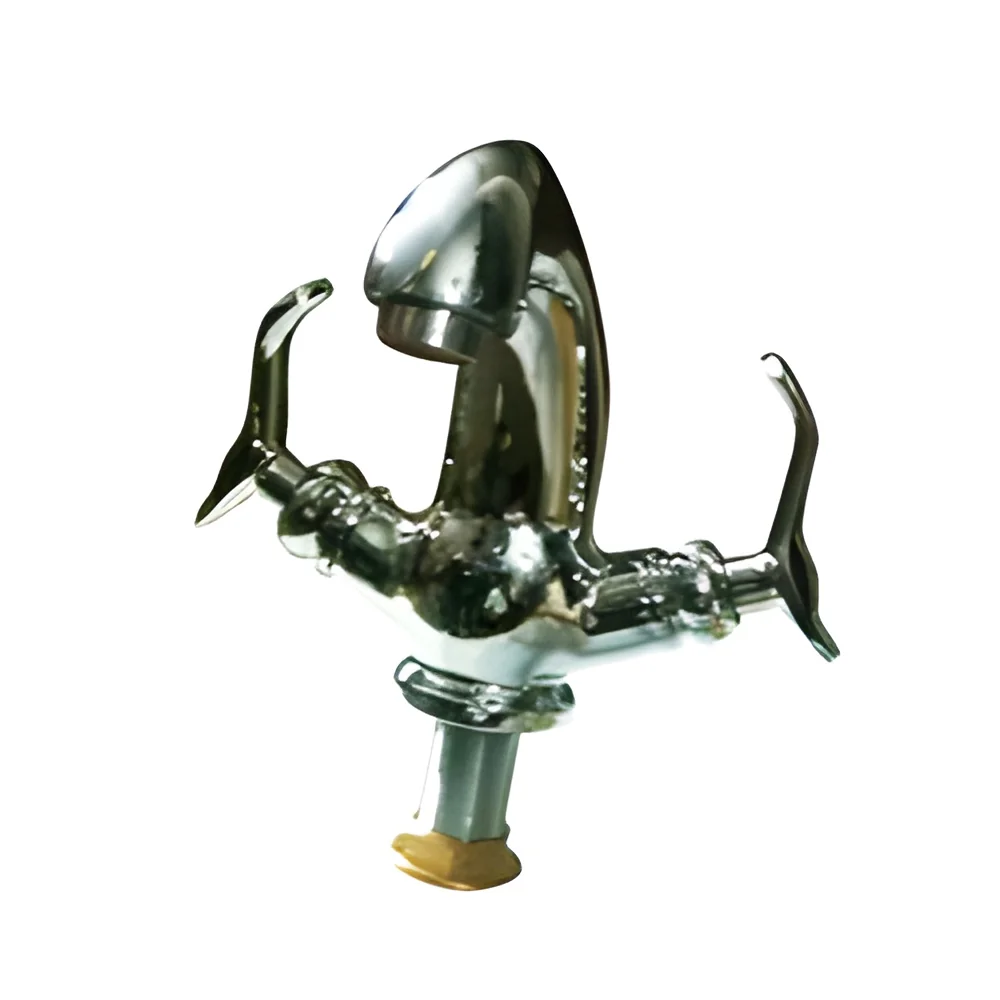
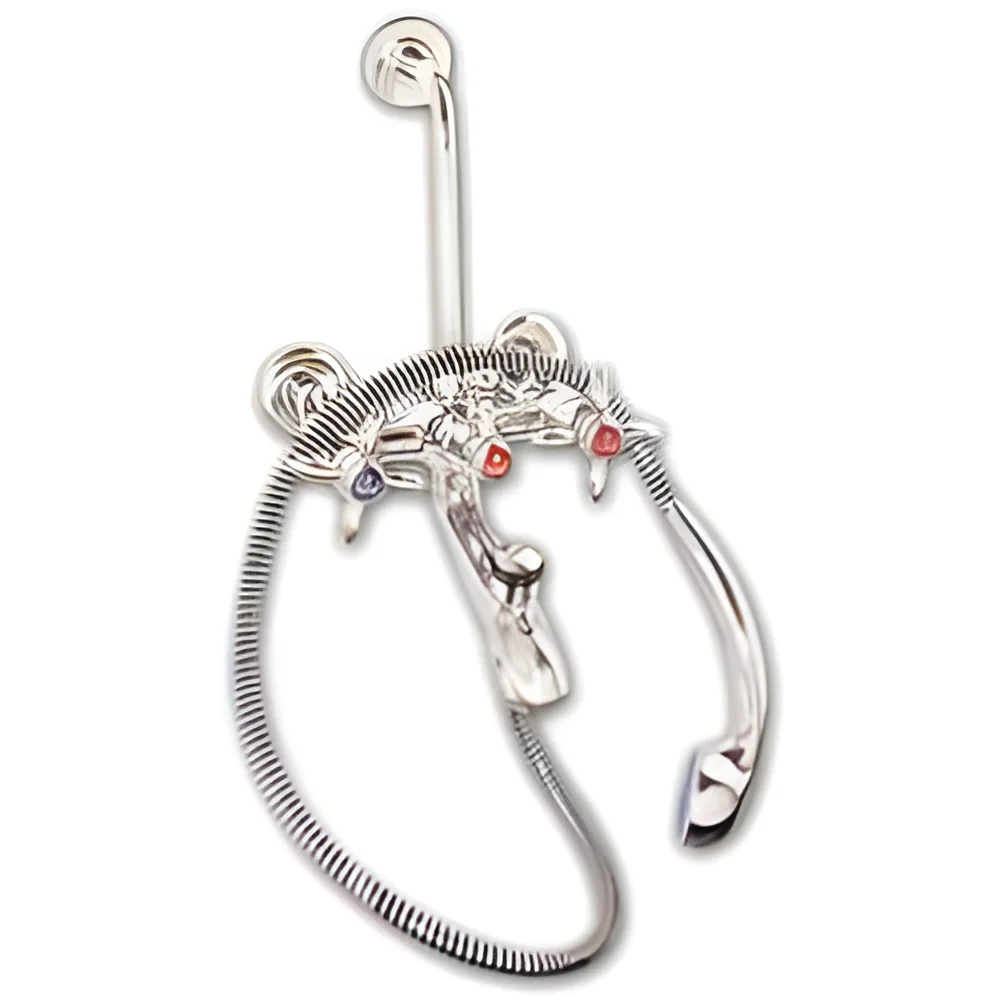
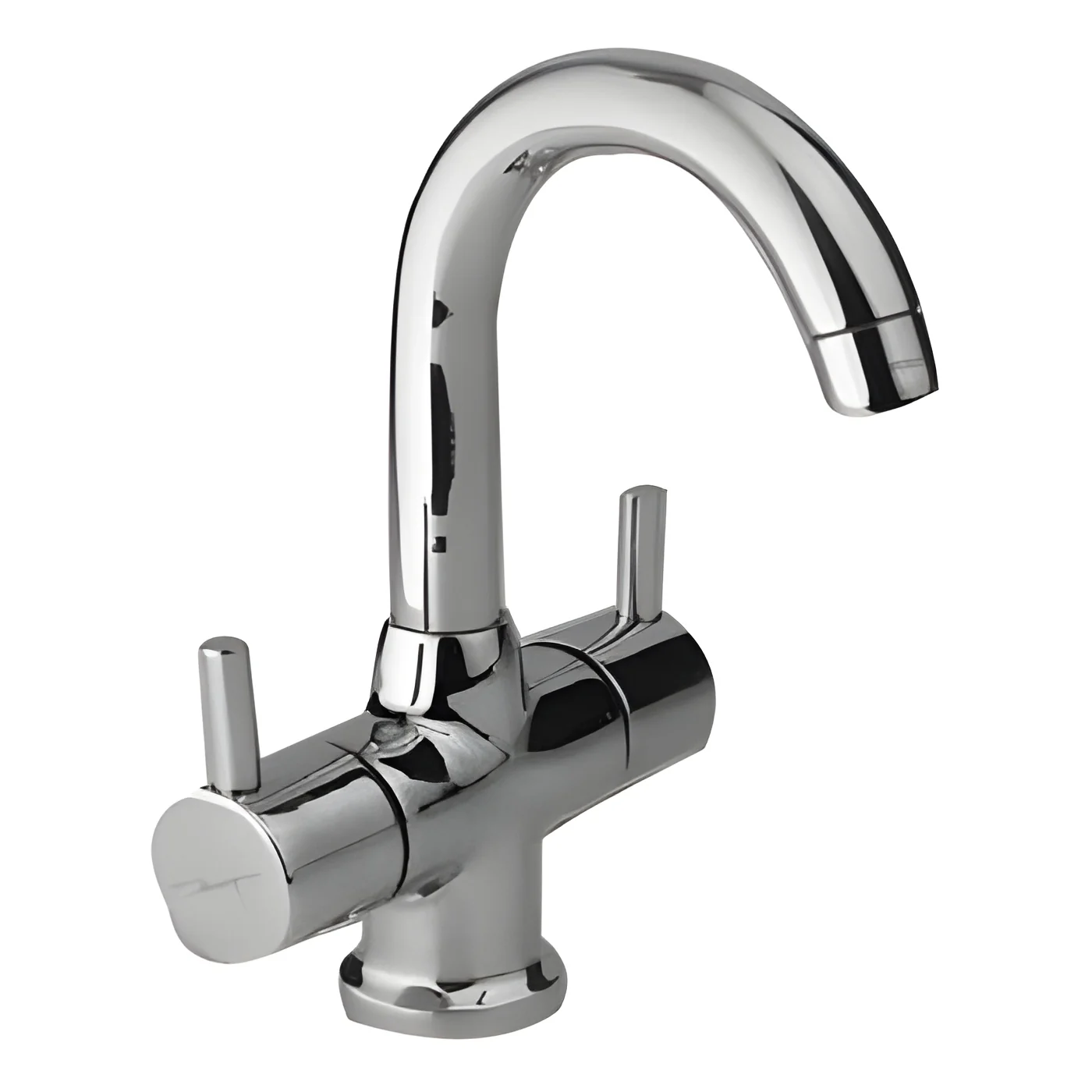
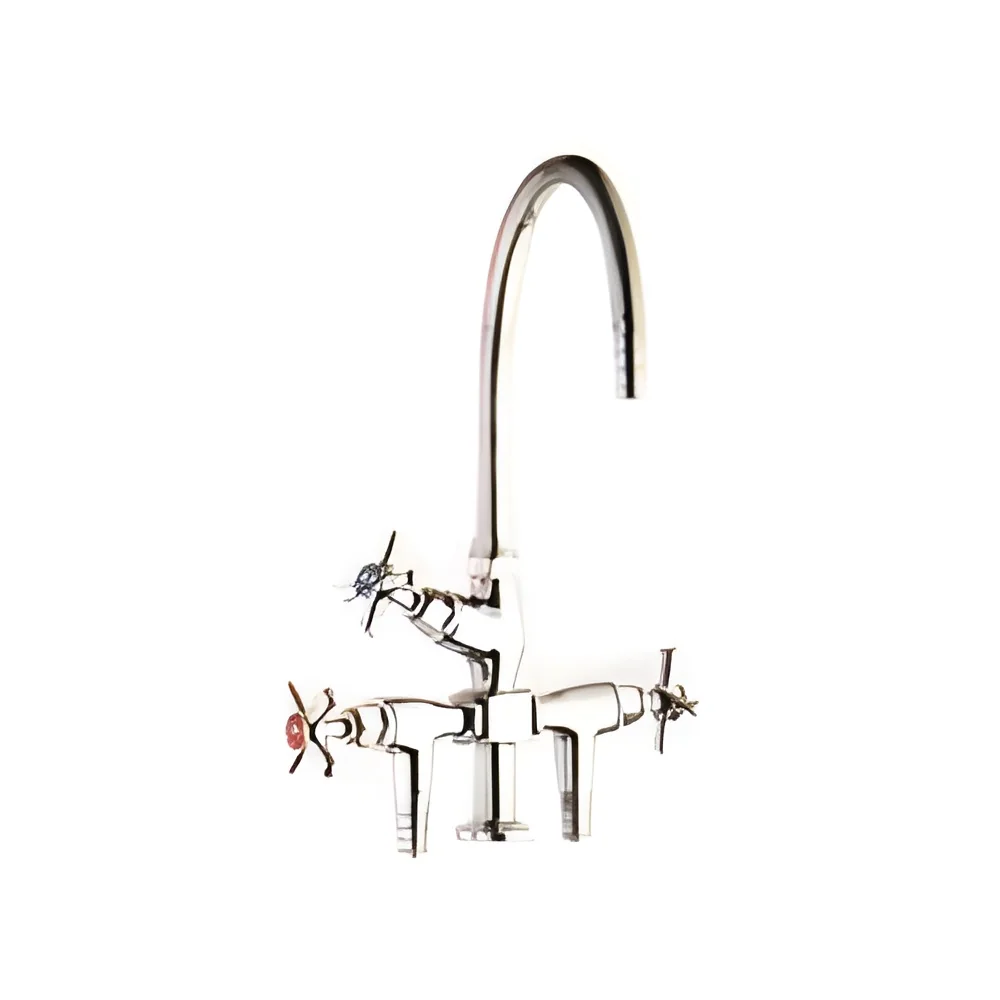
Mixer Faucets: Mixer faucets combine hot and cold water through separate controls, allowing precise temperature adjustments. They are commonly used in residential settings and can also be found in commercial applications.
Sensor Faucets: Designed for hands-free operation, sensor faucets use infrared technology to detect motion. They are ideal for public restrooms and healthcare facilities where hygiene is a priority.
Thermostatic Faucets: These faucets maintain a constant water temperature by automatically adjusting the mix of hot and cold water. They are useful in environments where temperature stability is critical.
𝗕𝗲𝗻𝗲𝗳𝗶𝘁𝘀 𝗮𝗻𝗱 𝗔𝗱𝘃𝗮𝗻𝘁𝗮𝗴𝗲𝘀
Selecting the right taps and faucets offers numerous advantages for businesses.
1. Water Efficiency: Many modern faucets are designed to minimize water usage without sacrificing performance, contributing to cost savings and sustainability.
2. Improved Hygiene: Touchless and sensor faucets reduce the risk of contamination, making them ideal for healthcare and food service environments.
3. User Convenience: Single lever and mixer designs allow for easy temperature control, enhancing user experience in both residential and commercial settings.
4. Durability: Quality materials and construction ensure longevity, reducing the need for frequent replacements.
5. Aesthetic Appeal: A wide range of finishes and styles allows businesses to choose faucets that complement their overall design and branding.
6. Compliance Assurance: Certified models meet industry standards, ensuring safety and reliability for users.
𝗕𝘂𝘆𝗶𝗻𝗴 𝗚𝘂𝗶𝗱𝗲 𝗳𝗼𝗿 𝗕𝟮𝗕 𝗕𝘂𝘆𝗲𝗿𝘀
When sourcing taps and faucets, businesses should carefully consider several factors to ensure they make informed decisions.
1. Quality Assessment: Evaluate materials, construction, and design features. Look for certifications that attest to durability and safety.
2. Supplier Verification: Vet suppliers for reliability and reputation. Check references and reviews to ensure a trustworthy partnership.
3. Pricing and MOQ: Understand the pricing structure and minimum order quantities. Compare multiple suppliers to find the best value.
4. Delivery and Lead Times: Assess logistics capabilities and expected delivery times. Timely access to products is crucial for operational efficiency.
5. Compliance Requirements: Ensure products meet local regulations and industry standards. This can impact installation and usage in specific environments.
𝗖𝗼𝗺𝗽𝗹𝗶𝗮𝗻𝗰𝗲 𝗮𝗻𝗱 𝗖𝗲𝗿𝘁𝗶𝗳𝗶𝗰𝗮𝘁𝗶𝗼𝗻𝘀
Compliance and certifications are critical for ensuring the quality and safety of taps and faucets. Common quality standards include ISO 9001, which focuses on effective quality management systems. Additionally, the CE mark signifies that products meet European safety, health, and environmental protection requirements.
Safety and testing requirements often dictate the materials and designs used in taps and faucets. Manufacturers must adhere to rigorous testing protocols to ensure their products perform reliably under various conditions.
Regional compliance considerations can vary significantly. Businesses should be aware of local regulations that may impact installation and usage, particularly in healthcare and food service environments.
Why Source Taps & Faucets (Single Lever, Mixer, Sensor) from Pepagora?
Pepagora offers a comprehensive platform for sourcing taps and faucets with several advantages that benefit B2B buyers.
Verified Supplier Network: Pepagora connects buyers with a robust network of verified suppliers. This ensures quality and reliability, giving businesses confidence in their purchasing decisions.
Streamlined RFQ Process: The request for quotation system simplifies the sourcing process. Buyers can easily compare offers from multiple suppliers, saving time and effort.
Trade Assurance and Support: Pepagora provides trade assurance to protect buyers from potential risks. This includes support for addressing disputes and ensuring timely delivery.
Regional Coverage: With a focus on India, the GCC, and Southeast Asia, Pepagora has regional expertise that helps buyers navigate local markets and compliance requirements effectively.