
 IN
Floor Drains & Traps
1 products available
What are Floor Drains & Traps?
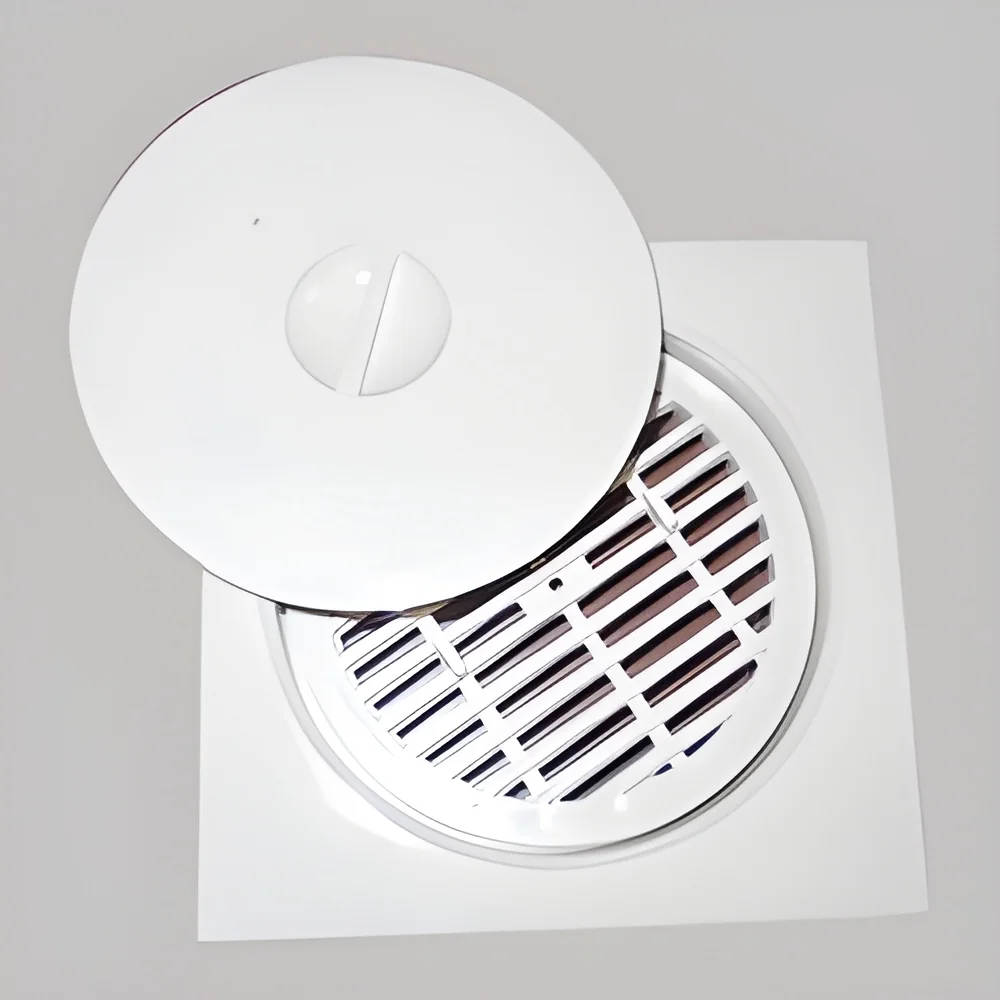
Floor drains and traps are essential plumbing components designed to manage water flow and prevent flooding in various environments. A floor drain is typically installed in the lowest part of a room, allowing water to flow into it, while a trap is a curved section of pipe that maintains a water seal to block sewer gases from entering the building. Together, they ensure sanitary drainage and effective wastewater management.
These products are primarily used in industrial, commercial, and residential settings. In industrial applications, floor drains are crucial in areas that experience spills or heavy water use, such as manufacturing plants, kitchens, and restrooms. Their effective design allows for quick drainage, minimizing water accumulation and potential hazards. In commercial settings, they are vital in maintaining hygiene standards, especially in food-related businesses where water runoff is common.
The industry relevance of floor drains and traps is significant, as they play a critical role in health and safety compliance. With increasing regulatory demands for sanitation and waste management, businesses are investing in quality drainage solutions. The market for floor drains and traps continues to grow, driven by the need for efficient water management systems across various sectors.
Key Features and Specifications
Floor drains and traps come with a variety of features designed to enhance performance and reliability. Understanding these specifications is crucial for selecting the right product for your needs.
Key specifications include:
1. Material Composition
- Typically made from stainless steel, PVC, or cast iron
- Resistance to corrosion and chemicals
2. Size Options
- Available in various diameters, commonly ranging from 2 to 6 inches
- Custom sizes may be available for specific applications
3. Flow Rate
- Measured in gallons per minute (GPM)
- Designed to handle different volumes of water based on application needs
4. Trap Depth
- Depth can vary, often between 2 to 4 inches
- Ensures effective water seal and odor prevention
5. Grate Design
- Options include slotted, perforated, or solid grates
- Grate design affects debris collection and ease of cleaning
6. Installation Type
- Options for surface mount or recessed installation
- Compatibility with different flooring types
7. Certifications
- Commonly compliant with CE standards
- Assurance of quality and safety in design
In summary, choosing the right floor drains and traps involves understanding their specifications to ensure they meet the demands of your specific environment.
Common Applications and Use Cases
Floor drains and traps find extensive use across various industries due to their essential role in water management.
1. Food Processing Industry: These drains are critical in food manufacturing plants to manage spills and maintain hygiene. They facilitate easy cleaning and prevent contamination.
2. Hospitality Sector: In restaurants and hotels, floor drains are essential in kitchens and bathrooms to manage wastewater effectively and uphold cleanliness standards.
3. Healthcare Facilities: Hospitals and clinics use floor drains in patient care areas and laboratories to prevent water accumulation and maintain sanitary conditions.
4. Manufacturing Plants: Floor drains help manage spills from machinery and maintain a safe working environment by ensuring quick drainage and minimizing hazards.
5. Commercial Buildings: Office complexes use floor drains in restrooms and break rooms to ensure proper wastewater management and hygiene.
6. Automotive Workshops: These facilities utilize floor drains to manage water runoff from washing and maintenance activities, keeping the workspace safe and clean.
7. Retail Environments: In large retail spaces, floor drains help control water from cleaning activities and prevent flooding during heavy rains.
Product Variants and Subcategories
There is a range of floor drains and traps available, catering to diverse applications and environments.
Heavy-Duty Floor Drains
These drains are built to withstand high traffic and heavy loads, making them suitable for industrial settings. They are often constructed from durable materials like stainless steel to ensure longevity.
Trench Drains
Trench drains provide a linear drainage solution, ideal for large areas such as loading docks or parking lots. They effectively manage large volumes of water and are designed for efficient flow.
Adjustable Floor Drains
These drains offer flexibility in installation height, making them suitable for various flooring types. They ensure a proper fit and effective drainage in uneven surfaces.
Inline Floor Traps
These traps are designed to be compact and integrated directly into the drainage system. They are ideal for tight spaces while providing effective odor control.
Benefits and Advantages
Choosing the right floor drains and traps can offer several benefits to businesses.
1. Improved Hygiene: These products help maintain cleanliness by effectively managing wastewater, reducing the risk of contamination in food-related and healthcare environments.
2. Enhanced Safety: By preventing water accumulation, floor drains minimize the risk of slips and falls, creating a safer working environment.
3. Efficient Waste Management: Proper drainage systems facilitate quick water removal, enhancing overall operational efficiency in industrial and commercial settings.
4. Odor Control: The water seal in traps effectively blocks sewer gases, maintaining a pleasant environment in restrooms and kitchens.
5. Durability: High-quality materials ensure long-lasting performance, reducing the need for frequent replacements and maintenance.
6. Compliance Assurance: Floor drains and traps help businesses meet health and safety regulations, avoiding potential fines and legal issues.
Buying Guide for B2B Buyers
When sourcing floor drains and traps, it is important to consider several key factors to ensure a suitable purchase.
1. Quality Assessment: Evaluate the material and manufacturing quality. Look for products that comply with industry standards to guarantee durability and reliability.
2. Supplier Verification: Vet potential suppliers by checking their credentials, customer reviews, and certifications. A verified supplier ensures a consistent quality of products.
3. Pricing and MOQ: Understand the pricing structure and minimum order quantities. Compare different suppliers to find the best value for your budget.
4. Delivery and Lead Times: Inquire about delivery schedules and lead times. Timely delivery is crucial for project planning and execution.
5. Compliance Requirements: Ensure that the products meet local regulatory standards. Compliance with safety and quality regulations is essential for operational success.
Compliance and Certifications
Floor drains and traps are subject to various industry standards and certifications, ensuring their quality and safety.
ISO 9001 is a widely recognized quality management standard that ensures manufacturers maintain consistent quality in their production processes. Compliance with this standard is crucial for businesses focused on reliability.
The CE marking indicates that a product meets European safety and health requirements. This certification is essential for businesses selling or using floor drains and traps in the European market.
Safety and testing requirements are also critical. Manufacturers should perform rigorous testing to ensure the products can withstand operational stresses and maintain performance.
Regional compliance considerations may vary, so it is important for businesses to stay informed about local regulations that affect the installation and use of floor drains and traps.
Why Source Floor Drains & Traps from Pepagora?
Pepagora offers a trusted platform for sourcing floor drains and traps, providing several key advantages for B2B buyers.
Verified Supplier Network: Pepagora connects buyers with a network of verified suppliers. This ensures that businesses can access high-quality products from reputable manufacturers.
Streamlined RFQ Process: The request for quotation process at Pepagora is designed to be efficient, allowing buyers to easily obtain quotes from multiple suppliers. This simplifies decision-making and enhances competitiveness.
Trade Assurance and Support: Pepagora offers buyer protection through trade assurance programs. This provides peace of mind when making significant purchases, ensuring that buyers receive what they expect.
Regional Coverage: With a strong presence in India, the GCC, and Southeast Asia, Pepagora provides extensive geographic reach. This enables businesses to source products efficiently, regardless of their location.
By choosing Pepagora, B2B buyers can ensure they are making informed decisions when sourcing floor drains and traps, maximizing both value and quality in their purchases.

Frequently Asked Questions
What are Floor Drains & Traps?
Floor drains are plumbing fixtures designed to remove excess water from floors, typically found in areas prone to flooding or spills. Traps, on the other hand, are designed to prevent foul odors and gases from entering the building by creating a water seal. Together, floor drains and traps ensure effective drainage and sanitation in various settings.
What are the different types of Floor Drains & Traps?
There are several types of floor drains, including point drains, channel drains, and trench drains, each suited for different applications. Floor traps may vary in design and functionality, with types such as P-traps and S-traps commonly used in residential and commercial plumbing. The choice of type depends on the specific drainage needs and local codes.
How do I choose the right Floor Drains & Traps?
Choosing the right floor drains and traps involves considering factors such as the location, type of flooring, and expected water flow. It's essential to evaluate the drainage capacity and the specific requirements of your project, including compliance with local plumbing codes. Consulting with a plumbing professional can also help ensure you select the most suitable options.
What are the standard specifications for Floor Drains & Traps?
Standard specifications for floor drains and traps typically include dimensions, material type (such as stainless steel or plastic), flow rate, and load capacity. Additionally, they should comply with relevant plumbing standards and building codes. Always check for certifications that ensure quality and safety.
What is the price range for Floor Drains & Traps?
The price range for floor drains and traps can vary widely based on material, design, and brand. Generally, basic models may start from a few hundred rupees, while high-quality or specialized units can cost several thousand. It's advisable to compare prices from multiple suppliers to find options that fit your budget.
What quality standards apply to Floor Drains & Traps?
Quality standards for floor drains and traps typically include compliance with IS (Indian Standards) or international standards such as ASTM and ANSI. These standards ensure that the products meet safety, durability, and performance criteria. When purchasing, look for products that specify adherence to these standards.
Where can I find Floor Drains & Traps suppliers in India?
You can find floor drains and traps suppliers in India through various online B2B marketplaces, trade shows, and local plumbing supply stores. Platforms like Pepagora.com connect buyers with a range of manufacturers and suppliers. It's beneficial to read reviews and check supplier credentials before making a purchase.
Can Floor Drains & Traps be customized?
Yes, many manufacturers offer customization options for floor drains and traps to meet specific project requirements. Customization may include alterations in size, material, or drainage capacity. It's recommended to discuss your needs with suppliers to explore available customization options.
What is the typical minimum order quantity for Floor Drains & Traps?
The typical minimum order quantity (MOQ) for floor drains and traps can vary by supplier and product type, often ranging from 10 to 50 units. Some suppliers may offer flexibility on MOQs for larger orders or specific designs. Always confirm the MOQ with the supplier before placing an order.
What is the typical lead time for Floor Drains & Traps?
The typical lead time for floor drains and traps varies based on the supplier, product availability, and order volume, usually ranging from 2 to 6 weeks. Custom orders may require longer lead times due to production schedules. It's advisable to discuss lead times upfront to ensure timely delivery for your project.
Why Businesses Trust Pepagora
Thousands of companies trust Pepagora to source smarter and sell faster
Expand Your Sales Globally

Source Smarter,Grow Faster
