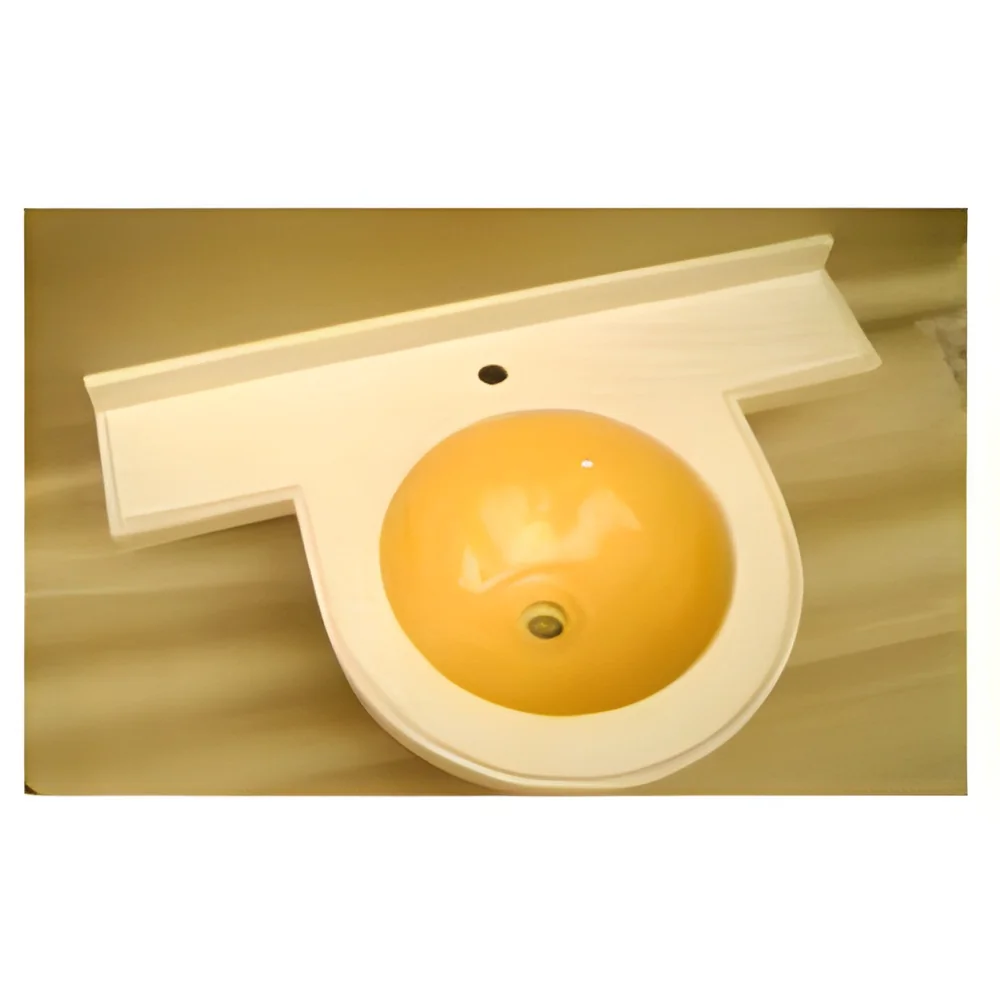
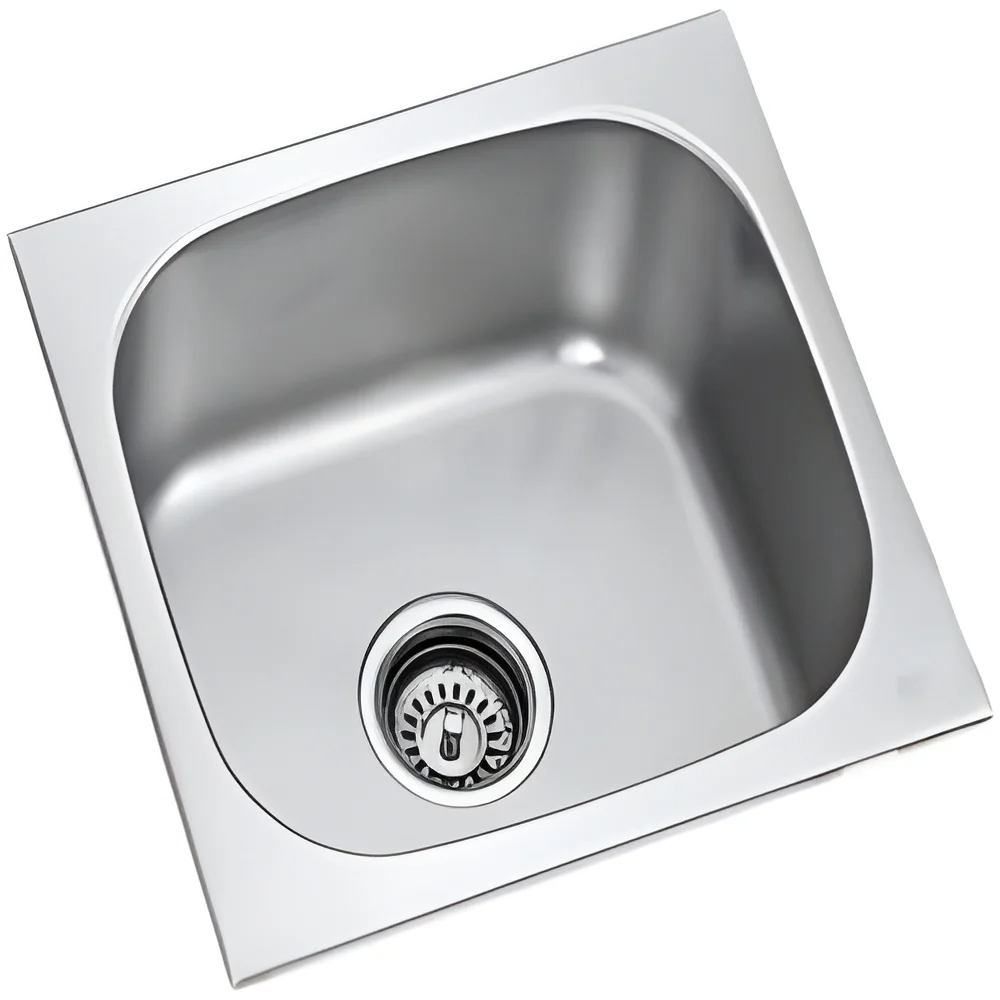
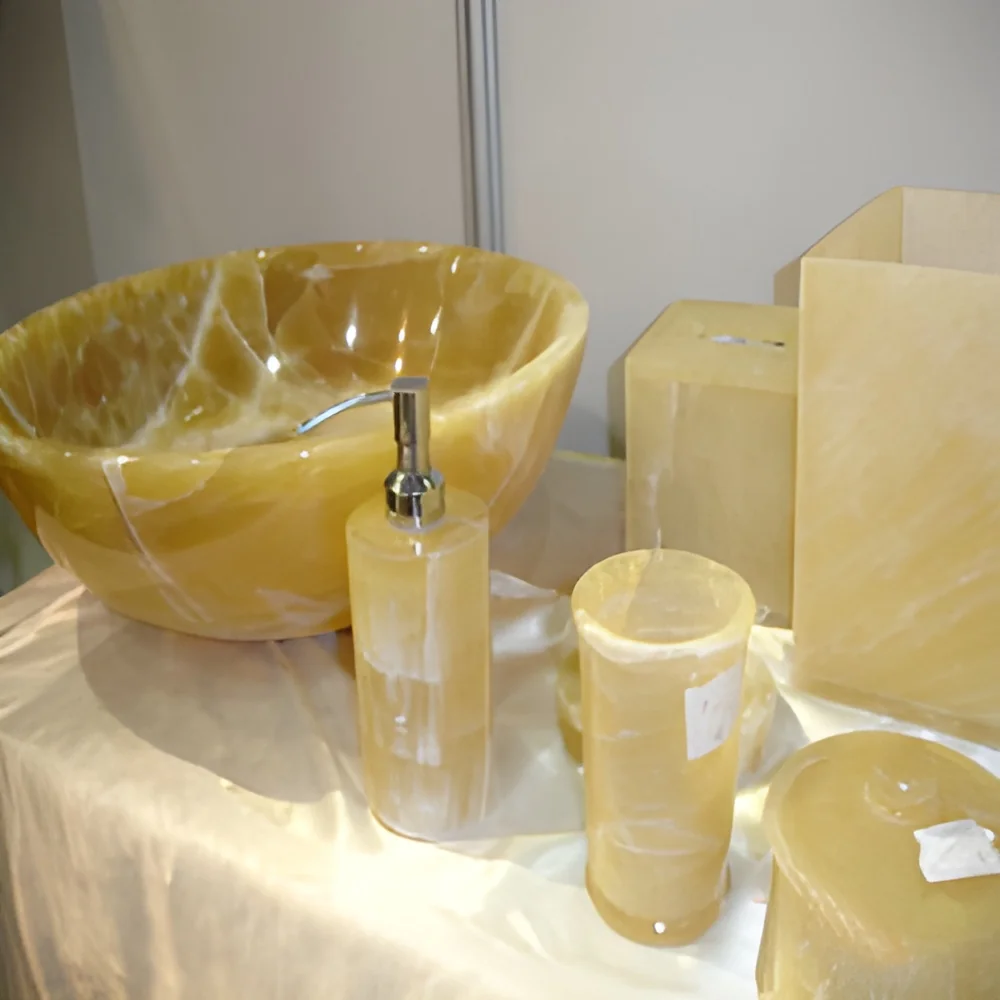
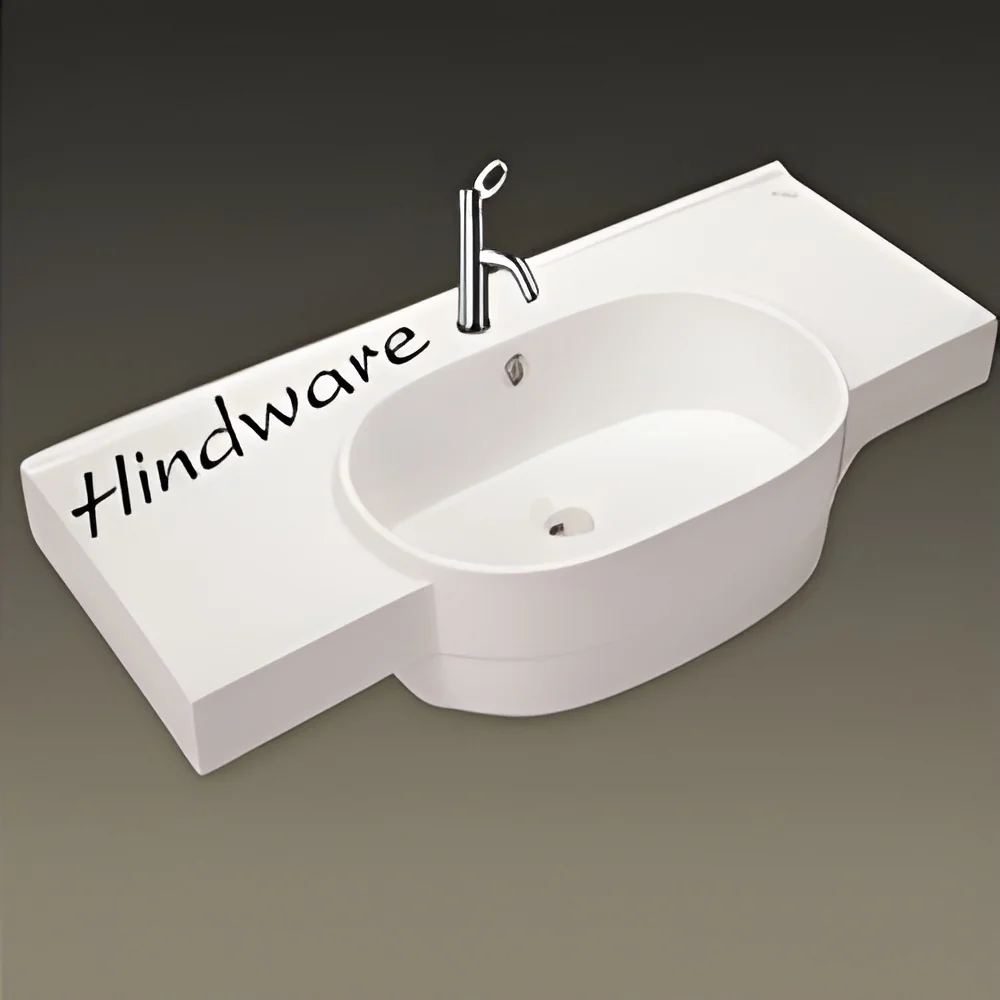
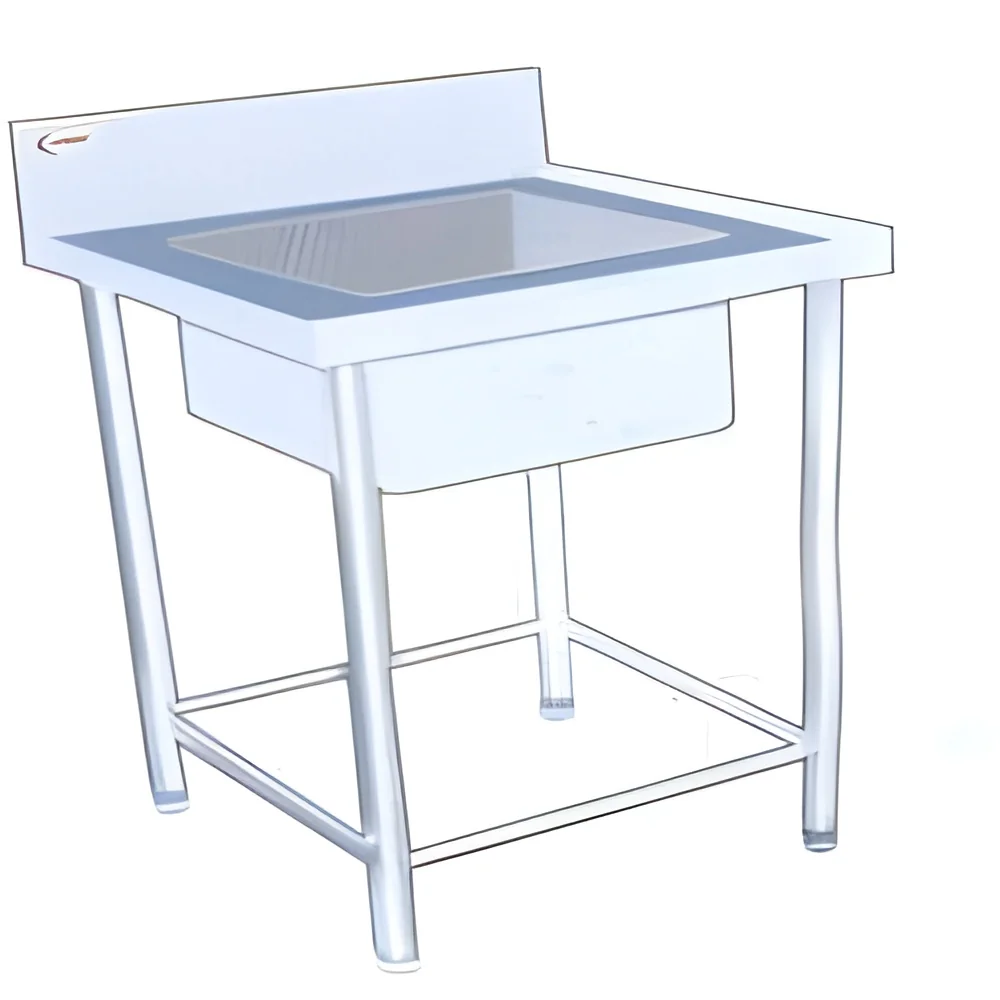
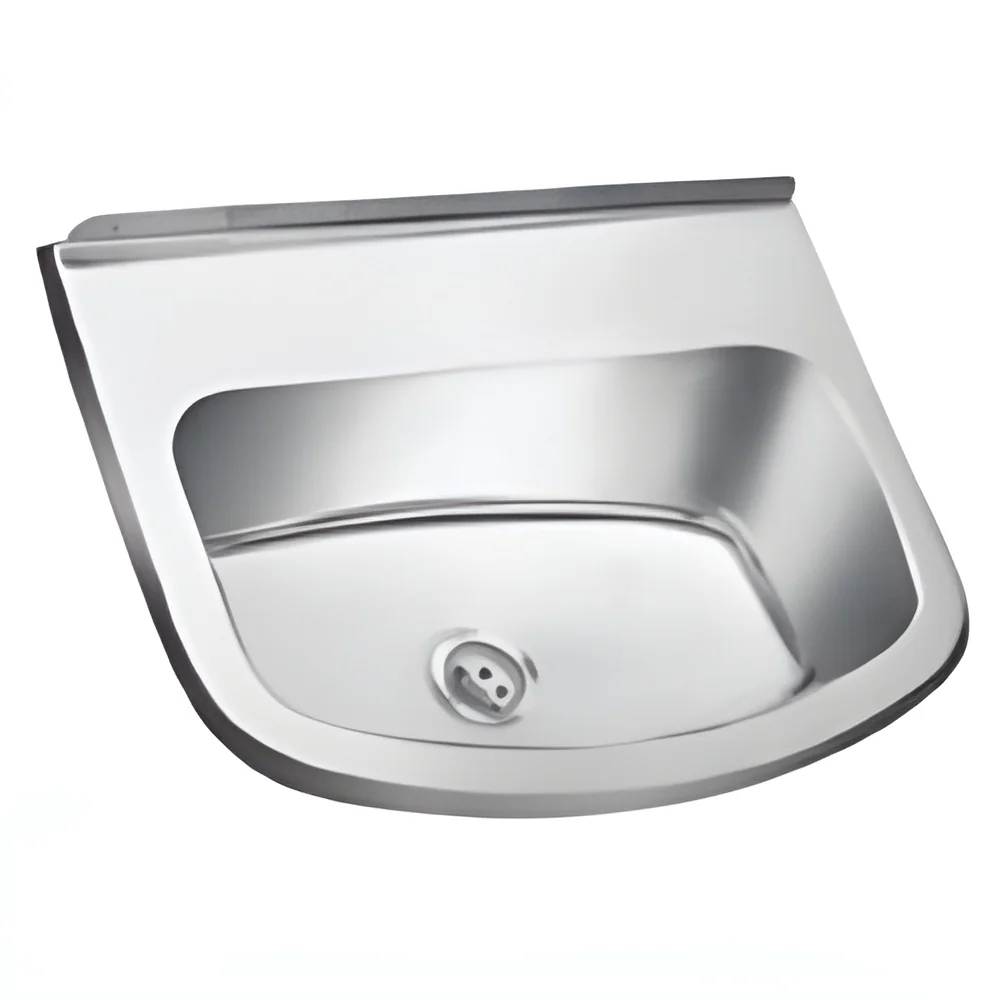
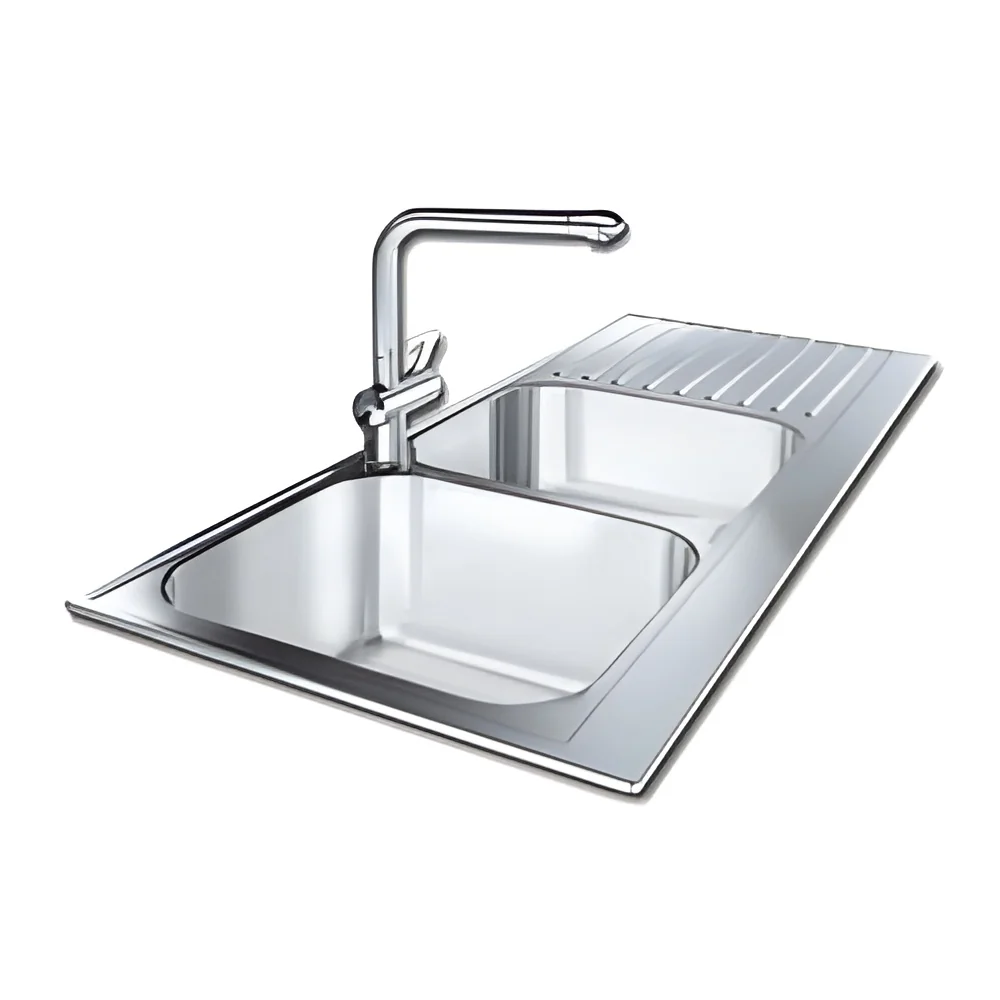
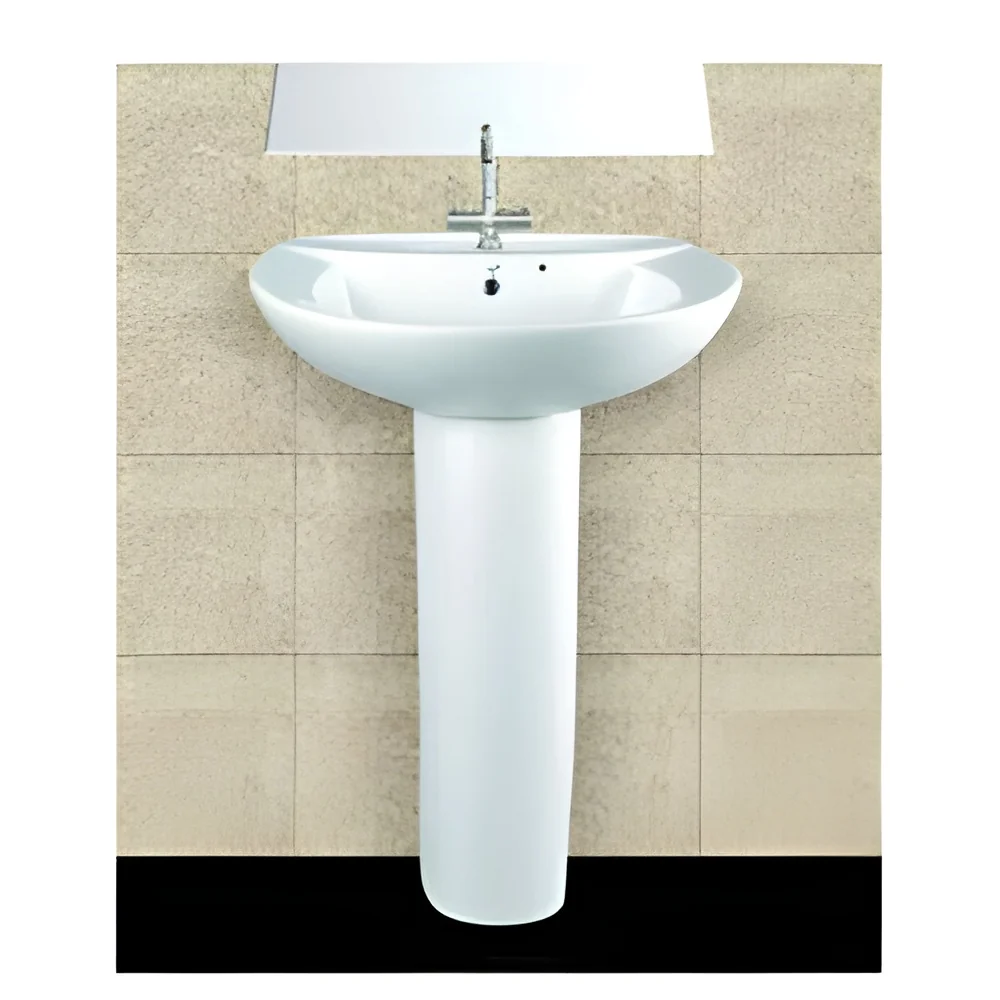
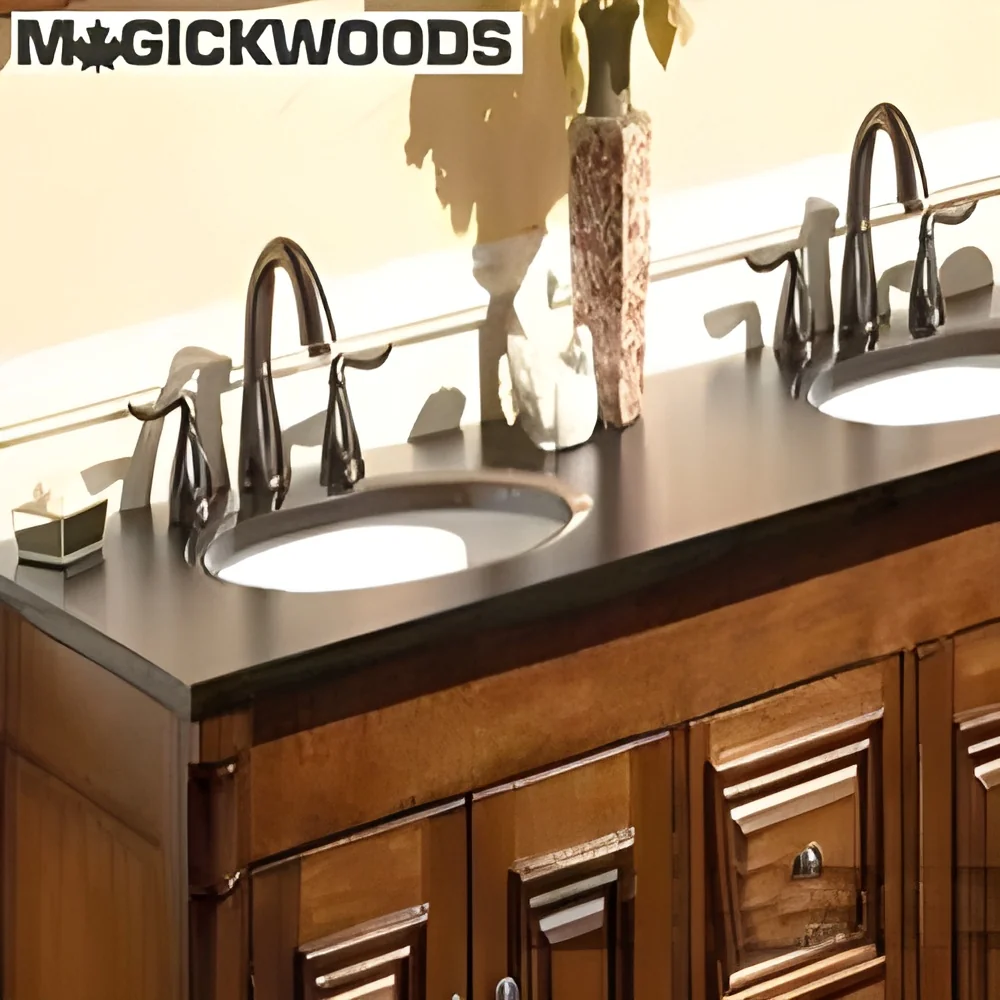
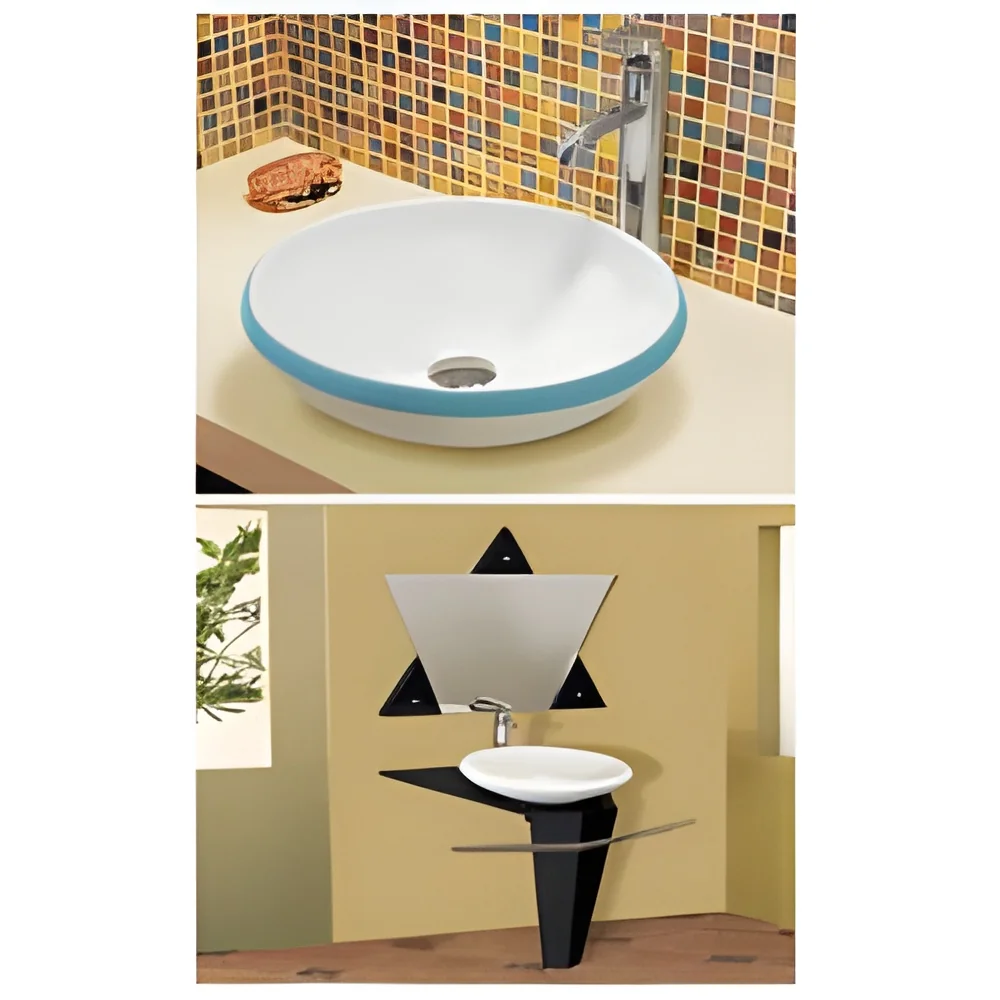
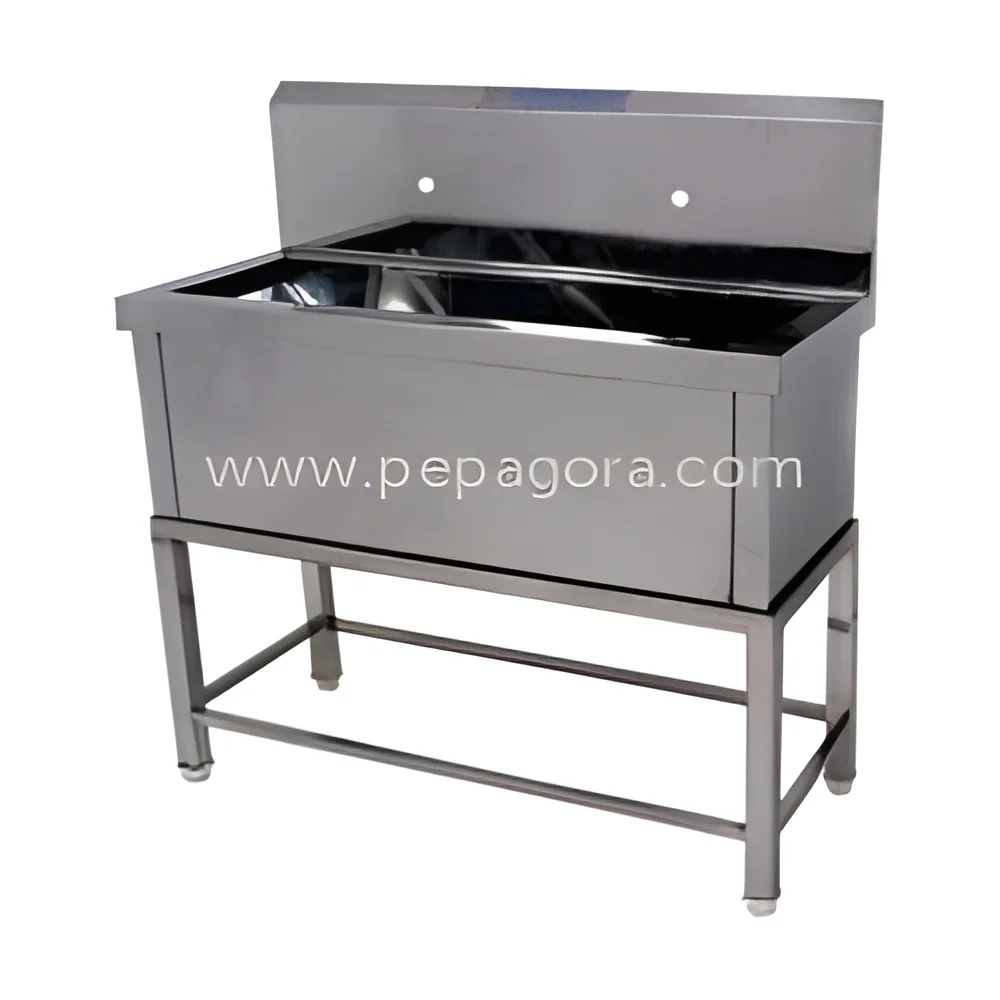
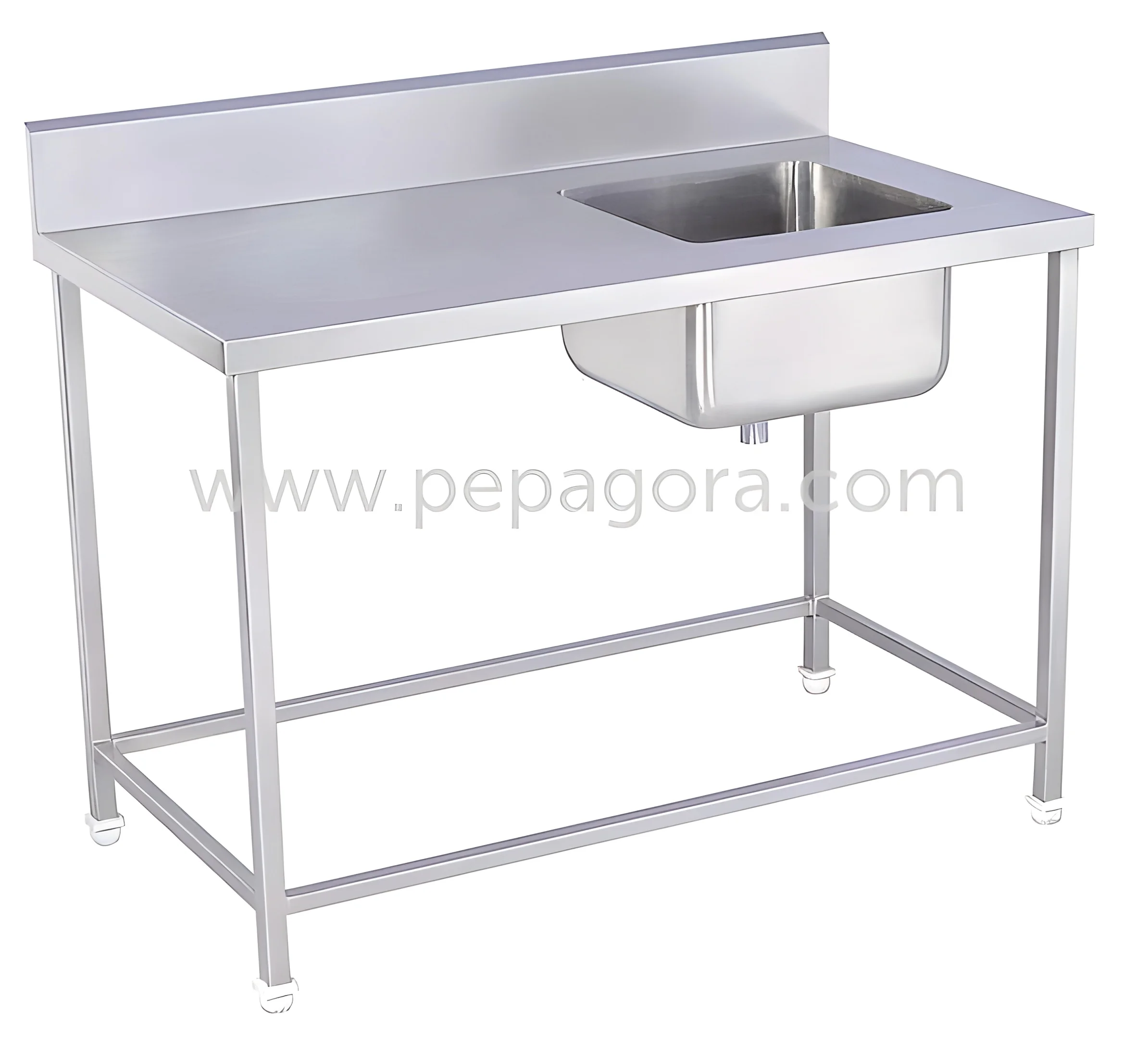
What are Wash Basins (Pedestal, Wall Hung, Countertop)?
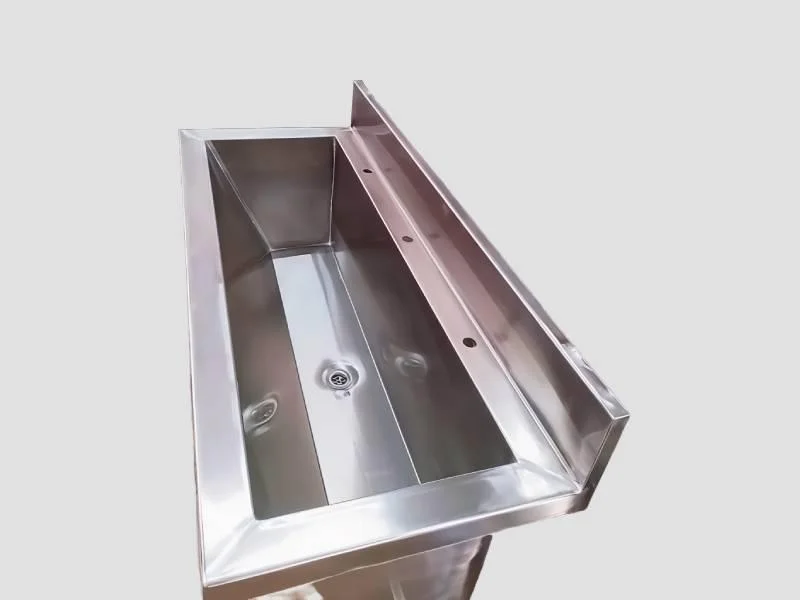
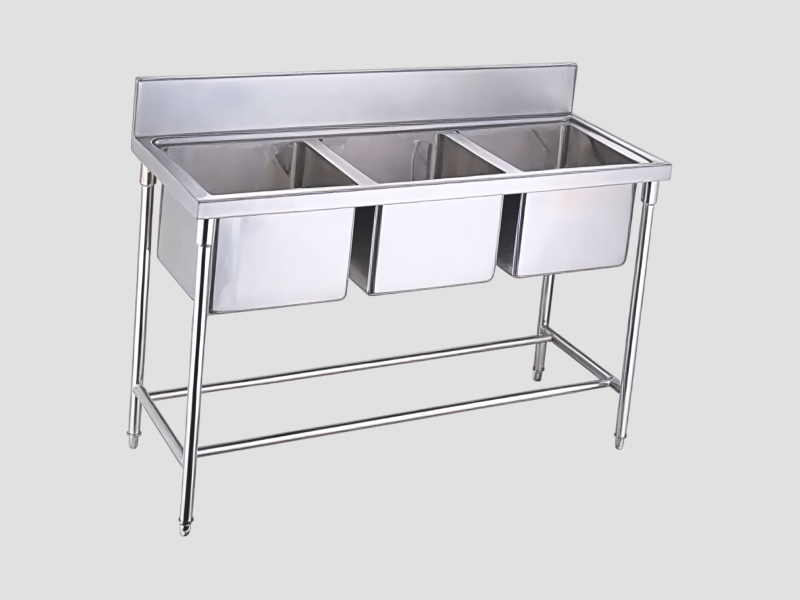
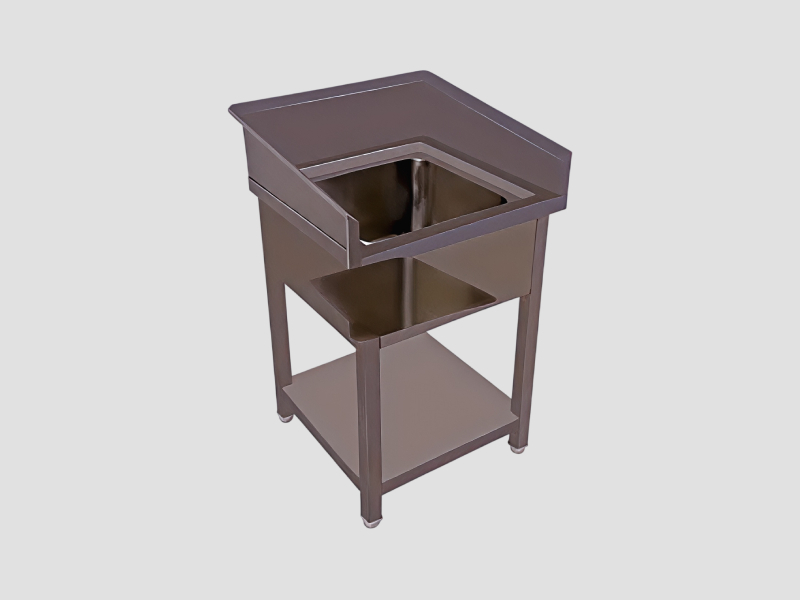
Wash basins, including pedestal, wall hung, and countertop designs, are essential fixtures in both residential and commercial settings. They are primarily used for washing hands and face, but they also play a significant role in hygiene and sanitation. A wash basin consists of a bowl-like structure that collects water and is typically fitted with taps for water supply and drainage systems for wastewater.
These basins are widely used in various environments such as homes, offices, restaurants, hospitals, and educational institutions. Their design and functionality can enhance the overall aesthetics of a space while ensuring cleanliness. In today’s market, the relevance of wash basins is heightened due to the increasing focus on hygiene and health, especially in the wake of global health crises.
The wash basin market is diverse, with numerous options that cater to different design preferences and requirements. As industries evolve, the demand for stylish, functional, and durable wash basins continues to grow, making them a critical component of modern sanitation solutions.
𝗞𝗲𝘆 𝗙𝗲𝗮𝘁𝘂𝗿𝗲𝘀 𝗮𝗻𝗱 𝗦𝗽𝗲𝗰𝗶𝗳𝗶𝗰𝗮𝘁𝗶𝗼𝗻𝘀
Wash basins are designed to meet various needs and preferences, and their features can significantly impact usability and maintenance. Key specifications include:
1. Material Type
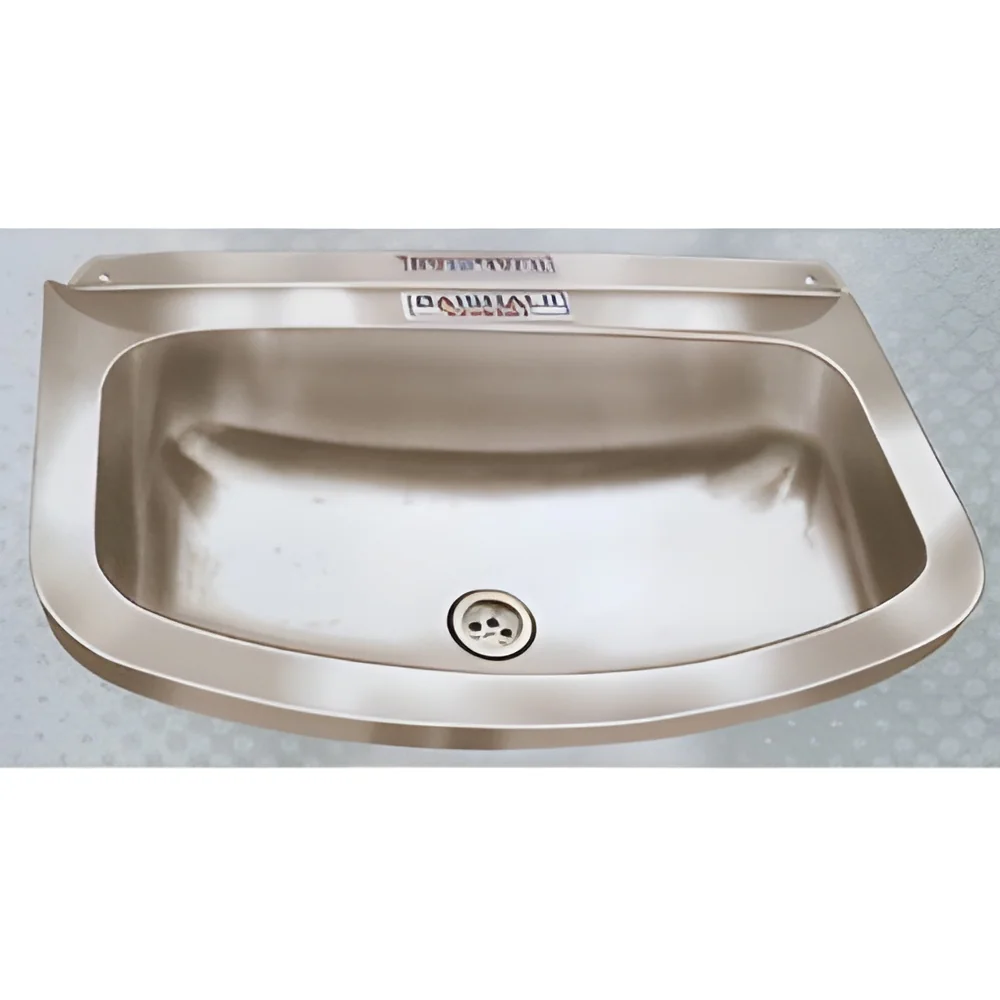
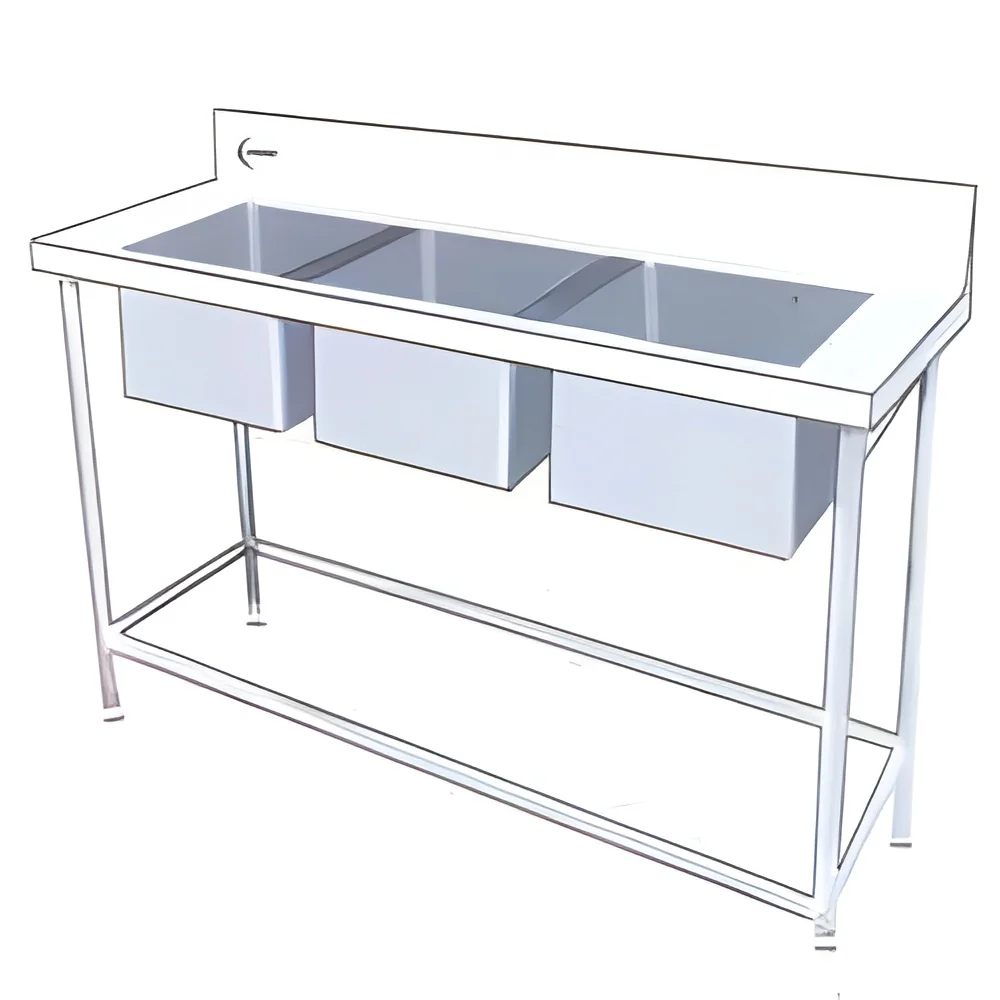
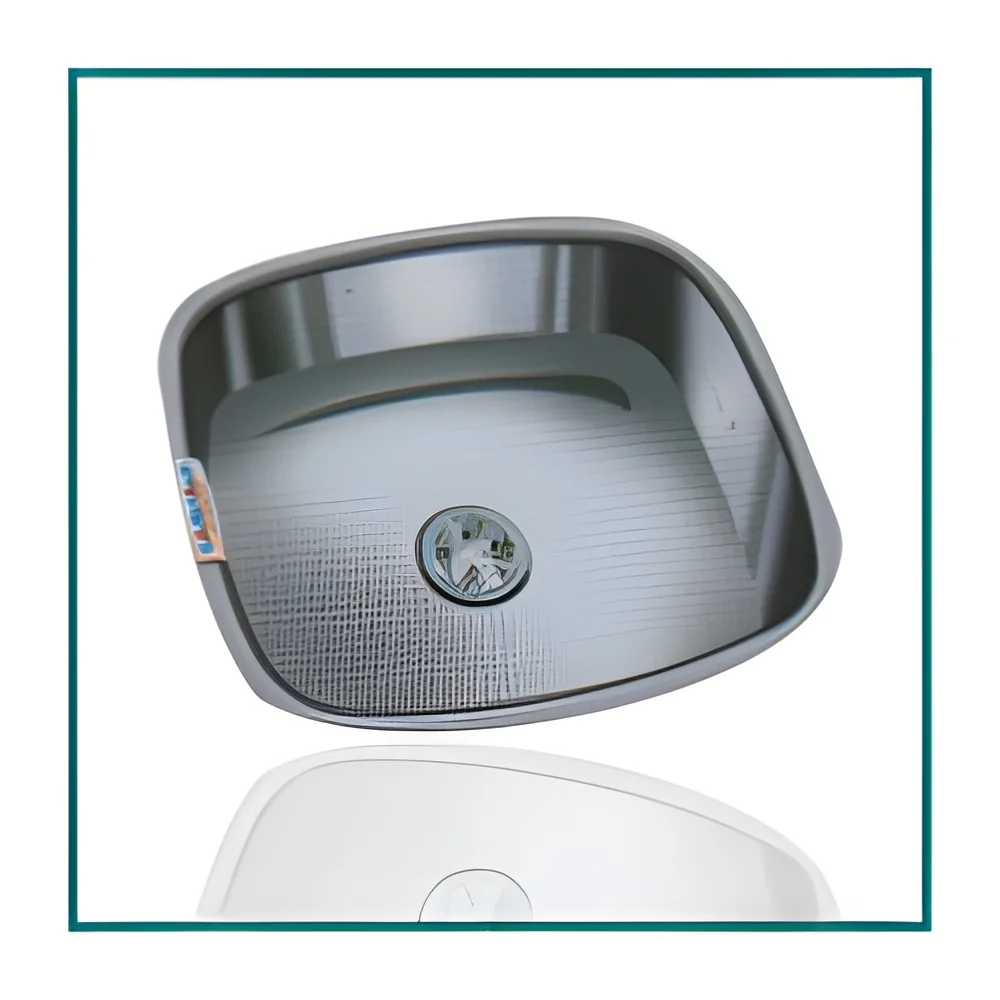
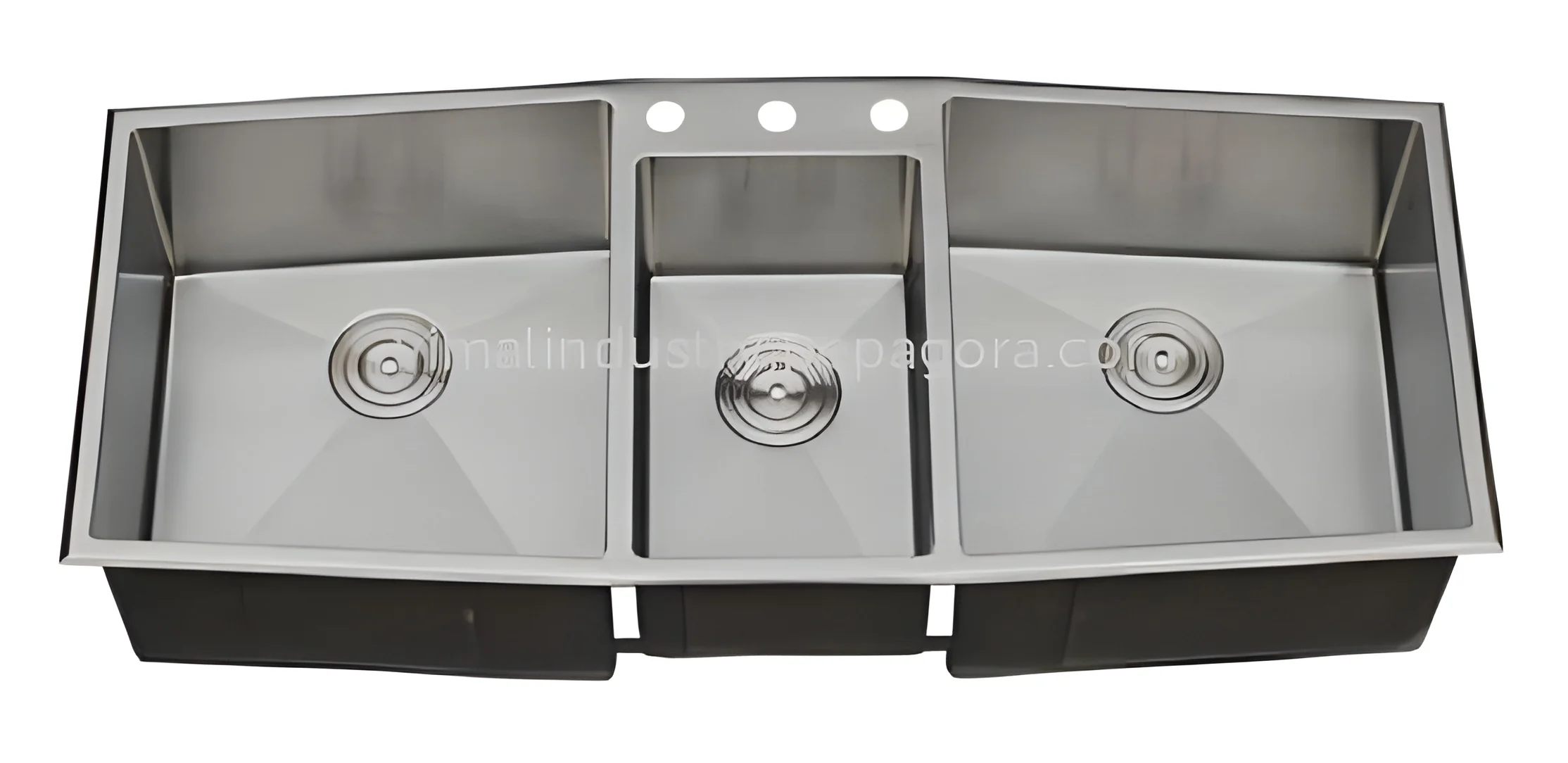
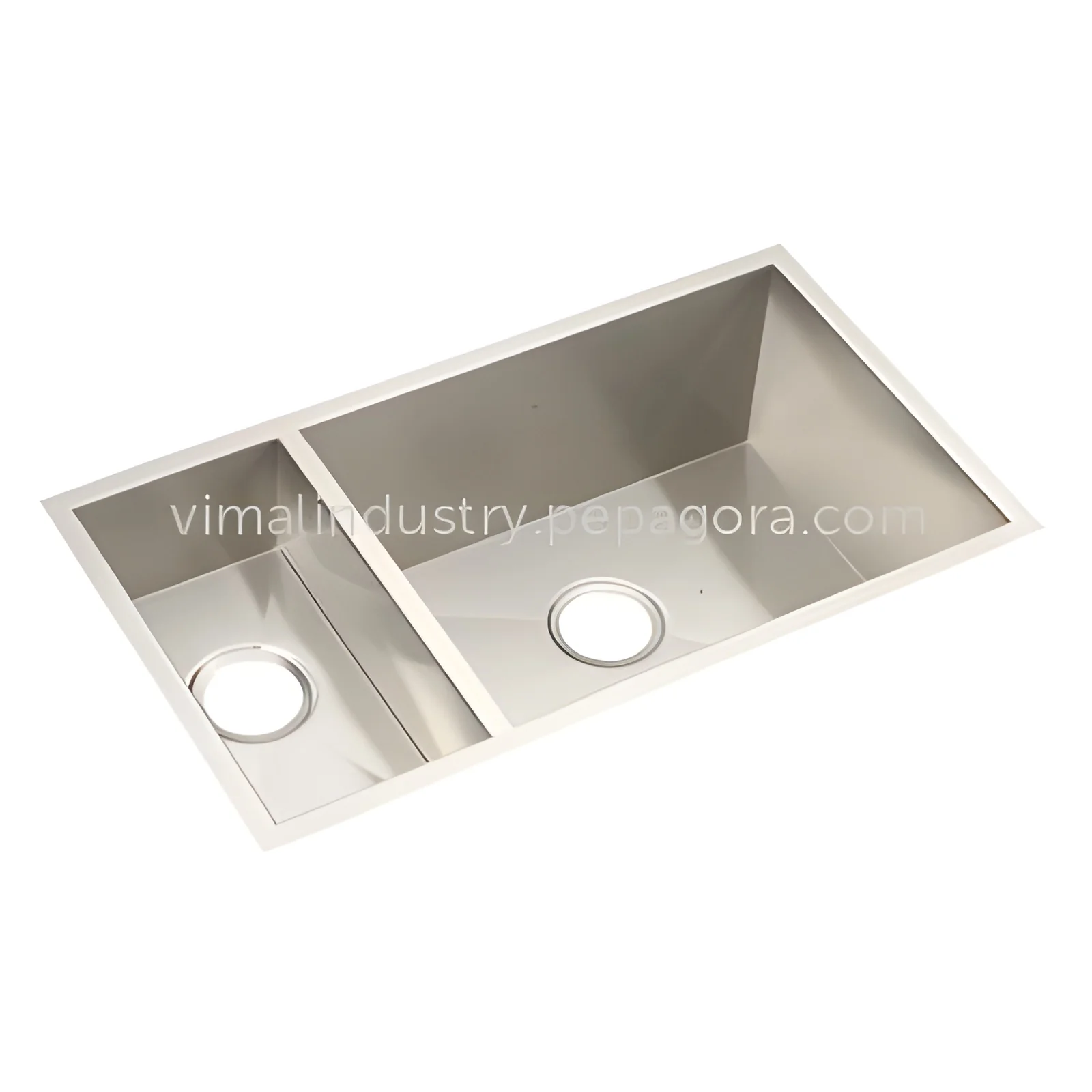
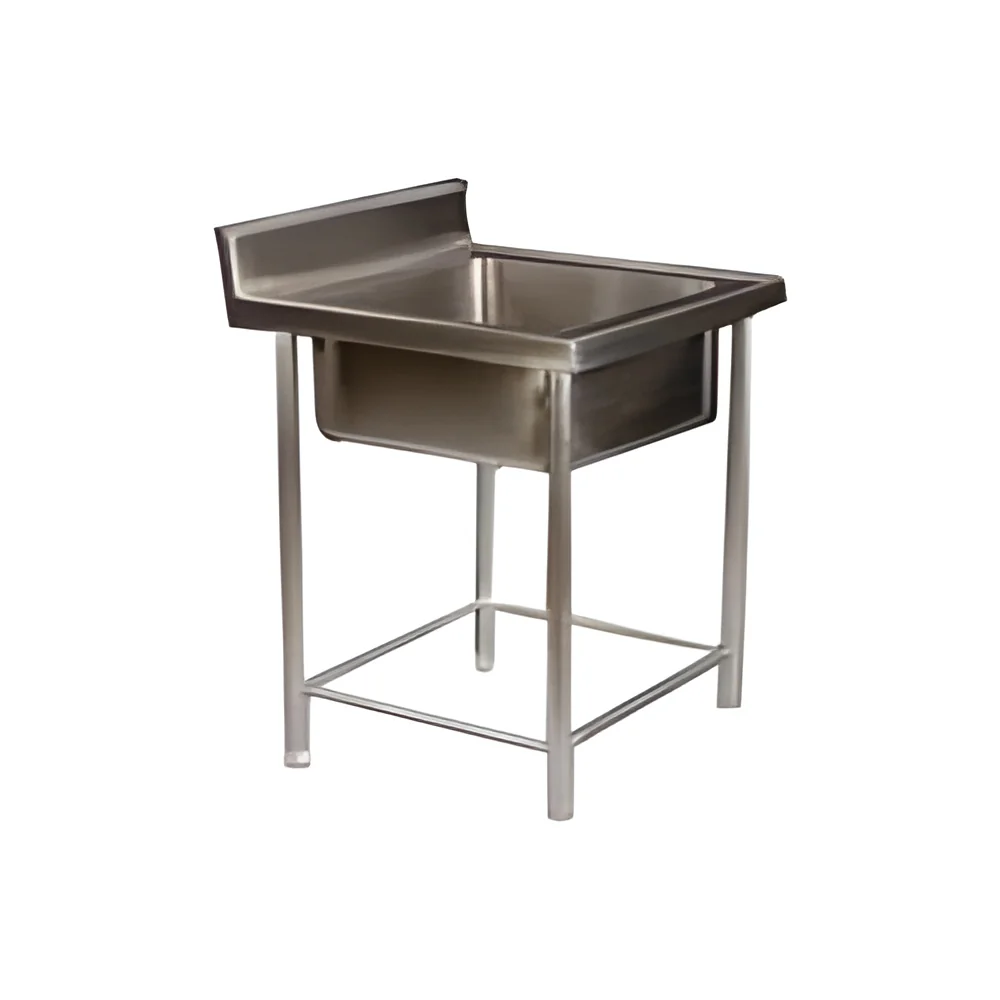
- Common materials include ceramic, porcelain, glass, and stainless steel.
- Each material offers unique durability and aesthetic qualities.
2. Design Style
- Options include traditional, modern, minimalist, and vintage.
- Design affects the overall look and feel of a space.
3. Dimensions
- Sizes vary widely to fit different spaces, typically ranging from 16 to 30 inches in width.
- Depth and height can also vary depending on the type and design.
4. Mounting Type
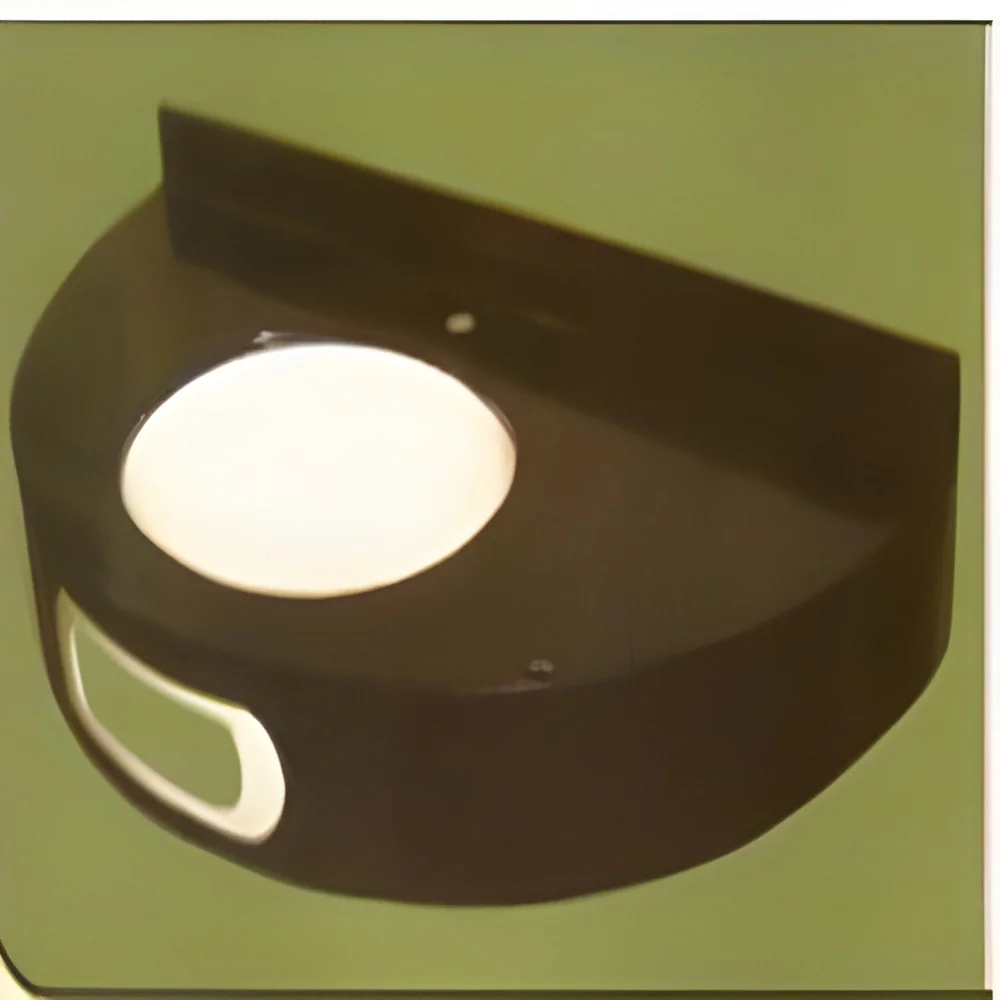
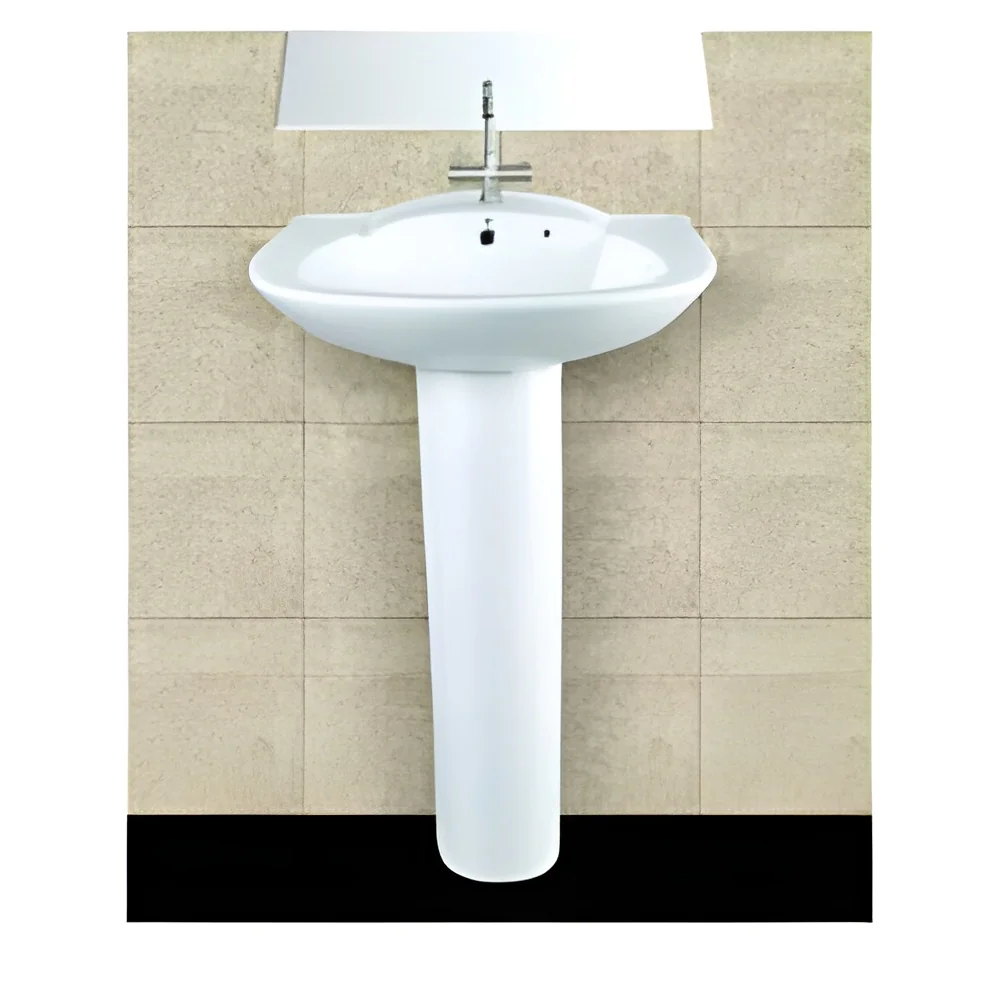
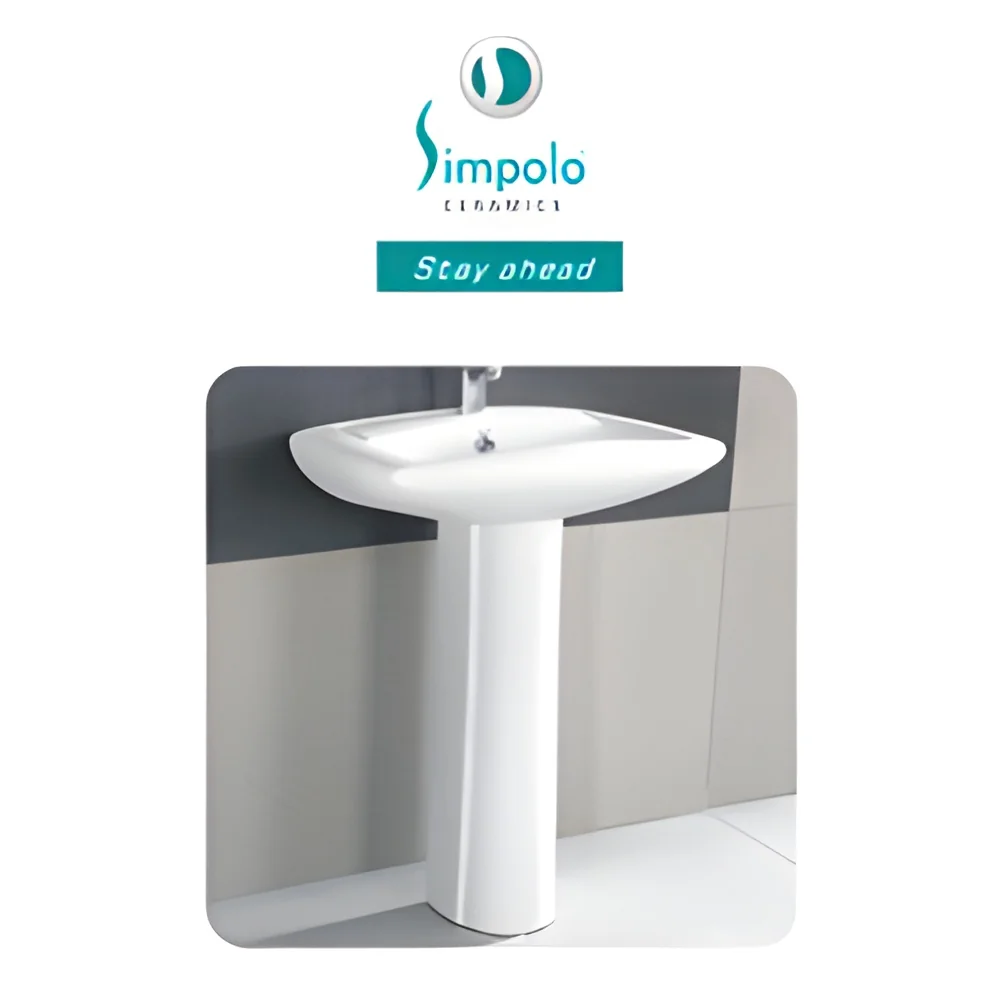
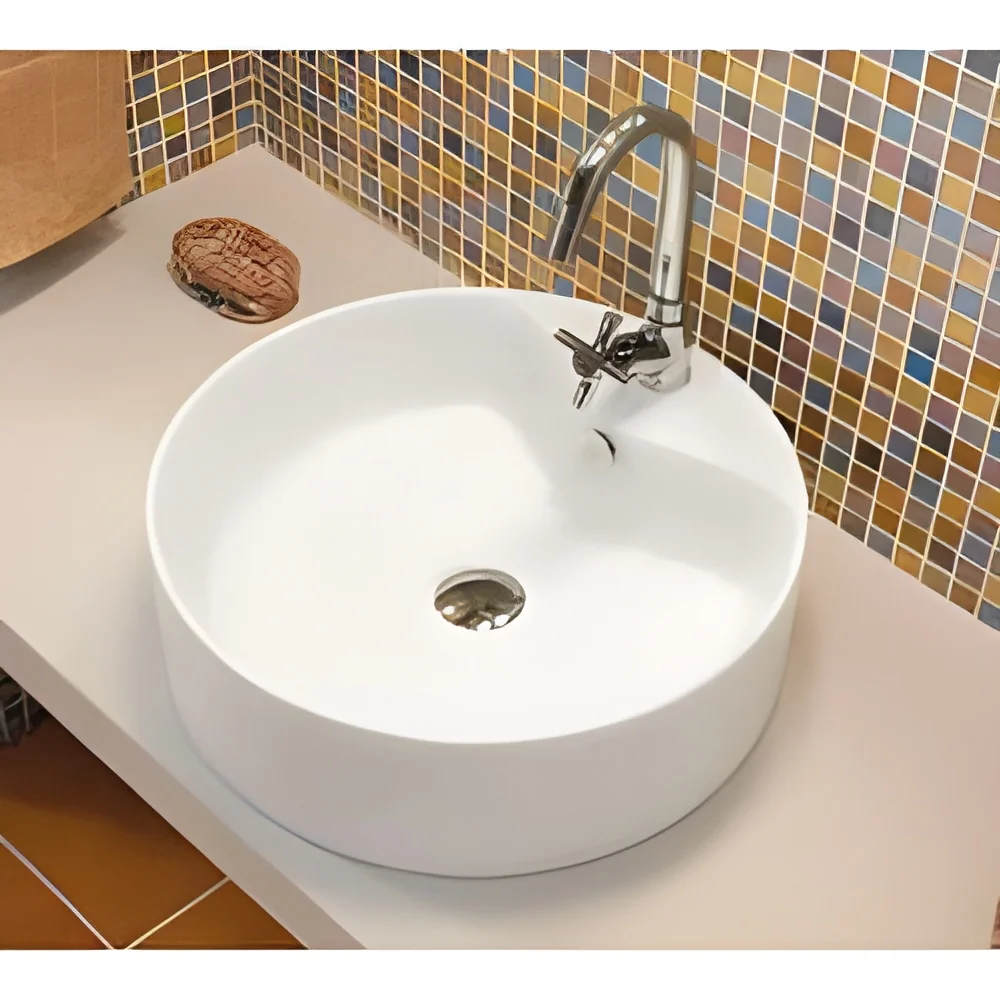
- Pedestal basins are freestanding, wall hung are mounted directly to the wall, and countertop models rest atop surfaces.
- Mounting type affects installation and space usage.
5. Drainage System
- Standard drains are included, with options for pop-up and overflow features.
- Quality drainage systems ensure efficient water disposal.
6. Finish Options
- Finishes can include glossy, matte, or textured surfaces.
- Finish impacts maintenance and visual appeal.
7. Color Options
- Available in a variety of colors to match decor preferences.
- Common colors include white, black, and various earth tones.
8. Installation Requirements
- Installation may vary based on type and design, requiring specific plumbing configurations.
- Clear instructions and support are often provided by manufacturers.
In summary, selecting the right wash basin involves understanding these features and specifications to ensure it meets the specific needs of a space.
𝗖𝗼𝗺𝗺𝗼𝗻 𝗔𝗽𝗽𝗹𝗶𝗰𝗮𝘁𝗶𝗼𝗻𝘀 𝗮𝗻𝗱 𝗨𝘀𝗲 𝗖𝗮𝘀𝗲𝘀
Wash basins are versatile products used across many industries and settings. This product serves various industries:
1. Residential: Homeowners commonly use wash basins in bathrooms and kitchens for daily hygiene.
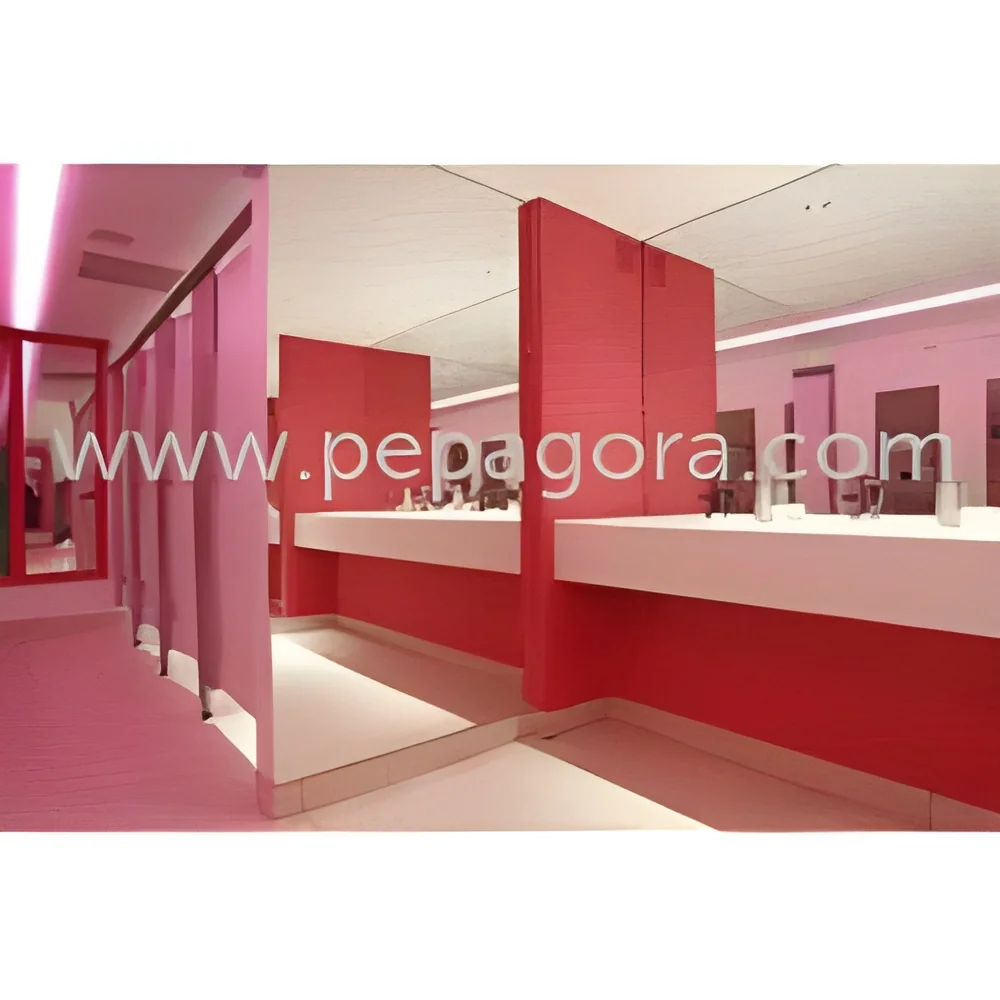
2. Hospitality: Hotels and restaurants incorporate stylish basins in guest restrooms to enhance guest experience and aesthetics.
3. Healthcare: Hospitals and clinics require durable and easily sanitized wash basins in patient rooms and public restrooms to maintain hygiene standards.
4. Educational Institutions: Schools and universities install wash basins in restrooms and cafeterias to promote cleanliness among students.
5. Commercial Offices: Businesses install basins in employee restrooms and kitchens to support workplace hygiene.
6. Retail Spaces: Stores often feature wash basins in fitting rooms and restrooms to ensure customer comfort and cleanliness.
7. Industrial Facilities: Manufacturing plants may use specialized wash basins designed for quick and effective cleaning of workers' hands and tools.
𝗣𝗿𝗼𝗱𝘂𝗰𝘁 𝗩𝗮𝗿𝗶𝗮𝗻𝘁𝘀 𝗮𝗻𝗱 𝗦𝘂𝗯𝗰𝗮𝘁𝗲𝗴𝗼𝗿𝗶𝗲𝘀
The diversity of wash basins is evident in the various product variants available in the market.
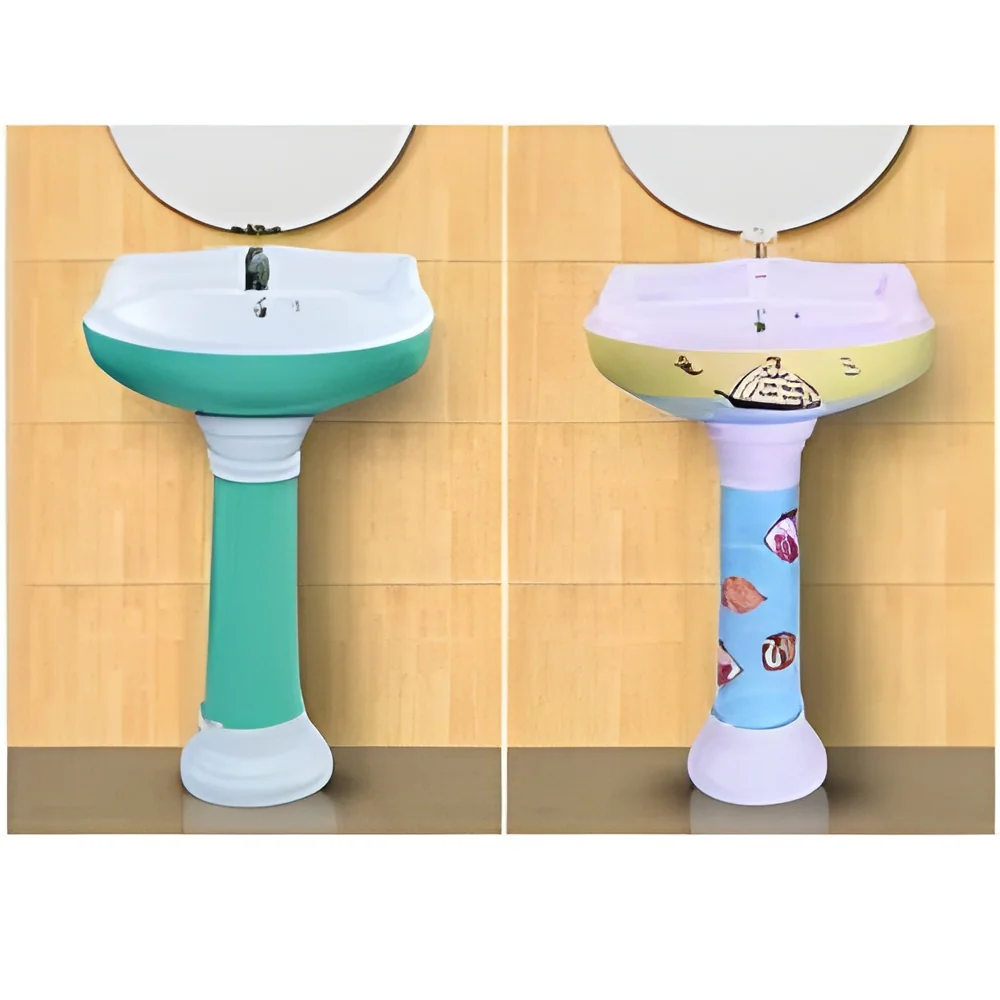
Pedestal Wash Basins
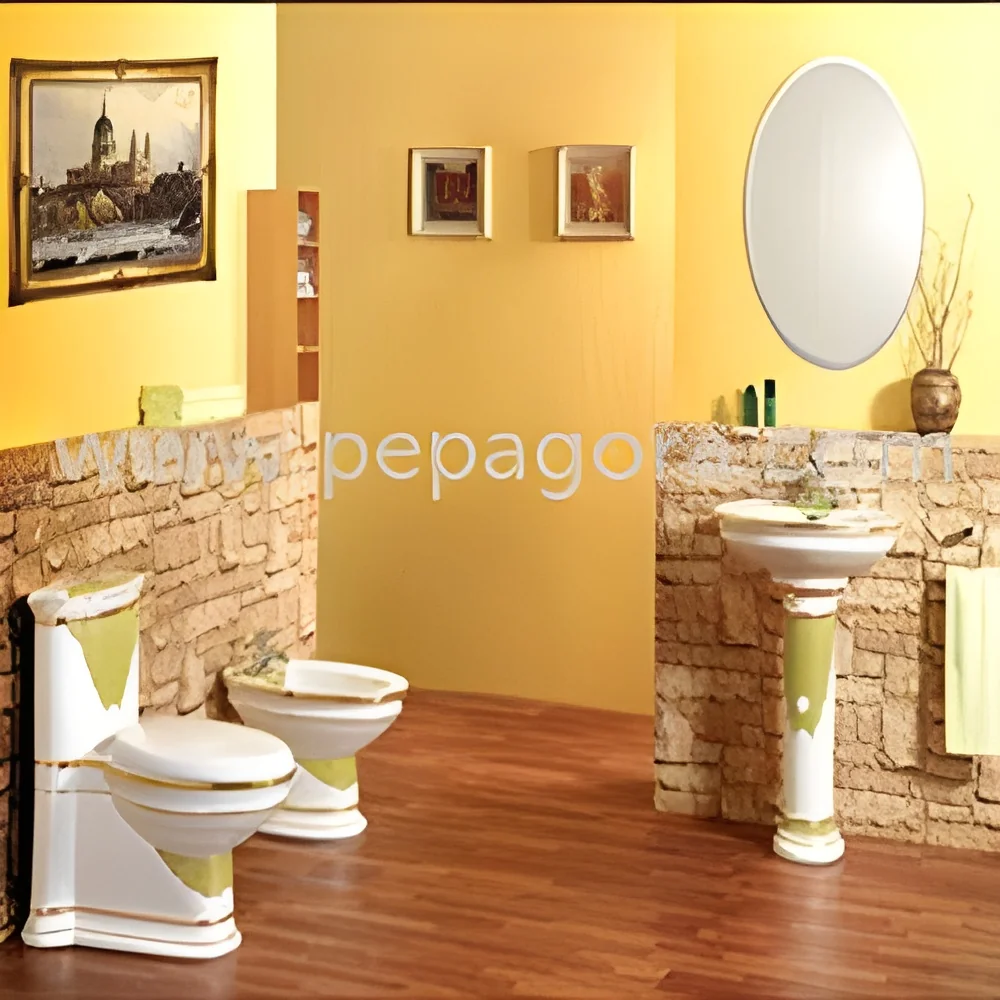
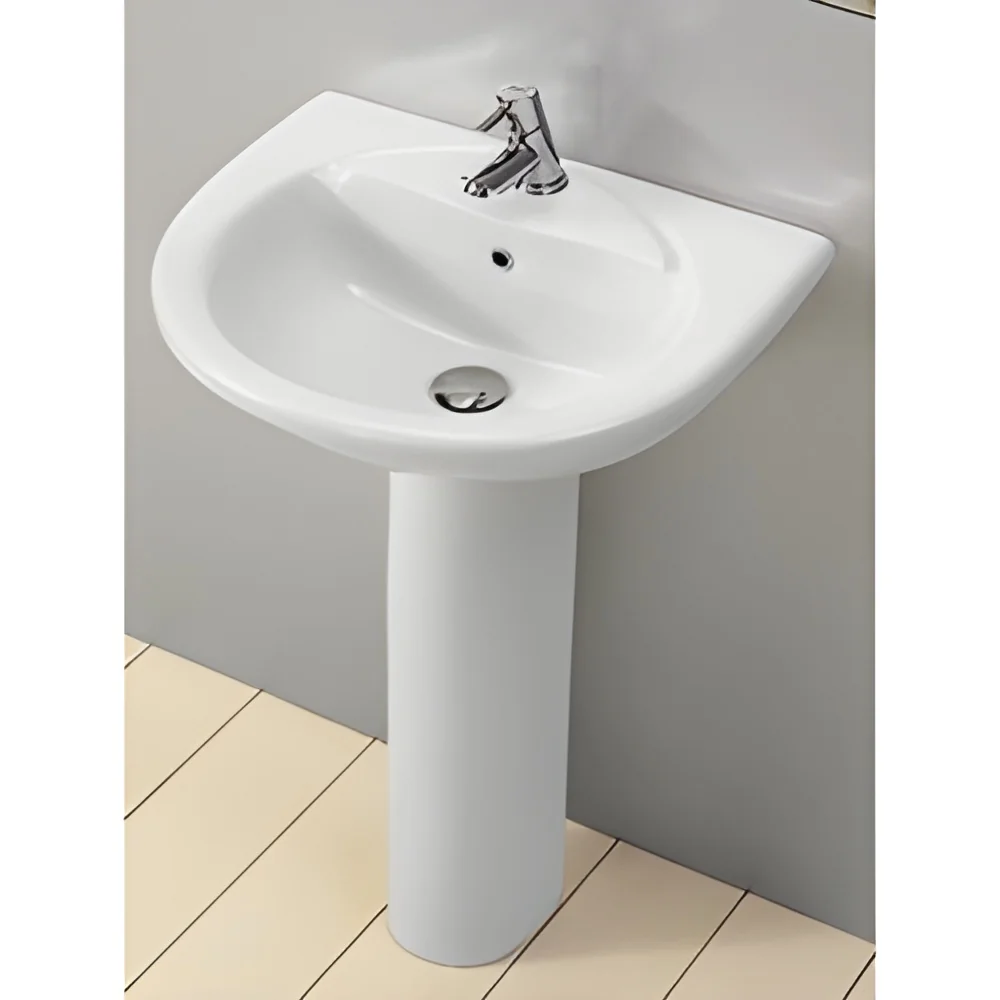
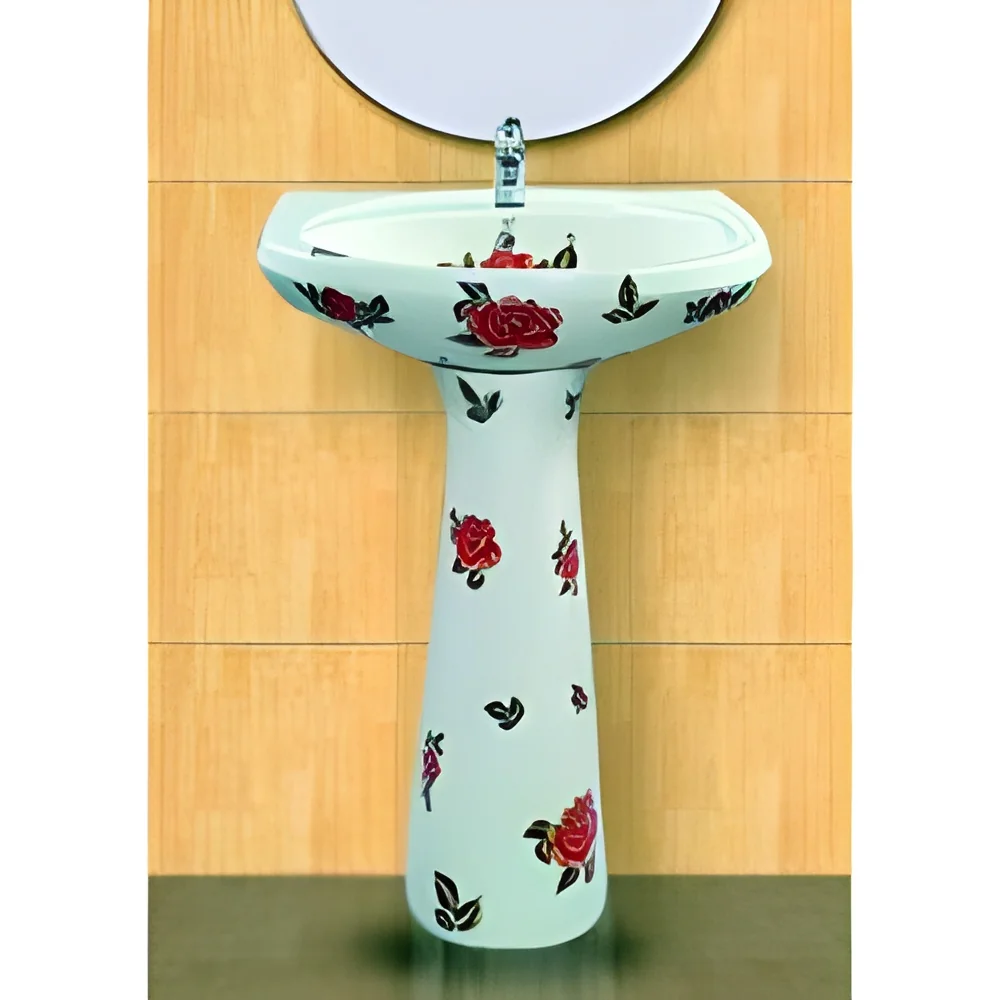
These basins stand on a pedestal base, providing a classic and elegant look. They are ideal for smaller spaces as they do not require extensive wall support. Their design often allows for easy installation and maintenance.
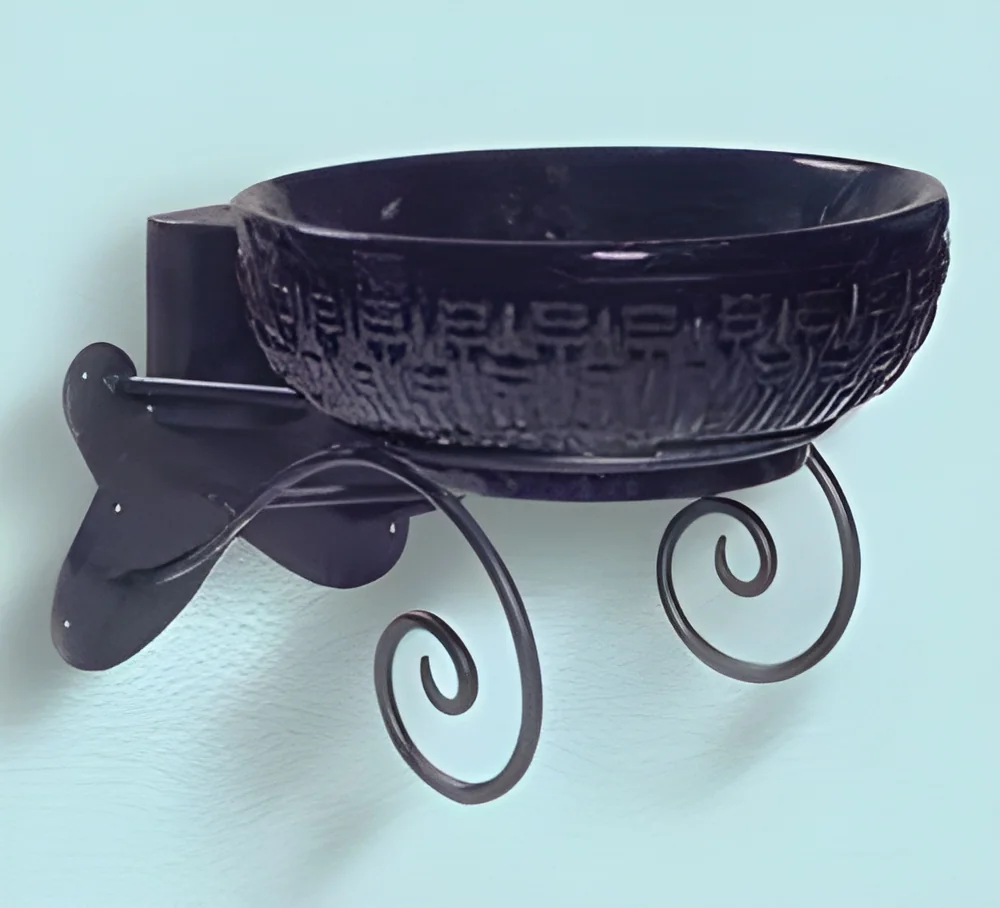
Wall Hung Wash Basins
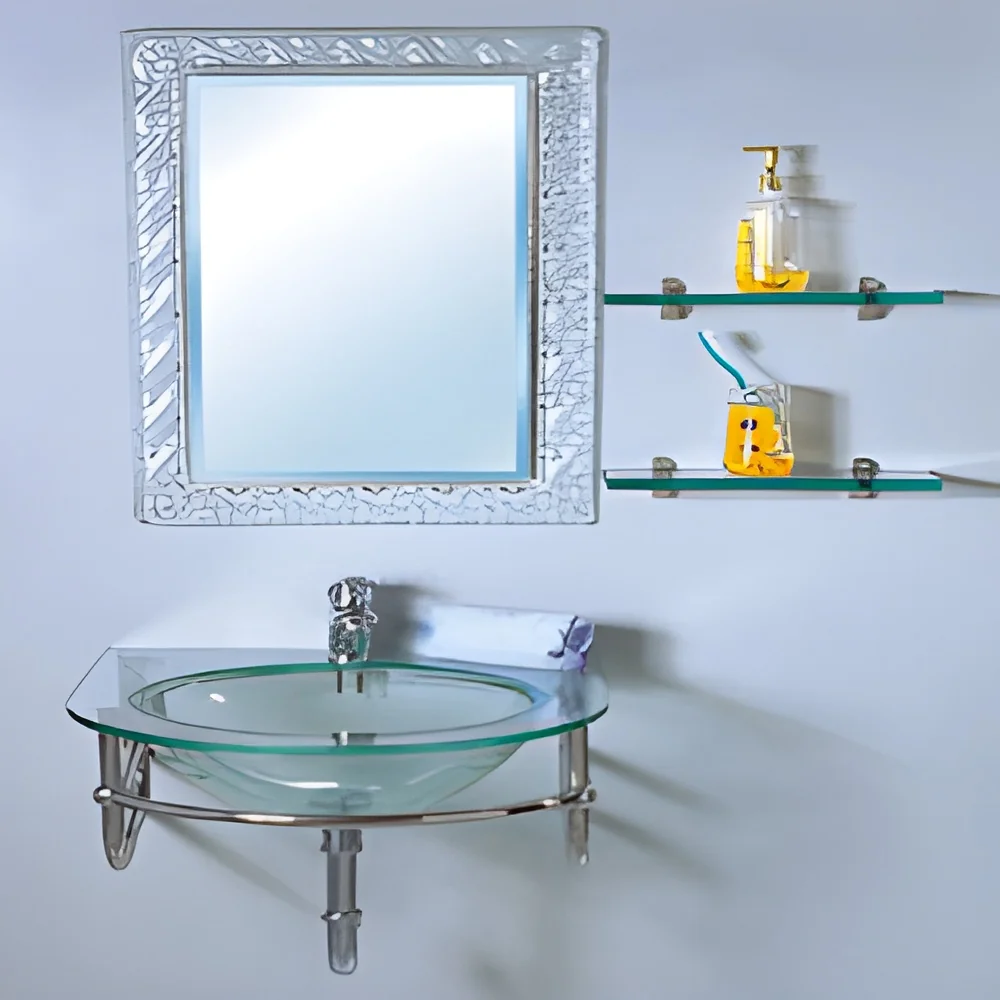
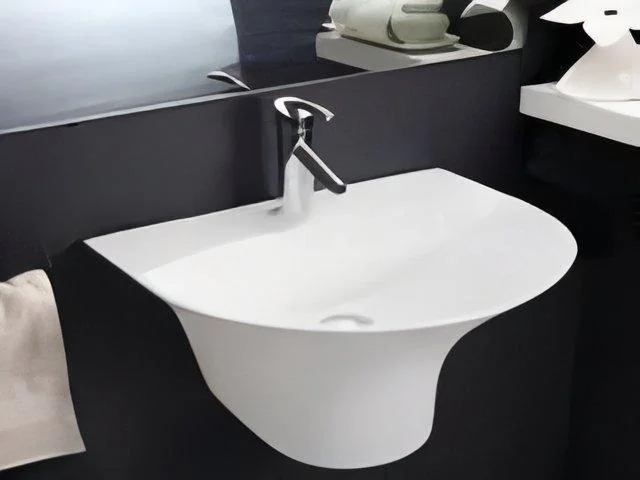
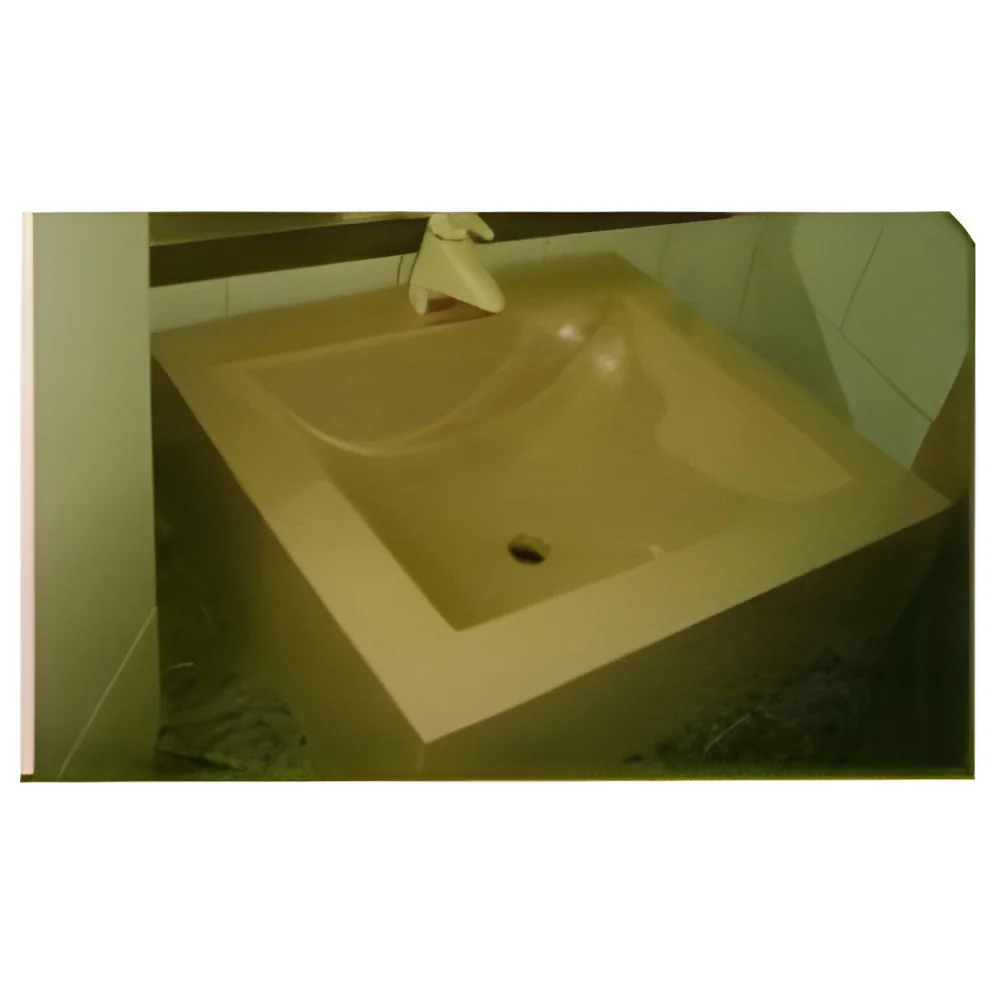
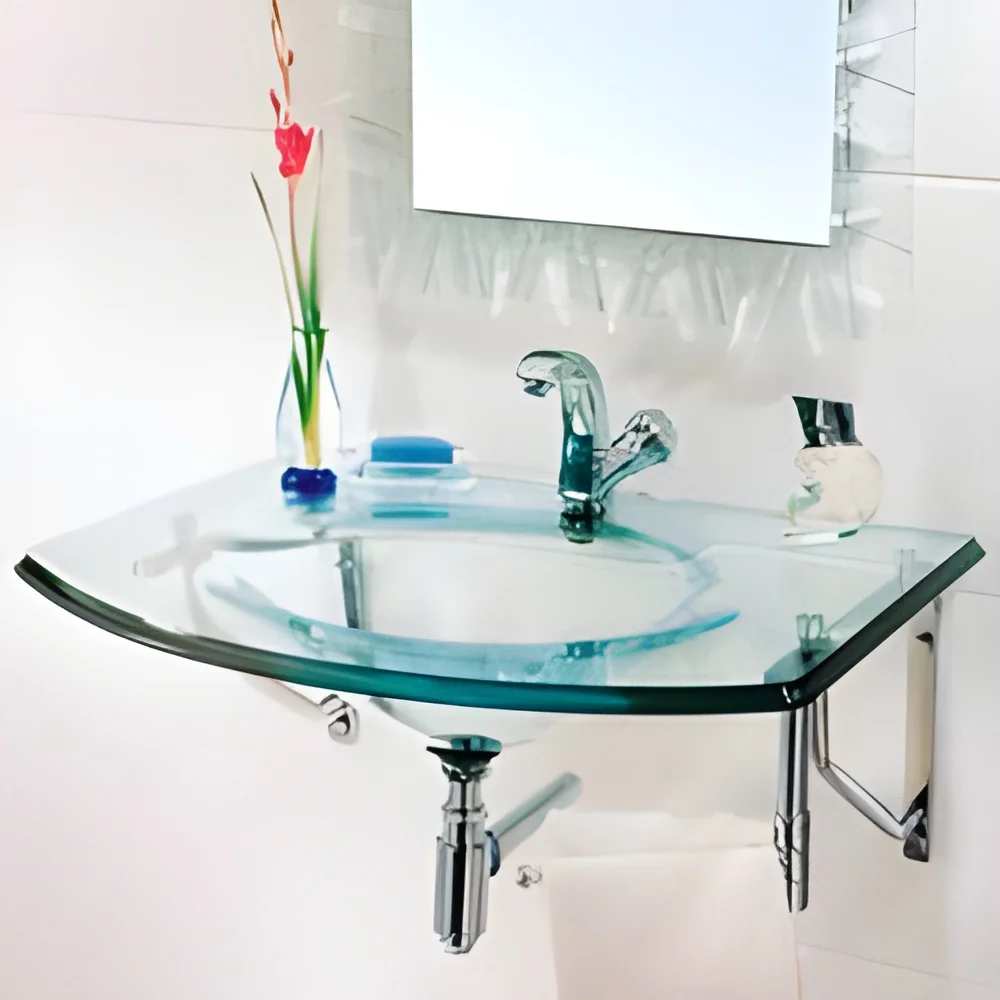
These basins are mounted directly to the wall, making them suitable for modern and minimalist designs. They free up floor space, making cleaning easier and providing a contemporary aesthetic.
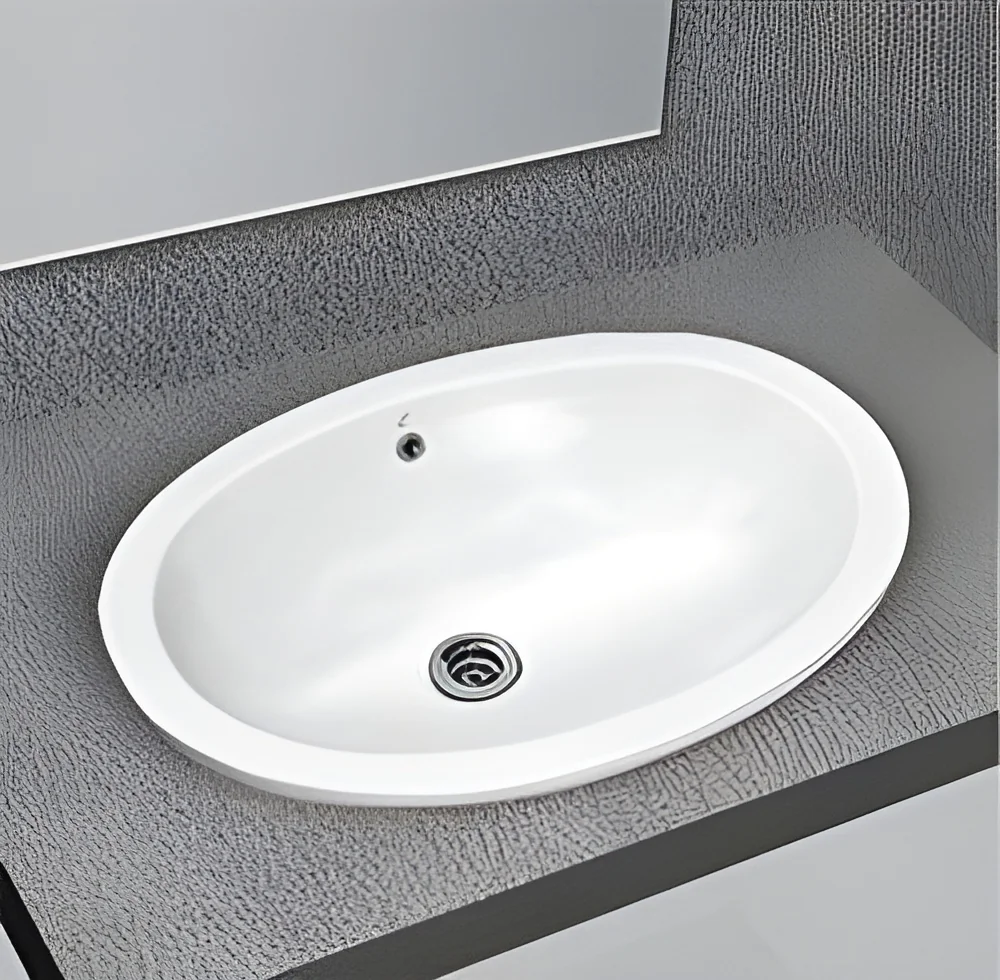
Countertop Wash Basins
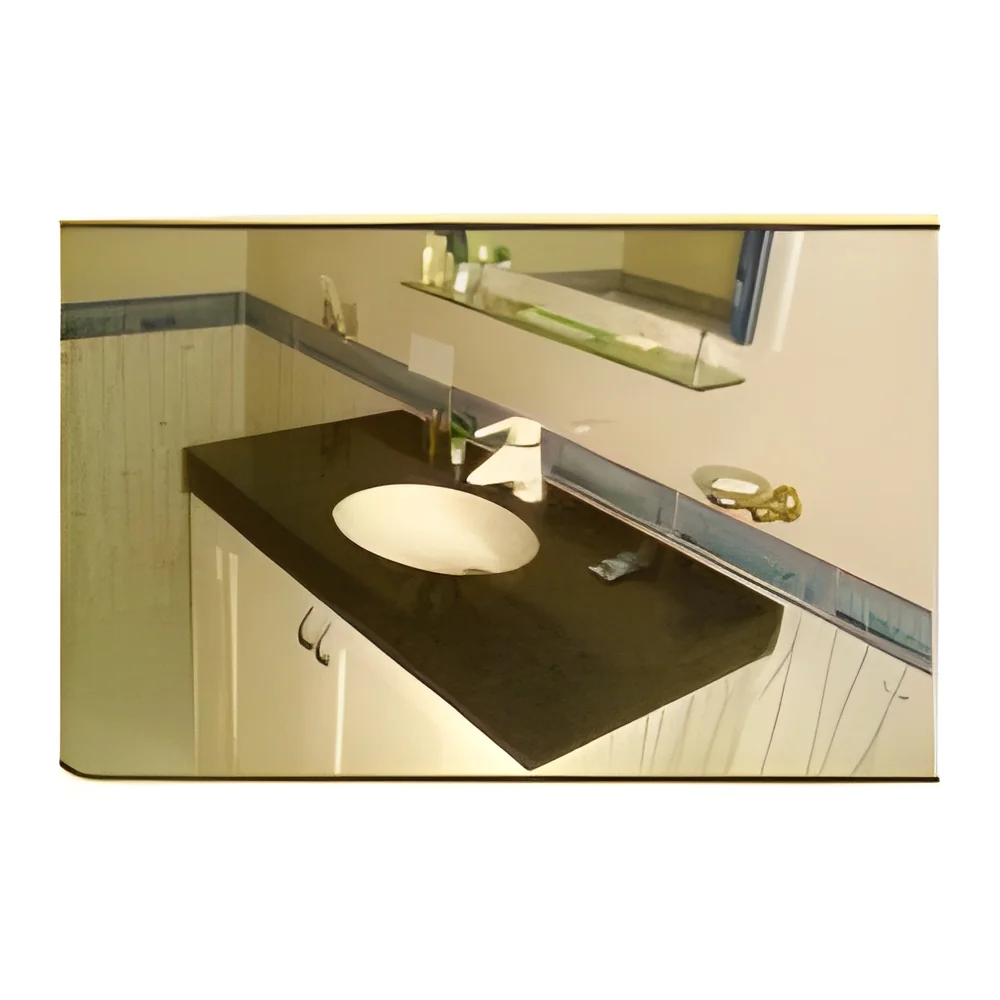
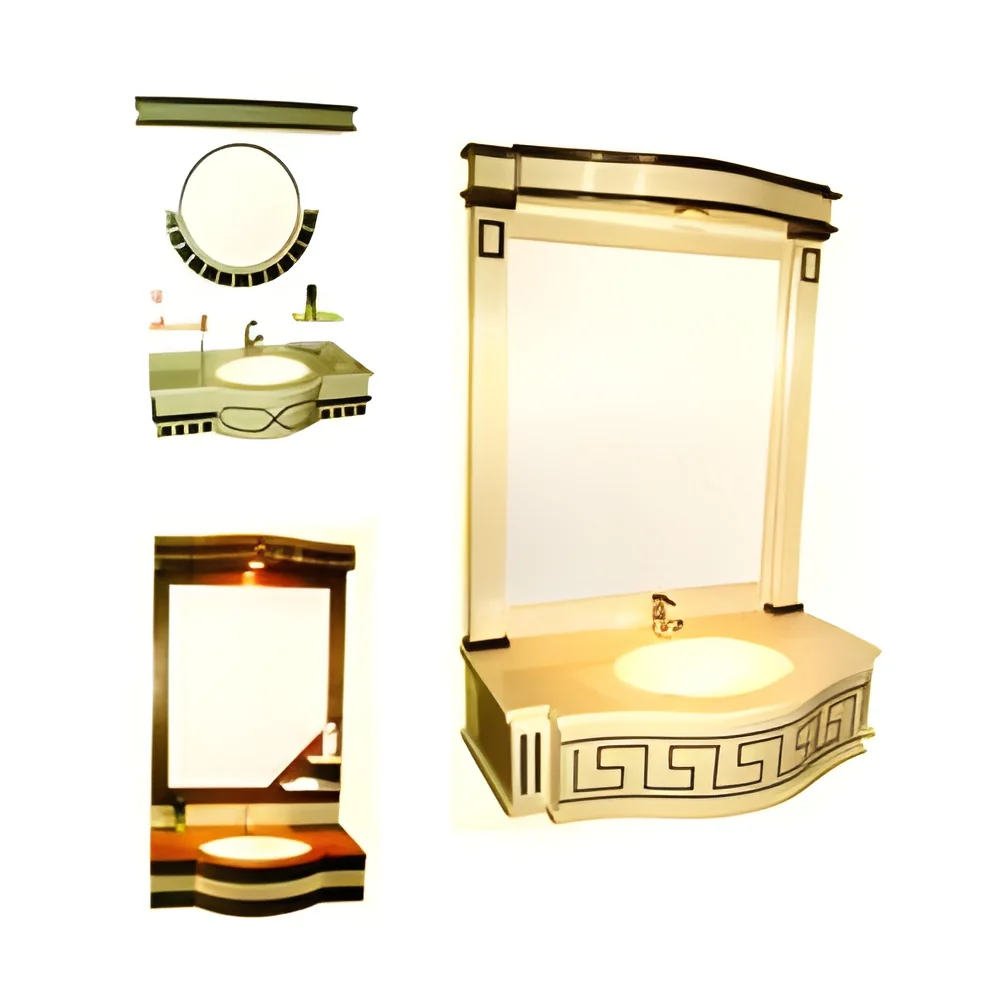
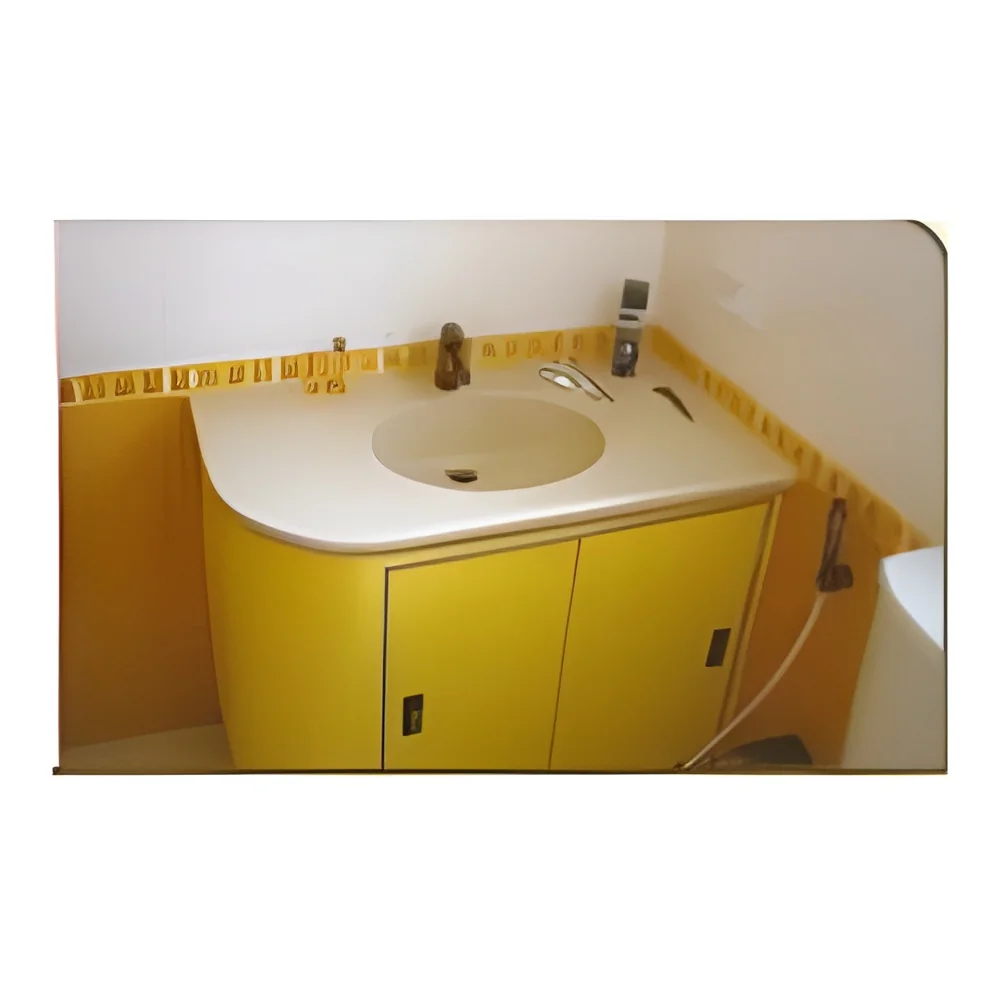
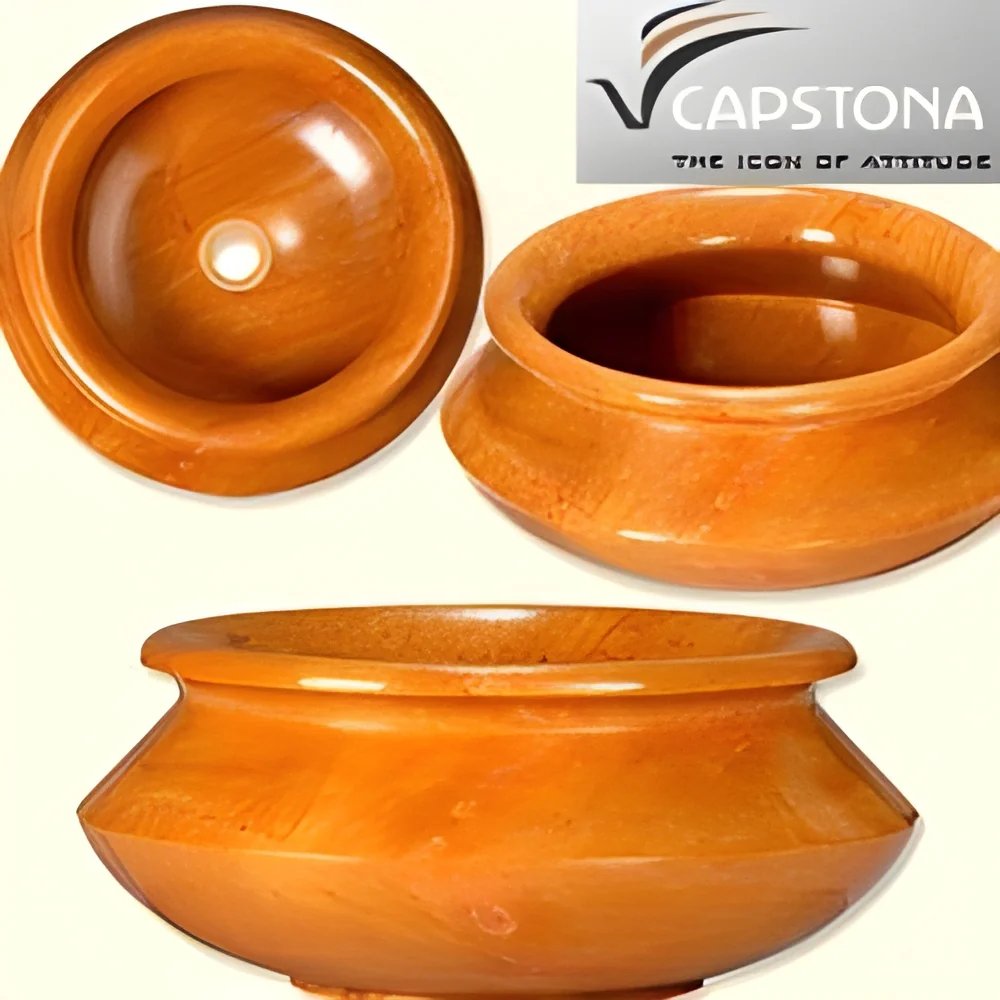
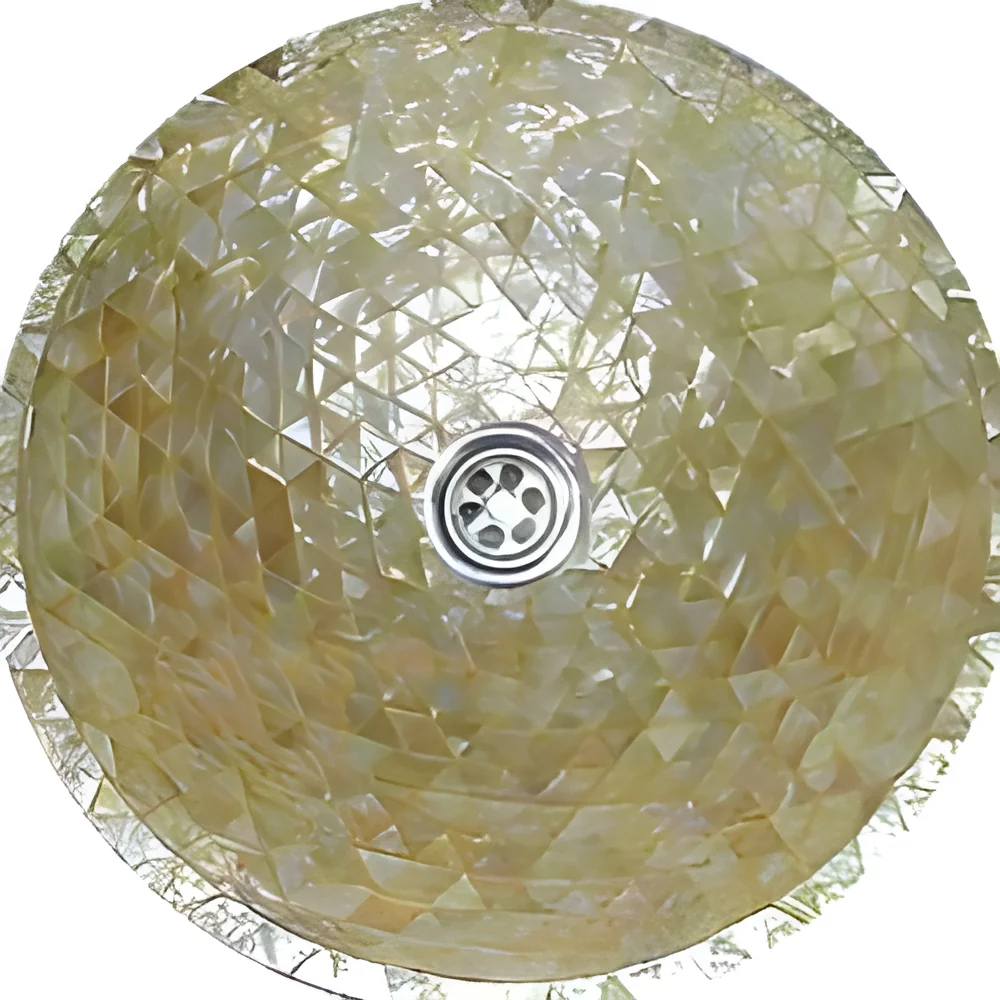
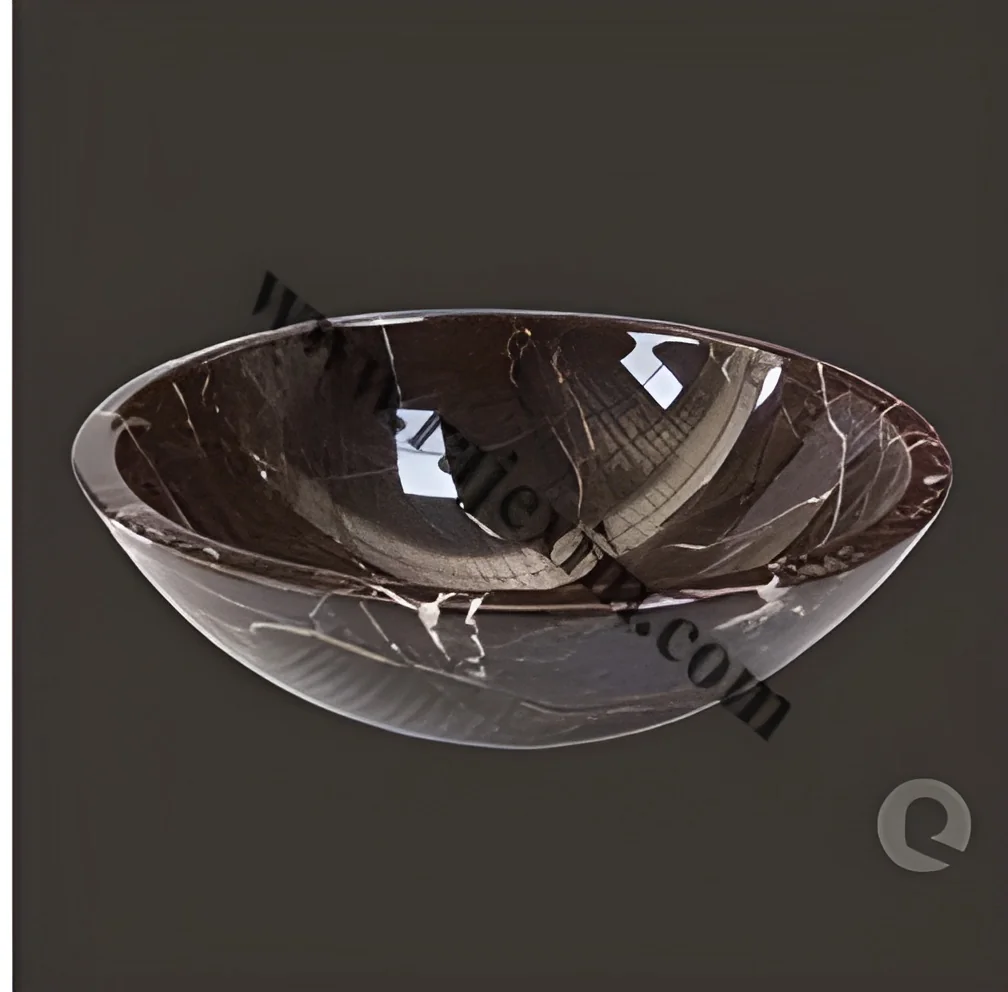
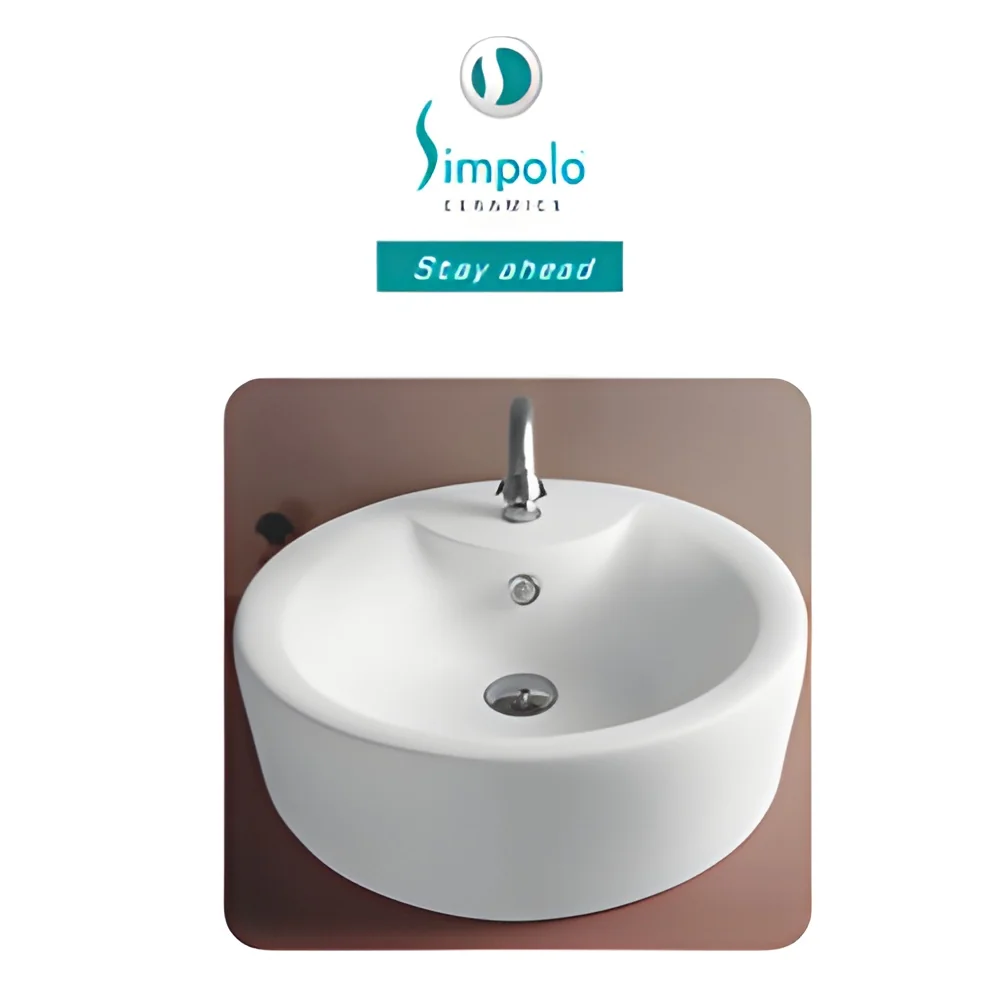
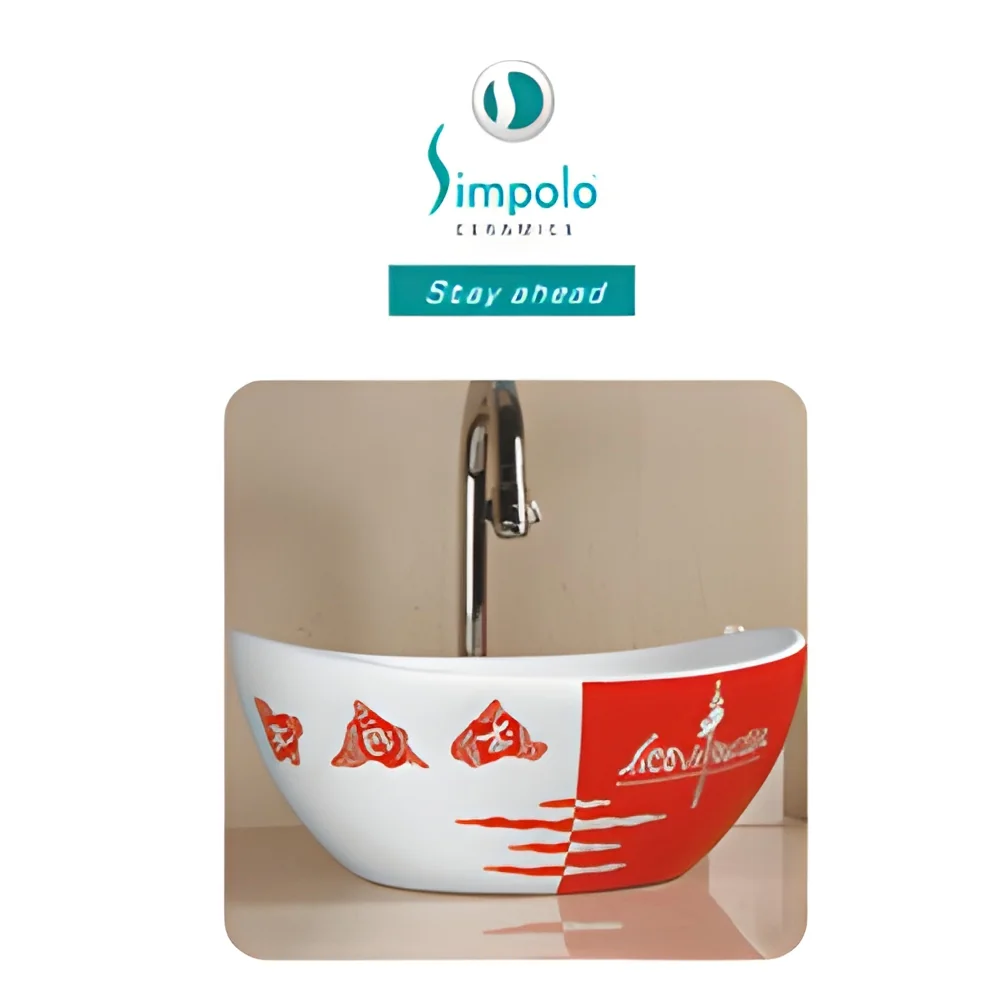
Countertop models are placed on top of cabinets or countertops, offering a more luxurious and spacious feel. They come in various shapes and sizes, allowing for customization in bathroom and kitchen design.
𝗕𝗲𝗻𝗲𝗳𝗶𝘁𝘀 𝗮𝗻𝗱 𝗔𝗱𝘃𝗮𝗻𝘁𝗮𝗴𝗲𝘀
Choosing the right wash basin offers several key advantages:
1. Enhanced Hygiene: Wash basins promote better hygiene practices by encouraging regular handwashing.
2. Aesthetic Appeal: A well-chosen basin can elevate the design of a space, adding elegance and style.
3. Versatility: Different styles and mounting options allow for flexibility in various settings.
4. Durability: Quality materials ensure long-lasting performance, reducing the need for frequent replacements.
5. Easy Maintenance: Many wash basins are designed for easy cleaning, helping maintain sanitary conditions.
6. Customization: Options in color, size, and design allow for individualized solutions to match specific needs.
𝗕𝘂𝘆𝗶𝗻𝗴 𝗚𝘂𝗶𝗱𝗲 𝗳𝗼𝗿 𝗕𝟮𝗕 𝗕𝘂𝘆𝗲𝗿𝘀
When sourcing wash basins, businesses should consider several critical factors to ensure they make informed decisions.
1. Quality Assessment: Look for basins made from durable materials that meet industry standards. Conduct tests or request samples to evaluate quality.
2. Supplier Verification: Vet suppliers thoroughly by checking references, certifications, and reviews. A reliable supplier will ensure consistent product quality.
3. Pricing and MOQ: Understand the pricing structure and minimum order quantities, as these can vary significantly between suppliers.
4. Delivery and Lead Times: Inquire about logistics and expected delivery times to ensure that products arrive when needed.
5. Compliance Requirements: Be aware of any local regulations regarding sanitary products, ensuring that all wash basins meet necessary compliance standards.
𝗖𝗼𝗺𝗽𝗹𝗶𝗮𝗻𝗰𝗲 𝗮𝗻𝗱 𝗖𝗲𝗿𝘁𝗶𝗳𝗶𝗰𝗮𝘁𝗶𝗼𝗻𝘀
Compliance and certifications are crucial aspects of the wash basin industry. Relevant quality standards such as ISO 9001 ensure that manufacturers adhere to consistent quality control processes. Additionally, certifications like CE signify that products meet European safety and environmental requirements.
Manufacturers must also follow safety and testing requirements to ensure that their products do not pose risks to users. This includes testing for durability, resistance to stains and scratches, and ensuring efficient drainage systems.
Regional compliance considerations may vary, so buyers should familiarize themselves with local regulations to ensure that their products are compliant in their respective markets.
Why Source Wash Basins (Pedestal, Wall Hung, Countertop) from Pepagora?
Pepagora provides a trusted platform for sourcing wash basins with several key advantages that set it apart in the market.
Verified Supplier Network: Pepagora ensures that all suppliers are vetted, providing buyers with access to high-quality products from reputable manufacturers. This reduces the risk of fraud and guarantees product reliability.
Streamlined RFQ Process: The platform simplifies the request for quotation process, allowing buyers to easily compare prices and specifications from multiple suppliers. This efficiency helps in making informed purchasing decisions.
Trade Assurance and Support: Pepagora offers buyer protection through trade assurance programs that safeguard transactions and ensure that products meet specified standards.
Regional Coverage: With a strong presence in India, the GCC, and Southeast Asia, Pepagora offers extensive geographic reach, making it easier for businesses to find suitable suppliers in their region. This local focus enhances logistical efficiency and supports better communication between buyers and suppliers.