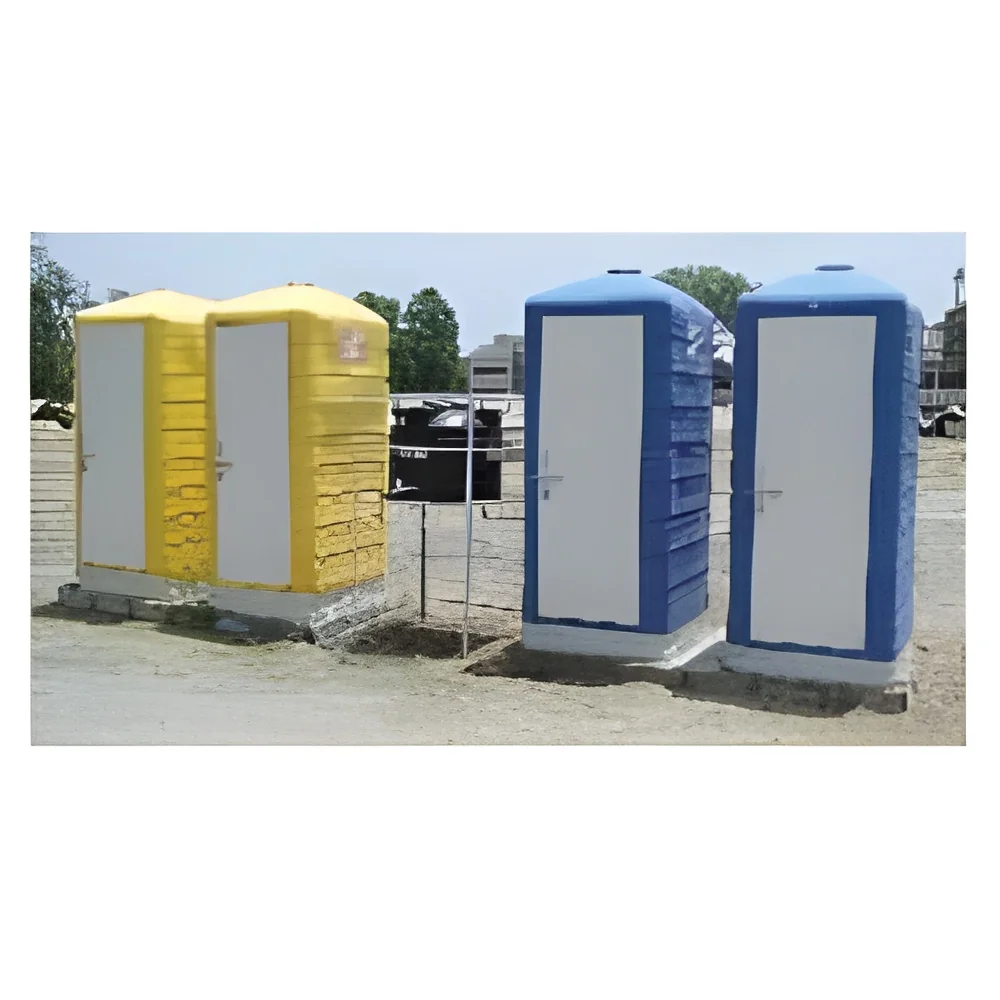
What are Waterless Urinals?
Waterless urinals are innovative sanitation fixtures designed to eliminate the need for water in flushing. These units utilize a specially designed trap and a sealant liquid to effectively manage waste without the use of traditional plumbing. The absence of water not only reduces water consumption but also minimizes the associated costs of water supply and wastewater management.
These fixtures are primarily used in commercial settings such as offices, schools, restaurants, and public restrooms. They are particularly beneficial in areas where water conservation is a priority or where plumbing infrastructure is limited. In addition to their water-saving properties, waterless urinals contribute to improved hygiene by reducing the risk of cross-contamination associated with conventional urinals.
The market for waterless urinals has gained traction in recent years, driven by increasing awareness of environmental issues and the need for sustainable building practices. As businesses and municipalities seek to lower their water usage and operational costs, waterless urinals have become a relevant solution within the broader context of green building initiatives.
Key Features and Specifications
Waterless urinals come with several features that enhance their functionality and efficiency. These specifications provide insights into their design, performance, and installation requirements.
Key specifications include:
1. Water Consumption
- Zero water usage for flushing
- Significant reduction in overall water bills
2. Maintenance Requirements
- Low maintenance compared to traditional urinals
- Simple cleaning procedures
3. Waste Management
- Utilizes a patented trap system to manage waste without water
- Odor-neutralizing liquid that prevents unpleasant smells
4. Installation Flexibility
- Can be installed in locations without plumbing access
- Compatible with existing restroom designs
5. Durability
- Built with robust materials to withstand heavy usage
- Resistant to staining and corrosion
6. Environmental Impact
- Contributes to LEED certification and sustainability goals
- Ideal for eco-friendly building projects
In summary, waterless urinals provide an innovative solution for reducing water usage and improving restroom hygiene, making them an attractive option for various commercial applications.
Common Applications and Use Cases
Waterless urinals are suitable for a diverse range of industries and settings.
1. Commercial Offices: Many office buildings implement waterless urinals to reduce water consumption and enhance sustainability efforts.
2. Educational Institutions: Schools and universities use these fixtures to promote environmental consciousness among students while also reducing operational costs.
3. Hospitality Sector: Hotels and restaurants benefit from waterless urinals by lowering water bills and maintaining cleanliness in high-traffic areas.
4. Retail Spaces: Shopping malls and retail outlets install waterless urinals to improve restroom facilities while adhering to green building standards.
5. Public Restrooms: Parks, stadiums, and other public venues utilize waterless urinals to manage waste effectively and conserve water.
6. Industrial Facilities: Factories and warehouses adopt waterless urinals to maintain hygiene and comply with sustainability initiatives.
Product Variants and Subcategories
Waterless urinals come in various designs and configurations to meet specific needs.
Standard Waterless Urinals
These are the most common type, designed for high-traffic areas. They feature robust construction and easy installation procedures.
Compact Waterless Urinals
Ideal for smaller restrooms, compact models offer the same water-saving benefits in a space-efficient design.
Wall-Mounted Waterless Urinals
These units are designed to be mounted on walls, making them suitable for locations with limited floor space.
Benefits and Advantages
The adoption of waterless urinals presents numerous advantages for businesses.
1. Water Conservation: The most significant benefit is the drastic reduction in water usage, leading to lower utility bills.
2. Cost Savings: With no water supply needed for flushing, businesses save on both water and sewage costs.
3. Reduced Maintenance: Waterless urinals require less frequent cleaning and maintenance, thereby lowering overall upkeep expenses.
4. Improved Hygiene: The design of waterless urinals minimizes splashing and odors, creating a cleaner restroom environment.
5. Environmental Sustainability: By conserving water and reducing waste, these fixtures support eco-friendly initiatives and contribute to a greener planet.
6. Enhanced User Experience: Users often prefer the cleanliness and convenience of waterless urinals over traditional options.
Buying Guide for B2B Buyers
When considering the purchase of waterless urinals, there are several key factors to evaluate.
1. Quality Assessment: Look for products made from durable materials that can withstand heavy use. Review manufacturer specifications and customer testimonials for insights on performance.
2. Supplier Verification: Vet suppliers to ensure they are reputable and have a track record of delivering quality products. Check for certifications and references.
3. Pricing and MOQ: Consider the overall cost of the urinals, including shipping and installation. Be aware of minimum order quantities to ensure they align with your needs.
4. Delivery and Lead Times: Assess the supplier's logistics capabilities to understand delivery times and any potential delays. Timeliness is crucial for project planning.
5. Compliance Requirements: Ensure that the products meet local and regional regulations. Check for relevant certifications such as CE to confirm compliance with safety standards.
Compliance and Certifications
Waterless urinals must adhere to various quality standards and certifications to ensure safety and performance.
ISO 9001 is a quality management standard that ensures suppliers maintain high-quality production processes. This certification indicates that the manufacturer follows strict guidelines to provide reliable products.
CE certification is essential for products sold in European markets, demonstrating compliance with health, safety, and environmental protection standards. This certification assures buyers that the product has been rigorously tested.
Safety requirements typically include testing for durability, hygiene, and the effectiveness of odor management systems. Compliance with these standards is critical for ensuring user safety and satisfaction.
Regional compliance considerations may vary, so it is essential for buyers to research specific regulations in their areas. This can include environmental regulations related to water conservation and waste management.
Why Source Waterless Urinals from Pepagora?
Pepagora offers an efficient platform for sourcing waterless urinals, providing several advantages for B2B buyers.
Verified Supplier Network: Pepagora connects buyers with established suppliers who have been thoroughly vetted for quality and reliability. This ensures that businesses receive high-standard products.
Streamlined RFQ Process: The request for quotation (RFQ) system simplifies the sourcing process. Buyers can easily compare multiple offers and select the best option for their needs.
Trade Assurance and Support: Pepagora provides trade assurance to protect buyers throughout the purchasing process. This includes support for any issues that may arise after the purchase.
Regional Coverage: With a broad geographic reach spanning India, the GCC, and Southeast Asia, Pepagora enables buyers to find suitable products that meet regional requirements while promoting sustainable practices.

 IN
IN