
 IN
Bidets
3 products available
What are Bidets?
Bidets are specialized plumbing fixtures designed to cleanse the body after using the toilet. They typically feature a water spray mechanism that provides a gentle wash, offering an alternative to traditional toilet paper. Bidets can come as standalone units or as attachments to existing toilets, making them versatile in various bathroom settings.
The primary use of bidets is personal hygiene, which can enhance comfort and cleanliness. In commercial settings, such as hotels and healthcare facilities, bidets can improve guest satisfaction and patient care. Their adoption is increasingly common in many parts of the world, particularly in Europe and Asia, where they are considered standard bathroom equipment.
In the current market context, the demand for bidets is on the rise, driven by a growing awareness of hygiene and environmental benefits. As consumers seek more sustainable bathroom solutions, bidets offer a reduction in toilet paper usage, appealing to eco-conscious buyers. Additionally, the COVID-19 pandemic has heightened interest in personal hygiene practices, further boosting the bidet market.
Key Features and Specifications
Bidets come equipped with several features designed to enhance user experience and hygiene. Understanding these features is essential for businesses considering bidet installations.
Key specifications include:
1. Water Spray Options
- Adjustable spray settings for personalized comfort
- Temperature control for warm or cold water
2. Installation Type
- Standalone models or toilet attachments
- Compatibility with various toilet designs and sizes
3. Power Source
- Electric models for heated seats and advanced features
- Non-electric models for simpler installation
4. Control Mechanism
- Manual controls for basic functions
- Remote controls or touchless sensors for convenience
5. Materials Used
- Durable ceramics or high-quality plastics
- Easy-to-clean surfaces to maintain hygiene
6. Size and Dimensions
- Compact designs for limited spaces
- Standard sizes for easy integration into existing bathrooms
7. Warranty Information
- Manufacturer guarantees for product reliability
- Support and service terms
8. Compliance Standards
- Adherence to industry safety and quality standards
- Certification for water usage and efficiency
These features contribute to the overall functionality and appeal of bidets, making them a valuable addition to any restroom.
Common Applications and Use Cases
Bidets serve various industries, enhancing both functionality and hygiene in different settings.
1. Hospitality: Hotels and resorts implement bidets to improve guest comfort and satisfaction, providing a luxurious bathroom experience.
2. Healthcare: Hospitals and clinics use bidets to promote patient hygiene, especially for individuals with mobility issues or post-surgery care.
3. Residential: Homeowners increasingly install bidets for everyday hygiene, benefiting from reduced toilet paper use and improved cleanliness.
4. Commercial Restrooms: Office buildings and public facilities adopt bidets to enhance hygiene standards and appeal to health-conscious users.
5. Senior Living Communities: Bidets are valuable in assisted living facilities, offering seniors greater independence and comfort in personal care.
6. Spa and Wellness Centers: Bidets in spa environments contribute to a holistic approach to wellness and personal hygiene.
7. Educational Institutions: Schools and universities may include bidets in restrooms to promote hygiene awareness among students.
Product Variants and Subcategories
Bidets come in various forms, each designed to cater to specific needs and preferences.
Hybrid Bidets: These combine a toilet and bidet functions into one unit, offering space-saving benefits while providing full functionality for cleansing.
Bidet Attachments: These are economical options that can be easily fitted onto existing toilets, allowing users to enjoy bidet features without a full installation.
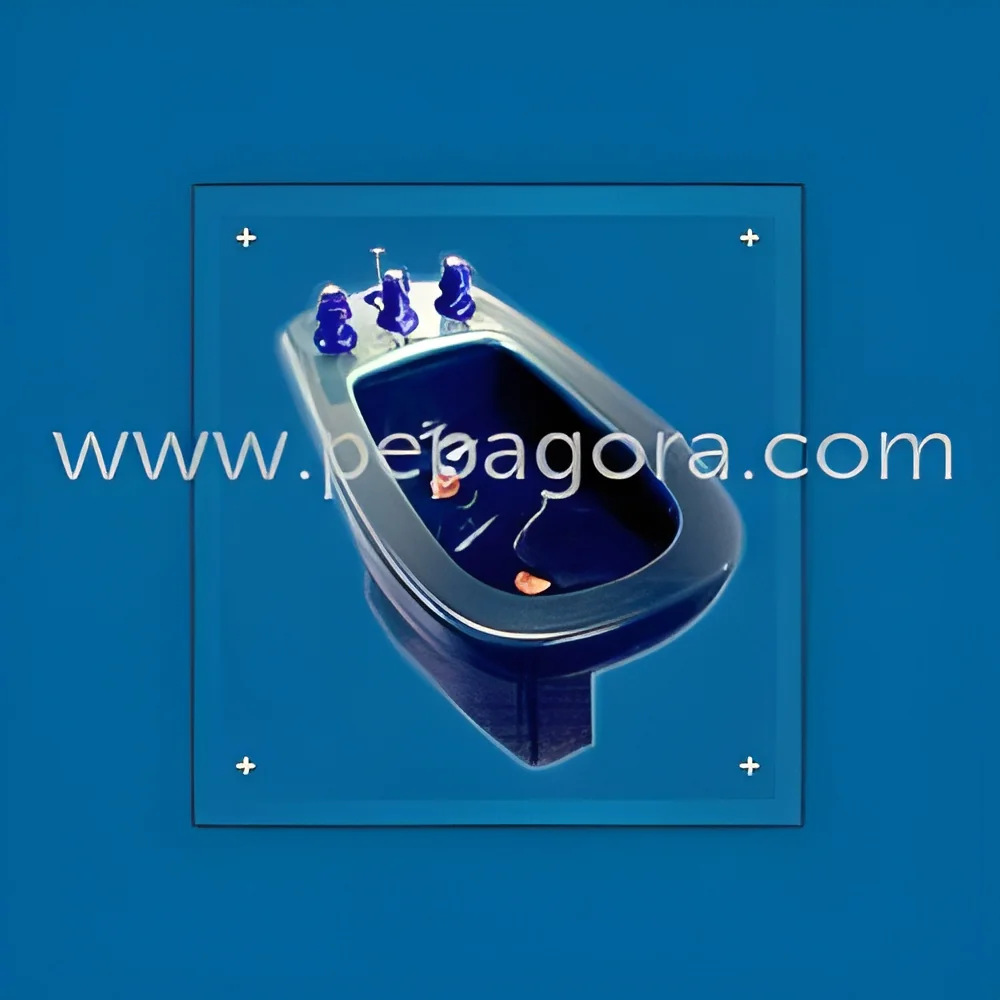
Standalone Bidets: These separate fixtures offer a traditional approach to washing, often preferred in high-end residential or commercial bathrooms.
Smart Bidets: Equipped with advanced technology, these models offer features like heated seats, air dryers, and customizable user profiles for a tailored experience.
Benefits and Advantages
Investing in bidets brings numerous benefits to both businesses and individual users.
1. Enhanced Hygiene: Bidets provide a more effective cleaning method than toilet paper, leading to improved personal hygiene.
2. Environmental Impact: By reducing the reliance on toilet paper, bidets contribute to less deforestation and lower water usage in paper production.
3. Cost Savings: Over time, the reduced need for toilet paper can lead to significant cost savings for households and businesses alike.
4. User Comfort: Bidets offer a gentler and more comfortable experience, particularly for those with sensitive skin or certain medical conditions.
5. Increased Property Value: Homes with modern bathroom amenities, including bidets, may see an increase in property value and appeal to buyers.
6. Accessibility: Bidets can enhance accessibility for individuals with mobility challenges, providing an easier method for personal hygiene.
Buying Guide for B2B Buyers
When sourcing bidets for commercial use, several key factors should be considered.
1. Quality Assessment: Look for products that meet high-quality standards and have positive customer reviews. Check for warranties and guarantees that reflect the manufacturer's confidence in their product.
2. Supplier Verification: Ensure that suppliers are reputable and have a proven track record. Request references and check their compliance with industry regulations.
3. Pricing and MOQ: Understand the pricing structure and minimum order quantities. Compare quotes from multiple suppliers to find the best value.
4. Delivery and Lead Times: Assess the logistics of delivery and the supplier's ability to meet your timelines. Plan accordingly to avoid disruptions in your operations.
5. Compliance Requirements: Ensure that the bidets meet local regulations and safety standards. Familiarize yourself with any specific compliance issues related to your region.
Compliance and Certifications
Compliance with industry standards is vital for the safety and reliability of bidets. Relevant quality standards include ISO 9001, which ensures quality management systems are in place for manufacturers.
Bidets may also require certification under CE standards, indicating compliance with European health, safety, and environmental protection legislation. Safety testing is essential to confirm that materials used in bidets are safe for consumer use and do not pose health risks.
Regional compliance considerations should also be addressed, as regulations can vary widely. It is crucial for buyers to verify that the products they source meet all necessary compliance requirements for their specific markets.
Why Source Bidets from Pepagora?
Pepagora provides a trusted platform for sourcing bidets with several key advantages.
Verified Supplier Network: Pepagora connects buyers with verified suppliers, ensuring that all partners meet rigorous quality and compliance standards. This reduces the risk of sourcing inferior products and enhances buyer confidence.
Streamlined RFQ Process: The platform features a simplified Request for Quotation (RFQ) process, allowing buyers to efficiently compare offers from multiple suppliers. This saves time and ensures competitive pricing.
Trade Assurance and Support: Pepagora offers trade assurance, providing buyers protection against potential disputes. Their dedicated support team assists with any questions or issues that may arise during the purchasing process.
Regional Coverage: With a strong presence in India, the GCC, and Southeast Asia, Pepagora offers regional expertise that helps buyers navigate local markets and regulations, making it easier to source the right bidets for their needs.

Frequently Asked Questions
What are Bidets?
Bidets are plumbing fixtures designed for personal hygiene, typically used for washing the genital and anal areas after using the toilet. They can be standalone units or integrated into toilet systems, providing a more thorough cleaning than toilet paper alone.
What are the different types of Bidets?
The main types of bidets include standalone bidets, bidet toilet seats, and integrated bidet toilets. Standalone bidets are separate fixtures, while bidet toilet seats can be added to existing toilets. Integrated bidet toilets combine both functions in one unit.
How do I choose the right Bidets?
Choosing the right bidet involves considering factors such as your bathroom space, plumbing requirements, and personal preferences. Assess whether you prefer a standalone bidet, a bidet seat, or an integrated option, and ensure it suits your needs for comfort and usability.
What are the standard specifications for Bidets?
Standard specifications for bidets typically include water pressure settings, temperature control, and nozzle adjustability. Additionally, dimensions and installation requirements should be considered to ensure compatibility with your bathroom layout.
What is the price range for Bidets?
The price range for bidets varies widely, starting from around INR 3,000 for basic models to over INR 30,000 for high-end options with advanced features. Factors affecting the price include brand, functionality, and build quality.
What quality standards apply to Bidets?
Bidets should comply with relevant plumbing and safety standards, such as those set by the Bureau of Indian Standards (BIS). Quality can also be assessed through certifications that ensure durability, water efficiency, and user safety.
Where can I find Bidets suppliers in India?
You can find bidet suppliers in India through online B2B marketplaces like Pepagora, local plumbing supply stores, and home improvement retailers. It's advisable to compare different suppliers for product variety and pricing.
Can Bidets be customized?
Yes, many manufacturers offer customization options for bidets, allowing you to choose features such as color, size, and additional functionalities. Customization can enhance the fit and usability according to individual preferences.
What is the typical minimum order quantity for Bidets?
The typical minimum order quantity (MOQ) for bidets can vary by supplier, but it generally ranges from 10 to 50 units. Larger orders may be required for customized products or bulk purchases.
What is the typical lead time for Bidets?
The typical lead time for bidets can range from 2 to 6 weeks, depending on the supplier and the specific product ordered. Custom orders may take longer, so it's important to confirm lead times with your chosen supplier.
Why Businesses Trust Pepagora
Thousands of companies trust Pepagora to source smarter and sell faster
Expand Your Sales Globally

Source Smarter,Grow Faster
