
 IN
Sauna & Steam Units
16 products available
What are Sauna & Steam Units?
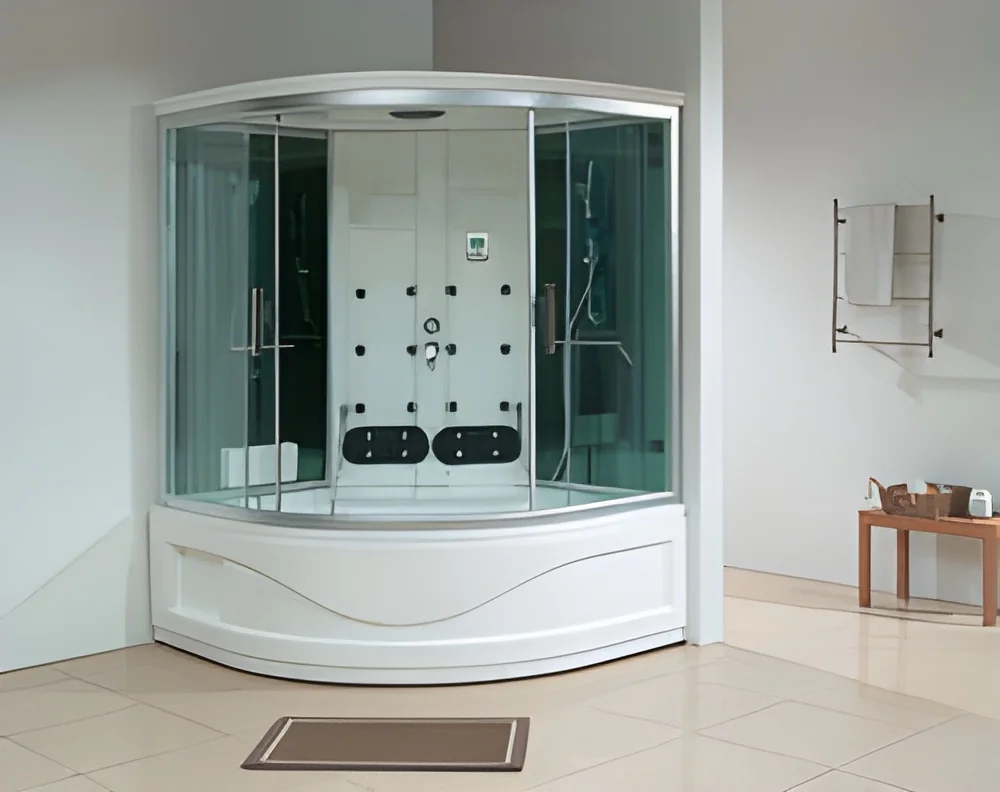
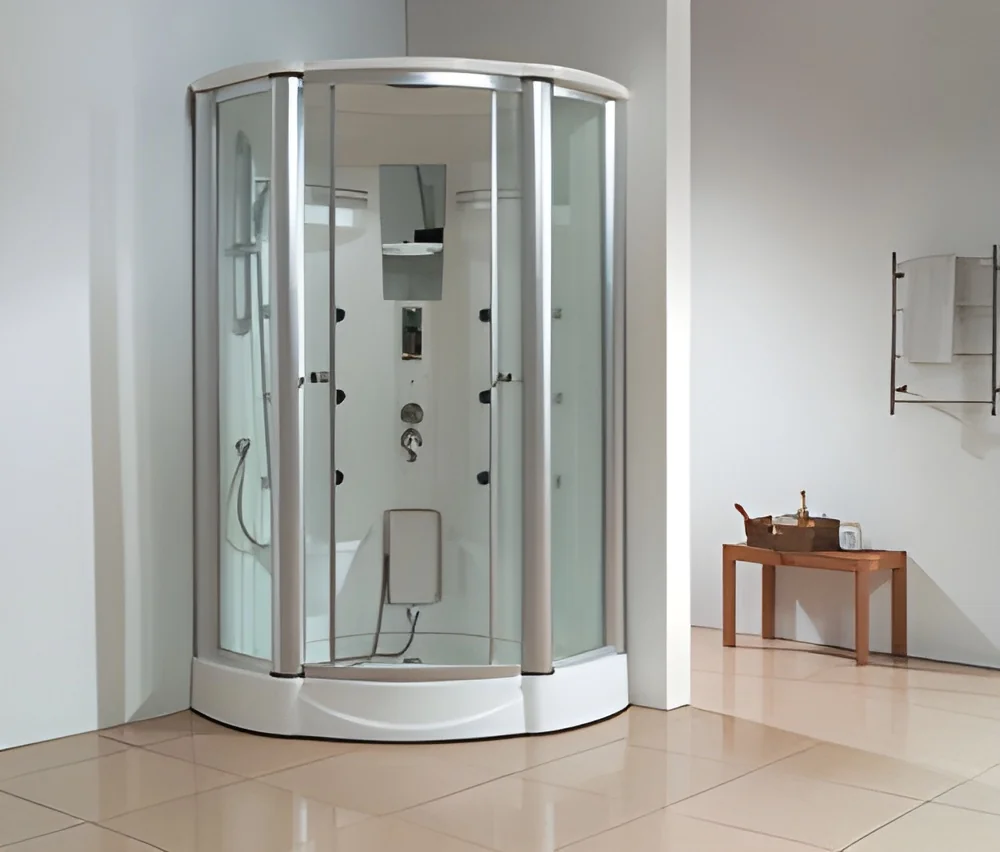
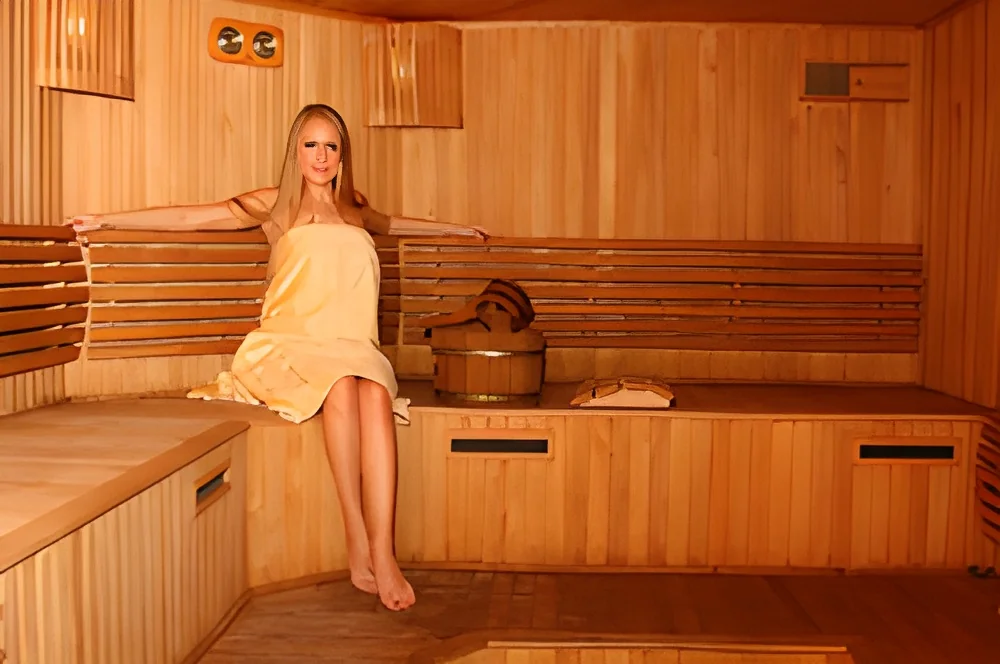
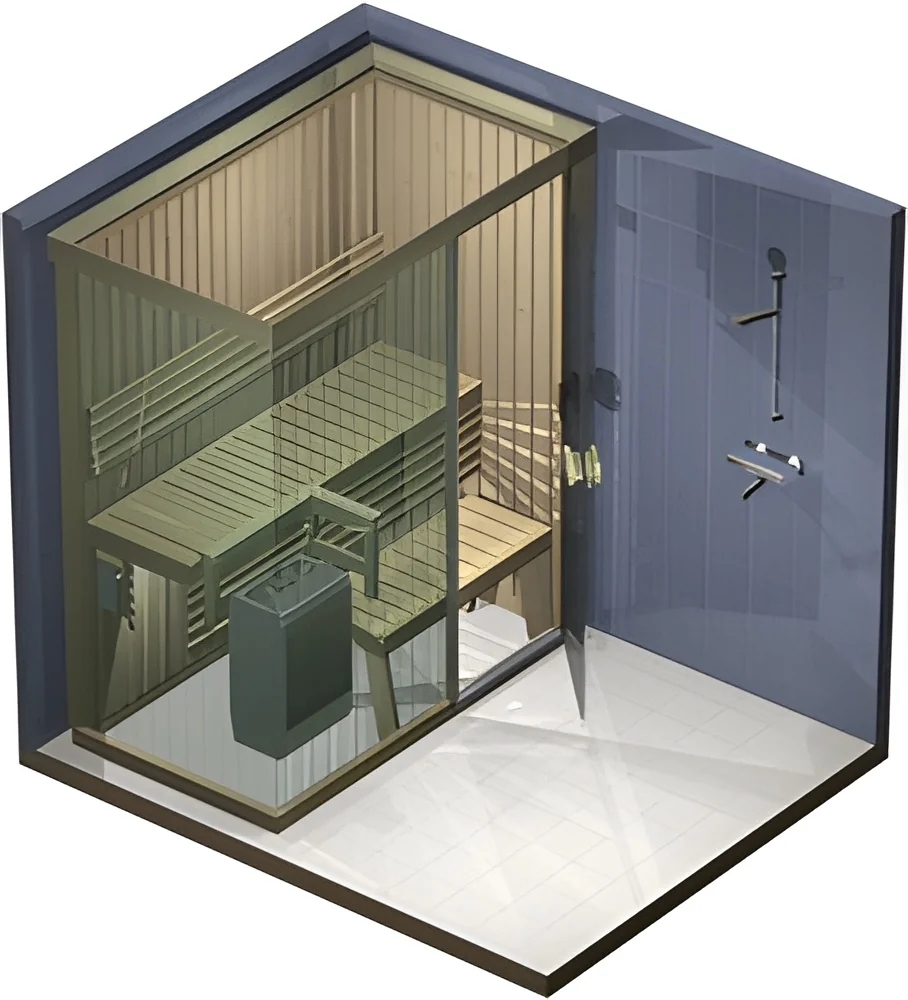
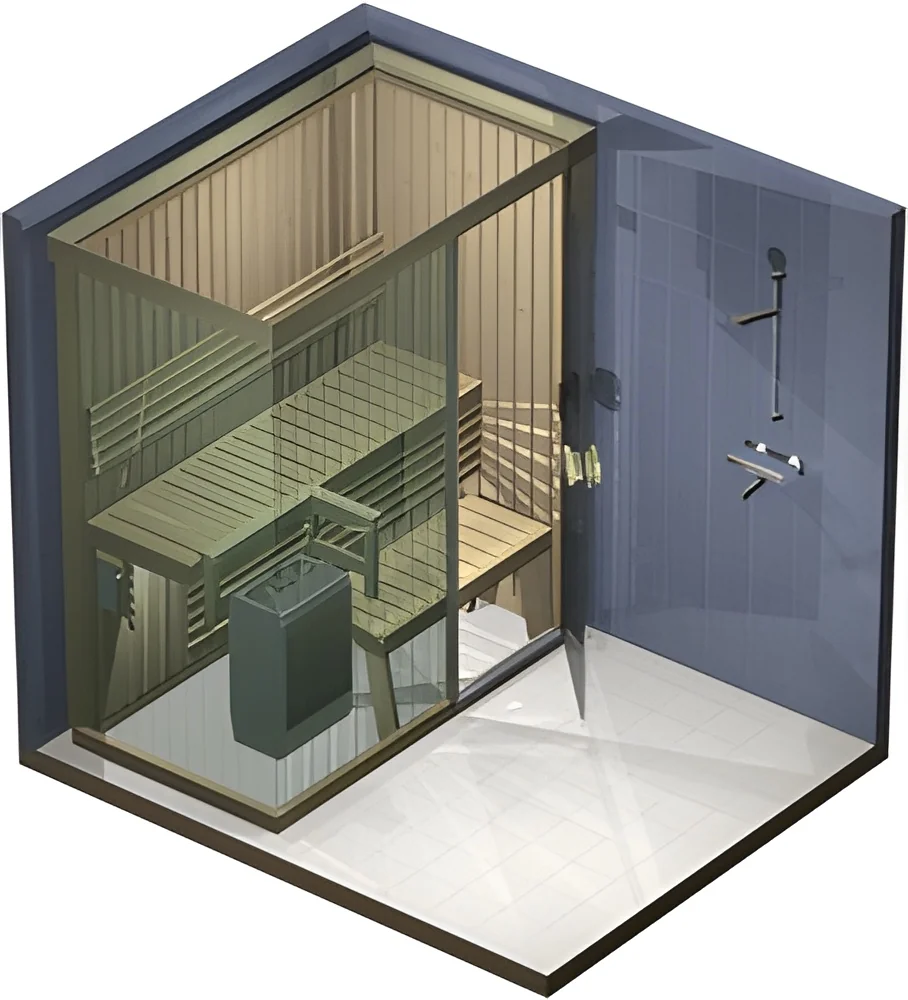
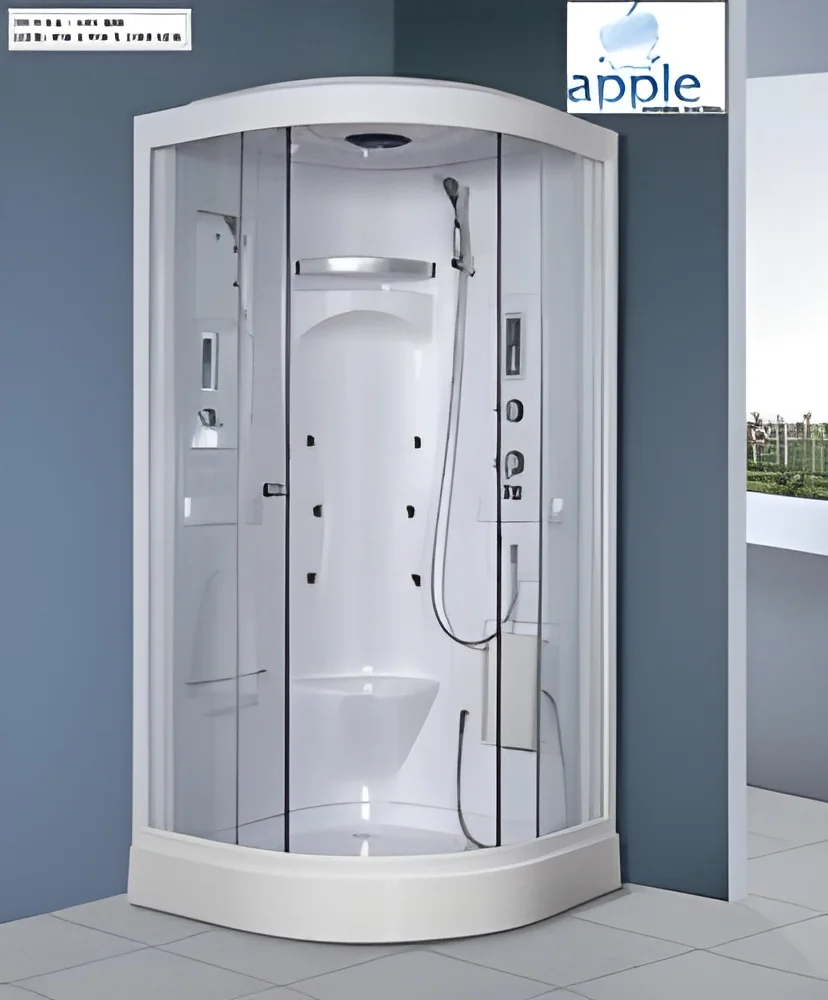
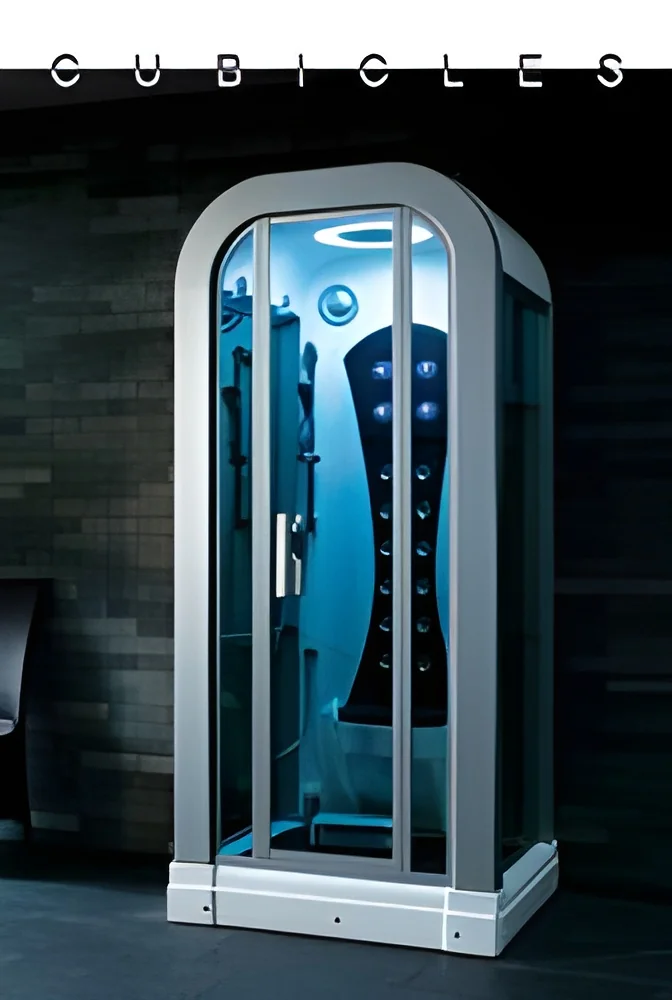
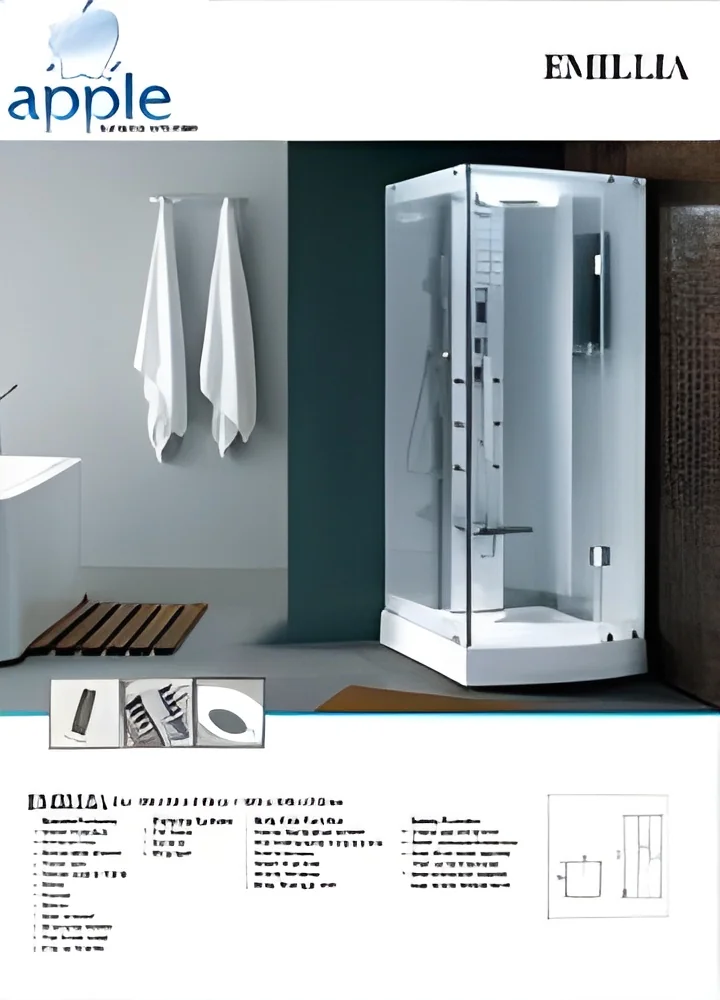
Sauna and steam units are specialized equipment designed to create a controlled environment for heat and humidity therapy. These units are typically used in wellness centers, spas, gyms, and hotels to provide relaxation and therapeutic benefits. Saunas generally use dry heat, while steam units operate by generating moist heat through steam production. Both types can enhance physical well-being through improved circulation, detoxification, and relaxation.
The primary uses of sauna and steam units span across various industries. They are often employed in health and wellness facilities for therapeutic treatments. Businesses in the hospitality sector utilize these units to enhance guest experiences, promoting relaxation and health benefits. Additionally, fitness centers may incorporate sauna and steam units to aid in post-workout recovery for members. As wellness trends continue to rise globally, the market for sauna and steam units shows significant growth potential.
The relevance of sauna and steam units in the industry is evident through their increasing popularity. As more consumers seek holistic health solutions, businesses are investing in these units to meet demand. The market is adapting, with innovations in design and technology that enhance user experience and efficiency. This trend further solidifies the importance of sauna and steam units in modern wellness practices.
Key Features and Specifications
Sauna and steam units come with a variety of features and specifications that cater to different business needs. Understanding these specifications is crucial for selecting the right equipment for your establishment.
Key specifications include:
1. Heating Method
- Saunas typically use electric, wood, or gas heaters.
- Steam units generate steam through electric boilers.
2. Temperature Range
- Saunas often operate between 150°F to 195°F (65°C to 90°C).
- Steam units generally maintain temperatures around 100°F to 120°F (38°C to 49°C).
3. Humidity Control
- Saunas maintain low humidity levels, usually around 10-20%.
- Steam units operate with humidity levels close to 100%.
4. Size and Capacity
- Saunas can accommodate anywhere from 1 to 12 or more users.
- Steam units also vary in capacity, catering to individual or group use.
5. Construction Material
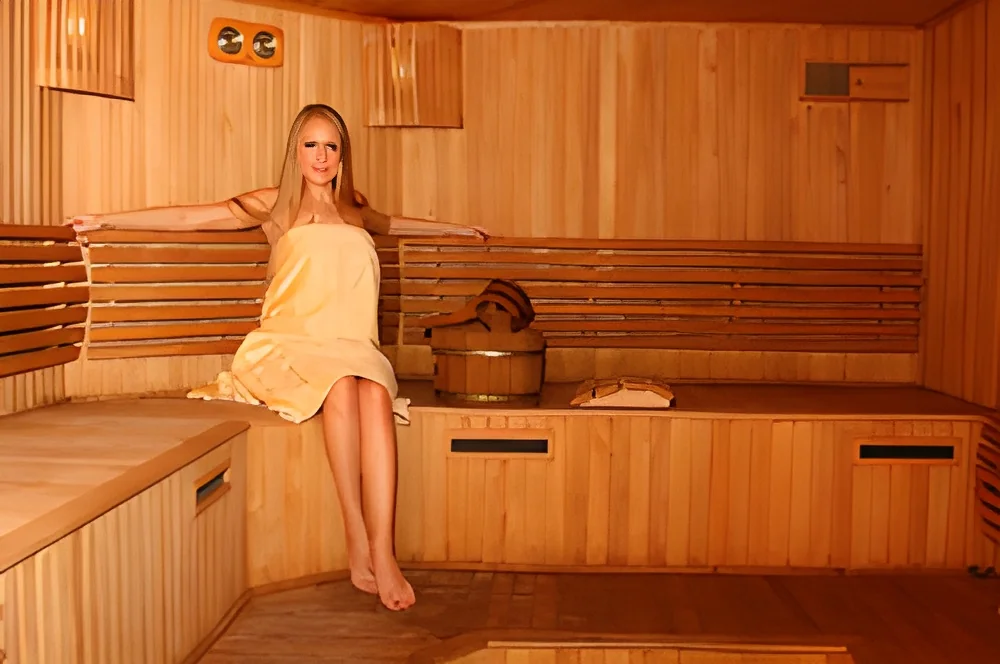
- Common materials for saunas include wood such as cedar, hemlock, or spruce.
- Steam units typically use stainless steel or other moisture-resistant materials.
6. Control Systems
- Many sauna units come with digital controls for temperature and timers.
- Steam units often feature automated control systems for steam generation.
7. Safety Features
- Units may include automatic shut-off systems to prevent overheating.
- Some models have emergency stop buttons for immediate shutdown.
8. Energy Efficiency
- Look for units that are designed to conserve energy while maintaining performance.
In summary, selecting the right sauna and steam unit involves evaluating features that align with your business needs, focusing on heating methods, capacity, and safety measures.
Common Applications and Use Cases
Sauna and steam units serve a variety of industries, each with specific applications that enhance customer experience and well-being.
1. Health and Wellness Centers: These facilities utilize sauna and steam units for therapeutic treatments aimed at improving health and relaxation for clients.
2. Hotels and Resorts: Many hospitality businesses incorporate these units to provide luxury and wellness amenities, enhancing guest satisfaction during their stay.
3. Fitness Centers: Gyms and fitness studios often offer sauna and steam rooms to help members with post-workout recovery, promoting muscle relaxation and detoxification.
4. Spas: Spa facilities integrate sauna and steam units into their service offerings, allowing clients to enjoy a complete wellness experience.
5. Residential Projects: Homeowners are increasingly installing sauna and steam units in personal wellness spaces, providing at-home relaxation.
6. Rehabilitation Centers: These units support physical therapy programs, aiding recovery and improving mobility for patients.
7. Corporate Wellness Programs: Companies are adopting sauna and steam units in office wellness spaces to promote employee health and reduce stress.
Product Variants and Subcategories
Sauna and steam units come in various types to meet different user needs and preferences.
Traditional Sauna
This variant uses dry heat from electric or wood-burning stoves. It is popular for its relaxing environment and health benefits associated with dry heat therapy.
Infrared Sauna
Infrared saunas utilize infrared heaters to emit radiant heat that directly warms the body. They are known for lower operating temperatures and quicker heating times.
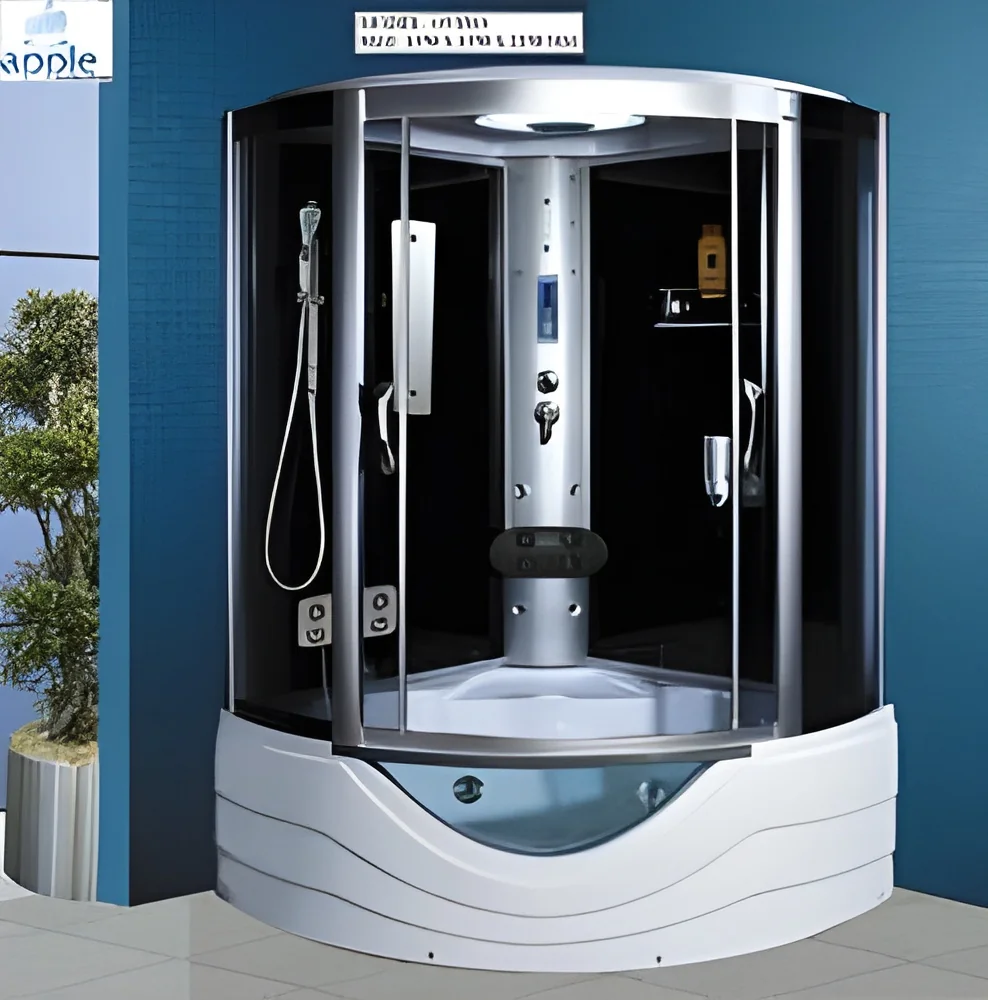
Steam Room
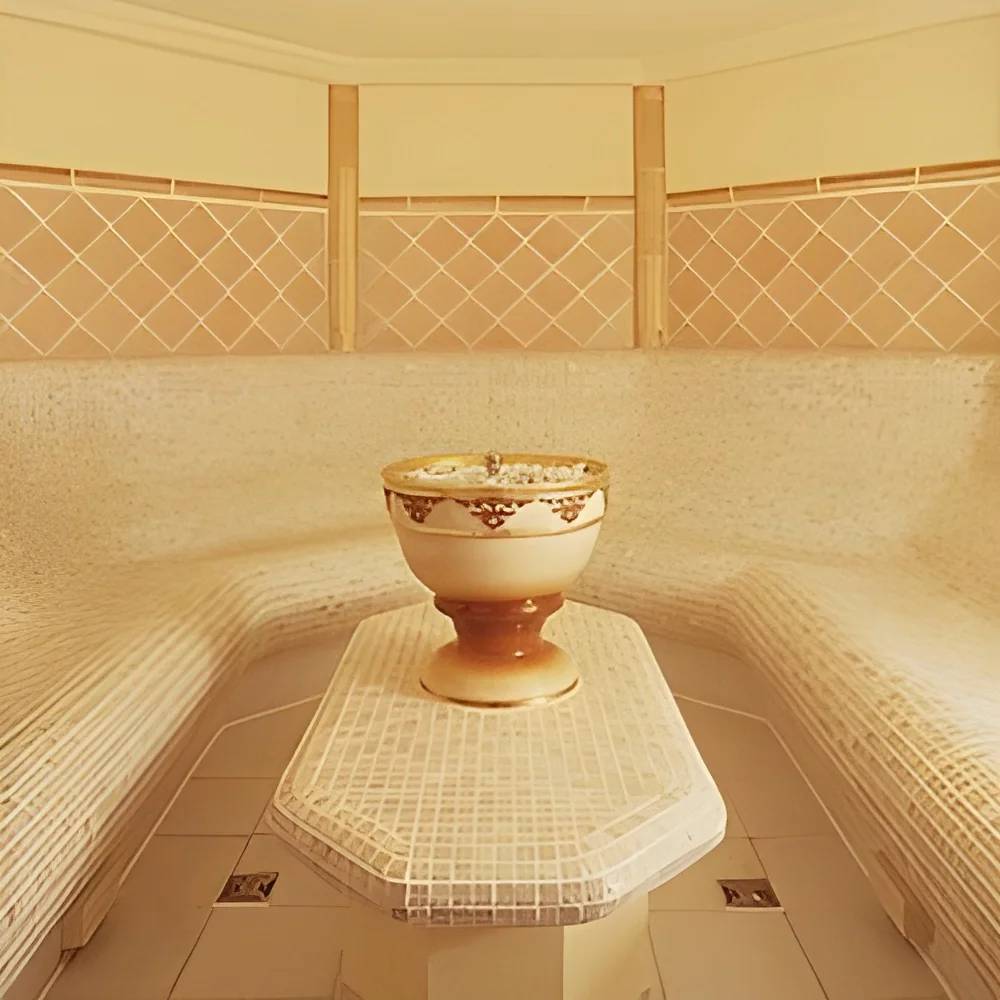
Steam rooms provide moist heat, creating a high-humidity environment. They are favored for respiratory benefits and skin hydration.
Portable Sauna
These units are designed for easy setup and can be used in various locations. They are ideal for individuals seeking sauna benefits without the need for permanent installation.
Commercial Steam Generator
This variant is designed for larger applications and can serve multiple steam rooms or facilities, providing efficient steam production on-demand.
Benefits and Advantages
Investing in sauna and steam units offers numerous benefits for businesses in the wellness industry.
Key benefits include:
1. Enhanced Customer Experience: Providing sauna and steam services can significantly improve customer satisfaction and loyalty.
2. Health and Wellness Promotion: These units support various health benefits, including improved circulation and relaxation, making them attractive to health-conscious consumers.
3. Revenue Generation: Adding sauna and steam options can create new revenue streams for spas, fitness centers, and hotels.
4. Versatility: Sauna and steam units can be tailored to different environments and customer preferences, increasing their appeal.
5. Reduced Stress Levels: Regular use of these units can aid in stress reduction, an important factor for many clients seeking wellness solutions.
6. Increased Membership Retention: Fitness centers that offer sauna and steam services may see higher member retention rates as clients value these additional amenities.
Buying Guide for B2B Buyers
When sourcing sauna and steam units, businesses should consider several essential factors to ensure they make informed decisions.
1. Quality Assessment: Evaluate the craftsmanship and materials used in the construction of the units. Look for durable and reliable designs to ensure longevity.
2. Supplier Verification: Conduct thorough research on potential suppliers. Check their reputation, customer reviews, and certifications to ensure they are trustworthy and capable of delivering quality products.
3. Pricing and MOQ: Understand the pricing structures and minimum order quantities (MOQ) that suppliers offer. This knowledge will help you manage budget constraints effectively.
4. Delivery and Lead Times: Inquire about logistics, including delivery schedules and lead times. This information is crucial for planning installation and service offerings.
5. Compliance Requirements: Familiarize yourself with any regulatory compliance requirements that may apply to sauna and steam units in your region. This is important to ensure safety and legality.
Compliance and Certifications
Sauna and steam units are subject to various quality standards and compliance certifications that ensure safety and functionality.
Relevant quality standards include ISO 9001, which focuses on quality management systems, ensuring consistent product quality. Additionally, HACCP principles may be applied to units intended for use in spas or wellness centers that serve food or beverages.
Industry certifications, such as CE marking, indicate that products meet European safety, health, and environmental protection standards. This certification is essential for suppliers looking to enter markets that require compliance with strict regulations.
Safety and testing requirements are critical in the design and manufacturing of sauna and steam units. These include compliance with electrical safety standards and materials that can withstand high temperatures and humidity.
Regional compliance considerations may vary, so it's important for buyers to be aware of local regulations that affect the installation and operation of sauna and steam units.
Why Source Sauna & Steam Units from Pepagora?
Pepagora provides a trusted platform for sourcing sauna and steam units with several key advantages that set it apart in the marketplace.
Verified Supplier Network: Pepagora connects buyers with a network of verified suppliers, ensuring that only reputable manufacturers and distributors are available for sourcing. This gives buyers confidence in the quality and reliability of their purchases.
Streamlined RFQ Process: The Request for Quotation (RFQ) process on Pepagora is designed to be efficient and user-friendly. Buyers can easily request quotes from multiple suppliers, allowing for informed decision-making based on pricing and specifications.
Trade Assurance and Support: Pepagora offers trade assurance to protect buyers throughout the sourcing process. This includes support in negotiations and assistance if issues arise with the purchase, providing an additional layer of security.
Regional Coverage: With a strong presence in India, the GCC, and Southeast Asia, Pepagora offers extensive regional coverage. This allows buyers to access a diverse range of sauna and steam units tailored to local market demands, ensuring that they can find the right products for their specific needs.




Frequently Asked Questions
What are Sauna & Steam Units?
Sauna & Steam Units are specialized rooms designed for relaxation and health benefits through the use of heat and steam. Saunas typically provide dry heat, while steam units generate moist heat, both promoting detoxification, improved circulation, and muscle relaxation.
What are the different types of Sauna & Steam Units?
There are several types of Sauna & Steam Units, including traditional Finnish saunas, infrared saunas, steam rooms, and portable steam units. Each type varies in heating method, temperature, and humidity levels, catering to different preferences and needs.
How do I choose the right Sauna & Steam Units?
Choosing the right Sauna & Steam Units depends on factors such as available space, heating preference, and intended use. Consider the size, material, and features like lighting and ventilation when selecting a unit that best fits your requirements.
What are the standard specifications for Sauna & Steam Units?
Standard specifications for Sauna & Steam Units include dimensions, heating capacity, material composition, and safety features. Typically, saunas are made from wood, while steam units may use tiles or acrylic, and the heating capacity can vary depending on the size of the unit.
What is the price range for Sauna & Steam Units?
The price range for Sauna & Steam Units can vary widely based on type, size, and features. Generally, basic models may start from around INR 30,000, while high-end units can exceed INR 2,00,000.
What quality standards apply to Sauna & Steam Units?
Quality standards for Sauna & Steam Units typically include safety certifications and material specifications. Units should comply with local building codes and health regulations to ensure safe operation and durability.
Where can I find Sauna & Steam Units suppliers in India?
You can find Sauna & Steam Units suppliers in India through B2B marketplaces like Pepagora, trade exhibitions, and industry directories. Researching online and contacting manufacturers directly can also yield reliable suppliers.
Can Sauna & Steam Units be customized?
Yes, many manufacturers offer customization options for Sauna & Steam Units, allowing you to specify dimensions, materials, and features. Customization can help meet specific aesthetic or functional needs.
What is the typical minimum order quantity for Sauna & Steam Units?
The minimum order quantity (MOQ) for Sauna & Steam Units can vary by supplier and product type. Typically, MOQs may range from one unit for smaller suppliers to several units for larger manufacturers.
What is the typical lead time for Sauna & Steam Units?
The typical lead time for Sauna & Steam Units is usually between 4 to 12 weeks, depending on the complexity of the order and the manufacturing process. Custom orders may take longer, so it's advisable to confirm with the supplier.
Why Businesses Trust Pepagora
Thousands of companies trust Pepagora to source smarter and sell faster
Expand Your Sales Globally

Source Smarter,Grow Faster
