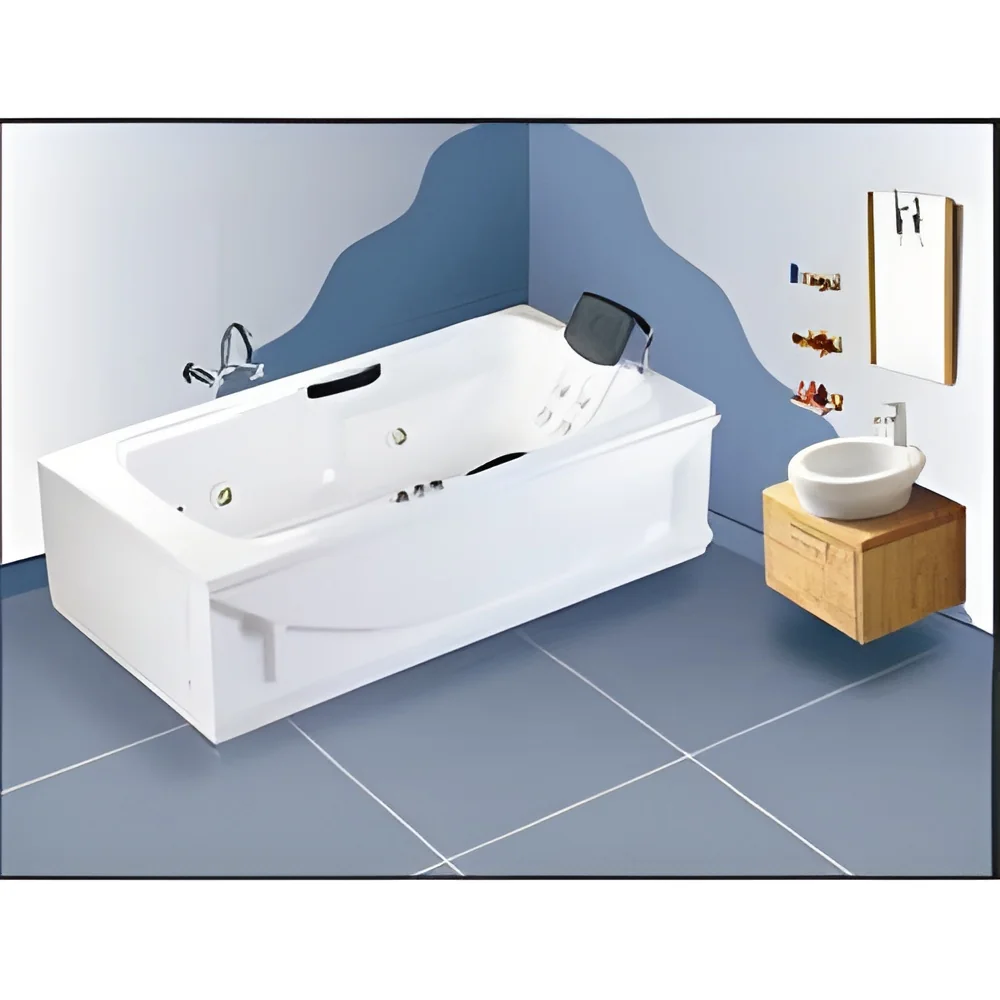
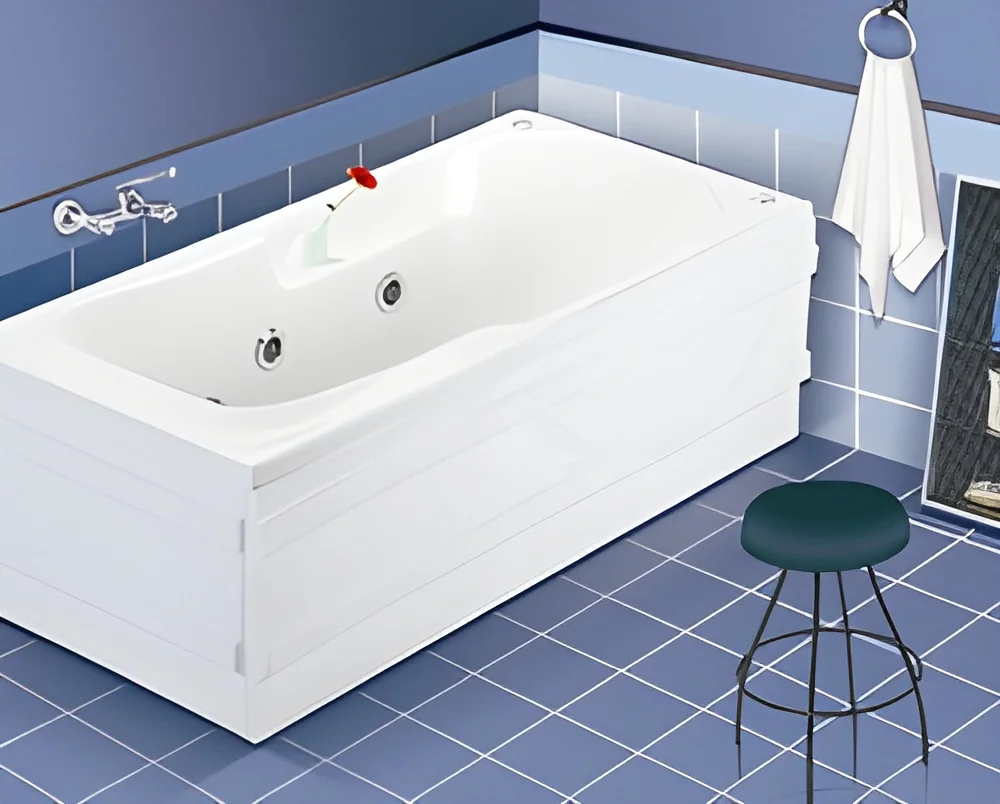
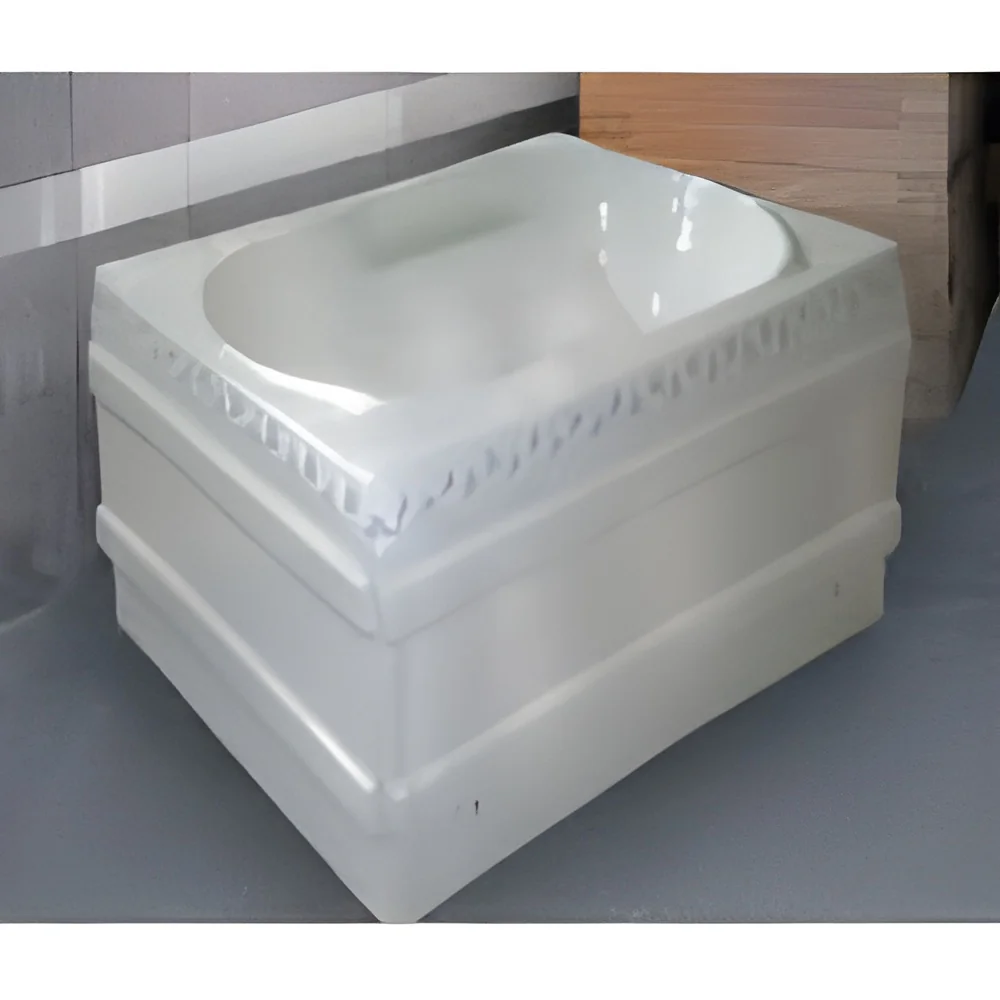
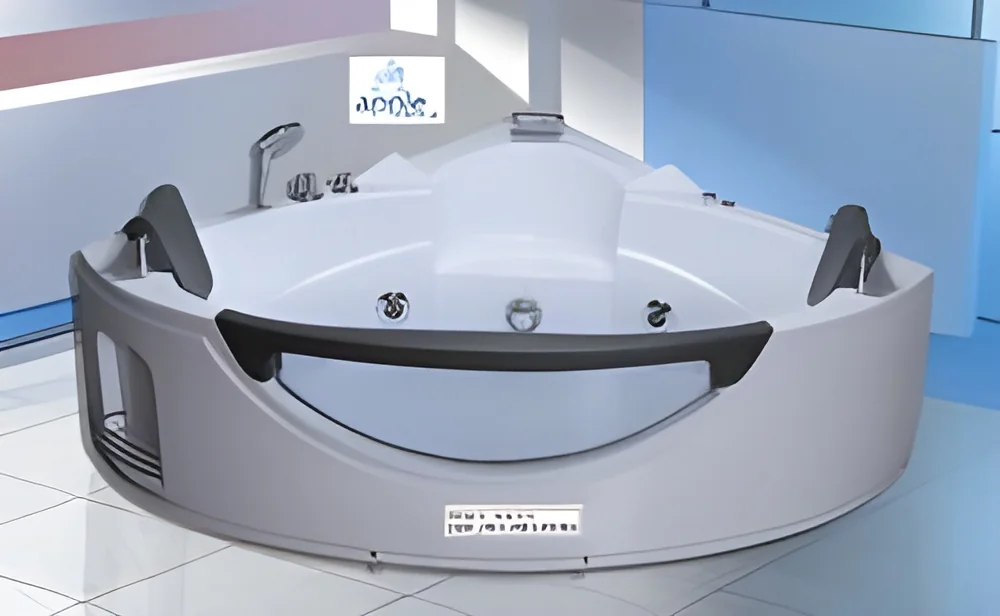
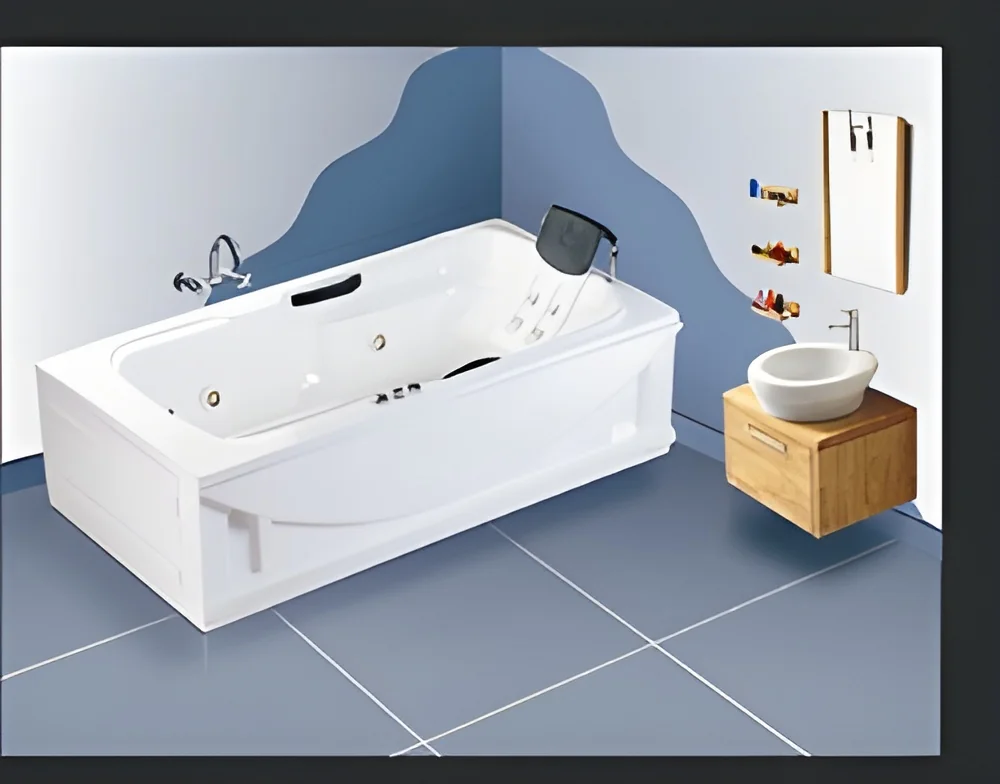
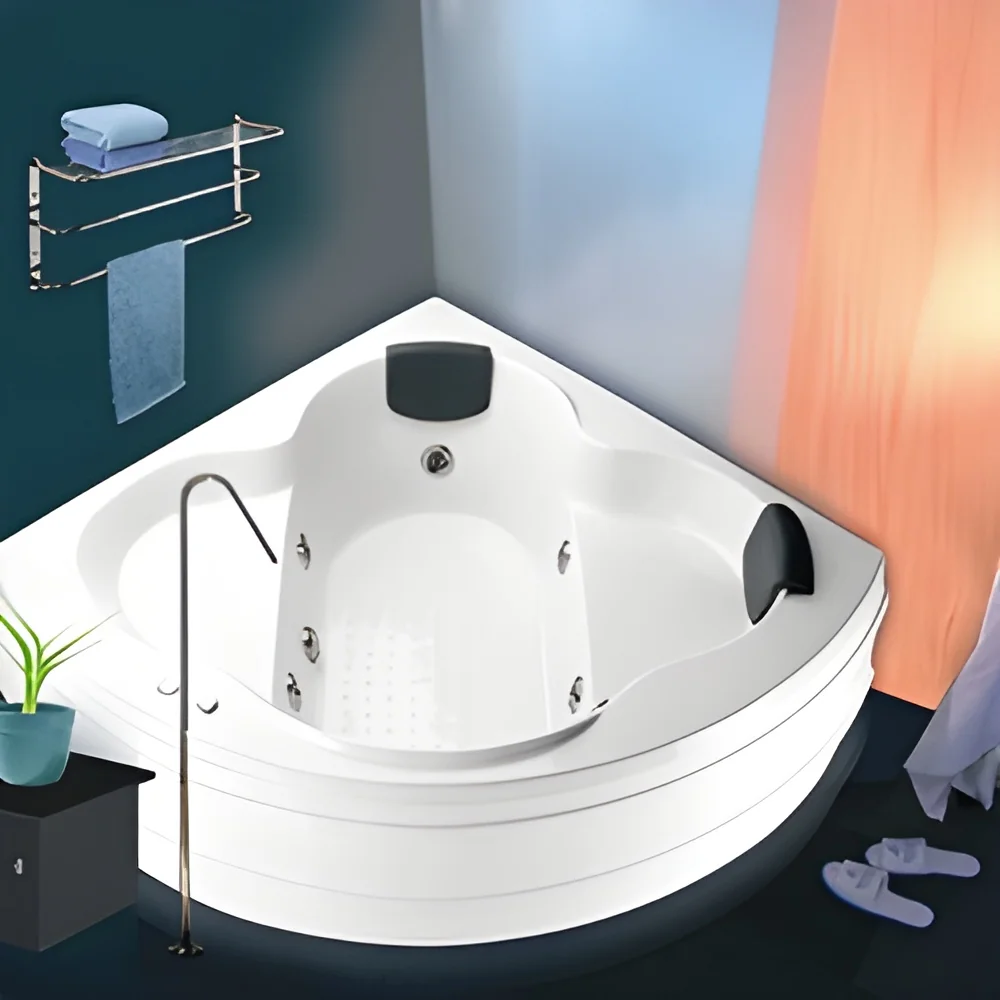
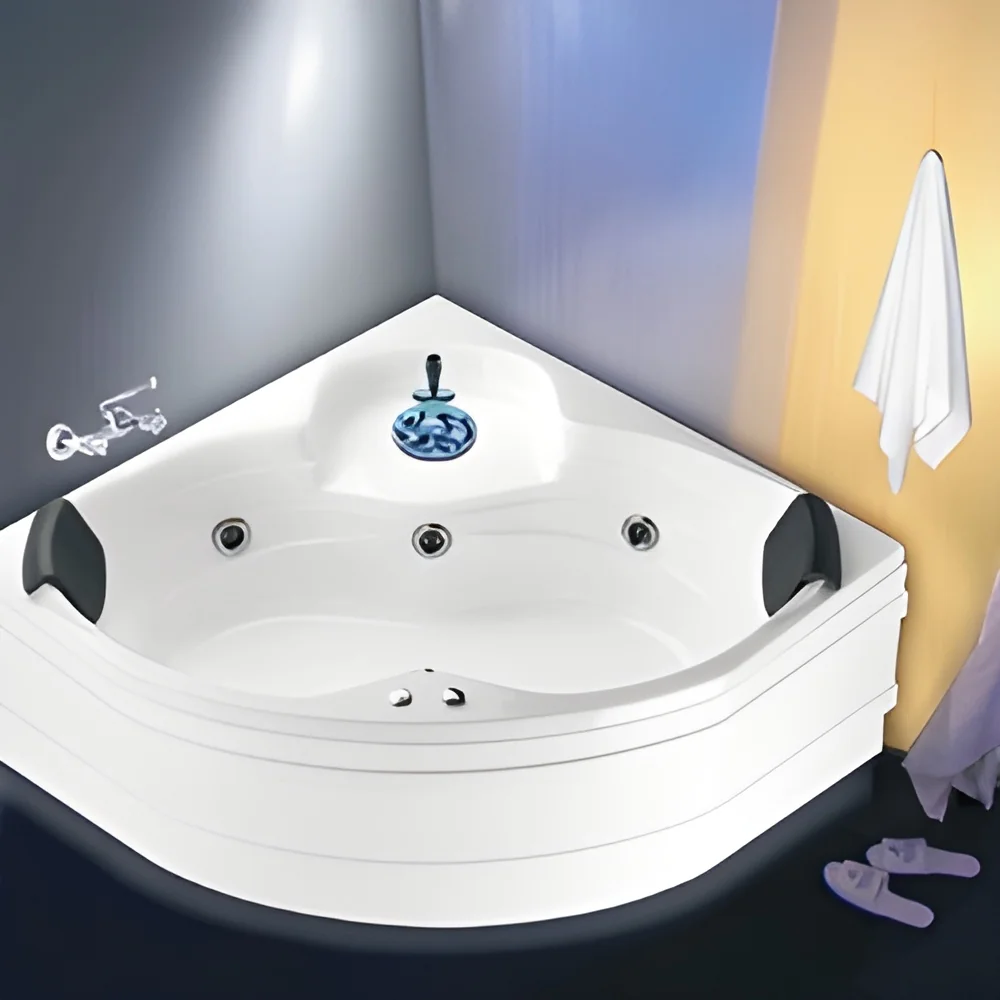
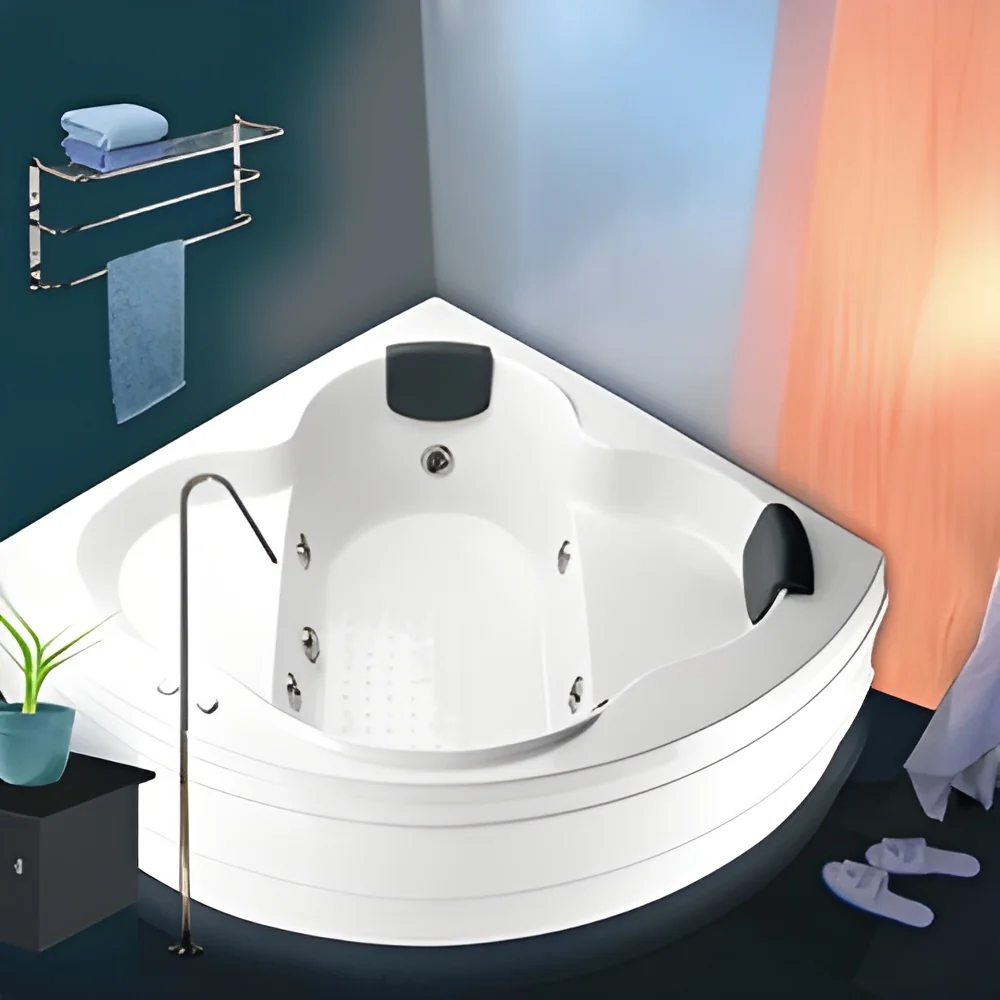
What are Acrylic & Cast Iron Bathtubs?
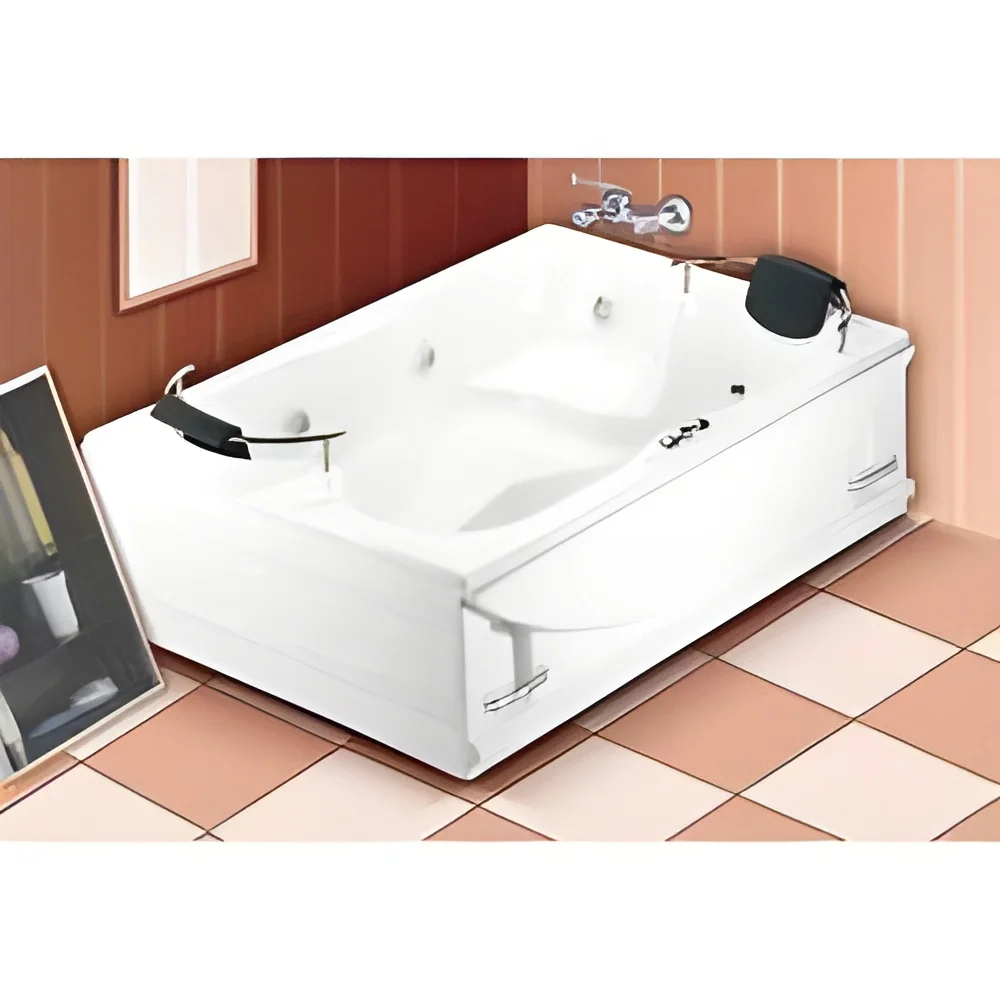
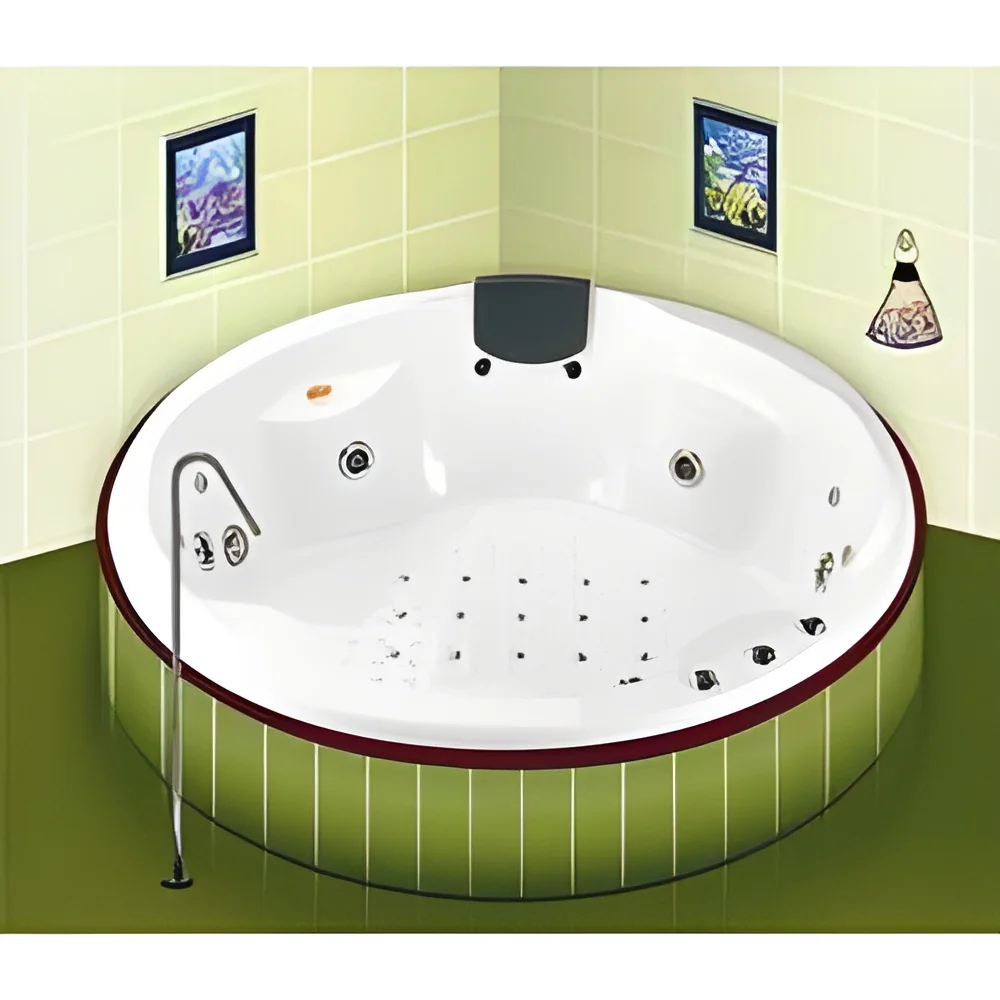
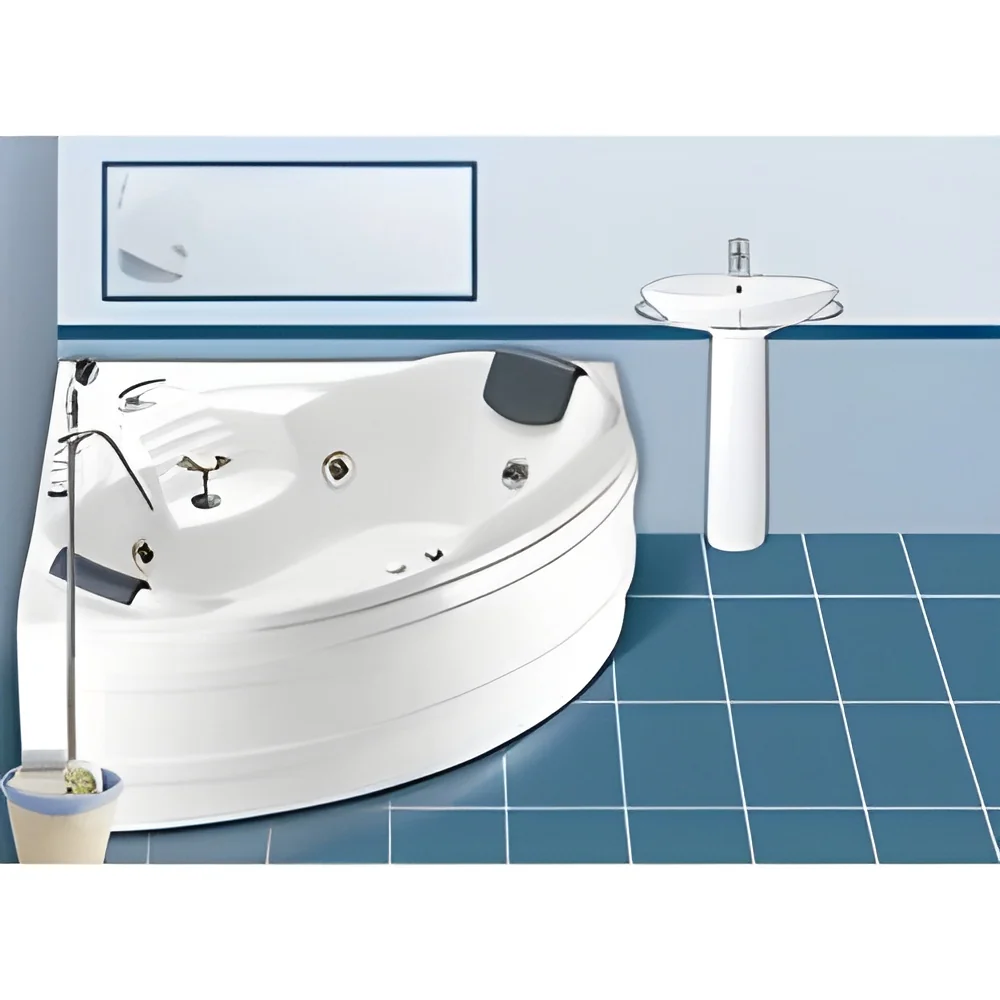
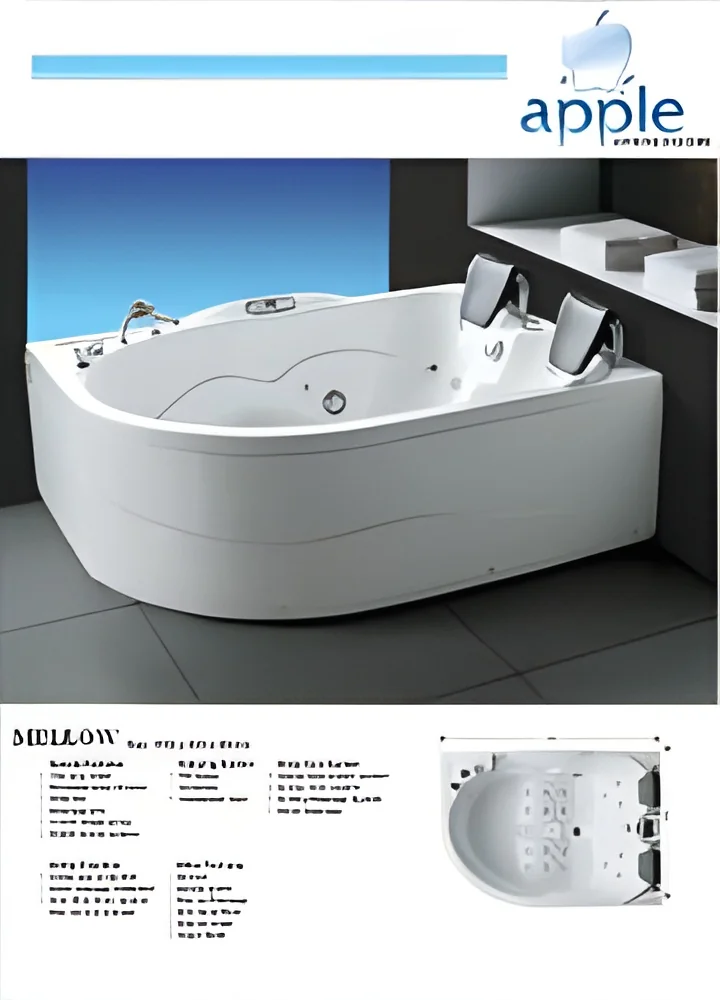
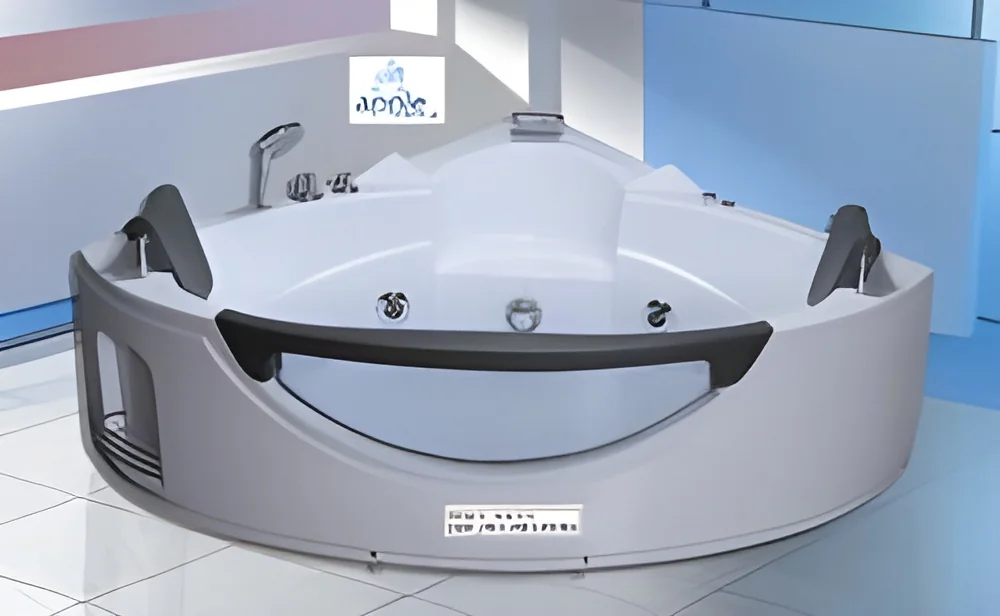
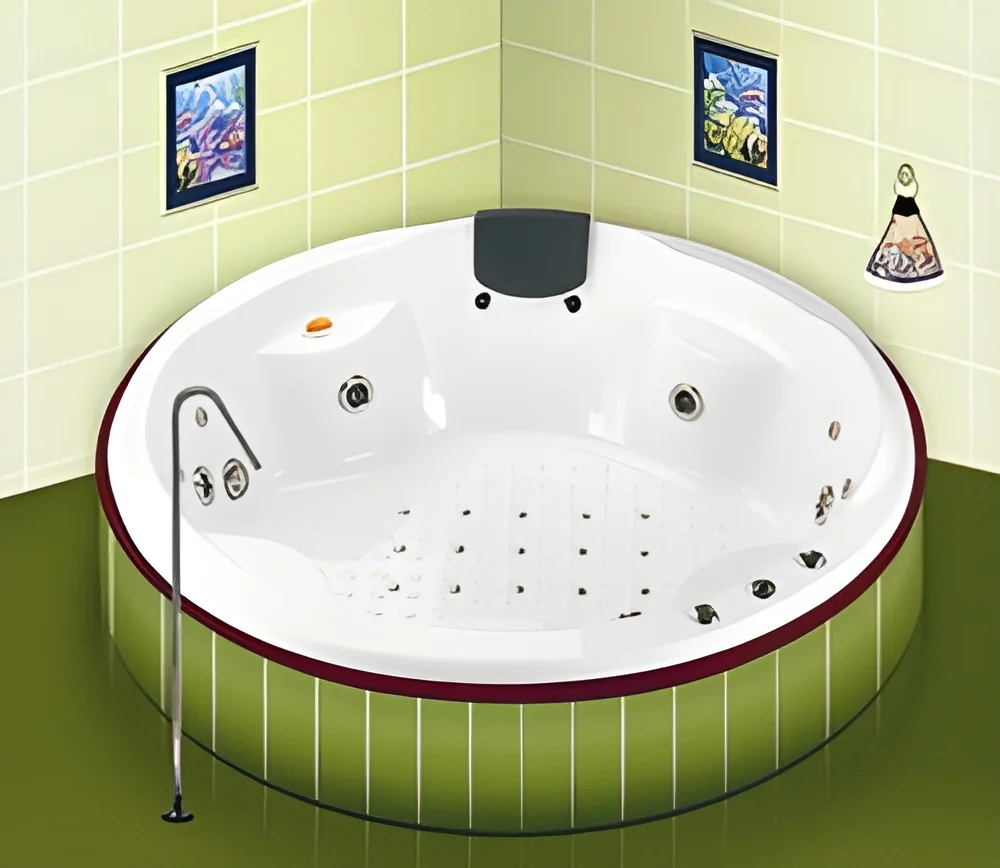
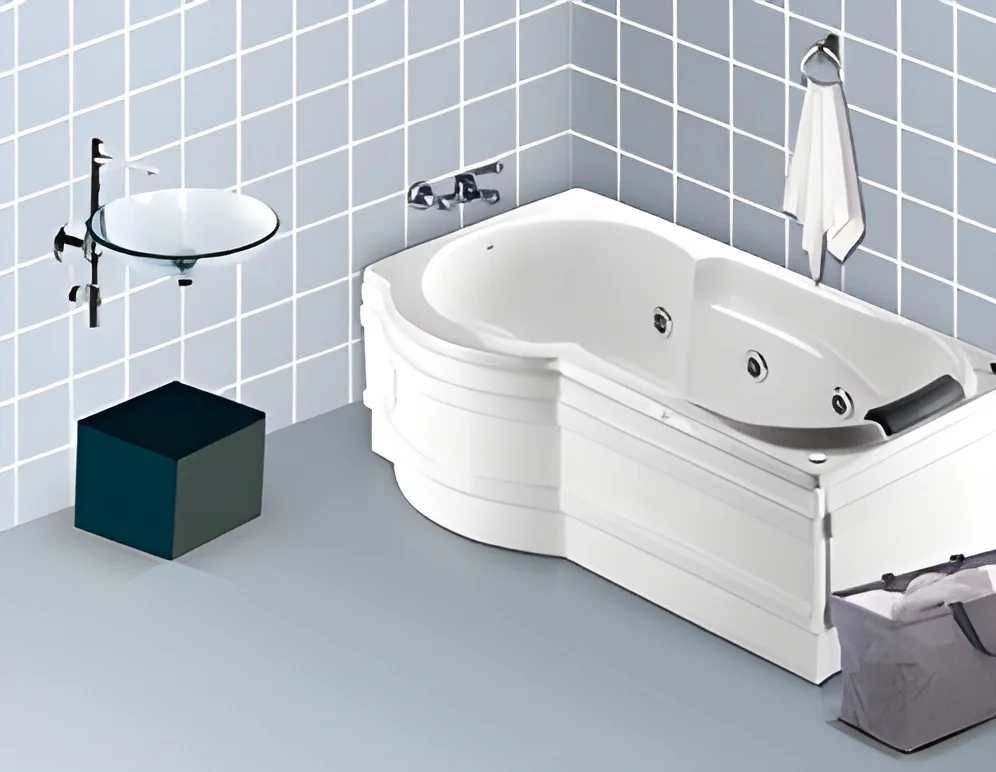
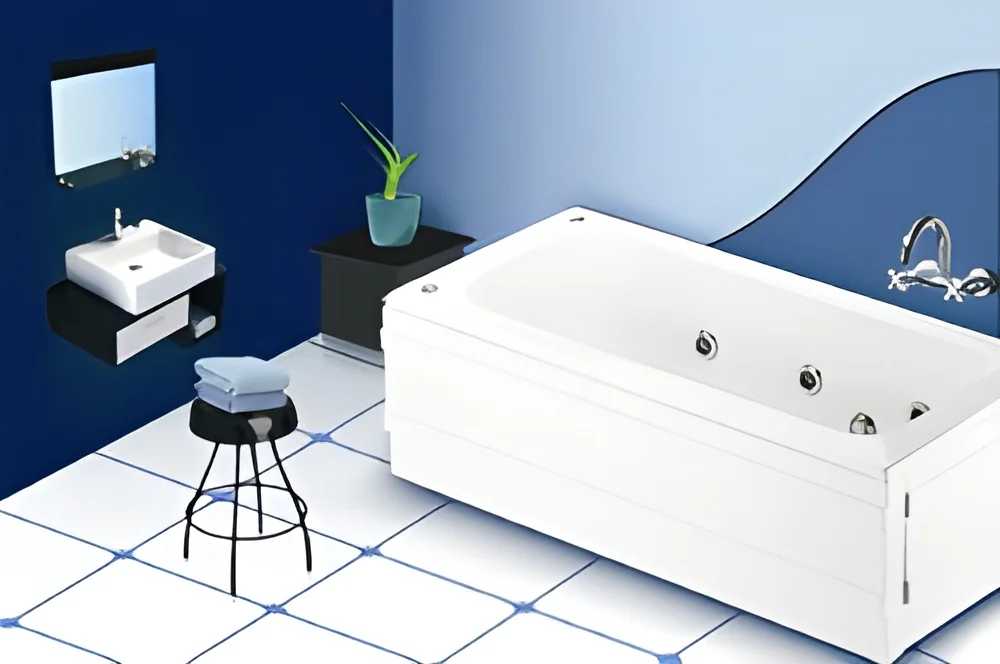
Acrylic and cast iron bathtubs are popular choices for both residential and commercial bathroom installations. Acrylic bathtubs are made from a lightweight, durable plastic material that is molded into various shapes and sizes. They offer a modern aesthetic and are known for their ease of installation and maintenance. Cast iron bathtubs, on the other hand, are constructed from a heavy metal core coated with enamel, providing excellent heat retention and durability. These tubs are often associated with classic designs and can last for decades with proper care.
These bathtubs are primarily used in homes, hotels, spas, and wellness centers. They serve as essential fixtures in bathrooms, providing a relaxing space for bathing. In commercial settings, they enhance the overall ambiance and comfort of the facility, making them attractive to customers. The demand for high-quality bathtubs continues to grow as more consumers and businesses prioritize comfort and style in their bathroom designs.
In the current market, both acrylic and cast iron bathtubs are significant due to their durability, aesthetic appeal, and various design options. The rise in home renovations and the hospitality industry's focus on luxury amenities are contributing to increased sales. Understanding the features and benefits of these bathtubs is crucial for businesses looking to meet customer needs and stand out in a competitive market.
Key Features and Specifications
Acrylic and cast iron bathtubs come with various features and specifications that cater to different preferences and requirements. Knowing these details can help buyers make informed decisions based on their needs.
Key specifications include:
1. Material Composition
- Acrylic bathtubs are made from high-quality acrylic sheets that are lightweight and resistant to chipping.
- Cast iron bathtubs feature a cast iron core with an enamel finish, offering durability and excellent heat retention.
2. Size and Dimensions
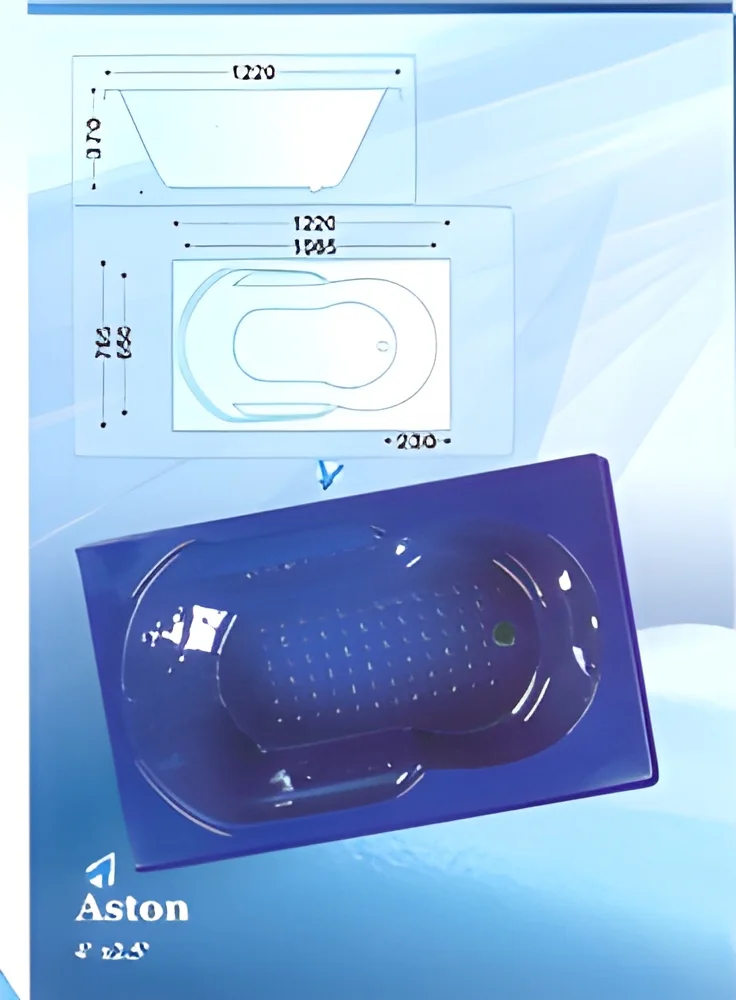
- Available in various sizes, typically ranging from 60 to 72 inches in length.
- Custom sizes can also be available based on project requirements.
3. Weight
- Acrylic tubs generally weigh between 50 to 100 pounds, making them easier to handle.
- Cast iron tubs can weigh up to 300 pounds or more, requiring sturdy installation.
4. Design Options
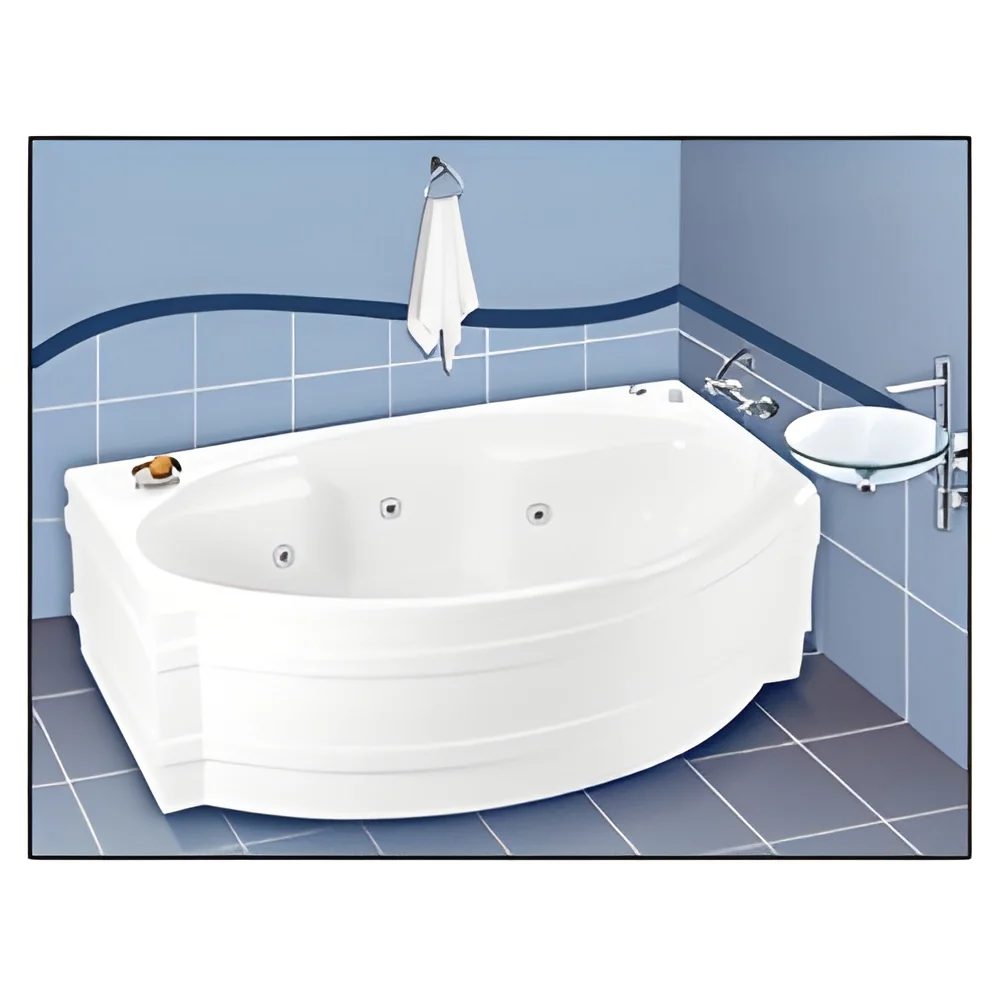
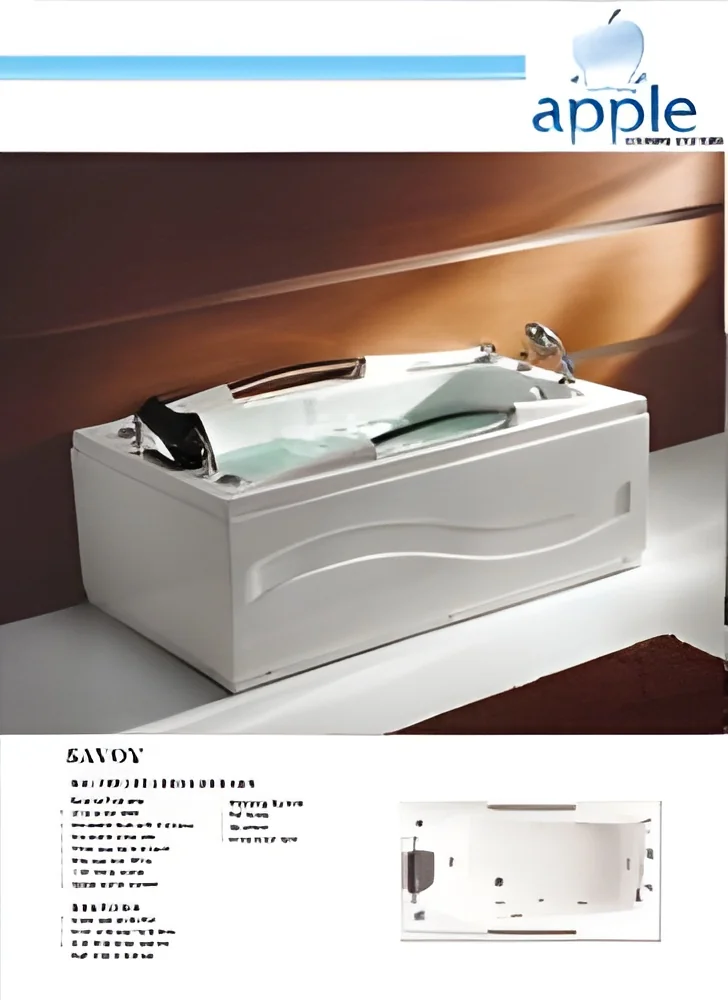
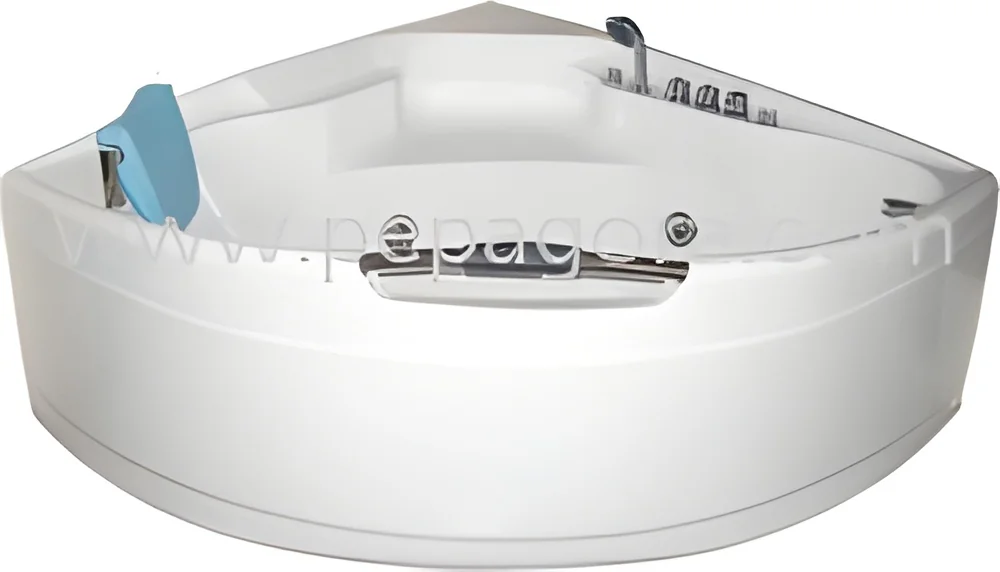
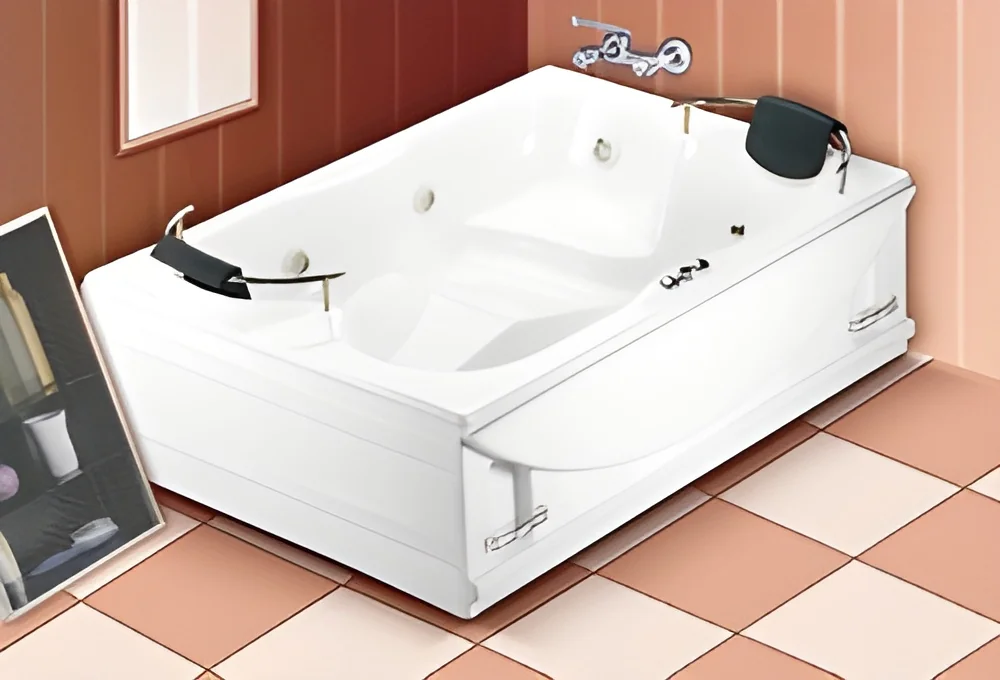
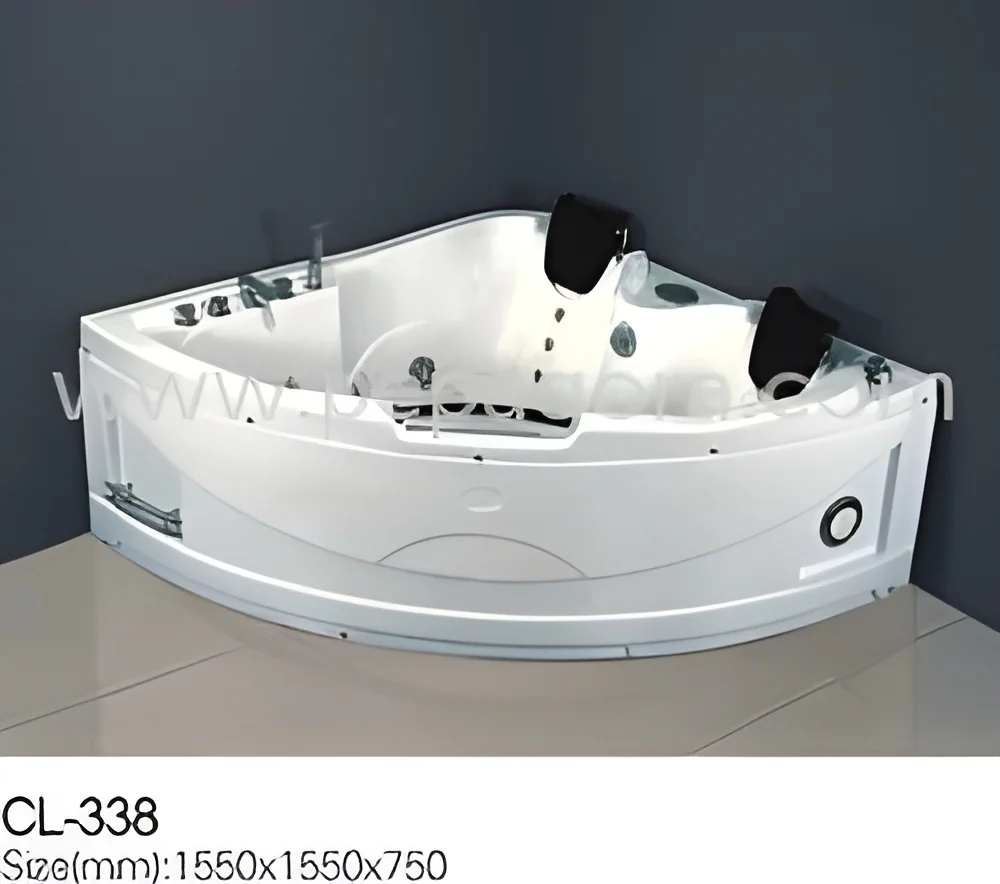
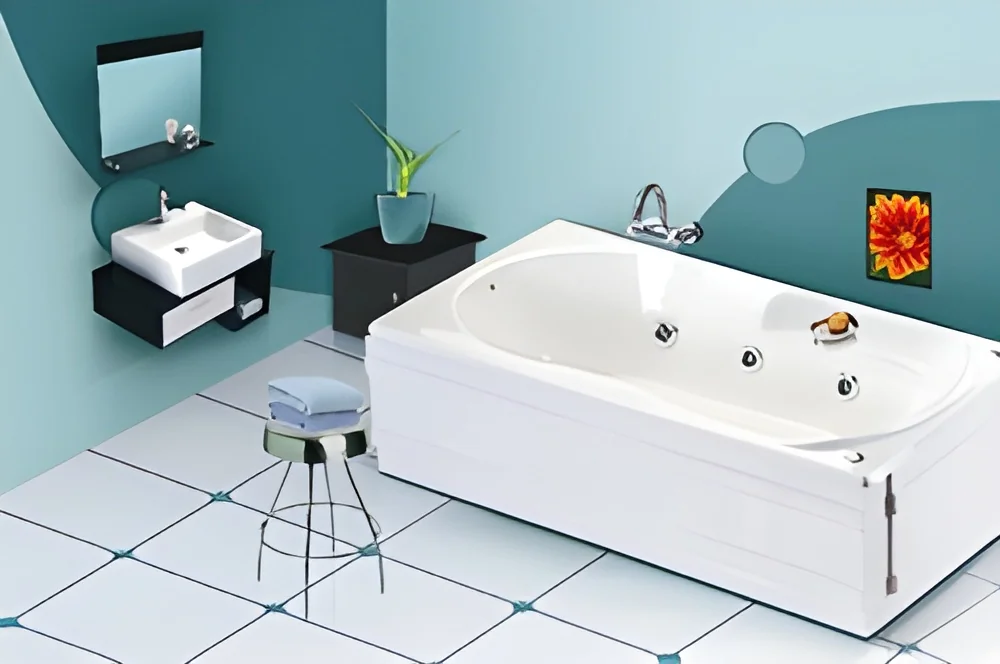
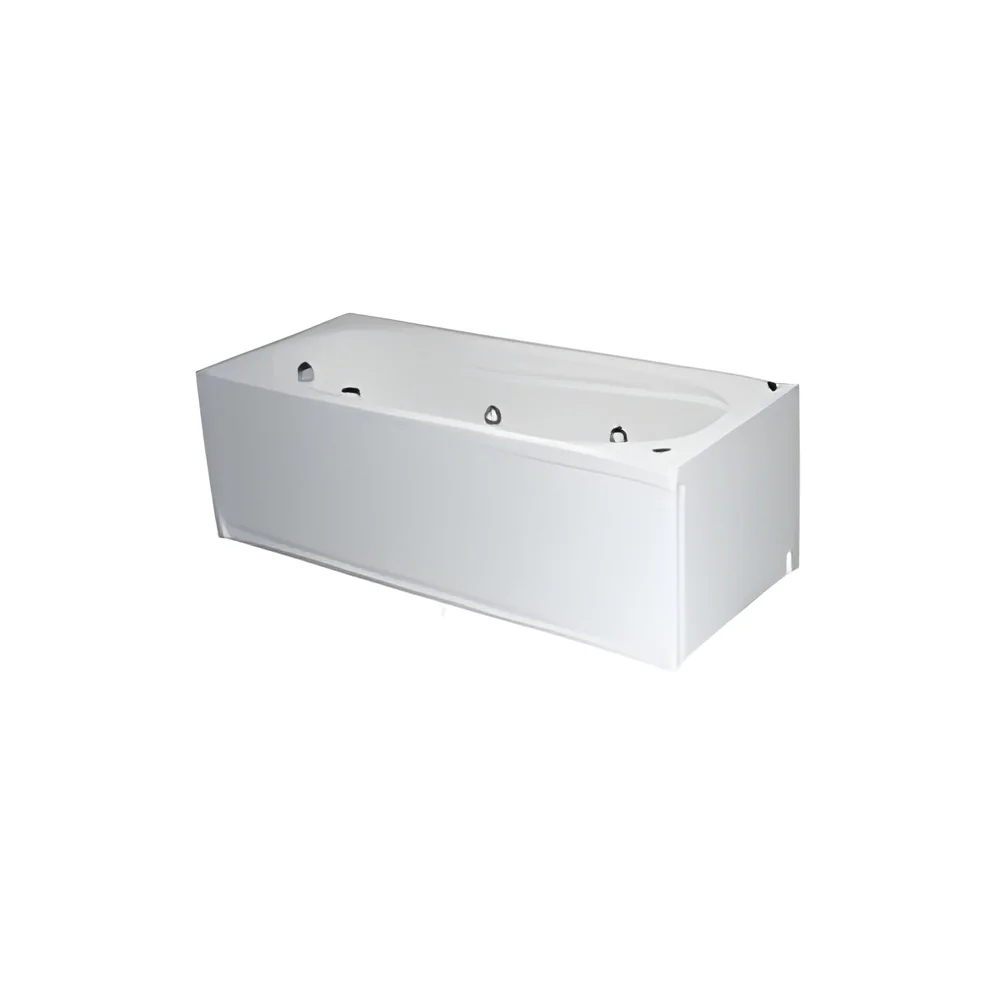
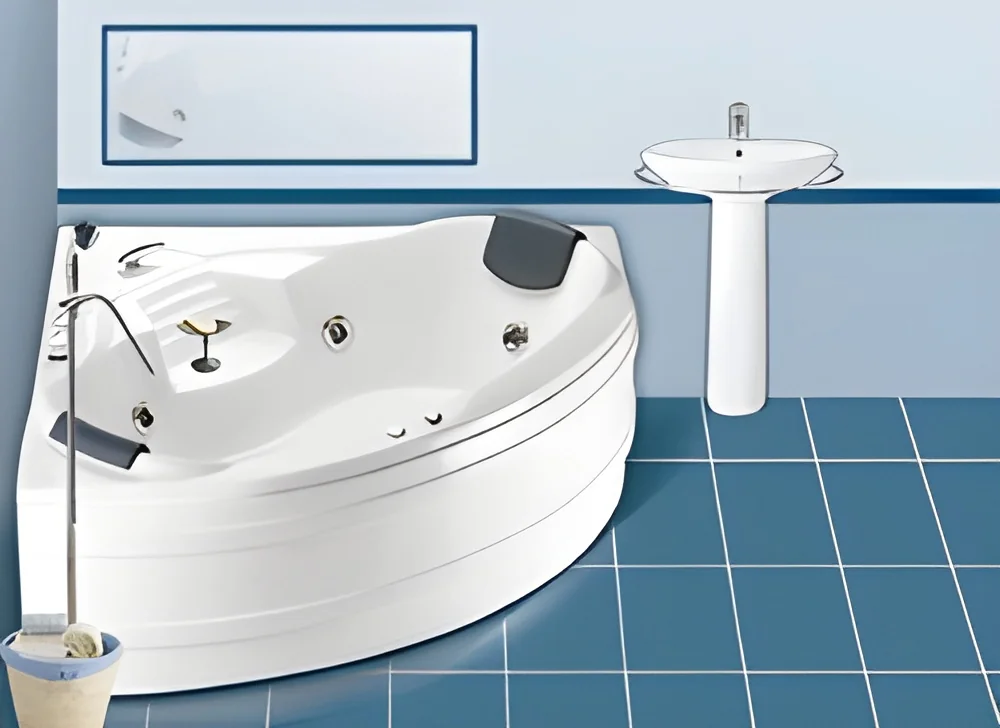
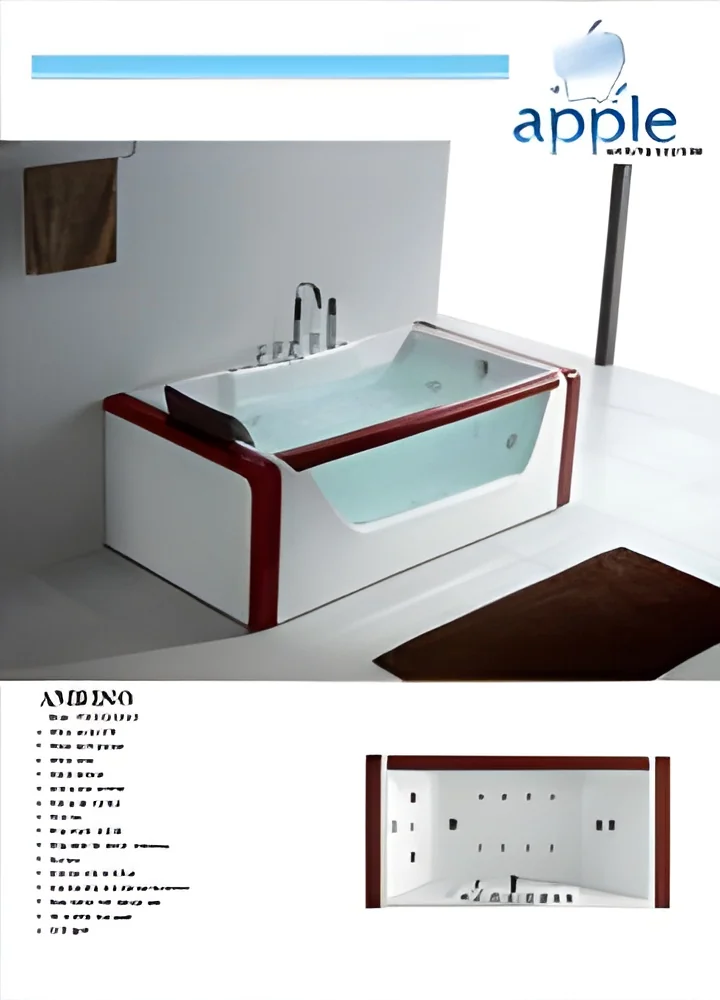
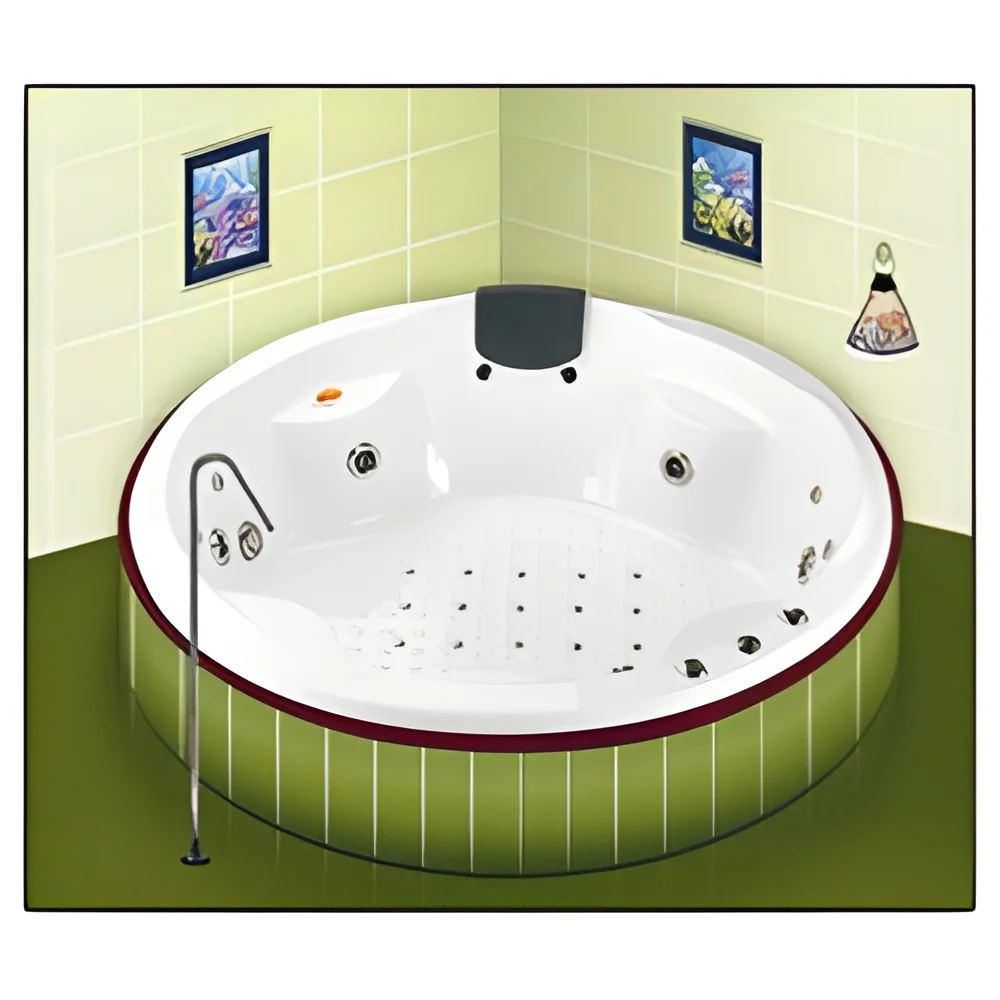
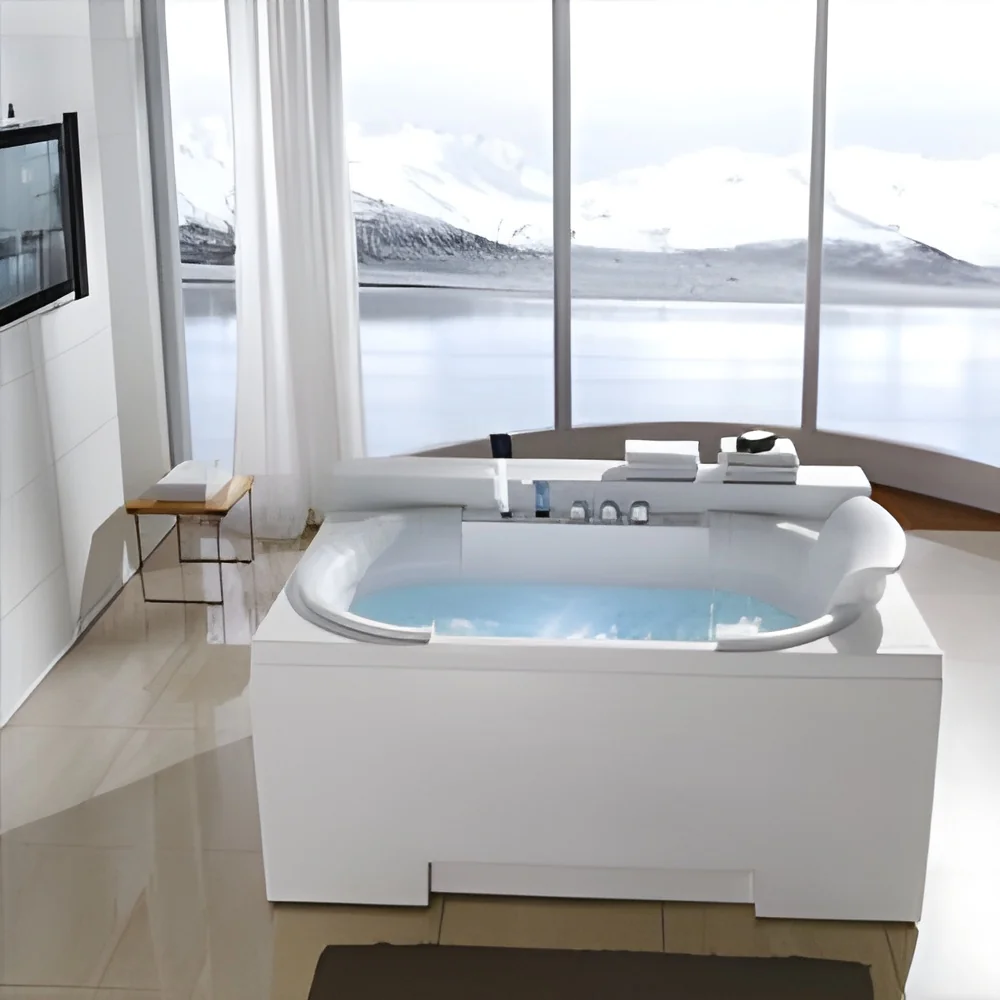
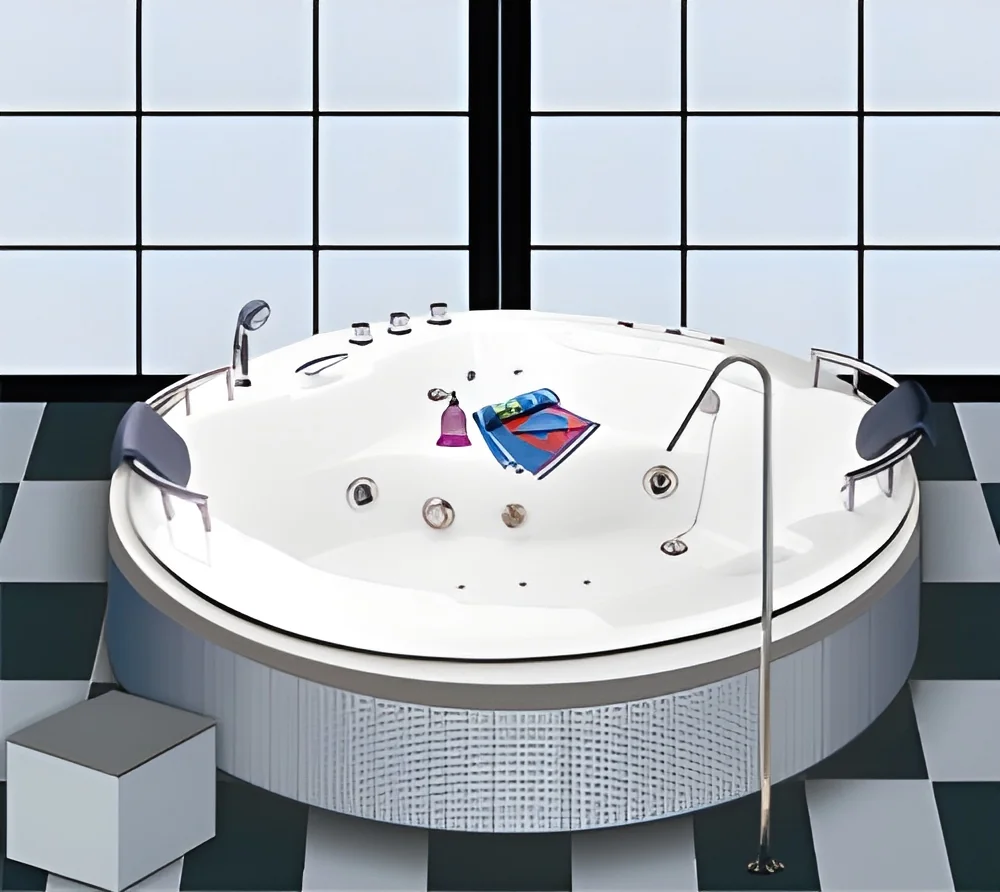
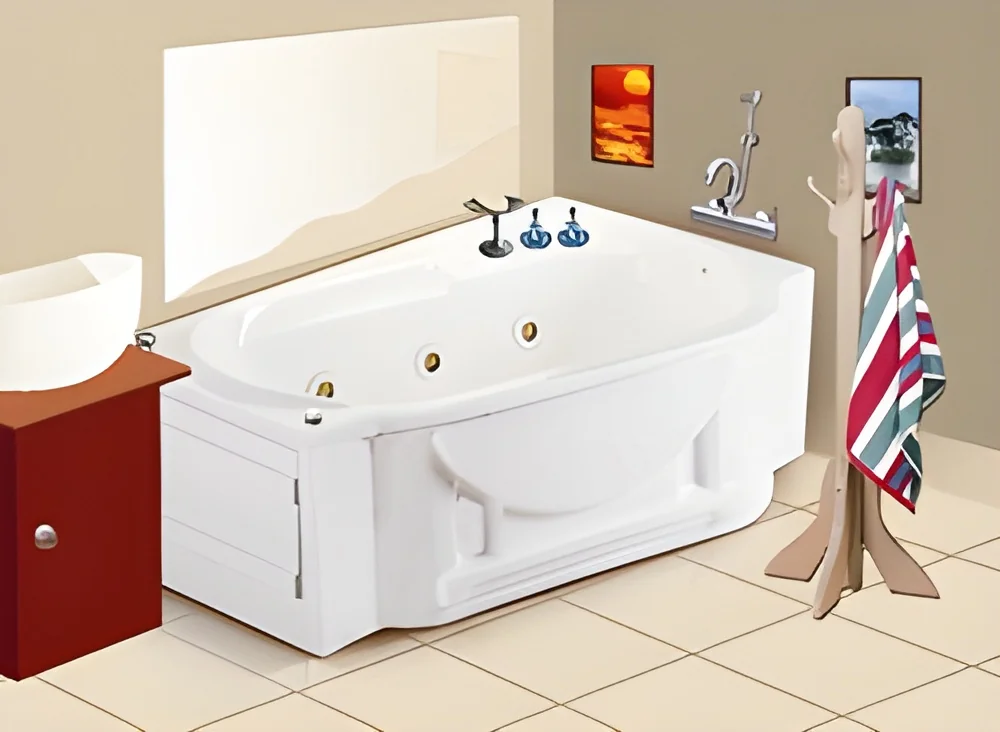
- Acrylic tubs are available in a variety of shapes, including oval, rectangular, and freestanding designs.
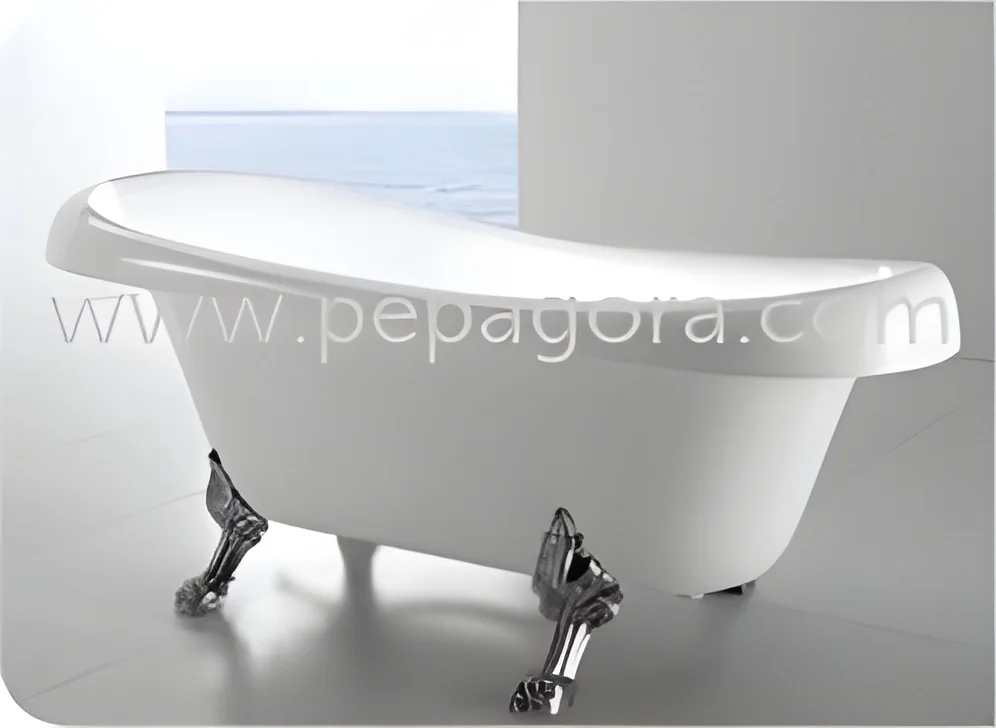
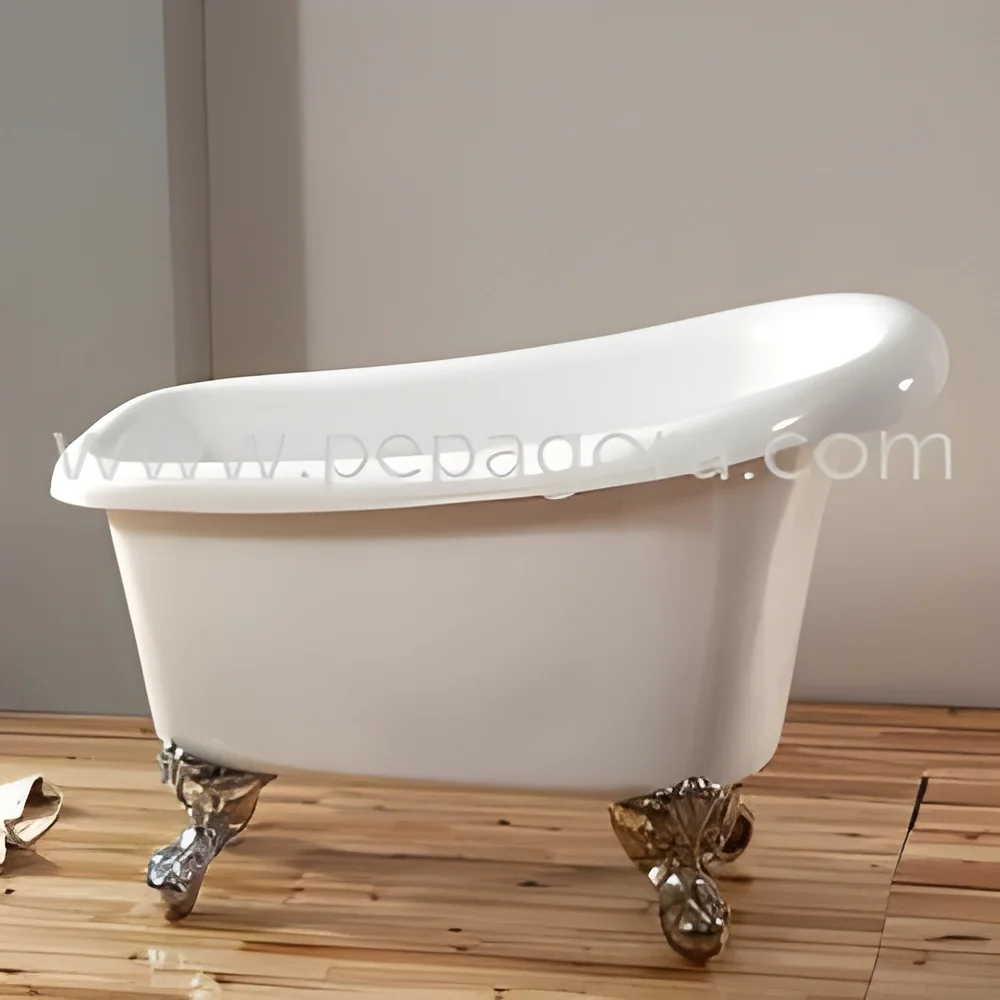
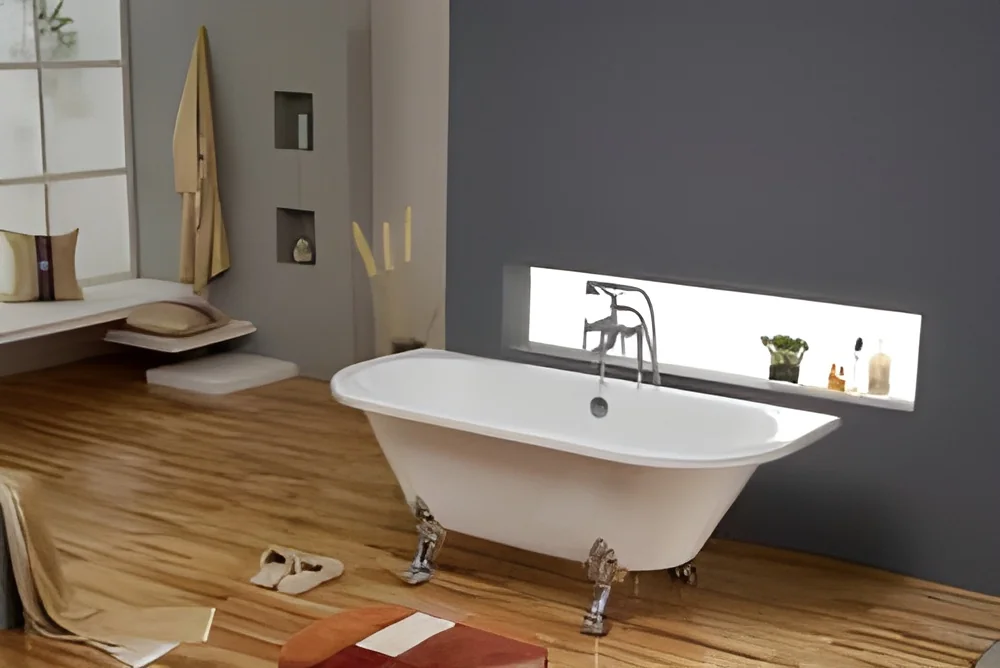
- Cast iron tubs often come in classic styles, such as clawfoot and pedestal designs.
5. Heat Retention
- Acrylic bathtubs can retain heat for a reasonable duration, but cast iron bathtubs excel in heat retention, allowing for longer baths.
6. Maintenance Requirements
- Acrylic bathtubs require simple cleaning with non-abrasive materials to maintain their finish.
- Cast iron tubs can be more durable but may require periodic resealing to protect the enamel.
In summary, both acrylic and cast iron bathtubs offer distinct features and specifications that cater to diverse preferences. Buyers should consider these aspects when selecting the right bathtub for their needs.
Common Applications and Use Cases
Acrylic and cast iron bathtubs serve various industries and applications, making them versatile fixtures in different settings.
1. Residential: In homes, these bathtubs are often focal points in bathrooms, providing comfort and style. Homeowners choose them for relaxation and aesthetic appeal.
2. Hospitality: Hotels and resorts utilize these bathtubs in guest suites to enhance the luxury experience. They are often featured in spas and wellness centers for therapeutic baths.
3. Healthcare: In assisted living facilities and hospitals, bathtubs are designed for accessibility. They offer comfort and ease of use for patients requiring assistance.
4. Commercial Bathrooms: Restaurants and retail spaces often install these bathtubs in restrooms to provide an upscale experience for customers.
5. Renovation Projects: Many contractors and builders incorporate acrylic and cast iron bathtubs into renovation projects to improve property value and appeal.
6. Spa Facilities: Wellness centers use these bathtubs for their therapeutic benefits, offering relaxation and rejuvenation to clients.
7. Aesthetic Installations: Designers incorporate these bathtubs into unique bathroom layouts, enhancing visual appeal through stylish designs.
Product Variants and Subcategories
Acrylic and cast iron bathtubs come in various designs and styles to meet diverse consumer needs. This diversity allows buyers to choose products that best fit their specific requirements.
Freestanding Acrylic Bathtubs
These bathtubs are designed to stand alone and are available in various shapes and sizes. They offer a modern look and can be placed anywhere in the bathroom, making them a popular choice for contemporary spaces.
Clawfoot Cast Iron Bathtubs
Classic clawfoot bathtubs provide a vintage aesthetic and are often used in traditional bathroom designs. They come with decorative feet, adding a touch of elegance and style.
Alcove Bathtubs
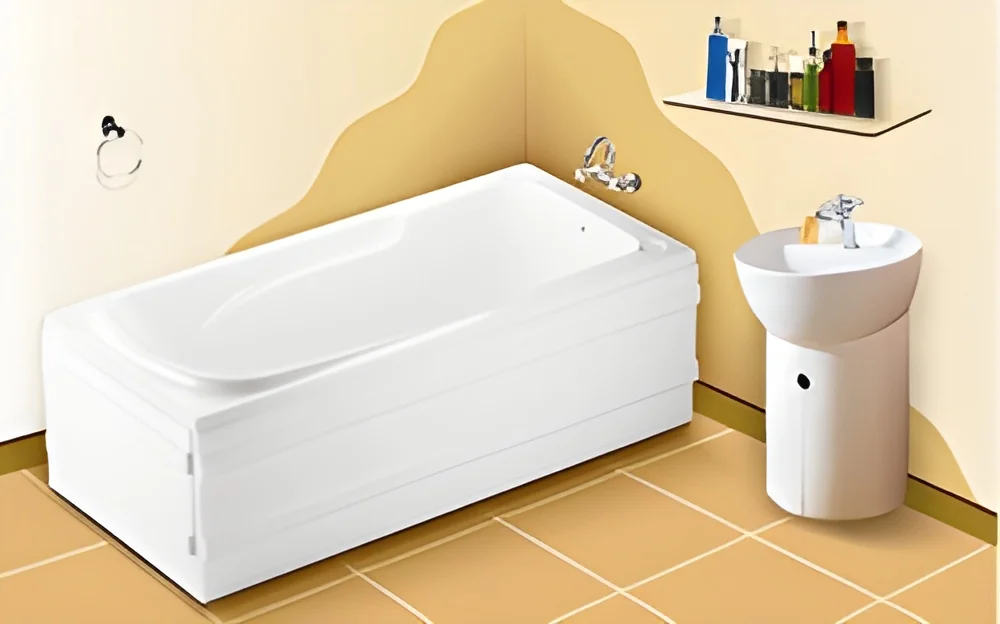
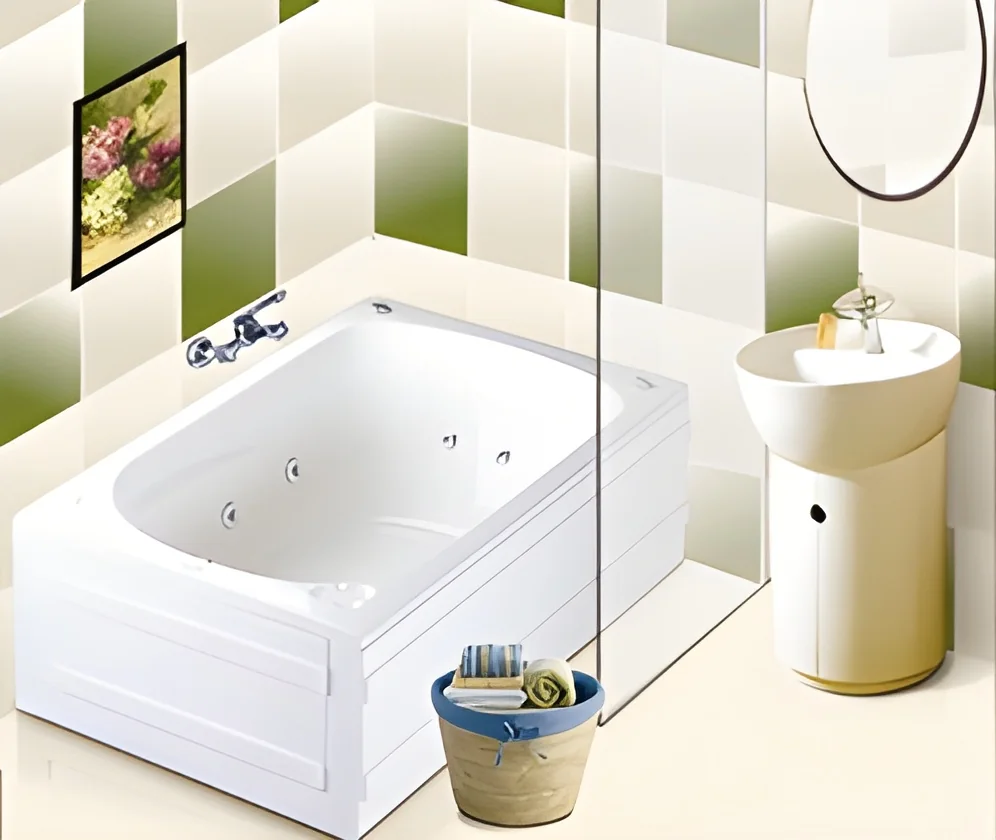
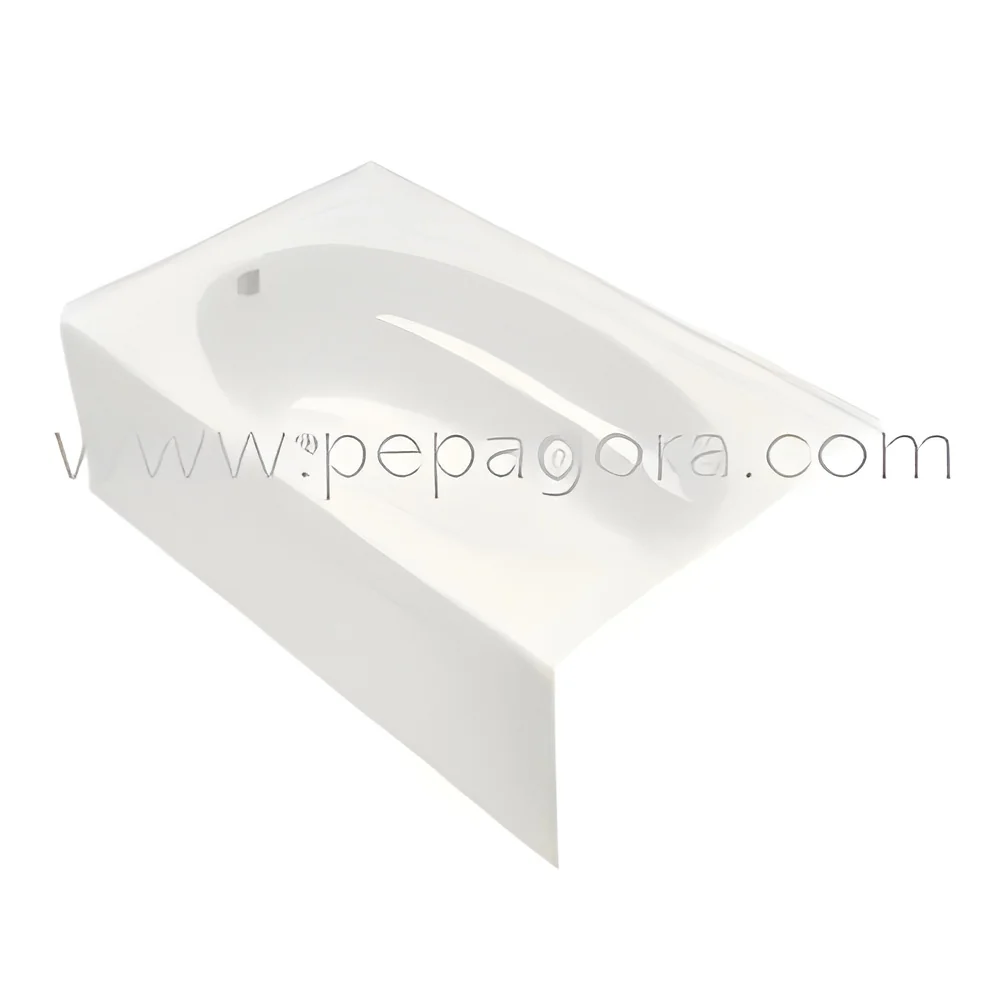
These bathtubs are designed to be installed against three walls, providing a space-saving solution for smaller bathrooms. They are available in both acrylic and cast iron materials.
Drop-in Bathtubs
Drop-in tubs are designed to be fitted into a designated enclosure, providing seamless integration with the surrounding materials. They can enhance the overall look of the bathroom.
Benefits and Advantages
Acrylic and cast iron bathtubs offer several key benefits that make them attractive options for consumers and businesses alike.
1. Durability: Both materials are known for their longevity. Cast iron can last for decades, while acrylic is resistant to chipping and cracking.
2. Aesthetic Appeal: These bathtubs come in various designs, enhancing the look of any bathroom. They can be customized to match different decor styles.
3. Heat Retention: Cast iron bathtubs excel in retaining heat, allowing for longer, more enjoyable baths.
4. Ease of Maintenance: Acrylic bathtubs require less maintenance compared to cast iron, making them user-friendly for busy households.
5. Lightweight Options: Acrylic bathtubs are lighter, making installation easier and more cost-effective.
6. Versatile Designs: A wide range of styles and sizes is available, catering to different consumer preferences and project requirements.
Buying Guide for B2B Buyers
When sourcing acrylic and cast iron bathtubs, B2B buyers should consider several factors to ensure they make the best purchasing decisions.
1. Quality Assessment: Evaluate the quality of materials and craftsmanship. Look for reputable brands that adhere to industry standards to ensure durability and reliability.
2. Supplier Verification: Vet suppliers to confirm their credibility. Check for references, reviews, and certifications to ensure they can deliver high-quality products.
3. Pricing and MOQ: Understand the pricing structure and minimum order quantities (MOQ) required. Compare prices from different suppliers to find competitive offers.
4. Delivery and Lead Times: Inquire about delivery schedules and lead times to ensure products arrive on time for projects. Consider logistics and shipping options to avoid delays.
5. Compliance Requirements: Ensure that bathtubs meet relevant local and industry regulations. Familiarize yourself with any compliance standards needed for your market.
Compliance and Certifications
Acrylic and cast iron bathtubs must meet specific compliance standards and certifications to ensure safety and quality.
Relevant quality standards include ISO 9001, which focuses on quality management systems. This standard ensures that manufacturers consistently provide products that meet customer and regulatory requirements.
Industry certifications such as CE are essential for products sold in European markets. CE marking indicates that the product complies with European health and safety standards.
Safety and testing requirements for bathtubs often involve evaluating their structural integrity, heat resistance, and overall safety for users. Regular testing by third-party organizations can help ensure compliance with these standards.
Regional compliance considerations may vary based on local laws and regulations. Buyers should familiarize themselves with specific requirements in their target markets to avoid any legal issues.
Why Source Acrylic & Cast Iron Bathtubs from Pepagora?
Pepagora offers a reliable platform for sourcing acrylic and cast iron bathtubs, providing several key advantages to B2B buyers.
Verified Supplier Network: Pepagora connects buyers with a network of verified suppliers. This ensures that buyers can trust the quality and reliability of the products they source.
Streamlined RFQ Process: The request for quotation (RFQ) system simplifies the purchasing process. Buyers can easily request quotes from multiple suppliers, facilitating informed decision-making.
Trade Assurance and Support: Pepagora provides trade assurance, protecting buyers against potential risks. This added layer of security enhances trust and confidence in the sourcing process.
Regional Coverage: With a focus on India, the GCC, and Southeast Asia, Pepagora offers extensive geographic reach. This ensures that buyers can access a wide range of products and suppliers tailored to their regional needs.

 IN
IN