
 IN
Walking Sticks & Canes
1 products available
What are Walking Sticks & Canes?
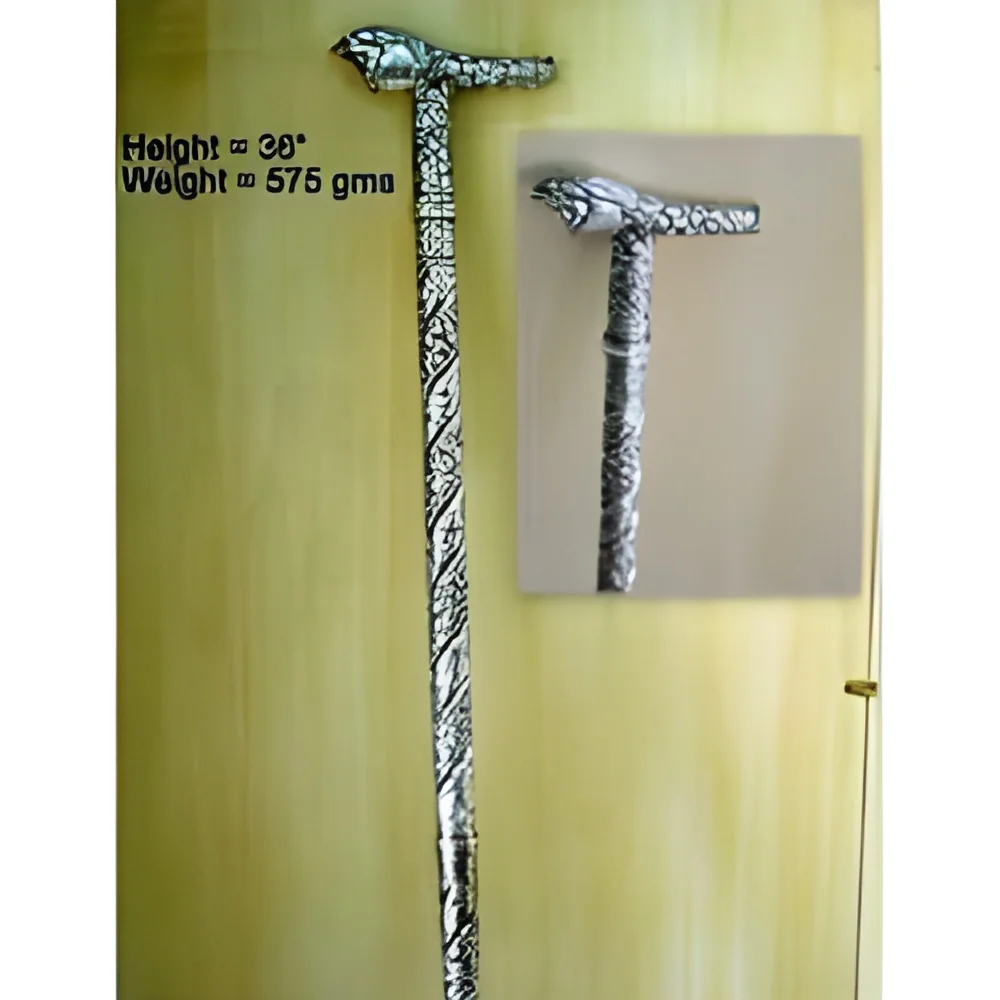
Walking sticks and canes are mobility aids designed to provide support and stability for individuals who may have difficulty walking. They are typically lightweight, portable, and constructed from durable materials such as wood, aluminum, or composite materials. These aids come in various styles and heights, accommodating a range of user needs. They are essential tools for enhancing mobility, improving balance, and reducing the risk of falls.
Walking sticks and canes serve a critical function in both personal and professional contexts. They are primarily used by elderly individuals, those with disabilities, or patients recovering from surgery. In a business setting, these products are essential for healthcare providers, rehabilitation centers, and mobility aid retailers. The increasing aging population and the rising prevalence of mobility-related issues drive demand in the market, making walking sticks and canes a relevant product category within the medical supply industry.
Key Features and Specifications
Walking sticks and canes come equipped with a variety of features designed to enhance user experience and functionality. Understanding these specifications is vital for B2B buyers looking to source quality products.
Key specifications include:
1. Material
- Common materials include wood, aluminum, and carbon fiber.
- Weight capacity may vary by material, generally ranging from 250 to 350 pounds.
2. Adjustable Height
- Many models feature adjustable heights to suit different user preferences.
- Height adjustments typically range from 28 to 38 inches.
3. Grip Type
- Ergonomic grips may include foam, rubber, or molded plastic.
- Grips are designed for comfort and to reduce hand fatigue.
4. Tip Type
- Various tip designs include rubber, metal, and shock-absorbing materials.
- Tips provide traction and stability on different surfaces.
5. Foldability
- Some walking sticks and canes are designed to fold for easy storage and transport.
- Foldable models often feature a compact design.
6. Weight
- Standard walking sticks typically weigh between 0.5 to 2 pounds.
- Lighter models may be preferred for ease of use.
7. Color and Design Options
- Available in a range of colors and styles to appeal to diverse user preferences.
- Custom designs may be available for branding purposes.
8. Additional Features
- Some models include built-in lights, seat options, or storage compartments.
- Added features enhance usability for specific situations.
In summary, understanding the key features and specifications of walking sticks and canes can help buyers make informed decisions that best suit their needs and those of their customers.
Common Applications and Use Cases
Walking sticks and canes are versatile tools that find applications across a variety of industries.
1. Healthcare: In hospitals and rehabilitation centers, walking sticks and canes are used to assist patients recovering from injuries or surgeries, providing necessary support during recovery.
2. Elderly Care: Senior living facilities utilize these aids to promote mobility among residents, helping them maintain independence while ensuring safety.
3. Retail: Mobility aid retailers stock a variety of walking sticks and canes to meet the demands of consumers seeking mobility solutions for everyday use.
4. Sports and Recreation: Outdoor enthusiasts may use specialized walking sticks for hiking, providing stability on uneven terrains.
5. Home Care: Home healthcare providers often recommend walking sticks for clients who need extra support at home, enhancing their quality of life.
6. Travel: Compact and foldable walking sticks are popular among travelers who require mobility aids without sacrificing space.
7. Occupational Therapy: Therapists often incorporate walking sticks in treatment plans to improve balance and coordination in patients.
Product Variants and Subcategories
Walking sticks and canes are available in various designs to cater to diverse user needs and preferences.
Standard Walking Cane
This variant is the most common type, designed for general use. It features a single point of contact with the ground and provides basic support for users who require assistance while walking.
Quad Cane
The quad cane has a wider base with four points of contact, offering greater stability. It is ideal for users who need additional support or have significant mobility challenges.
Folding Cane
Folding canes are designed for portability and convenience. They can be easily collapsed and stored, making them perfect for travel or those with limited storage space.
Adjustable Cane
These canes feature adjustable heights for personalized comfort. Users can modify the height to suit their specific needs, ensuring better posture and balance.
Benefits and Advantages
Walking sticks and canes offer numerous advantages that enhance user mobility and safety.
1. Improved Stability: These aids provide essential support, reducing the risk of falls and accidents.
2. Enhanced Mobility: Users can move with greater confidence, promoting independence in daily activities.
3. Customization Options: With various styles and features available, users can choose canes that best fit their personal preferences and needs.
4. Lightweight Design: Many walking sticks and canes are designed to be lightweight, making them easy to carry and use.
5. Ergonomic Features: Comfortable grips and adjustable heights ensure that users can utilize these aids without discomfort.
6. Versatile Applications: Suitable for various settings, walking sticks and canes can be used in healthcare, home care, and outdoor environments.
Buying Guide for B2B Buyers
When sourcing walking sticks and canes, it is essential for B2B buyers to consider several critical factors to ensure quality and suitability.
1. Quality Assessment: Buyers should evaluate materials and construction methods to ensure the walking sticks and canes meet durability standards. Look for products that can withstand regular use without compromising safety.
2. Supplier Verification: Vetting suppliers is crucial for ensuring reliability and quality. Buyers should check for industry certifications and customer reviews to confirm supplier reputation.
3. Pricing and MOQ: Understanding pricing structures and minimum order quantities (MOQ) helps buyers make informed purchasing decisions. Compare prices across multiple suppliers to find competitive offers.
4. Delivery and Lead Times: Consider logistics and delivery times when placing orders. Ensure that suppliers can meet your schedule to avoid disruption in inventory.
5. Compliance Requirements: Ensure that the walking sticks and canes comply with relevant safety and quality standards. Be aware of regional regulations that may affect product specifications.
Compliance and Certifications
Walking sticks and canes must adhere to specific quality standards and certifications to ensure safety and reliability.
Relevant quality standards include ISO 9001, which defines criteria for quality management systems, ensuring consistent product quality. Compliance with HACCP and GDP may also be relevant, particularly in healthcare contexts where safety and efficacy are paramount.
Industry certifications such as CE mark indicate conformity with European health, safety, and environmental protection standards. This certification assures buyers of the product's compliance with necessary regulations.
Safety and testing requirements vary by region but typically include assessments for weight capacity, durability, and stability under various conditions. Buyers should also be aware of any local compliance considerations that may affect their procurement decisions.
Why Source Walking Sticks & Canes from Pepagora?
Pepagora provides a trusted platform for sourcing walking sticks and canes with several key advantages.
Verified Supplier Network: Pepagora connects buyers with a network of verified suppliers, ensuring that all products meet quality and safety standards. This network allows for reliable sourcing of mobility aids from reputable manufacturers.
Streamlined RFQ Process: The request for quotation process is straightforward, enabling buyers to quickly compare offers from multiple suppliers. This efficiency saves time and helps secure the best deals available.
Trade Assurance and Support: Buyers benefit from trade assurance features that protect their purchases. Pepagora offers support throughout the purchasing process, ensuring a smooth transaction experience.
Regional Coverage: With a strong presence in India, the GCC, and Southeast Asia, Pepagora provides extensive geographic reach. This regional coverage enables buyers to access local suppliers while benefiting from competitive pricing and quality products.


Frequently Asked Questions
What are Walking Sticks & Canes?
Walking sticks and canes are mobility aids designed to provide support and stability for individuals who may have difficulty walking. They are commonly used by the elderly, those recovering from injuries, or anyone needing additional balance while walking.
What are the different types of Walking Sticks & Canes?
There are several types of walking sticks and canes, including standard canes, quad canes, folding canes, and specialty canes like hiking poles. Each type serves different purposes and offers varying levels of support and adjustability.
How do I choose the right Walking Sticks & Canes?
Choosing the right walking stick or cane involves considering factors such as height, weight capacity, and intended use. It's essential to select a cane that provides adequate support and comfort while ensuring proper posture during use.
What are the standard specifications for Walking Sticks & Canes?
Standard specifications for walking sticks and canes typically include height adjustment range, weight capacity, and material type. Common materials include aluminum, wood, and carbon fiber, each offering different benefits in terms of durability and weight.
What is the price range for Walking Sticks & Canes?
The price range for walking sticks and canes can vary widely based on type, material, and brand. Generally, prices can range from INR 500 to INR 5,000, depending on the features and quality of the product.
What quality standards apply to Walking Sticks & Canes?
Quality standards for walking sticks and canes typically involve durability, safety, and user comfort. Products should meet regulatory standards set by health authorities to ensure they are safe and effective for users.
Where can I find Walking Sticks & Canes suppliers in India?
Walking sticks and canes suppliers in India can be found through various online B2B marketplaces, healthcare product distributors, and local medical supply stores. Platforms like Pepagora.com can help connect buyers with reputable manufacturers and suppliers.
Can Walking Sticks & Canes be customized?
Yes, many manufacturers offer customization options for walking sticks and canes. Customizations may include personalized designs, specific height adjustments, or unique features to better suit individual needs.
What is the typical minimum order quantity for Walking Sticks & Canes?
The typical minimum order quantity (MOQ) for walking sticks and canes can vary by supplier, but it usually ranges from 50 to 100 units. It's best to check with specific suppliers for their MOQ policies.
What is the typical lead time for Walking Sticks & Canes?
The typical lead time for walking sticks and canes depends on the supplier and whether the order is customized. Generally, lead times can range from 1 to 4 weeks for standard orders, while customized orders may take longer.
Why Businesses Trust Pepagora
Thousands of companies trust Pepagora to source smarter and sell faster
Expand Your Sales Globally

Source Smarter,Grow Faster
