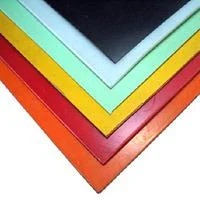
𝗪𝗵𝗮𝘁 𝗮𝗿𝗲 𝗩𝗮𝗰𝘂𝘂𝗺 𝗙𝗼𝗿𝗺𝗶𝗻𝗴 𝗣𝗿𝗼𝘁𝗼𝘁𝘆𝗽𝗲𝘀?
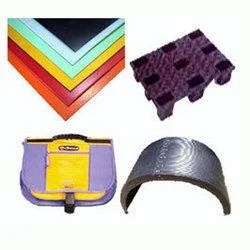
Vacuum forming prototypes are specialized manufacturing methods used to create three-dimensional objects from thermoplastic sheets. The process involves heating a plastic sheet until it becomes pliable and then placing it over a mold. A vacuum is applied to remove air, allowing the sheet to conform to the mold's shape, thereby forming a precise prototype. This technique is widely appreciated for its efficiency and cost-effectiveness in producing detailed prototypes quickly.
These prototypes serve a variety of business applications, primarily in product development and testing. Industries such as automotive, consumer goods, and medical devices utilize vacuum forming for rapid prototyping and small-scale production runs. The ability to produce high-quality shapes quickly makes vacuum forming prototypes an essential tool for companies looking to streamline their design processes and bring products to market faster. As the demand for custom and innovative designs grows, vacuum forming remains relevant in various sectors, providing solutions that cater to specific industrial needs.
𝗞𝗲𝘆 𝗙𝗲𝗮𝘁𝘂𝗿𝗲𝘀 𝗮𝗻𝗱 𝗦𝗽𝗲𝗰𝗶𝗳𝗶𝗰𝗮𝘁𝗶𝗼𝗻𝘀
Vacuum forming prototypes come with several key features that enhance their usability and effectiveness in various applications. Understanding these specifications is crucial for selecting the right product for specific needs.
Key specifications include:
1. Material Compatibility
- Designed to work with various thermoplastics, including ABS, PVC, and polycarbonate.
- Each material offers different properties suitable for specific applications.
2. Mold Complexity
- Capable of replicating intricate designs with high precision.
- Molds can be made from different materials including aluminum and wood.
3. Thickness Range
- Typically allows for plastic sheets ranging from 0.020 inches to 0.250 inches.
- Variations in thickness can impact the final product's strength and flexibility.
4. Production Speed
- Offers rapid turnaround times, often producing prototypes within days.
- Suitable for both small runs and larger production needs.
5. Surface Finish Options
- Various finishes available, including matte and gloss.
- Customization options can enhance aesthetic appeal and functionality.
6. Temperature Control
- Capable of maintaining precise temperature settings during the heating process.
- Ensures optimal forming conditions for different materials.
7. Vacuum Pressure Range
- Typically operates within a standard vacuum pressure of 24 inches of mercury.
- This range allows for effective shaping and adherence to molds.
In summary, understanding the specifications of vacuum forming prototypes is essential for businesses seeking to leverage this technology for their product development needs.
𝗖𝗼𝗺𝗺𝗼𝗻 𝗔𝗽𝗽𝗹𝗶𝗰𝗮𝘁𝗶𝗼𝗻𝘀 𝗮𝗻𝗱 𝗨𝘀𝗲 𝗖𝗮𝘀𝗲𝘀
Vacuum forming prototypes find applications across various industries, making them a versatile tool for manufacturers.
1. Automotive Industry: Used to create dashboard components, interior panels, and protective covers. The ability to produce lightweight yet durable parts is crucial for vehicle design.
2. Consumer Goods: Effective for prototyping packaging solutions, display cases, and product enclosures. This helps companies visualize and test packaging designs before mass production.
3. Medical Devices: Employed in the development of custom trays, housings, and components for medical equipment. The precision of vacuum forming ensures that products meet stringent regulatory standards.
4. Electronics: Utilized to create housings for electronic devices, ensuring protection and aesthetic appeal. The ability to customize shapes and sizes is key for tech companies.
5. Retail Displays: Helps in designing eye-catching displays and signage. The variety of finishes and colors available allows for tailored marketing solutions.
6. Aerospace: Provides prototypes for aircraft interiors and components. The lightweight nature of vacuum-formed parts contributes to overall aircraft efficiency.
7. Construction: Used for creating architectural models and components. The flexibility in design allows architects to present concepts effectively.
𝗣𝗿𝗼𝗱𝘂𝗰𝘁 𝗩𝗮𝗿𝗶𝗮𝗻𝘁𝘀 𝗮𝗻𝗱 𝗦𝘂𝗯𝗰𝗮𝘁𝗲𝗴𝗼𝗿𝗶𝗲𝘀
Vacuum forming prototypes come in various forms to cater to different industry needs. While specific subcategories may not be available, several variants can be highlighted.
Standard Prototype Models: These are designed for general use across multiple industries and provide a reliable option for businesses looking for quick prototypes without extensive customization.
Custom Formed Prototypes: Tailored to specific project requirements, these prototypes can be produced in unique shapes, sizes, and materials. This flexibility allows businesses to meet specialized demands effectively.
𝗕𝗲𝗻𝗲𝗳𝗶𝘁𝘀 𝗮𝗻𝗱 𝗔𝗱𝘃𝗮𝗻𝘁𝗮𝗴𝗲𝘀
The advantages of vacuum forming prototypes make them an attractive choice for businesses engaged in product development.
Key benefits include:
1. Cost-Effectiveness: Lower production costs compared to traditional manufacturing methods. Ideal for small batch runs and prototypes.
2. Speed of Production: Quick turnaround times allow businesses to accelerate their product development cycles. Prototypes can often be ready within days.
3. Design Flexibility: The ability to create complex shapes and designs makes vacuum forming suitable for a wide range of applications.
4. Material Versatility: Compatible with various thermoplastics, allowing for selection based on specific performance requirements.
5. Quality of Finish: High-quality surface finishes can be achieved, enhancing the aesthetic and functional aspects of the prototypes.
6. Low Waste Production: The process generates minimal waste compared to other manufacturing techniques, making it an environmentally friendly option.
𝗕𝘂𝘆𝗶𝗻𝗴 𝗚𝘂𝗶𝗱𝗲 𝗳𝗼𝗿 𝗕𝟮𝗕 𝗕𝘂𝘆𝗲𝗿𝘀
When sourcing vacuum forming prototypes, several factors should be considered to ensure a successful purchase.
1. Quality Assessment: Look for manufacturers that adhere to strict quality standards. Check for certifications and customer reviews to gauge reliability.
2. Supplier Verification: Vet potential suppliers thoroughly. Assess their experience, past projects, and customer feedback to ensure they can meet your specific needs.
3. Pricing and MOQ: Understand the pricing structure and minimum order quantities. This helps in budgeting and determining the feasibility of production runs.
4. Delivery and Lead Times: Inquire about lead times for prototype production. Timely delivery is crucial for meeting project deadlines.
5. Compliance Requirements: Ensure that prototypes meet relevant industry standards and regulations. This is especially important in sectors like medical and aerospace.
𝗖𝗼𝗺𝗽𝗹𝗶𝗮𝗻𝗰𝗲 𝗮𝗻𝗱 𝗖𝗲𝗿𝘁𝗶𝗳𝗶𝗰𝗮𝘁𝗶𝗼𝗻𝘀
Vacuum forming prototypes are subject to various quality standards and certifications to ensure safety and effectiveness.
ISO 9001 is a common quality management standard that many manufacturers strive to meet. This certification indicates a commitment to quality and continuous improvement in processes.
CE certification is essential for products sold within the European Union. It signifies that the prototypes meet safety and environmental requirements.
Safety and testing requirements are critical, particularly in industries such as medical and automotive. Manufacturers must ensure that their products are thoroughly tested to comply with safety guidelines.
Regional compliance considerations may vary based on local regulations. Buyers should be aware of the specific requirements in their respective regions to ensure compliance.
𝗪𝗵𝘆 𝗦𝗼𝘂𝗿𝗰𝗲 𝗩𝗮𝗰𝘂𝘂𝗺 𝗙𝗼𝗿𝗺𝗶𝗻𝗴 𝗣𝗿𝗼𝘁𝗼𝘁𝘆𝗽𝗲𝘀 𝗳𝗿𝗼𝗺 𝗣𝗲𝗽𝗮𝗴𝗼𝗿𝗮?
Pepagora offers a trusted platform for sourcing vacuum forming prototypes, providing several key advantages for businesses.
Verified Supplier Network: Pepagora connects buyers with a network of verified suppliers. Each supplier undergoes a thorough vetting process, ensuring reliability and quality in sourcing.
Streamlined RFQ Process: The platform simplifies the request for quotation process, allowing buyers to easily compare prices and specifications from multiple suppliers. This enhances decision-making and procurement efficiency.
Trade Assurance and Support: Buyers are protected through trade assurance measures, ensuring that they receive the products as promised. Customer support is readily available to assist with any inquiries or issues.
Regional Coverage: Pepagora has a wide geographic reach, serving markets in India, the GCC, and Southeast Asia. This regional presence allows for better logistics and support across various territories, making it easier for businesses to access the products they need.

 IN
IN
 India
India