What are Flexible Packaging Sample Making?
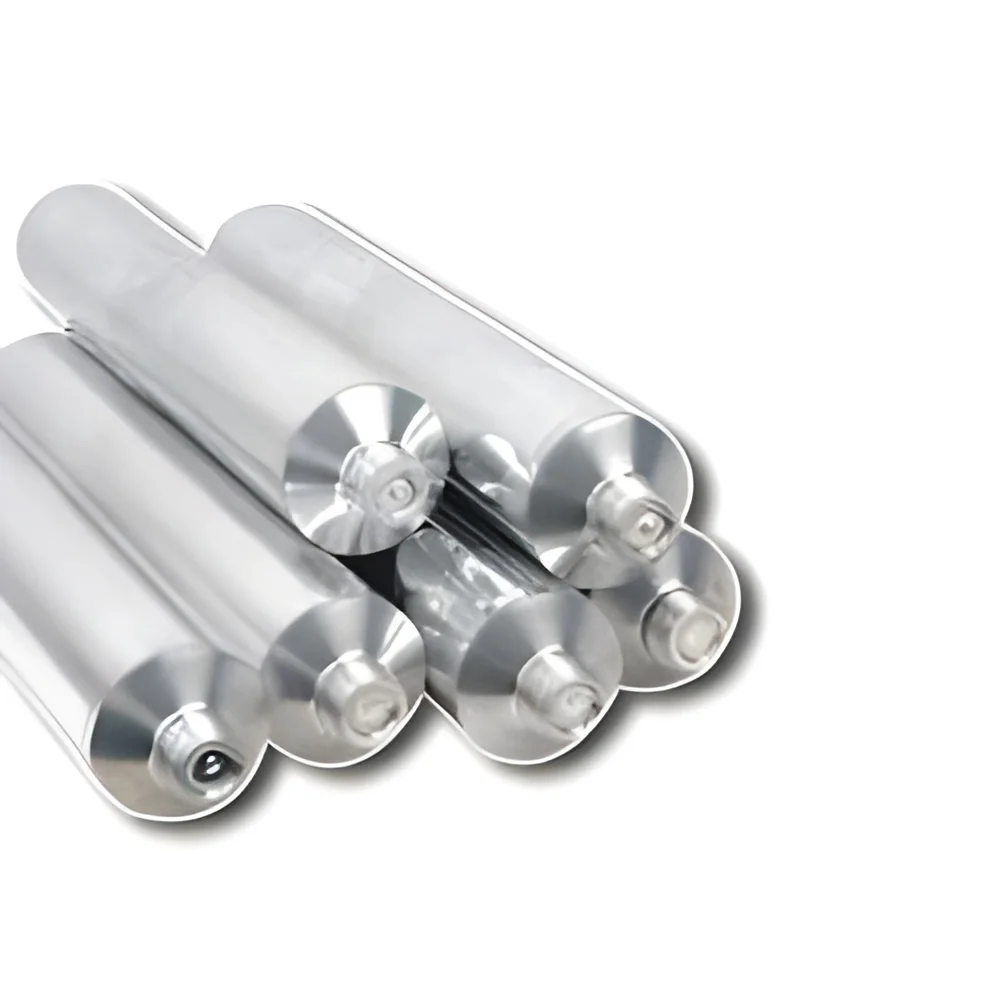
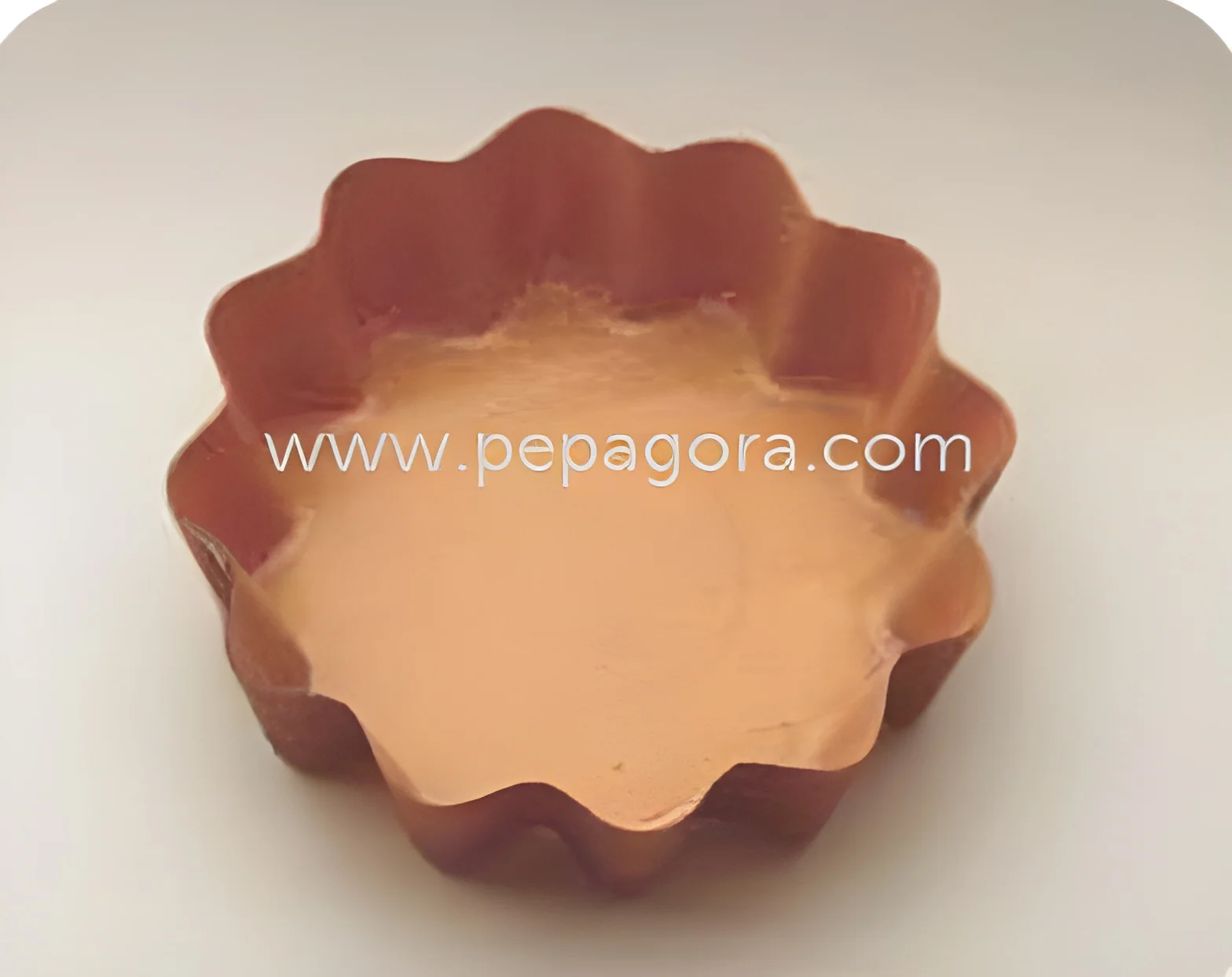
Flexible packaging sample making refers to the process of creating prototypes or samples of flexible packaging solutions that are used in various industries. This technique allows businesses to test and evaluate packaging designs before full-scale production. The flexible packaging can include materials such as films, laminates, and pouches that provide versatile options for containing products. These samples help in assessing the fit, design, and functionality of packaging solutions.
The primary uses of flexible packaging sample making include product testing, market research, and marketing purposes. Businesses can utilize these samples to gain insights into consumer preferences, conduct performance tests, and ensure that their packaging meets regulatory standards. By creating samples, companies can also make informed decisions about materials and designs that enhance product appeal and usability.
In the broader market context, flexible packaging has gained significant traction due to its lightweight, space-efficient, and environmentally friendly qualities. As industries increasingly seek sustainable solutions, flexible packaging sample making becomes essential for innovation and competitiveness within the packaging sector.
Key Features and Specifications
Flexible packaging sample making encompasses various features and specifications that are critical for both functionality and quality. The following specifications highlight the essential aspects of this product category.
Key specifications include:
1. Material Type
- Flexible packaging can be made from various materials such as polyethylene, polypropylene, and paper.
- These materials should offer durability and protection against external factors.
2. Design Flexibility
- The samples can be customized in terms of size, shape, and graphics.
- This flexibility allows brands to tailor packaging to specific product requirements.
3. Barrier Properties
- Effective barrier properties are crucial to protect contents from moisture, oxygen, and light.
- Specifications may vary depending on the product being packaged.
4. Printing Capabilities
- High-quality printing options are available for branding and consumer engagement.
- Digital and rotogravure printing methods can be employed.
5. Sealing Techniques
- Various sealing methods can be used, including heat sealing and adhesive bonding.
- The sealing technique chosen can affect the shelf life and freshness of the product.
6. Compliance Standards
- Packaging must meet relevant compliance standards for safety and quality.
- Certification may include CE marking and adherence to ISO standards.
7. Customization Options
- Companies can opt for unique features such as zippers, spouts, or tear notches.
- Customization enhances usability and consumer experience.
8. Sustainability Features
- Eco-friendly materials and processes are increasingly important in packaging production.
- Options for recyclable or biodegradable packaging are available.
In summary, flexible packaging sample making involves diverse specifications that address material choice, functionality, and compliance, ensuring that businesses can create effective packaging solutions.
Common Applications and Use Cases
Flexible packaging sample making serves various industries, showcasing its versatility and adaptability.
1. Food and Beverage: This industry uses flexible packaging for items such as snacks, beverages, and frozen foods. The packaging preserves freshness and extends shelf life while appealing to consumers.
2. Personal Care: Products like cosmetics and hygiene items often utilize flexible packaging to provide convenience and portability. Custom designs enhance branding and user experience.
3. Pharmaceuticals: Flexible packaging is essential for medicines and supplements. It offers tamper-proof features and ensures product integrity while complying with strict safety regulations.
4. Household Products: Cleaning supplies and detergents benefit from flexible packaging due to its space-saving features and ease of use. The packaging is designed to be leak-proof and durable.
5. Industrial Applications: Flexible packaging is also used for bulk materials and components in manufacturing. It protects products during transportation and storage.
6. E-commerce: As online shopping grows, flexible packaging is increasingly used for shipping products. Its lightweight nature reduces shipping costs while providing protection.
7. Pet Products: Flexible packaging for pet food and supplies is gaining popularity. It offers convenience and helps maintain product freshness.
Product Variants and Subcategories
Flexible packaging sample making offers a range of variants tailored to specific needs and applications.
Stand-Up Pouches: These pouches provide a stable base and are ideal for food products, allowing for easy display on shelves. They often come with resealable options to maintain freshness.
Flat Pouches: A cost-effective solution for packaging dry goods, flat pouches are lightweight and easy to store. Their design is suitable for items like snacks and pet food.
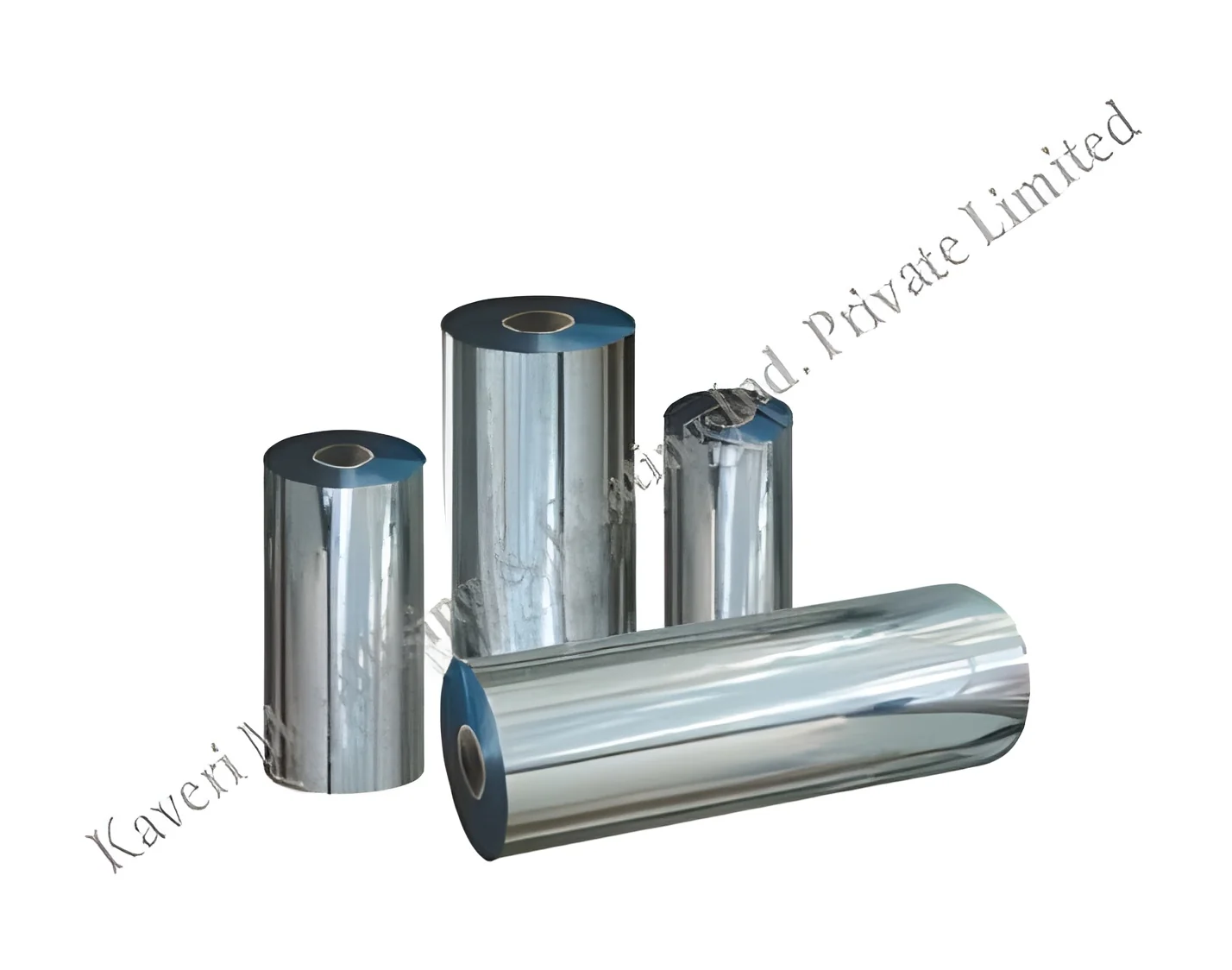
Rollstock Film: This variant is used for high-speed packaging machines, allowing for continuous production. Rollstock film is versatile and can be customized for various applications.
Retort Pouches: Designed for heat processing, retort pouches are used for ready-to-eat meals and require durability and barrier protection. They can withstand high temperatures during cooking.
Benefits and Advantages
Flexible packaging sample making offers numerous benefits that can enhance business operations and product appeal.
Key benefits include:
1. Cost-Effectiveness: Sample making helps businesses save costs by identifying design flaws before full production. This process reduces waste and optimizes resources.
2. Enhanced Consumer Appeal: Customizable designs and quality printing attract consumers, improving brand recognition and marketability.
3. Improved Product Protection: Flexible packaging offers superior barrier properties, ensuring products remain fresh and protected throughout their lifecycle.
4. Versatility: Flexible packaging can accommodate a wide range of products, making it suitable for various industries and applications.
5. Sustainability: Many flexible packaging options are eco-friendly, appealing to environmentally conscious consumers and meeting regulatory demands.
6. Quick Turnaround: The ability to create samples rapidly allows businesses to respond to market changes and consumer trends more efficiently.
Buying Guide for B2B Buyers
When sourcing flexible packaging sample making, several factors should be taken into account to ensure quality and reliability.
1. Quality Assessment: Evaluate the materials and construction of samples to ensure they meet industry standards. Consider factors such as durability, barrier properties, and safety compliance.
2. Supplier Verification: Conduct thorough research on potential suppliers. Verify their certifications, reputation, and production capabilities to ensure they can meet your requirements.
3. Pricing and MOQ: Understand the pricing structure and minimum order quantities set by suppliers. This information is vital for budgeting and planning your production needs.
4. Delivery and Lead Times: Discuss delivery schedules and lead times with suppliers. Timely delivery is crucial to maintaining production schedules and meeting market demand.
5. Compliance Requirements: Ensure that the packaging complies with relevant regulations and safety standards. This includes assessing certifications and adherence to quality benchmarks.
Compliance and Certifications
Compliance and certifications are essential in the flexible packaging industry, as they ensure safety, quality, and regulatory adherence.
Relevant quality standards such as ISO 9001 set the framework for effective quality management systems. Companies must implement processes that enhance product quality and customer satisfaction.
Additionally, HACCP (Hazard Analysis Critical Control Point) is crucial for industries like food and pharmaceuticals, as it identifies and mitigates risks associated with product safety.
Certifications like CE mark are significant in demonstrating conformity to European safety and health standards.
Moreover, safety and testing requirements are critical in ensuring that packaging materials do not compromise product integrity. Regular testing for durability and barrier properties is necessary.
Regional compliance considerations may vary, so it is essential for companies to stay updated on local regulations and industry standards across different markets.
Why Source Flexible Packaging Sample Making from Pepagora?
Pepagora provides a trusted platform for sourcing flexible packaging sample making, offering several key advantages that benefit B2B buyers.
Verified Supplier Network: Pepagora maintains a robust network of verified suppliers, ensuring that buyers have access to reliable partners. This verification process helps mitigate risks associated with sourcing.
Streamlined RFQ Process: The request for quotation (RFQ) process is designed to be efficient, allowing buyers to receive timely quotes from multiple suppliers. This system enhances decision-making and facilitates competitive pricing.
Trade Assurance and Support: Pepagora offers trade assurance and support to protect buyers throughout the sourcing process. This service provides peace of mind and ensures transaction security.
Regional Coverage: With a strong presence in India, the GCC, and Southeast Asia, Pepagora offers extensive regional coverage. This geographic reach allows buyers to connect with local suppliers while benefiting from global best practices.
By choosing Pepagora, businesses can streamline their sourcing process, access diverse product offerings, and ensure compliance with industry standards.

 IN
IN