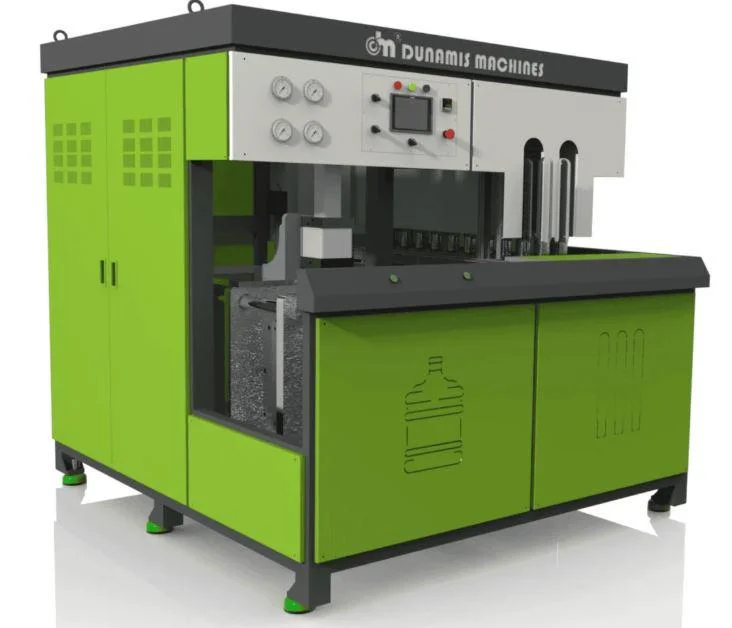
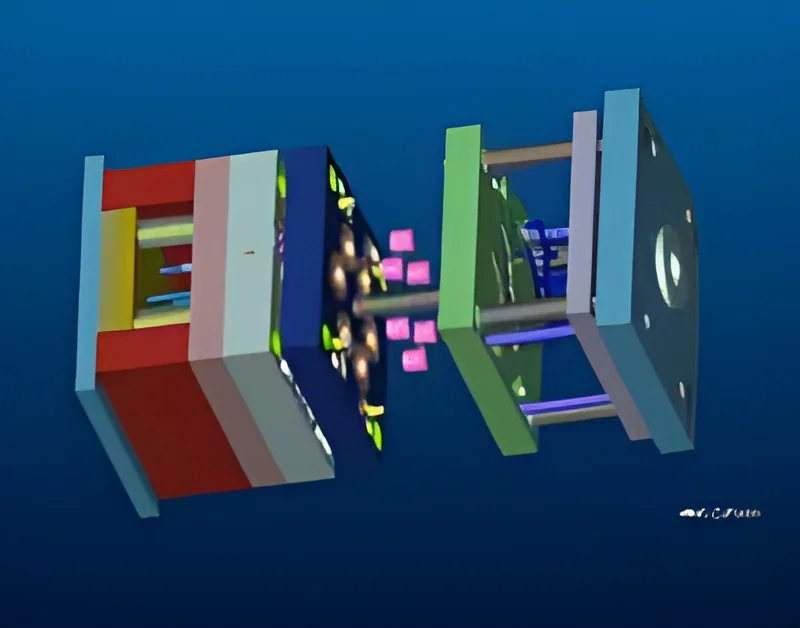
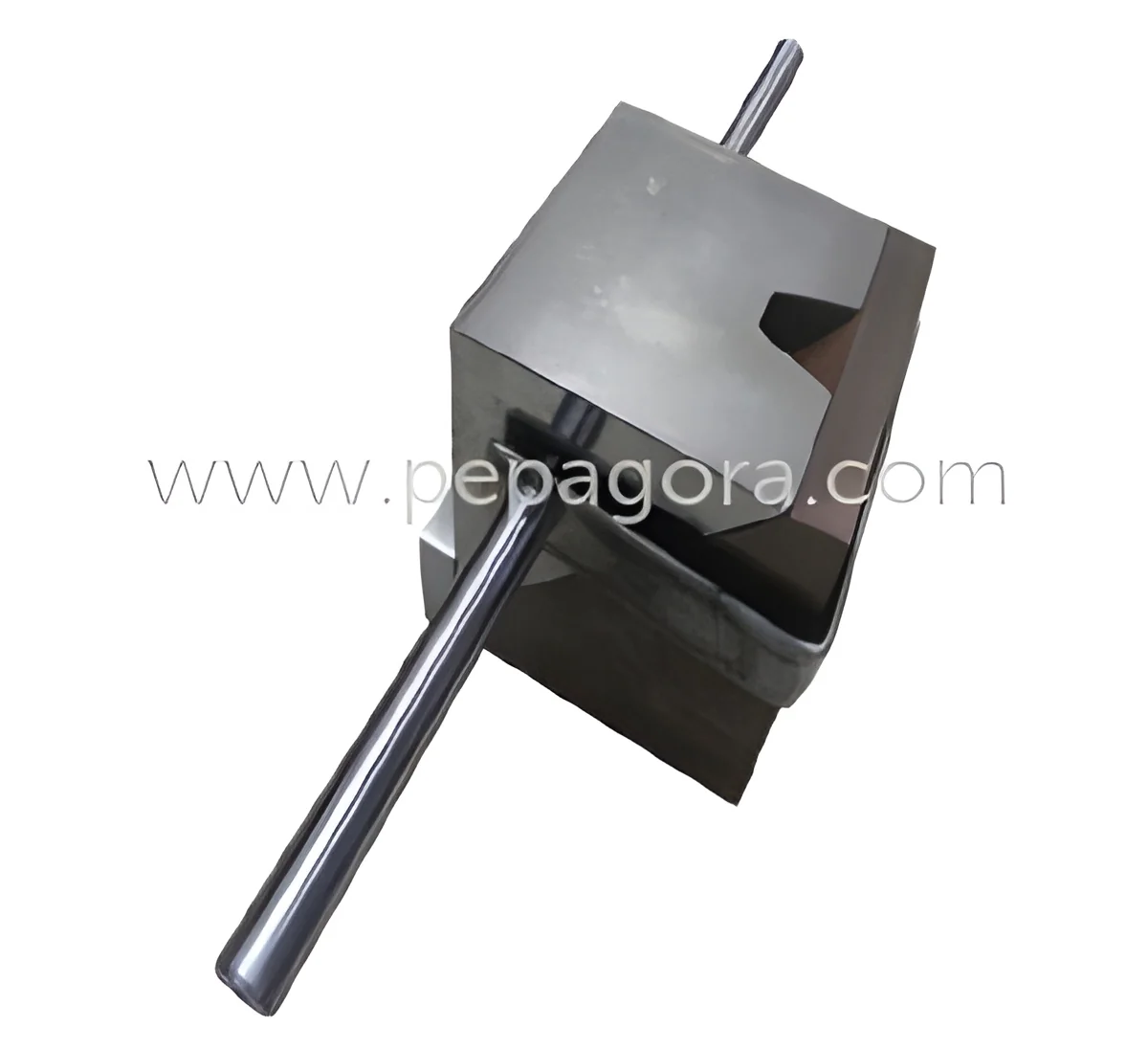
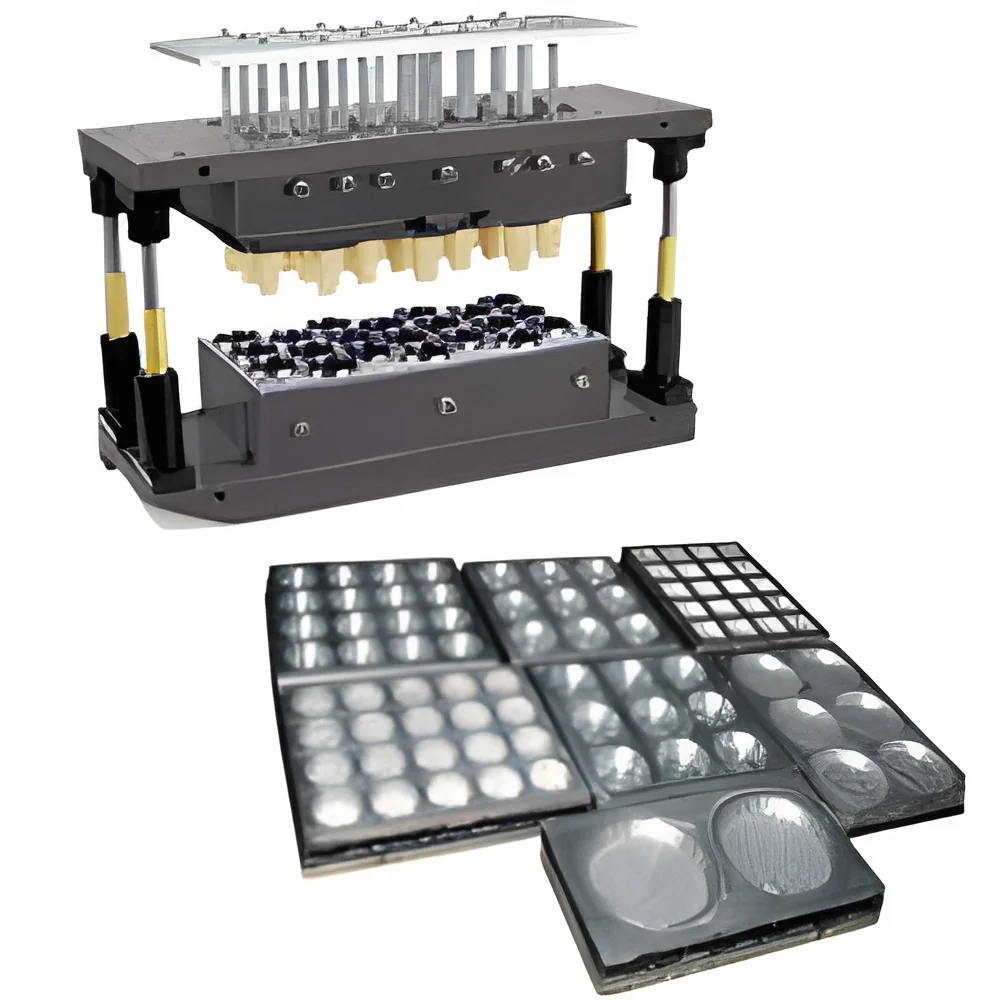
What are Prototype Mold Making for Packaging?
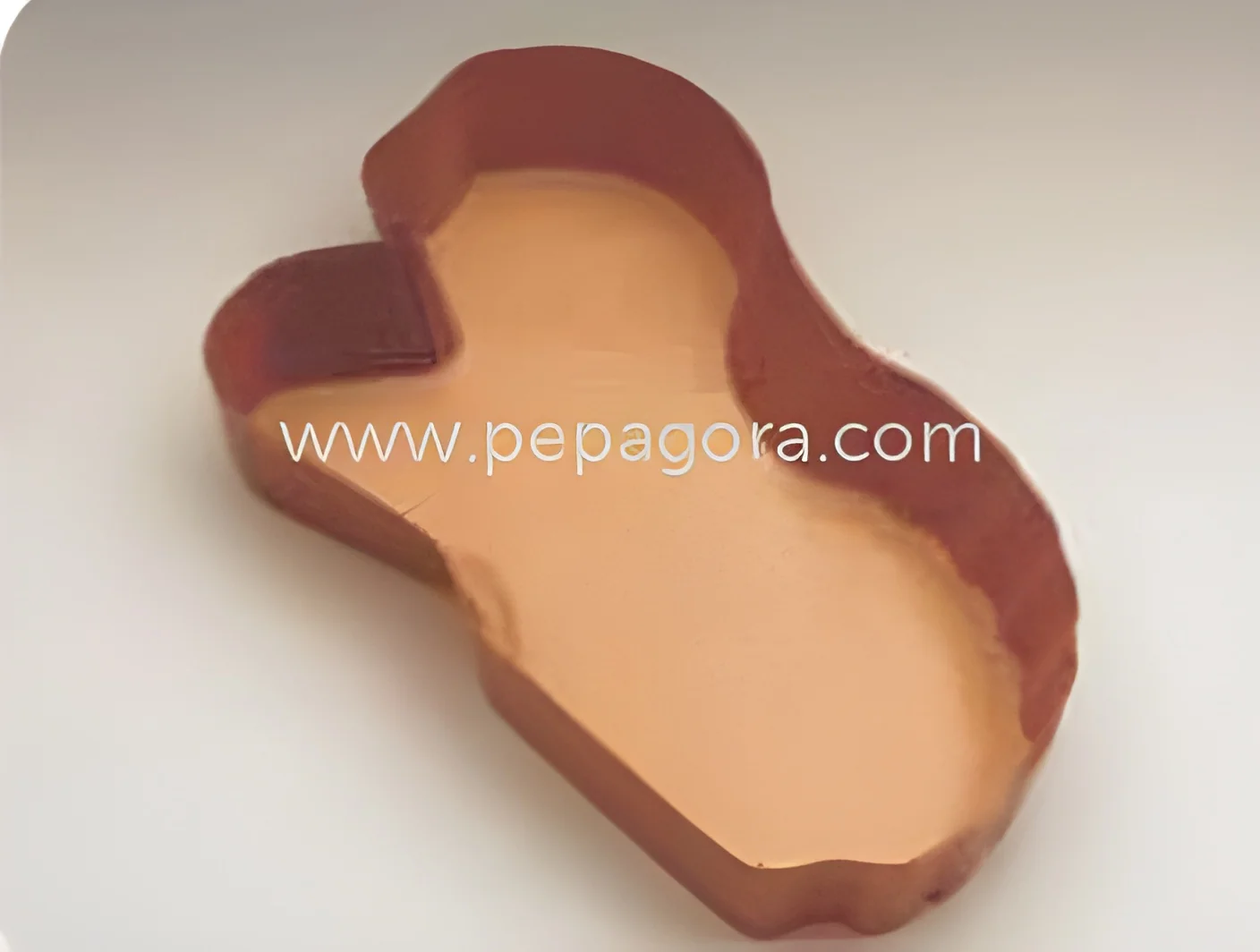
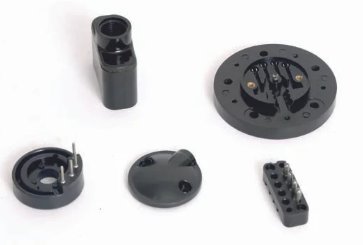
Prototype mold making for packaging is a specialized process used to create prototypes of packaging designs. This technique involves crafting molds that can be used to produce sample packaging products, allowing manufacturers to test and refine their designs before mass production. The prototype molds are typically made from materials like aluminum or steel, providing durability and accuracy in replication.
The primary application of prototype mold making is in the packaging industry, where companies need to develop innovative packaging solutions for various products. By using prototype molds, businesses can evaluate the functionality, aesthetics, and market appeal of their packaging designs. This process is crucial for reducing errors and ensuring that the final product meets consumer expectations. The relevance of this approach in today’s fast-paced market is significant, as it provides companies with a competitive edge through rapid prototyping and design iteration.
Key Features and Specifications
Prototype mold making for packaging involves several key features and specifications that enhance its effectiveness and usability. These specifications ensure that the molds meet industry standards and provide reliable performance during testing and production.
Key specifications include:
1. Material Type
- Commonly used materials include aluminum and steel.
- These materials provide durability and precision.
2. Mold Design Complexity
- Molds can be designed for simple or complex geometries.
- The design can accommodate various packaging shapes and sizes.
3. Tolerance Levels
- Molds are manufactured to strict tolerance levels.
- Typical tolerances range from 0.01 mm to 0.1 mm.
4. Surface Finish
- Molds can achieve different surface finishes as required.
- Finishes can range from matte to high-gloss.
5. Production Capacity
- Molds can be designed for low or high-volume production.
- This flexibility allows businesses to scale as needed.
6. Lead Time
- Prototype mold creation can have varying lead times based on complexity.
- Typical lead times can range from a few days to several weeks.
7. Testing Capabilities
- Molds can be designed for testing various packaging materials.
- This allows for evaluation of performance under different conditions.
8. Customization Options
- Many manufacturers offer customization based on specific requirements.
- This ensures that molds meet unique design needs.
In summary, understanding these specifications is vital for businesses looking to invest in prototype mold making for packaging, as it directly impacts product development and market readiness.
Common Applications and Use Cases
Prototype mold making for packaging serves various industries by providing essential support in product development and testing.
1. Food and Beverage: Packaging prototypes allow companies to test new designs for food containers, ensuring compliance with safety standards and consumer preferences.
2. Cosmetics and Personal Care: In this sector, prototype molds help brands create aesthetically appealing packaging that enhances product visibility and brand identity.
3. Pharmaceuticals: Prototype molds are critical for developing child-resistant and tamper-evident packaging solutions, ensuring safety and compliance with regulations.
4. Consumer Electronics: Packaging prototypes for electronics products are essential to protect items during shipping while also providing informative branding elements.
5. Household Goods: Companies can test packaging designs for household items, ensuring functionality and user-friendliness before launching products.
6. Automotive: Prototype molds are used for packaging automotive parts, ensuring that components are safely housed and presented during distribution.
7. E-commerce: With the rise of online shopping, prototype molds help develop packaging that is both protective and visually appealing for shipping directly to consumers.
Product Variants and Subcategories
There are various product variants within the realm of prototype mold making for packaging, each catering to different needs and applications.
Standard Prototype Molds
These molds are designed for general use across multiple industries. They provide a cost-effective solution for businesses looking to create packaging prototypes without specific customization.
Complex Prototype Molds
These molds are tailored for intricate designs and unique packaging requirements. They often feature advanced design elements and are used in industries where aesthetics and functionality are paramount.
Short-Run Prototype Molds
Designed for limited production runs, these molds allow companies to test market demand for packaging designs without committing to large-scale production. They are perfect for businesses exploring new product lines.
Benefits and Advantages
Engaging in prototype mold making for packaging offers numerous benefits to businesses seeking to enhance their product development processes.
Key benefits include:
1. Cost Efficiency: By identifying design flaws early in the process, businesses can save on production costs associated with changes made during mass production.
2. Time Savings: Rapid prototyping enables quicker turnaround times, allowing companies to bring products to market faster.
3. Improved Quality: Prototypes allow for thorough testing, ensuring that the final packaging meets quality standards and customer expectations.
4. Enhanced Innovation: The ability to experiment with different designs fosters creativity and innovation in packaging solutions.
5. Market Readiness: Testing prototypes helps ensure that packaging designs resonate with target audiences, increasing the likelihood of market success.
6. Compliance Assurance: Prototyping helps identify compliance issues early, allowing for adjustments before final production.
Buying Guide for B2B Buyers
When sourcing prototype mold making for packaging, several key factors should be considered to ensure a successful procurement process.
1. Quality Assessment: Evaluate the quality of molds by reviewing materials, craftsmanship, and past performance. Look for suppliers with a track record of producing high-quality prototypes.
2. Supplier Verification: Vet suppliers by checking their credentials, industry experience, and customer reviews. A reliable supplier will have a proven history of meeting deadlines and quality standards.
3. Pricing and MOQ: Understand the pricing structure and minimum order quantities. This information is crucial for budgeting and ensuring that the order aligns with production needs.
4. Delivery and Lead Times: Clarify delivery expectations and lead times. This will help manage project timelines and ensure that prototypes are available when needed.
5. Compliance Requirements: Verify that the supplier adheres to industry standards and regulations. This is particularly important for industries with strict compliance needs, such as food and pharmaceuticals.
Compliance and Certifications
Compliance and certifications are essential aspects of prototype mold making for packaging. Adhering to quality standards ensures that the products meet industry requirements and consumer safety expectations.
ISO 9001 is a widely recognized quality management standard that many manufacturers strive to achieve. This certification demonstrates a commitment to quality and continuous improvement in the production process.
HACCP (Hazard Analysis Critical Control Point) is crucial in industries such as food and beverage, where safety and hygiene are paramount. This approach identifies potential hazards in the production process and establishes control measures to mitigate risks.
CE marking indicates compliance with European health, safety, and environmental protection standards. This certification is important for packaging sold in European markets.
Safety and testing requirements vary by industry, and manufacturers must adhere to relevant guidelines to ensure product safety. This includes testing for durability, user safety, and functionality under various conditions.
Regional compliance considerations may also come into play, depending on the target market. Businesses must stay informed about local regulations to ensure that their packaging complies with all necessary standards.
Why Source Prototype Mold Making for Packaging from Pepagora?
Pepagora provides a trusted platform for sourcing prototype mold making for packaging with several key advantages that benefit B2B buyers.
Verified Supplier Network: Pepagora connects buyers with a network of verified suppliers. This ensures that businesses can partner with reputable manufacturers who meet high-quality standards.
Streamlined RFQ Process: The Request for Quotation process on Pepagora is designed to be efficient and user-friendly. Buyers can easily submit their requirements and receive competitive quotes from multiple suppliers.
Trade Assurance and Support: With trade assurance protections in place, buyers can have peace of mind knowing their transactions are secure. Pepagora also offers support throughout the procurement process to address any concerns.
Regional Coverage: Pepagora has a broad geographic reach, covering regions like India, the GCC, and Southeast Asia. This allows businesses to source products from manufacturers that are strategically located to meet their logistical needs.
By leveraging the advantages of Pepagora, businesses can enhance their sourcing strategy for prototype mold making, ultimately driving innovation and efficiency in their packaging development processes.

 IN
IN