𝗪𝗵𝗮𝘁 𝗮𝗿𝗲 𝟯𝗗 & 𝗖𝘂𝘀𝘁𝗼𝗺 𝗣𝗿𝗼𝘁𝗼𝘁𝘆𝗽𝗶𝗻𝗴 𝗳𝗼𝗿 𝗣𝗮𝗰𝗸𝗮𝗴𝗶𝗻𝗴?
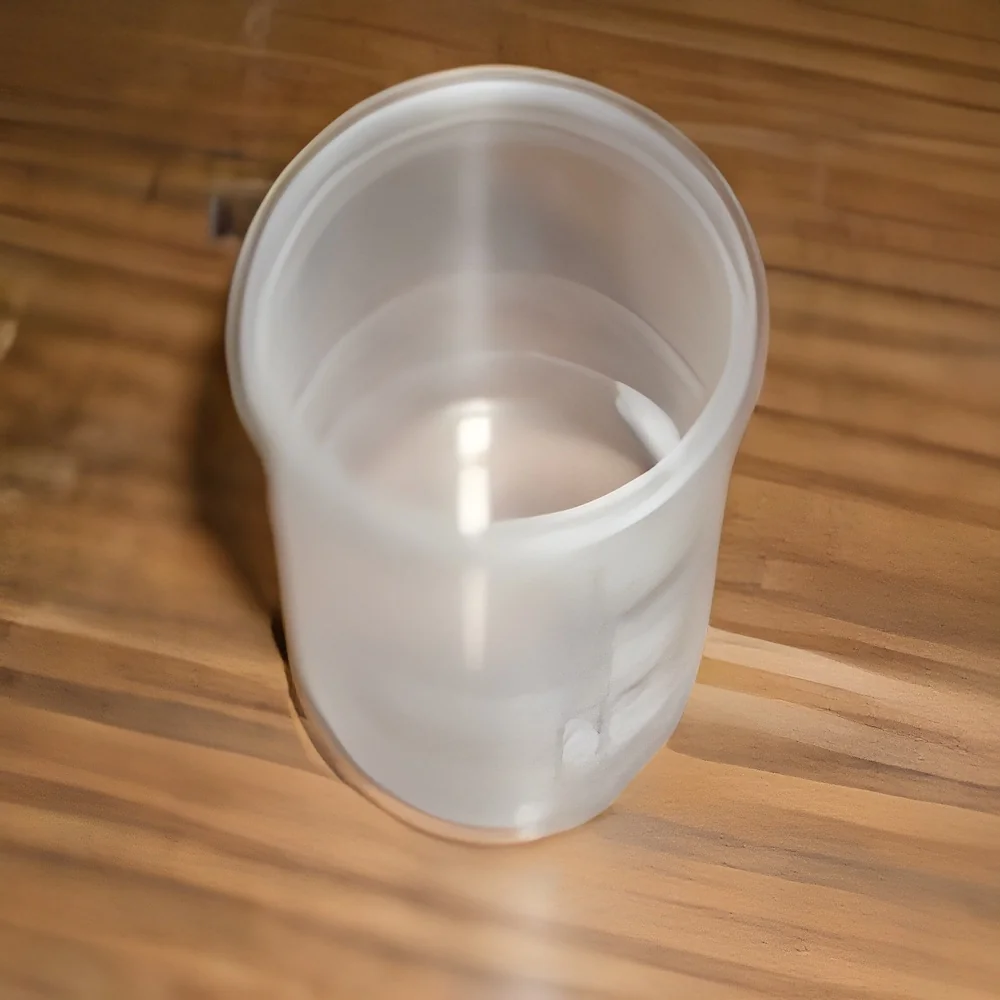
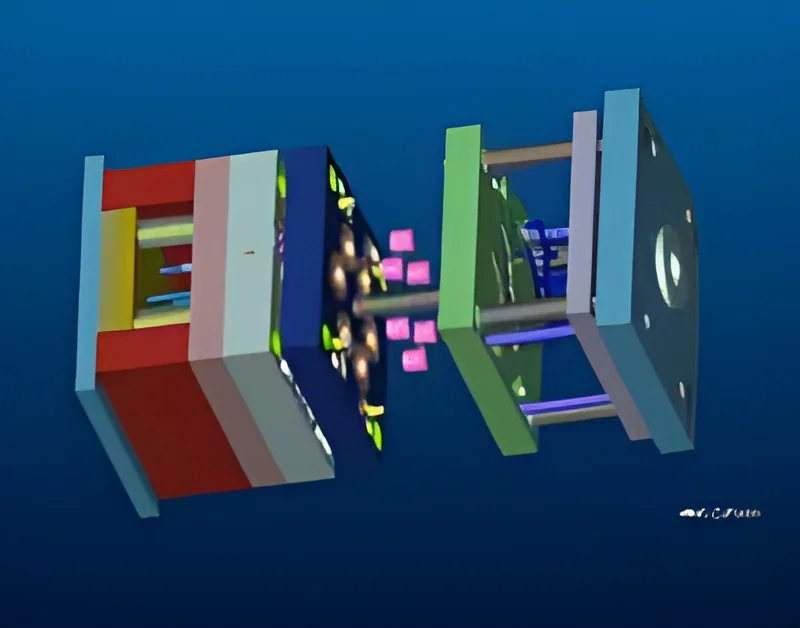
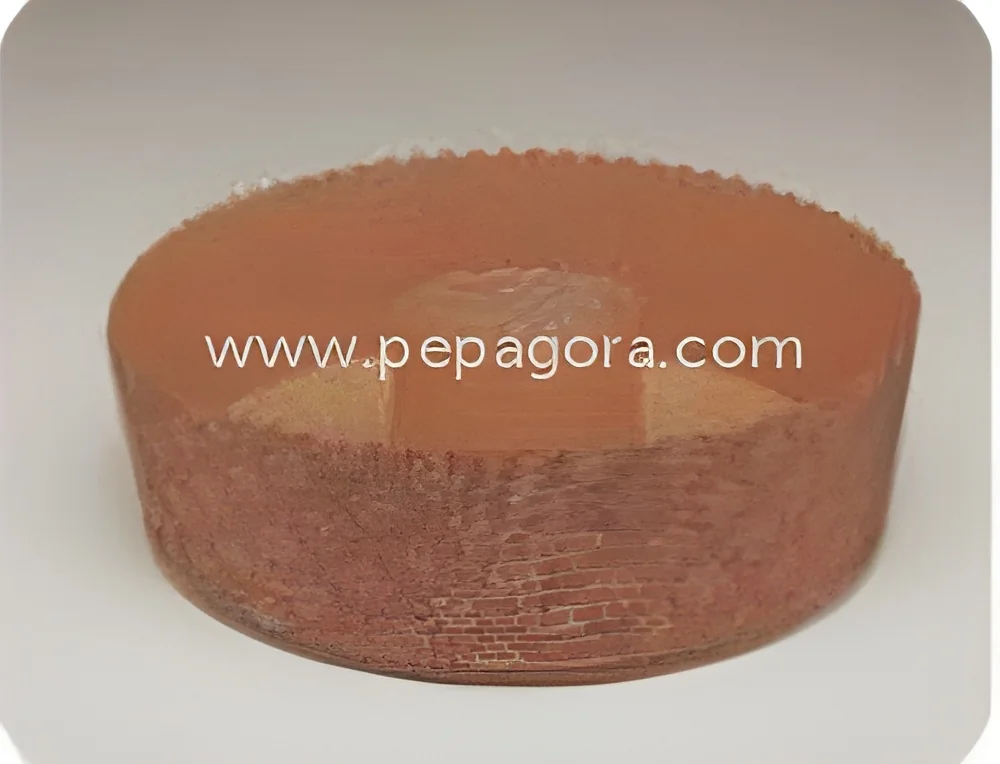
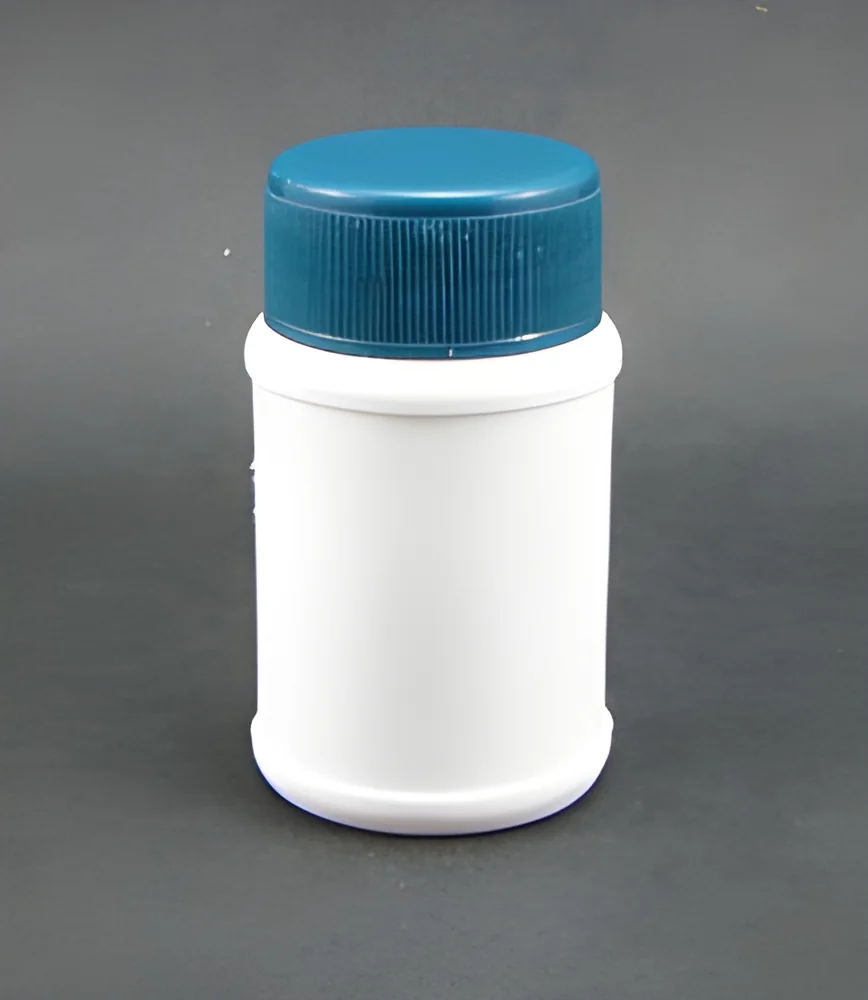
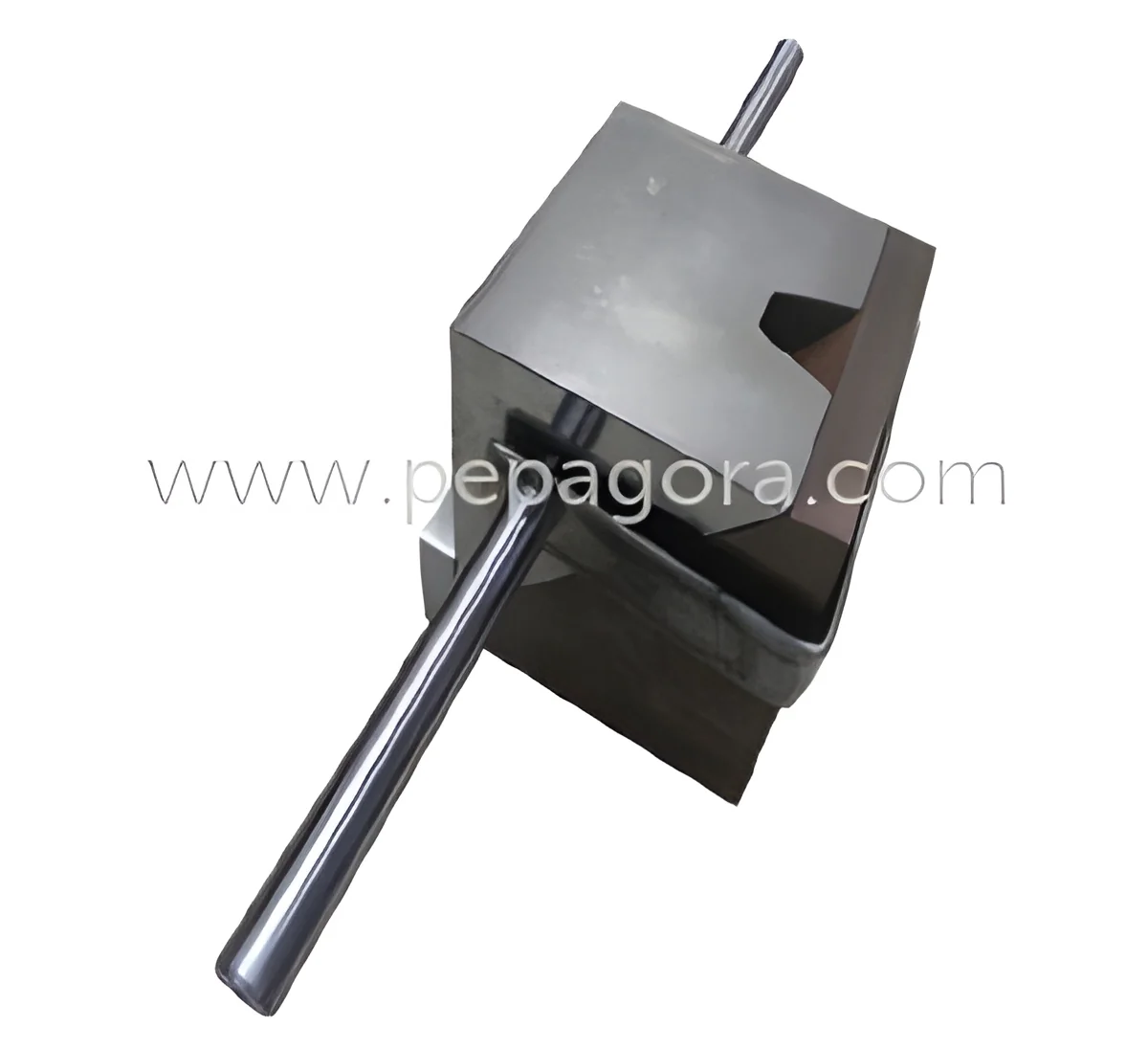
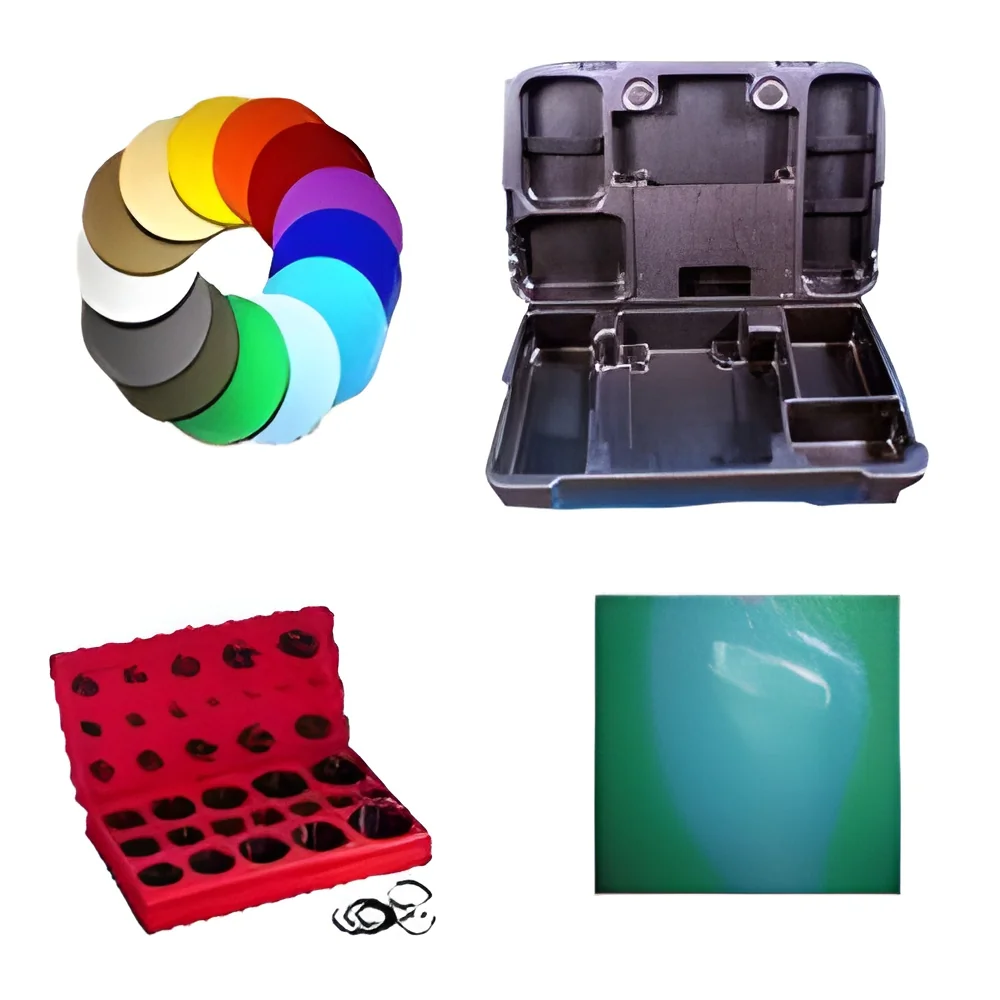
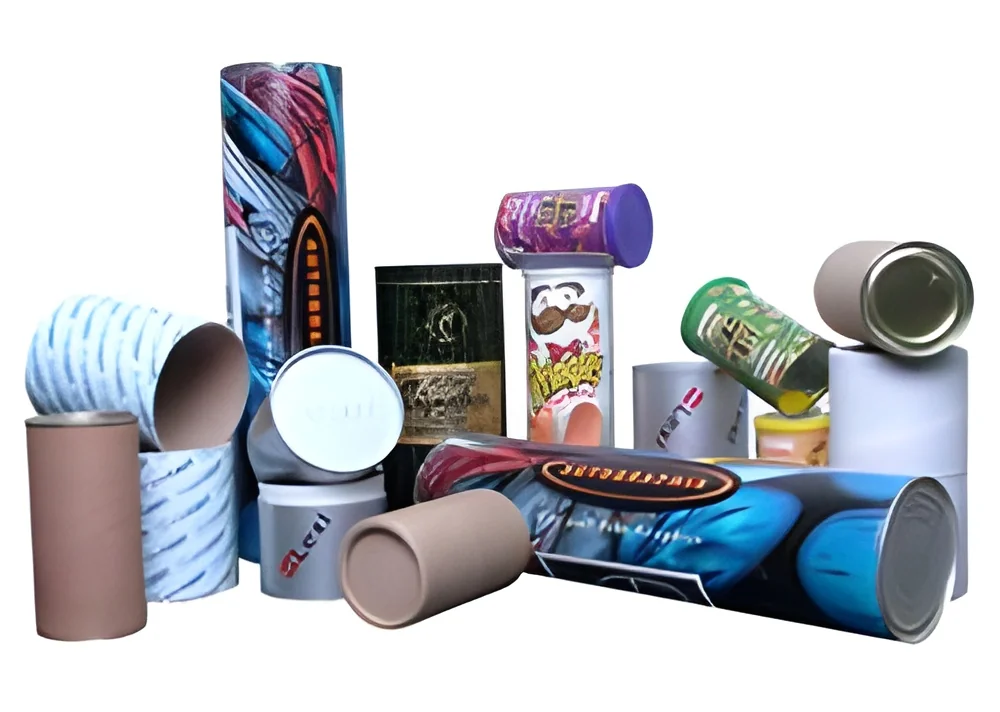
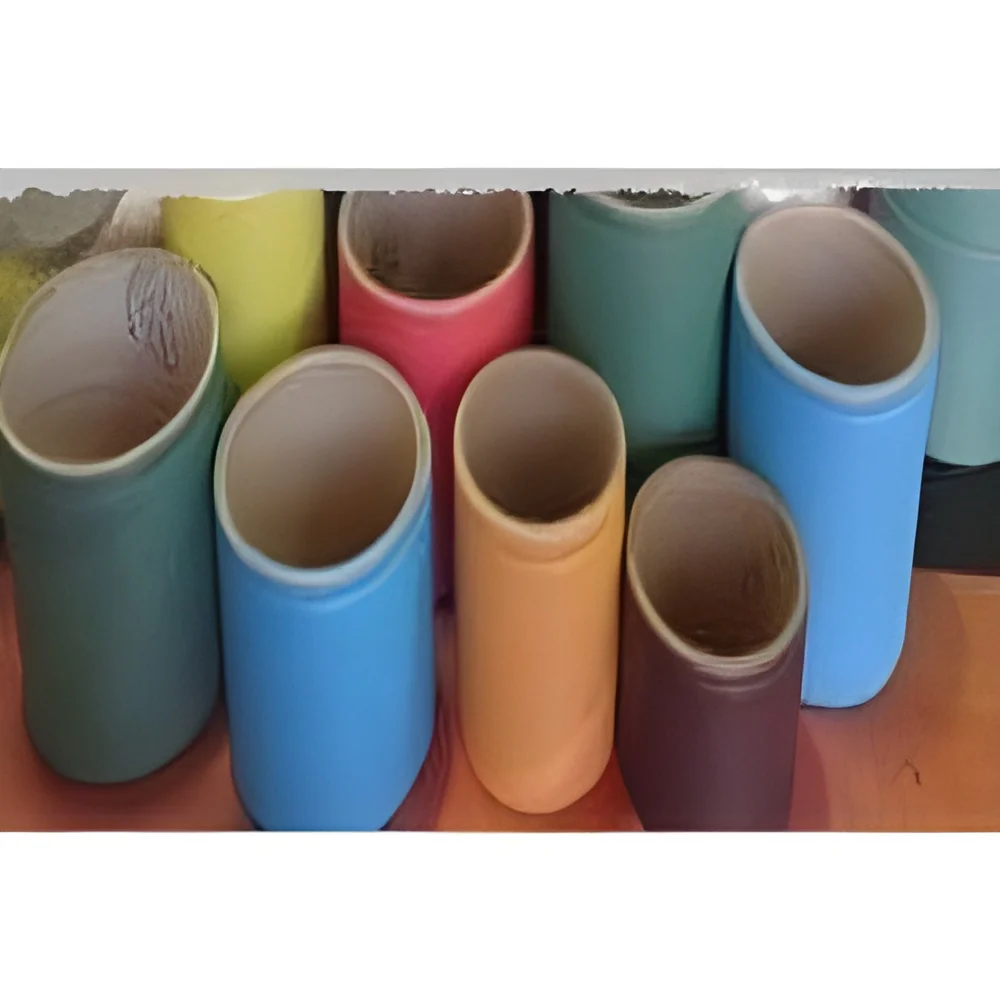
3D & Custom Prototyping for Packaging refers to the advanced techniques used to create physical models of packaging designs using three-dimensional printing and modeling technologies. This process allows businesses to visualize, test, and refine their packaging concepts before mass production. By utilizing 3D printing and custom prototyping services, companies can achieve accurate representations of their packaging, ensuring that aesthetic and functional requirements are met.
The primary uses of 3D & Custom Prototyping for Packaging include product validation, design optimization, and marketing presentations. Businesses can quickly create prototypes to test the fit and functionality of packaging for various products, reducing time and costs associated with traditional prototyping methods. This service is particularly valuable in industries such as consumer goods, pharmaceuticals, and electronics, where packaging plays a crucial role in product protection and market appeal.
In the current market context, 3D & Custom Prototyping for Packaging is increasingly relevant. As competition intensifies, businesses are seeking innovative ways to differentiate their products. The ability to rapidly prototype and iterate packaging designs fosters creativity and accelerates time-to-market, giving companies a significant advantage in their respective industries.
𝗞𝗲𝘆 𝗙𝗲𝗮𝘁𝘂𝗿𝗲𝘀 𝗮𝗻𝗱 𝗦𝗽𝗲𝗰𝗶𝗳𝗶𝗰𝗮𝘁𝗶𝗼𝗻𝘀
3D & Custom Prototyping for Packaging offers several key features that enhance its functionality and applicability across various industries. These features are designed to meet the diverse needs of businesses looking to optimize their packaging processes.
Key specifications include:
1. Material Versatility
- Supports a wide range of materials including plastics, resins, and biodegradable options
- Enables customization based on specific project requirements
2. High Precision
- Achieves detailed and accurate prototypes with intricate designs
- Maintains consistent quality across multiple prototypes
3. Rapid Production
- Significantly reduces lead times compared to traditional methods
- Allows for quick iteration and modification of designs
4. Scalability
- Facilitates both small batch and large volume production
- Adapts to varying project scales seamlessly
5. Cost Efficiency
- Minimizes costs associated with tooling and setup
- Reduces waste through precise material usage
6. Design Flexibility
- Supports complex geometries and innovative designs
- Allows for easy adjustments based on testing feedback
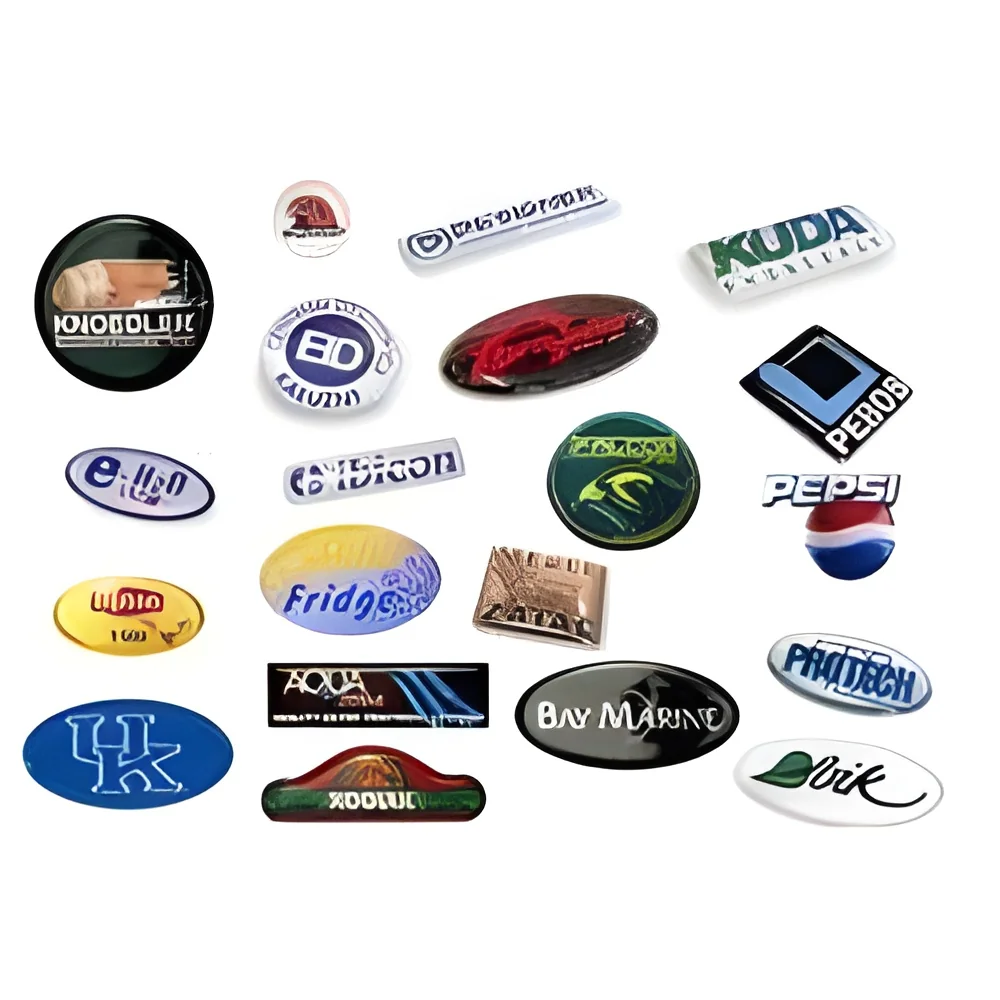
7. Surface Finish Options
- Provides multiple finishing choices to enhance aesthetic appeal
- Ensures prototypes reflect the final product's look and feel
8. Integration with CAD Software
- Offers compatibility with popular design software for seamless workflow
- Simplifies the transition from digital design to physical prototype
These features position 3D & Custom Prototyping as a powerful tool for businesses seeking to innovate and streamline their packaging processes.
𝗖𝗼𝗺𝗺𝗼𝗻 𝗔𝗽𝗽𝗹𝗶𝗰𝗮𝘁𝗶𝗼𝗻𝘀 𝗮𝗻𝗱 𝗨𝘀𝗲 𝗖𝗮𝘀𝗲𝘀
3D & Custom Prototyping for Packaging is utilized across a variety of industries, each benefiting from its unique capabilities.
1. Consumer Goods: Companies in this sector use prototyping to create eye-catching packaging that enhances product visibility on retail shelves while ensuring functionality and protection.
2. Pharmaceuticals: Packaging prototypes are crucial for ensuring compliance with safety regulations and providing secure containment for sensitive medications.
3. Electronics: Tech companies rely on prototypes to design packaging that not only protects delicate components but also showcases product features.
4. Food and Beverage: Prototyping helps businesses develop packaging that maintains product freshness and meets regulatory standards while appealing to consumers.
5. Cosmetics: The beauty industry uses custom prototypes to create luxurious packaging that reflects brand identity and attracts customers.
6. Automotive: Manufacturers develop prototypes for packaging components, ensuring they fit seamlessly and protect parts during transit.
7. E-commerce: Online retailers utilize packaging prototypes to enhance unboxing experiences, ensuring products arrive safely and securely.
𝗣𝗿𝗼𝗱𝘂𝗰𝘁 𝗩𝗮𝗿𝗶𝗮𝗻𝘁𝘀 𝗮𝗻𝗱 𝗦𝘂𝗯𝗰𝗮𝘁𝗲𝗴𝗼𝗿𝗶𝗲𝘀
3D & Custom Prototyping for Packaging encompasses a range of variants tailored to meet specific needs and preferences.
Standard Prototypes
These prototypes are designed for quick production and are ideal for initial testing and design validation. They provide a basic representation of the packaging without extensive detailing.
High-Fidelity Prototypes
These variants offer a more polished and detailed representation of the final packaging. They are suitable for marketing presentations and stakeholder approvals, showcasing both design elements and functionality.
Functional Prototypes
These prototypes are built to test the real-world performance of packaging designs. They focus on aspects such as durability, sealing, and usability, ensuring that all practical requirements are met.
𝗕𝗲𝗻𝗲𝗳𝗶𝘁𝘀 𝗮𝗻𝗱 𝗔𝗱𝘃𝗮𝗻𝘁𝗮𝗴𝗲𝘀
Investing in 3D & Custom Prototyping for Packaging provides numerous benefits that contribute to business efficiency and product success.
Key benefits include:
1. Improved Design Accuracy: Prototyping allows for precise evaluation of packaging designs, reducing the risk of costly errors.
2. Faster Time-to-Market: Rapid prototyping accelerates the development process, enabling quicker product launches.
3. Enhanced Collaboration: Prototypes facilitate better communication among teams, allowing for shared understanding and feedback.
4. Cost Savings: Reduced material waste and lower production costs lead to significant savings for businesses.
5. Increased Innovation: The flexibility of prototyping encourages creative design solutions and experimentation.
6. Market Readiness: Prototypes help ensure that packaging meets consumer expectations and regulatory requirements, enhancing market acceptance.
𝗕𝘂𝘆𝗶𝗻𝗴 𝗚𝘂𝗶𝗱𝗲 𝗳𝗼𝗿 𝗕𝟮𝗕 𝗕𝘂𝘆𝗲𝗿𝘀
When sourcing 3D & Custom Prototyping for Packaging, it is important for B2B buyers to consider several key factors to ensure a successful procurement process.
1. Quality Assessment: Evaluate the quality of prototypes by reviewing previous work samples and client testimonials. Look for adherence to industry standards and specifications.
2. Supplier Verification: Research potential suppliers thoroughly. Check their credentials, certifications, and client references to confirm reliability and expertise.
3. Pricing and MOQ: Understand the pricing structure and minimum order quantities. Compare multiple suppliers to find competitive rates without compromising quality.
4. Delivery and Lead Times: Confirm delivery timelines to ensure that prototyping services align with project deadlines. Discuss logistics and potential delays upfront.
5. Compliance Requirements: Verify that the selected supplier adheres to relevant compliance standards and regulations specific to your industry, such as safety and environmental considerations.
𝗖𝗼𝗺𝗽𝗹𝗶𝗮𝗻𝗰𝗲 𝗮𝗻𝗱 𝗖𝗲𝗿𝘁𝗶𝗳𝗶𝗰𝗮𝘁𝗶𝗼𝗻𝘀
Compliance and certifications play a crucial role in ensuring the quality and safety of 3D & Custom Prototyping for Packaging. Relevant quality standards such as ISO 9001 ensure that suppliers maintain high levels of quality management throughout their processes.
Additionally, certifications like CE indicate that products meet European safety and health requirements. Compliance with safety and testing standards is essential, especially in regulated industries like pharmaceuticals and food packaging.
Regional considerations may also impact compliance. Buyers should be aware of local regulations that affect packaging materials and production methods, ensuring that prototypes meet all necessary legal requirements.
𝗪𝗵𝘆 𝗦𝗼𝘂𝗿𝗰𝗲 𝟯𝗗 & 𝗖𝘂𝘀𝘁𝗼𝗺 𝗣𝗿𝗼𝘁𝗼𝘁𝘆𝗽𝗶𝗻𝗴 𝗳𝗼𝗿 𝗣𝗮𝗰𝗸𝗮𝗴𝗶𝗻𝗴 𝗳𝗿𝗼𝗺 𝗣𝗲𝗽𝗮𝗴𝗼𝗿𝗮?
Pepagora provides a trusted platform for sourcing 3D & Custom Prototyping for Packaging, offering several key advantages to B2B buyers.
Verified Supplier Network: Pepagora connects buyers with a network of thoroughly vetted suppliers. Each supplier undergoes a rigorous verification process, ensuring quality and reliability.
Streamlined RFQ Process: The platform features an efficient Request for Quotation (RFQ) system, allowing buyers to easily request quotes from multiple suppliers. This simplifies the procurement process and fosters competitive pricing.
Trade Assurance and Support: Pepagora prioritizes buyer protection through trade assurance measures. The platform offers support throughout the purchasing journey, ensuring that buyers feel secure in their transactions.
Regional Coverage: With a strong presence in India, the GCC, and Southeast Asia, Pepagora provides extensive regional coverage, ensuring access to a diverse range of suppliers and services tailored to local markets.

 IN
IN