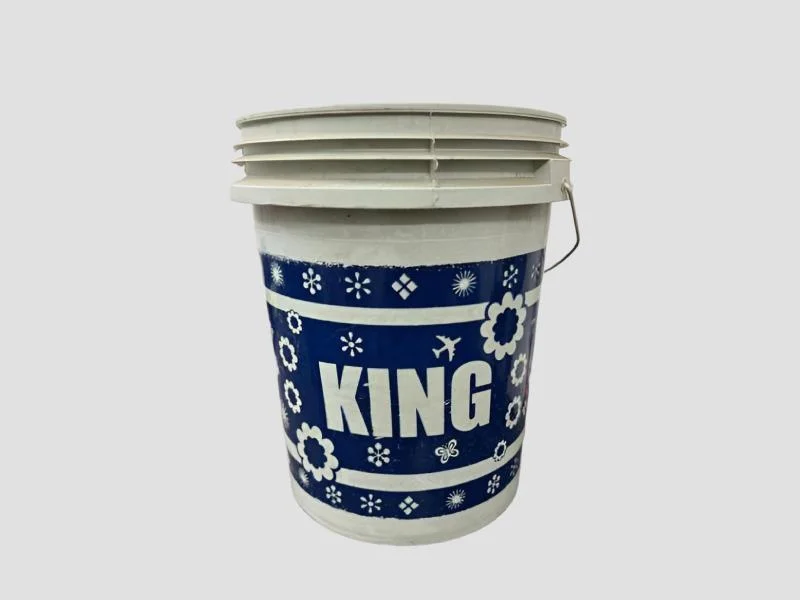
What are Plastic Container Prototypes?
Plastic container prototypes are preliminary versions of containers designed for various industrial applications. These prototypes are created to test design concepts, material choices, and functionality before mass production. They serve as a critical step in product development, allowing businesses to evaluate the effectiveness of a container's design and usability. By utilizing advanced manufacturing techniques, companies can refine their product specifications and ensure they meet the intended use requirements.
The primary uses of plastic container prototypes include packaging, storage, and transportation of goods across multiple industries. Businesses often employ these prototypes to assess how well a container protects its contents, facilitates user handling, and meets regulatory standards. Additionally, prototypes can be customized to suit specific needs, ensuring that they align with branding and product specifications. In the context of the market, plastic container prototypes are relevant due to the increasing demand for sustainable packaging solutions and the need for efficient logistics in supply chain management.
Key Features and Specifications
Plastic container prototypes come with several key features that distinguish them in the market. These features are essential for businesses looking to optimize their product offerings and streamline their operations.
Key specifications include:
1. Material Composition
- Typically made from various types of plastics such as PET, HDPE, or polypropylene.
- Offers different levels of durability and chemical resistance.
2. Size Variability
- Available in a range of sizes, from small containers for samples to large bulk containers.
- Custom sizes can be created based on specific customer requirements.
3. Weight Capacity
- Designed to support varying weight loads depending on the application.
- Specifications often indicate maximum load-bearing limits.
4. Closure Mechanisms
- Options include screw caps, snap-on lids, or hinged covers.
- Each mechanism provides different levels of sealing and accessibility.
5. Surface Finish
- Can be produced with smooth or textured finishes depending on aesthetic and functional needs.
- Surface finishes can also impact branding and labeling.
6. Temperature Resistance
- Some prototypes can withstand specific temperature ranges, making them suitable for various environments.
- Important for applications involving food or chemical storage.
7. Compliance with Standards
- Many prototypes are designed to meet industry standards such as CE marking.
- Ensures safety and regulatory compliance for specific uses.
8. Customization Options
- Offers the possibility to tailor designs, colors, and branding elements.
- Enhances product visibility and differentiation in the market.
In summary, understanding the key features and specifications of plastic container prototypes is crucial for businesses aiming to succeed in their product development efforts and meet market demands effectively.
Common Applications and Use Cases
Plastic container prototypes are utilized across a wide array of industries due to their adaptability and functionality.
1. Food and Beverage Industry: Prototypes are commonly used for packaging and transporting food products, ensuring safety and compliance with health regulations.
2. Pharmaceuticals: These prototypes help in the safe storage and dispensing of medications, adhering to strict regulatory standards.
3. Chemical Manufacturing: Prototypes serve as containers for hazardous materials, requiring special designs to ensure safety and compliance.
4. Retail and Consumer Goods: Used for packaging retail products, prototypes allow brands to test design concepts before full-scale production.
5. Logistics and Transportation: Prototypes are essential for optimizing packaging solutions that enhance efficiency in shipping and handling.
6. Electronics: Used for packaging electronic components, prototypes ensure protection from physical damage during transportation.
7. Agriculture: Prototypes may be used for storing seeds or fertilizers, tailored to withstand environmental impacts.
Product Variants and Subcategories
Plastic container prototypes exhibit a range of diversity in their design and application, catering to various needs across industries.
Standard Container Prototypes
These are the most common type, designed for general use in packaging and storage. They are versatile and can be customized for specific applications.
Heavy-Duty Container Prototypes
Engineered for robust applications, these prototypes are made from thicker plastic to withstand heavier loads and harsher conditions. They are ideal for industrial use.
Specialty Container Prototypes
Designed for specific applications, these prototypes may include features such as UV protection or specialized sealing mechanisms for unique products. They serve niche markets requiring tailored solutions.
Custom Molded Prototypes
These prototypes are created from custom molds to meet specific customer requirements. They allow for unique shapes and sizes that standard containers cannot fulfill.
Benefits and Advantages
Sourcing plastic container prototypes provides several strategic advantages for businesses.
1. Cost Efficiency: Developing prototypes helps identify potential issues early, reducing costs associated with mass production errors.
2. Enhanced Product Testing: With prototypes, businesses can conduct rigorous testing to ensure the final product meets quality and performance standards.
3. Improved Customization: Prototyping allows for tailored designs that align with specific branding and functional requirements, enhancing market appeal.
4. Speed to Market: Rapid prototyping techniques enable quicker turnaround times, allowing businesses to launch products faster.
5. Risk Mitigation: Testing prototypes helps mitigate risks associated with product failures, ensuring safer and more reliable products.
6. Market Validation: Prototypes provide an opportunity to gather feedback from stakeholders, validating product ideas before full-scale production.
Buying Guide for B2B Buyers
When sourcing plastic container prototypes, businesses should carefully consider several critical factors to ensure they make informed decisions.
1. Quality Assessment: Evaluate the quality of materials and construction of the prototypes. Look for evidence of testing and compliance with relevant standards to ensure reliability.
2. Supplier Verification: Conduct thorough vetting of suppliers by checking their credentials, certifications, and past performance to ensure they can deliver quality products.
3. Pricing and MOQ: Understand the pricing structure and minimum order quantities. Comparing quotes from multiple suppliers can help identify the best value for investment.
4. Delivery and Lead Times: Confirm the supplier's ability to meet delivery schedules and lead times, which are crucial for maintaining production timelines.
5. Compliance Requirements: Ensure that the prototypes meet all necessary regulatory requirements for the intended application, including safety and environmental standards.
Compliance and Certifications
Compliance with industry standards and certifications is vital for plastic container prototypes. Relevant quality standards include ISO 9001, which ensures consistent quality management systems. In addition, HACCP (Hazard Analysis Critical Control Point) is crucial in food-related applications, ensuring safety throughout the production process.
Industry certifications such as CE mark signify compliance with European health, safety, and environmental protection standards. Safety and testing requirements must also be met to ensure that prototypes can withstand intended usage conditions without failure.
Regional compliance considerations may vary, with each region having its own regulatory framework. Understanding these requirements is essential for businesses aiming to market their prototypes across different jurisdictions.
Why Source Plastic Container Prototypes from Pepagora?
Pepagora offers a trusted platform for sourcing plastic container prototypes, providing several key advantages for businesses.
Verified Supplier Network: Pepagora has established a robust network of verified suppliers, ensuring that buyers can find reputable manufacturers who meet quality standards.
Streamlined RFQ Process: The platform simplifies the request for quotation process, allowing buyers to easily compare offers from multiple suppliers, thus facilitating smarter purchasing decisions.
Trade Assurance and Support: Pepagora provides trade assurance and buyer protection services, giving businesses confidence in their transactions and fostering a secure trading environment.
Regional Coverage: With a focus on India, the GCC, and Southeast Asia, Pepagora ensures that businesses can access a wide range of suppliers and products tailored to regional market needs.

 IN
IN