What are Folding Carton Prototypes?
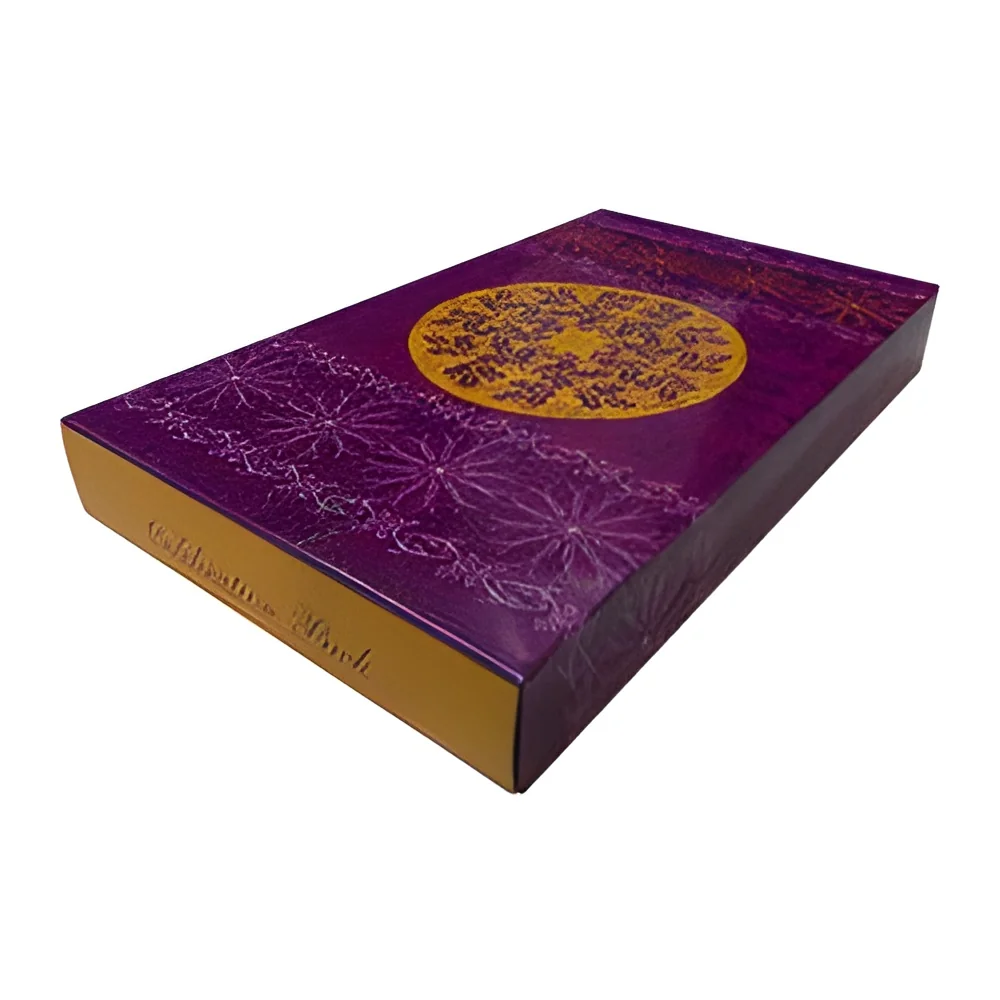
Folding carton prototypes are pre-production samples made from paperboard that are designed to create packaging solutions for various products. These prototypes allow businesses to visualize and test packaging concepts before mass production. They serve as a critical step in the design and development phase, ensuring that the packaging meets both aesthetic and functional requirements.
These prototypes are primarily used in packaging design across multiple industries such as food and beverage, pharmaceuticals, cosmetics, and consumer electronics. By creating a physical representation of the proposed packaging, businesses can assess its fit, structural integrity, and visual appeal. This process enables companies to make informed decisions about design adjustments, material choices, and branding strategies before committing to large-scale manufacturing.
In the current market context, the demand for folding carton prototypes is driven by the increasing need for custom packaging solutions. As businesses seek to differentiate their products in a competitive marketplace, the ability to prototype packaging efficiently has become essential. The rise of e-commerce has further amplified this trend, as brands aim to create packaging that enhances the unboxing experience for consumers.
Key Features and Specifications
Folding carton prototypes come with a variety of features that cater to the specific needs of different industries. Understanding these specifications is critical for businesses looking to adopt effective packaging solutions.
Key specifications include:
1. Material Type
- Typically made from paperboard or cardboard
- Offers versatility in design and printing
2. Print Quality
- High-resolution printing capabilities
- Supports various finishes such as gloss, matte, or UV coating
3. Structural Design
- Customizable shapes and sizes
- Options for die-cutting and folding patterns
4. Eco-Friendliness
- Options for recyclable and biodegradable materials
- Compliance with sustainability standards
5. Prototyping Methods
- Digital printing for quick turnarounds
- Traditional offset printing for high-volume runs
6. Cost Efficiency
- Lower costs for small production runs
- Reduced waste compared to full production
7. Lead Time
- Quick turnaround from design to prototype
- Typically ranges from a few days to a week
8. Customization Options
- Ability to incorporate logos and branding elements
- Options for unique finishes and textures
Folding carton prototypes enable businesses to streamline their packaging development process, facilitating better communication and decision-making.
Common Applications and Use Cases
Folding carton prototypes find applications across a range of industries, each with unique requirements.
1. Food and Beverage: Prototypes are used for designing food packaging that must meet safety standards while appealing visually to consumers.
2. Pharmaceuticals: These prototypes help ensure that packaging complies with regulatory requirements, providing safety and information for medical products.
3. Cosmetics: In the cosmetics industry, folding carton prototypes are essential for testing packaging aesthetics and functionality, which can impact consumer purchase decisions.
4. Consumer Electronics: Prototypes are used to create packaging that protects delicate items while also providing an attractive display for retail environments.
5. Retail Products: Many consumer goods leverage folding carton prototypes to enhance brand recognition and improve shelf appeal.
6. E-commerce: As online shopping grows, prototypes are tailored to ensure safe transit and an impressive unboxing experience.
7. Promotional Items: Brands use prototypes for limited-time offers to test market response before full-scale production.
Product Variants and Subcategories
Folding carton prototypes offer a diverse range of options tailored to meet specific business needs.
Standard Folding Cartons
These are the most common type used across various industries. They can be designed in different shapes and sizes, allowing for versatility in product packaging.
Rigid Folding Cartons
This variant provides a sturdier structure, ideal for high-value items that require extra protection. They are often used in luxury goods and cosmetics packaging.
Windowed Folding Cartons
These prototypes feature transparent sections that allow consumers to see the product inside. They are popular in the food and beverage sector for showcasing items.
Die-Cut Folding Cartons
These cartons allow for unique shapes and designs that can enhance shelf appeal. They offer customization opportunities for branding and product differentiation.
Benefits and Advantages
Folding carton prototypes provide numerous advantages for businesses looking to optimize their packaging solutions.
Key benefits include:
1. Cost Savings: By using prototypes, businesses can minimize costs associated with material waste in the production process.
2. Design Validation: Prototyping allows companies to test packaging designs for functionality and market appeal before committing to mass production.
3. Quick Turnaround: The prototyping process is usually fast, allowing businesses to bring products to market more efficiently.
4. Improved Communication: Physical prototypes facilitate better collaboration among design, marketing, and production teams, leading to more cohesive outcomes.
5. Enhanced Customer Experience: Well-designed packaging prototypes can lead to a better unboxing experience, enhancing customer satisfaction.
6. Flexibility: Prototypes can be easily modified based on feedback, allowing for agile adaptations to meet market demands.
Buying Guide for B2B Buyers
When sourcing folding carton prototypes, businesses should consider various factors to ensure they make informed purchasing decisions.
1. Quality Assessment: It is important to evaluate the materials used in prototypes to ensure durability and compliance with industry standards.
2. Supplier Verification: Businesses should vet potential suppliers by reviewing their credentials, certifications, and past client testimonials.
3. Pricing and MOQ: Understanding the cost structure and minimum order quantities is crucial for budgeting and planning production runs.
4. Delivery and Lead Times: Companies should inquire about delivery schedules and lead times to align with their production timelines.
5. Compliance Requirements: It is essential to confirm that the prototypes meet relevant safety and regulatory standards specific to each industry.
Compliance and Certifications
Folding carton prototypes must adhere to various quality standards and certifications to ensure safety and effectiveness in their applications.
Relevant quality standards such as ISO 9001 ensure that manufacturers maintain high levels of quality management throughout the production process. This certification is crucial for businesses that require consistency in their packaging solutions.
HACCP (Hazard Analysis Critical Control Point) is particularly important in the food industry, ensuring that packaging materials do not pose any risk to food safety. Adhering to this standard enhances consumer trust in food products.
The CE mark is another important certification that may be relevant for products sold in Europe. This certification indicates compliance with European health, safety, and environmental protection standards.
Additionally, businesses must be aware of regional compliance considerations, as different markets may have specific packaging and labeling regulations that must be followed.
Why Source Folding Carton Prototypes from Pepagora?
Pepagora provides a trusted platform for sourcing folding carton prototypes, offering several key advantages for B2B buyers.
Verified Supplier Network: Pepagora connects businesses with a curated list of verified suppliers, ensuring that buyers can trust the quality and reliability of their sourcing partners.
Streamlined RFQ Process: The platform features an efficient Request for Quotation (RFQ) system, allowing businesses to receive competitive quotes quickly and easily from multiple suppliers.
Trade Assurance and Support: Pepagora offers trade assurance and support, providing buyers with protection throughout the purchasing process and ensuring satisfactory transaction outcomes.
Regional Coverage: With a strong presence in India, the GCC region, and Southeast Asia, Pepagora enables businesses to tap into diverse markets and find the best solutions for their folding carton prototype needs.

 IN
IN