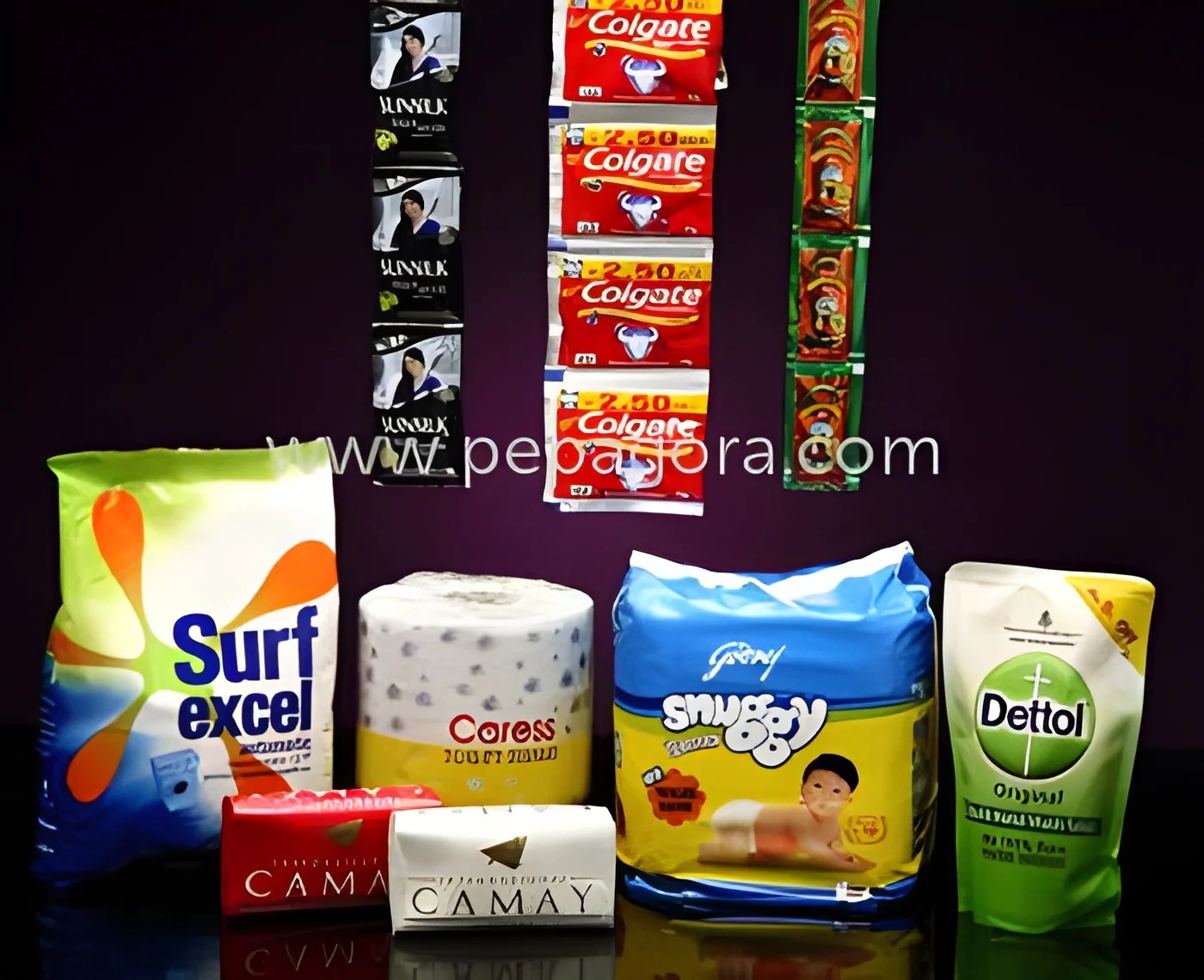
What are E-commerce Packaging Prototypes?
E-commerce packaging prototypes are specialized packaging solutions designed to meet the unique requirements of online retail. These prototypes are created to test and refine packaging designs before mass production, ensuring that they effectively protect products during transit and enhance the overall customer experience. By utilizing various materials and design elements, businesses can create prototypes that reflect their brand identity while optimizing functionality.
The primary uses of e-commerce packaging prototypes include product testing, market research, and design validation. Businesses employ these prototypes to evaluate how well packaging performs under various conditions, such as shipping and handling. They also help companies gather consumer feedback on packaging aesthetics and usability, allowing for adjustments before committing to large-scale production. This iterative process is crucial in the highly competitive e-commerce landscape, where effective packaging can significantly influence purchasing decisions.
In the current market context, e-commerce packaging prototypes play a vital role in sustainability efforts and cost management. As businesses strive to minimize waste and improve their environmental footprint, prototypes allow for the exploration of eco-friendly materials and designs. Furthermore, with the rapid growth of online shopping, companies are increasingly investing in packaging solutions that enhance brand loyalty and customer satisfaction, making prototypes an essential aspect of product development.
Key Features and Specifications
E-commerce packaging prototypes boast a variety of features and specifications that cater to different business needs. These features are designed to enhance protection, usability, and brand representation.
Key specifications include:
1. Material Type
- Common materials include cardboard, plastic, and biodegradable options
- Selection based on product requirements and sustainability goals
2. Size and Dimensions
- Customizable dimensions to accommodate various product sizes
- Important for optimizing shipping costs and storage
3. Design Complexity
- Ability to incorporate unique structural designs such as inserts and compartments
- Enhances product presentation and protection
4. Printing Options
- High-quality printing for branding and information
- Options for single or multi-color designs
5. Durability
- Designed to withstand shipping conditions and impacts
- Includes considerations for moisture resistance and stacking strength
6. Eco-friendliness
- Availability of recyclable and compostable materials
- Aligns with sustainability initiatives
7. Cost-effectiveness
- Prototypes should be produced within budget constraints
- Balances quality and affordability
8. Lead Time
- Quick turnaround for prototype samples to facilitate faster decision-making
- Important for time-sensitive product launches
In summary, e-commerce packaging prototypes are versatile tools that help businesses refine their packaging strategies. The right specifications ensure that prototypes not only protect products but also communicate brand values effectively.
Common Applications and Use Cases
E-commerce packaging prototypes are utilized across various industries, each with distinct applications.
1. Consumer Electronics: Prototypes in this sector focus on protecting delicate items like smartphones and laptops. Custom inserts and cushioning materials are essential to prevent damage during shipping.
2. Fashion and Apparel: Here, packaging prototypes are designed to enhance the unboxing experience. Attractive designs and sustainable materials resonate with eco-conscious consumers.
3. Food and Beverage: This industry requires prototypes that meet safety regulations while maintaining product integrity. Specialized materials help preserve freshness and prevent contamination.
4. Beauty and Personal Care: Prototypes often feature elegant designs to attract customers. They also include tamper-proof seals to ensure product safety.
5. Home Goods: In this sector, prototypes must accommodate a range of item sizes and weights. Durable materials and innovative designs are crucial for protecting fragile items.
6. Health and Wellness: Prototypes are tailored to meet specific regulatory standards, ensuring that packaging is safe and compliant with health guidelines.
7. Toys and Games: This industry benefits from creative packaging solutions that engage children while ensuring safety and durability during transit.
Product Variants and Subcategories
E-commerce packaging prototypes come in various forms to cater to diverse business needs.
Rigid Boxes
Rigid boxes are sturdy packaging solutions ideal for high-end products. They are often used in the electronics and luxury goods industries. Their strong construction provides excellent protection while offering an upscale appearance.
Flexible Pouches
Flexible pouches are lightweight and customizable, making them suitable for food and beverage products. They can be designed with resealable features for convenience and freshness.
Corrugated Boxes
Corrugated boxes are commonly used for shipping a wide range of products. Their lightweight yet durable nature makes them a popular choice for e-commerce businesses looking to minimize shipping costs.
Die-Cut Boxes
Die-cut boxes are tailored to fit specific product shapes. This allows for better protection and space efficiency during shipping, making them ideal for items that require a snug fit.
Benefits and Advantages
E-commerce packaging prototypes offer numerous benefits that can enhance a business's operational efficiency and customer satisfaction.
1. Design Validation: Prototypes allow businesses to test and refine designs before mass production, minimizing costly mistakes.
2. Enhanced Customer Experience: Well-designed packaging can improve the unboxing experience, leading to higher customer satisfaction and repeat purchases.
3. Cost Savings: By identifying optimal packaging solutions early, businesses can avoid overspending on materials and shipping costs.
4. Brand Representation: Custom packaging prototypes enable companies to convey their brand identity and values effectively, creating a lasting impression on customers.
5. Sustainability: Prototypes allow businesses to experiment with eco-friendly materials and designs, aligning with consumer preferences for sustainable practices.
6. Market Responsiveness: Rapid prototyping enables companies to adapt to market trends and consumer feedback quickly.
Buying Guide for B2B Buyers
When sourcing e-commerce packaging prototypes, several factors should be considered to make informed purchasing decisions.
1. Quality Assessment: Evaluate prototypes based on material quality and performance under shipping conditions. This includes testing for durability and resistance to environmental factors.
2. Supplier Verification: Vet potential suppliers by checking their reputation, customer reviews, and industry certifications. Establishing a reliable supplier relationship is crucial for consistent quality.
3. Pricing and MOQ: Understand the cost structure and minimum order quantities (MOQ) to ensure they align with your budget and production needs.
4. Delivery and Lead Times: Consider logistical aspects such as shipping times and the supplier's ability to meet deadlines for prototype delivery.
5. Compliance Requirements: Ensure that the prototypes meet relevant safety and regulatory standards specific to your industry. This may include certifications like CE for certain products.
Compliance and Certifications
E-commerce packaging prototypes must adhere to various compliance standards to ensure quality and safety.
Relevant quality standards include ISO 9001, which outlines requirements for a quality management system. Compliance with HACCP (Hazard Analysis Critical Control Point) is vital in the food and beverage sector to ensure food safety throughout the supply chain. Additionally, adherence to GDP (Good Distribution Practice) standards is essential for pharmaceuticals and healthcare products to maintain product integrity.
Industry certifications, such as CE marking, indicate that the packaging meets European health, safety, and environmental protection standards. Compliance with safety and testing requirements is critical to avoid potential legal issues and ensure consumer safety.
Regional compliance considerations may vary based on local regulations, making it essential for businesses to stay informed about the requirements in their target markets.
Why Source E-commerce Packaging Prototypes from Pepagora?
Pepagora provides a trusted platform for sourcing e-commerce packaging prototypes, offering several key advantages for businesses.
Verified Supplier Network: Pepagora connects buyers with a network of verified suppliers. This ensures that businesses can source quality prototypes from reputable manufacturers, enhancing reliability in the supply chain.
Streamlined RFQ Process: The platform features an efficient Request for Quotation (RFQ) system, allowing businesses to easily request quotes and compare options from multiple suppliers. This simplifies the procurement process and saves valuable time.
Trade Assurance and Support: Pepagora offers trade assurance and buyer protection measures. This instills confidence in purchasing decisions, as businesses can rely on support in case of disputes or issues with orders.
Regional Coverage: With a strong presence in regions like India, the GCC, and Southeast Asia, Pepagora provides extensive geographic reach. This allows businesses to connect with suppliers who understand local market dynamics and can cater to specific needs.

 IN
IN