
 IN
Custom Label Prototypes
3 products available
What are Custom Label Prototypes?
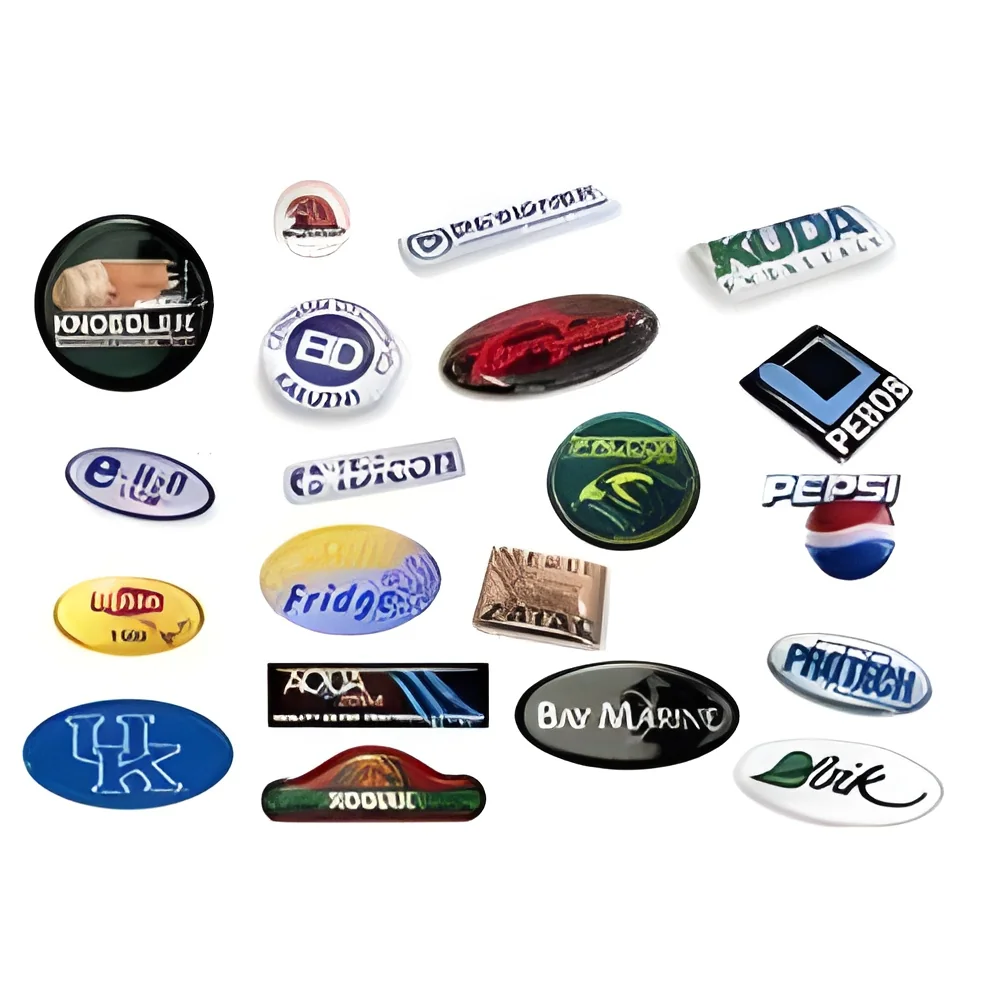
Custom Label Prototypes are specialized labels designed for various products, providing essential information and branding. These prototypes are created to meet specific requirements and are usually produced in small quantities for testing before mass production. They allow businesses to evaluate design, material, and functionality before committing to larger orders.
These labels are widely used across different sectors, including manufacturing, retail, and logistics, where accurate labeling is crucial for product identification and compliance. Businesses leverage custom label prototypes to ensure their labels meet regulatory standards and consumer expectations. By testing different designs, materials, and applications, companies can refine their labeling strategies to enhance product visibility and marketability.
In today's market, the demand for custom label prototypes is growing due to the increasing focus on branding and compliance. Industries are recognizing the significance of high-quality labels in conveying information and enhancing consumer trust. As companies continue to innovate their product offerings, the role of custom label prototypes becomes more critical in ensuring that labels align with branding goals and regulatory requirements.
Key Features and Specifications
Custom Label Prototypes come with several features that cater to diverse business needs. These features ensure that the prototypes meet specific requirements for functionality and aesthetics.
Key specifications include:
1. Material Type
- Options include paper, vinyl, polyester, and more.
- Each material offers different durability and finish options.
2. Adhesive Strength
- Varying adhesive properties for permanent or removable applications.
- Ensures labels adhere properly under various conditions.
3. Print Quality
- High-resolution printing for clear and vibrant designs.
- Options for digital, flexographic, or lithographic printing.
4. Size and Shape
- Custom sizes and shapes to fit specific products.
- Flexibility in designing unique label forms.
5. Finish Options
- Choices include matte, glossy, or textured finishes.
- Each finish provides a different aesthetic appeal and functionality.
6. Compliance Standards
- Labels can be designed to meet industry-specific regulations.
- Ensures that all necessary information is displayed accurately.
7. Color Options
- Wide range of colors available to match branding.
- Custom color matching to meet specific design needs.
8. Production Time
- Quick turnaround times for prototype production.
- Enables rapid testing and iteration of designs.
These specifications allow businesses to create effective labels that enhance product appeal and compliance.
Common Applications and Use Cases
Custom Label Prototypes are versatile and serve a range of industries effectively.
1. Food and Beverage: These labels are crucial for providing nutritional information and complying with safety regulations, ensuring consumer trust and product integrity.
2. Pharmaceuticals: Labels must clearly display dosage instructions and safety information, adhering to strict regulatory standards to ensure patient safety.
3. Cosmetics: Custom labels enhance branding while providing essential product information, including ingredients and usage instructions.
4. Logistics: Labels are used for shipping and inventory management, ensuring accurate tracking and identification of goods throughout the supply chain.
5. Electronics: Labels help in providing technical specifications and safety warnings, ensuring compliance with industry standards and consumer awareness.
6. Retail: Labels play a key role in product presentation and marketing, helping to attract customers and convey essential product information.
7. Automotive: Custom labels are used for parts identification and safety warnings, critical for compliance and performance.
Product Variants and Subcategories
Custom Label Prototypes offer diverse options to meet specific business needs.
Standard Prototypes
These are basic label designs used for initial testing. They focus on functionality and can be easily modified based on feedback.
Premium Prototypes
These prototypes feature high-quality materials and advanced printing techniques. They are ideal for products where branding is crucial.
Eco-Friendly Prototypes
Designed using sustainable materials, these prototypes cater to businesses focused on environmental responsibility.
Waterproof Prototypes
These labels are specifically designed to withstand exposure to moisture, making them suitable for products in wet environments.
Thermal Prototypes
Labels designed to withstand high temperatures, ideal for industrial applications where heat resistance is essential.
Benefits and Advantages
Custom Label Prototypes offer numerous advantages for businesses looking to enhance their product labeling.
Key benefits include:
1. Enhanced Branding: Custom designs help businesses create a unique identity, improving brand recognition and customer loyalty.
2. Regulatory Compliance: Prototypes can be tailored to meet specific industry standards, ensuring that products adhere to safety and labeling regulations.
3. Cost Efficiency: Testing designs in small batches minimizes risk and investment before larger production runs.
4. Quick Iteration: Rapid prototyping allows businesses to test and refine labels based on feedback, leading to better final products.
5. Material Flexibility: A variety of materials can be utilized, ensuring that the labels are suitable for different environments and applications.
6. Improved Marketability: High-quality, attractive labels can significantly impact consumer perception and purchasing decisions.
Buying Guide for B2B Buyers
When sourcing Custom Label Prototypes, businesses should consider several key factors to ensure they meet their specific needs.
1. Quality Assessment: Evaluate the quality of materials and printing techniques to ensure durability and compliance with industry standards.
2. Supplier Verification: Conduct thorough checks on suppliers to confirm their reliability and history in delivering quality products.
3. Pricing and MOQ: Understand the cost structure and minimum order quantities to find a solution that fits your budget and requirements.
4. Delivery and Lead Times: Assess logistics capabilities and turnaround times to align with your production schedules and market demands.
5. Compliance Requirements: Ensure that the prototypes meet all relevant regulatory standards for your industry, including labeling and safety requirements.
Compliance and Certifications
Custom Label Prototypes must adhere to various compliance standards and certifications to ensure quality and safety.
ISO 9001 is a key quality management standard that ensures consistent quality in manufacturing processes. This certification is crucial for suppliers aiming to provide high-quality products.
HACCP (Hazard Analysis Critical Control Point) is essential in the food and beverage industry, ensuring that labels meet safety and health standards. It helps businesses prevent potential hazards in their labeling processes.
CE certification is relevant for products sold in the European market, indicating compliance with EU safety, health, and environmental protection standards.
Safety and testing requirements may include ensuring that the materials used in labels do not pose any health risks. Companies must also consider regional compliance factors, as regulations can vary significantly across different markets.
Why Source Custom Label Prototypes from Pepagora?
Pepagora provides a trusted platform for sourcing Custom Label Prototypes, offering several key advantages for B2B buyers.
Verified Supplier Network: Pepagora has a rigorous supplier verification process, ensuring that all suppliers meet high standards of quality and reliability. This helps businesses find trusted partners for their labeling needs.
Streamlined RFQ Process: The platform features an efficient request for quotation system, making it easy for buyers to compare prices and specifications from multiple suppliers.
Trade Assurance and Support: Pepagora offers buyer protection measures, ensuring that transactions are secure and that businesses receive the products they need without risk.
Regional Coverage: With a focus on India, the GCC, and Southeast Asia, Pepagora provides extensive geographic reach, connecting businesses with suppliers across key markets. This allows companies to source labels tailored to their specific regional requirements.

Frequently Asked Questions
What are Custom Label Prototypes?
Custom Label Prototypes are sample labels created to test design, material, and functionality before mass production. They help businesses evaluate how their labels will look and perform on their products, ensuring that the final product meets branding and regulatory requirements.
What are the different types of Custom Label Prototypes?
Different types of Custom Label Prototypes include adhesive labels, hang tags, shrink sleeves, and flexible packaging labels. Each type serves various applications and industries, allowing businesses to choose the one that best fits their product's needs.
How do I choose the right Custom Label Prototypes?
To choose the right Custom Label Prototypes, consider the product type, label size, material, and printing method. Additionally, evaluate the intended use and environmental conditions to ensure that the labels will adhere properly and remain intact.
What are the standard specifications for Custom Label Prototypes?
Standard specifications for Custom Label Prototypes typically include dimensions, material type, adhesive quality, and printing technology. It is also important to consider factors such as durability, waterproofing, and resistance to UV light, depending on the application.
What is the price range for Custom Label Prototypes?
The price range for Custom Label Prototypes can vary significantly based on factors like material, size, design complexity, and order volume. Generally, prices may start from a few rupees per label for simple designs and can increase for more intricate or specialty labels.
What quality standards apply to Custom Label Prototypes?
Quality standards for Custom Label Prototypes may include ISO 9001 for quality management and adherence to specific industry regulations. Additionally, labels should meet the requirements for durability and performance, such as water and tear resistance, depending on their intended use.
Where can I find Custom Label Prototypes suppliers in India?
You can find Custom Label Prototypes suppliers in India through online marketplaces, trade directories, and industry trade shows. Platforms like Pepagora can help you connect with reputable manufacturers and suppliers who specialize in custom label solutions.
Can Custom Label Prototypes be customized?
Yes, Custom Label Prototypes can be tailored to meet specific requirements, including size, shape, color, and design elements. This customization allows businesses to create unique labels that effectively represent their brand and comply with regulatory standards.
What is the typical minimum order quantity for Custom Label Prototypes?
The typical minimum order quantity (MOQ) for Custom Label Prototypes can vary by supplier but often ranges from 100 to 1,000 units. Some manufacturers may offer lower MOQs for prototypes to accommodate small businesses or testing purposes.
What is the typical lead time for Custom Label Prototypes?
The typical lead time for Custom Label Prototypes generally ranges from 5 to 15 business days, depending on the complexity of the design and the supplier's production capacity. It's advisable to discuss timelines with your supplier to ensure timely delivery.
Why Businesses Trust Pepagora
Thousands of companies trust Pepagora to source smarter and sell faster
Expand Your Sales Globally

Source Smarter,Grow Faster
