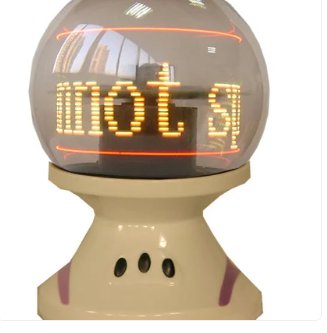
What are Display & POS Packaging Prototypes?
Display and POS packaging prototypes are specialized packaging solutions designed to enhance the presentation of products in retail environments. These prototypes are created to showcase products effectively while also serving functional purposes, such as protection and branding. They are often used to test market reactions before full-scale production, allowing businesses to refine their packaging designs based on customer feedback.
These prototypes find primary applications in various business scenarios, including product launches, promotional events, and trade shows. Businesses utilize these prototypes to visualize how products will appear on the shelves, ensuring that the design aligns with brand identity and consumer preferences. The relevance of display and POS packaging prototypes is significant across industries, as they play a crucial role in driving consumer engagement and influencing purchasing decisions.
In today's competitive market, the ability to create eye-catching packaging is vital. Companies that invest in high-quality prototypes can better position themselves against competitors, leveraging innovative designs to attract and retain customers.
Key Features and Specifications
Display and POS packaging prototypes are characterized by several key features that enhance their functionality and appeal. These specifications ensure that the prototypes meet industry standards and consumer expectations.
Key specifications include:
1. Material Quality
- Typically made from cardboard, paperboard, or plastic
- Ensures durability and aesthetic appeal
2. Customization Options
- Available in various shapes, sizes, and designs
- Allows for branding and marketing messages to be integrated
3. Printing Techniques
- Utilizes advanced printing methods such as digital or offset printing
- Ensures high-quality graphics and colors
4. Structural Integrity
- Designed to withstand handling and transportation
- Provides stability for displaying products in retail settings
5. Eco-friendliness
- Made from recyclable materials
- Aligns with sustainability goals of many brands
6. Assembly Requirements
- Some prototypes require minimal assembly
- Others may come pre-assembled for ease of use
7. Cost Efficiency
- Cost-effective solutions for short-run productions
- Ideal for market testing without significant investment
8. Lead Time
- Prototypes can often be produced quickly
- Supports fast-paced marketing strategies
In summary, display and POS packaging prototypes offer various features that cater to the needs of businesses looking to optimize their product presentation in retail environments.
Common Applications and Use Cases
Display and POS packaging prototypes serve a wide range of industries, providing tailored solutions to enhance product visibility and customer engagement.
1. Retail: In retail environments, these prototypes are used to create eye-catching displays that highlight products effectively, boosting sales and brand recognition.
2. Food and Beverage: The food industry utilizes prototypes for packaging that not only preserves freshness but also presents products attractively to consumers.
3. Cosmetics: Cosmetic brands employ prototypes to showcase their products in visually appealing ways, enhancing the overall shopping experience.
4. Electronics: In the electronics sector, prototypes are designed to highlight features and specifications, ensuring that customers understand the value of the products.
5. Pharmaceuticals: Pharmaceutical companies use prototypes to ensure that their packaging meets regulatory standards while effectively communicating product information.
6. E-commerce: E-commerce businesses leverage prototypes for packaging that protects products during transit while also being visually appealing for unboxing experiences.
7. Automotive: The automotive industry utilizes prototypes for promotional displays that showcase new models and features at trade shows and events.
Product Variants and Subcategories
Display and POS packaging prototypes come in various forms, catering to different marketing needs and business objectives.
Point-of-Sale Displays
These displays are designed specifically for retail environments, allowing products to be showcased prominently at checkout counters or in high-traffic areas. They are often customizable and can include interactive elements.
Product Packaging Prototypes
These prototypes focus on the packaging aspect, ensuring that the design meets both aesthetic and functional needs. They are ideal for brands looking to test packaging designs before full production.
Promotional Displays
Promotional displays are temporary setups often used for limited-time offers or seasonal promotions. They are designed for quick assembly and disassembly, catering to marketing campaigns.
Benefits and Advantages
Investing in display and POS packaging prototypes offers several advantages that can significantly impact a business's marketing effectiveness.
Key benefits include:
1. Enhanced Visibility: High-quality prototypes increase product visibility in retail spaces, attracting more customer attention.
2. Market Testing: Prototypes allow businesses to gather consumer feedback before launching full-scale production, reducing the risk of costly mistakes.
3. Customization: The ability to customize prototypes ensures that packaging aligns with brand identity and resonates with target audiences.
4. Cost-Effective: Prototypes are a cost-efficient way to explore different designs without committing to large production runs.
5. Improved Consumer Engagement: Engaging designs can create a memorable shopping experience, fostering brand loyalty among customers.
6. Quick Turnaround: Prototypes can be produced rapidly, allowing businesses to respond swiftly to market changes or opportunities.
Buying Guide for B2B Buyers
When sourcing display and POS packaging prototypes, several important factors should be considered to ensure successful procurement.
1. Quality Assessment: Evaluate the quality of materials and construction. High-quality prototypes will be more durable and visually appealing, which is crucial for effective marketing.
2. Supplier Verification: Conduct due diligence to vet suppliers. Look for verified suppliers with a strong track record in producing quality prototypes.
3. Pricing and MOQ: Understand the pricing structure and minimum order quantities. Consider whether the cost aligns with your budget and needs.
4. Delivery and Lead Times: Assess the logistics involved in delivery. Ensure that lead times fit within your project timelines to avoid delays.
5. Compliance Requirements: Familiarize yourself with any regulatory or safety standards relevant to your industry. Ensure that the prototypes meet these compliance standards.
Compliance and Certifications
Compliance and certifications are critical components in the production of display and POS packaging prototypes. Adhering to industry standards ensures product quality and safety.
Relevant quality standards such as ISO 9001 focus on maintaining high-quality management systems, which are essential for consistent prototype production.
Industry certifications like CE indicate that products meet essential health, safety, and environmental protection standards. This is particularly important for sectors like food and pharmaceuticals, where compliance is mandatory.
Safety and testing requirements should also be a priority. Prototypes must undergo rigorous testing to ensure they are safe for consumer use, particularly in food and beverage applications.
Regional compliance considerations may vary based on geographical markets. It is essential to be aware of specific regulations that may affect packaging in different regions.
Why Source Display & POS Packaging Prototypes from Pepagora?
Pepagora provides a trusted platform for sourcing display and POS packaging prototypes, offering several key advantages to B2B buyers.
Verified Supplier Network: Pepagora features a network of thoroughly vetted suppliers, ensuring that businesses can find high-quality prototypes from reliable sources. This fosters confidence in the procurement process.
Streamlined RFQ Process: The request for quotation (RFQ) process on Pepagora is designed to be simple and efficient. Buyers can quickly obtain quotes from multiple suppliers, enabling informed decision-making.
Trade Assurance and Support: With trade assurance policies in place, buyers are protected throughout the purchasing process. Pepagora provides support to address any concerns or issues that may arise.
Regional Coverage: Pepagora's platform extends across India, GCC, and Southeast Asia, providing access to a wide range of suppliers and products. This geographic reach enhances sourcing options for businesses in various markets.

 IN
IN