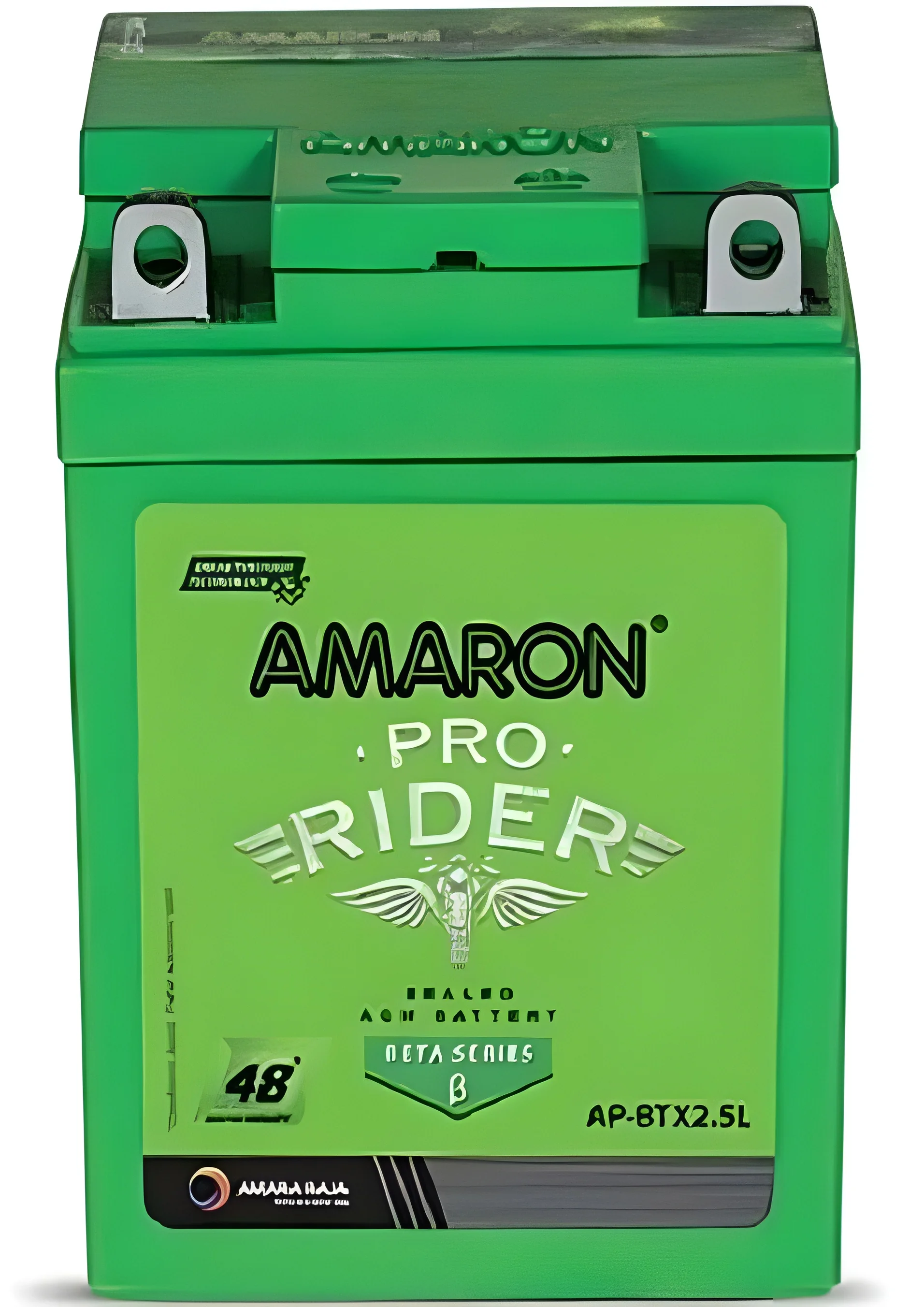
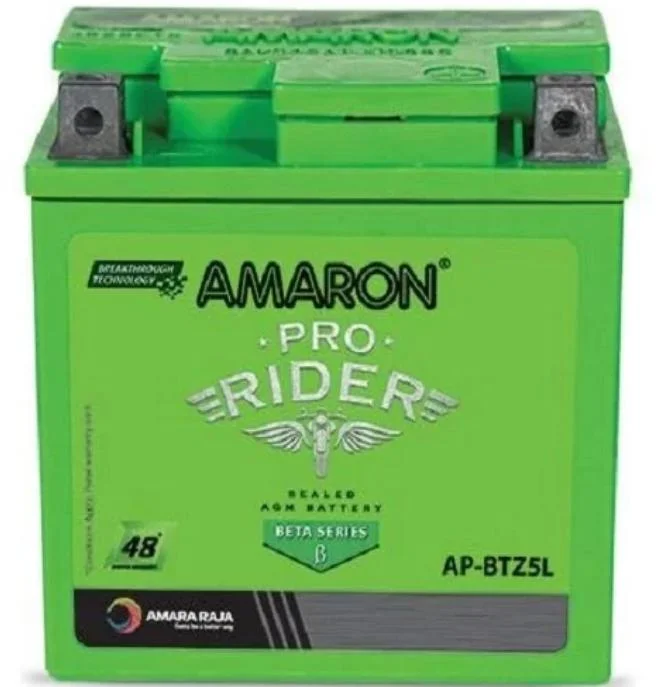
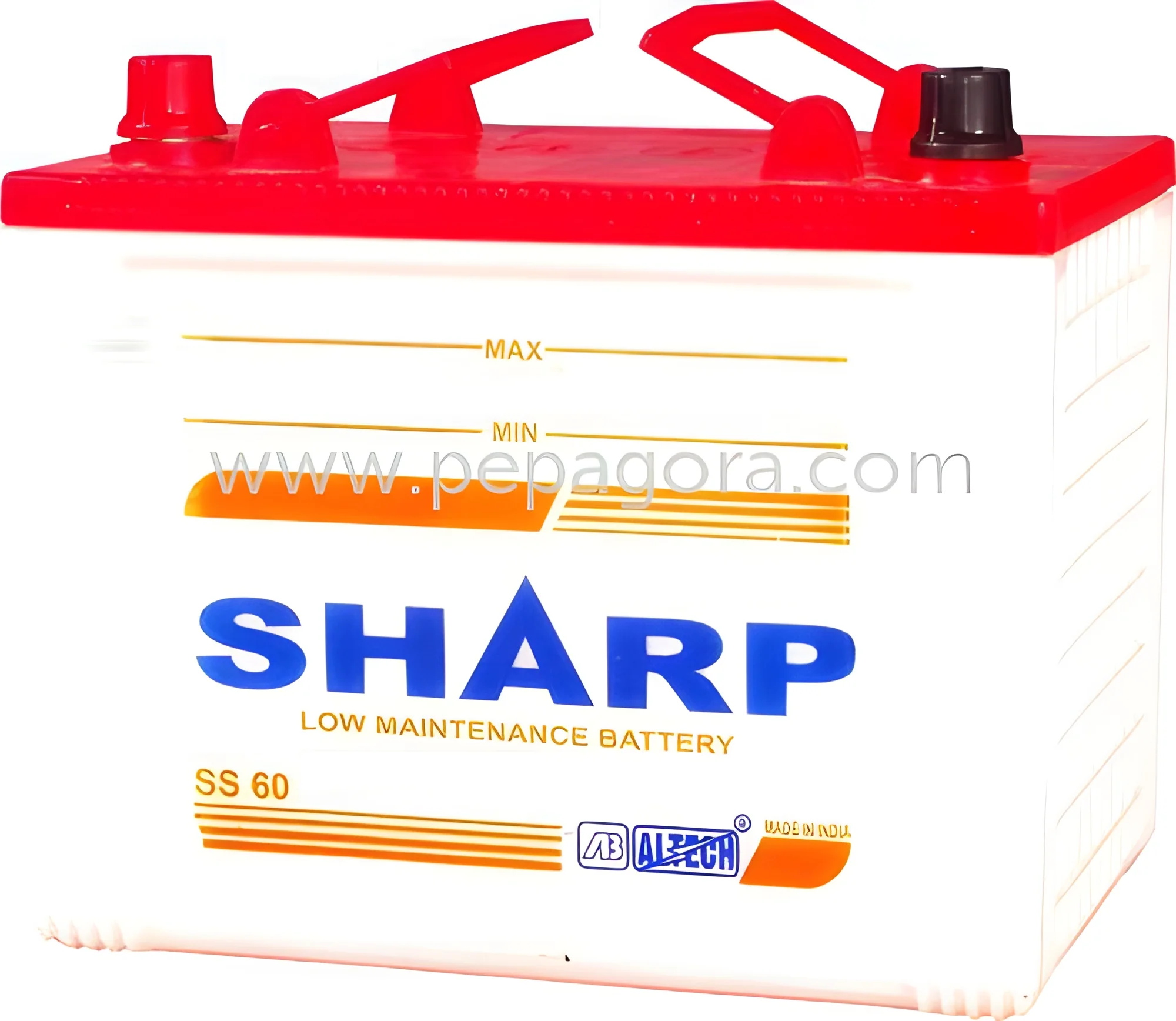
What are Two-Wheeler Batteries?
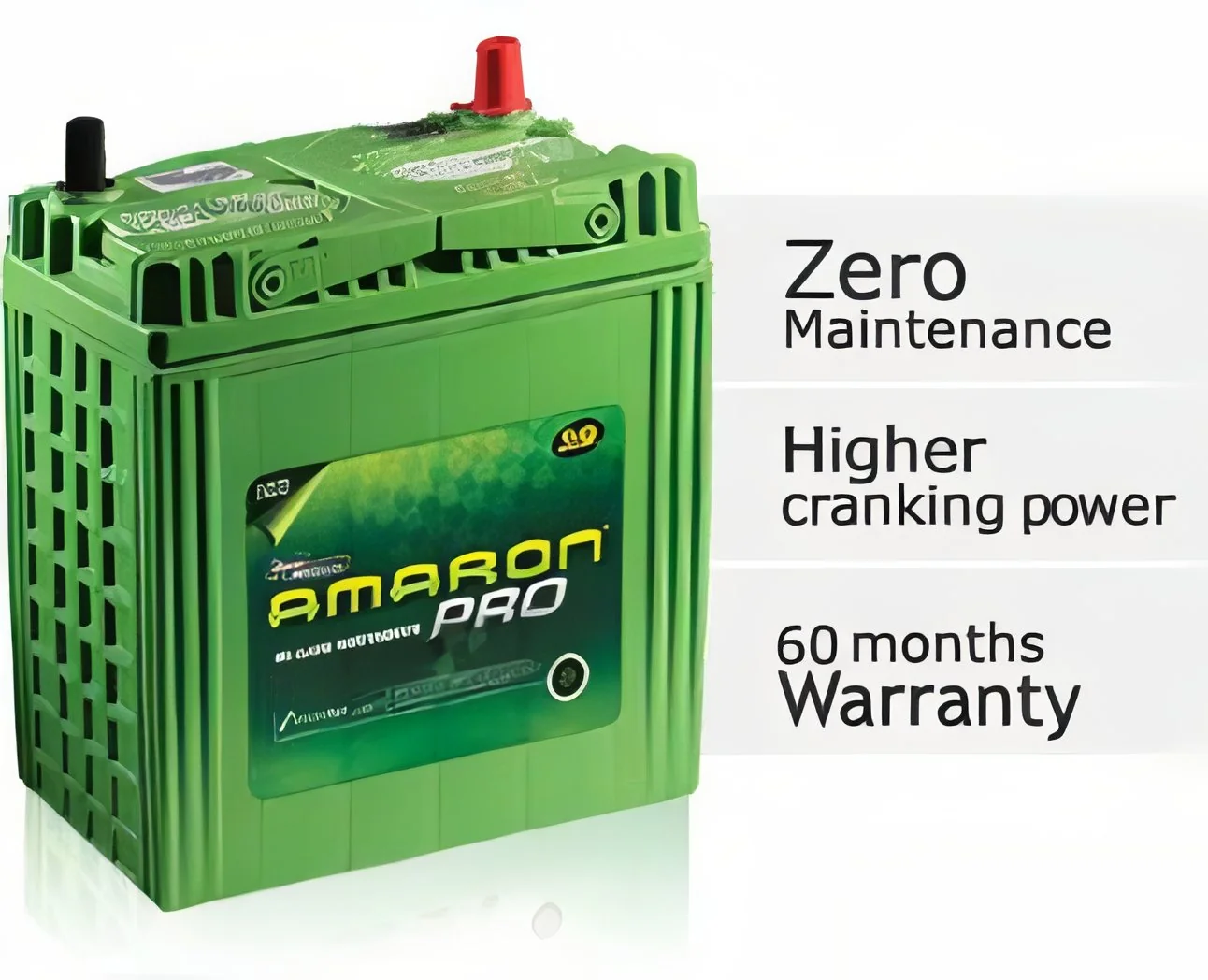
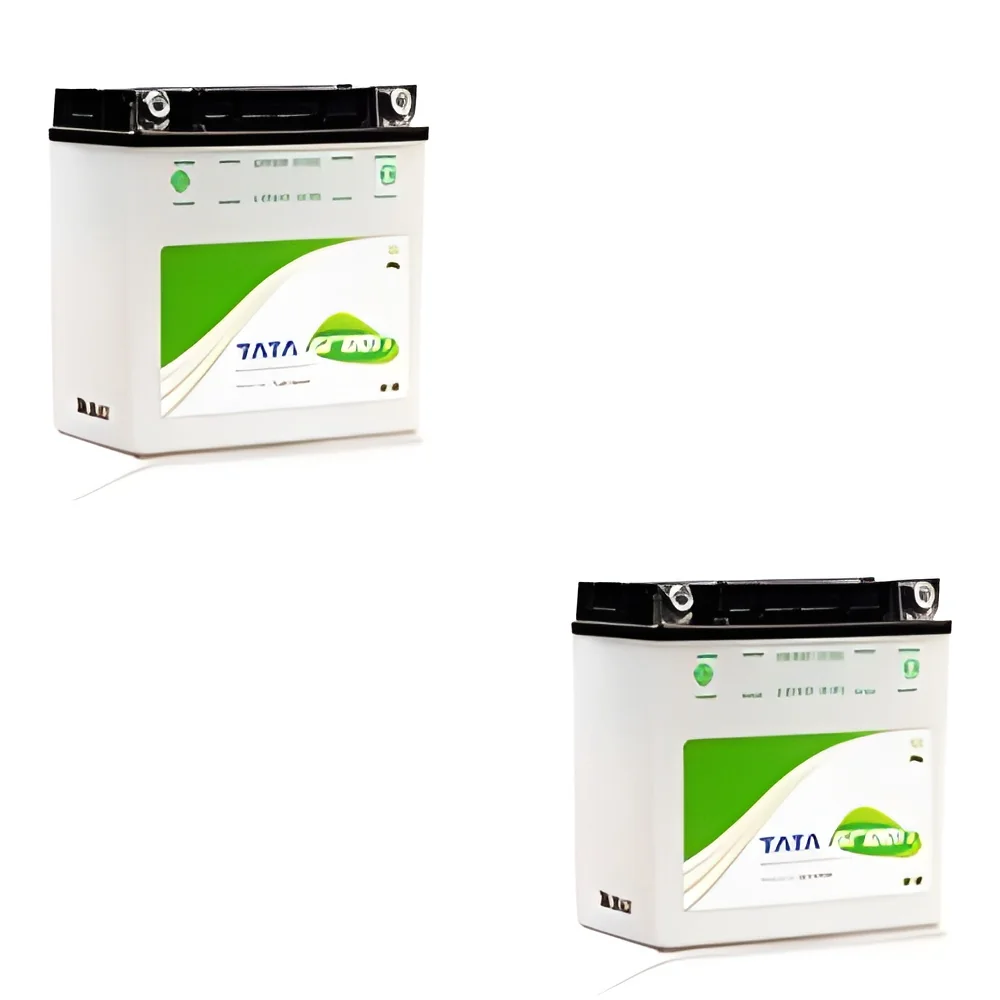
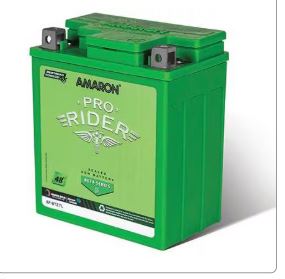
Two-wheeler batteries are essential components that provide the necessary electrical energy to start and operate motorcycles, scooters, and other two-wheeled vehicles. These batteries store energy in chemical form and convert it into electrical energy, supplying power to the ignition system, lights, and other electrical accessories. They come in various types, including lead-acid and lithium-ion, each offering different benefits in terms of weight, longevity, and performance.
In the context of business applications, two-wheeler batteries are used widely in the automotive industry, supporting manufacturers and aftermarket service providers. They are critical for ensuring the reliability and performance of two-wheeled vehicles, which are popular in many regions due to their fuel efficiency and maneuverability. The two-wheeler battery market is growing rapidly, driven by increasing demand for personal transportation and the rise of electric vehicles in this segment.
With the global shift towards sustainable transportation, the relevance of two-wheeler batteries in the market is more pronounced. The increasing interest in electric two-wheelers and the need for efficient energy storage solutions enhance the importance of quality batteries that meet various performance standards.
Key Features and Specifications
Two-wheeler batteries come with various features and specifications that determine their performance and suitability for different applications. Understanding these specifications is crucial for businesses looking to source reliable batteries for their two-wheeler products.
Key specifications include:
1. Battery Type
- Options include lead-acid and lithium-ion batteries.
- Each type has different weight, lifespan, and charging characteristics.
2. Voltage Rating
- Common voltage ratings are 6V, 12V, and 24V.
- Voltage selection depends on the vehicle's electrical system requirements.
3. Capacity
- Measured in ampere-hours (Ah), typical capacities range from 4Ah to 20Ah.
- Higher capacity batteries can provide more power and longer usage time.
4. Cold Cranking Amps (CCA)
- Indicates the battery's ability to start an engine in cold conditions.
- Higher CCA ratings are preferred for cold climates.
5. Dimensions
- Various sizes to fit different two-wheeler models.
- Standard dimensions ensure compatibility with vehicle battery compartments.
6. Weight
- Weight varies by battery type and capacity.
- Lightweight options are preferred for performance motorcycles.
7. Lifespan
- Typical lifespan for lead-acid batteries is 2-3 years, while lithium-ion can last 5-10 years.
- Longevity affects overall cost-effectiveness.
8. Maintenance Requirements
- Some batteries are maintenance-free, while others require regular checks.
- Maintenance-free options save time and effort for users.
In summary, selecting the right two-wheeler battery involves understanding these specifications to meet the performance needs of various vehicles.
Common Applications and Use Cases
Two-wheeler batteries serve a wide range of industries and applications. Their versatility makes them essential for powering various types of two-wheeled vehicles.
1. Automotive Industry: Two-wheeler batteries are integral to motorcycles and scooters, providing reliable starting power and supporting electronic features.
2. Delivery Services: Many delivery companies utilize scooters and motorcycles for efficient transport, relying on dependable batteries for daily operations.
3. Electric Vehicle Manufacturing: The rise of electric two-wheelers has led to increased demand for high-capacity lithium-ion batteries.
4. Recreational Vehicles: Motorcycles used for recreation and sport rely on performance-oriented batteries for optimal functionality.
5. Maintenance and Service Providers: Battery replacement and maintenance services are crucial for ensuring the longevity and reliability of two-wheeled vehicles.
6. Fleet Management: Businesses with fleets of scooters or motorcycles require durable batteries to minimize downtime and maintenance costs.
7. Rental Services: Two-wheeler rental businesses depend on reliable batteries to ensure customer satisfaction and vehicle performance.
Product Variants and Subcategories
The market for two-wheeler batteries includes various product variants that cater to specific needs and applications. Each variant offers unique features suited for different types of two-wheeled vehicles.
Lead-Acid Batteries
Lead-acid batteries are the traditional choice for two-wheelers, known for their affordability and reliability. They are commonly used in standard motorcycles and scooters due to their robustness and ability to deliver high cranking power.
Lithium-Ion Batteries
Lithium-ion batteries are becoming increasingly popular in electric two-wheelers. They are lightweight, have a longer lifespan, and offer faster charging capabilities. Their advanced technology makes them ideal for modern electric motorcycles and scooters.
Sealed Maintenance-Free Batteries
These batteries eliminate the need for regular maintenance while providing reliable performance. They are suitable for users who prefer a hassle-free experience without the concern of electrolyte levels.
Benefits and Advantages
Choosing the right two-wheeler battery offers numerous benefits that can enhance performance and user experience.
1. Reliability: High-quality batteries ensure consistent performance, reducing the likelihood of breakdowns.
2. Longevity: Premium batteries have longer lifespans, resulting in lower replacement costs over time.
3. Efficiency: Advanced battery technology provides better energy efficiency, maximizing vehicle performance.
4. Safety: Batteries with built-in safety features reduce the risk of leakage and overheating.
5. Environmental Impact: Sustainable battery options, such as lithium-ion, contribute to reduced emissions in electric vehicles.
6. Cost-Effectiveness: Investing in higher-quality batteries can lead to lower overall operating costs due to fewer replacements and maintenance needs.
Buying Guide for B2B Buyers
When sourcing two-wheeler batteries, it is essential for B2B buyers to consider several factors to ensure they select the right products for their needs.
1. Quality Assessment: Evaluate the quality of batteries based on brand reputation and customer reviews. Look for batteries that meet industry standards and provide warranties.
2. Supplier Verification: Vet suppliers to ensure they have a reliable track record and can provide the necessary certifications, such as CE.
3. Pricing and MOQ: Understand the pricing structures and minimum order quantities required by suppliers to optimize procurement costs.
4. Delivery and Lead Times: Assess the logistics capabilities of suppliers, including their ability to meet delivery schedules and lead times.
5. Compliance Requirements: Ensure that the batteries meet local and international compliance standards relevant to your market.
Compliance and Certifications
Two-wheeler batteries must adhere to various compliance and certification standards to ensure quality and safety. The most relevant standards include ISO 9001, which outlines quality management systems, ensuring that manufacturers maintain high production standards.
Additional certifications such as CE mark indicate that the batteries meet European safety, health, and environmental protection standards. These certifications are crucial for ensuring that products are safe for use and perform as expected in various conditions.
Safety testing requirements also play a significant role in the battery industry, as they ensure that batteries can withstand extreme temperatures and other environmental factors. Buyers should also be aware of regional compliance considerations, as different markets may have specific regulations regarding battery production and disposal.
Why Source Two-Wheeler Batteries from Pepagora?
Pepagora offers a trusted platform for sourcing two-wheeler batteries, providing several key advantages to B2B buyers.
Verified Supplier Network: Pepagora connects businesses with a network of verified suppliers, ensuring that buyers can access high-quality batteries from reputable manufacturers. This verification process helps mitigate risks associated with sourcing from unverified suppliers.
Streamlined RFQ Process: The platform features a streamlined request-for-quotation (RFQ) process that simplifies the sourcing experience. Buyers can easily submit their requirements and receive competitive quotes from multiple suppliers, enhancing their purchasing efficiency.
Trade Assurance and Support: Pepagora provides trade assurance to protect buyers during transactions. This assurance includes support throughout the purchasing process, ensuring that buyers receive the products they ordered without issues.
Regional Coverage: With a strong presence in India, the GCC, and Southeast Asia, Pepagora offers comprehensive geographic coverage, making it easier for businesses in these regions to source two-wheeler batteries that meet their specific needs.

 IN
IN

 India
India