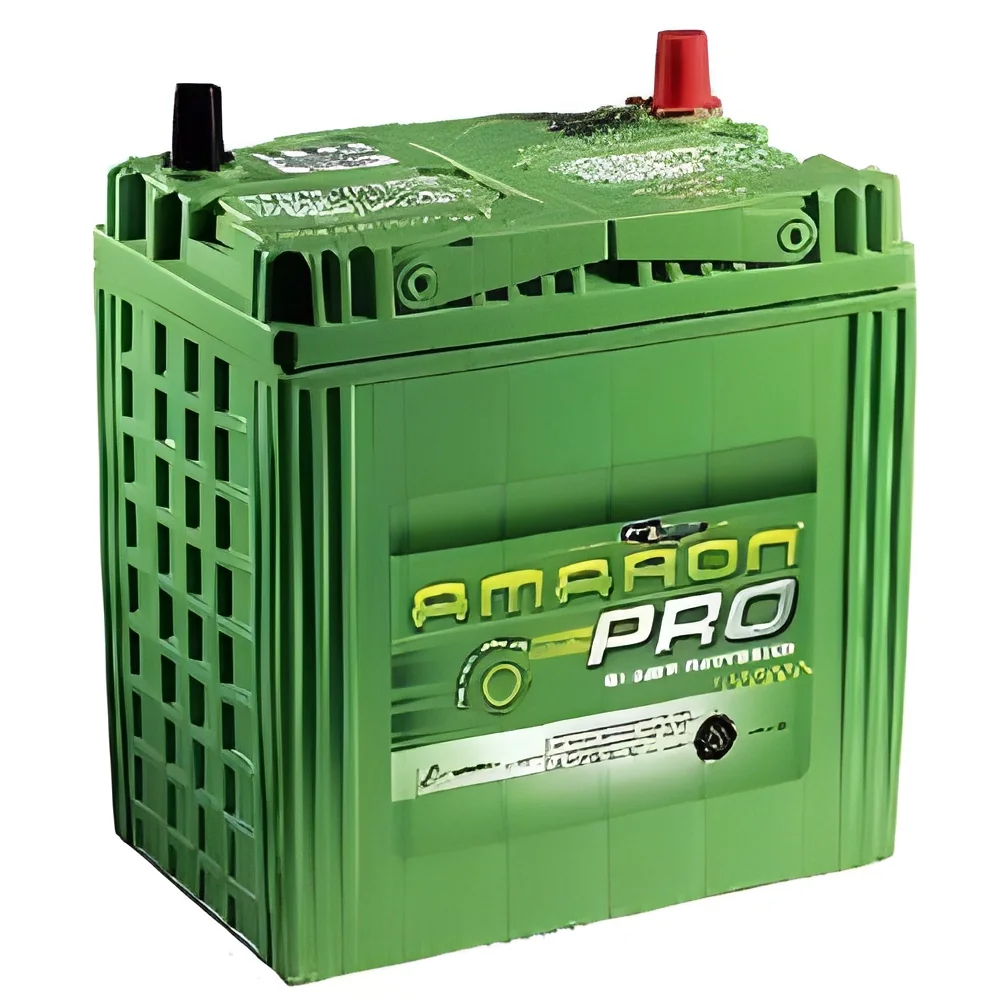
What are Heavy Duty Vehicle Batteries?
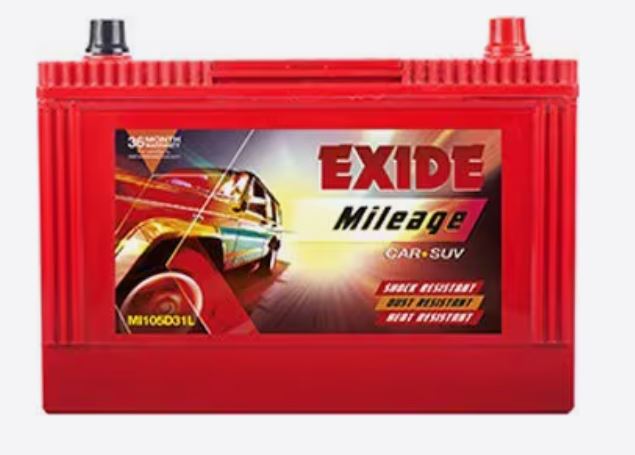
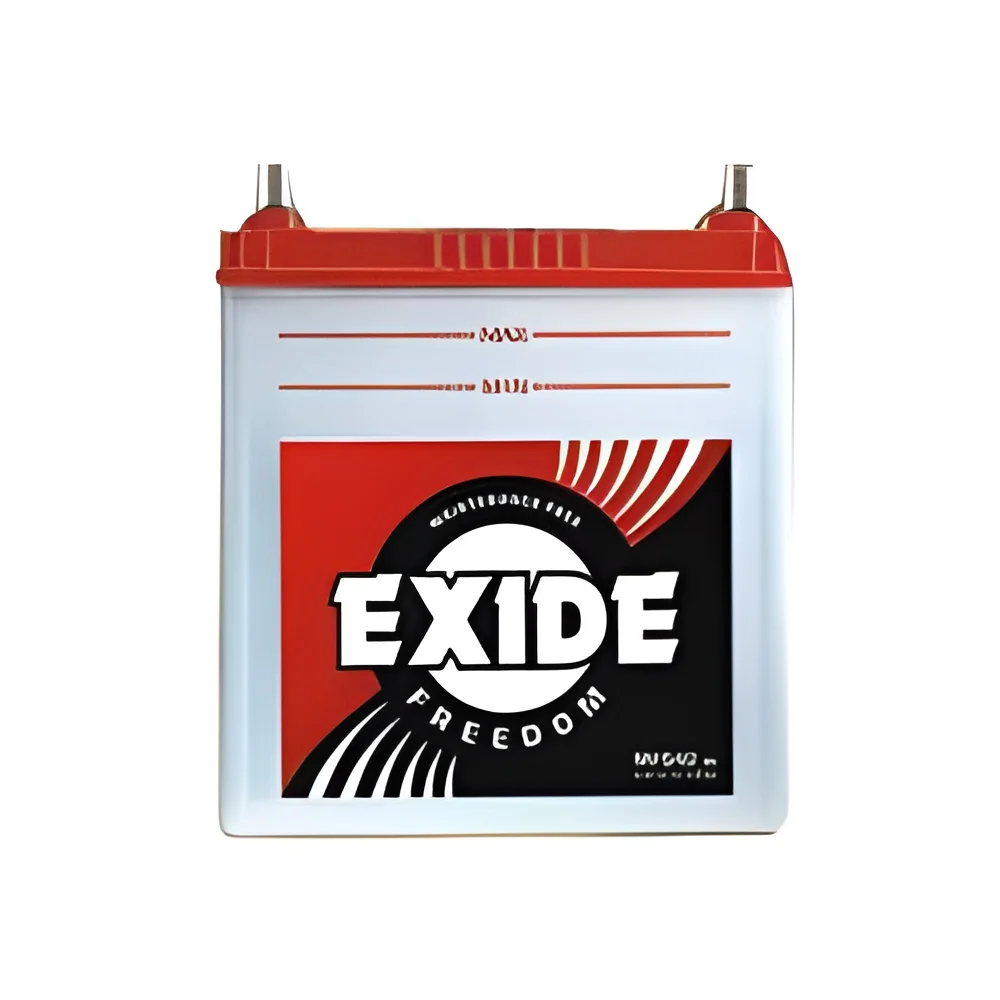
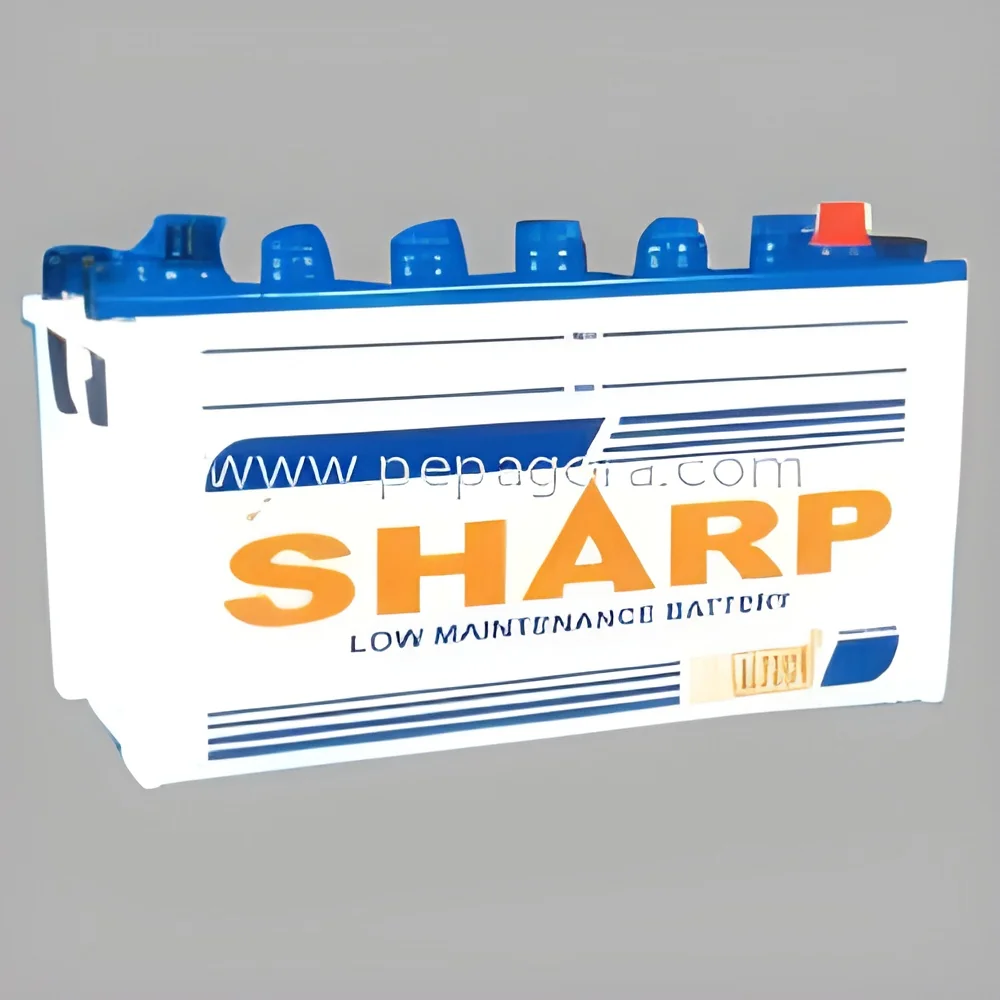
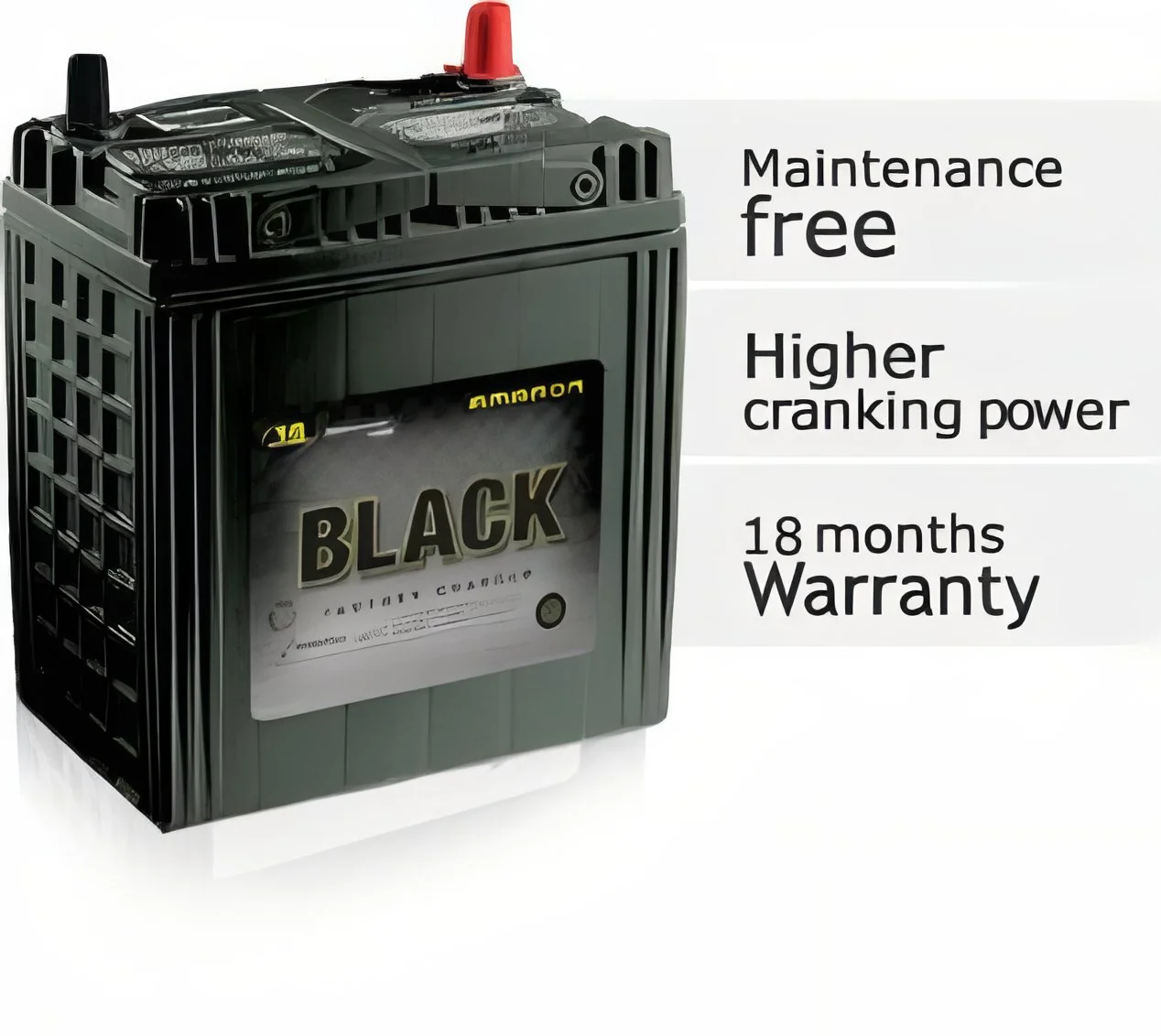
Heavy Duty Vehicle Batteries are robust power sources designed specifically for large vehicles that require reliable and sustained energy. These batteries are built to withstand harsh operating conditions and provide the necessary power for heavy-duty applications. Their construction is engineered to deliver high performance and durability, ensuring that vehicles can operate efficiently under demanding circumstances.
The primary uses of Heavy Duty Vehicle Batteries include powering trucks, buses, construction equipment, and agricultural machinery. These batteries are essential for starting engines, running electrical systems, and providing backup power. Businesses in transportation, logistics, construction, and agriculture rely on these batteries to maintain operational efficiency and reduce downtime.
In the current market context, Heavy Duty Vehicle Batteries play a crucial role in the overall performance of industrial and commercial vehicles. The increasing demand for reliable transportation solutions has led to advancements in battery technology, resulting in longer service life and improved performance. As industries continue to grow, the importance of high-quality batteries remains paramount.
Key Features and Specifications
Heavy Duty Vehicle Batteries come with a range of features and specifications that enhance their performance and reliability. Understanding these specifications is vital for businesses looking to invest in quality battery solutions.
Key specifications include:
1. Capacity
- Measured in amp-hours (Ah), this indicates how much energy the battery can store and deliver.
- Common ranges are from 100 Ah to 300 Ah.
2. Voltage
- Standard heavy-duty batteries typically operate at 12V or 24V.
- Voltage levels impact the power available for starting engines and powering electrical components.
3. Cold Cranking Amps (CCA)
- This specification indicates the battery's ability to start an engine in cold temperatures.
- Higher CCA ratings are essential for colder climates.
4. Reserve Capacity (RC)
- Indicates how long the battery can run essential systems if the alternator fails.
- Typically ranges from 120 to 200 minutes.
5. Life Cycle
- Refers to the number of charge and discharge cycles the battery can endure before its capacity significantly diminishes.
- High-quality batteries can last for several years with proper maintenance.
6. Weight
- Heavier batteries often indicate more material and thus higher durability.
- Weight varies based on design but typically ranges from 50 to 100 pounds.
7. Maintenance Type
- Batteries can be maintenance-free or require periodic checks and water levels.
- Maintenance-free options are preferred for ease of use.
8. Terminal Configuration
- The arrangement of battery terminals affects compatibility with vehicle electrical systems.
- Common configurations include top post and side terminal designs.
These features collectively ensure that Heavy Duty Vehicle Batteries meet the rigorous demands of industrial applications.
Common Applications and Use Cases
Heavy Duty Vehicle Batteries are crucial in various industries that operate large vehicles or equipment. Their robust design ensures they can handle the specific needs of each sector.
1. Transportation: Heavy-duty trucks and buses depend on these batteries for reliable starting power and for running onboard electronics such as GPS and communication systems.
2. Construction: Construction machinery, including excavators and bulldozers, utilize these batteries to ensure consistent operation on job sites where power reliability is critical.
3. Agriculture: Farming equipment like tractors and harvesters require dependable batteries to power engines and various electronic systems, especially in remote locations.
4. Mining: Vehicles operating in mining environments face extreme conditions, making heavy-duty batteries essential for machinery that must perform reliably under pressure.
5. Emergency Services: Fire trucks and ambulances rely on heavy-duty batteries to power life-saving equipment and ensure the vehicle starts in emergencies.
6. Waste Management: Garbage trucks use these batteries to handle heavy loads while powering compaction systems and onboard technology.
7. Marine Applications: Heavy-duty batteries are also used in boats and ships, providing the necessary power for navigation and communication systems.
Product Variants and Subcategories
Heavy Duty Vehicle Batteries come in several variants that cater to specific needs and applications within the industry. This diversity allows businesses to select the most suitable option for their requirements.
Lead-Acid Batteries
These traditional batteries are widely used in heavy-duty vehicles due to their cost-effectiveness and reliability. They require regular maintenance and are suitable for various applications, including trucks and buses.
AGM Batteries
Absorbent Glass Mat (AGM) batteries offer superior performance and are maintenance-free. They are ideal for applications where vibration resistance and deep cycling are essential, such as in construction equipment.
Lithium-Ion Batteries
Though less common in heavy-duty applications, lithium-ion batteries are gaining popularity for their lightweight and long life. They are often used in electric vehicles and advanced machinery.
Gel Batteries
Gel batteries are designed to operate in extreme conditions and maintain performance over a wide temperature range. They are often used in marine and agricultural applications.
Benefits and Advantages
Investing in Heavy Duty Vehicle Batteries offers numerous advantages that can enhance operational efficiency and reduce costs.
1. Reliability: These batteries are engineered to provide consistent power even in harsh conditions, ensuring that vehicles function reliably.
2. Longevity: High-quality heavy-duty batteries have a longer life cycle, reducing the frequency of replacements and maintenance costs.
3. Performance: Exceptional cold cranking amps and reserve capacity ensure that vehicles start quickly and can operate essential systems without interruption.
4. Versatility: These batteries are suitable for a wide range of applications, making them ideal for various industries.
5. Maintenance-Free Options: Many heavy-duty batteries are designed to be maintenance-free, saving time and effort for businesses.
6. Energy Efficiency: Advanced battery technologies contribute to better energy efficiency, resulting in lower overall operational costs.
Buying Guide for B2B Buyers
When sourcing Heavy Duty Vehicle Batteries, businesses should consider several key factors to ensure they make informed purchasing decisions.
1. Quality Assessment: Evaluate the quality of batteries by looking for reputable brands and checking customer reviews. Ensure that the batteries meet industry standards.
2. Supplier Verification: Vet suppliers by checking their reputation, certifications, and industry experience. A reliable supplier will provide support and a guarantee for their products.
3. Pricing and MOQ: Understand the pricing structure and minimum order quantities (MOQ). Compare prices among different suppliers to ensure competitive rates.
4. Delivery and Lead Times: Confirm logistics arrangements, including delivery times and shipping costs. Timely delivery is crucial for operational continuity.
5. Compliance Requirements: Ensure that the batteries comply with regional regulations and safety standards. This will help avoid legal issues and ensure safe operations.
Compliance and Certifications
Heavy Duty Vehicle Batteries must adhere to several compliance standards and certifications to guarantee safety and quality.
Quality standards such as ISO 9001 ensure that manufacturing processes meet rigorous quality management criteria. This certification is essential for maintaining consistent product quality.
Industry certifications, including CE marking, indicate compliance with European safety, health, and environmental protection standards. This is particularly important for businesses looking to operate in international markets.
Safety and testing requirements are critical for heavy-duty batteries, which must undergo rigorous testing to ensure they can withstand extreme conditions and operate safely.
Regional compliance considerations may vary, so it is vital for businesses to be aware of local regulations governing battery usage and disposal.
Why Source Heavy Duty Vehicle Batteries from Pepagora?
Pepagora provides a trusted platform for sourcing Heavy Duty Vehicle Batteries, offering several key advantages to B2B buyers.
Verified Supplier Network: Pepagora connects businesses with a network of verified suppliers, ensuring that buyers receive high-quality products from reputable manufacturers. This reduces the risk of purchasing subpar batteries.
Streamlined RFQ Process: The platform simplifies the request for quotation (RFQ) process, allowing buyers to quickly obtain competitive quotes from multiple suppliers. This efficiency helps businesses save time and make informed purchasing decisions.
Trade Assurance and Support: Pepagora offers trade assurance, protecting buyers from potential disputes. The platform provides support throughout the purchasing process, ensuring a smooth transaction.
Regional Coverage: With a strong presence in India, the GCC, and Southeast Asia, Pepagora facilitates access to a broad market. Buyers can leverage this coverage to source batteries that meet their specific regional needs.

 IN
IN