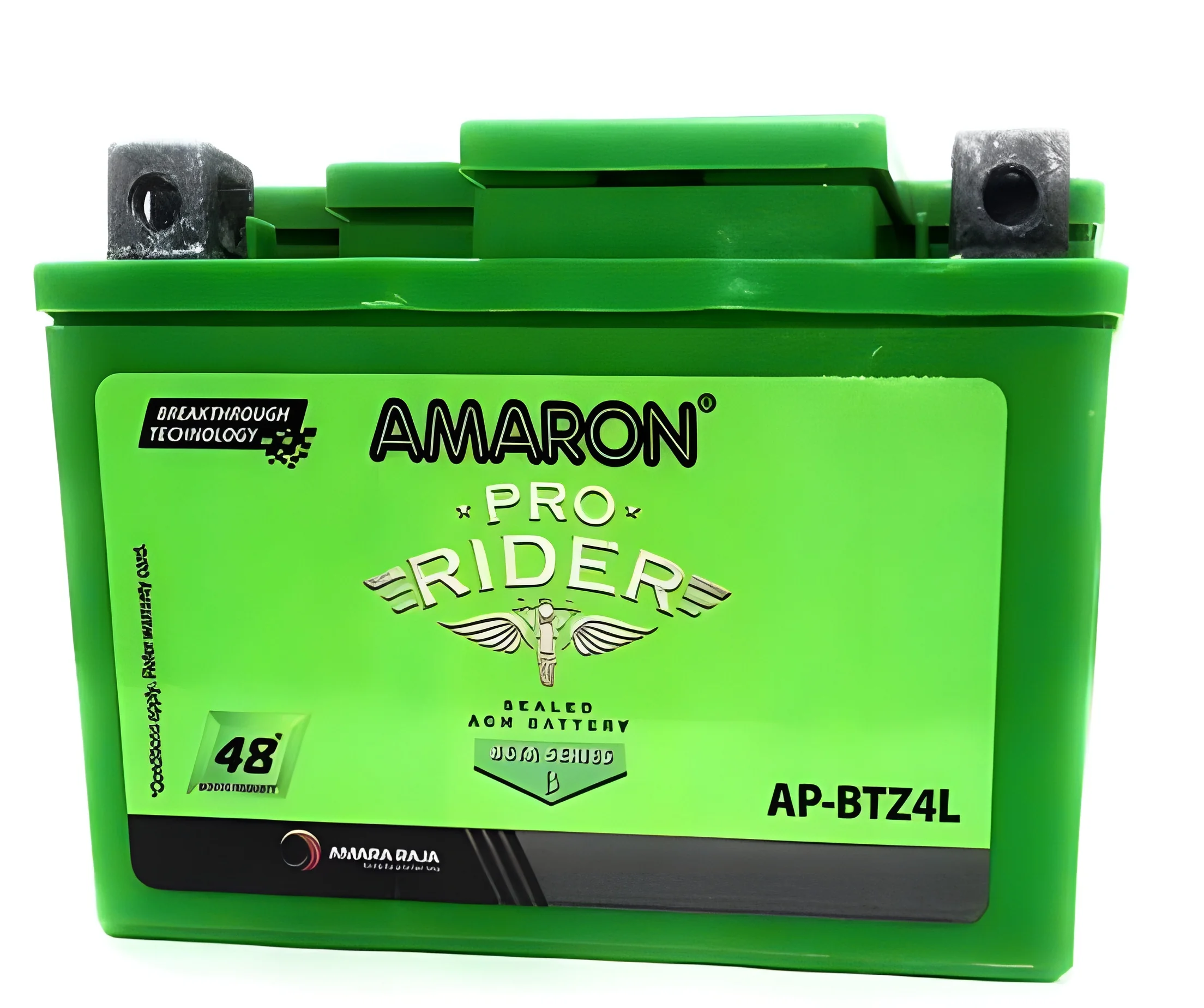
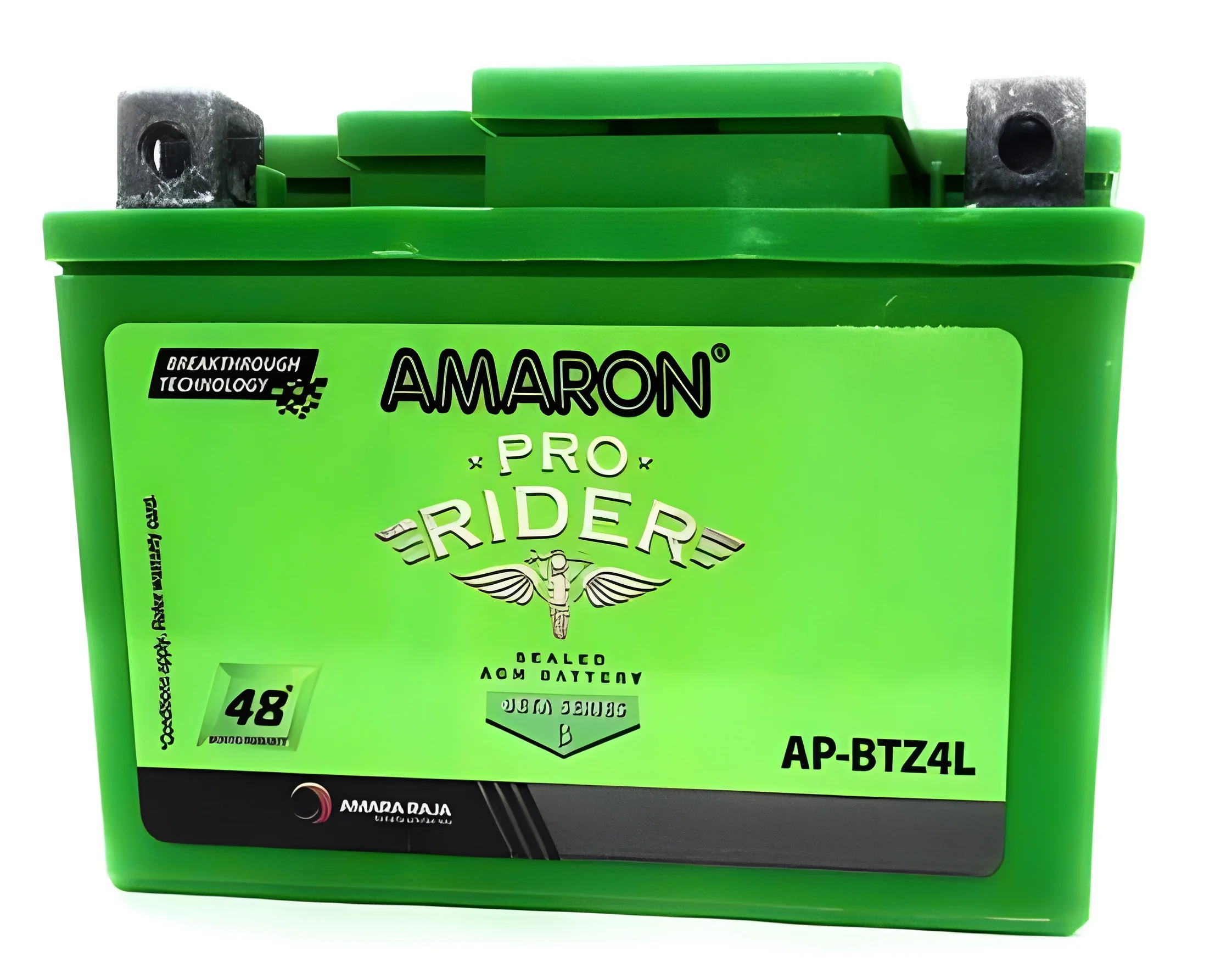
What are Automotive Battery Wholesalers?
Automotive battery wholesalers are specialized distributors that supply a variety of automotive batteries to retailers, repair shops, and other businesses within the automotive industry. These wholesalers play a crucial role in the supply chain by sourcing batteries from manufacturers and making them available in bulk to businesses looking to stock their inventories. The battery types they carry can include lead-acid, lithium-ion, and other specialized batteries for various vehicles, including cars, trucks, and motorcycles.
The primary applications of automotive battery wholesalers include serving automotive repair shops, car dealerships, and retailers that sell automotive parts. These wholesalers ensure that businesses have access to reliable battery products that meet different performance and energy needs. In addition, they often provide essential services such as inventory management and logistics support to help their clients maintain optimal stock levels. The relevance of automotive battery wholesalers in today's market is underscored by the growing demand for electric and hybrid vehicles, which require advanced battery technologies and solutions.
Key Features and Specifications
Automotive battery wholesalers offer a range of products with specific features and specifications tailored to meet various customer needs. Understanding these specifications is essential for businesses looking to purchase automotive batteries in bulk.
Key specifications include:
1. Battery Type
- Common types include lead-acid, lithium-ion, and AGM (Absorbent Glass Mat).
- Each type has specific applications and performance characteristics.
2. Voltage Rating
- Most automotive batteries operate at a standard voltage of 12 volts.
- Some specialized batteries may offer higher voltage options for electric or hybrid vehicles.
3. Capacity
- Measured in amp-hours (Ah), capacity determines how much energy the battery can store.
- Typical capacities range from 40 Ah to over 100 Ah, depending on the battery type.
4. Cold Cranking Amps (CCA)
- CCA measures the battery's ability to start an engine in cold temperatures.
- Higher CCA ratings are essential for vehicles operating in colder climates.
5. Reserve Capacity (RC)
- RC indicates the time a battery can sustain a load without being charged.
- This is crucial for ensuring reliable performance in electrical systems.
6. Dimensions and Weight
- Size and weight specifications vary by battery type and application.
- These factors affect compatibility with different vehicle models.
7. Warranty
- Most automotive batteries come with a warranty ranging from one to three years.
- A longer warranty often indicates higher quality and reliability.
8. Certification
- Look for batteries that meet industry standards, such as CE certification.
- Compliance with recognized quality standards ensures product reliability.
In summary, automotive battery wholesalers provide a diverse range of battery options with specifications that cater to different vehicular needs. Understanding these specifications helps businesses make informed purchasing decisions.
Common Applications and Use Cases
Automotive batteries supplied by wholesalers serve a multitude of industries and applications, making them essential for various sectors.
1. Automotive Repair Shops: These businesses rely on a constant supply of batteries for vehicle repairs and maintenance. Access to a variety of battery types allows them to cater to different vehicle models and customer needs.
2. Car Dealerships: Dealerships require batteries for new and used vehicles on their lots. Having a reliable source of automotive batteries ensures that they can meet customer demands promptly.
3. Fleet Management: Companies that operate vehicle fleets often need bulk battery supplies for maintenance and replacement. Wholesalers help these businesses manage their battery needs efficiently.
4. Construction and Heavy Equipment: Heavy machinery and construction vehicles also require specialized batteries. Wholesalers provide batteries capable of handling the demands of such equipment.
5. Electric and Hybrid Vehicles: As the market for electric vehicles grows, wholesalers are adapting their offerings to include advanced battery technologies necessary for these vehicles.
6. Recreational Vehicles (RVs): RV owners need reliable batteries for their leisure vehicles. Wholesalers supply deep-cycle batteries suitable for extended use.
7. Marine Applications: Marine batteries are essential for boats and other watercraft. Wholesalers offer batteries designed to withstand harsh marine conditions.
Product Variants and Subcategories
Automotive battery wholesalers provide various product options to meet the diverse needs of their clients. While specific subcategories may not be available, the types of batteries offered can vary significantly in performance and application.
Lead-Acid Batteries
These traditional batteries are commonly used in most vehicles. They are known for their reliability and cost-effectiveness. Lead-acid batteries are ideal for standard automotive applications and are widely available through wholesalers.
Lithium-Ion Batteries
As electric vehicles become more popular, lithium-ion batteries are increasingly in demand. These batteries are lightweight and offer high energy density, making them suitable for high-performance vehicles. Wholesalers can supply these advanced batteries to meet growing market needs.
Absorbent Glass Mat (AGM) Batteries
AGM batteries are designed for high-performance applications and are spill-proof. They are ideal for vehicles with advanced electrical systems. Wholesalers provide AGM batteries for businesses requiring durable, maintenance-free options.
Benefits and Advantages
Sourcing automotive batteries from wholesalers provides numerous advantages for businesses in the automotive sector.
Key benefits include:
1. Cost Savings: Purchasing in bulk from wholesalers can significantly reduce per-unit costs, allowing businesses to maximize profit margins.
2. Diverse Product Range: Wholesalers offer a wide variety of battery types, enabling businesses to meet the needs of different customer segments.
3. Reliable Supply Chain: Established relationships with manufacturers ensure a steady supply of batteries, reducing downtime for businesses.
4. Technical Support: Many wholesalers provide technical assistance, helping businesses select the right batteries for specific applications.
5. Inventory Management: Wholesalers often assist with inventory control, ensuring that businesses maintain optimal stock levels without overstocking.
6. Flexible Order Quantities: Wholesalers typically have flexible minimum order quantities, accommodating both small and large businesses.
Buying Guide for B2B Buyers
When sourcing automotive battery wholesalers, it is essential for businesses to consider several key factors to ensure a successful purchasing experience.
1. Quality Assessment: Evaluate the quality of batteries based on performance, longevity, and brand reputation. Look for certifications that indicate adherence to industry standards.
2. Supplier Verification: Conduct thorough research to verify the credibility and reliability of potential suppliers. Request references and check their history in the industry.
3. Pricing and MOQ: Compare pricing structures and minimum order quantities across different wholesalers. Ensure that the pricing aligns with your budget and volume needs.
4. Delivery and Lead Times: Understand the logistics involved in battery delivery. Inquire about lead times and shipping options to ensure timely inventory replenishment.
5. Compliance Requirements: Ensure that the batteries meet relevant regulatory and safety standards. This is crucial for maintaining quality and legal compliance in your market.
Compliance and Certifications
Compliance and certifications are critical aspects of the automotive battery industry. Wholesalers need to adhere to various quality standards to ensure that their products are reliable and safe for consumers.
Relevant quality standards include ISO 9001, which ensures a consistent quality management system. Compliance with such standards guarantees that manufacturers maintain high-quality production processes.
Additionally, many automotive batteries hold CE certification, indicating conformity with European safety standards. This certification is vital for products sold in international markets.
Safety and testing requirements are also stringent, as batteries must undergo rigorous testing to ensure performance and safety under different conditions. Regional compliance considerations may vary, so it is essential for wholesalers to stay informed about local regulations.
Why Source Automotive Battery Wholesalers from Pepagora?
Pepagora provides a trusted platform for sourcing automotive battery wholesalers with several key advantages that benefit B2B buyers.
Verified Supplier Network: Pepagora has established a robust network of verified suppliers. This ensures that businesses can confidently source high-quality batteries from reputable manufacturers.
Streamlined RFQ Process: The Request for Quotation (RFQ) process is designed for efficiency. Buyers can easily communicate their needs and receive competitive quotes from multiple suppliers, saving time and effort.
Trade Assurance and Support: Pepagora offers trade assurance, providing protection for buyers in their transactions. This support helps build trust and confidence in the purchasing process.
Regional Coverage: With a focus on India, the GCC, and Southeast Asia, Pepagora ensures that businesses can access a wide range of battery wholesalers tailored to their regional requirements. This geographic reach enhances the sourcing experience for diverse markets.

 IN
IN