What are Lead Acid Batteries?
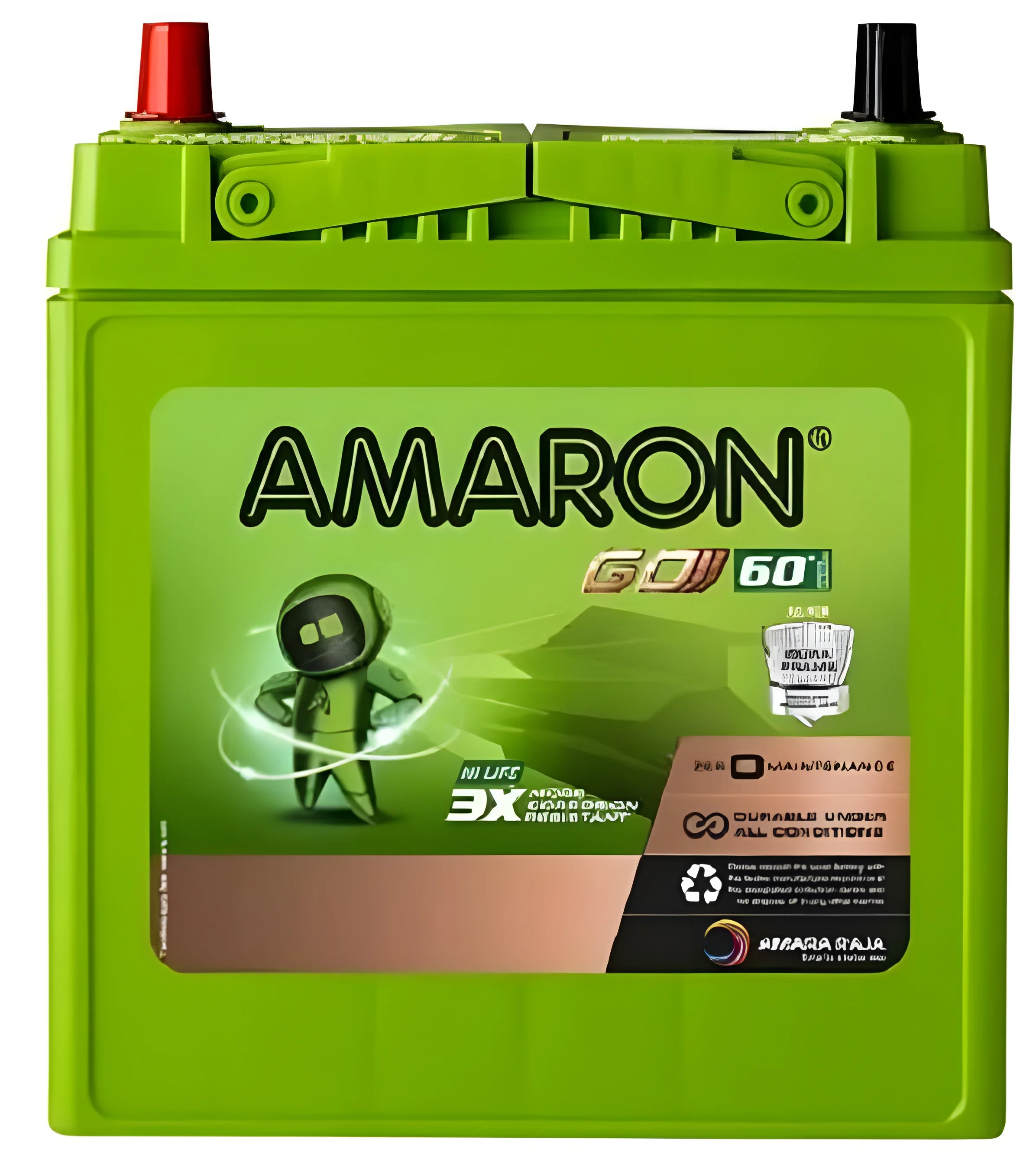
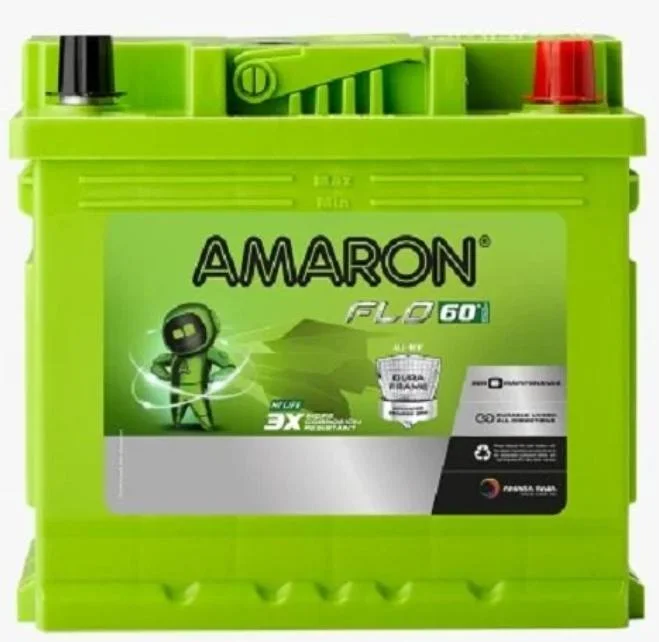
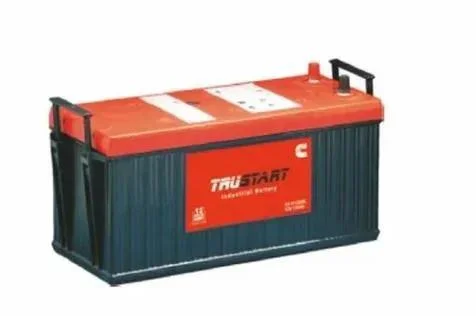
Lead acid batteries are a type of rechargeable battery that uses lead dioxide and sponge lead as electrodes, with sulfuric acid electrolyte. This battery technology is one of the oldest and most widely used forms of energy storage. They are known for their reliability, cost-effectiveness, and ability to deliver high surge currents, which makes them suitable for a variety of applications.
These batteries primarily serve in applications where large amounts of energy are required over a short time, such as starting engines or powering heavy machinery. Common uses include automotive batteries, uninterruptible power supplies (UPS), and renewable energy storage systems. Their robustness and ability to perform well in various conditions contribute significantly to their continued relevance in both industrial and commercial sectors.
In the current market context, lead acid batteries hold a significant share, particularly in industries like automotive, telecommunications, and energy storage. Despite the emergence of newer battery technologies, lead acid batteries remain a preferred choice due to their lower initial costs and well-established manufacturing processes.
Key Features and Specifications
Lead acid batteries come with several key features that make them suitable for diverse applications. Their specifications often determine their performance and usability in various environments.
Key specifications include:
1. Capacity
- Measured in amp-hours (Ah), this indicates how much charge a battery can store and deliver over time.
2. Voltage
- Standard lead acid batteries typically operate at 6V or 12V, but can also be configured for higher voltages in larger systems.
3. Cycle Life
- Refers to the number of charge and discharge cycles a battery can undergo before its capacity significantly diminishes.
4. Charge Time
- The duration required to fully charge the battery, which can vary based on battery size and charging method.
5. Self-Discharge Rate
- Indicates how quickly a battery loses charge when not in use, typically around 5-10% per month for lead acid batteries.
6. Operating Temperature Range
- These batteries generally perform best in ambient temperatures between 0°C to 40°C.
7. Weight
- Lead acid batteries can be relatively heavy, which is an important consideration for transportation and installation.
8. Durability
- Designed to withstand harsh conditions, including vibrations and shocks, making them suitable for industrial applications.
In summary, understanding these specifications helps businesses choose the right lead acid battery for their specific needs and environments.
Common Applications and Use Cases
Lead acid batteries find utility across various industries due to their versatility.
1. Automotive: Used extensively in cars and trucks for starting, lighting, and ignition systems. Their ability to deliver high bursts of power makes them ideal for this application.
2. Telecommunications: Provide backup power for communication systems, ensuring uninterrupted service during outages.
3. Renewable Energy: Serve as storage solutions for solar and wind energy systems, allowing for energy use when generation is not possible.
4. Industrial Equipment: Power forklifts and other heavy machinery in warehouses and manufacturing plants, where reliability is crucial.
5. Uninterruptible Power Supplies (UPS): Protect sensitive electronic equipment from power interruptions, ensuring smooth operations.
6. Marine Applications: Used in boats and ships for starting engines and powering onboard electronics.
7. Electric Vehicles: Employed in some electric and hybrid vehicle systems, particularly in lower-cost models.
Product Variants and Subcategories
Lead acid batteries are available in various types to meet different application requirements.
Starting, Lighting, and Ignition (SLI) Batteries: These are commonly used in vehicles for starting the engine and powering electrical components. They are designed to deliver a high burst of energy for short periods.
Deep Cycle Batteries: Designed for prolonged discharge cycles, these batteries are ideal for applications such as solar power systems and golf carts, where steady power is required over longer periods.
AGM (Absorbent Glass Mat) Batteries: Known for their spill-proof design, these batteries can be used in a variety of applications, including marine and RVs, where safety and reliability are paramount.
Gel Batteries: These feature a gelled electrolyte that prevents spillage, making them suitable for applications requiring maintenance-free operation.
Benefits and Advantages
Lead acid batteries offer several benefits that make them a popular choice among businesses.
1. Cost-Effective: They are generally less expensive to manufacture compared to other battery technologies, resulting in lower purchase costs for businesses.
2. High Surge Currents: Capable of delivering high currents for short periods, they are suitable for applications requiring quick power delivery.
3. Established Technology: With decades of use, lead acid batteries have a proven track record of reliability and performance.
4. Recycling: Lead acid batteries are highly recyclable, making them a more environmentally friendly option compared to some newer battery technologies.
5. Versatility: Their ability to perform in a wide range of applications makes them adaptable to various business needs.
6. Safety: They have a long history of safe use in multiple industries, with established guidelines for handling and disposal.
Buying Guide for B2B Buyers
When sourcing lead acid batteries, it is essential to consider several factors to ensure you make an informed purchase.
1. Quality Assessment: Evaluate the quality of batteries by looking for certifications such as CE. High-quality batteries will have consistent performance and longer lifespans.
2. Supplier Verification: Vet suppliers by checking their reputation, customer reviews, and compliance with industry standards. A reliable supplier will provide warranties and support.
3. Pricing and MOQ: Understand the price range for lead acid batteries and inquire about minimum order quantities to ensure they fit within your budget and supply needs.
4. Delivery and Lead Times: Confirm logistics capabilities, including delivery times and shipping options, to avoid disruptions in your operations.
5. Compliance Requirements: Be aware of any regulatory requirements regarding battery disposal and recycling in your region to avoid legal issues.
Compliance and Certifications
Compliance with quality standards and certifications is crucial for lead acid batteries.
Relevant quality standards include ISO 9001, which ensures consistent quality management practices in manufacturing. Adherence to such standards indicates a commitment to quality and reliability.
Additionally, industry certifications like CE demonstrate that batteries meet European safety and environmental requirements. This is particularly important for businesses operating in regulated markets.
Safety and testing requirements are critical for lead acid batteries to ensure they perform safely under various conditions. This includes thermal testing to prevent overheating and other safety measures to protect users.
Regional compliance considerations may vary, so it is essential for businesses to be aware of local regulations that govern battery production, use, and recycling.
Why Source Lead Acid Batteries from Pepagora?
Pepagora provides a trusted platform for sourcing lead acid batteries, offering several key advantages to buyers.
Verified Supplier Network: With a rigorous vetting process, Pepagora connects buyers with reliable suppliers. This helps ensure that products meet quality standards and compliance requirements.
Streamlined RFQ Process: The request for quotation process is user-friendly, allowing buyers to quickly receive competitive quotes from multiple suppliers, saving time and effort.
Trade Assurance and Support: Buyers benefit from trade assurance mechanisms that protect their purchases. Pepagora offers support throughout the sourcing process, addressing buyer concerns and inquiries.
Regional Coverage: Pepagora has a broad geographic reach, serving markets in India, the GCC region, and Southeast Asia. This ensures that businesses can find suitable suppliers that meet their specific regional needs.
By choosing Pepagora for sourcing lead acid batteries, businesses can navigate the complexities of procurement with confidence and ease.

 IN
IN