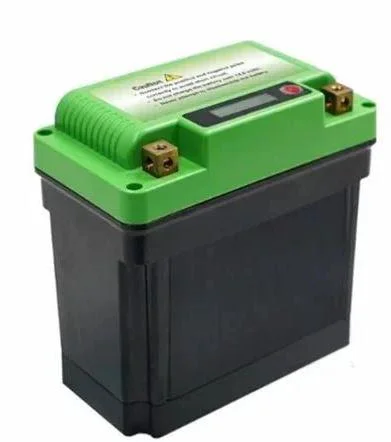
What are Lithium-ion Batteries?
Lithium-ion batteries are rechargeable energy storage devices that utilize lithium ions as the primary component for storing and releasing electrical energy. Unlike traditional batteries, lithium-ion batteries are known for their higher energy density, longer life cycles, and lighter weight. They consist of an anode made of carbon, a cathode typically composed of lithium metal oxides, and an electrolyte that allows the movement of lithium ions between the anode and cathode during charging and discharging.
These batteries are widely used across various industries due to their efficiency and reliability. Common applications include consumer electronics, electric vehicles, renewable energy storage, and industrial equipment. Their ability to provide consistent power output while maintaining a compact size makes them highly desirable for applications where space and weight are critical factors. In the current market context, the demand for lithium-ion batteries has surged, driven by the growth of electric vehicles and the increasing need for renewable energy solutions.
Key Features and Specifications
Lithium-ion batteries are characterized by several important features and specifications that determine their performance and suitability for various applications. Understanding these specifications is crucial for B2B buyers looking to make informed purchasing decisions.
Key specifications include:
1. Energy Density
- Refers to the amount of energy stored per unit volume or weight.
- Typically ranges from 150 to 250 Wh/kg.
2. Cycle Life
- Indicates the number of complete charge-discharge cycles a battery can undergo before its capacity significantly diminishes.
- Generally ranges from 500 to 2000 cycles, depending on usage and conditions.
3. Voltage
- Represents the electrical potential difference between the positive and negative terminals.
- Standard nominal voltage for lithium-ion cells is around 3.6 to 3.7 volts.
4. Charge Time
- The duration required to fully charge the battery from a discharged state.
- Typically ranges from 1 to 6 hours based on capacity and charger specifications.
5. Operating Temperature Range
- Describes the optimal temperature conditions for battery operation.
- Common range is between -20°C to 60°C.
6. Self-Discharge Rate
- The rate at which a battery loses charge when not in use.
- Generally low, around 2-5% per month.
7. Safety Features
- Includes built-in mechanisms to prevent overheating, overcharging, and short-circuiting.
- Often designed with protective circuits to enhance safety.
8. Weight
- The mass of the battery can influence its application, particularly in portable devices.
- Varies significantly based on capacity, typically from 100 grams to several kilograms.
Lithium-ion batteries offer a combination of high energy density and long life, making them suitable for diverse applications across industries.
Common Applications and Use Cases
Lithium-ion batteries are utilized in various sectors, showcasing their versatility and efficiency.
1. Automotive Industry: Lithium-ion batteries power electric vehicles (EVs) and hybrid vehicles, providing a sustainable energy source that reduces reliance on fossil fuels.
2. Consumer Electronics: These batteries are commonly found in smartphones, laptops, and tablets, offering a lightweight and compact solution for portable devices.
3. Renewable Energy: Lithium-ion batteries play a crucial role in energy storage systems for solar and wind power, allowing for the efficient storage of energy for later use.
4. Industrial Equipment: Many industrial applications, such as robotics and material handling equipment, utilize lithium-ion batteries for their reliability and performance.
5. Medical Devices: Lithium-ion batteries are used in a variety of medical equipment, including portable diagnostic devices, ensuring they operate reliably in critical situations.
6. Telecommunications: These batteries support backup power systems for telecom infrastructure, ensuring uninterrupted service during outages.
7. Aerospace: Lithium-ion technology is increasingly used in aviation applications, providing lightweight energy solutions for drones and other aircraft.
Product Variants and Subcategories
Lithium-ion batteries come in various forms to meet different industrial and commercial needs. Their diversity allows for tailored solutions depending on specific requirements.
18650 Lithium-ion Battery: A cylindrical battery commonly used in laptops and electric vehicles. Known for its high capacity and stability, it is widely favored in consumer electronics and power tools.
Prismatic Lithium-ion Battery: These batteries are rectangular and designed for applications requiring a compact form factor. They are often used in smartphones and electric vehicles due to their efficient space utilization.
Pouch Lithium-ion Battery: Lightweight and flexible, pouch batteries are often used in portable consumer electronics. Their design allows for a lower profile and can be customized for specific applications.
Benefits and Advantages
Lithium-ion batteries offer numerous advantages that make them an appealing choice for various applications.
1. High Energy Density: They store more energy in a smaller volume compared to other battery types, making them ideal for portable devices.
2. Long Cycle Life: With proper care, lithium-ion batteries can endure many charge-discharge cycles, reducing the need for frequent replacements.
3. Fast Charging Capability: These batteries can be charged quickly compared to lead-acid batteries, minimizing downtime for users.
4. Low Self-Discharge Rate: They maintain charge better over time when not in use, providing reliability for backup applications.
5. Environmentally Friendly: Lithium-ion batteries are less toxic than many traditional batteries, making them a more sustainable option.
6. Versatile Applications: Their adaptability allows them to be used in a wide range of industries, from consumer electronics to renewable energy.
Buying Guide for B2B Buyers
When sourcing lithium-ion batteries, B2B buyers should consider several critical factors to ensure they make informed decisions.
1. Quality Assessment: Evaluate the quality of batteries through certifications and standards compliance. Look for suppliers that adhere to industry benchmarks for performance and safety.
2. Supplier Verification: Conduct thorough research on potential suppliers, checking their reputation, customer reviews, and manufacturing practices to ensure reliability.
3. Pricing and MOQ: Understand the pricing structure and minimum order quantities (MOQ) to find options that fit your budget while meeting your needs.
4. Delivery and Lead Times: Inquire about logistics and expected delivery times to ensure that the supplier can meet your project timelines.
5. Compliance Requirements: Ensure that the batteries meet necessary regulatory standards for safety and environmental impact, which might vary by region.
Compliance and Certifications
Lithium-ion batteries are subject to various compliance standards and certifications that ensure their safety and performance.
Quality standards such as ISO 9001 guarantee that manufacturers maintain consistent quality management systems. This is crucial for B2B buyers seeking reliable products.
Industry certifications like CE indicate that the products meet European health, safety, and environmental protection standards. Such certifications are essential for accessing certain markets.
Safety and testing requirements must be adhered to, including considerations for thermal stability, pressure testing, and electrical performance. Compliance with these requirements minimizes risks associated with battery failures.
Regional compliance considerations include understanding the specific regulations that apply in different geographic locations. This is particularly important for businesses that operate across borders.
Why Source Lithium-ion Batteries from Pepagora?
Pepagora offers a trusted platform for sourcing lithium-ion batteries, providing several key advantages for businesses.
Verified Supplier Network: Pepagora ensures that all suppliers in its network are thoroughly vetted, giving buyers confidence in the quality and reliability of the products being offered.
Streamlined RFQ Process: The platform simplifies the request for quotation process, allowing buyers to easily compare prices and specifications from multiple suppliers, saving time and effort.
Trade Assurance and Support: Pepagora provides buyer protection through trade assurance policies, ensuring that transactions are secure and that buyers have recourse in case of issues.
Regional Coverage: With a strong presence in markets like India, the GCC, and Southeast Asia, Pepagora connects buyers with local suppliers, facilitating easier logistics and reducing shipping times.

 IN
IN