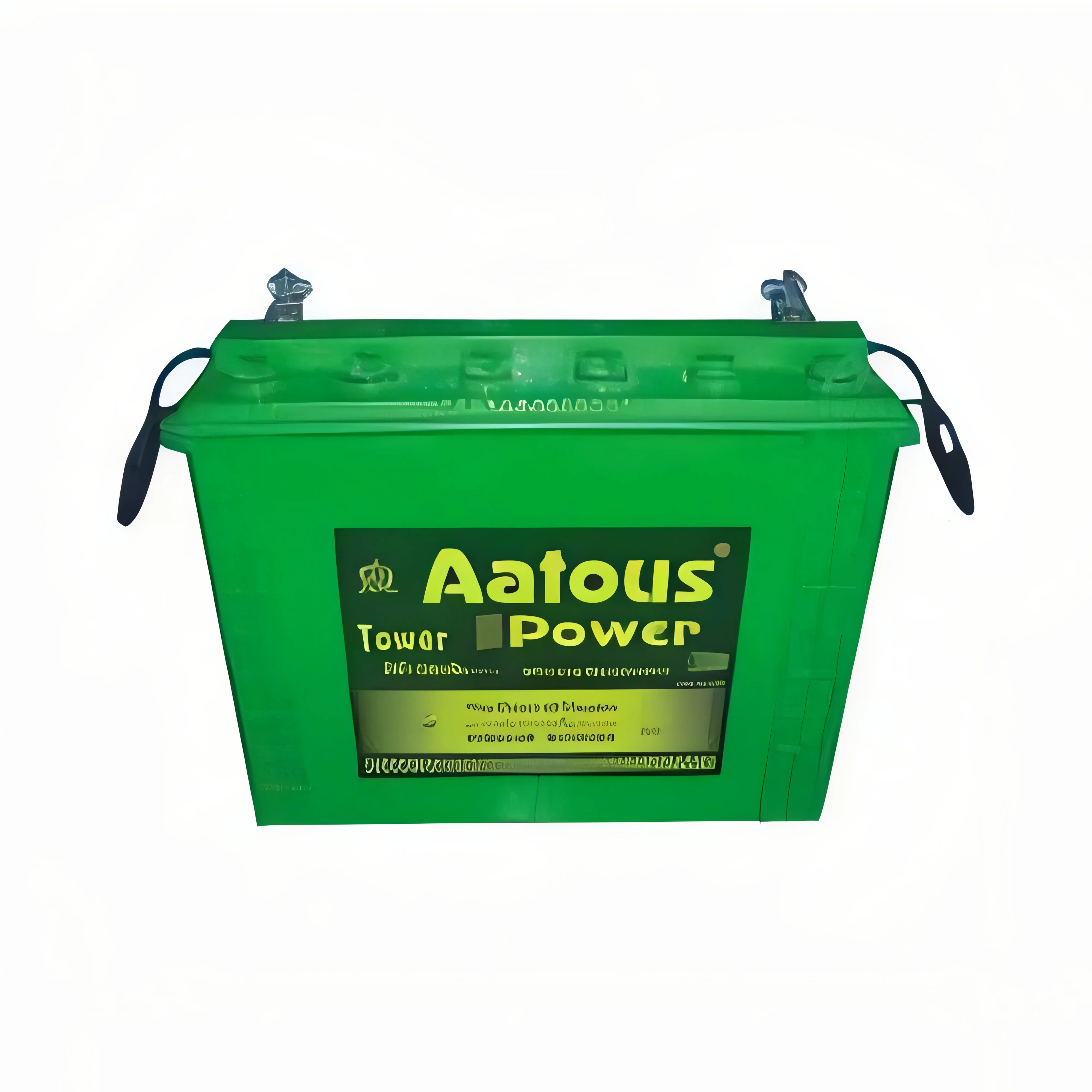
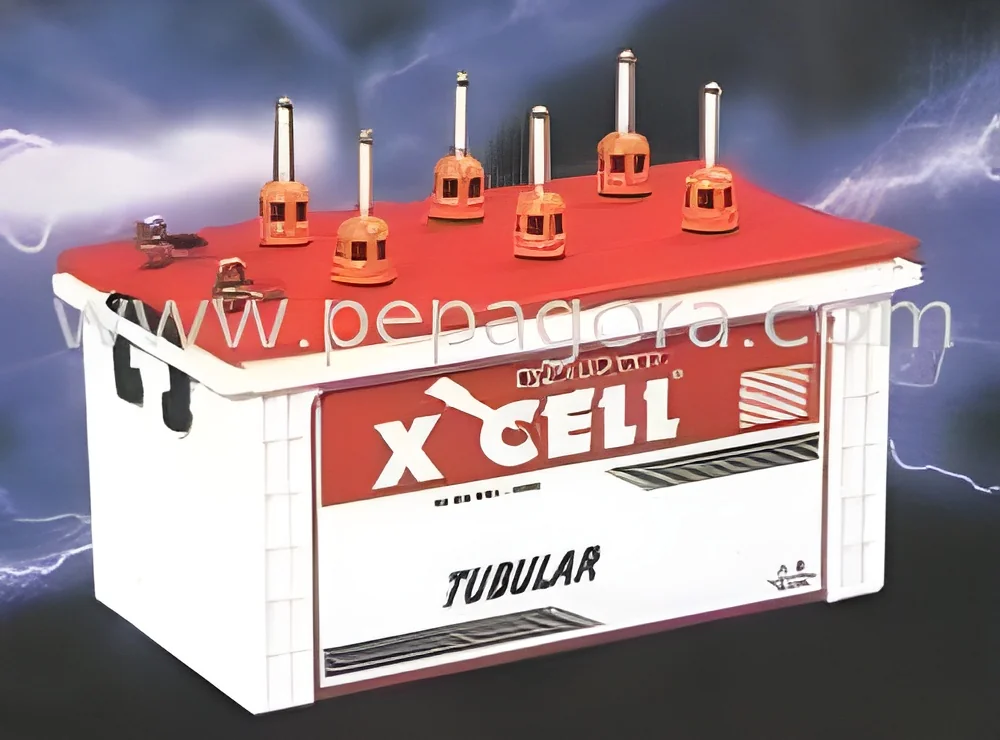
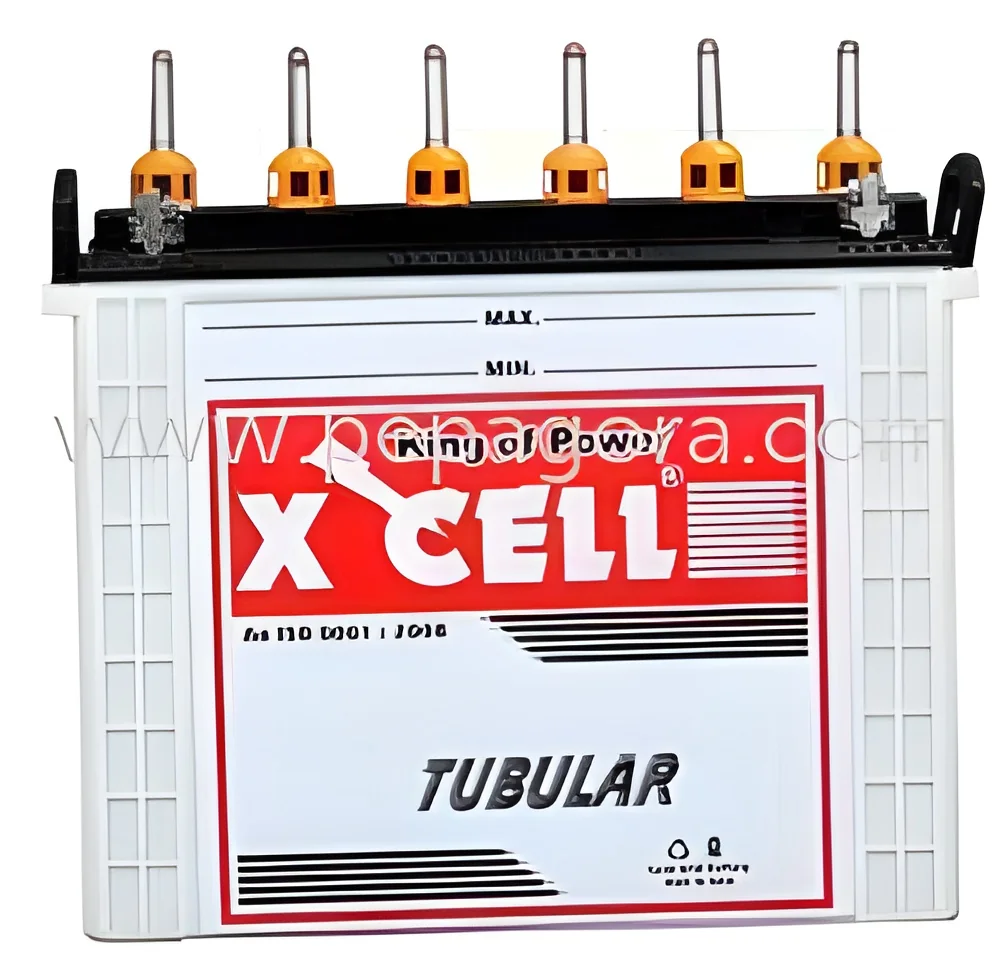
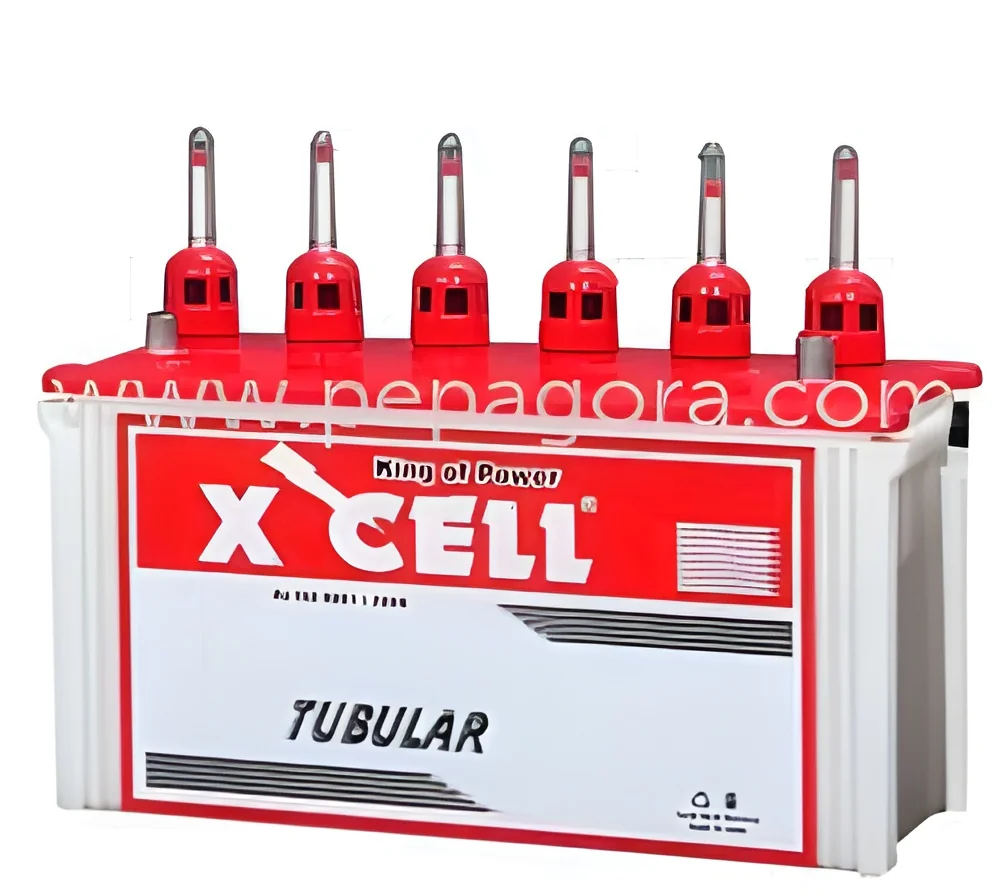
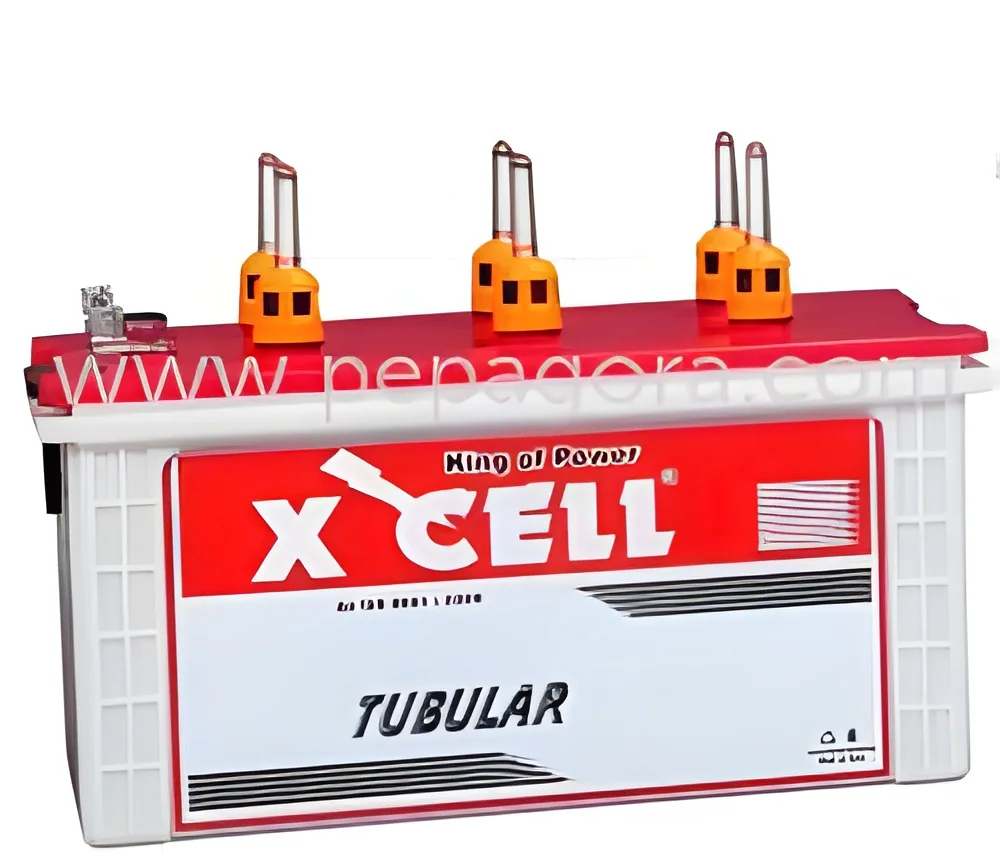
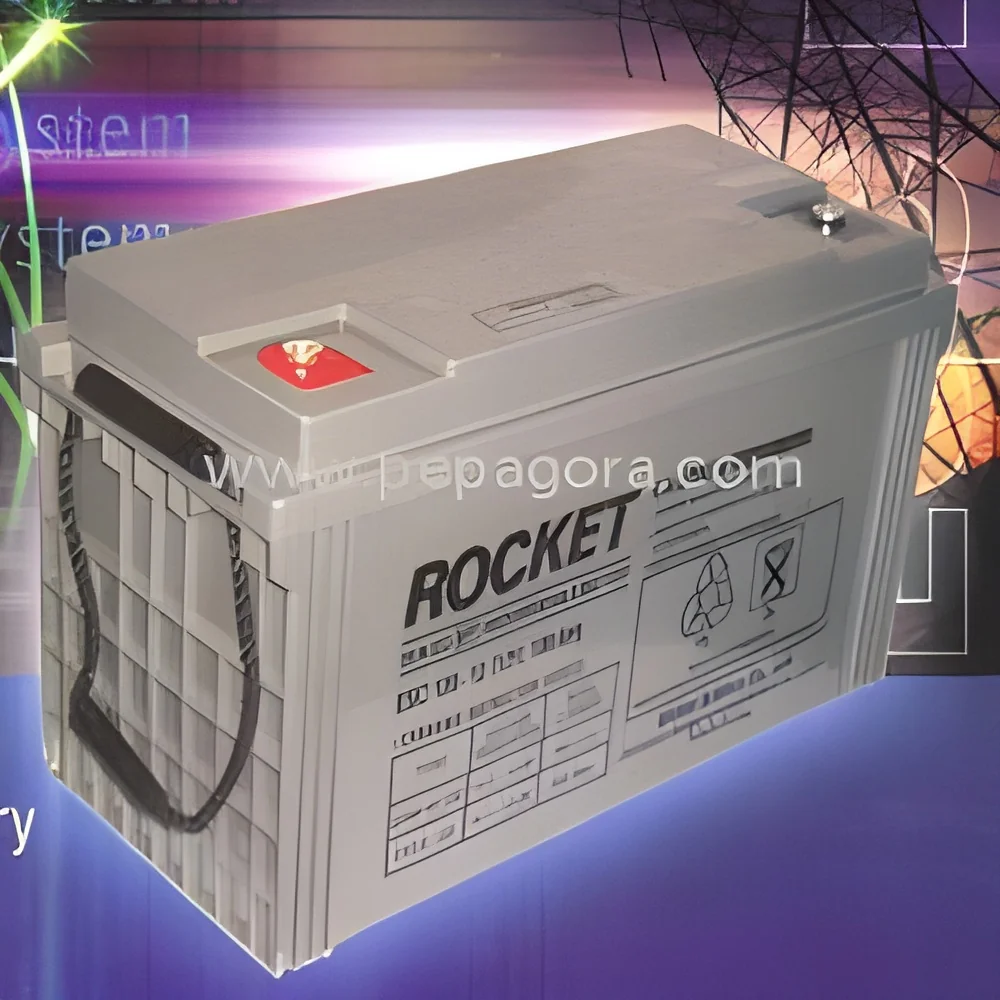
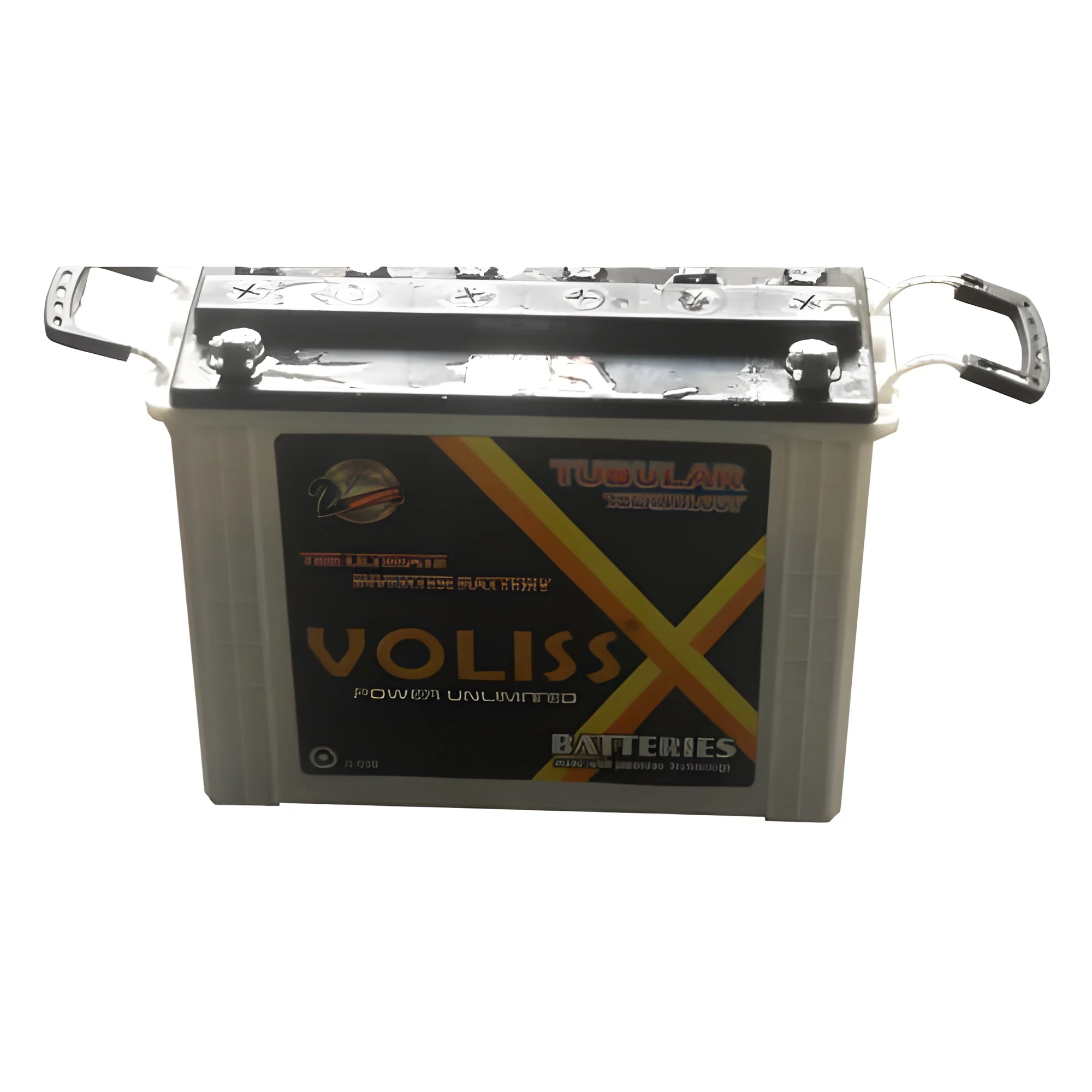
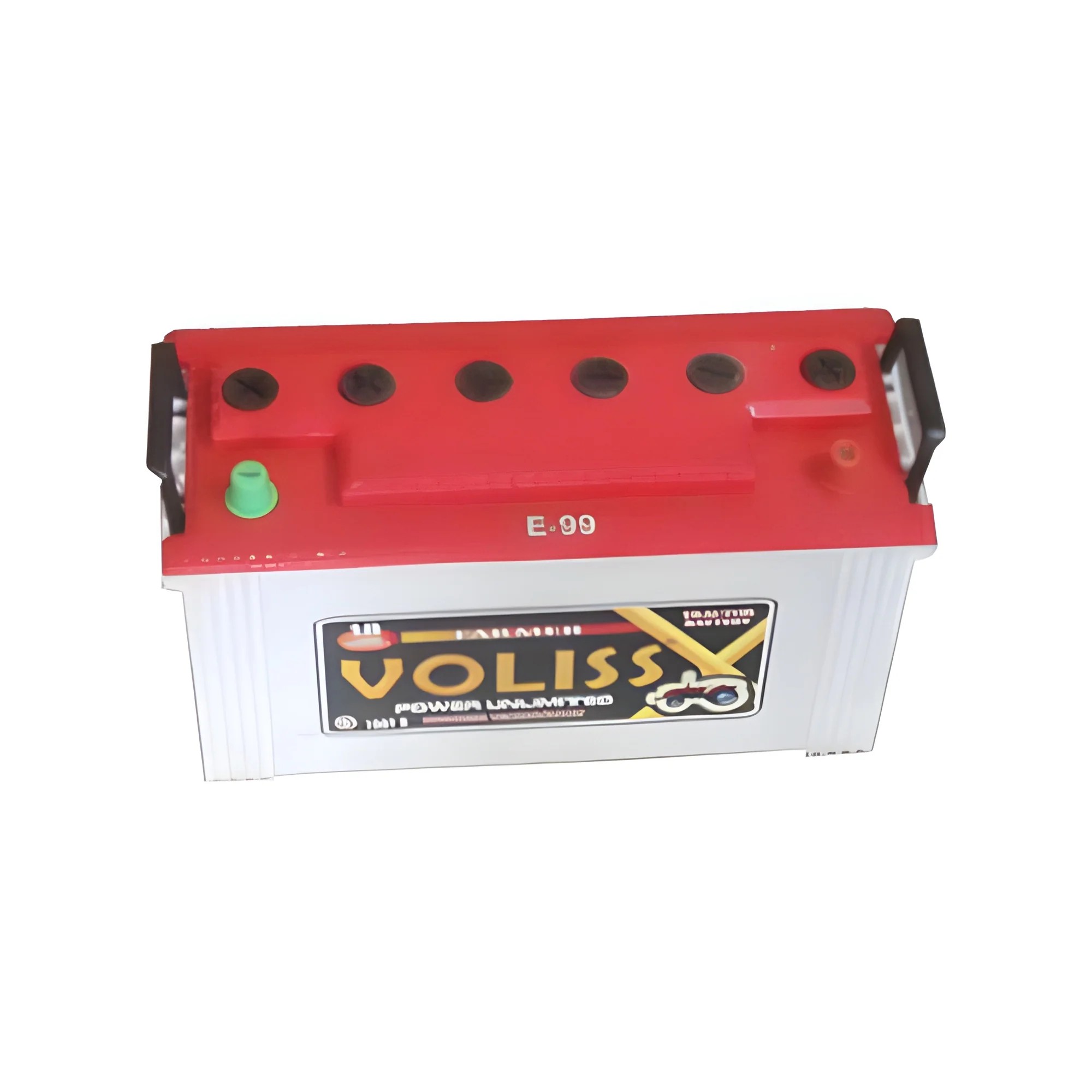
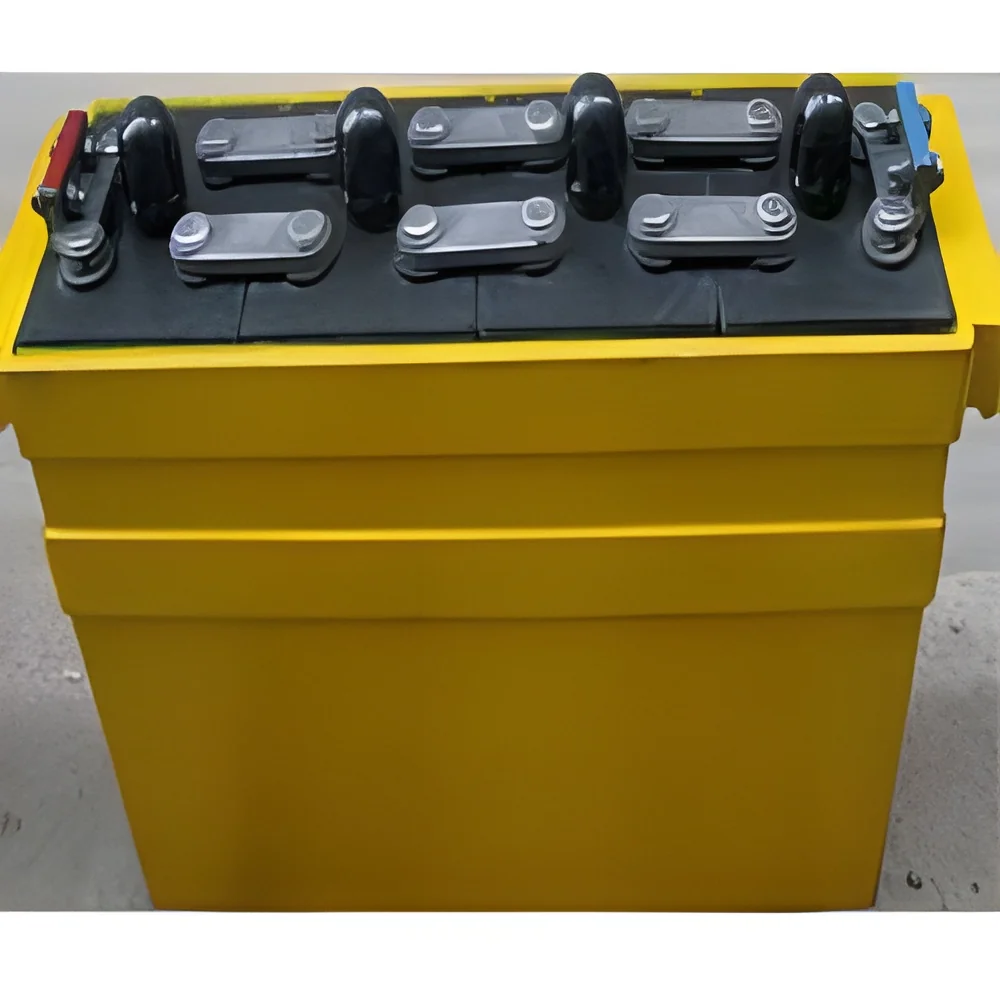
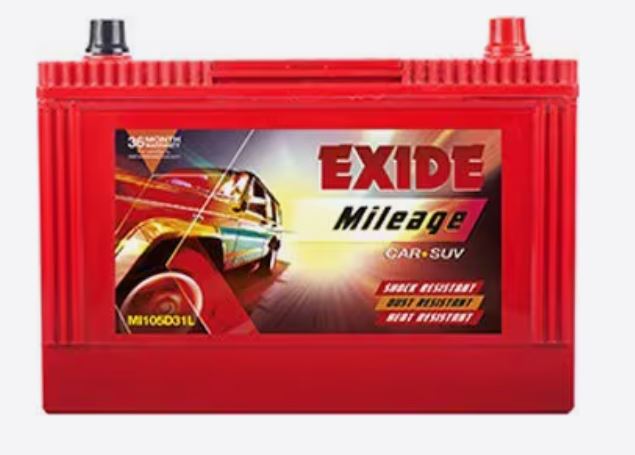
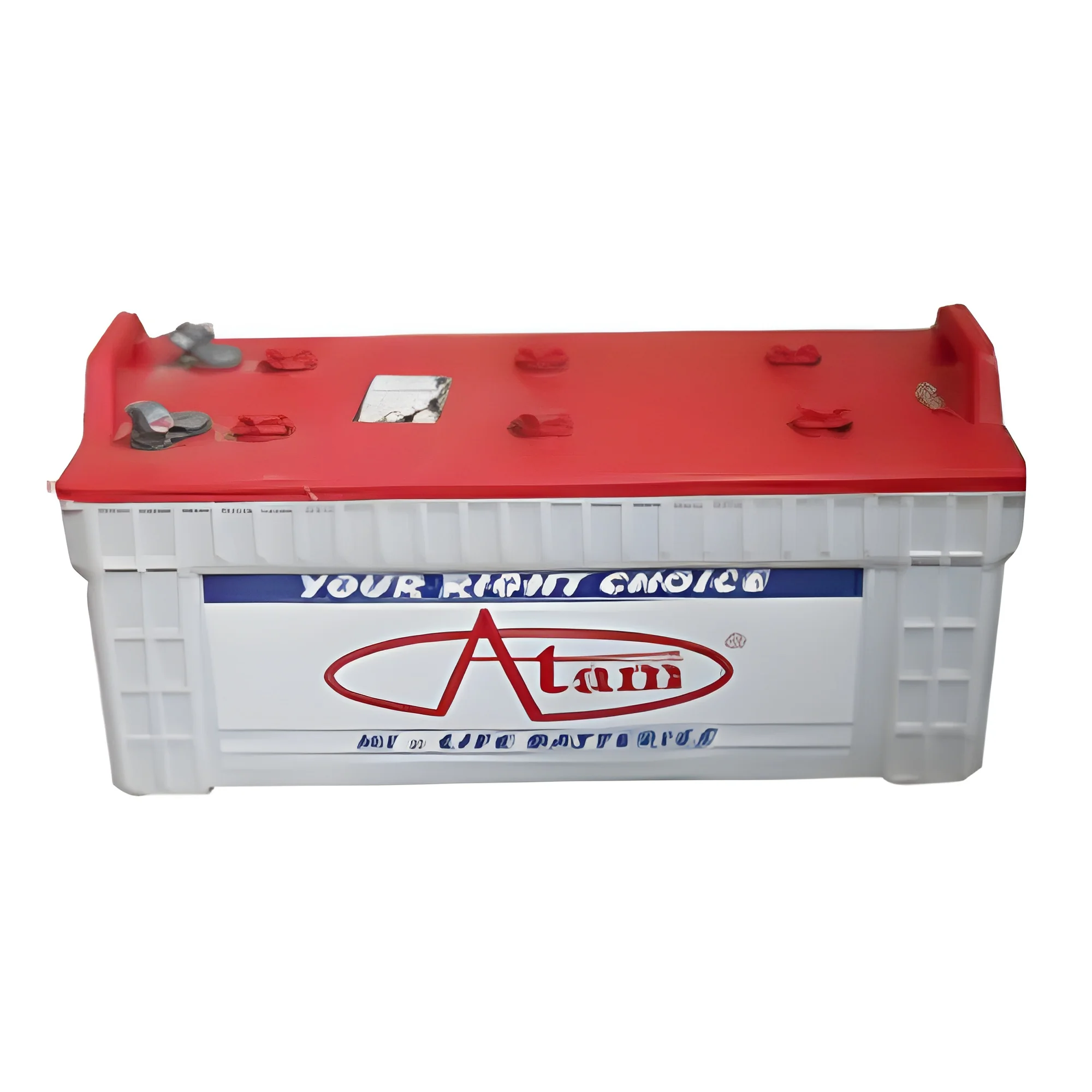
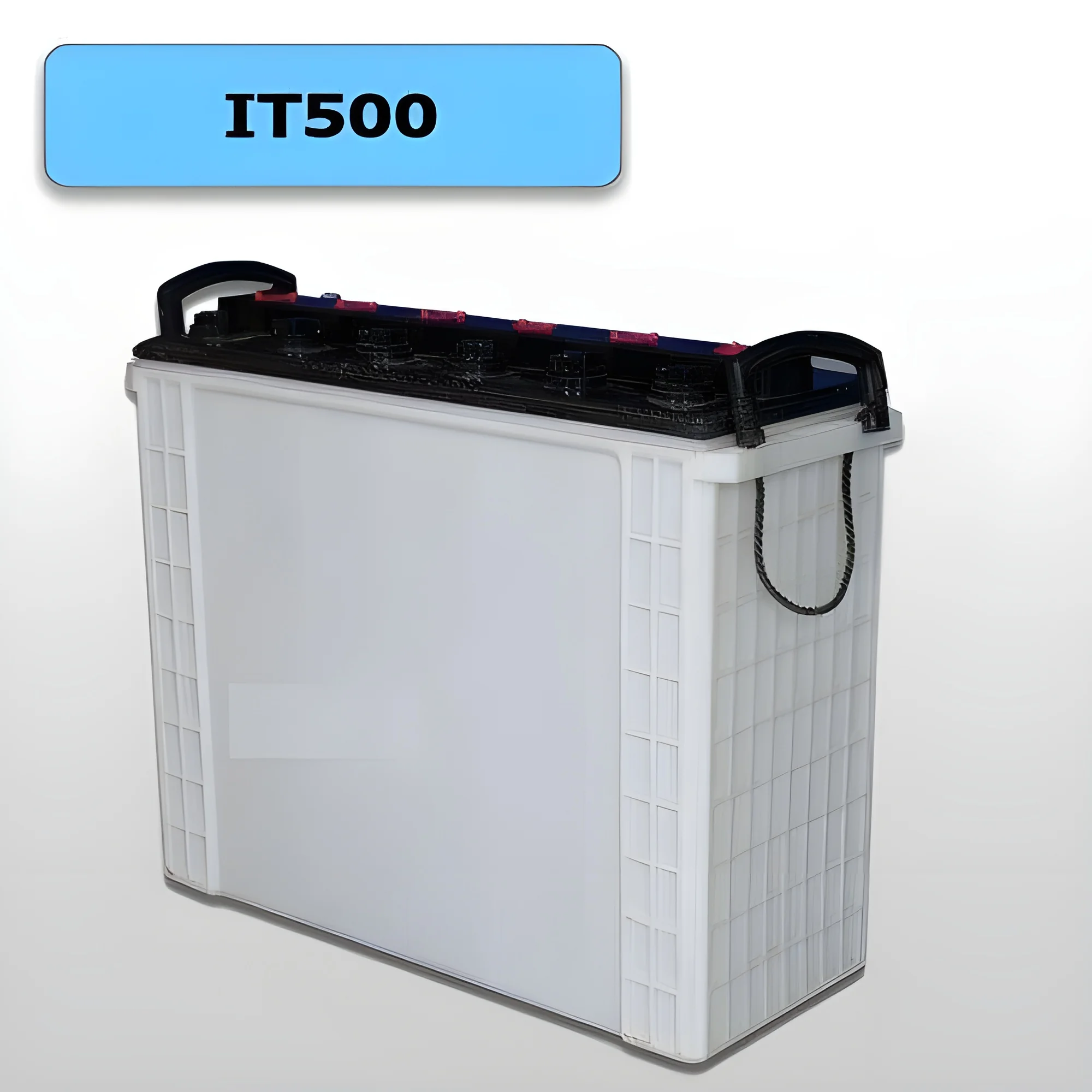
𝗪𝗵𝗮𝘁 𝗮𝗿𝗲 𝗩𝗲𝗵𝗶𝗰𝗹𝗲 𝗕𝗮𝘁𝘁𝗲𝗿𝗶𝗲𝘀?
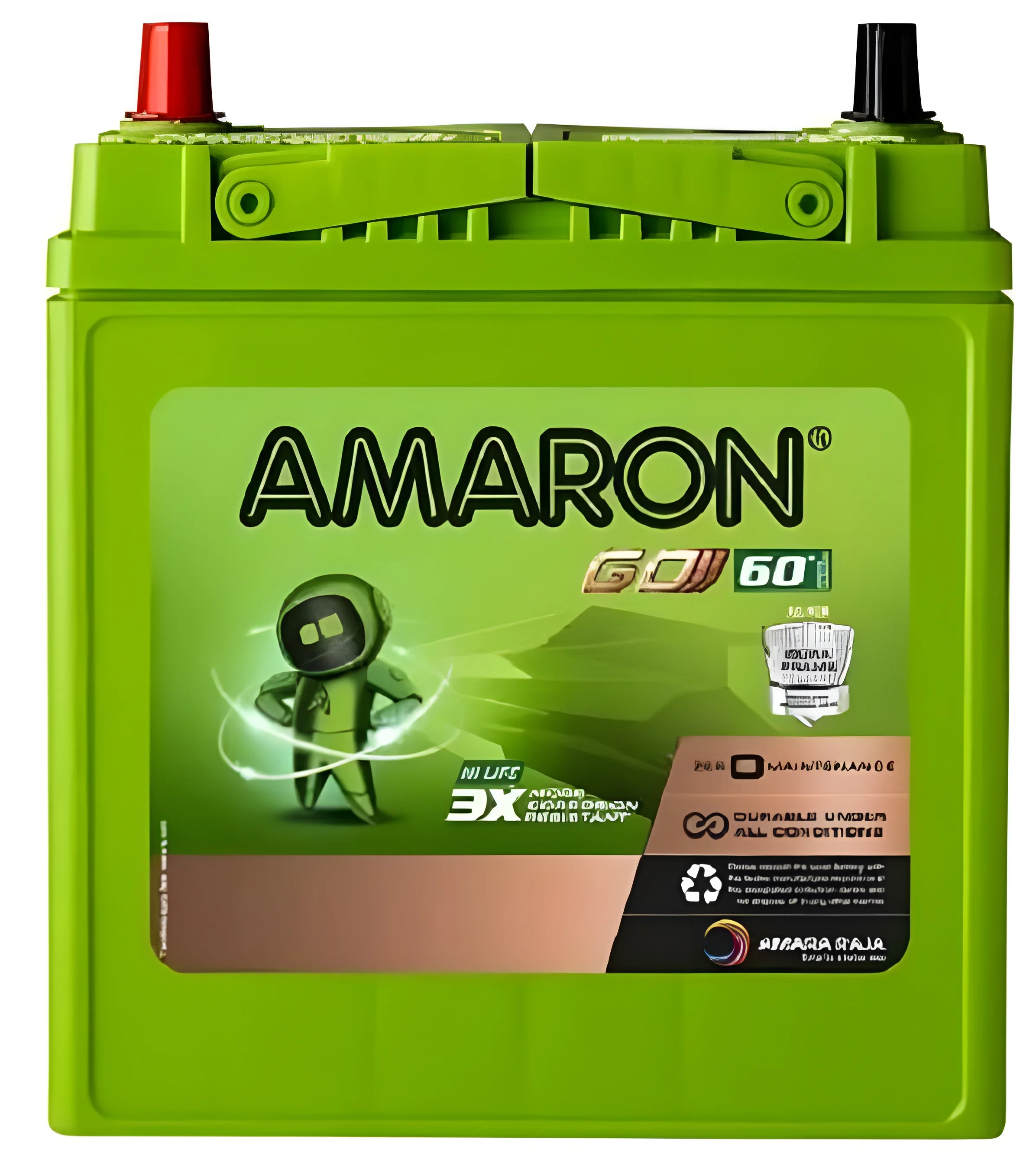
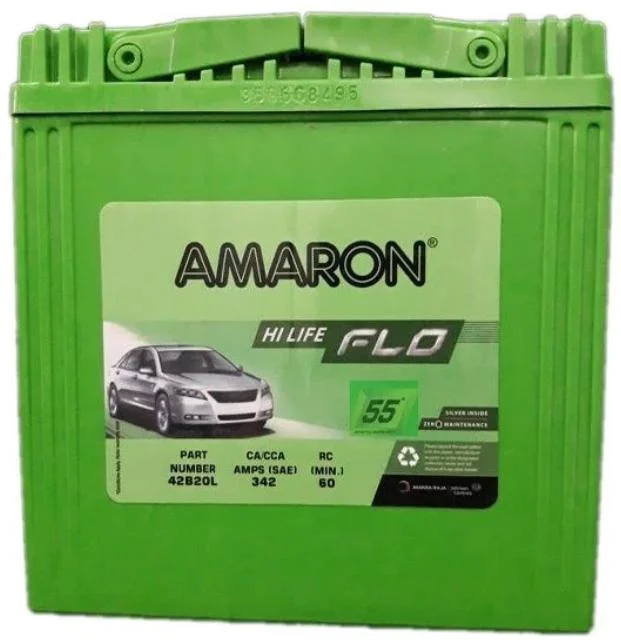
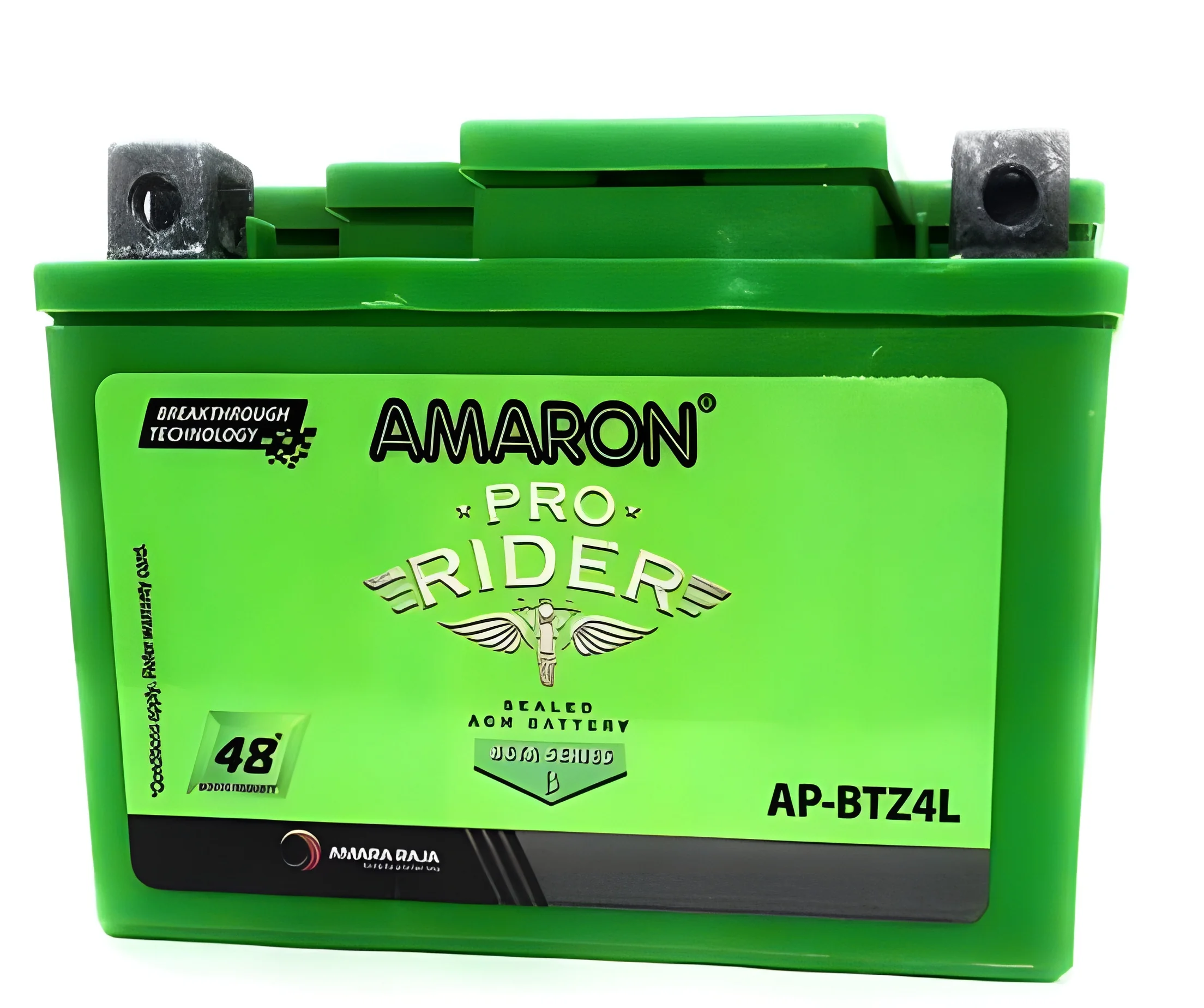
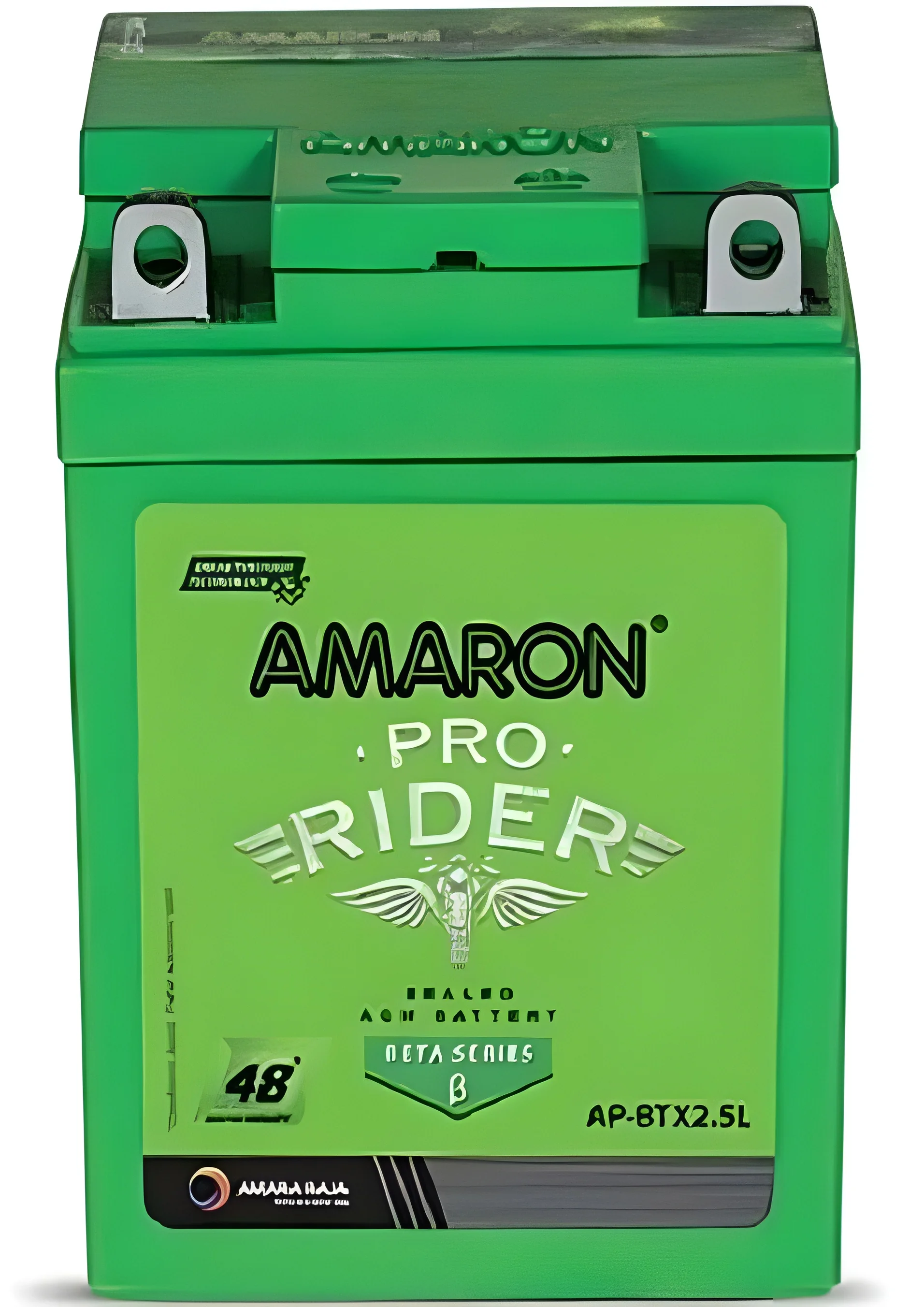
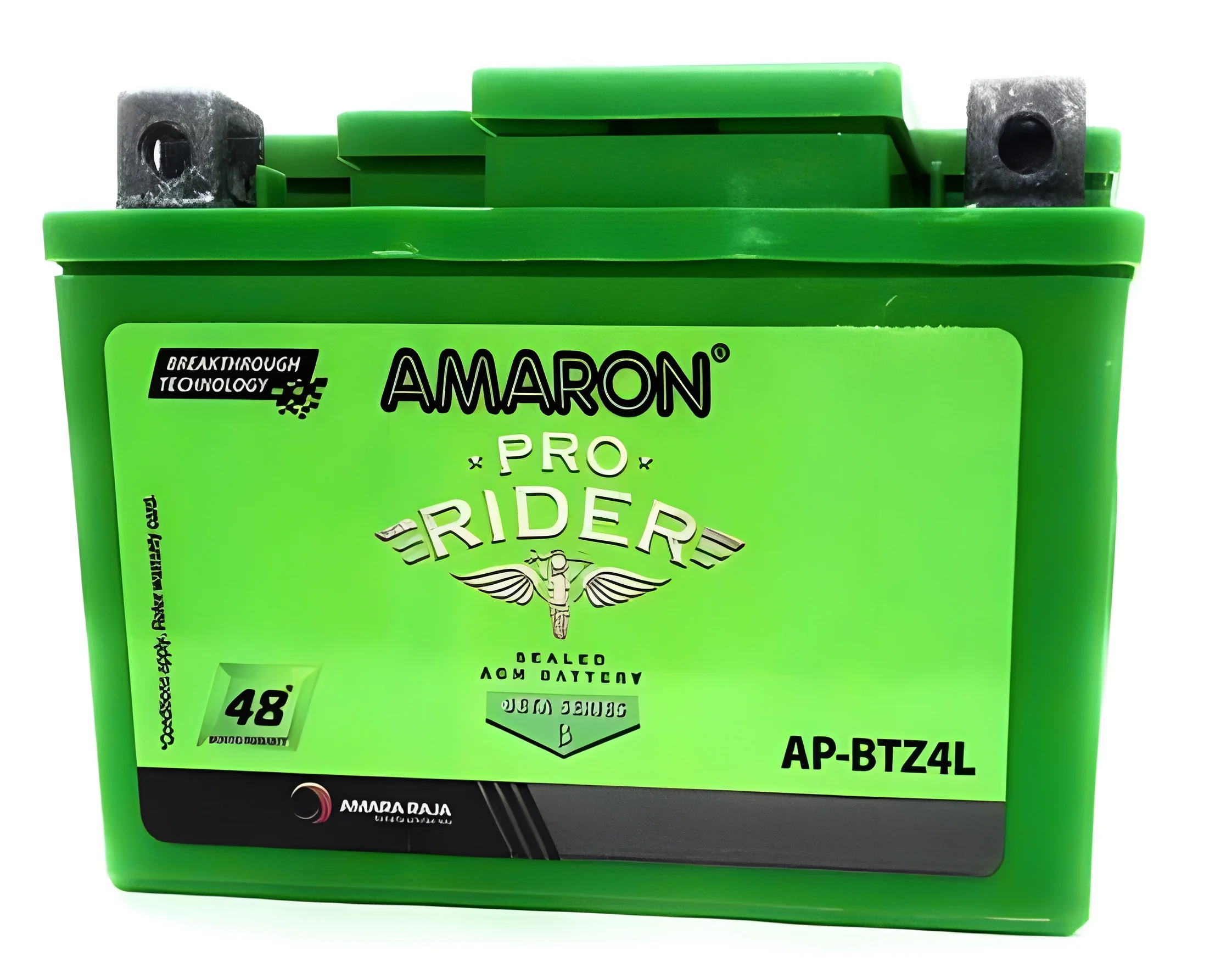
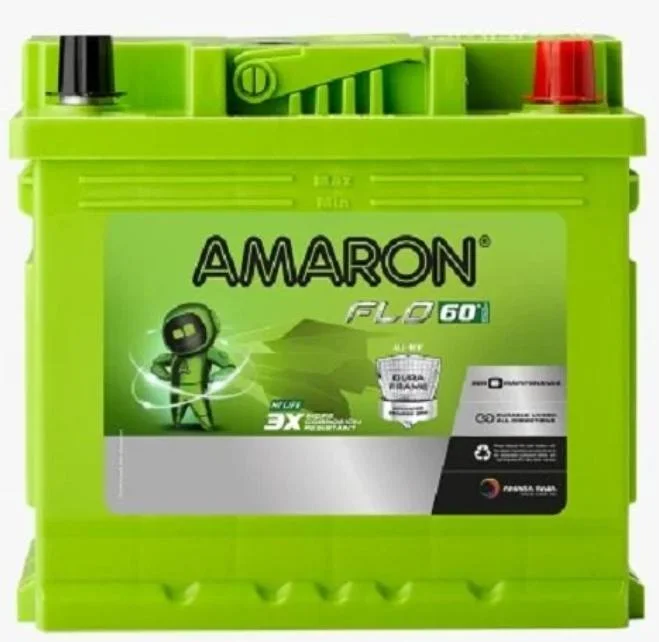
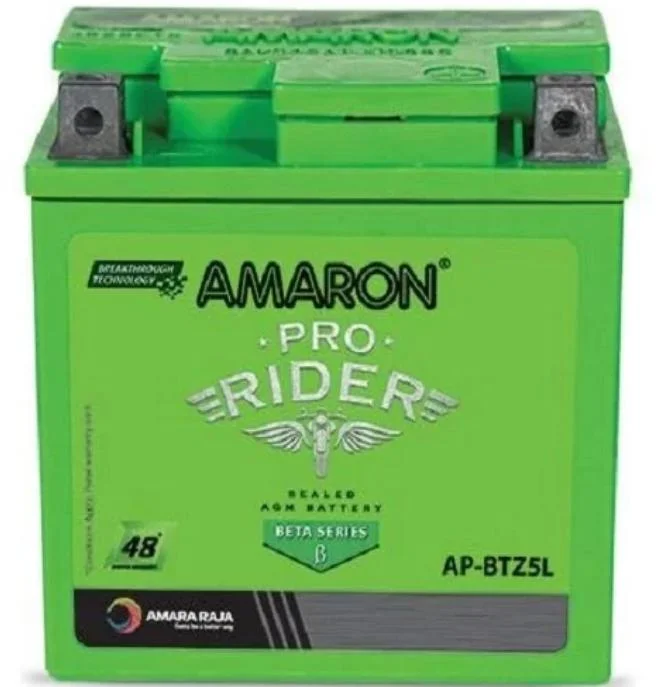
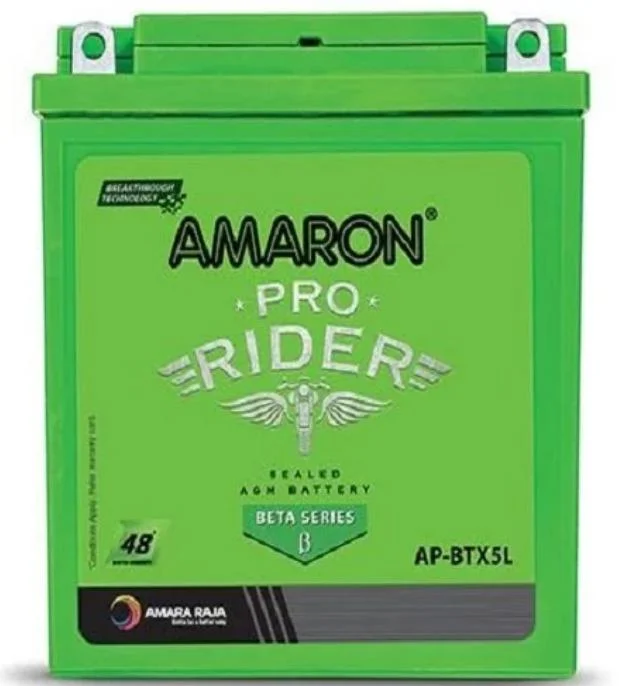
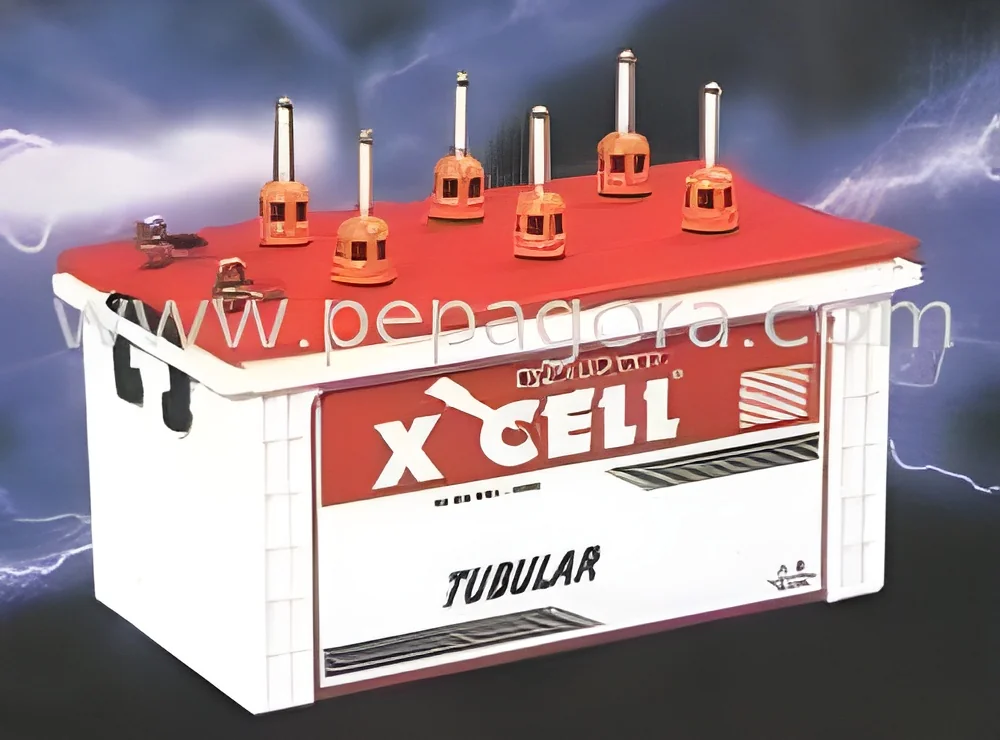
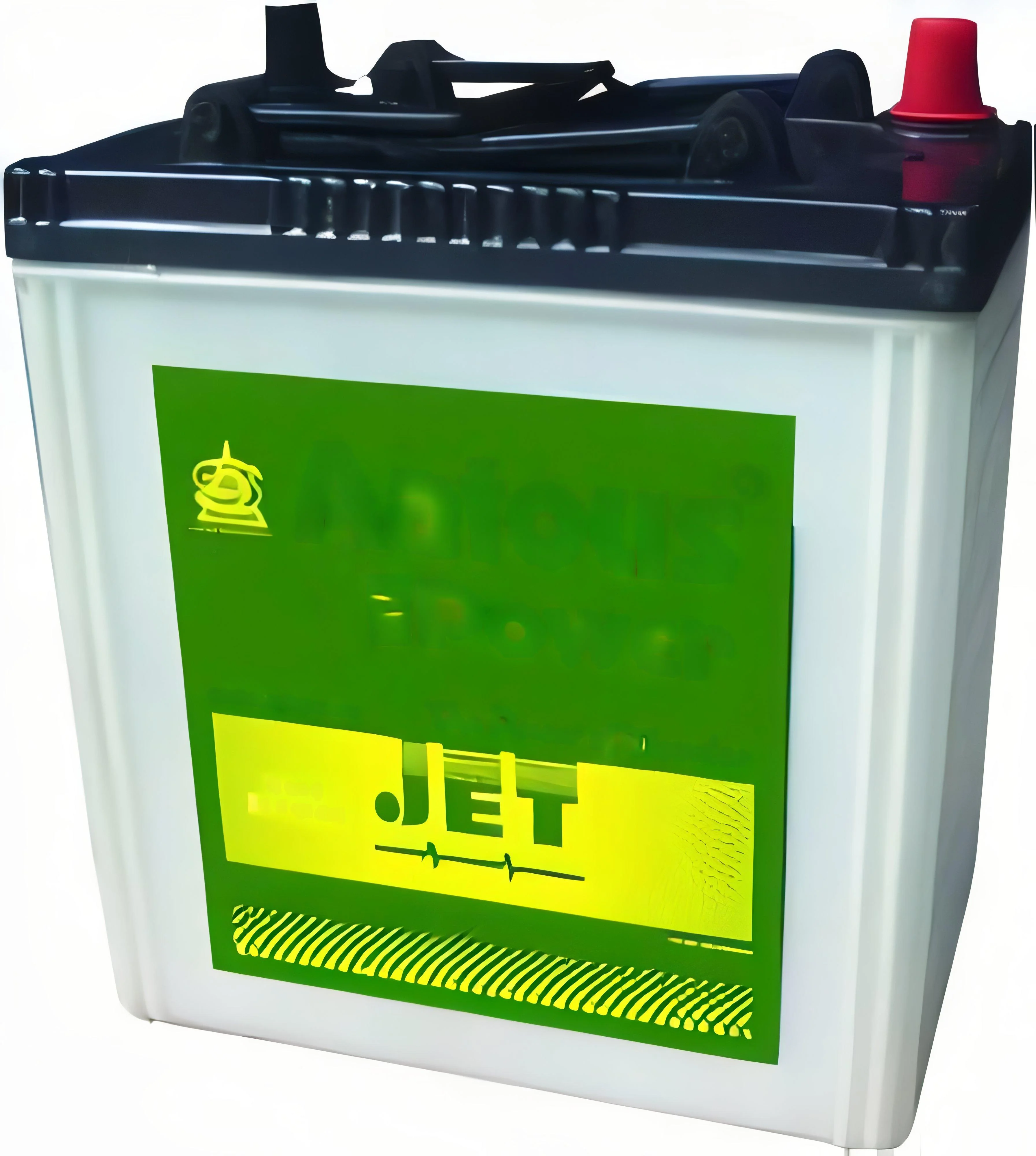
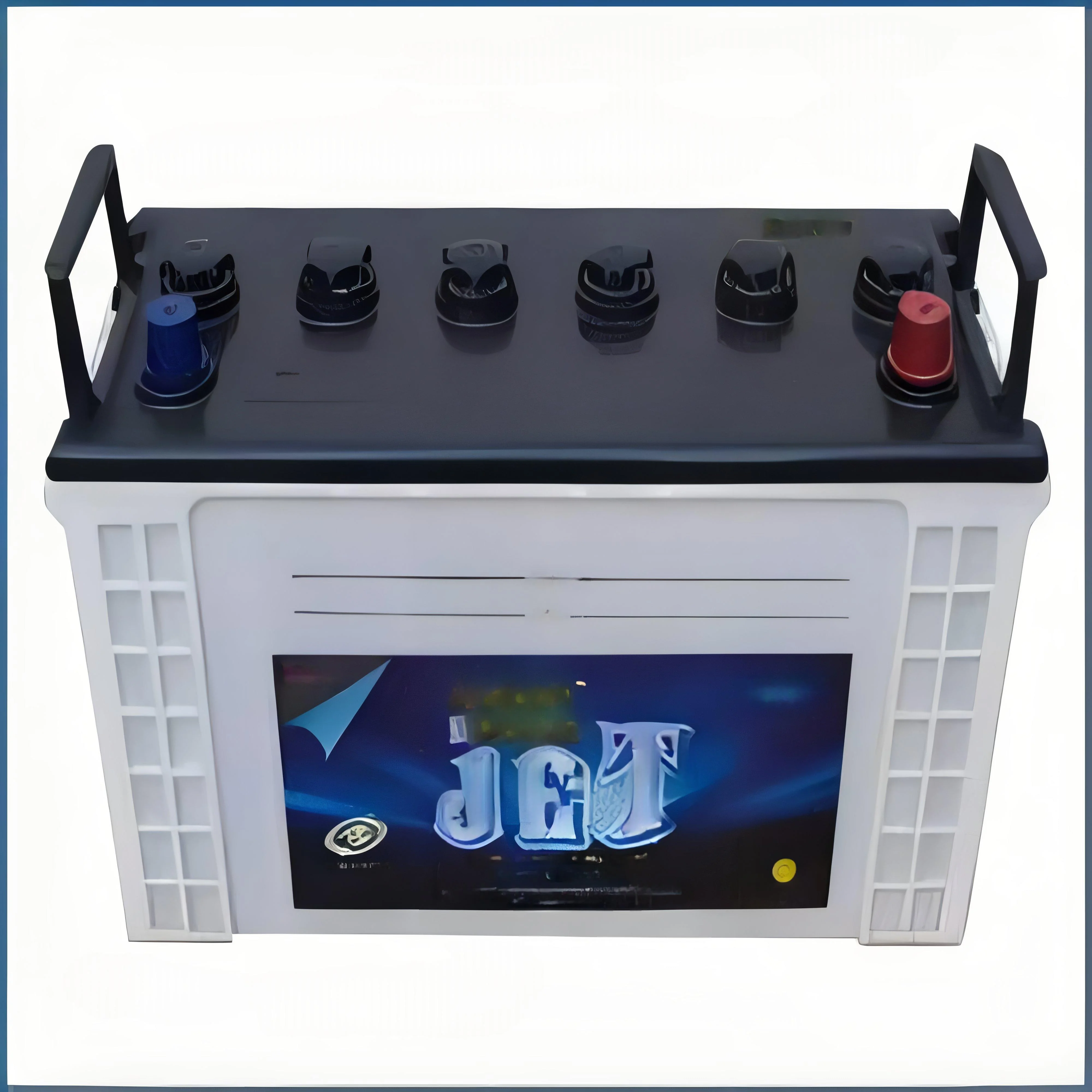
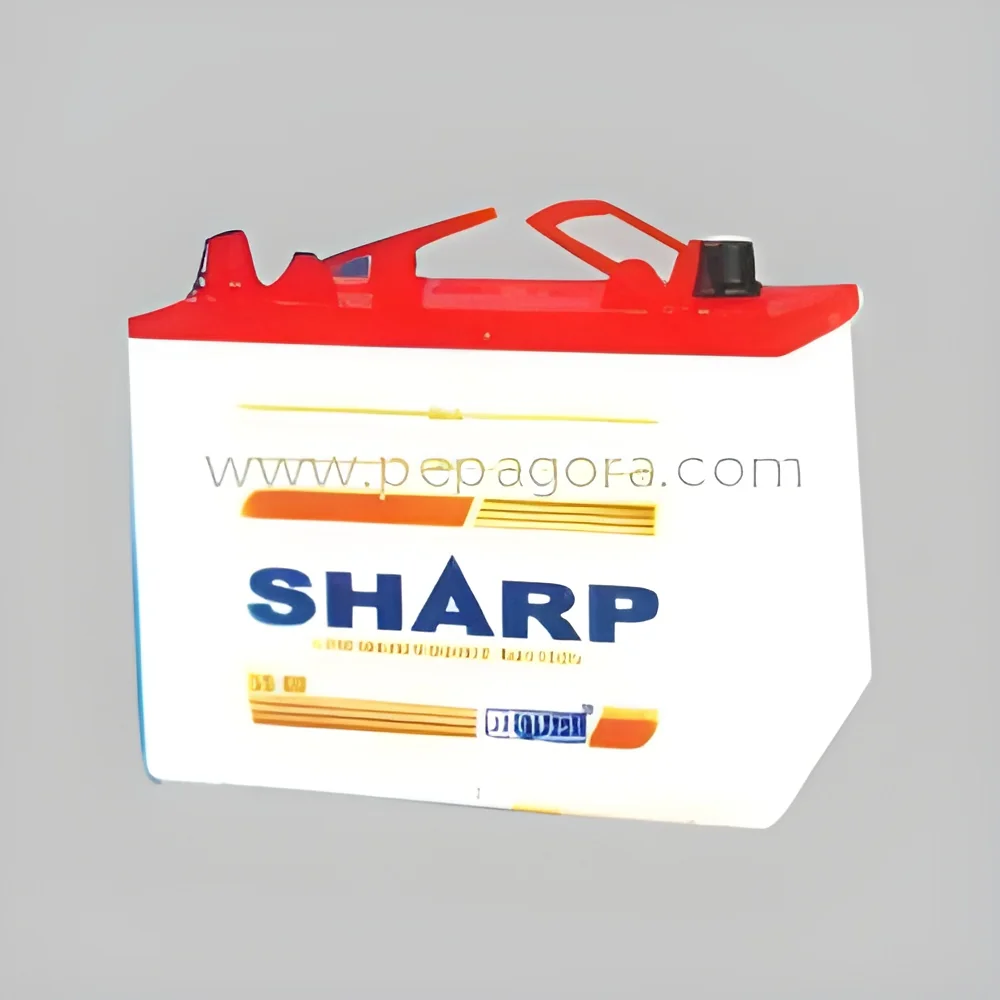
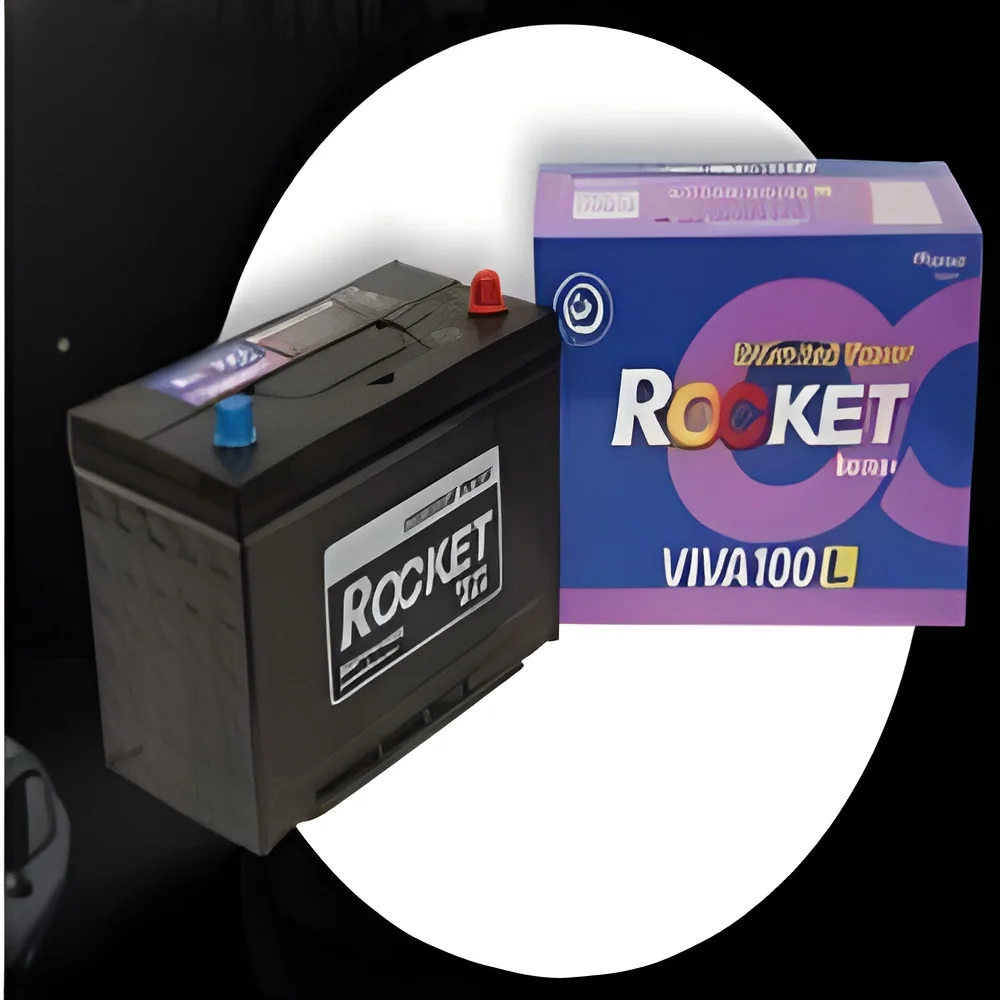
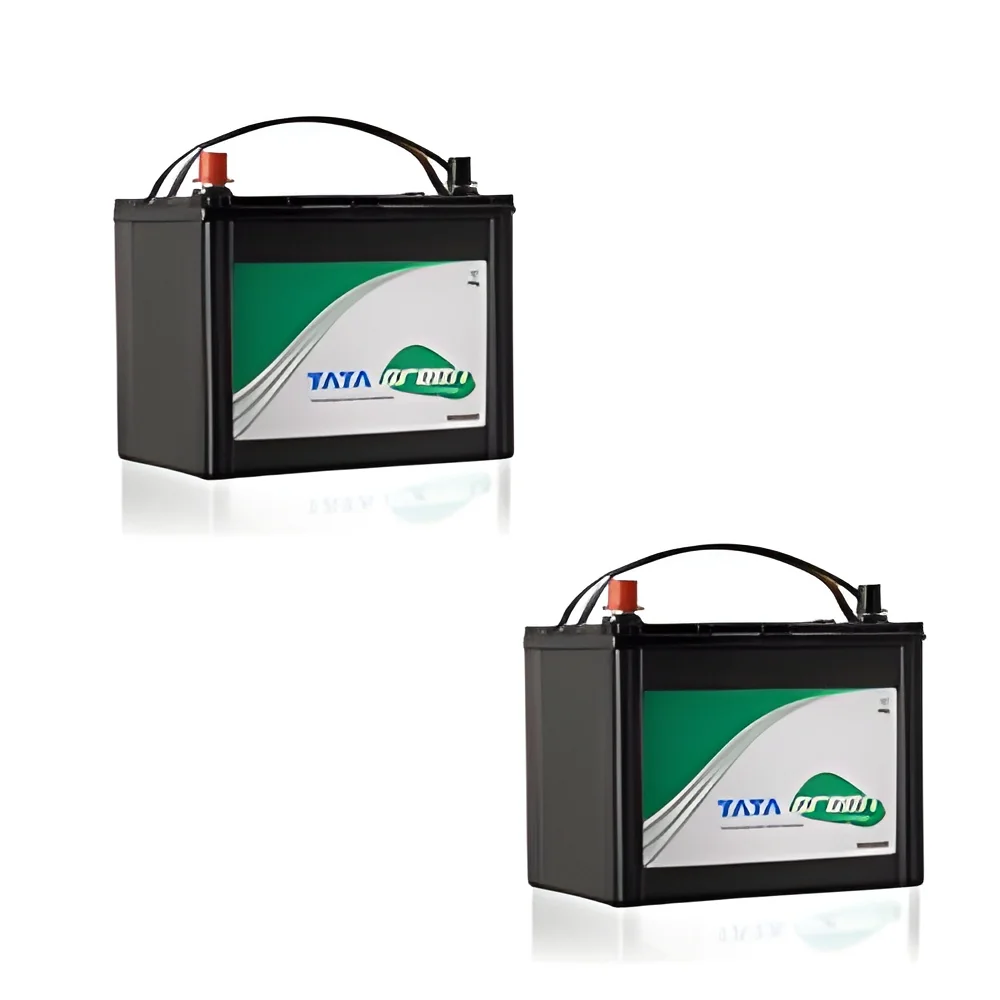
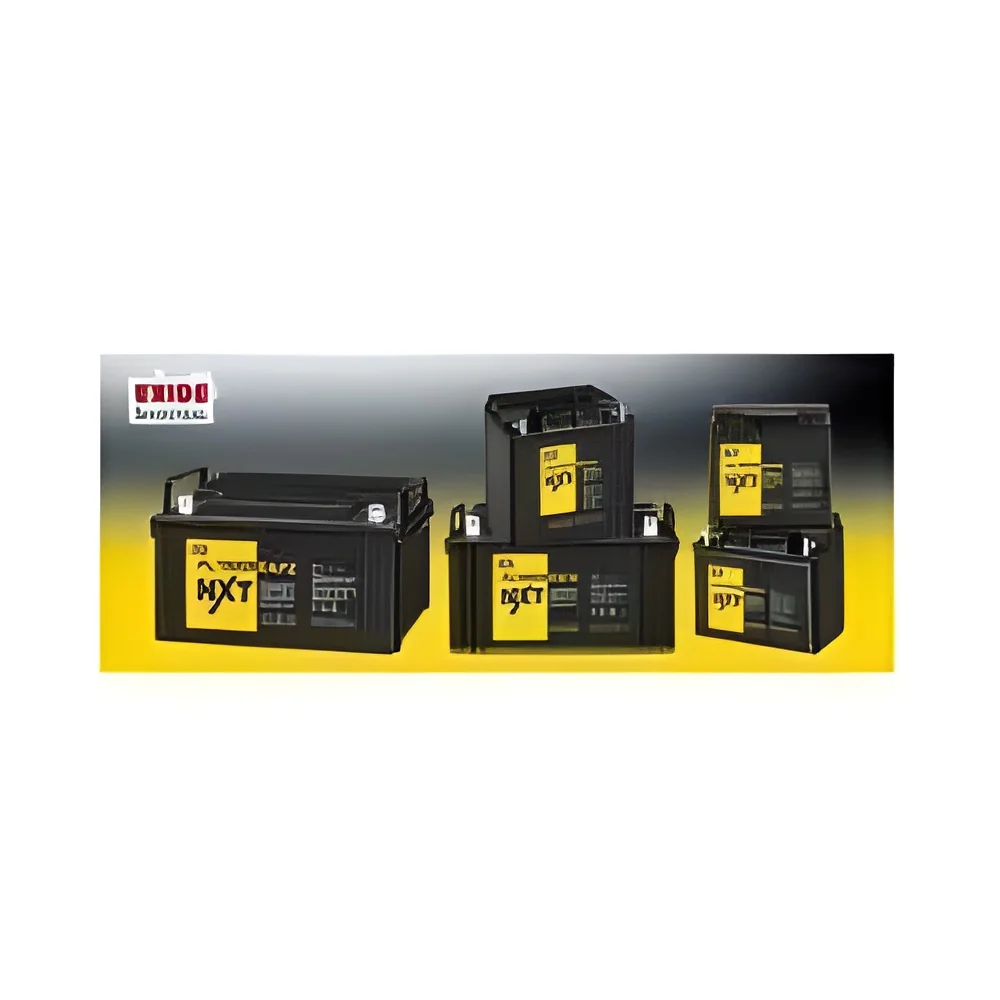
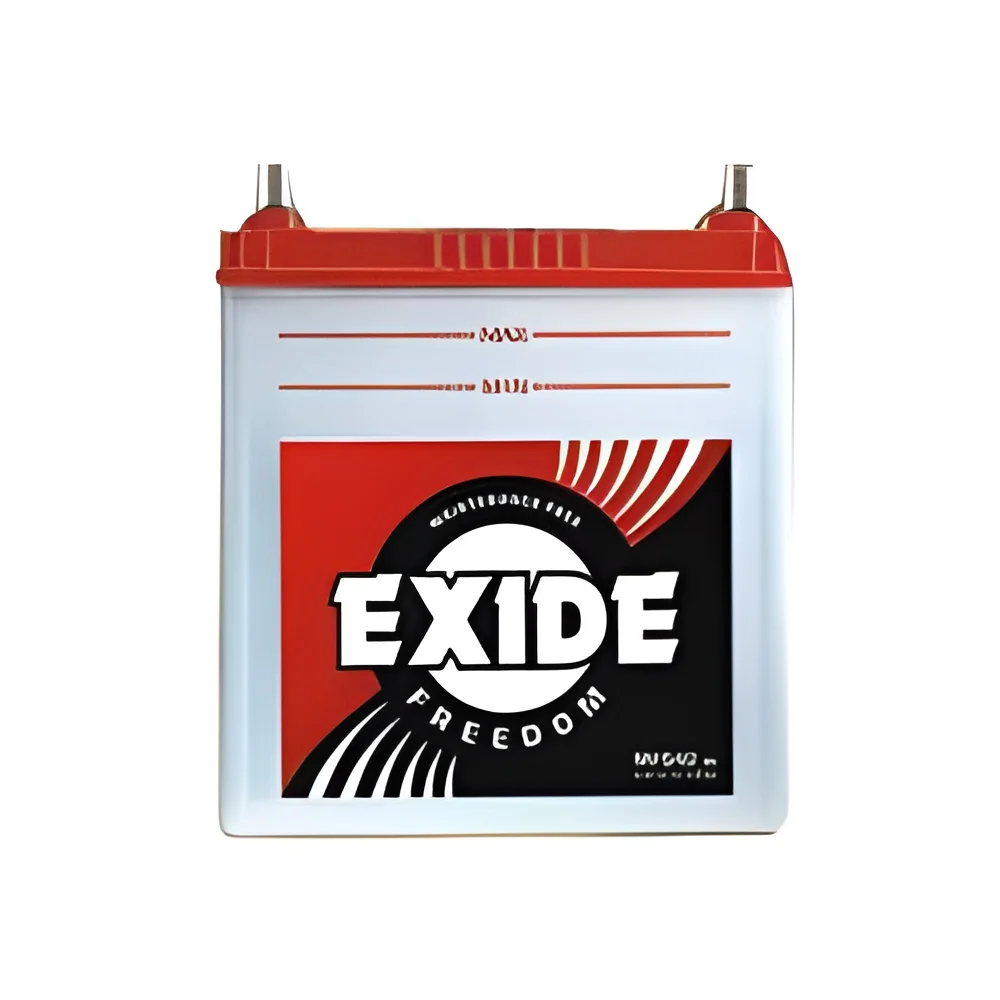
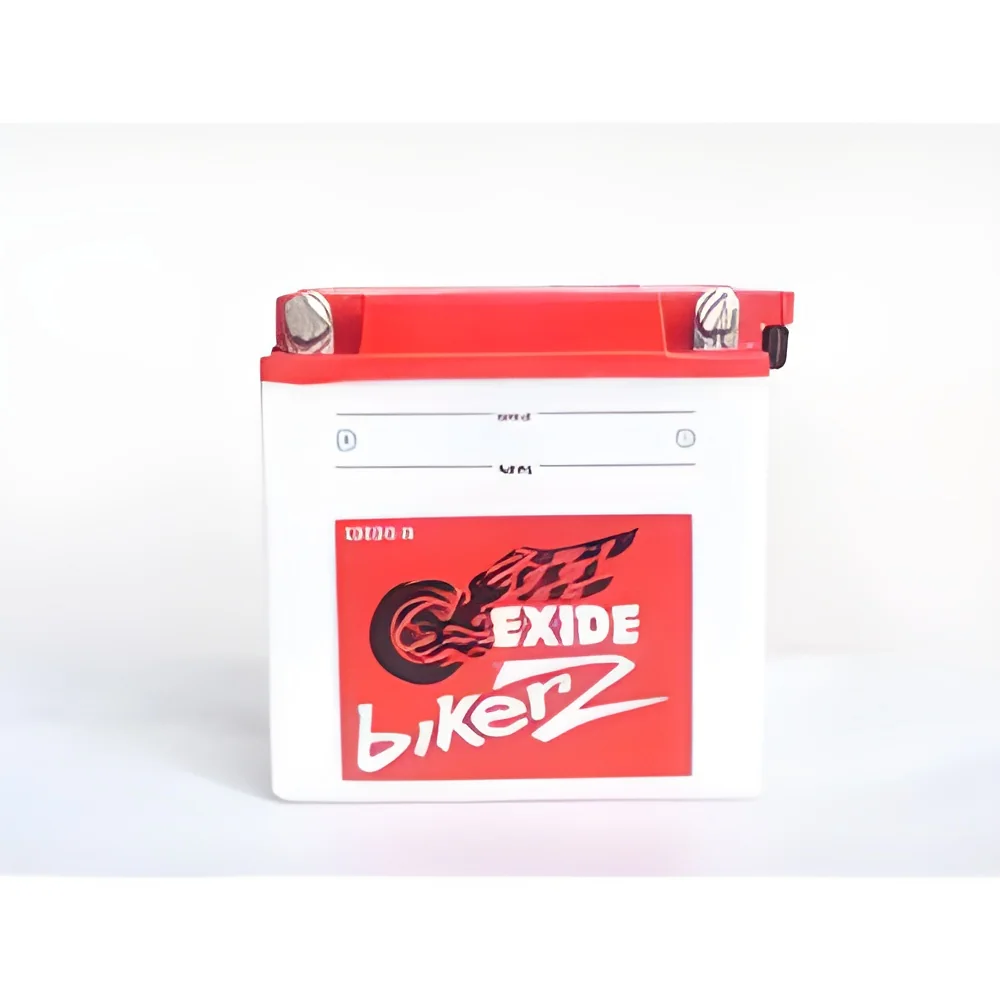
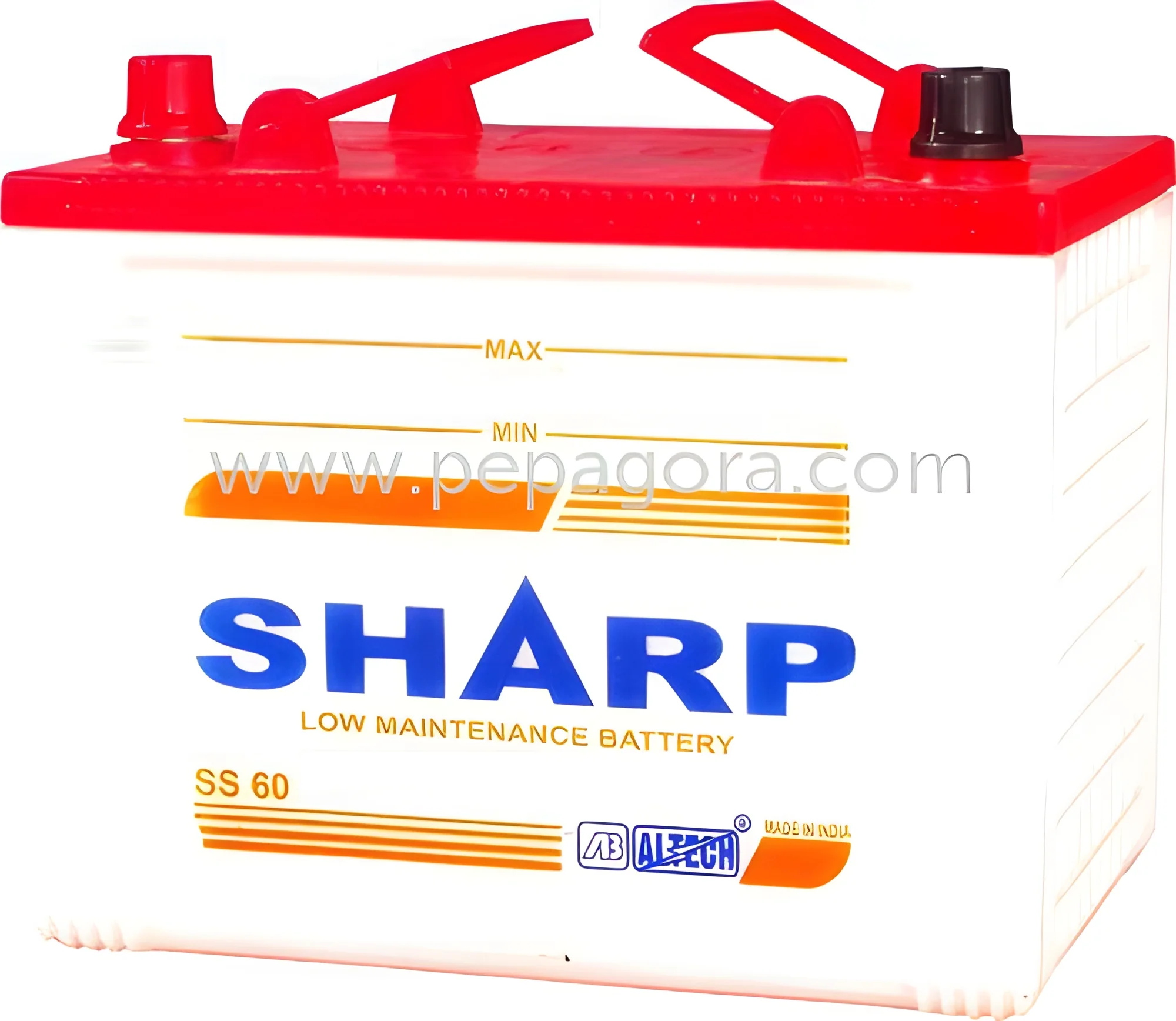
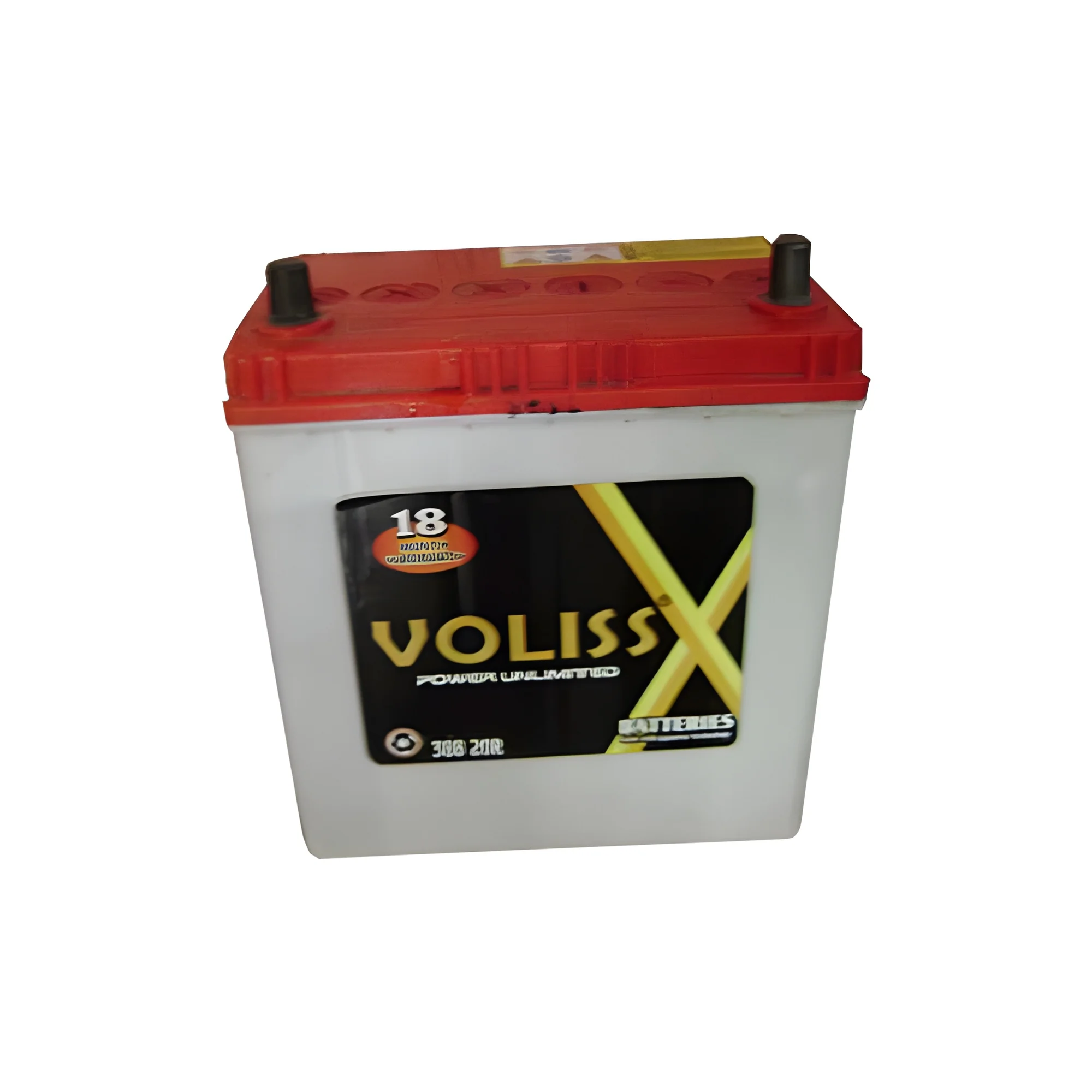
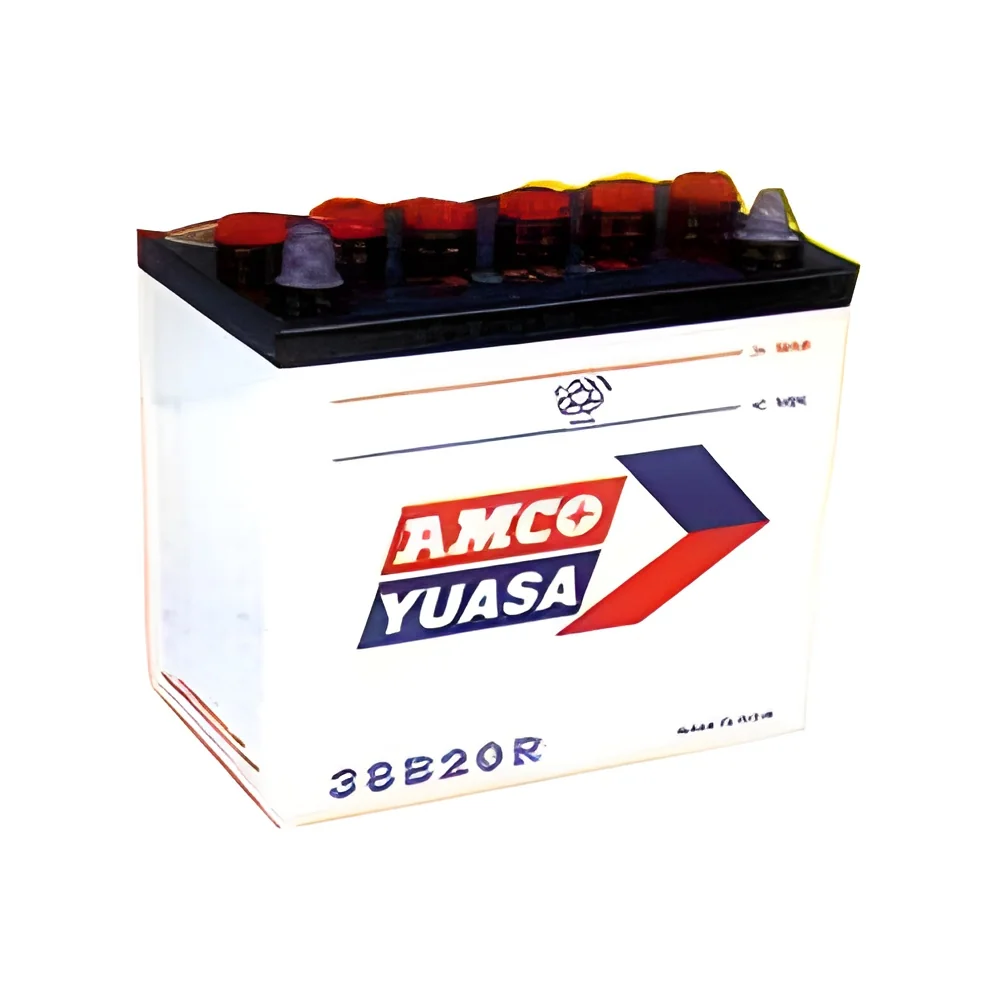
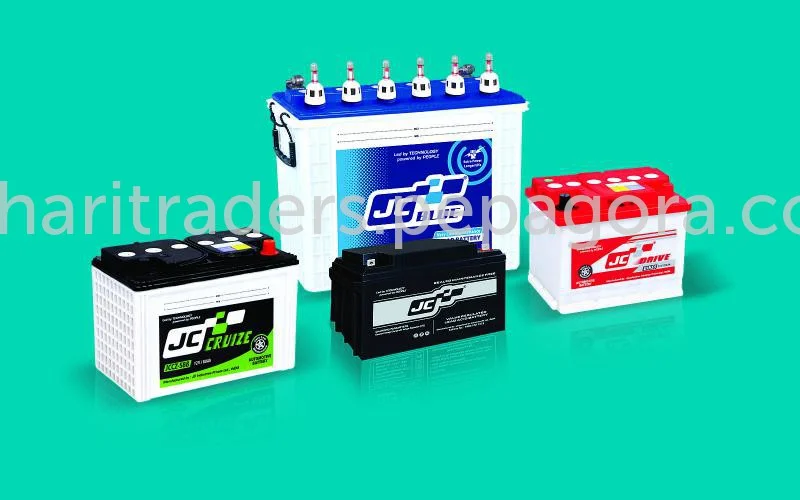
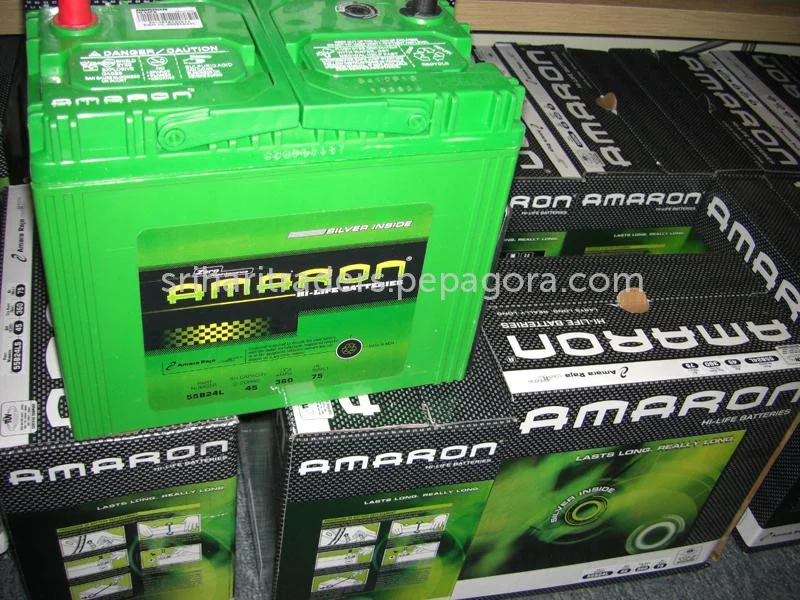
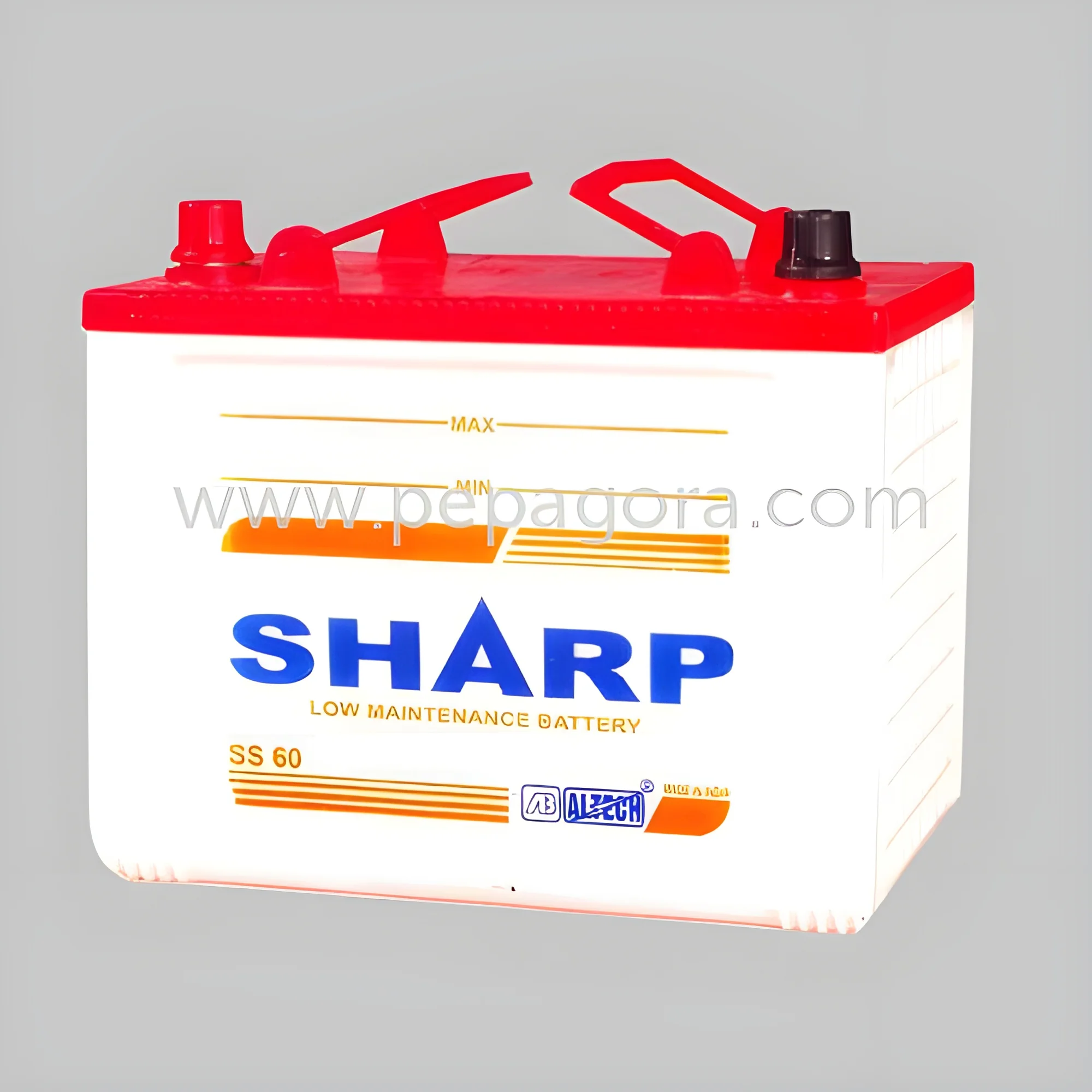
Vehicle batteries are essential components that provide the electrical energy necessary to start and operate vehicles. They store energy in chemical form and release it as electrical energy when needed. Typically, these batteries are made from lead-acid or lithium-ion technologies, which allow them to effectively power the starter motor, ignition system, and various electrical components of a vehicle.
In business applications, vehicle batteries are primarily used in automotive, commercial transport, and industrial vehicles. They are critical in maintaining the functionality of essential systems such as lighting, electronics, and power accessories. Additionally, they serve as backup power sources in various machinery and equipment used in logistics and fleet management. The vehicle battery market is relevant in today’s context as the demand for electric vehicles rises, necessitating more advanced battery technologies and sustainable practices.
𝗞𝗲𝘆 𝗙𝗲𝗮𝘁𝘂𝗿𝗲𝘀 𝗮𝗻𝗱 𝗦𝗽𝗲𝗰𝗶𝗳𝗶𝗰𝗮𝘁𝗶𝗼𝗻𝘀
Vehicle batteries come with various features that enhance their performance and reliability. Understanding these specifications is crucial for businesses looking to make informed purchasing decisions.
Key specifications include:
1. Battery Type
- Lead-acid or lithium-ion
- Each type has distinct performance and lifespan characteristics
2. Capacity
- Measured in amp-hours (Ah)
- Indicates the energy storage capability of the battery
3. Cold Cranking Amps (CCA)
- Measures the battery's ability to start an engine in cold temperatures
- Higher CCA ratings indicate better performance in cold weather
4. Reserve Capacity (RC)
- Indicates how long the battery can run on its own power
- Important for ensuring reliable performance in case of alternator failure
5. Dimensions
- Size and weight specifications
- Ensure compatibility with vehicle requirements
6. Voltage
- Typically 12 volts for most automotive applications
- Higher voltages may be found in hybrid and electric vehicles
7. Lifespan
- Generally ranges from 3 to 10 years based on usage and maintenance
- Longer lifespan reduces the frequency of replacements
8. Warranty
- Varies by manufacturer
- Indicates the confidence in battery durability and performance
These specifications are vital for ensuring the right battery is chosen for specific vehicle needs.
𝗖𝗼𝗺𝗺𝗼𝗻 𝗔𝗽𝗽𝗹𝗶𝗰𝗮𝘁𝗶𝗼𝗻𝘀 𝗮𝗻𝗱 𝗨𝘀𝗲 𝗖𝗮𝘀𝗲𝘀
Vehicle batteries are used across a variety of industries, making them a versatile product.
1. Automotive Industry: Vehicle batteries are crucial for powering internal combustion engine vehicles, providing the necessary energy for starting and running electrical systems.
2. Commercial Transport: Fleets of trucks and buses rely on robust batteries to support their operational demands, including powering onboard technology and ensuring reliability.
3. Construction: Heavy machinery and equipment often utilize vehicle batteries to ensure operational consistency on job sites.
4. Agriculture: Farming equipment, including tractors and harvesters, depend on vehicle batteries for startup and operation of electronic systems.
5. Recreational Vehicles: Batteries in RVs and boats ensure the functionality of lighting, appliances, and navigation systems.
6. Electric Vehicles: With the rise of EVs, advanced battery technology is essential for performance and range, making this sector increasingly significant.
7. Emergency Backup Systems: Vehicle batteries serve as backup power sources in emergency vehicles and equipment, ensuring operational readiness.
𝗣𝗿𝗼𝗱𝘂𝗰𝘁 𝗩𝗮𝗿𝗶𝗮𝗻𝘁𝘀 𝗮𝗻𝗱 𝗦𝘂𝗯𝗰𝗮𝘁𝗲𝗴𝗼𝗿𝗶𝗲𝘀
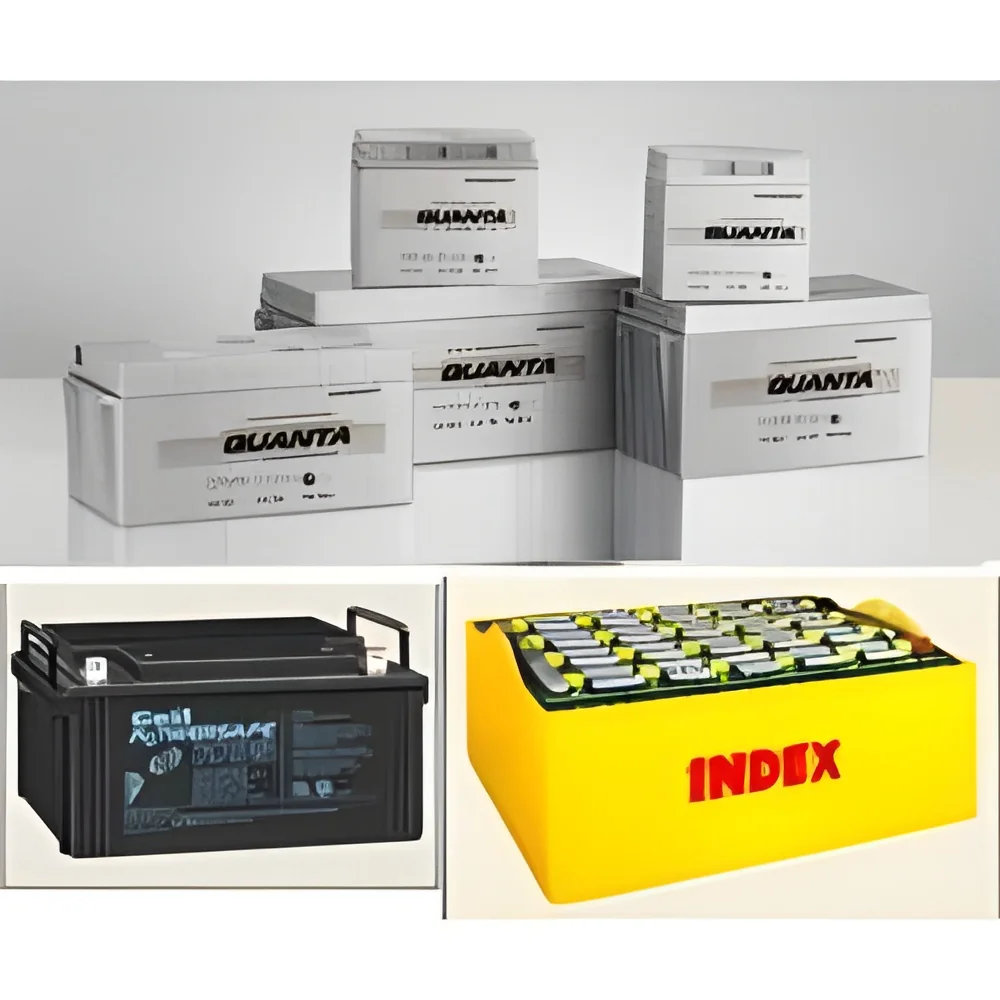
Vehicle batteries come in various forms to meet diverse needs in the marketplace.
Lead-Acid Batteries: Known for their reliability and cost-effectiveness, lead-acid batteries are widely used in traditional vehicles. They are suited for applications requiring high power at a low cost.
Lithium-Ion Batteries: These batteries are becoming increasingly popular in electric and hybrid vehicles due to their high energy density, lighter weight, and longer lifespan compared to lead-acid alternatives.
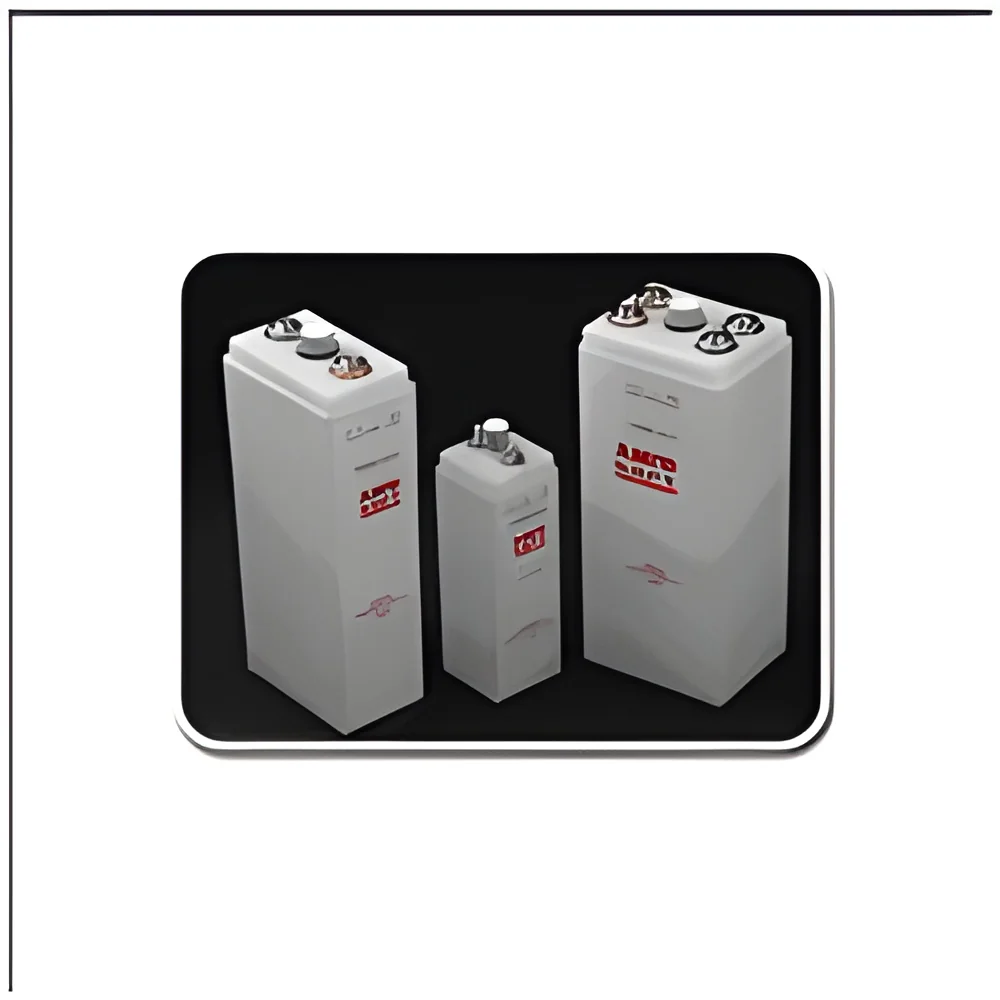
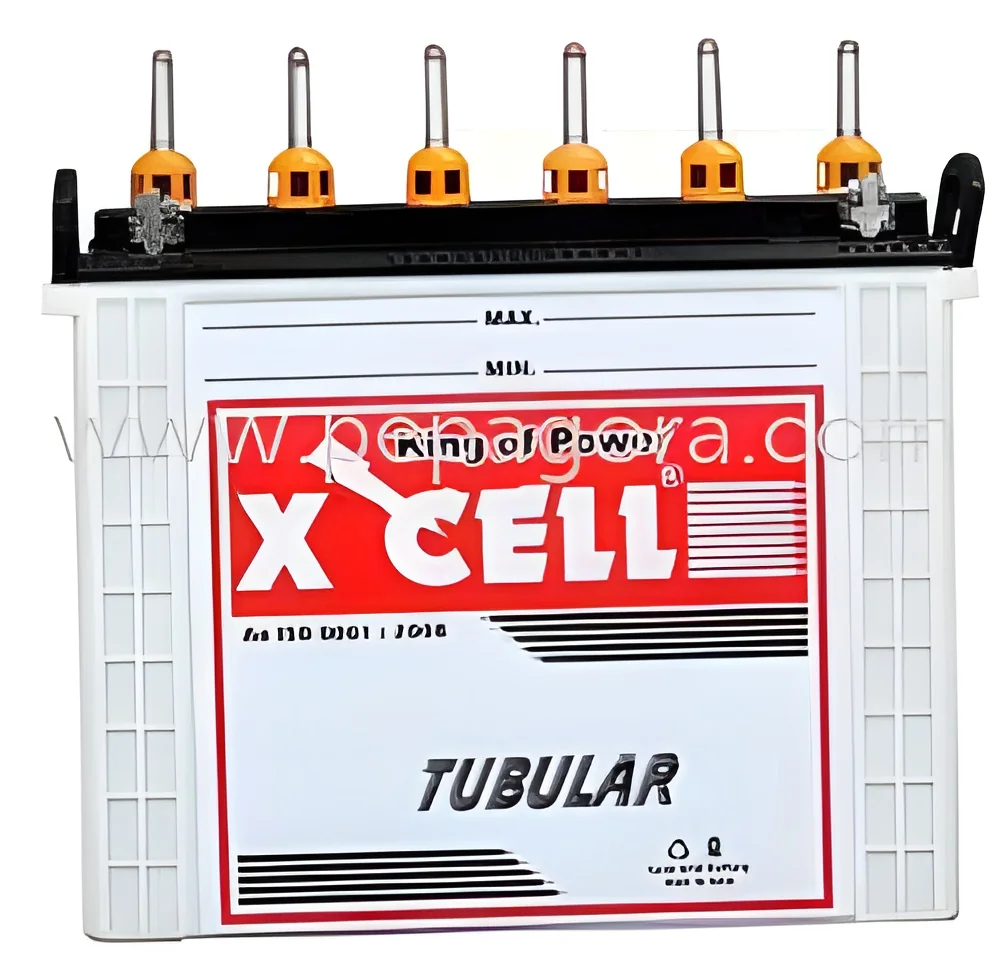
Deep Cycle Batteries: Designed for prolonged discharge cycles, these batteries are ideal for applications where sustained power is needed over time, such as in RVs and marine applications.
AGM Batteries: Absorbent Glass Mat (AGM) batteries provide enhanced performance and are resistant to vibration, making them suitable for high-demand automotive applications.
𝗕𝗲𝗻𝗲𝗳𝗶𝘁𝘀 𝗮𝗻𝗱 𝗔𝗱𝘃𝗮𝗻𝘁𝗮𝗴𝗲𝘀
Choosing the right vehicle battery offers several key benefits for businesses and consumers alike.
1. Enhanced Reliability: High-quality batteries ensure consistent vehicle performance and reduce the likelihood of unexpected breakdowns.
2. Long Lifespan: Investing in durable batteries can lower replacement frequency and associated costs over time.
3. Improved Performance: Advanced battery technologies provide better cold-start capabilities and greater energy efficiency.
4. Environmentally Friendly Options: Many modern batteries are designed with sustainability in mind, reducing environmental impact.
5. Versatile Applications: Vehicle batteries can be utilized across various sectors, from automotive to industrial, making them a flexible choice.
6. Cost-Effective Solutions: By selecting the right battery type, businesses can optimize their operational costs while ensuring adequate performance.
𝗕𝘂𝘆𝗶𝗻𝗴 𝗚𝘂𝗶𝗱𝗲 𝗳𝗼𝗿 𝗕𝟮𝗕 𝗕𝘂𝘆𝗲𝗿𝘀
When sourcing vehicle batteries for business use, several factors need to be considered to ensure the right choice.
1. Quality Assessment: Evaluate the quality of batteries based on brand reputation, user reviews, and warranty offerings. High-quality batteries generally have better performance and reliability.
2. Supplier Verification: Conduct thorough research to verify suppliers’ credibility. Look for certifications and industry experience to ensure reliability.
3. Pricing and MOQ: Compare prices among different suppliers, and be aware of minimum order quantities to align with budget and inventory needs.
4. Delivery and Lead Times: Understand the logistics involved in battery delivery, including lead times. This is crucial for maintaining inventory levels and meeting project deadlines.
5. Compliance Requirements: Ensure the batteries meet relevant safety and industry standards. Compliance with regulations is essential for operational safety and legality.
𝗖𝗼𝗺𝗽𝗹𝗶𝗮𝗻𝗰𝗲 𝗮𝗻𝗱 𝗖𝗲𝗿𝘁𝗶𝗳𝗶𝗰𝗮𝘁𝗶𝗼𝗻𝘀
Vehicle batteries must adhere to various compliance and certification standards to ensure safety and reliability. Relevant quality standards include ISO 9001 for quality management systems, ensuring that the manufacturing process meets industry benchmarks.
In addition, certifications such as CE mark signify that the batteries conform to European health, safety, and environmental protection standards.
Safety and testing requirements are critical, as they validate the performance and durability of the batteries under various conditions. Businesses should also be aware of regional compliance considerations, as different markets may impose specific regulations on battery manufacturing and disposal.
𝗪𝗵𝘆 𝗦𝗼𝘂𝗿𝗰𝗲 𝗩𝗲𝗵𝗶𝗰𝗹𝗲 𝗕𝗮𝘁𝘁𝗲𝗿𝗶𝗲𝘀 𝗳𝗿𝗼𝗺 𝗣𝗲𝗽𝗮𝗴𝗼𝗿𝗮?
Pepagora provides a trusted platform for sourcing vehicle batteries, offering several key advantages for businesses.
Verified Supplier Network: Pepagora connects buyers with a network of verified suppliers, ensuring that all partners meet industry standards and can deliver quality products.
Streamlined RFQ Process: The platform simplifies the quotation process, allowing buyers to request and receive competitive quotes efficiently, saving time and resources.
Trade Assurance and Support: Buyers benefit from trade assurance, which provides protection for transactions, ensuring that investments are secure and suppliers deliver as promised.
Regional Coverage: Pepagora’s geographic reach spans India, the GCC, and Southeast Asia, allowing businesses to source vehicle batteries that meet local demands and market needs effectively.

 IN
IN