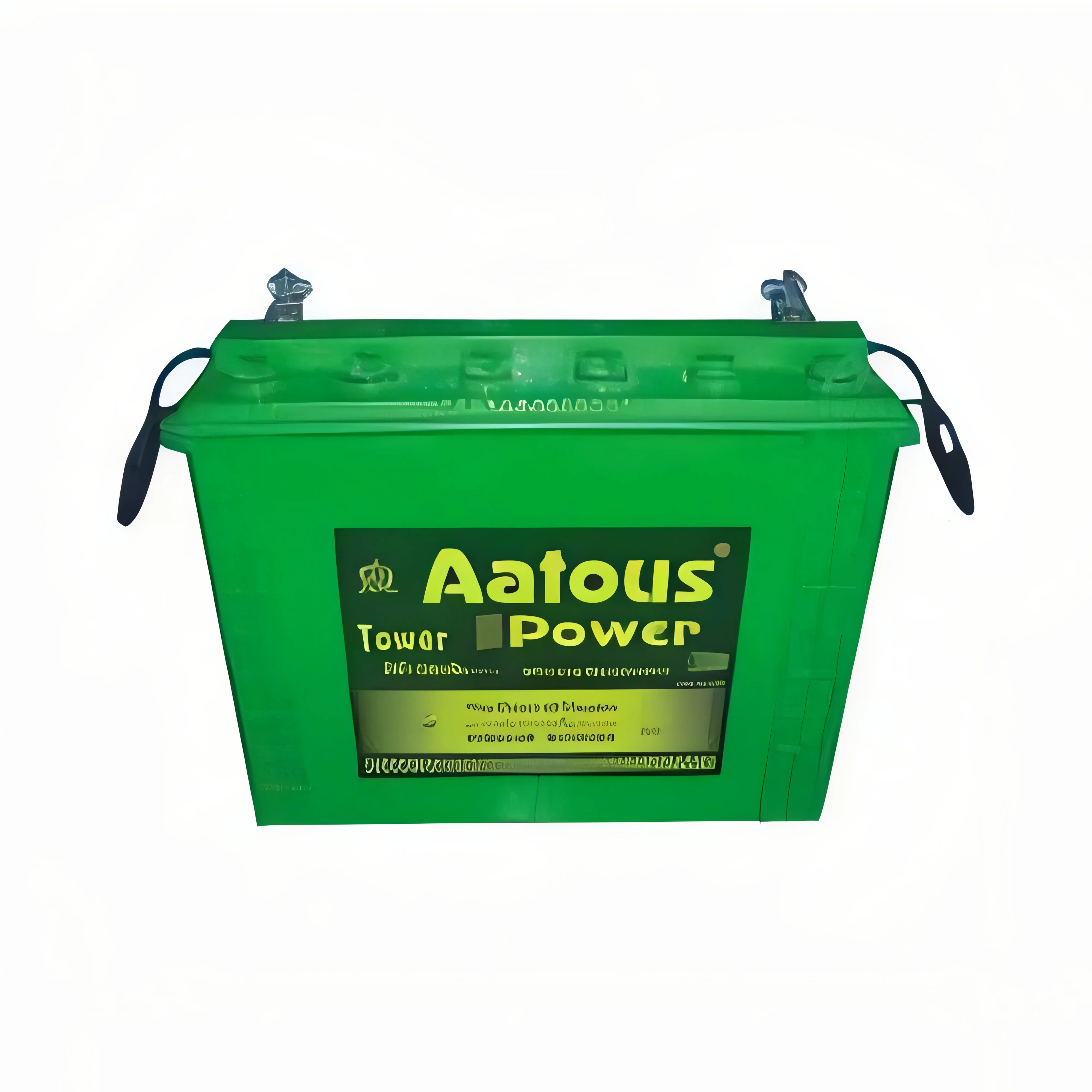
What are Gel Batteries?
Gel batteries are a type of lead-acid battery that uses a gelled electrolyte instead of a liquid one. This gelled electrolyte is formed by adding silica to the sulfuric acid solution, creating a thick, viscous substance. This design allows the gel battery to operate in various orientations without the risk of spillage, making them a safer option for many applications. They are known for their low self-discharge rate and ability to withstand deep cycling, which makes them suitable for various energy storage needs.
Gel batteries are widely used in numerous industries due to their reliable performance and durability. They are commonly found in renewable energy systems, uninterruptible power supplies (UPS), telecommunications, and electric vehicles. Their ability to operate effectively in diverse conditions makes them an attractive choice for businesses that require dependable power solutions. As the demand for sustainable energy storage solutions increases, gel batteries have gained relevance in both commercial and residential markets.
Key Features and Specifications
Gel batteries offer a range of features that make them appealing for various applications. Understanding these specifications is vital for B2B buyers looking to invest in gel battery technology.
Key specifications include:
1. Cycle Life
- Gel batteries typically have a cycle life ranging from 500 to 1,200 cycles, depending on the discharge depth.
- This long cycle life contributes to lower replacement costs over time.
2. Operating Temperature
- These batteries can operate effectively in a temperature range of -20°C to 50°C.
- This wide range helps them perform in various environments.
3. Self-Discharge Rate
- Gel batteries have a low self-discharge rate of approximately 3% per month.
- This feature ensures longer shelf life when not in use.
4. Depth of Discharge (DoD)
- They can be discharged to 50% of their capacity without significantly affecting lifespan.
- This characteristic allows for efficient energy usage.
5. Weight and Size
- Gel batteries are available in various sizes, typically weighing between 20 to 100 kg.
- Their compact design makes them suitable for space-constrained applications.
6. Maintenance-Free
- These batteries are designed to be maintenance-free, requiring no water topping.
- This feature reduces operational costs for businesses.
7. Safety Features
- Gel batteries are sealed and resistant to leaks and spills.
- They are less prone to thermal runaway, enhancing safety.
8. Environmental Impact
- Gel batteries are recyclable and have a lower environmental impact compared to traditional batteries.
- This makes them an eco-friendly choice for businesses.
In summary, gel batteries combine safety, efficiency, and durability, making them a favorable choice for various industrial applications.
Common Applications and Use Cases
Gel batteries serve various industries, providing reliable power solutions tailored to specific needs.
1. Renewable Energy: Gel batteries are commonly used in solar energy systems to store excess energy generated during the day for use at night or during cloudy days.
2. Telecommunications: These batteries provide backup power for telecommunications equipment, ensuring continuous operation during power outages.
3. Electric Vehicles: Gel batteries are utilized in electric scooters and bikes, offering lightweight and efficient energy storage.
4. UPS Systems: In uninterruptible power supplies, gel batteries offer reliable backup power for critical systems, including computers and medical equipment.
5. Marine Applications: Gel batteries are preferred in marine environments due to their resistance to vibration and ability to perform well in varying temperatures.
6. Forklifts and Material Handling: They are used in electric forklifts, providing a reliable power source for extended operational periods.
7. Security Systems: Gel batteries power alarm systems and surveillance cameras, ensuring functionality during power failures.
Product Variants and Subcategories
Gel batteries come in various configurations to meet diverse customer needs. Each variant has distinct features and applications.
Standard Gel Battery
This is the most common type, ideal for general applications such as solar systems and telecommunications. It offers a balanced performance with a good cycle life.
Deep Cycle Gel Battery
Designed for applications requiring prolonged energy discharge, these batteries are perfect for renewable energy systems. They can handle frequent deep discharges without significant degradation.
High-Rate Gel Battery
These batteries are engineered for applications that require short bursts of high current, such as in UPS systems. They are optimized for rapid recharge and discharge cycles.
Benefits and Advantages
Gel batteries provide significant benefits that enhance their appeal for businesses.
1. Safety: The sealed design minimizes the risk of leaks and spills, making gel batteries safer than traditional lead-acid batteries.
2. Longer Lifespan: With a higher cycle life, gel batteries reduce the frequency of replacements, leading to lower long-term costs.
3. Low Maintenance: Being maintenance-free eliminates the need for regular water checks, allowing businesses to save on labor and operational costs.
4. Versatility: Gel batteries can be used across various industries and applications, providing flexibility for businesses.
5. Environmental Benefits: Their recyclability and low environmental impact make gel batteries an eco-friendly choice, appealing to green-conscious companies.
6. Temperature Tolerance: Their ability to operate in extreme temperatures makes them suitable for diverse environments.
Buying Guide for B2B Buyers
When sourcing gel batteries, several critical factors should be considered to ensure optimal selection.
1. Quality Assessment: Buyers should evaluate the quality of gel batteries through certifications and performance reviews. High-quality products typically have longer lifespans and better performance.
2. Supplier Verification: It is essential to vet suppliers to ensure they meet industry standards and provide reliable products. Checking for reviews and past customer experiences can aid in this process.
3. Pricing and MOQ: Understanding the pricing structure and minimum order quantity (MOQ) is crucial for budgeting. Buyers should compare prices across suppliers to ensure competitive rates.
4. Delivery and Lead Times: Timely delivery is essential for maintaining operational efficiency. Buyers should inquire about lead times and logistics to ensure they can meet project deadlines.
5. Compliance Requirements: Buyers need to be aware of any regulatory requirements applicable to gel batteries in their region. This includes safety standards and environmental regulations.
Compliance and Certifications
Gel batteries are subject to various quality standards and certifications that ensure their safety and efficacy in industrial applications. Relevant quality standards include ISO 9001, which focuses on quality management systems. Adherence to these standards is crucial for manufacturers to maintain product consistency and reliability.
In addition, gel batteries often carry the CE marking, indicating conformity with health, safety, and environmental protection standards within the European Economic Area. This certification assures buyers of the product's compliance with EU regulations.
Safety and testing requirements are essential in the battery industry. Gel batteries must undergo rigorous testing to ensure they meet performance and safety benchmarks. Manufacturers should provide documentation proving compliance with these standards.
Regional compliance considerations are also significant. Different countries may have specific regulations governing battery production and disposal. It is important for buyers to ensure that their suppliers comply with local laws and standards.
Why Source Gel Batteries from Pepagora?
Pepagora provides a trusted platform for sourcing gel batteries, offering several key advantages that benefit B2B buyers.
Verified Supplier Network: Pepagora has a robust network of verified suppliers, ensuring that buyers have access to high-quality products. This network reduces the risk associated with sourcing from unknown vendors.
Streamlined RFQ Process: The platform features a streamlined request for quotation (RFQ) process, allowing buyers to easily compare offers from multiple suppliers. This efficiency can save time and ensure competitive pricing.
Trade Assurance and Support: Pepagora offers trade assurance services that protect buyers from potential risks. This support fosters confidence in the purchasing process, allowing businesses to focus on their core operations.
Regional Coverage: With a presence in India, the Gulf Cooperation Council (GCC), and Southeast Asia, Pepagora provides extensive regional coverage. This geographic reach helps businesses find gel batteries that meet their specific needs, regardless of location.

 IN
IN