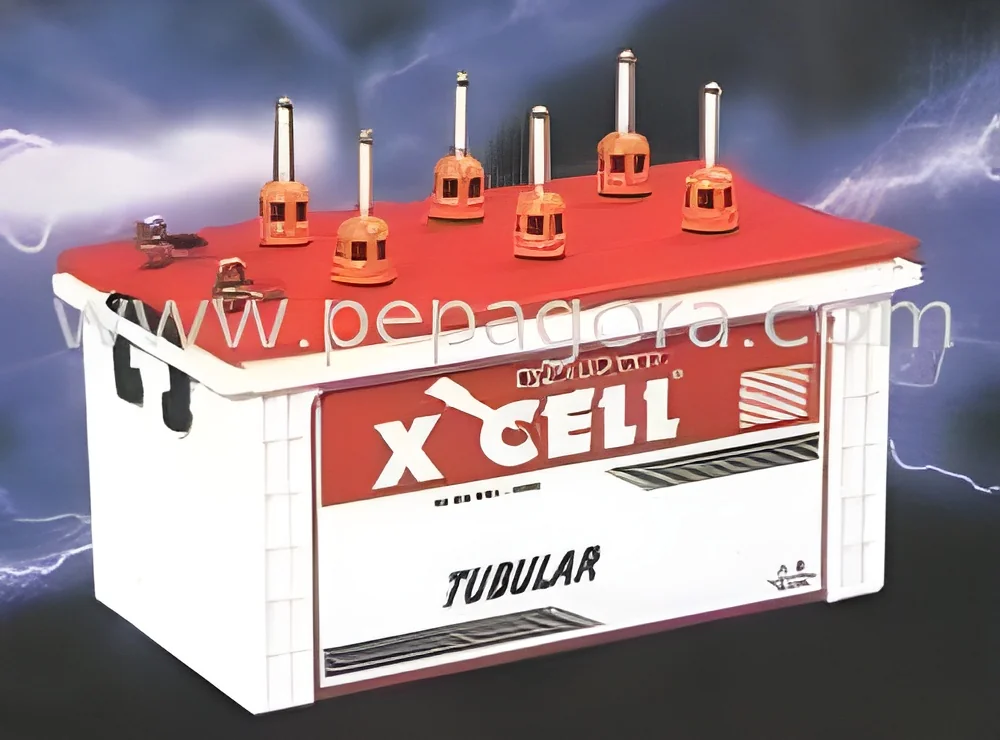
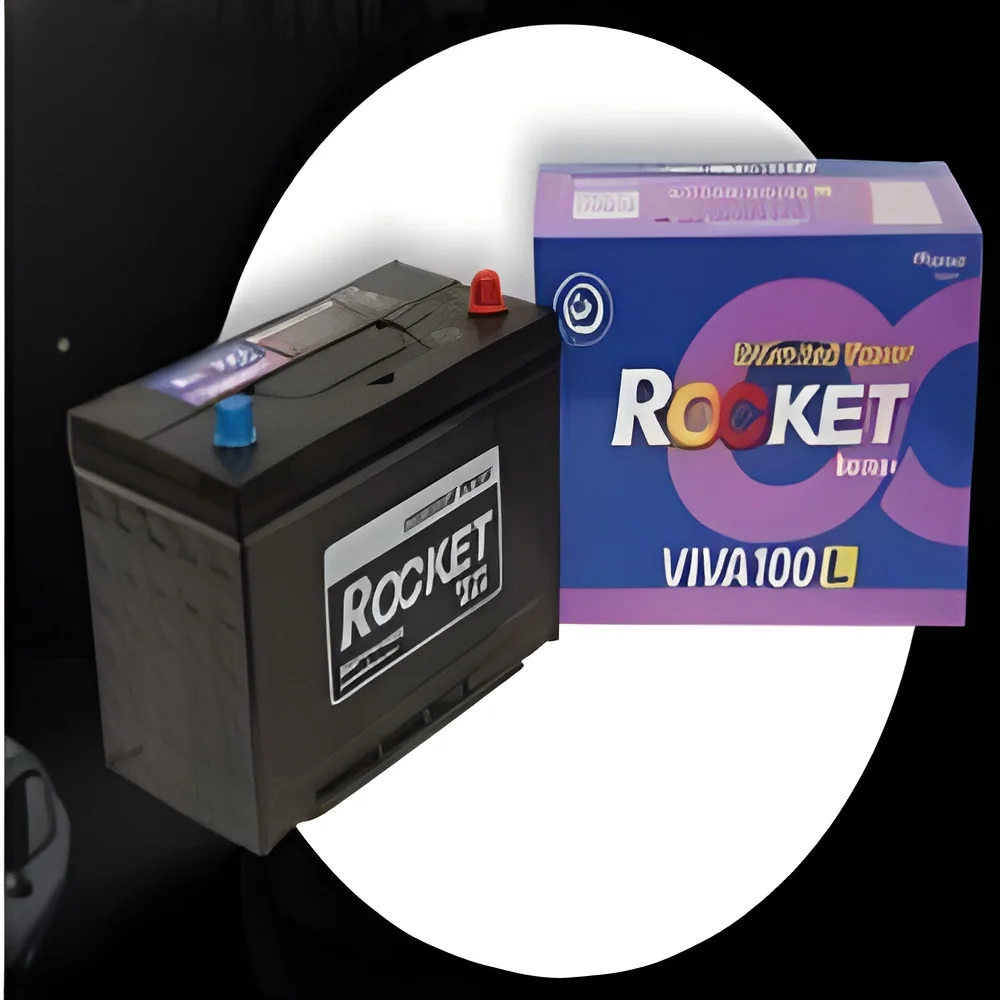
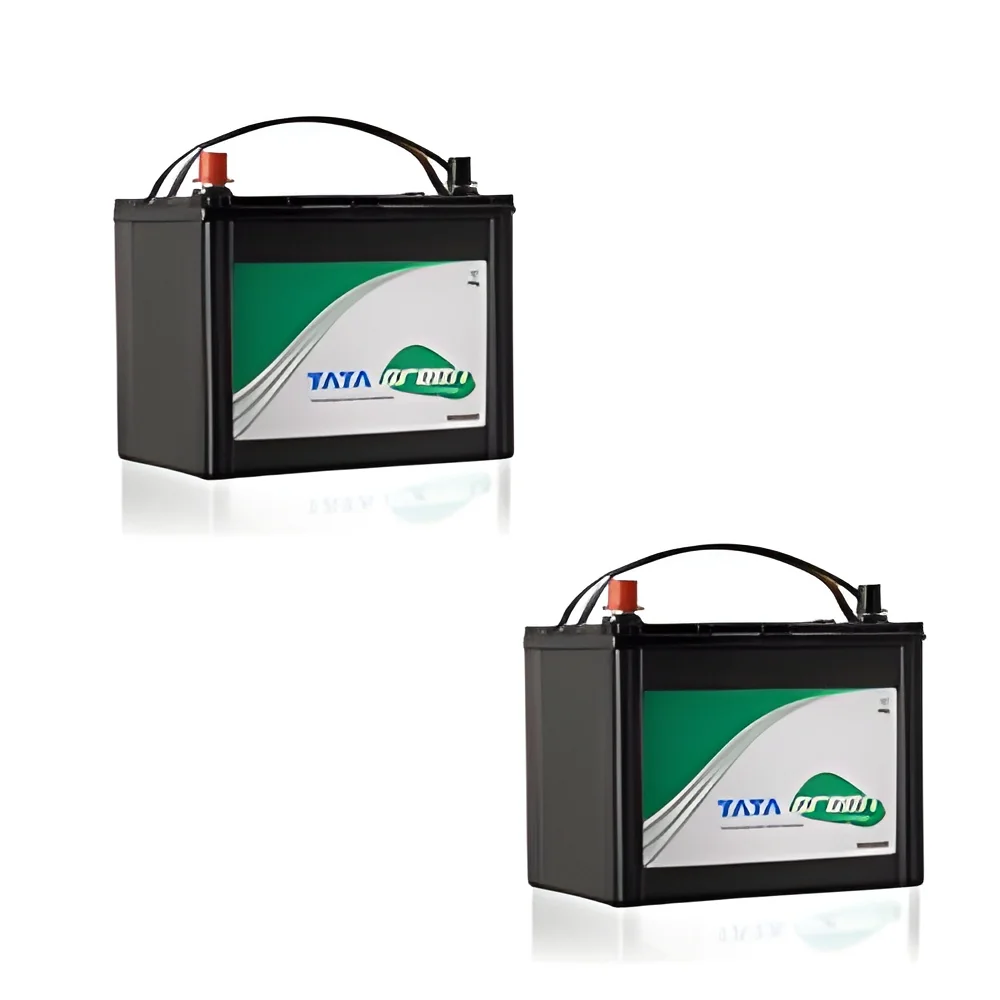
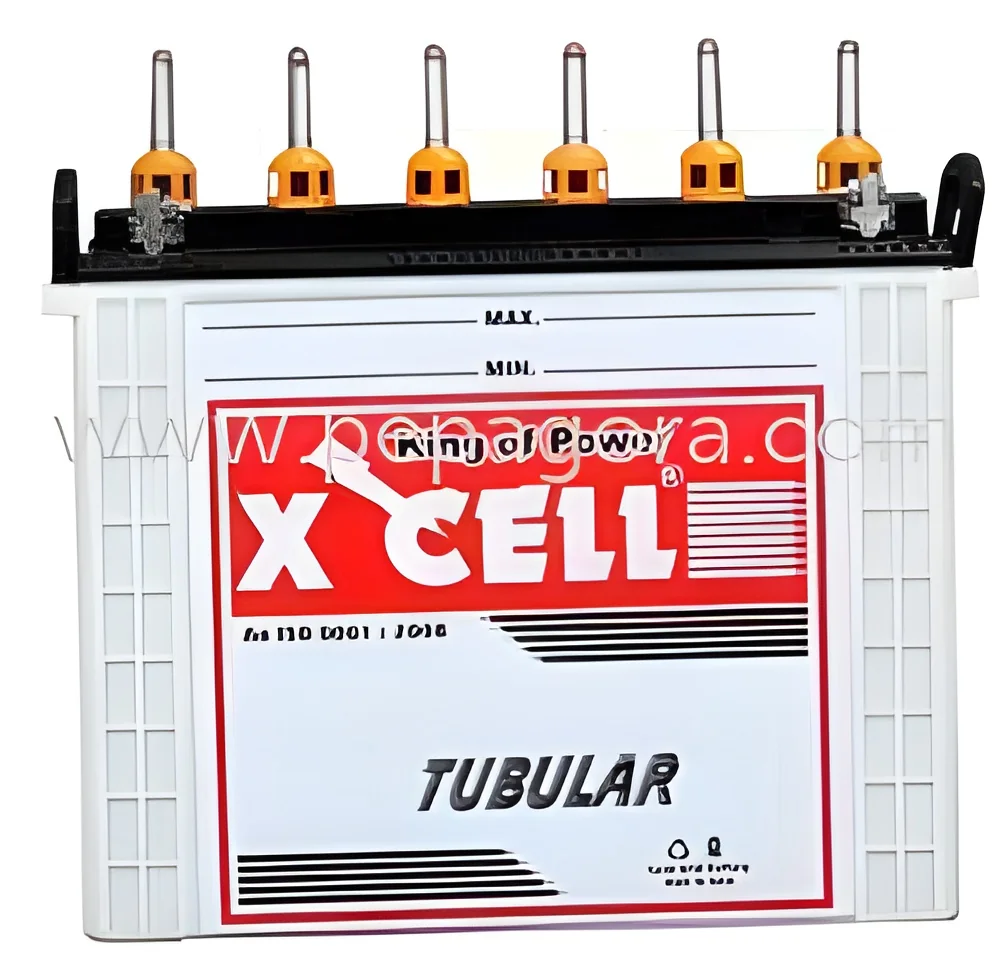
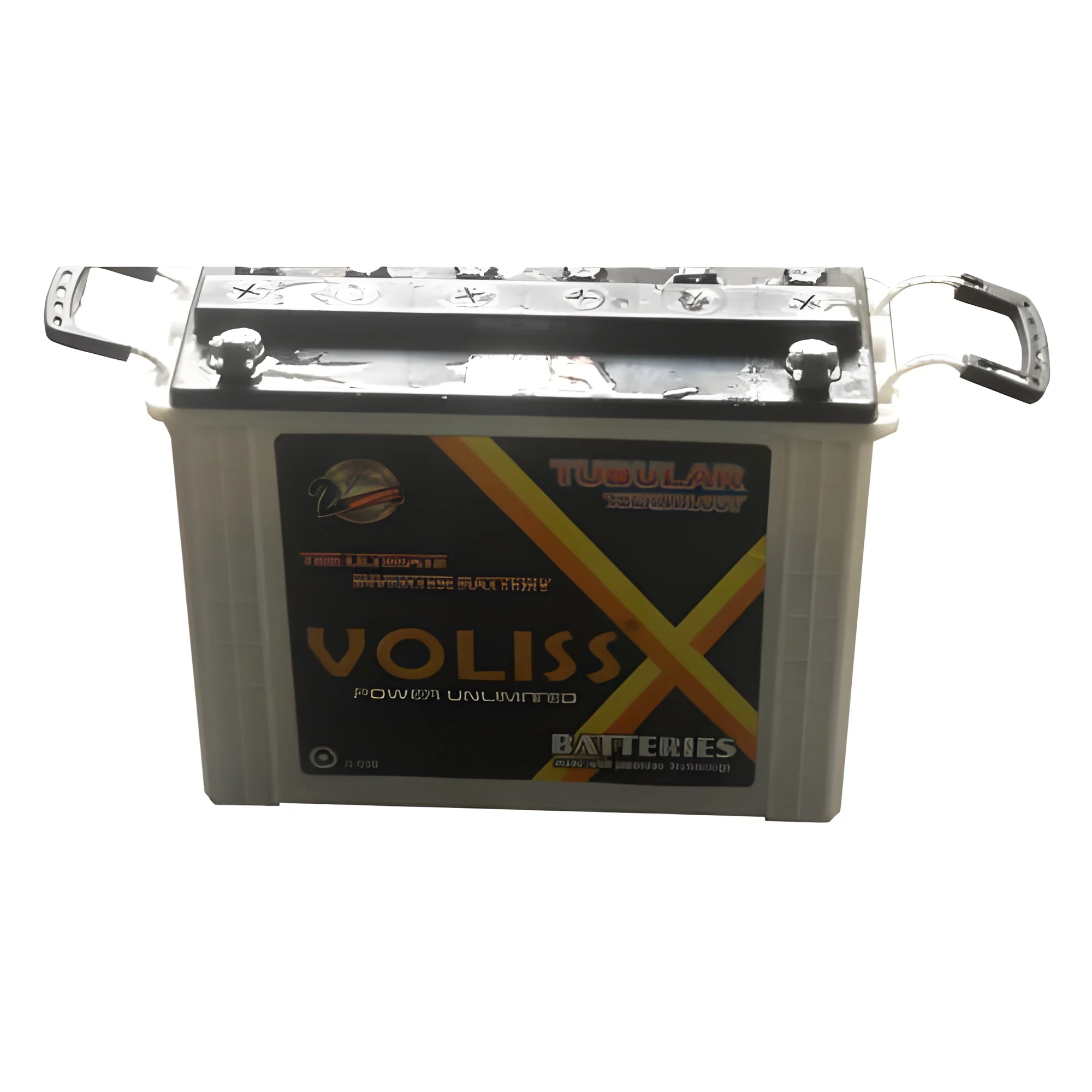
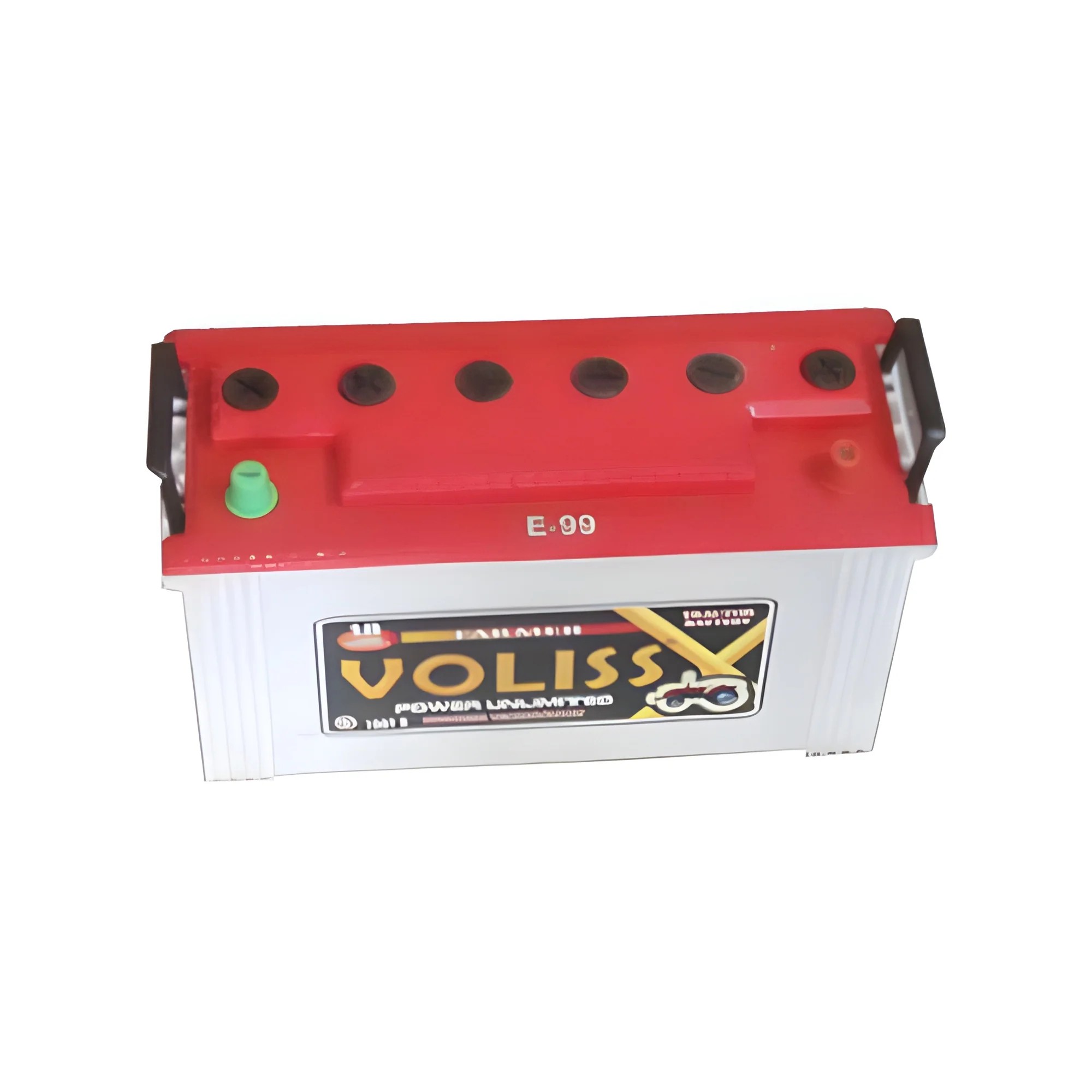
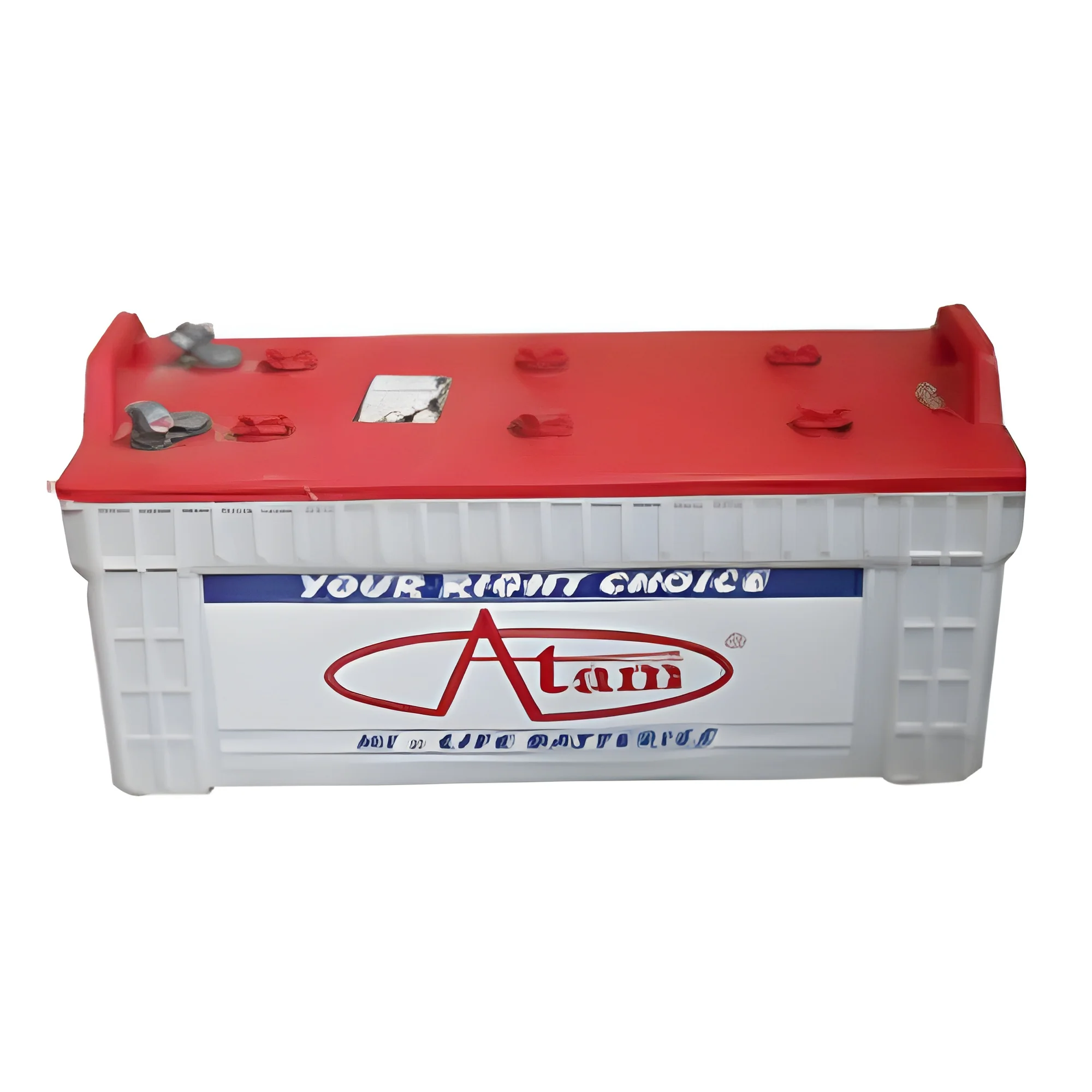
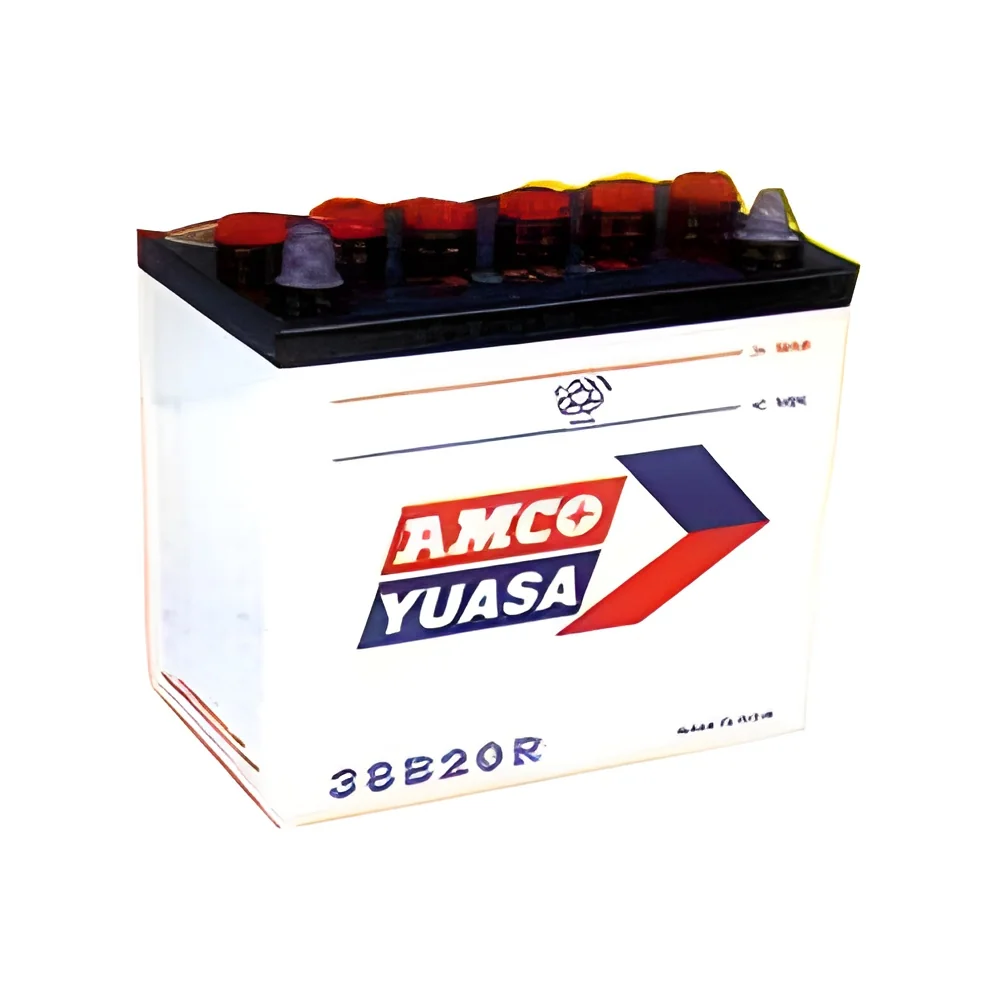
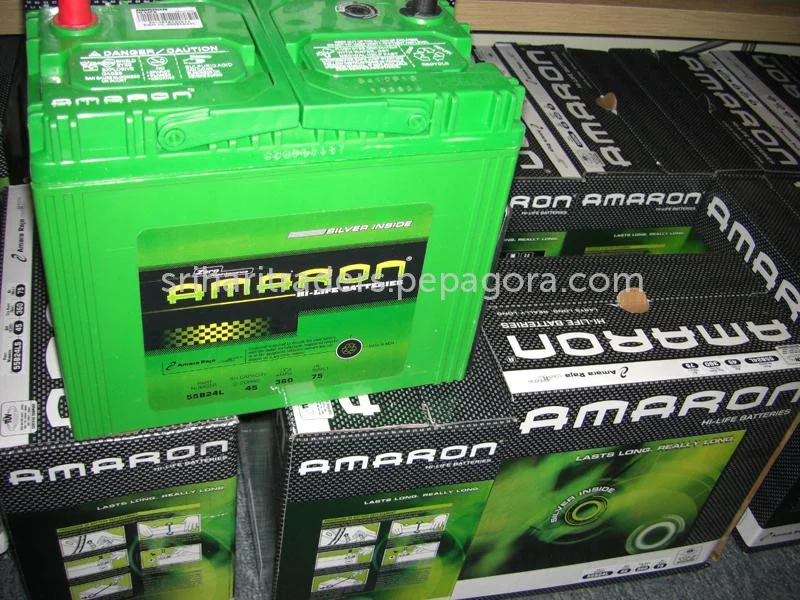
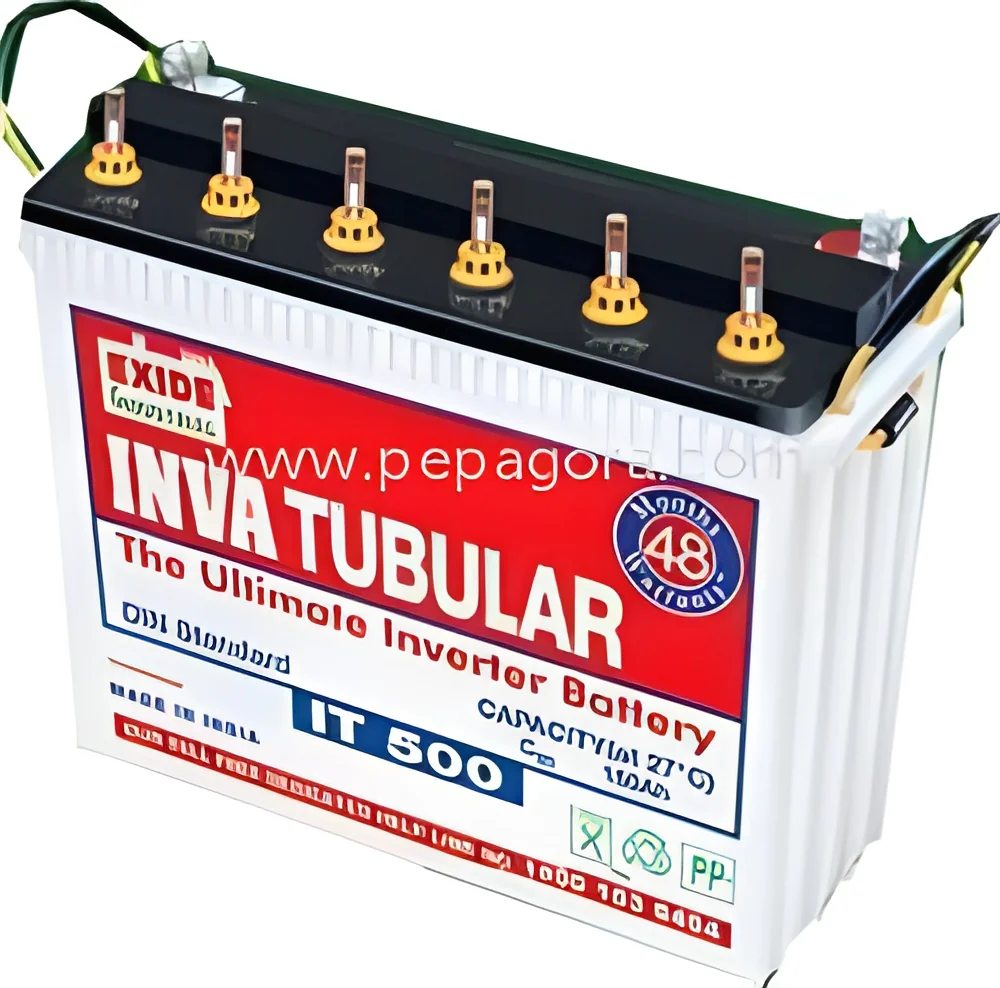
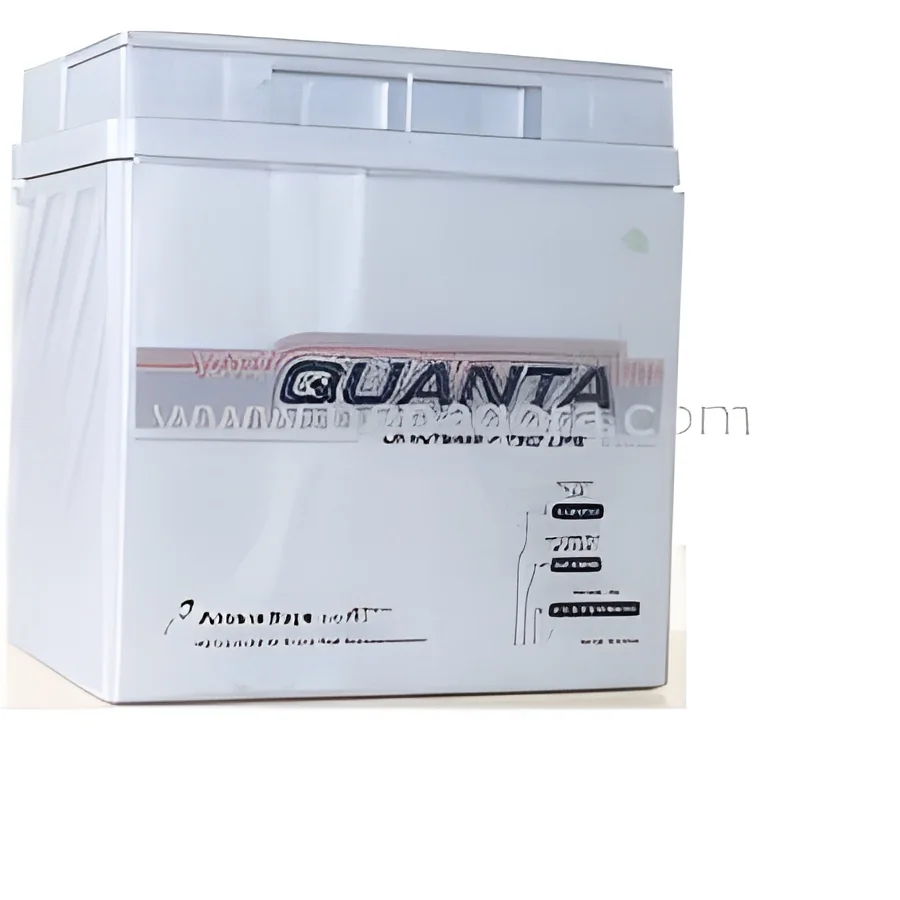
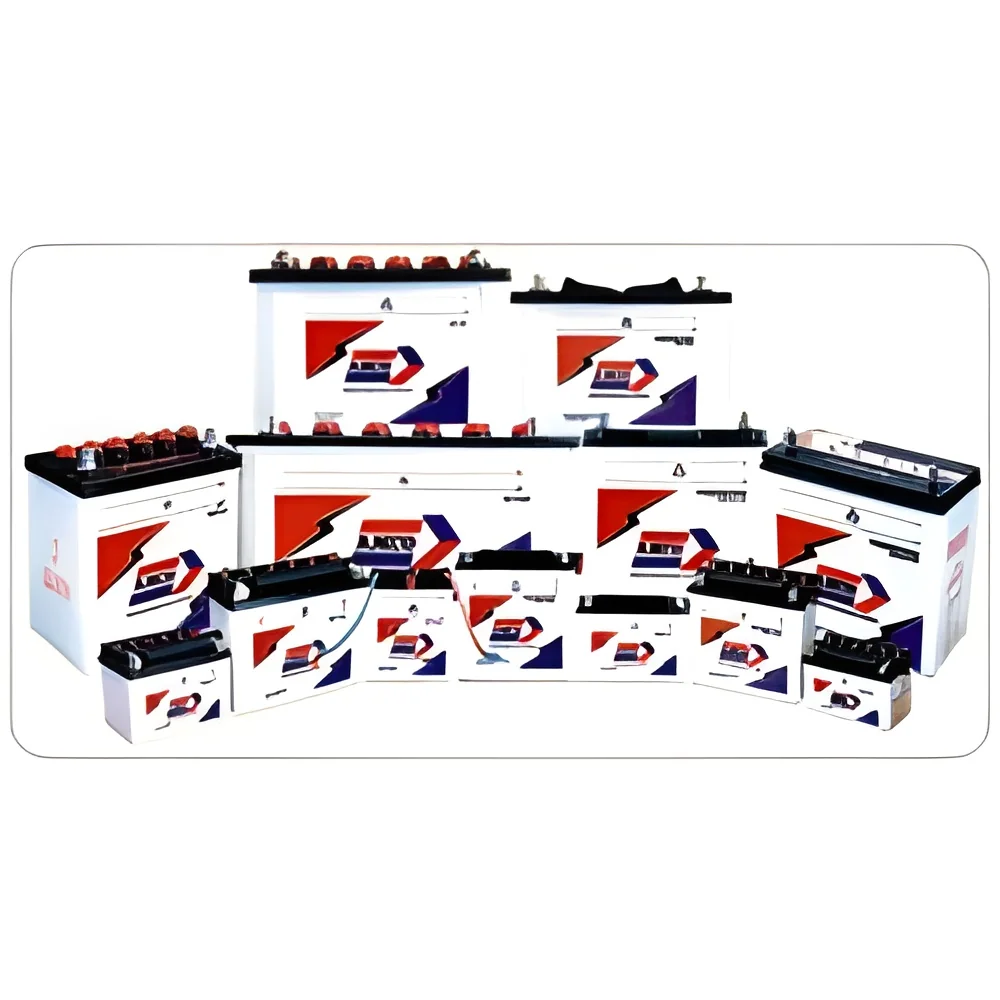
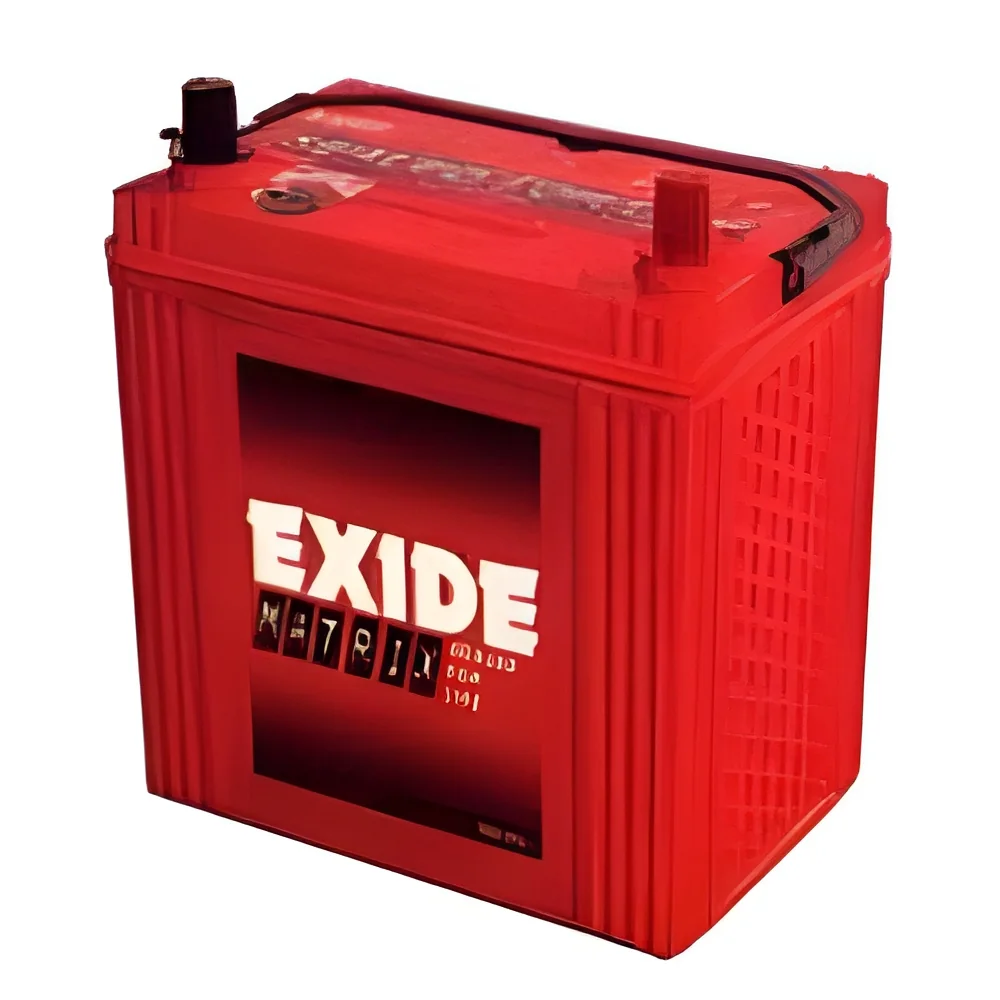
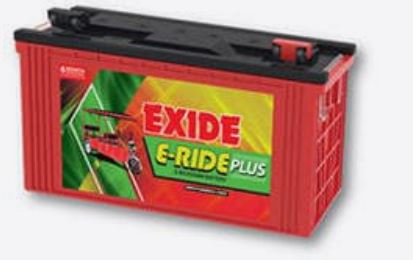
What are Truck & Bus Batteries?
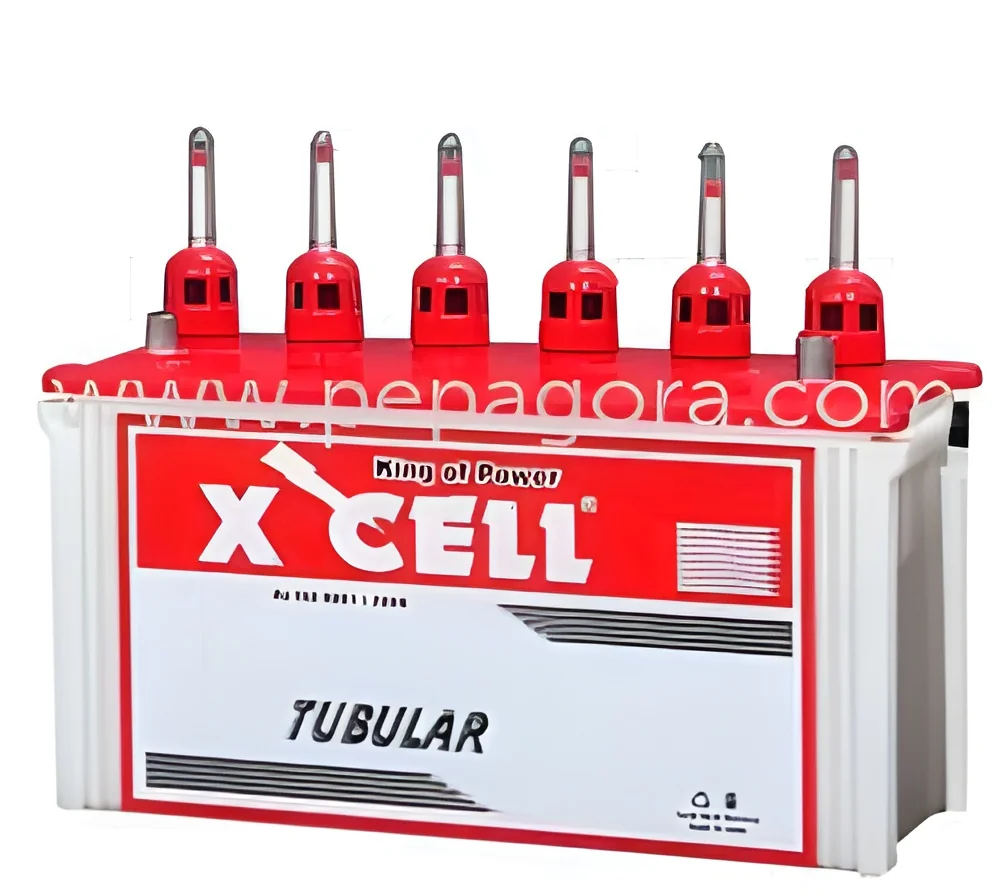
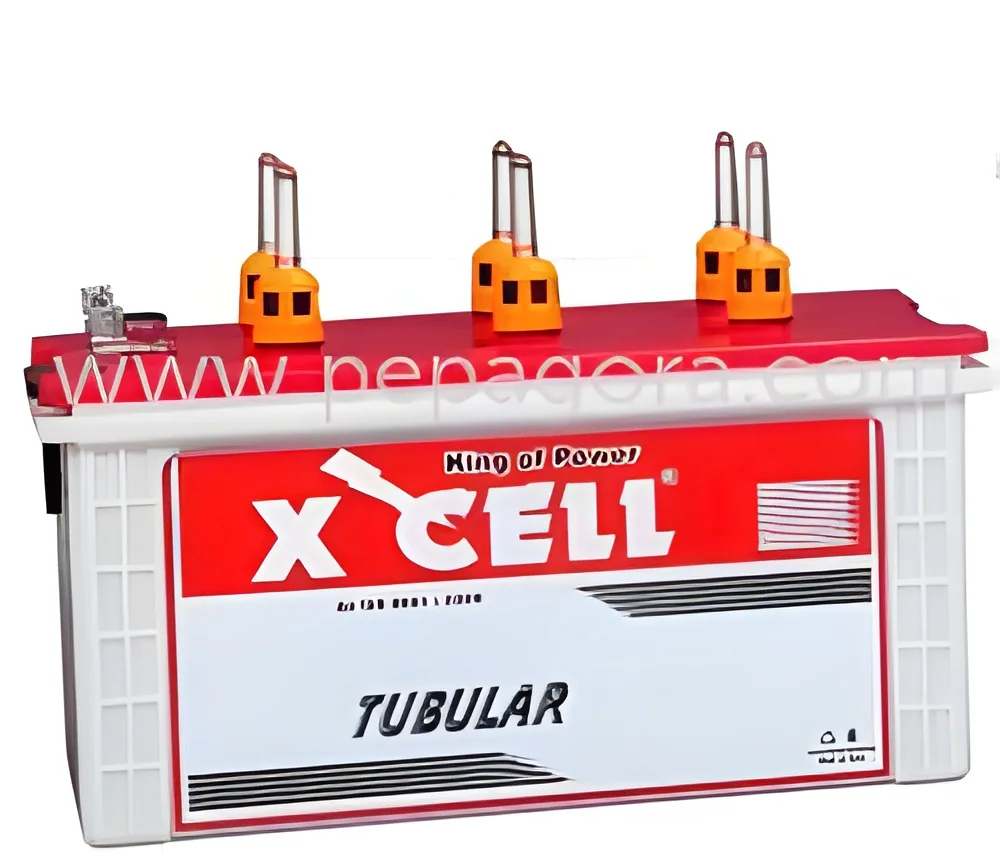
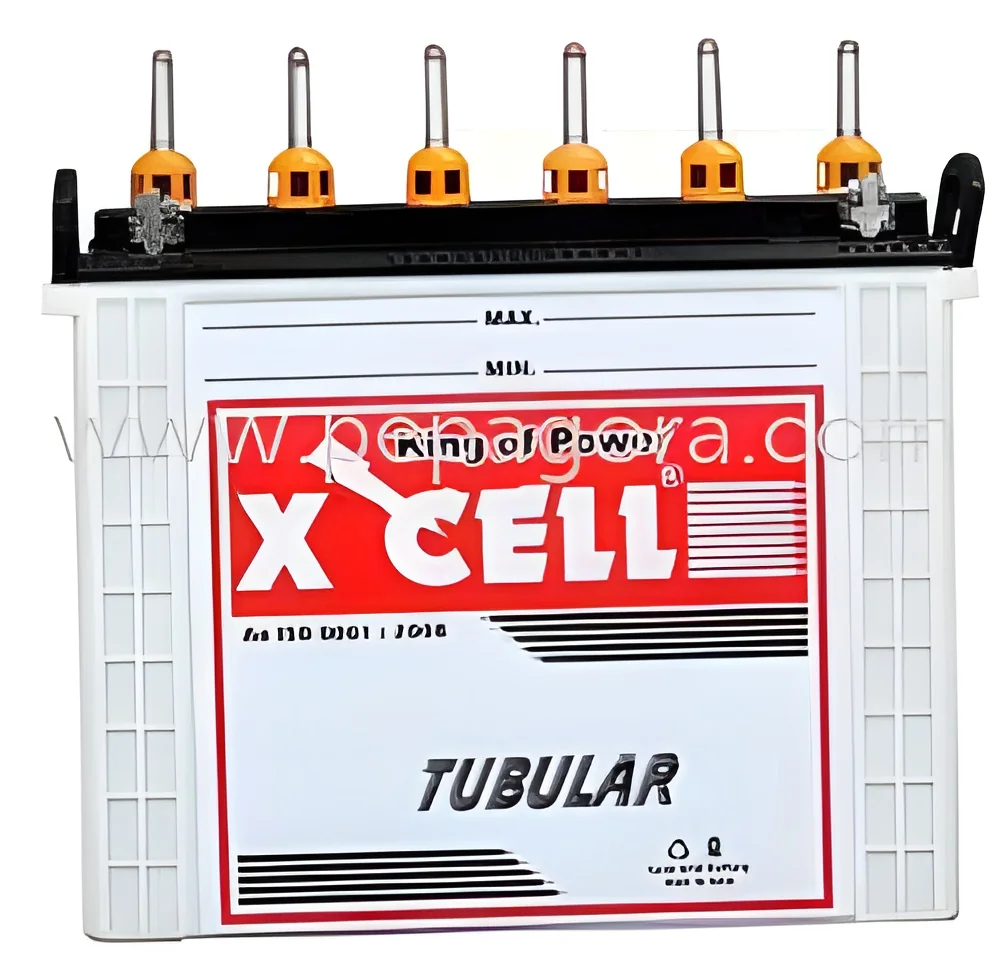
Truck and bus batteries are specialized power sources designed to meet the demanding energy requirements of heavy-duty vehicles. Unlike standard automotive batteries, these batteries are built to endure the rigorous conditions of commercial transportation, including extreme temperatures, frequent cycling, and heavy loads. They provide the necessary starting power for large diesel engines and ensure the operation of onboard electrical systems.
These batteries are primarily used in various applications such as long-haul trucking, public transport systems, and construction vehicles. Their reliability is crucial for minimizing downtime and maintaining operational efficiency. In the competitive landscape of commercial transportation, high-performance batteries contribute to the overall reliability and safety of fleet operations, making them an essential component in the industry.
The market for truck and bus batteries is expanding, driven by increasing demand for transport services and advancements in battery technology. As businesses seek to improve fuel efficiency and reduce emissions, the development of more sustainable battery solutions is becoming increasingly relevant. This evolution in battery technology is reshaping the industry and influencing purchasing decisions among fleet owners and operators.
Key Features and Specifications
Truck and bus batteries come equipped with various features that enhance their performance and reliability. Understanding these specifications is vital for selecting the right battery for specific applications.
Key specifications include:
1. Capacity
- Measured in ampere-hours (Ah), this specification indicates the battery's ability to store energy.
- Typical ranges for truck and bus batteries vary from 100Ah to 300Ah.
2. Cold Cranking Amps (CCA)
- This measures the battery's ability to start an engine in cold temperatures.
- Values generally range from 600 to 1500 CCA, depending on the vehicle type.
3. Reserve Capacity (RC)
- Indicates how long the battery can power essential systems if the alternator fails.
- Common reserve capacities range from 150 to 300 minutes.
4. Voltage
- Most truck and bus batteries operate at 12V or 24V.
- The voltage selected depends on the vehicle's electrical requirements.
5. Weight
- The weight of the battery affects overall vehicle performance and fuel efficiency.
- Batteries typically weigh between 50 to 80 lbs.
6. Lifecycle
- This refers to the number of charge and discharge cycles the battery can complete before performance declines.
- High-quality batteries may offer lifecycles exceeding 500 cycles.
7. Maintenance Type
- Batteries can be categorized into maintenance-free and traditional lead-acid types.
- Maintenance-free batteries often feature sealed designs to reduce the need for regular checks.
8. Safety Features
- Many batteries include built-in protection against overcharging and short circuits.
- These features enhance user safety and prolong battery life.
In summary, selecting the right truck and bus battery involves understanding these key specifications, which directly impact performance and reliability in demanding environments.
Common Applications and Use Cases
Truck and bus batteries are utilized across various industries, highlighting their versatility and importance.
1. Transportation and Logistics: Batteries power long-haul trucks, ensuring reliable engine starts and supporting onboard electronics during transit.
2. Public Transportation: Buses rely on robust batteries to maintain operational efficiency and passenger comfort, powering air conditioning and lighting systems.
3. Construction: Heavy machinery and vehicles at construction sites utilize these batteries, providing the necessary power for starting engines and operating tools.
4. Emergency Services: Ambulances and fire trucks depend on high-performance batteries for reliable operation during critical situations, where failures can have serious consequences.
5. Agriculture: Farming vehicles, such as tractors and harvesters, utilize truck and bus batteries to support their heavy-duty energy needs.
6. Mining: In the mining sector, trucks and equipment require durable batteries to withstand rigorous conditions and provide reliable power.
7. Waste Management: Refuse trucks rely on truck and bus batteries to power systems that ensure efficient waste collection and processing.
Product Variants and Subcategories
Truck and bus batteries come in a variety of options to cater to different needs and applications.
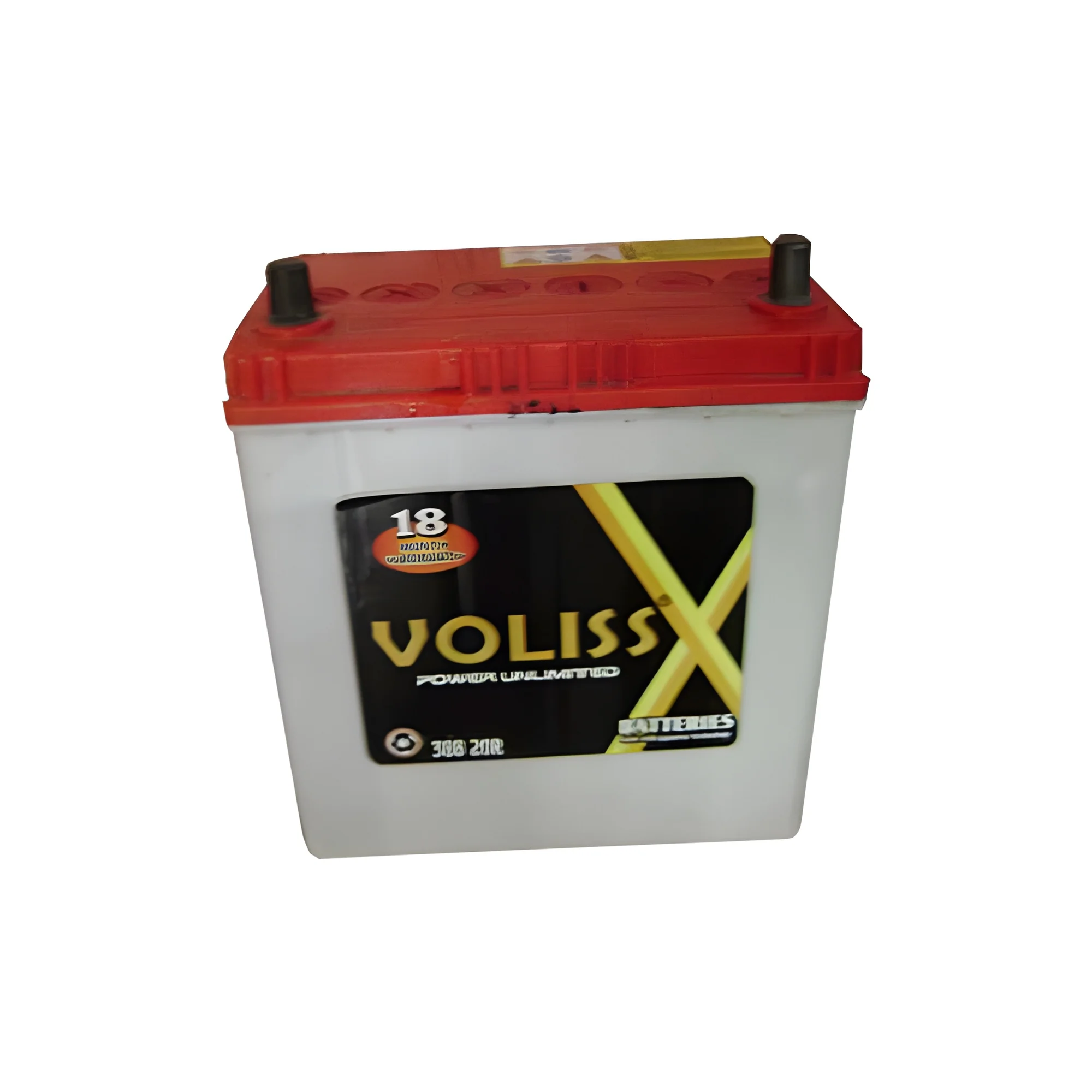
Lead-Acid Batteries: These traditional batteries are widely used due to their affordability and reliability. They are suitable for a range of vehicles but require regular maintenance.
AGM Batteries: Absorbent Glass Mat (AGM) batteries offer enhanced performance and longevity. They are maintenance-free and provide better resistance to vibration, making them ideal for demanding environments.
Lithium-Ion Batteries: Though less common in heavy-duty applications, lithium-ion batteries are gaining traction due to their lightweight design and longer lifespan. They are suitable for electric buses and hybrid vehicles.
Gel Batteries: These batteries are designed to operate in extreme conditions and are resistant to spills. They are often used in specialized vehicles requiring enhanced safety features.
Benefits and Advantages
Investing in high-quality truck and bus batteries offers several advantages for businesses operating in the transportation sector.
1. Reliability: High-performance batteries ensure consistent engine starts and reliable operation of electrical systems, reducing downtime.
2. Longevity: Quality batteries tend to have longer lifecycles, providing better value over time and minimizing replacement costs.
3. Maintenance-Free Options: Many modern batteries are designed to be maintenance-free, saving time and resources for fleet operators.
4. Enhanced Safety: Batteries with built-in safety features minimize risks associated with overcharging and short-circuiting, contributing to overall vehicle safety.
5. Environmental Considerations: Advanced battery technologies, such as lithium-ion, offer lower environmental impact, aligning with sustainability goals.
6. Performance in Extreme Conditions: Robust batteries are designed to perform well under a range of environmental conditions, ensuring reliability in various climates.
Buying Guide for B2B Buyers
When sourcing truck and bus batteries, several key factors should be considered to ensure optimal selection and procurement.
1. Quality Assessment: Evaluate the quality of the batteries by checking manufacturer certifications and customer reviews. Look for batteries that meet industry standards to ensure reliability.
2. Supplier Verification: Vet potential suppliers by checking their reputation, financial stability, and previous customer experiences. Reliable suppliers are crucial for maintaining a steady battery supply.
3. Pricing and MOQ: Understand the pricing structure and minimum order quantities (MOQ) that suppliers offer. This helps in budgeting and ensuring that you meet supplier requirements for orders.
4. Delivery and Lead Times: Confirm logistics capabilities, including delivery times and shipping methods. Timely delivery is essential for maintaining fleet operations.
5. Compliance Requirements: Ensure that the batteries comply with local and international regulations. This may include environmental guidelines and safety standards.
Compliance and Certifications
Truck and bus batteries are subject to various compliance standards that ensure safety and performance.
Quality standards such as ISO 9001 help guarantee that manufacturers adhere to established quality management systems. This certification indicates a commitment to continuous improvement in production processes.
Additionally, industry certifications like CE signify that the batteries meet European safety, health, and environmental protection standards. Compliance with these standards is crucial for market acceptance and consumer trust.
Safety and testing requirements may include assessments for thermal stability, vibration resistance, and performance under extreme conditions. These tests ensure that the batteries can withstand the rigors of heavy-duty applications.
Regional compliance considerations vary by market. For instance, batteries sold in the European Union must meet specific regulations regarding hazardous materials and recycling. Understanding these regional requirements is essential for manufacturers and suppliers operating in multiple markets.
Why Source Truck & Bus Batteries from Pepagora?
Pepagora provides a trusted platform for sourcing truck and bus batteries, offering several key advantages to B2B buyers.
Verified Supplier Network: Pepagora features a network of verified suppliers, ensuring that buyers connect with reputable manufacturers and distributors. This reduces the risk associated with sourcing and enhances buyer confidence.
Streamlined RFQ Process: The platform simplifies the request for quotation (RFQ) process, allowing buyers to easily compare prices and specifications from multiple suppliers. This efficiency helps in making informed purchasing decisions.
Trade Assurance and Support: Pepagora offers trade assurance to protect buyers throughout the procurement process. This includes support for resolving disputes and ensuring that transactions proceed smoothly.
Regional Coverage: With a presence in India, the GCC, and Southeast Asia, Pepagora facilitates access to a wide range of suppliers, catering to diverse market needs. This regional coverage enhances the platform's relevance in various industrial contexts.
By choosing Pepagora, businesses can streamline their procurement processes while ensuring they acquire high-quality truck and bus batteries tailored to their operational requirements.

 IN
IN