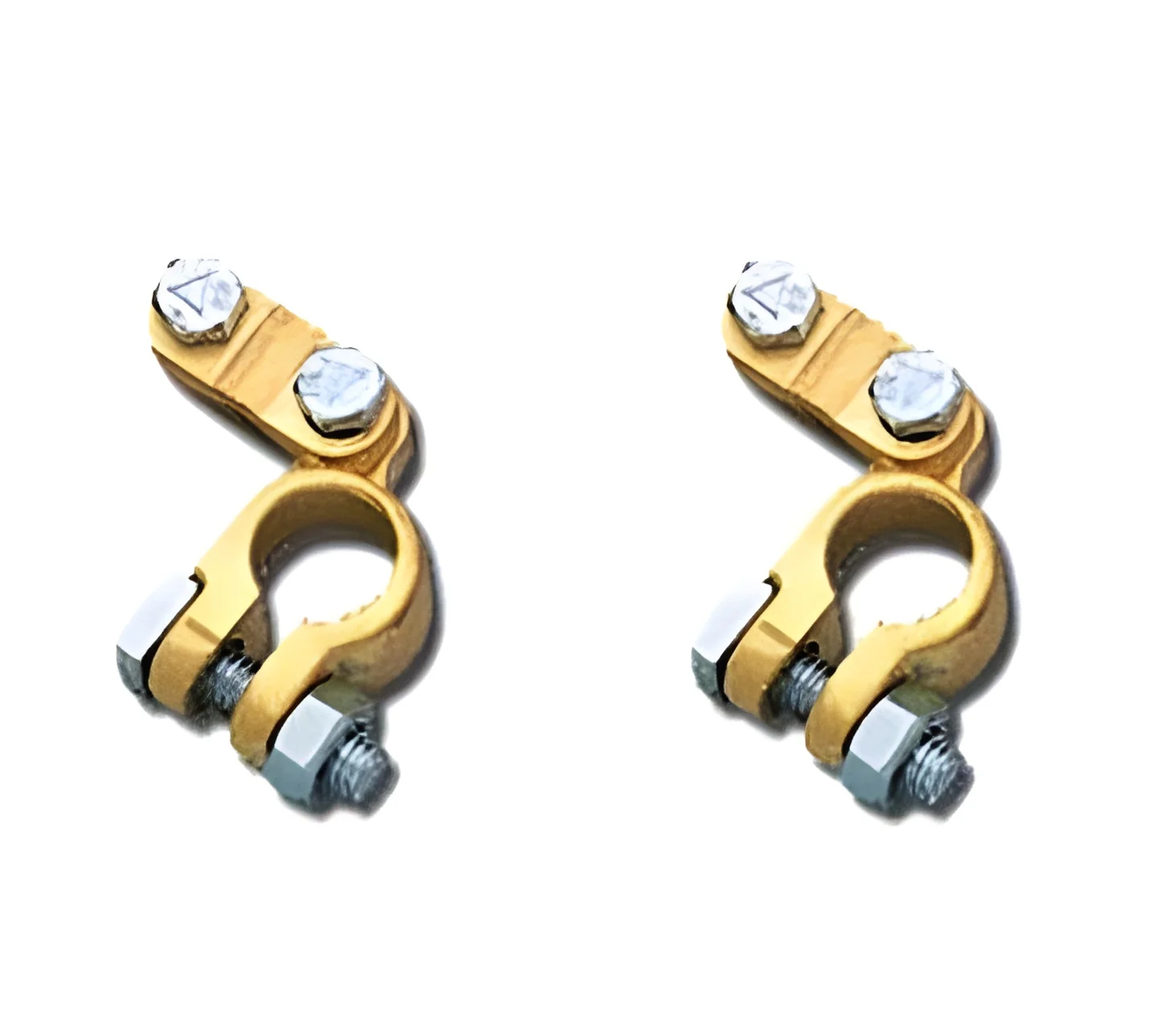
What are Battery Terminals & Cables?
Battery terminals and cables are essential components in electrical systems, primarily used to connect batteries to other electrical devices or systems. The terminals serve as the interface between the battery and the cable, facilitating the flow of electricity. These components are typically made from conductive materials like copper or lead, which ensure minimal resistance and optimal performance. Battery cables, on the other hand, are the wires that connect the terminals to various electrical systems, providing the necessary power for operation.
The primary uses of battery terminals and cables are found in automotive, industrial, and renewable energy applications. In automotive settings, they connect the battery to the starter motor and other electrical systems. In industrial contexts, they are used in machinery and equipment that require reliable power sources. Additionally, battery terminals and cables play a crucial role in renewable energy systems, such as solar panel setups, where they connect batteries to inverters and charge controllers. The growing emphasis on renewable energy solutions highlights the increasing demand for robust battery connections in various industries.
As industries evolve, the relevance of battery terminals and cables continues to expand. The market context indicates a rising need for high-quality, reliable connections to support advancements in electric vehicles, energy storage systems, and automation. This trend underscores the importance of selecting the right battery terminals and cables to ensure safety and efficiency in electrical applications.
Key Features and Specifications
Battery terminals and cables come with a variety of features that enhance their performance and reliability. Understanding these specifications is crucial for selecting the right components for your needs.
Key specifications include:
1. Material Composition
- Typically made from copper or lead
- Ensures high conductivity and durability
2. Cable Gauge
- Available in various AWG (American Wire Gauge) sizes
- Determines the current-carrying capacity
3. Terminal Type
- Includes ring, spade, and post types
- Each type serves different connection needs
4. Insulation Material
- Commonly PVC or rubber
- Provides protection against abrasion and moisture
5. Temperature Rating
- Designed to operate within specified temperature ranges
- Ensures performance in extreme conditions
6. Voltage Rating
- Rated for specific voltage levels
- Ensures compatibility with electrical systems
7. Length Options
- Available in various lengths to suit different applications
- Custom lengths may be offered by suppliers
8. Certification
- Many products comply with CE standards
- Ensures safety and quality assurance
In summary, understanding key features and specifications of battery terminals and cables is vital for making informed purchasing decisions. These components play a significant role in ensuring reliable electrical connections across multiple industries.
Common Applications and Use Cases
Battery terminals and cables are utilized in a wide range of industries, demonstrating their versatility and essential nature.
1. Automotive: These components are critical for connecting car batteries to starters, alternators, and other electrical systems, ensuring reliable vehicle operation.
2. Industrial Equipment: Battery terminals and cables are used in forklifts, cranes, and heavy machinery, providing power for operation and control systems.
3. Renewable Energy: In solar energy systems, these components connect batteries to inverters and charge controllers, facilitating energy storage and distribution.
4. Marine: These cables and terminals are essential in boats and ships, connecting batteries to electrical systems for navigation and onboard equipment.
5. Telecommunications: Battery cables are used in backup power systems to ensure uninterrupted service during outages.
6. UPS Systems: Uninterruptible power supplies utilize battery terminals and cables for seamless power transition in critical applications.
7. Electric Vehicles: With the rise of EVs, these components are crucial for connecting battery packs to electric motors and control systems.
Product Variants and Subcategories
Battery terminals and cables come in various forms to meet specific needs, offering versatility for different applications.
Battery Terminals
These terminals are designed to connect directly to battery posts and are available in different styles, including ring and spade terminals. They provide secure and reliable connections for automotive and industrial applications.
Battery Cables
These flexible cables are used to connect batteries to electrical systems. They come in various gauges and lengths to accommodate different power requirements and applications, ensuring optimal performance.
Benefits and Advantages
Sourcing high-quality battery terminals and cables offers several advantages that can enhance operational efficiency.
1. Enhanced Safety: Quality terminals and cables reduce the risk of electrical faults, ensuring safe operation in various environments.
2. Improved Performance: High conductivity materials ensure efficient power transfer, optimizing the performance of connected systems.
3. Durability: Robust construction materials increase the lifespan of terminals and cables, reducing the need for frequent replacements.
4. Versatility: Available in various sizes and styles, these components can be used in multiple applications across different industries.
5. Compliance: Many products meet industry standards, ensuring reliability and safety in compliance-driven sectors.
6. Cost-Effectiveness: Investing in quality components minimizes downtime and maintenance costs, leading to long-term savings.
Buying Guide for B2B Buyers
When sourcing battery terminals and cables, B2B buyers should consider several critical factors to ensure optimal selection.
1. Quality Assessment: Look for products made from high-quality materials such as copper or lead. Check for certifications that indicate compliance with industry standards.
2. Supplier Verification: Vet suppliers for their reputation and reliability. Ensure they have a track record of delivering quality products on time.
3. Pricing and MOQ: Understand pricing structures and minimum order quantities. Compare quotes from different suppliers to find the best deal.
4. Delivery and Lead Times: Inquire about shipping options and lead times. Timely delivery is crucial for maintaining project schedules.
5. Compliance Requirements: Ensure that products meet relevant regulatory standards for your industry. This may involve checking for specific certifications and testing requirements.
Compliance and Certifications
Battery terminals and cables must adhere to various compliance standards to ensure safety and reliability. Relevant quality standards include ISO 9001, which focuses on quality management systems, ensuring that manufacturers maintain high production standards.
Additionally, industry certifications such as CE indicate that products meet European safety and environmental requirements. This certification is essential for suppliers looking to access markets in the European Union.
Safety and testing requirements are also critical, as these components must be tested for electrical performance and durability. Ensuring that products comply with regional regulations helps mitigate risks associated with electrical failures.
In summary, understanding compliance and certifications is crucial for B2B buyers. Selecting products that meet these standards ensures safety, reliability, and regulatory adherence.
Why Source Battery Terminals & Cables from Pepagora?
Pepagora offers a trusted platform for sourcing battery terminals and cables with several key advantages for B2B buyers.
Verified Supplier Network: Pepagora connects buyers with a network of verified suppliers. Each supplier undergoes a rigorous vetting process, ensuring that only reputable manufacturers are featured.
Streamlined RFQ Process: The platform provides an easy-to-use request for quotation (RFQ) system, allowing buyers to obtain competitive quotes efficiently. This simplifies the procurement process, saving time and effort.
Trade Assurance and Support: Pepagora offers buyer protection through trade assurance policies. This ensures that buyers receive quality products and support in case of any issues with suppliers.
Regional Coverage: With a strong presence in India, the Gulf Cooperation Council (GCC), and Southeast Asia, Pepagora enables buyers to access a diverse range of suppliers and products tailored to their regional needs.
By choosing Pepagora, businesses can ensure they source high-quality battery terminals and cables while benefiting from a streamlined procurement experience.

 IN
IN