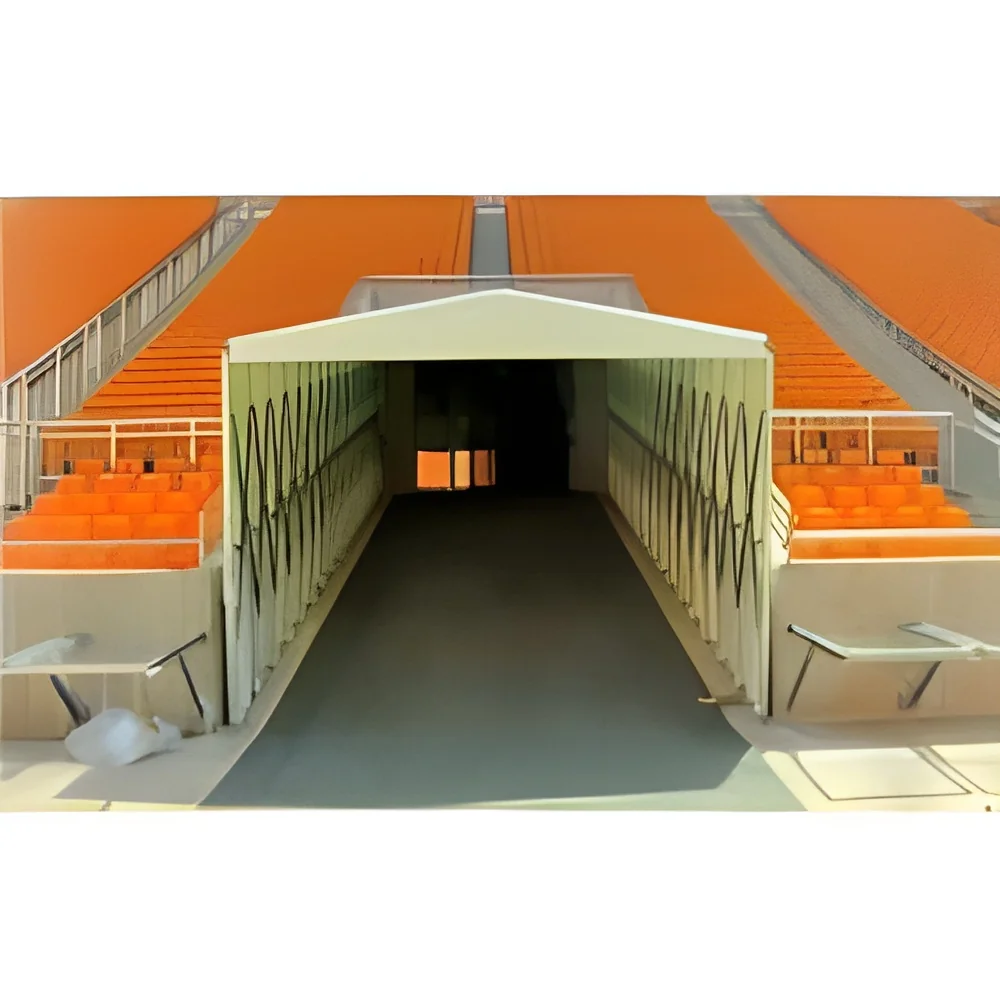
What are Tunnel Formwork?
Tunnel Formwork is an innovative construction system designed for the rapid and efficient construction of reinforced concrete structures. It consists of prefabricated, reusable forms that are assembled to create tunnel-like sections for walls and slabs in a single pour. This method not only accelerates the construction process but also enhances the overall structural integrity by allowing for continuous casting of elements.
Tunnel Formwork is primarily used in the construction of residential buildings, commercial structures, and infrastructure projects. Its unique design facilitates the rapid creation of uniform walls and slabs, which is especially advantageous in high-density urban environments where time and space are critical constraints. The use of Tunnel Formwork has gained popularity among contractors and builders due to its cost-effectiveness and ability to streamline project timelines.
In the current market, Tunnel Formwork is relevant across various construction sectors, adapting to the increasing demand for efficient building methods. As the construction industry continues to evolve, the reliance on advanced formwork solutions like Tunnel Formwork is expected to grow, making it a vital component in modern construction practices.
Key Features and Specifications
Tunnel Formwork offers several key features that enhance its usability and efficiency in construction projects. These features are designed to meet the rigorous demands of the construction industry.
Key specifications include:
1. Material Composition
- Made from high-quality steel or aluminum
- Ensures durability and resistance to wear
2. Formwork Size
- Standard dimensions are customizable to project needs
- Common sizes range from 3m to 6m in length
3. Weight Capacity
- Designed to support significant loads during pouring
- Can handle reinforced concrete weights of up to 5 tons per square meter
4. Reusability
- Forms can be reused for multiple projects
- Reduces overall material waste and costs
5. Assembly Time
- Quick assembly process reduces labor costs
- Typical setup time is between 8 to 12 hours for a complete cycle
6. Finish Quality
- Provides a smooth finish to concrete surfaces
- Minimizes the need for additional finishing work
7. Cost Efficiency
- Reduces the time required for construction
- Leads to lower overall project costs
8. Safety Features
- Incorporates safety measures for workers during assembly and pouring
- Designed to adhere to industry safety standards
In summary, Tunnel Formwork is characterized by its robust construction, reusability, and efficiency, making it an excellent choice for modern construction requirements.
Common Applications and Use Cases
Tunnel Formwork is versatile and can be applied across various industries.
1. Residential Construction: It is widely used in the construction of apartment buildings and housing complexes, enabling rapid project completion and uniform quality.
2. Commercial Buildings: Developers leverage Tunnel Formwork for offices and retail spaces due to its efficiency in creating large open areas with minimal columns.
3. Infrastructure Projects: The method is effective for building bridges, tunnels, and other infrastructure, where structural integrity and speed are paramount.
4. Industrial Facilities: Factories and warehouses benefit from the quick erection of walls and roofs, facilitating faster operations.
5. Hospitality Sector: Hotels and resorts utilize Tunnel Formwork to achieve high-quality finishes and reduce construction times.
6. Educational Institutions: Schools and universities employ this system for the rapid construction of lecture halls and dormitories.
7. Healthcare Facilities: Hospitals and medical centers require durable and quick-to-construct structures, making Tunnel Formwork an ideal solution.
Product Variants and Subcategories
While specific subcategories of Tunnel Formwork are not available, the product itself can be tailored to meet various project specifications and requirements.
Standard Tunnel Formwork systems can be modified for different applications, enhancing their adaptability. These modifications may include variations in size and load capacity to suit specific construction needs.
Custom Tunnel Formwork solutions can also be developed to address unique project constraints, ensuring that builders have the necessary tools to meet their design and engineering requirements.
Benefits and Advantages
Tunnel Formwork presents numerous benefits that make it a preferred choice for construction professionals.
1. Speed of Construction: The ability to pour walls and slabs in a single operation significantly shortens construction timelines.
2. Cost Savings: Reduced labor and material costs contribute to overall project savings, making it financially attractive.
3. High Structural Integrity: Continuous casting ensures stronger connections between walls and slabs, improving durability.
4. Minimal Waste: The reusable nature of Tunnel Formwork reduces material waste, contributing to more sustainable building practices.
5. Enhanced Safety: The design and assembly process prioritize worker safety, reducing the risk of accidents on-site.
6. Versatility: It can be adapted for various building types and sizes, making it suitable for a wide range of projects.
Buying Guide for B2B Buyers
When sourcing Tunnel Formwork, several critical factors should be considered to ensure the best choice for your project.
1. Quality Assessment: Evaluate the materials and manufacturing processes used in the formwork. Ensure compliance with industry standards for durability and performance.
2. Supplier Verification: Conduct thorough research on potential suppliers. Look for those with a proven track record in delivering high-quality products and reliable service.
3. Pricing and MOQ: Understand the pricing structure and minimum order quantities. Compare costs across suppliers to find the most competitive options.
4. Delivery and Lead Times: Discuss logistics and expected delivery times with suppliers. Ensure that they align with your project schedule to avoid delays.
5. Compliance Requirements: Confirm that the Tunnel Formwork meets all necessary regulatory standards and certifications, ensuring it is suitable for your intended use.
Compliance and Certifications
Tunnel Formwork is subject to various quality standards and certifications that ensure safety and performance.
Relevant quality standards include ISO 9001, which focuses on quality management systems to enhance customer satisfaction. Compliance with these standards indicates that the manufacturing processes are consistently monitored and improved.
The CE mark is a significant certification for Tunnel Formwork, indicating that the product meets EU safety, health, and environmental requirements. This certification is crucial for projects in European markets.
Additionally, safety and testing requirements are paramount. Formwork products must undergo rigorous testing to ensure they can withstand the stresses of construction activities.
Regional compliance considerations should also be taken into account, as different countries may have specific regulations regarding construction materials and practices.
Why Source Tunnel Formwork from Pepagora?
Pepagora provides a trusted platform for sourcing Tunnel Formwork with several key advantages.
Verified Supplier Network: Pepagora connects buyers with a network of verified suppliers. This ensures that purchasers can access high-quality products from reputable manufacturers.
Streamlined RFQ Process: The platform facilitates a straightforward Request for Quotation process, enabling buyers to easily compare offers and select the best options for their needs.
Trade Assurance and Support: Pepagora offers buyer protection measures, giving customers confidence in their purchases and assistance throughout the sourcing process.
Regional Coverage: With a broad geographic reach across India, GCC, and Southeast Asia, Pepagora ensures that buyers can find Tunnel Formwork solutions suited to their local markets and construction practices.

 IN
IN
 India
India