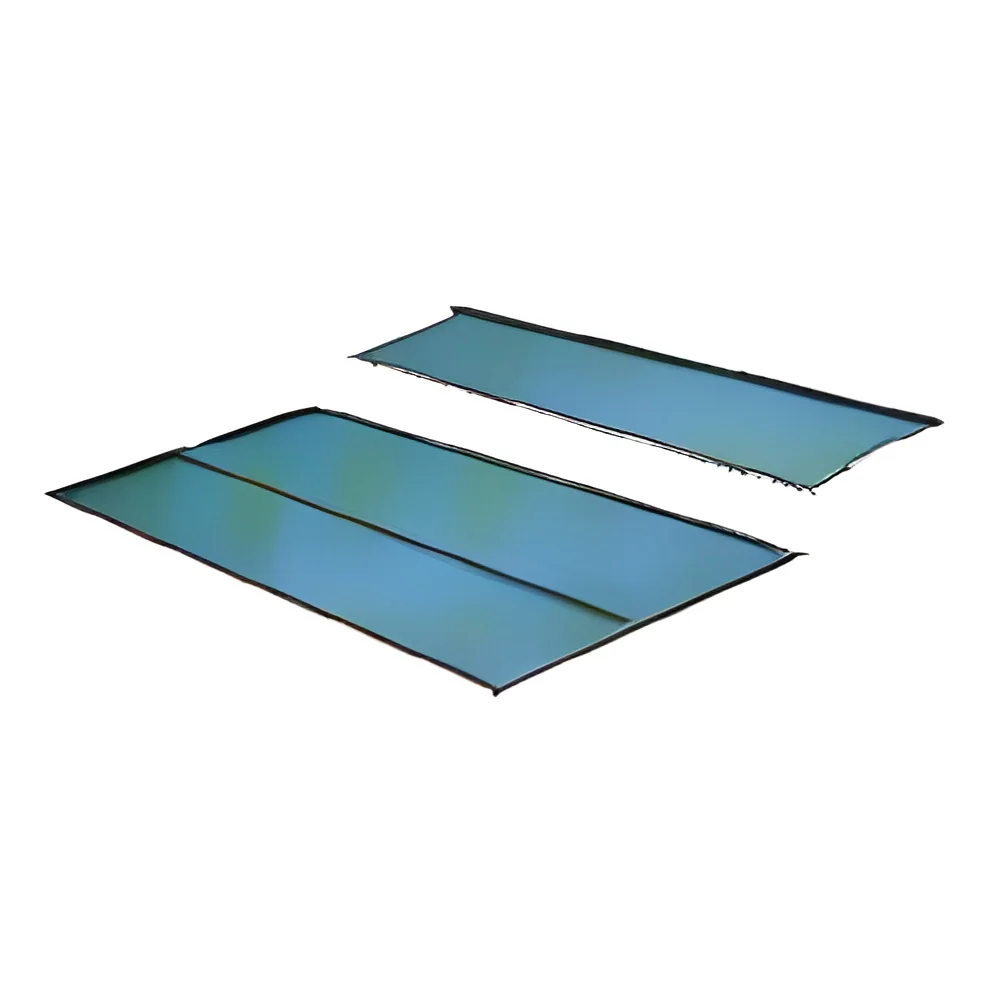
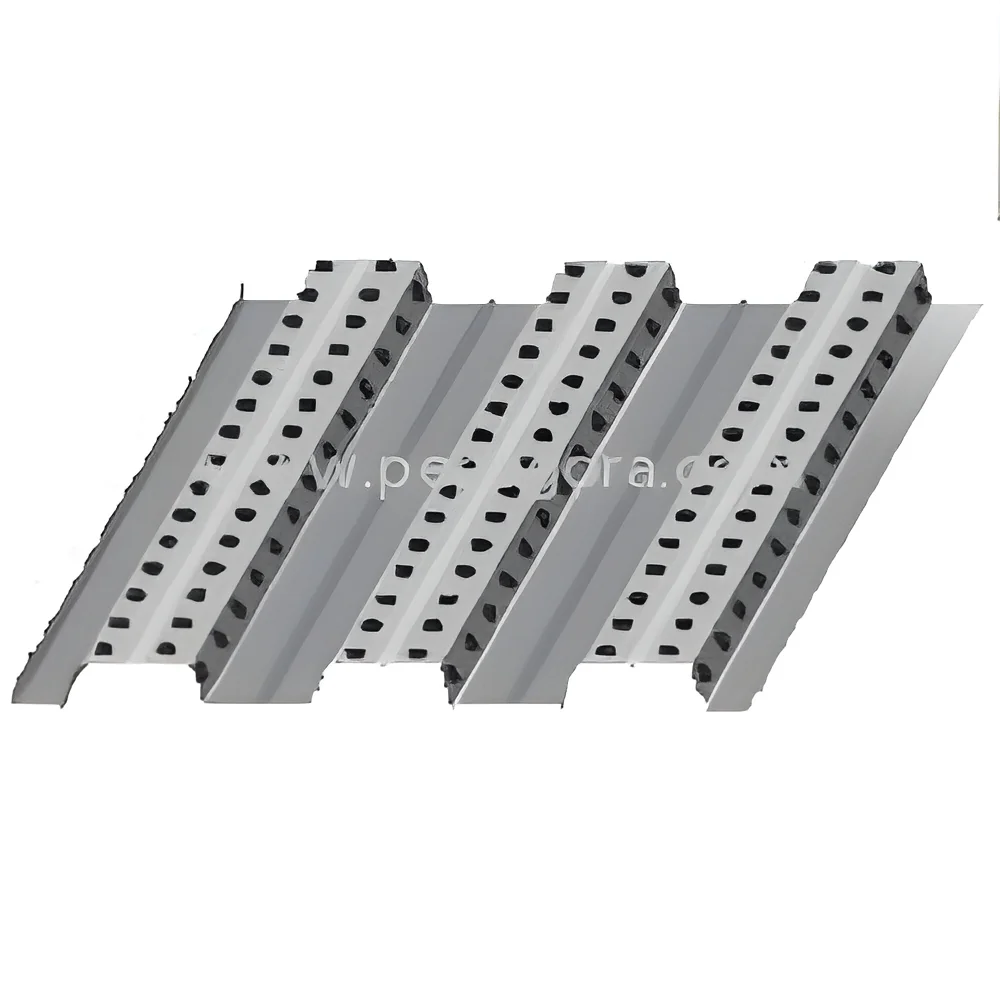
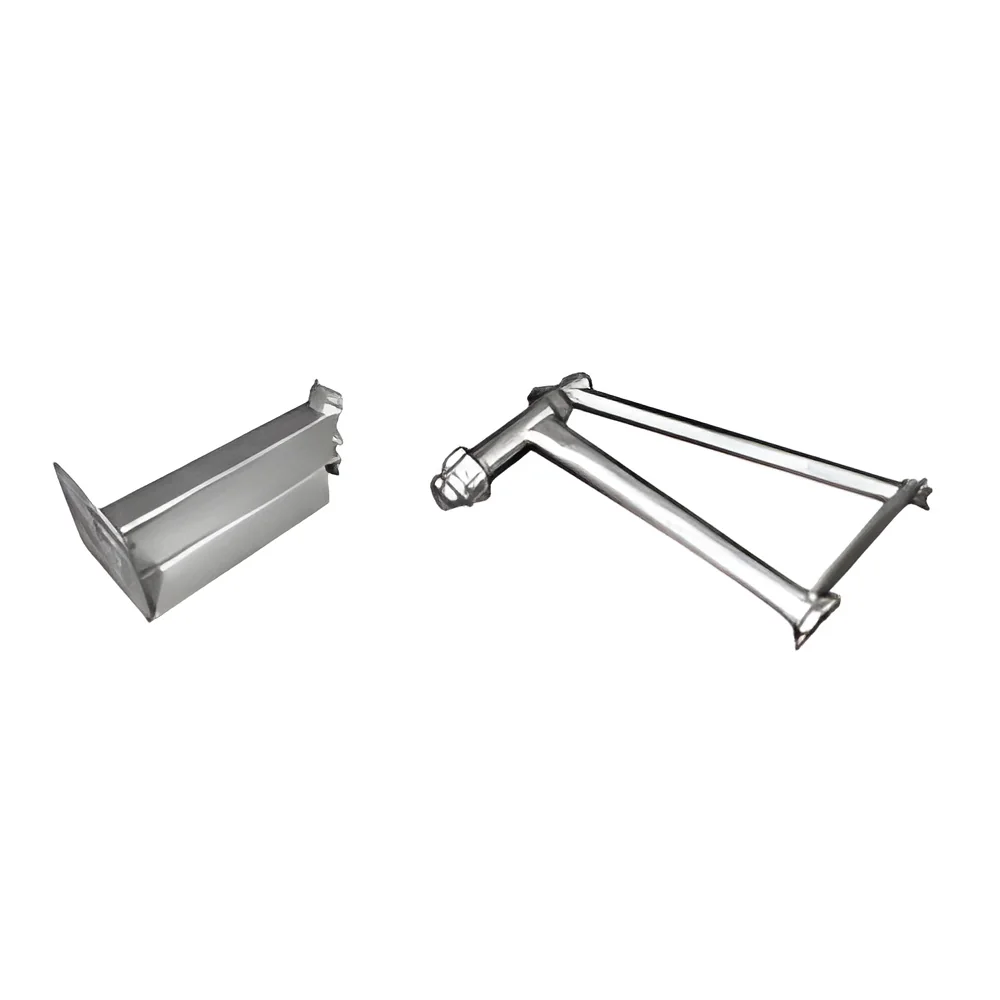
𝗪𝗵𝗮𝘁 𝗮𝗿𝗲 𝗦𝗰𝗮𝗳𝗳𝗼𝗹𝗱𝗶𝗻𝗴 & 𝗙𝗼𝗿𝗺𝘄𝗼𝗿𝗸 𝗦𝘆𝘀𝘁𝗲𝗺𝘀?
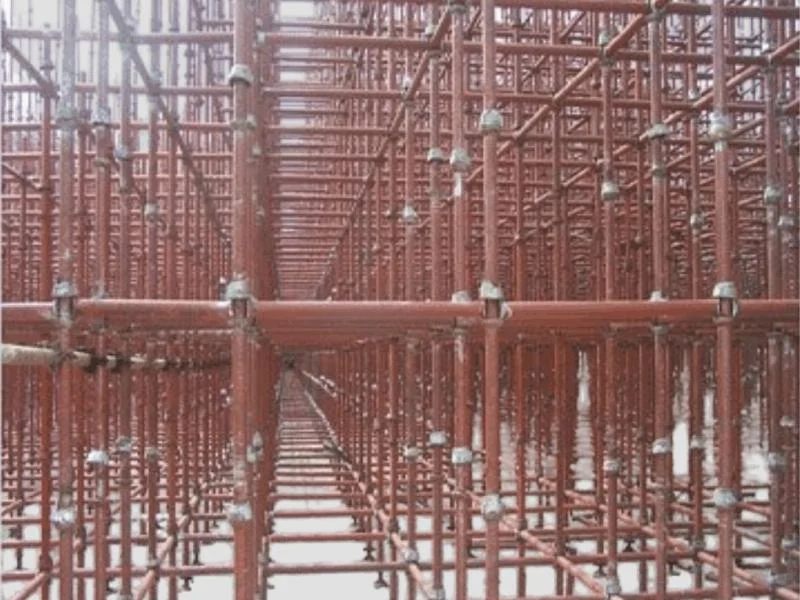
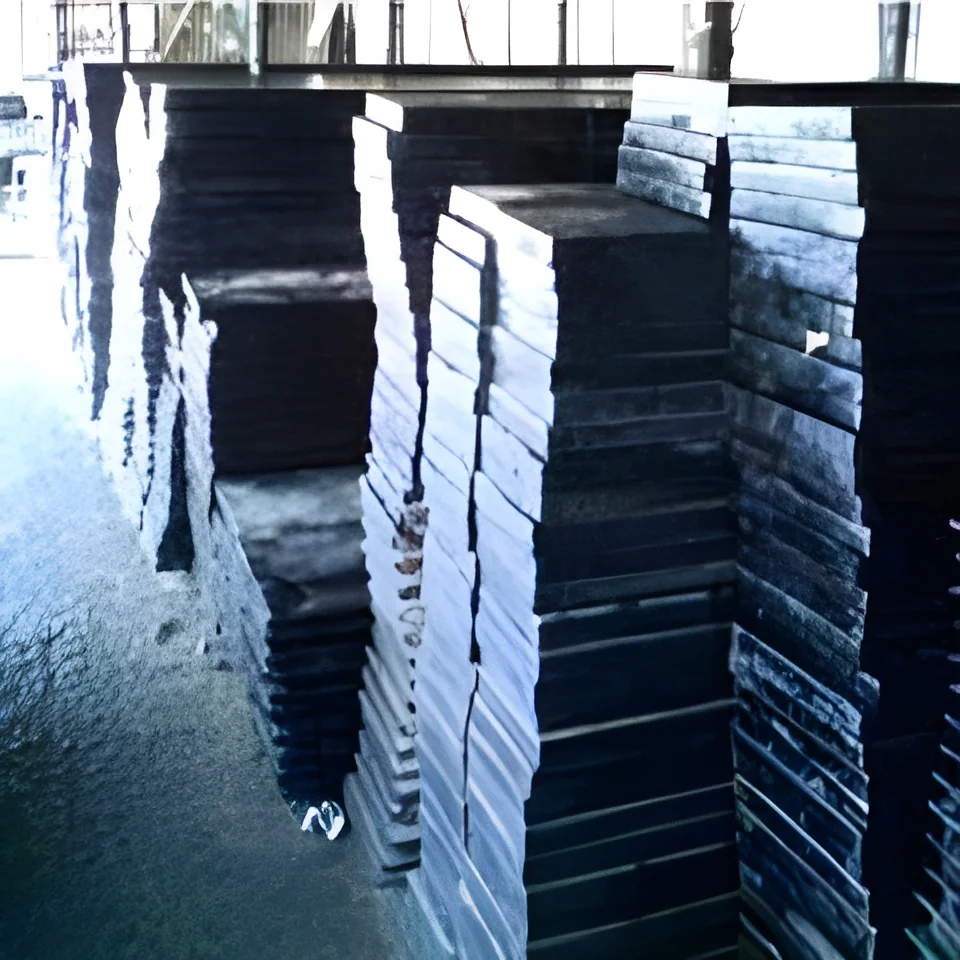
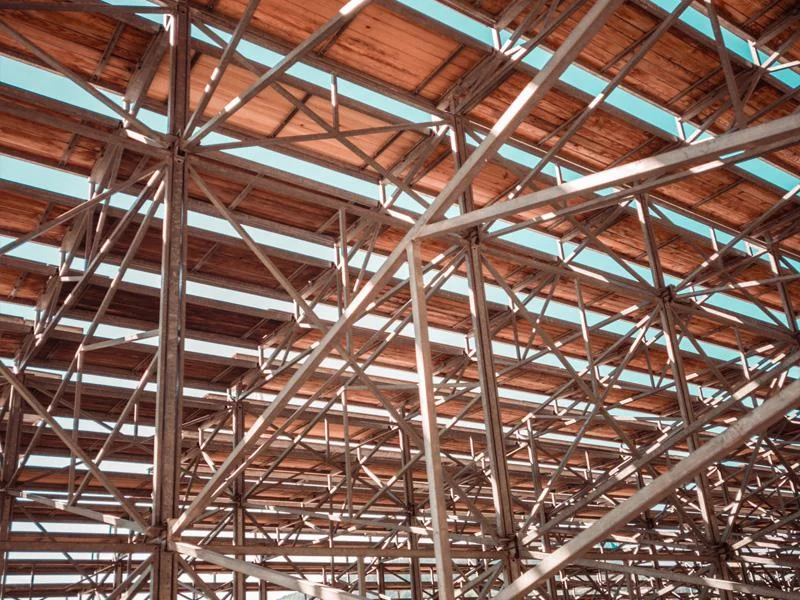
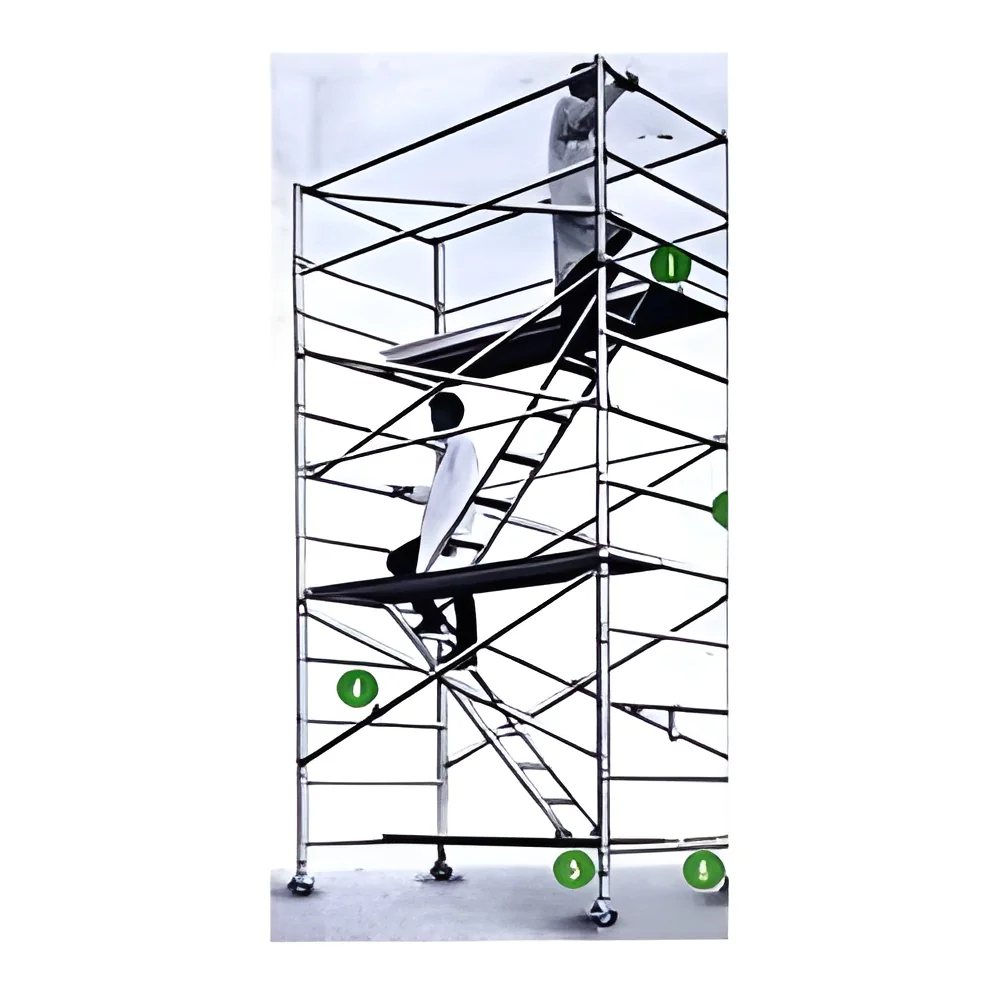
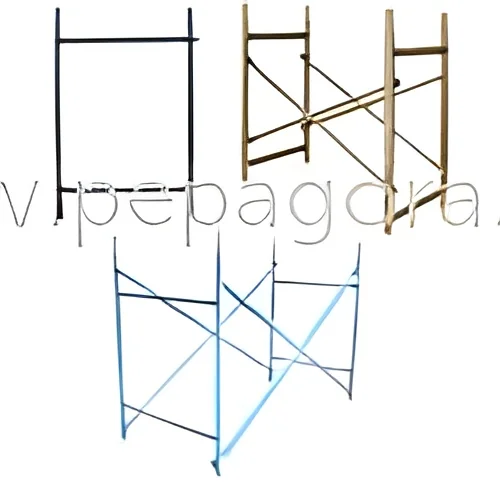
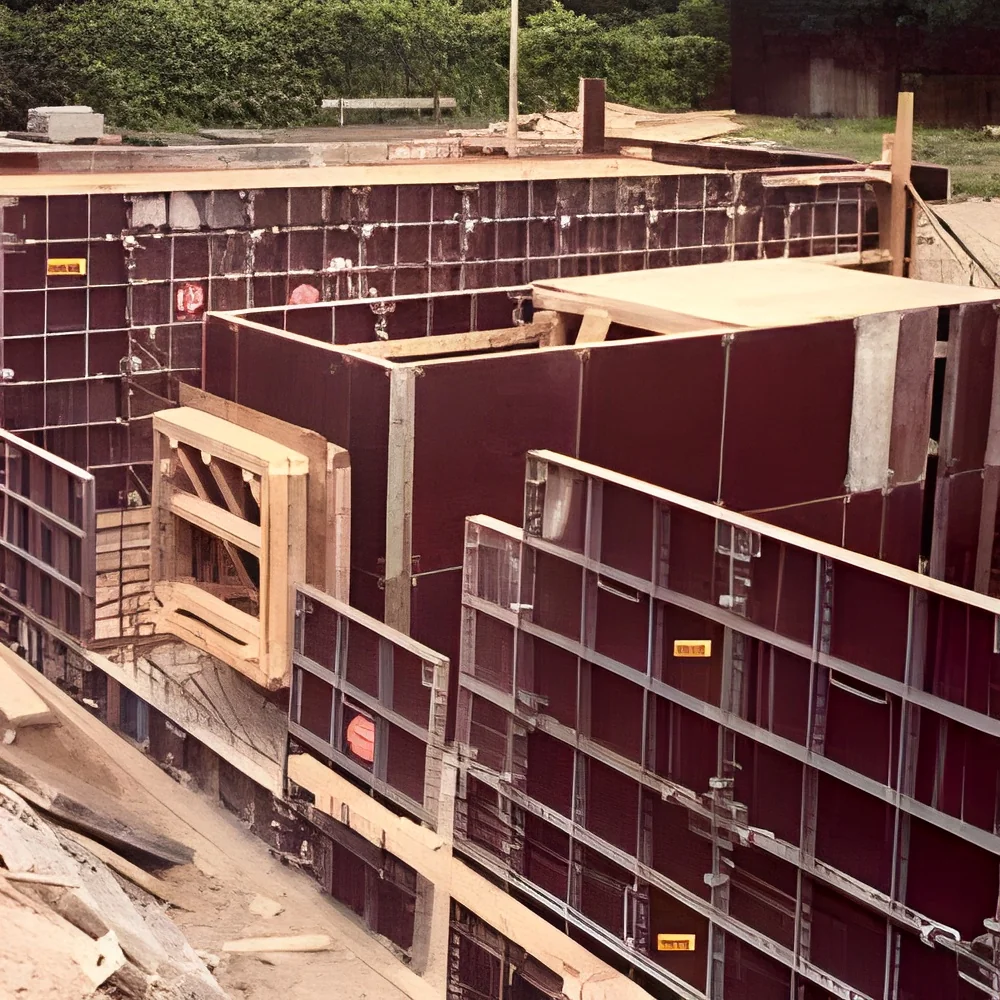
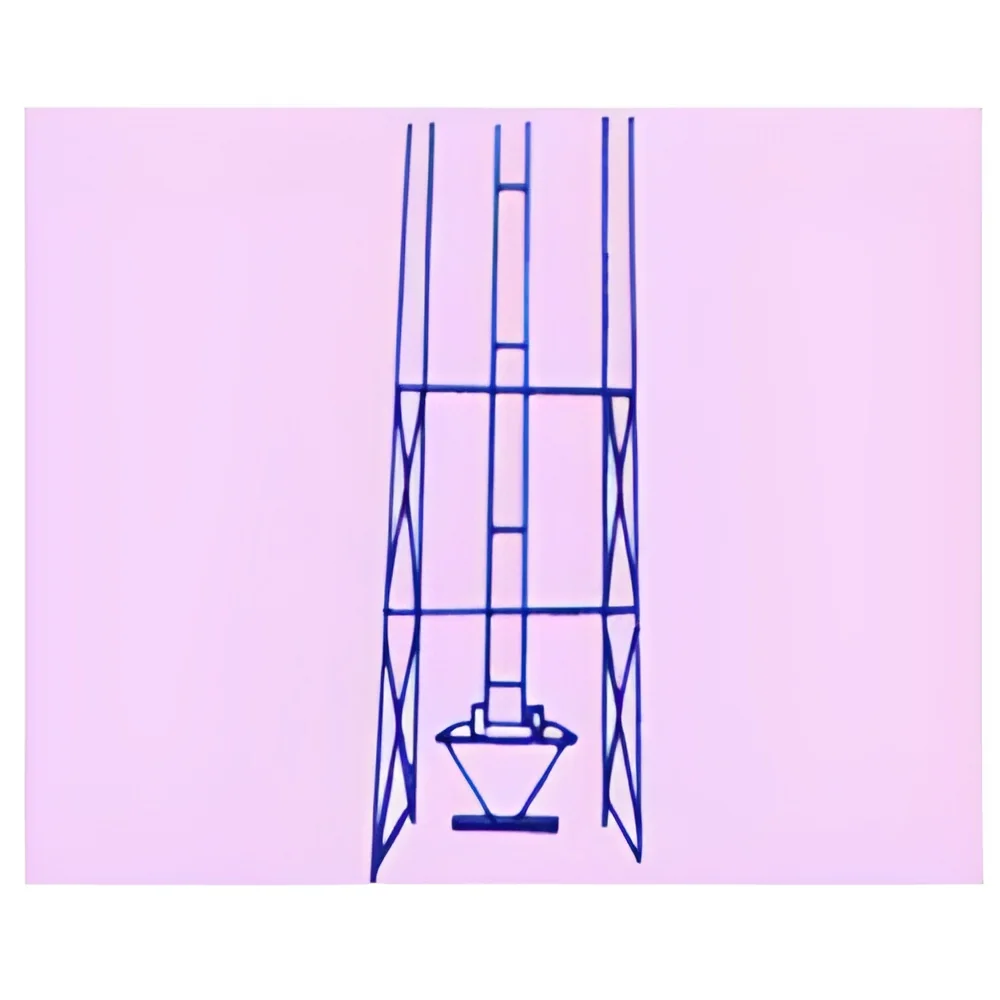
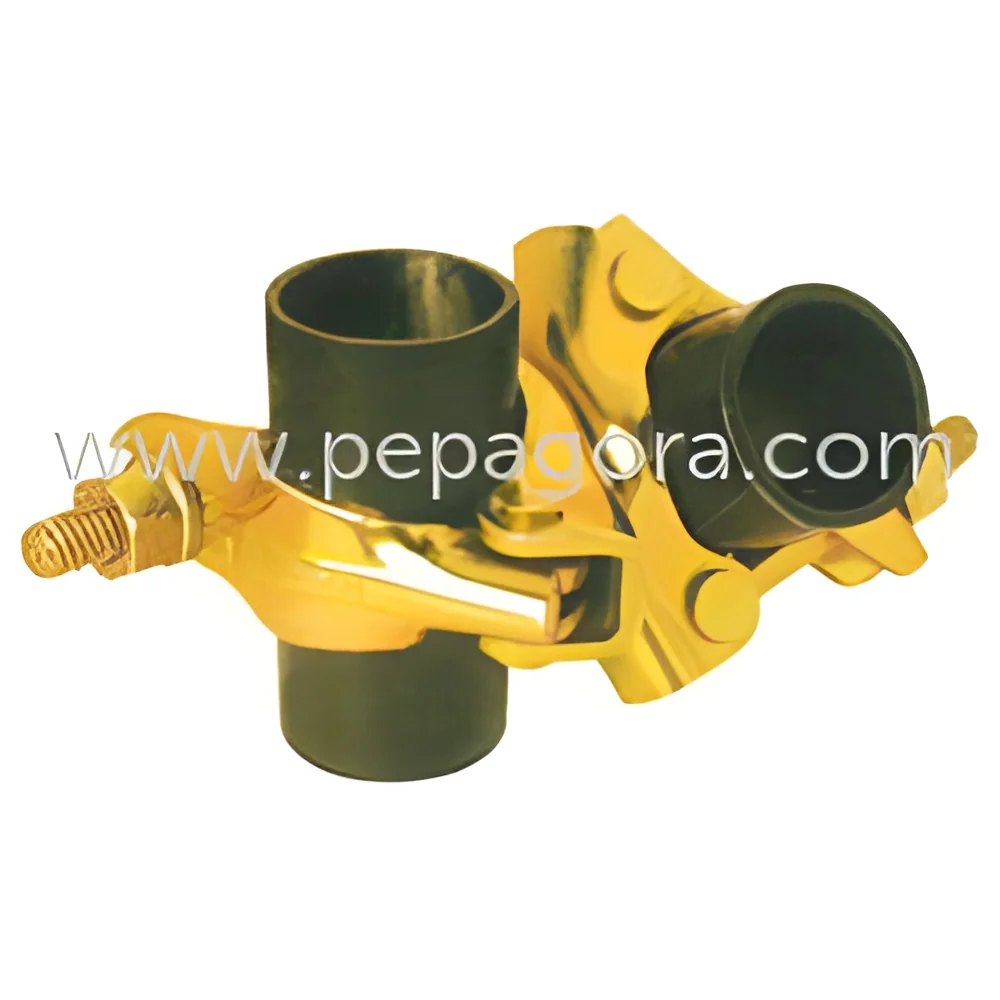
Scaffolding and formwork systems are essential components in the construction industry, providing temporary structures that support work crews and materials during the construction, maintenance, or repair of buildings. Scaffolding refers to a framework used to support workers and materials, while formwork is a mold into which concrete is poured to form structural elements. Both systems are crucial for ensuring safety, efficiency, and structural integrity throughout the construction process.
These systems find extensive applications in various sectors, including residential, commercial, and industrial construction. They are used for tasks ranging from painting and plastering to the installation of windows and facades. Proper use of scaffolding and formwork systems not only enhances worker safety but also increases productivity by allowing multiple tasks to be performed simultaneously. The relevance of these systems in the construction industry is underscored by the ongoing demand for infrastructure development globally, making them a vital consideration for construction projects.
𝗞𝗲𝘆 𝗙𝗲𝗮𝘁𝘂𝗿𝗲𝘀 𝗮𝗻𝗱 𝗦𝗽𝗲𝗰𝗶𝗳𝗶𝗰𝗮𝘁𝗶𝗼𝗻𝘀
Scaffolding and formwork systems are designed with several key features that enhance their functionality and safety. These specifications ensure that the systems can withstand various loads and environmental conditions while providing reliable support.
Key specifications include:
1. Load Capacity
- Determines the maximum weight the system can support.
- Typically ranges from 250 kg to 2000 kg per platform.
2. Material Composition
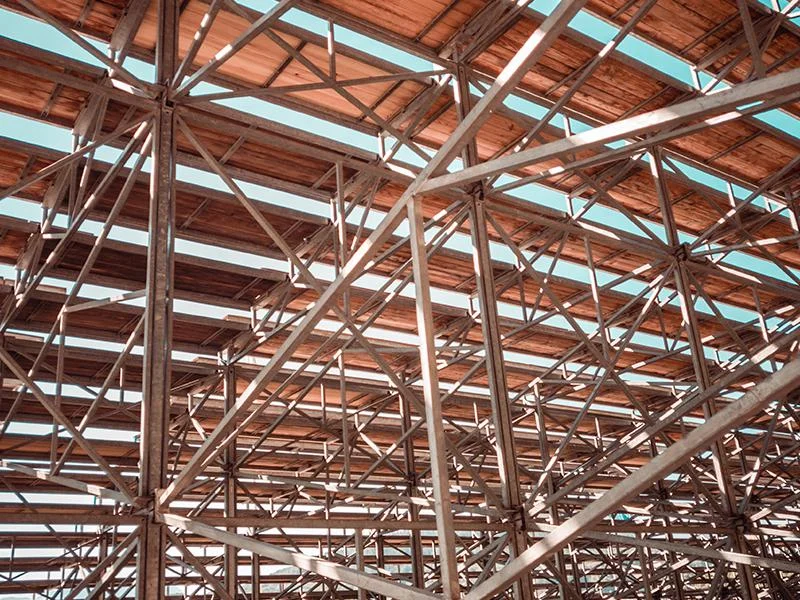
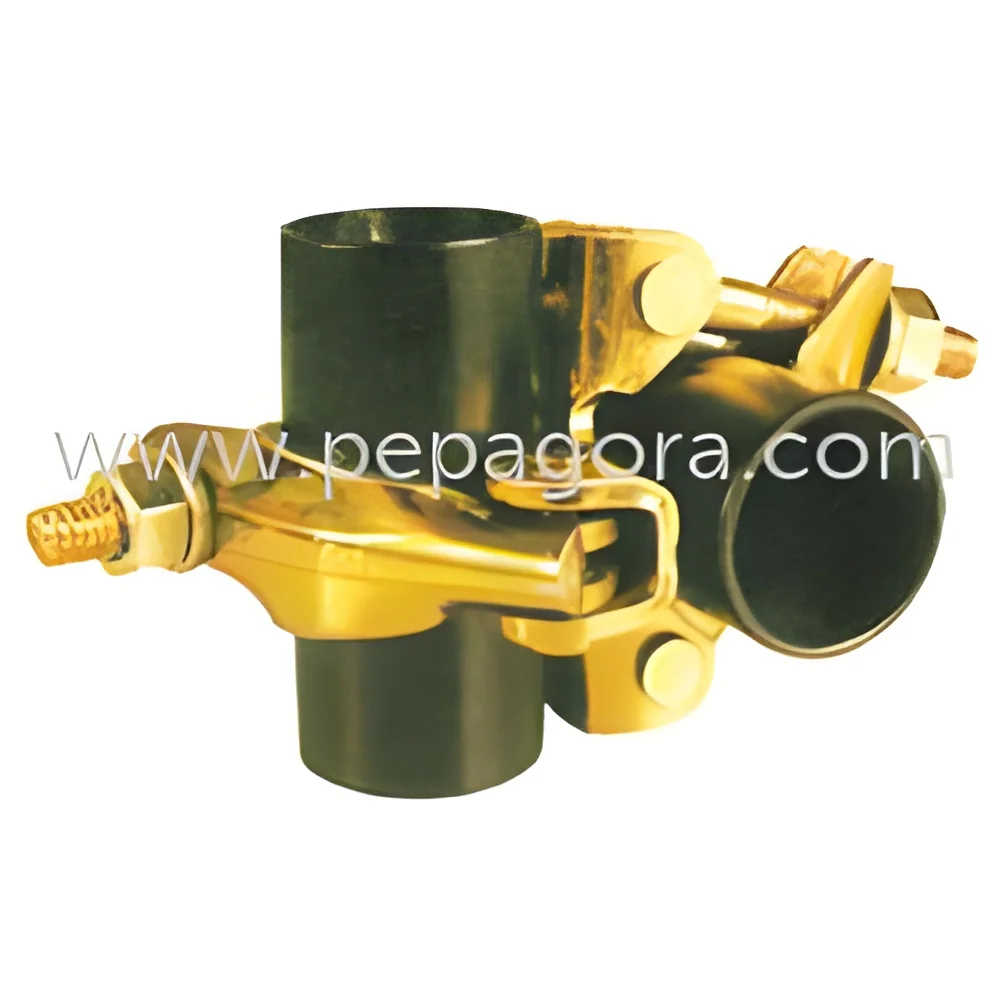
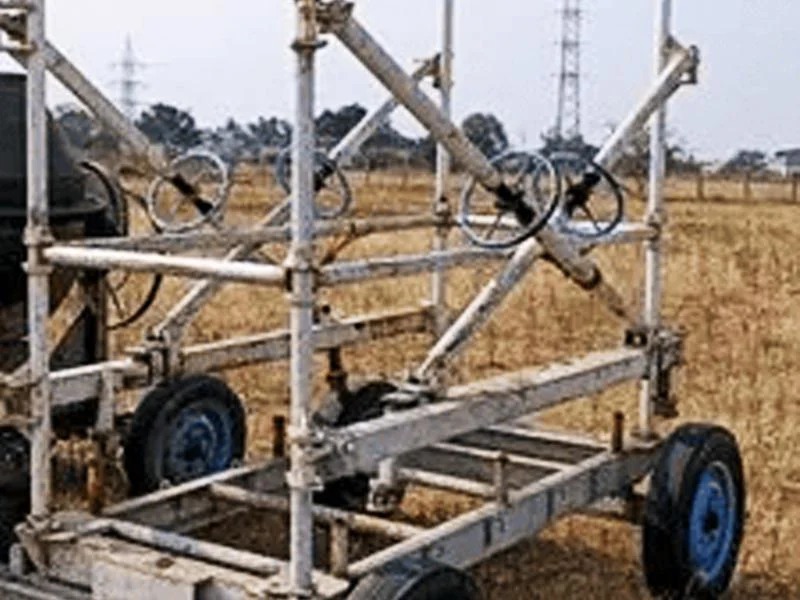
- Scaffolding is often made from aluminum, steel, or wood.
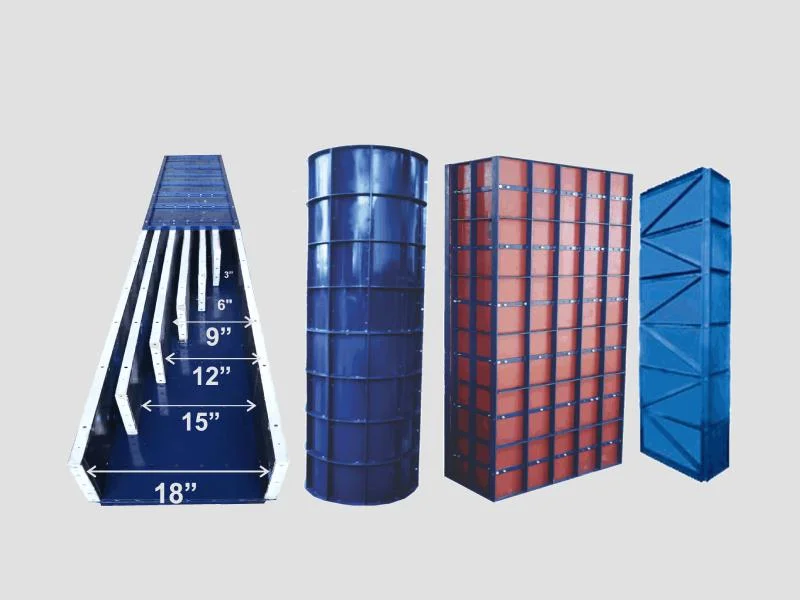
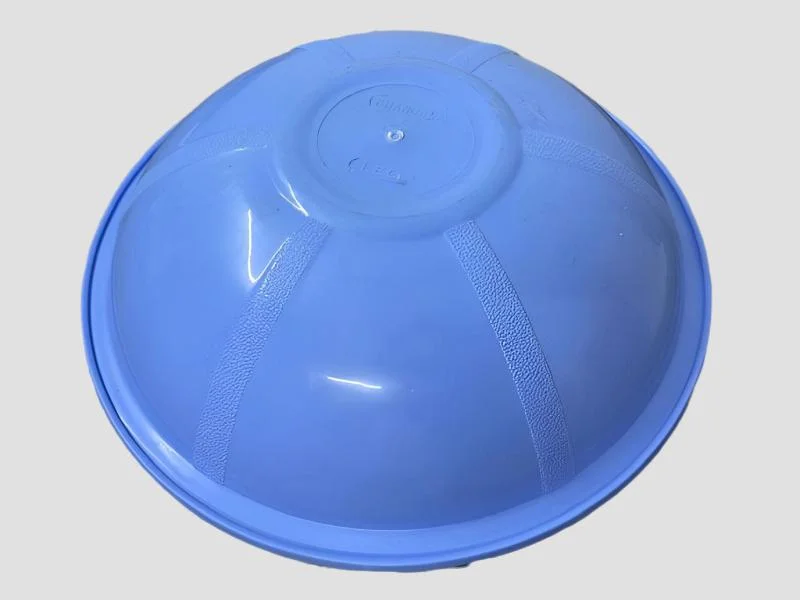
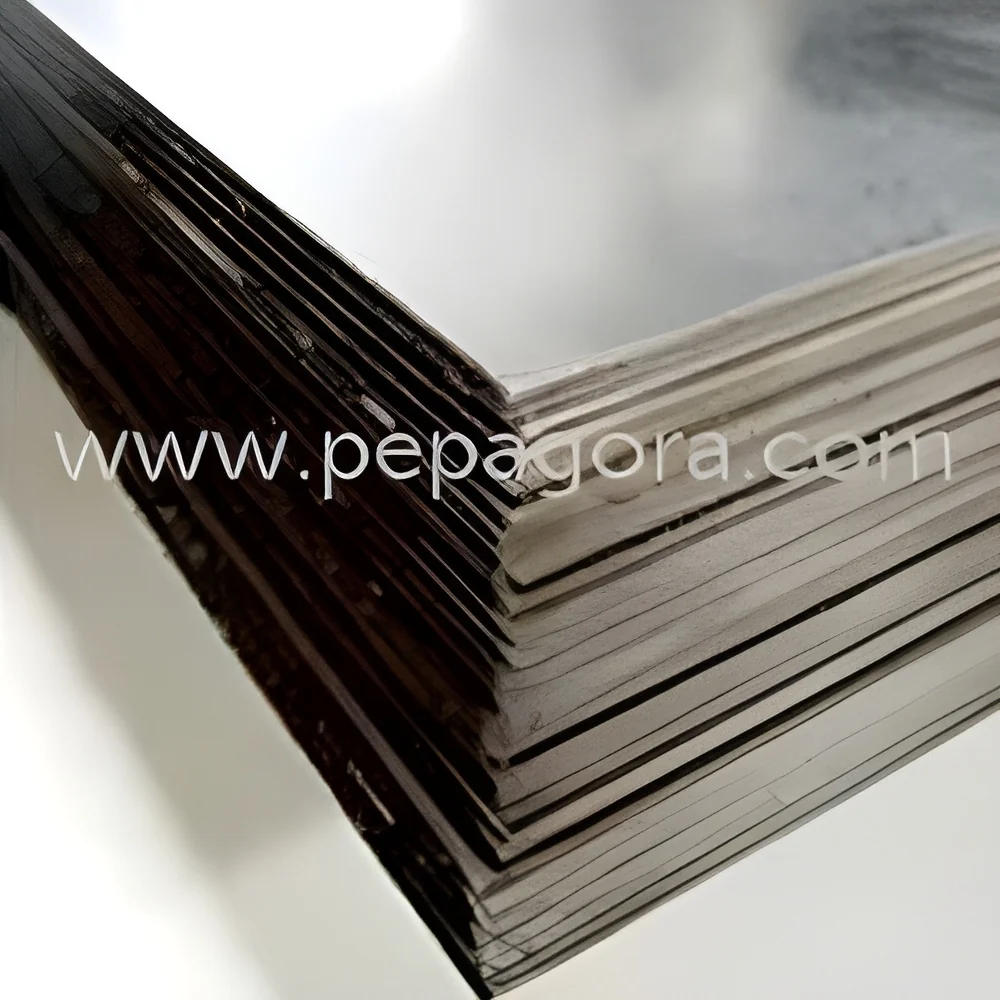
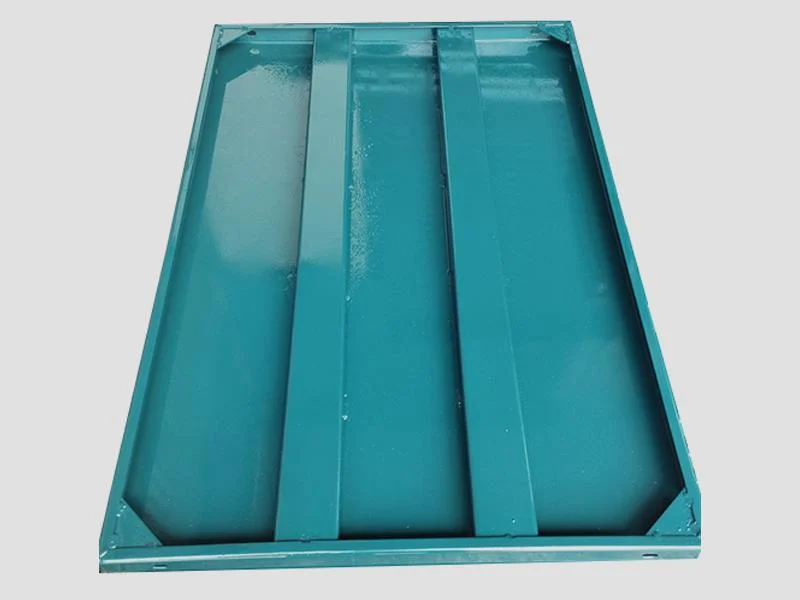
- Formwork is usually constructed from plywood, steel, or plastic.
3. Modular Design
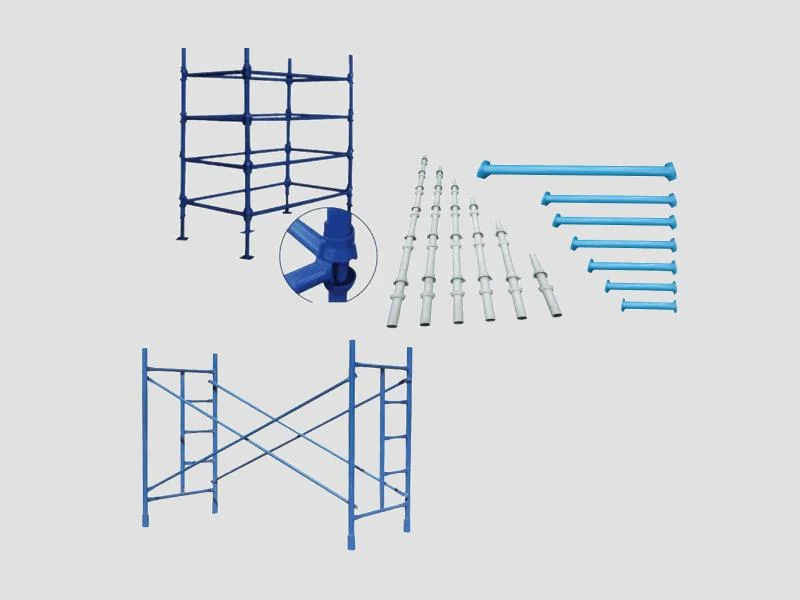
- Allows for easy assembly and disassembly.
- Facilitates custom configurations based on project requirements.
4. Safety Features
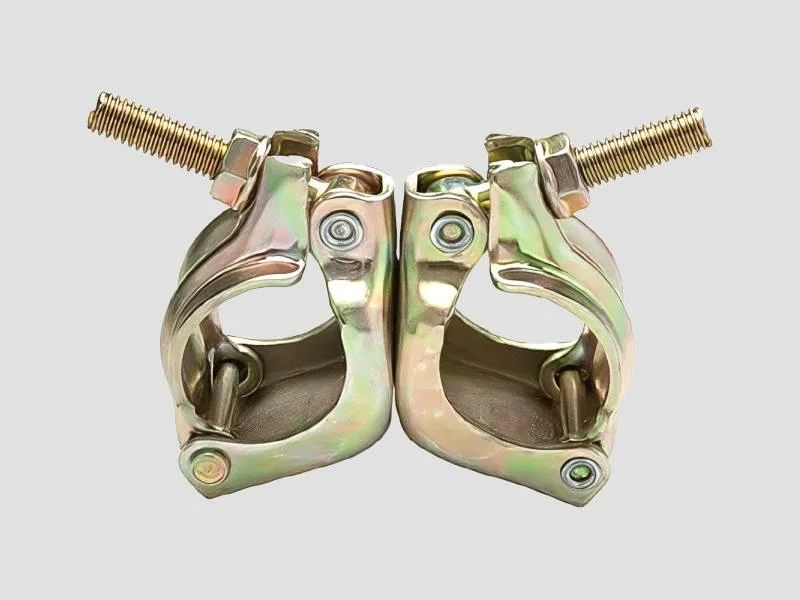
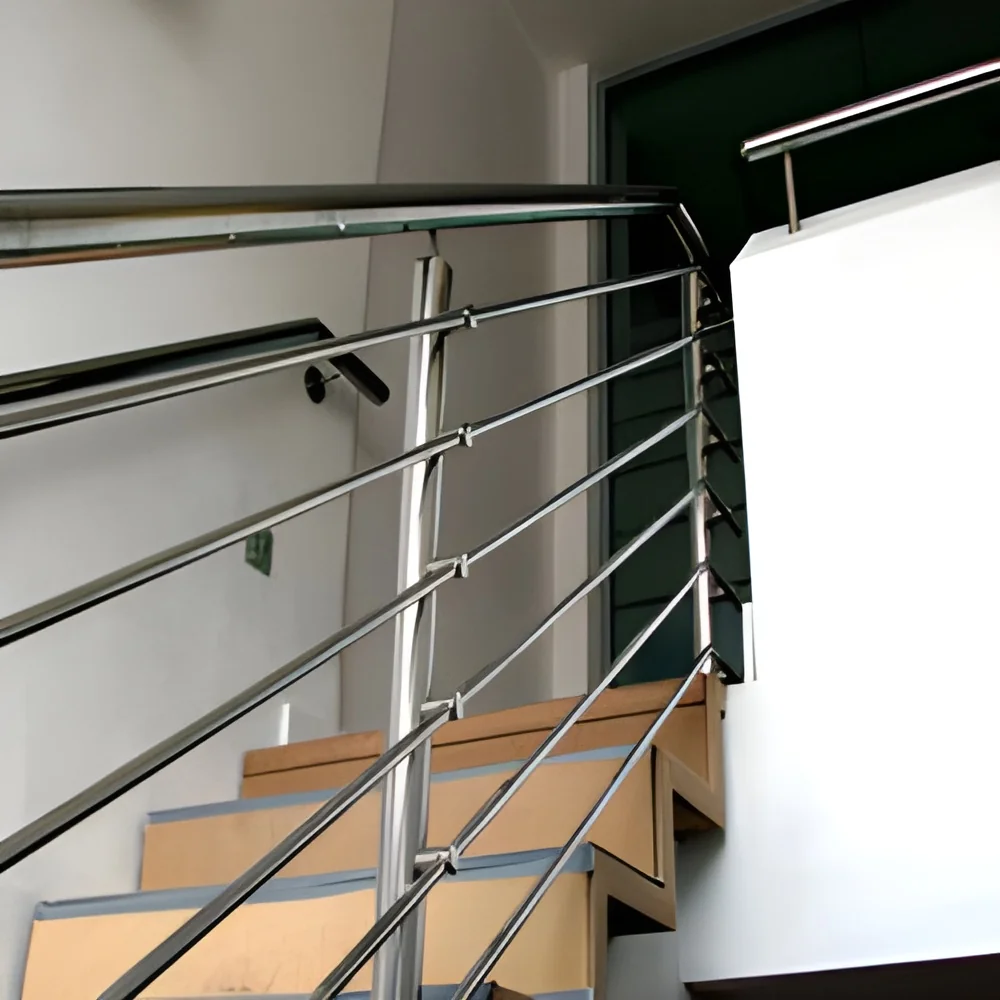
- Includes guardrails, toe boards, and locking mechanisms.
- Essential for preventing accidents and ensuring worker safety.
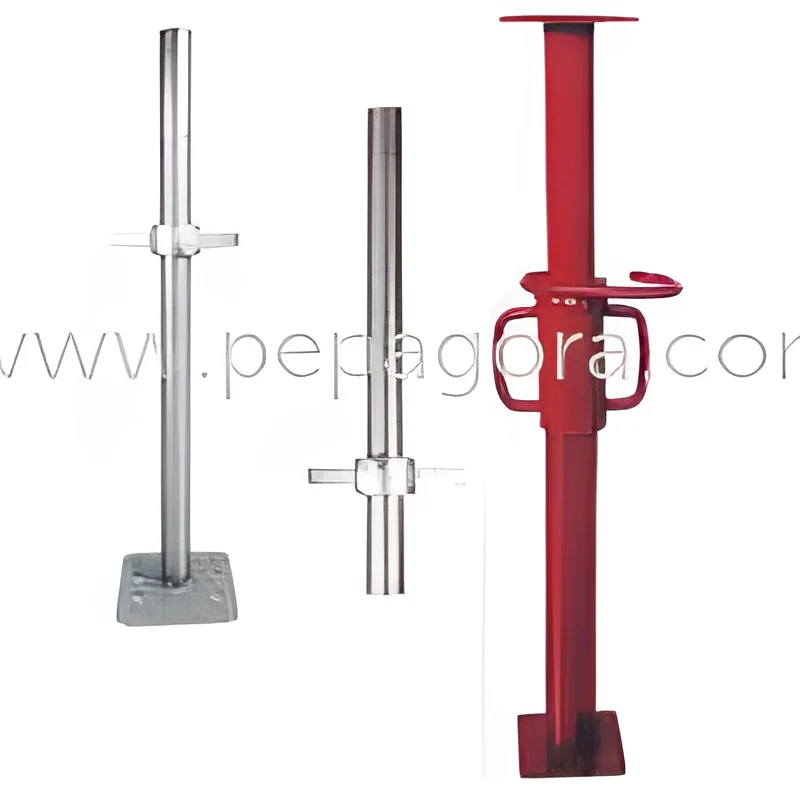
5. Height Adjustability
- Enables the system to be modified for different building heights.
- Standard adjustments typically range from 1 meter to 3 meters.
6. Corrosion Resistance
- Important for systems exposed to harsh weather conditions.
- Often achieved through galvanization or protective coatings.
7. Compliance Standards
- Must meet industry safety and quality standards, such as CE certification.
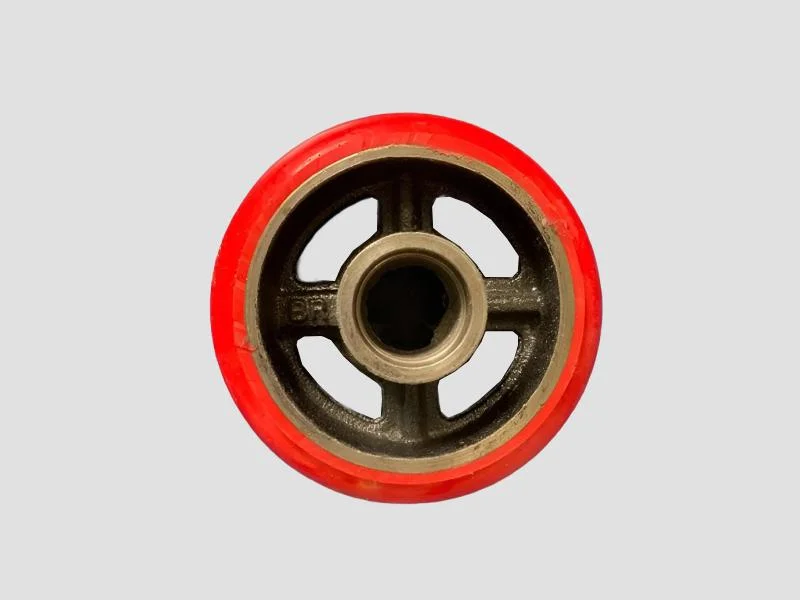
8. Weight and Portability
- Lightweight materials enhance ease of transport and setup.
- Typically ranges from 10 kg to 50 kg per component.
These specifications are vital in selecting the right scaffolding and formwork systems for specific projects, ensuring both safety and efficiency.
𝗖𝗼𝗺𝗺𝗼𝗻 𝗔𝗽𝗽𝗹𝗶𝗰𝗮𝘁𝗶𝗼𝗻𝘀 𝗮𝗻𝗱 𝗨𝘀𝗲 𝗖𝗮𝘀𝗲𝘀
Scaffolding and formwork systems are utilized across various industries, playing a crucial role in construction and maintenance projects.
1. Construction: In residential and commercial construction, scaffolding is used for exterior work such as bricklaying and window installation, while formwork is essential for pouring concrete structures like walls and slabs.
2. Industrial Maintenance: Factories and manufacturing plants use scaffolding for equipment maintenance and repairs, ensuring workers have safe access to high areas.
3. Infrastructure Development: Scaffolding is critical in infrastructure projects such as bridges and tunnels, allowing for safe and efficient work on elevated or complex structures.
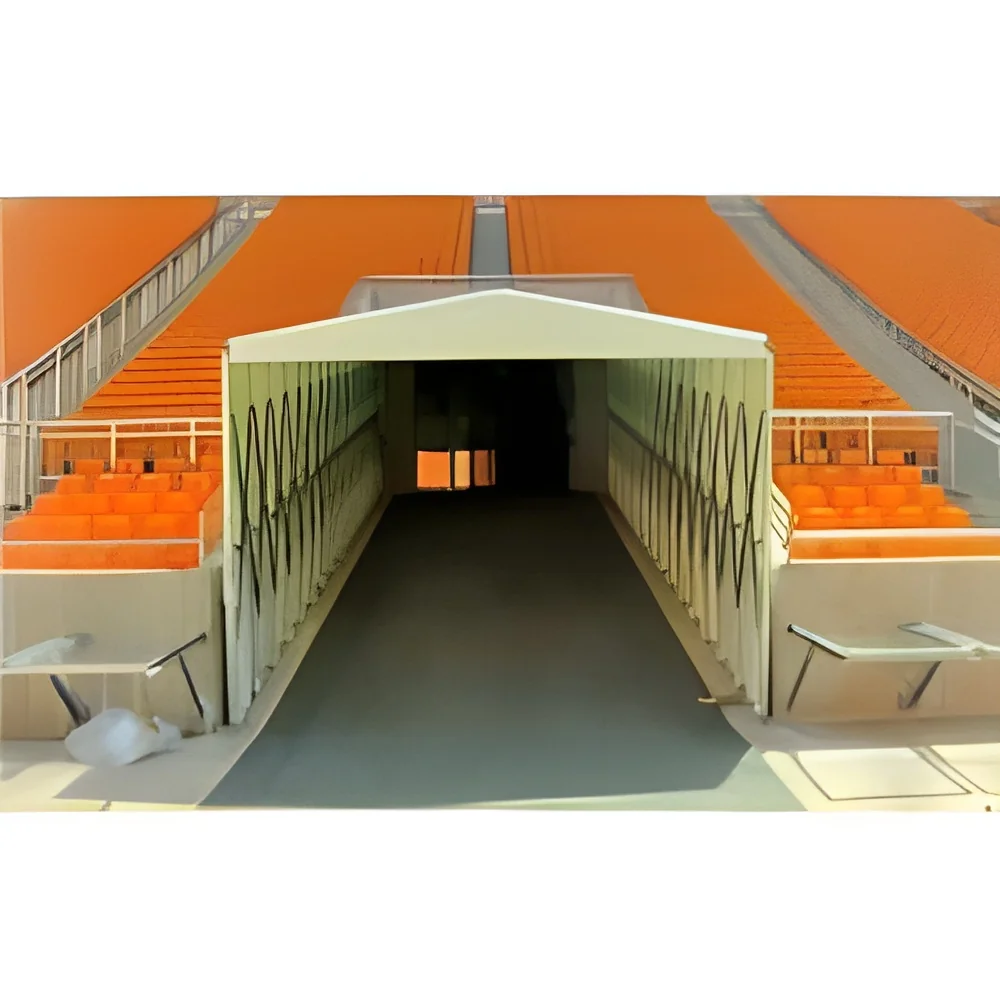
4. Events and Exhibitions: Temporary scaffolding structures are used to support stages and display areas, facilitating safe access for performers and attendees.
5. Restoration Projects: In historical building restoration, scaffolding provides necessary access to fragile structures while formwork aids in replicating original architectural features.
6. Oil and Gas Industry: Scaffolding systems are vital in oil refineries and gas plants for maintenance and construction, providing safe access to elevated platforms.
7. Shipbuilding: In the maritime industry, scaffolding is used during the construction and repair of ships, allowing workers to reach all areas of the vessel safely.
𝗣𝗿𝗼𝗱𝘂𝗰𝘁 𝗩𝗮𝗿𝗶𝗮𝗻𝘁𝘀 𝗮𝗻𝗱 𝗦𝘂𝗯𝗰𝗮𝘁𝗲𝗴𝗼𝗿𝗶𝗲𝘀
The diversity of scaffolding and formwork systems allows for tailored solutions to meet specific project needs.
Aluminum Scaffolding
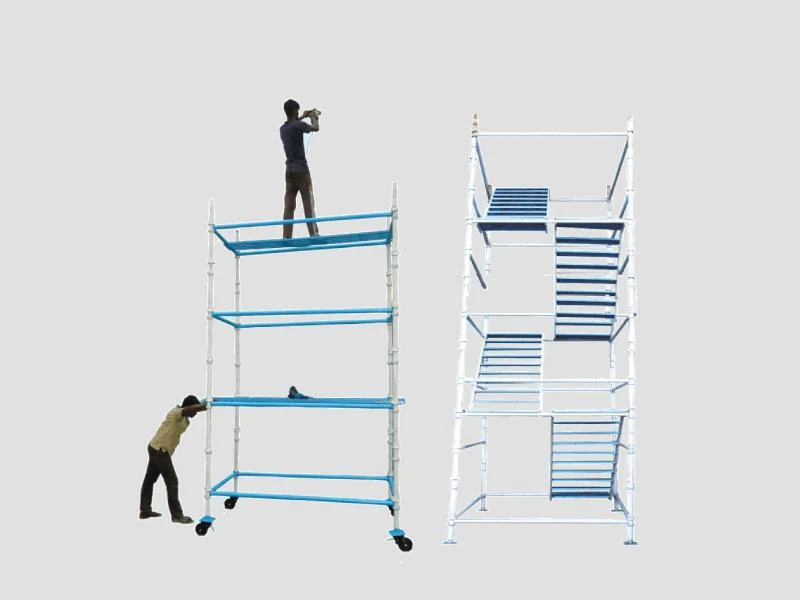
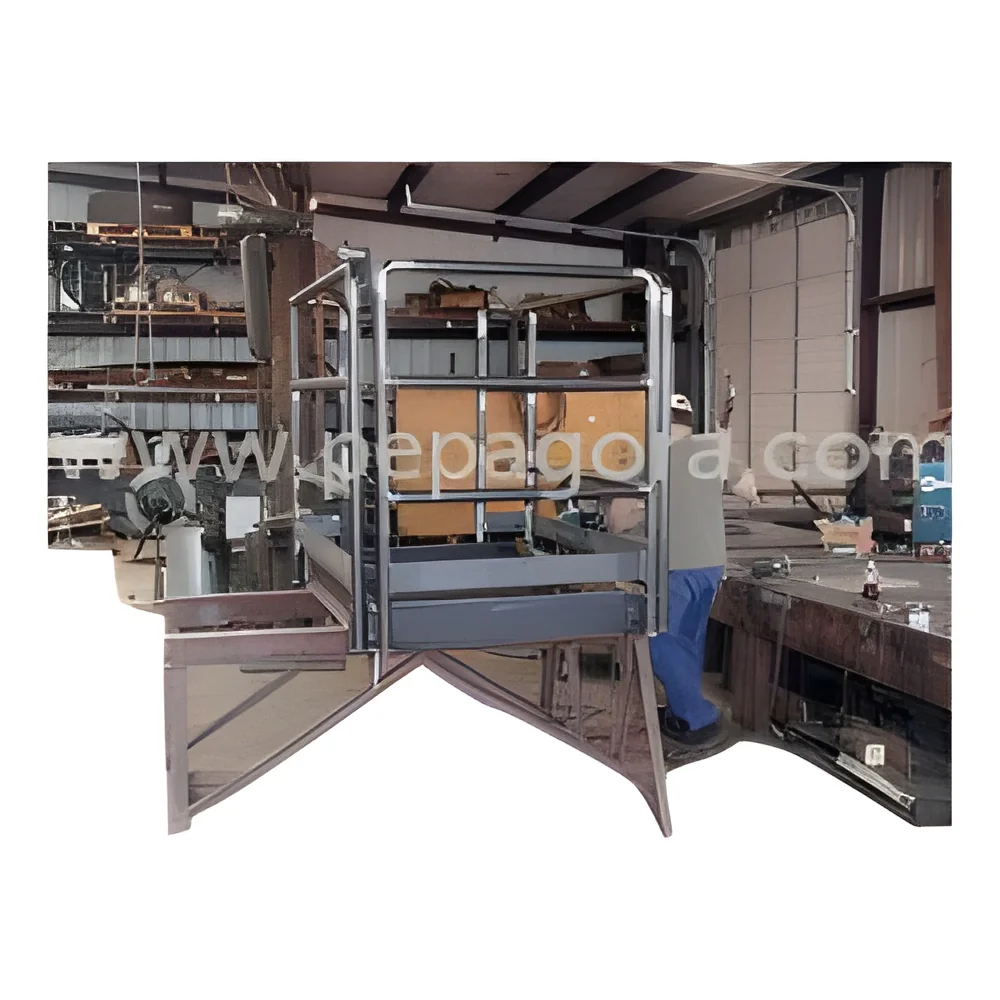
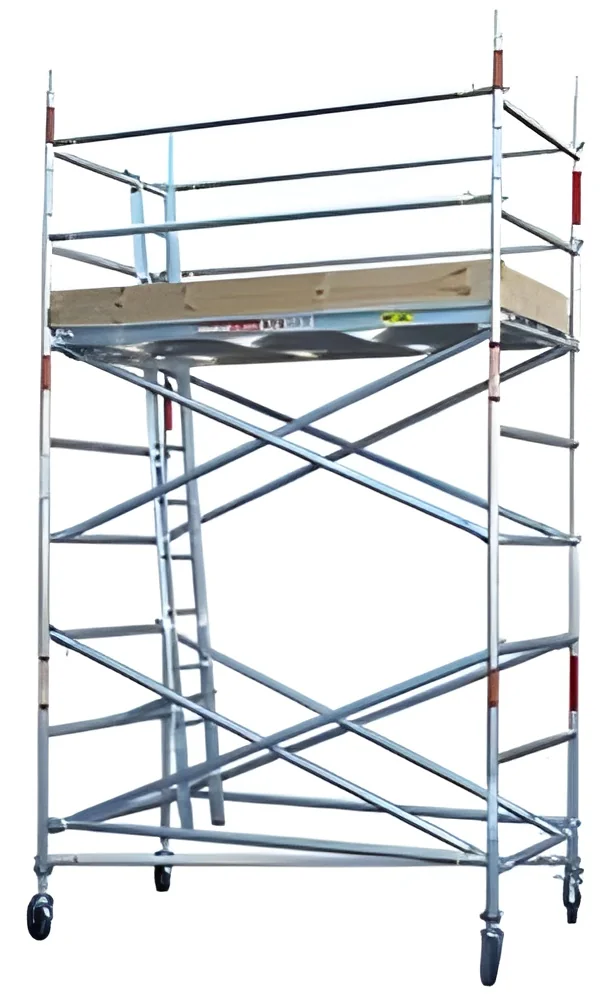
Aluminum scaffolding is lightweight and easy to transport, making it ideal for projects requiring frequent relocation. It offers excellent corrosion resistance and is suitable for both indoor and outdoor applications.
Steel Scaffolding
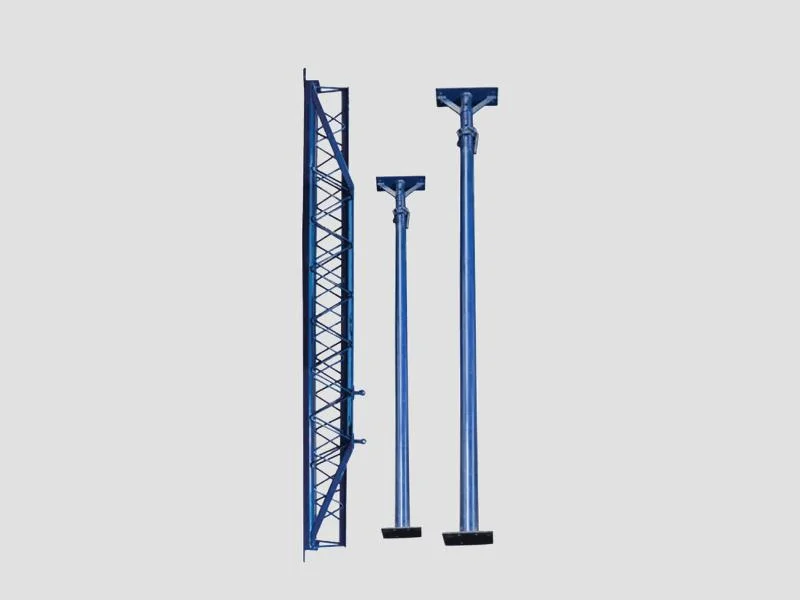
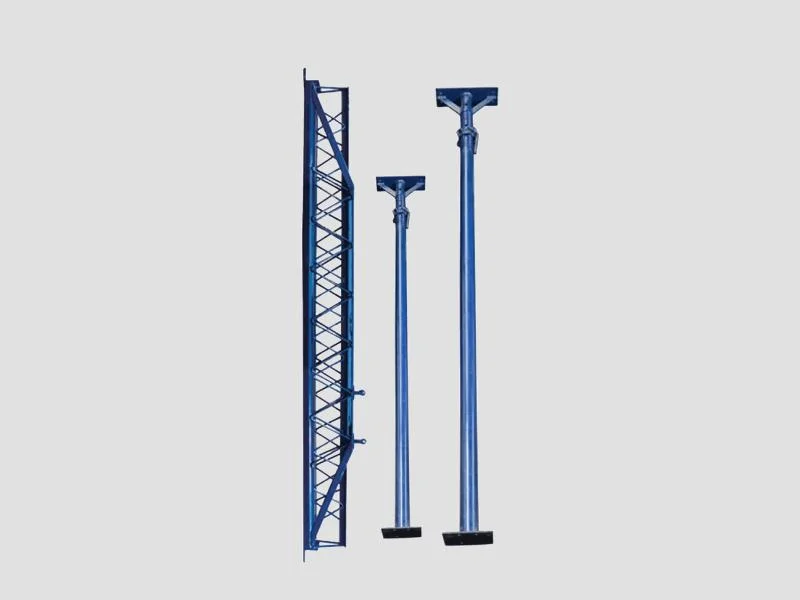
Steel scaffolding provides high load-bearing capacity and durability, making it suitable for heavy-duty construction projects. Its robust design ensures stability and safety in demanding environments.
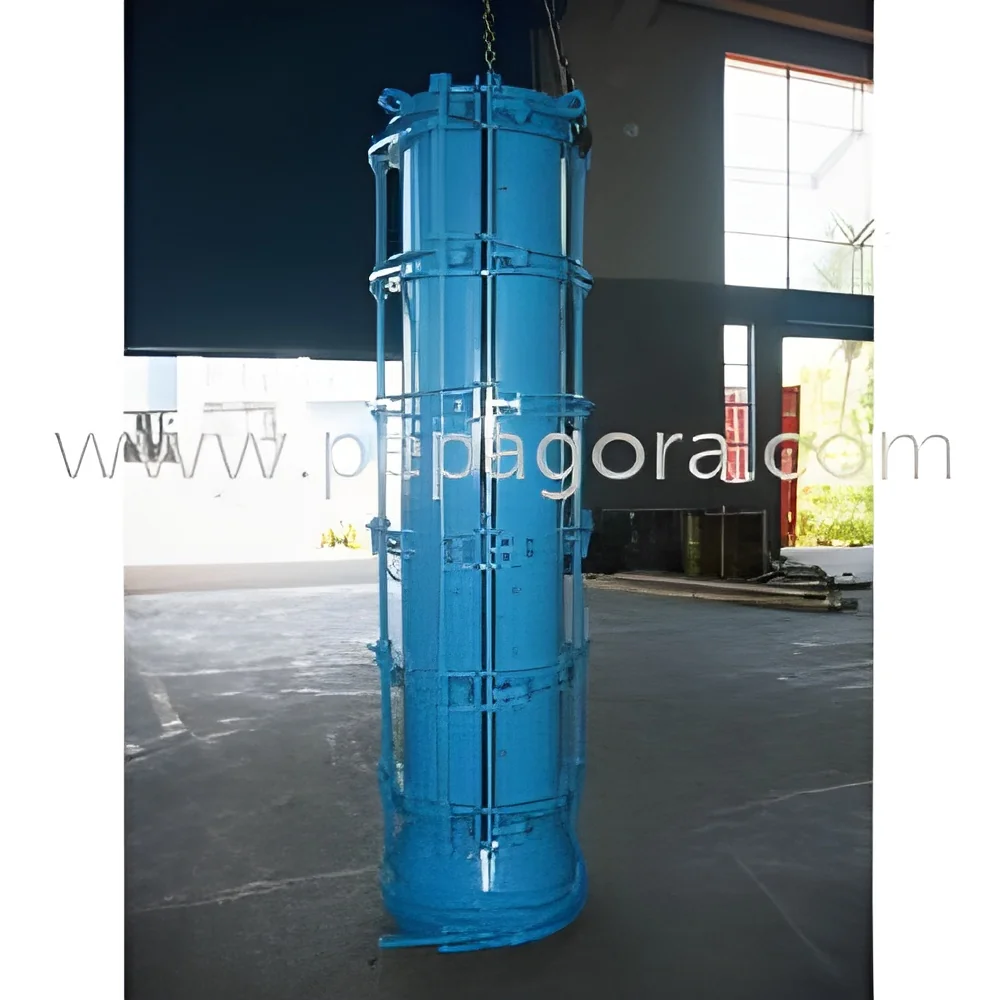
Modular Formwork Systems
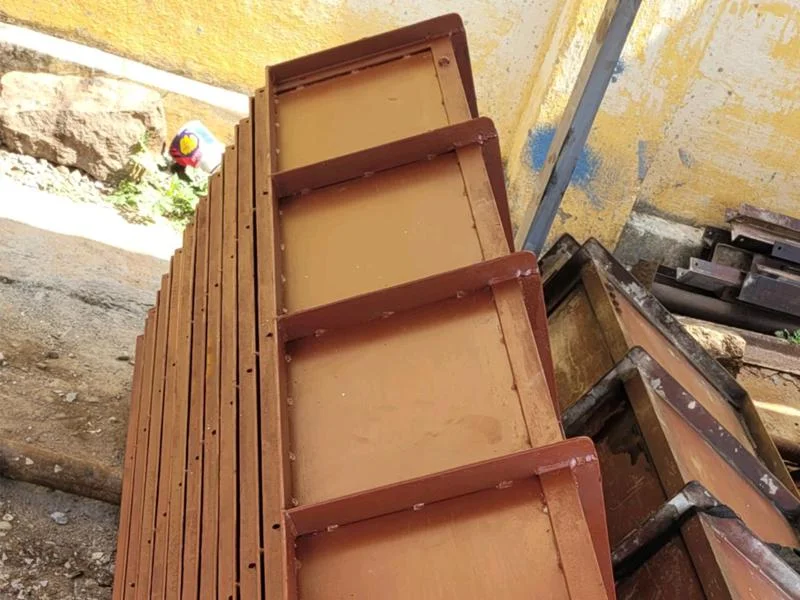
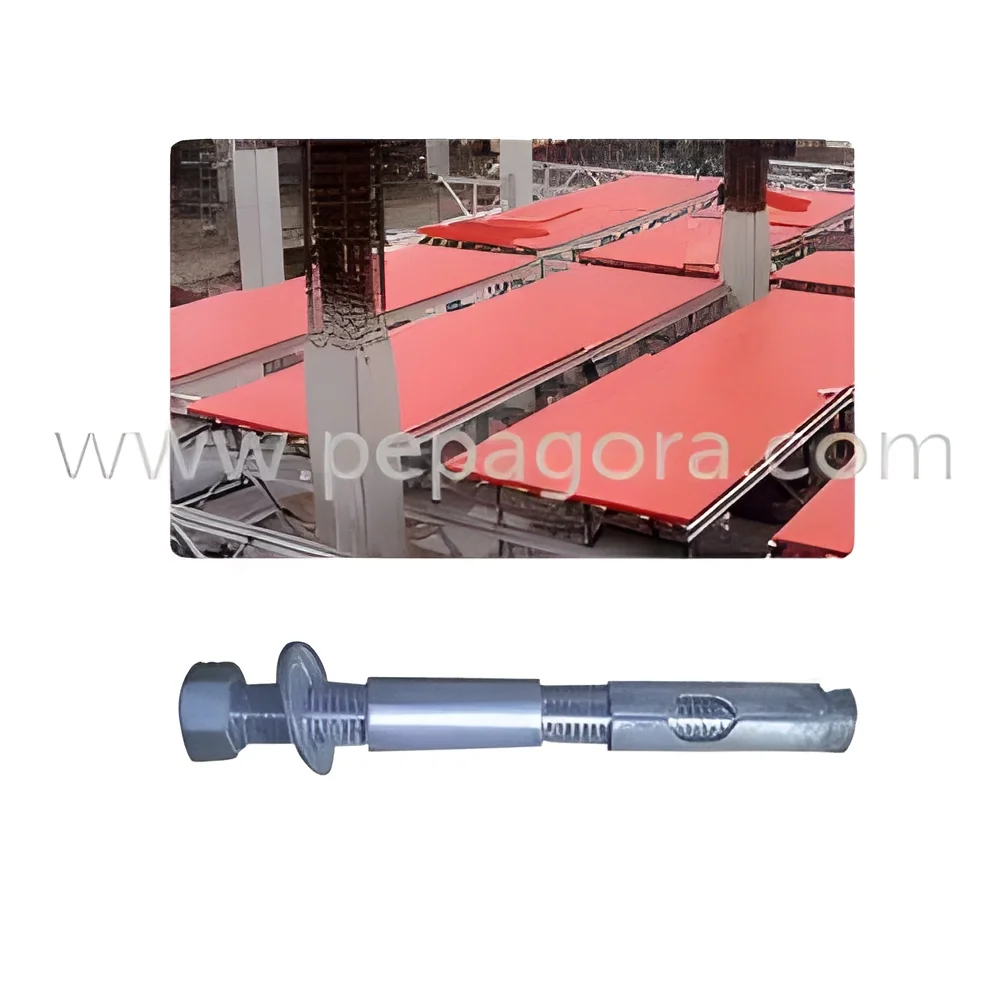
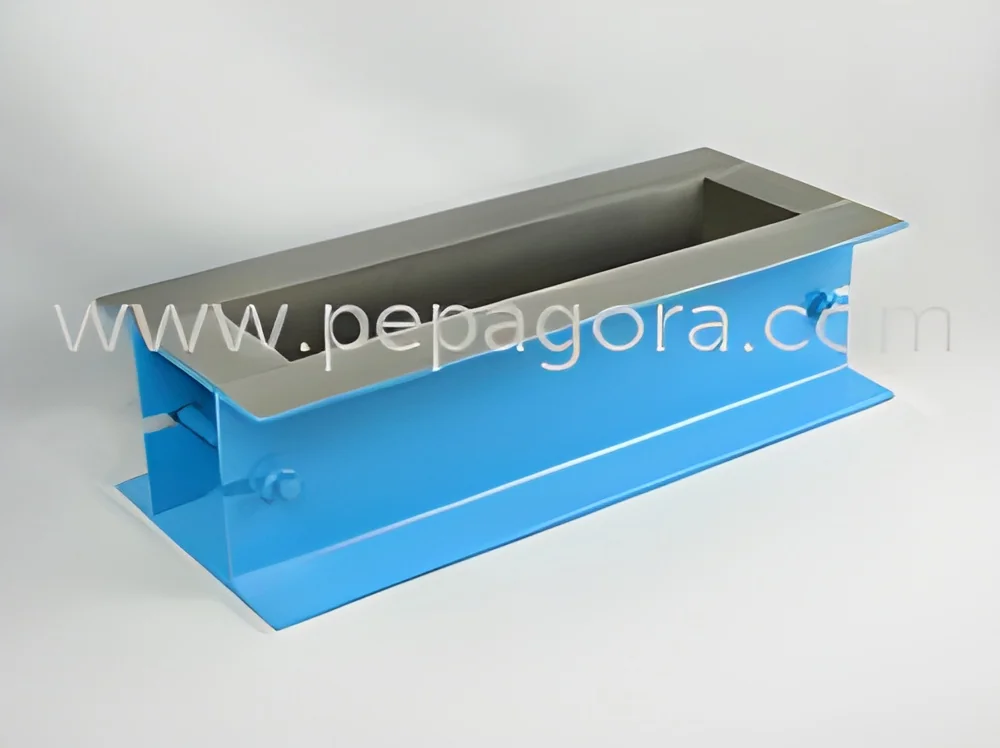
These formwork systems are designed for quick assembly and disassembly, allowing for efficient use in various concrete pouring applications. Their modularity enables customization based on the specific shapes and sizes required.
𝗕𝗲𝗻𝗲𝗳𝗶𝘁𝘀 𝗮𝗻𝗱 𝗔𝗱𝘃𝗮𝗻𝘁𝗮𝗴𝗲𝘀
Investing in quality scaffolding and formwork systems yields significant advantages for businesses in the construction industry.
1. Enhanced Safety: Proper scaffolding and formwork systems reduce the risk of accidents by providing safe working conditions for crews at height.
2. Increased Efficiency: These systems allow for quicker project completion by enabling simultaneous work on multiple levels or areas.
3. Cost-Effectiveness: Utilizing reliable scaffolding and formwork systems can minimize labor costs and reduce project delays, leading to overall cost savings.
4. Versatility: The modular nature of these systems allows for adaptation to various construction scenarios, making them suitable for diverse projects.
5. Improved Quality: High-quality scaffolding and formwork contribute to better structural integrity, resulting in fewer defects and rework.
6. Compliance with Regulations: Using certified scaffolding and formwork systems ensures adherence to safety and quality standards, reducing legal liabilities.
𝗕𝘂𝘆𝗶𝗻𝗴 𝗚𝘂𝗶𝗱𝗲 𝗳𝗼𝗿 𝗕𝟮𝗕 𝗕𝘂𝘆𝗲𝗿𝘀
When sourcing scaffolding and formwork systems, it is crucial for B2B buyers to consider multiple factors to ensure a successful purchase.
1. Quality Assessment: Evaluate the materials and construction quality of scaffolding and formwork systems. Look for systems that meet recognized safety and performance standards.
2. Supplier Verification: Vet suppliers carefully to ensure they have a reputation for reliability and quality. Check customer reviews and request references.
3. Pricing and MOQ: Understand pricing structures and minimum order quantities. Compare quotes from different suppliers to ensure you get the best value.
4. Delivery and Lead Times: Discuss delivery timelines and logistics with suppliers. Ensure that they can meet your project deadlines.
5. Compliance Requirements: Familiarize yourself with local regulations and compliance standards that apply to scaffolding and formwork systems. Ensure that the products meet these requirements.
𝗖𝗼𝗺𝗽𝗹𝗶𝗮𝗻𝗰𝗲 𝗮𝗻𝗱 𝗖𝗲𝗿𝘁𝗶𝗳𝗶𝗰𝗮𝘁𝗶𝗼𝗻𝘀
Compliance and certifications are critical in ensuring that scaffolding and formwork systems meet industry safety and quality standards.
Relevant quality standards, such as ISO 9001, ensure that manufacturers maintain consistent production processes, leading to reliable products.
Industry certifications like CE mark indicate that the products comply with European safety, health, and environmental protection standards.
Safety and testing requirements are vital, as scaffolding and formwork systems should undergo rigorous testing to verify their load capacity and structural integrity.
Additionally, regional compliance considerations may vary, requiring buyers to research local regulations to avoid legal issues and ensure safe usage.
𝗪𝗵𝘆 𝗦𝗼𝘂𝗿𝗰𝗲 𝗦𝗰𝗮𝗳𝗳𝗼𝗹𝗱𝗶𝗻𝗴 & 𝗙𝗼𝗿𝗺𝘄𝗼𝗿𝗸 𝗦𝘆𝘀𝘁𝗲𝗺𝘀 𝗳𝗿𝗼𝗺 𝗣𝗲𝗽𝗮𝗴𝗼𝗿𝗮?
Pepagora provides a trusted platform for sourcing scaffolding and formwork systems with several key advantages.
Verified Supplier Network: Pepagora connects buyers with a network of verified suppliers, ensuring access to quality systems that meet industry standards. This verification process helps build trust and reliability in the sourcing process.
Streamlined RFQ Process: The platform offers a streamlined request for quotation (RFQ) process, allowing buyers to receive multiple quotes quickly from different suppliers. This efficiency enables informed decision-making based on competitive pricing and product offerings.
Trade Assurance and Support: Pepagora provides trade assurance and support to buyers, protecting their transactions and ensuring that they receive the products as per agreed specifications. This added layer of security enhances buyer confidence.
Regional Coverage: With a strong presence in regions such as India, the Gulf Cooperation Council (GCC), and Southeast Asia, Pepagora can facilitate sourcing across various markets. This geographic reach ensures that buyers can access scaffolding and formwork systems tailored to their specific project needs.

 IN
IN