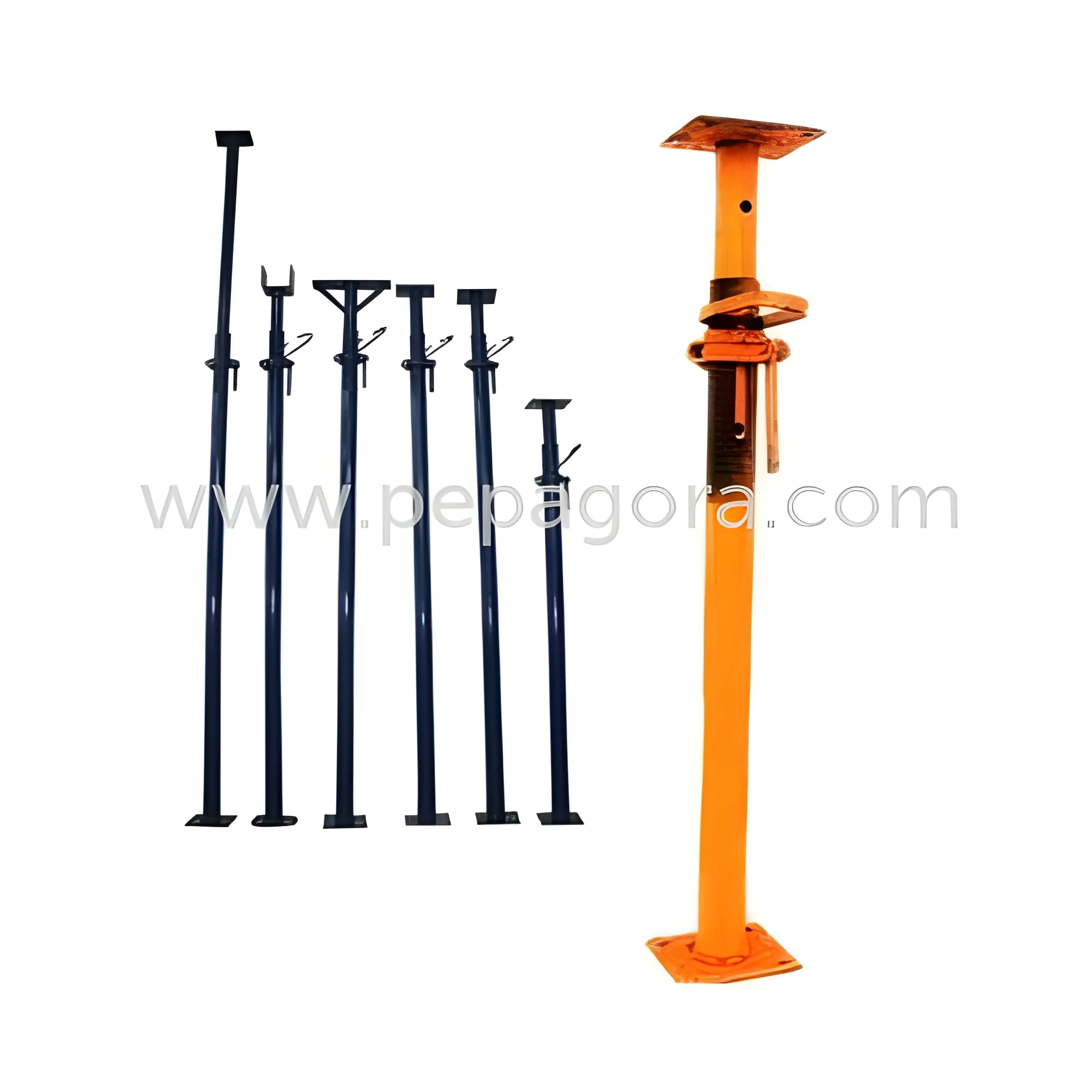
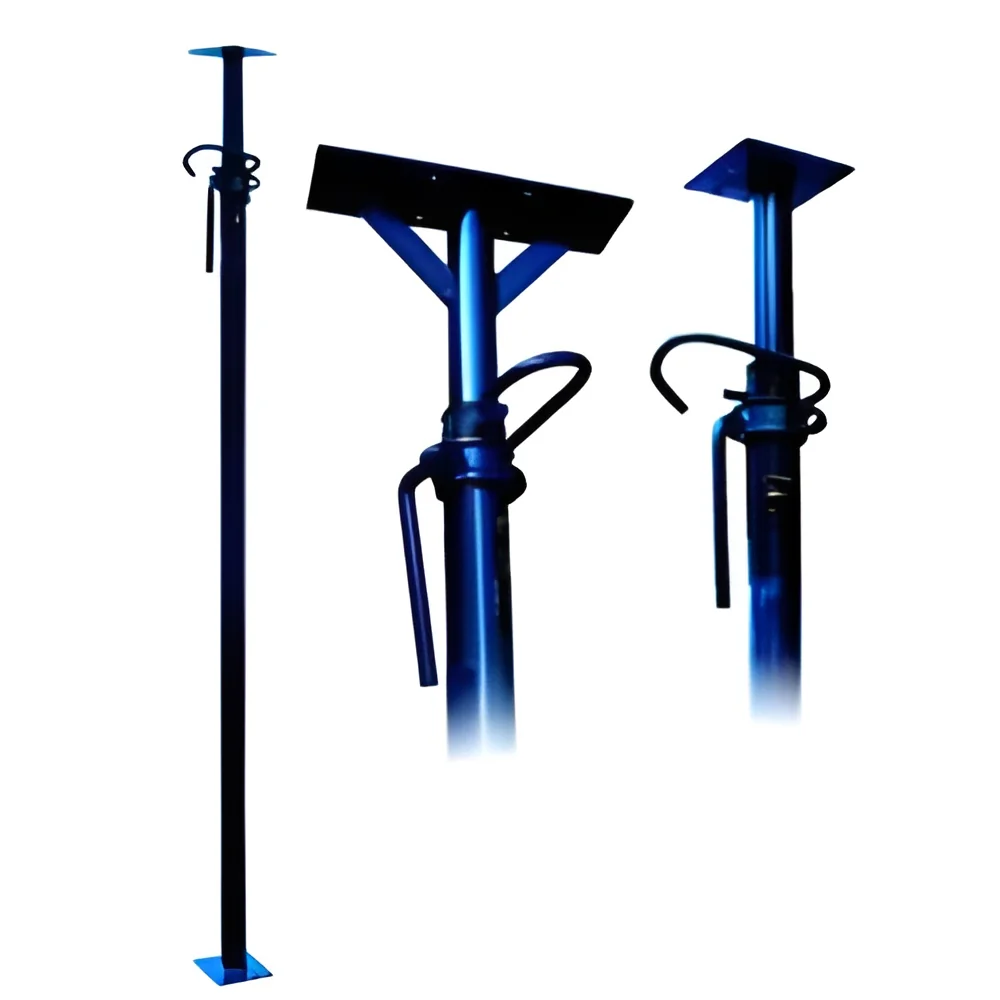
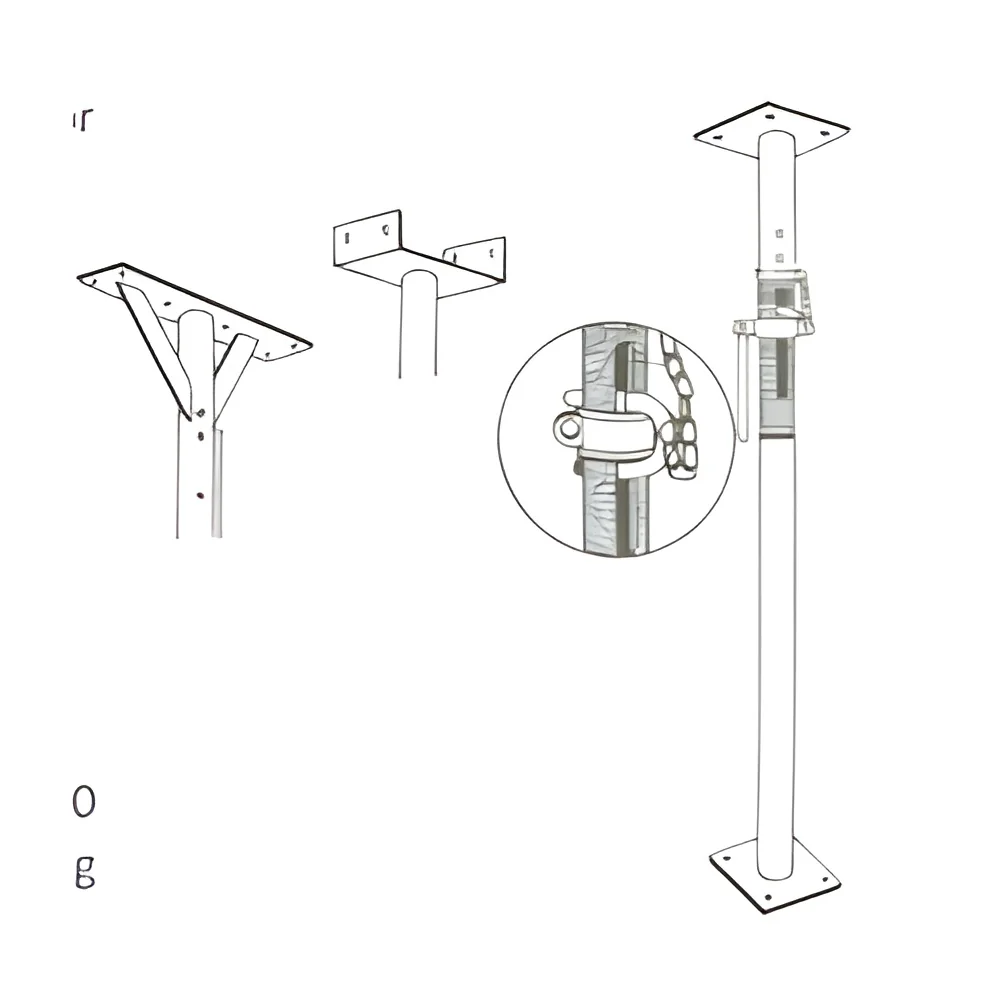
What are Slab Props & Telescopic Spans?
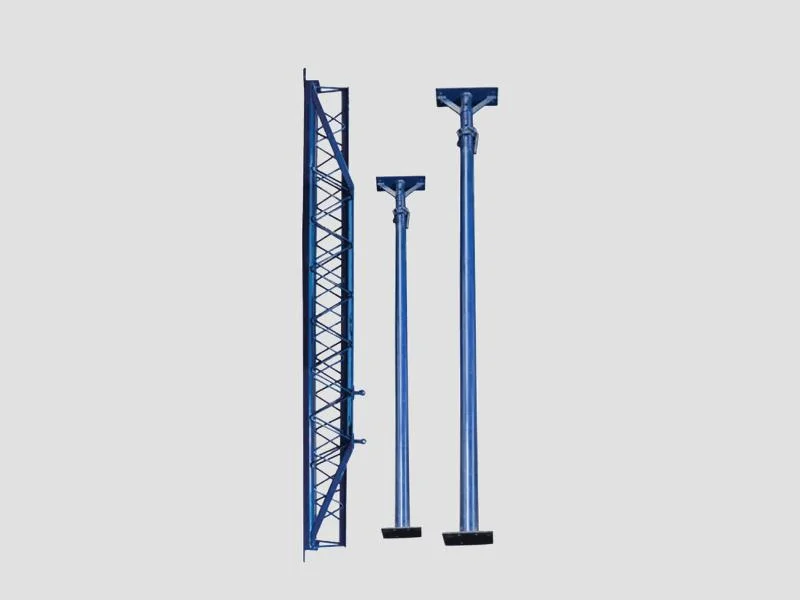
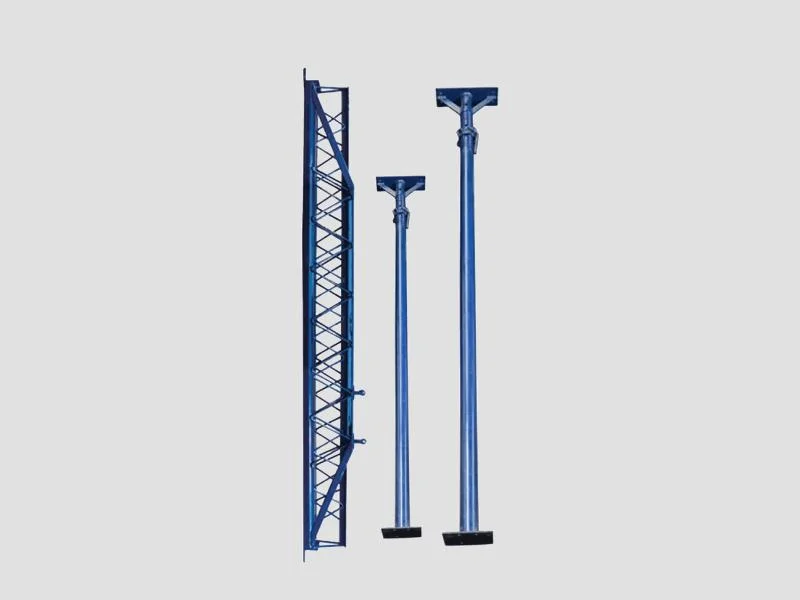
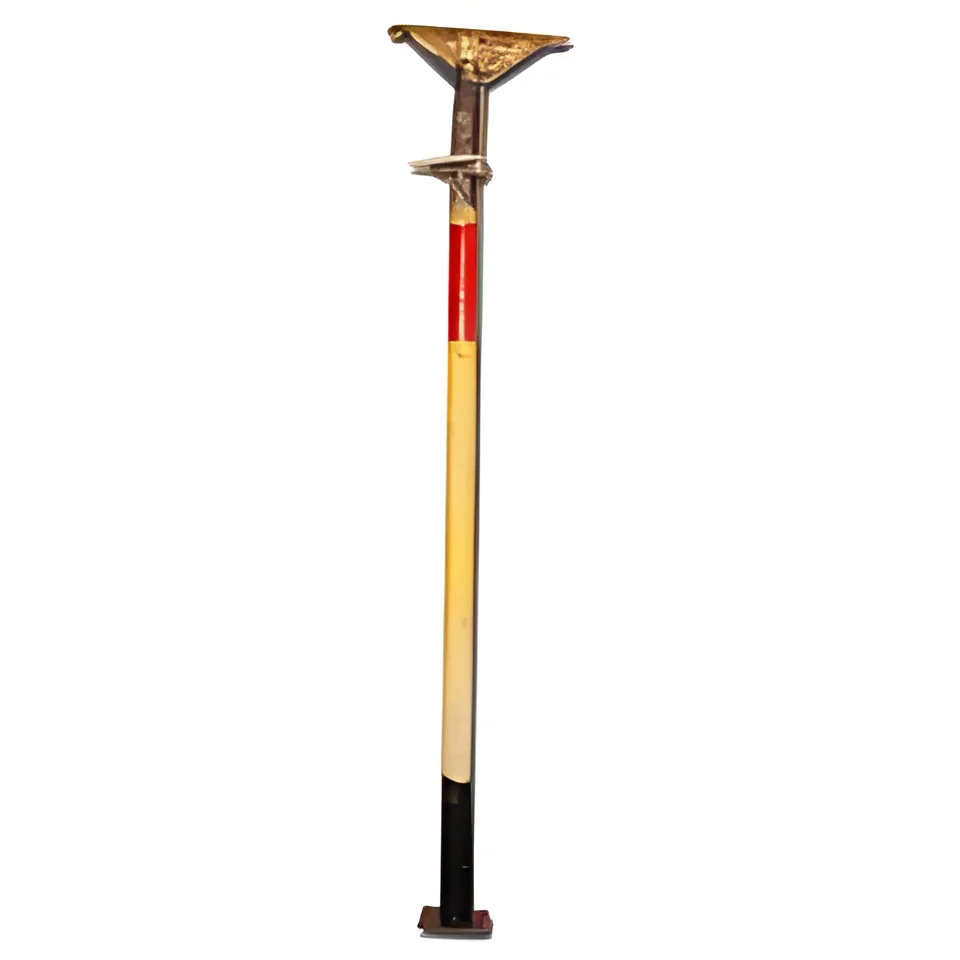
Slab props and telescopic spans are essential support systems used in the construction industry. Slab props are vertical supports that hold up formwork during the concrete curing process. They are crucial for maintaining the integrity of temporary structures until the concrete sets and gains sufficient strength. Telescopic spans, on the other hand, are adjustable beams that provide horizontal support, accommodating varying widths and heights of formwork systems.
These products are primarily used in commercial and residential construction projects. Their applications range from supporting floors and ceilings during construction to providing stability for scaffolding systems. With the increasing demand for rapid construction techniques, slab props and telescopic spans have become vital components in the construction toolkit. Their ability to support heavy loads while being adjustable makes them relevant in a variety of building projects.
As construction methods evolve, the relevance of slab props and telescopic spans continues to grow. The need for efficient, safe, and reliable temporary support systems is paramount in modern construction. The market for these products is expanding, driven by infrastructure development, urbanization, and the growing trend of modular construction.
Key Features and Specifications
Slab props and telescopic spans come with various features designed to enhance their performance and usability on construction sites. When selecting these products, it is essential to consider their specifications to ensure they meet project requirements.
Key specifications include:
1. Load Capacity
- Slab props can typically support loads ranging from 1.5 to 3 tons.
- Telescopic spans can handle varying load capacities depending on their design.
2. Height Adjustment Range
- Slab props generally offer adjustable heights from 1.5 meters to 3 meters.
- Telescopic spans can extend to accommodate different widths, usually ranging from 2 to 4 meters.
3. Material Composition
- Most slab props are made from high-strength steel or aluminum for durability.
- Telescopic spans are also constructed from robust materials to ensure stability.
4. Weight
- The weight of slab props varies, typically ranging from 10 to 20 kg.
- Telescopic spans weigh between 15 to 30 kg, depending on their size and material.
5. Surface Treatment
- Many products come with anti-corrosive coatings to enhance longevity.
- Surface finishes may vary, offering options for smooth or textured surfaces.
6. Compliance with Standards
- Products are often designed to meet specific industry standards, such as CE certification.
- Compliance ensures safety and reliability during use.
In summary, understanding the key features and specifications of slab props and telescopic spans is vital for ensuring they meet the demands of construction projects while maintaining safety and efficiency.
Common Applications and Use Cases
Slab props and telescopic spans find utility across various industries due to their versatility and reliability.
1. Construction: These products are extensively used in residential and commercial building projects to support concrete formwork during curing.
2. Infrastructure: In infrastructure projects such as bridges and tunnels, slab props provide necessary support during construction phases.
3. Industrial Facilities: They are used in factories and warehouses to support temporary structures during renovations or expansions.
4. Housing Developments: Slab props are crucial in multi-story residential buildings, ensuring safety and structural integrity during construction.
5. Scaffolding Systems: Telescopic spans are often integrated into scaffolding setups to provide additional stability and support.
6. Renovation Projects: In renovation work, they support existing structures while alterations are made, ensuring safety during the process.
7. Precast Concrete: They are also used in the production of precast concrete elements, providing necessary support until curing is complete.
Product Variants and Subcategories
The diversity of slab props and telescopic spans caters to various construction needs. Each variant offers unique features suited for specific applications.
Standard Slab Props
These are the most common type and are designed for general use in various construction projects. They feature adjustable heights and robust load capacities, making them suitable for multiple applications.
Heavy-Duty Slab Props
These props are designed for projects requiring higher load capacities, often used in industrial settings. They are built from reinforced materials to handle substantial weights.
Adjustable Telescopic Spans
These spans are designed to be flexible in length and can be adjusted to fit various widths in formwork systems. They are ideal for irregularly shaped structures.
Lightweight Telescopic Spans
These are designed for ease of handling and transportation, making them suitable for small-scale projects or where quick setup is required.
Benefits and Advantages
Choosing slab props and telescopic spans offers numerous advantages for construction projects.
1. Enhanced Safety: These products ensure that temporary structures remain stable during the critical curing phase of concrete.
2. Versatility: Their adjustable nature allows for use in various construction scenarios, accommodating different project requirements.
3. Cost-Effective: Utilizing slab props and telescopic spans can reduce labor costs and time by enabling quicker construction processes.
4. Improved Efficiency: The ease of setting up and adjusting these supports helps streamline the construction workflow.
5. Reliable Support: They are engineered to provide strong support, minimizing the risk of structural failure during construction.
6. Compliance with Industry Standards: Sourcing certified products ensures adherence to safety regulations, providing peace of mind for project managers.
Buying Guide for B2B Buyers
When sourcing slab props and telescopic spans, buyers should consider several important factors to ensure they make informed decisions.
1. Quality Assessment: It is crucial to evaluate the materials and construction methods used for the props and spans. Look for certifications and quality assurance processes that validate product reliability.
2. Supplier Verification: Vetting suppliers is essential to ensure they have a good reputation and can deliver products that meet industry standards. Request references or customer testimonials.
3. Pricing and MOQ: Understand the pricing structure and minimum order quantities required by suppliers. This helps in budgeting and ensures that the purchase aligns with project needs.
4. Delivery and Lead Times: Consider the logistics involved in sourcing these products, including delivery times and shipping options. Timely availability is key to maintaining project schedules.
5. Compliance Requirements: Ensure that the products meet relevant regulatory standards and certifications. This is vital for safety and to avoid potential legal issues during construction.
Compliance and Certifications
Compliance with quality standards is critical in the manufacturing and use of slab props and telescopic spans. Products often adhere to ISO 9001 standards, which ensure efficient quality management systems. Additionally, industry certifications such as CE signify that the products meet European safety and environmental protection requirements.
Safety and testing requirements are paramount in this sector. Regular inspections and testing of materials and structural integrity are necessary to guarantee product reliability. Various regions may also have specific compliance considerations, which can affect sourcing decisions for businesses operating in multiple jurisdictions.
Why Source Slab Props & Telescopic Spans from Pepagora?
Pepagora provides a trusted platform for sourcing slab props and telescopic spans, offering several key advantages to B2B buyers.
Verified Supplier Network: Pepagora ensures that all suppliers in its network are thoroughly vetted and verified. This guarantees that buyers are engaging with reputable manufacturers who meet industry standards.
Streamlined RFQ Process: The platform simplifies the request for quotation (RFQ) process, allowing buyers to easily compare prices and specifications from multiple suppliers. This efficiency saves time and helps in making informed purchasing decisions.
Trade Assurance and Support: Pepagora offers trade assurance, providing buyers with protection during the transaction process. This support helps to alleviate concerns about product quality and delivery.
Regional Coverage: With a strong presence in India, the GCC, and Southeast Asia, Pepagora connects buyers with local suppliers, ensuring that they can access slab props and telescopic spans tailored to regional construction needs.

 IN
IN