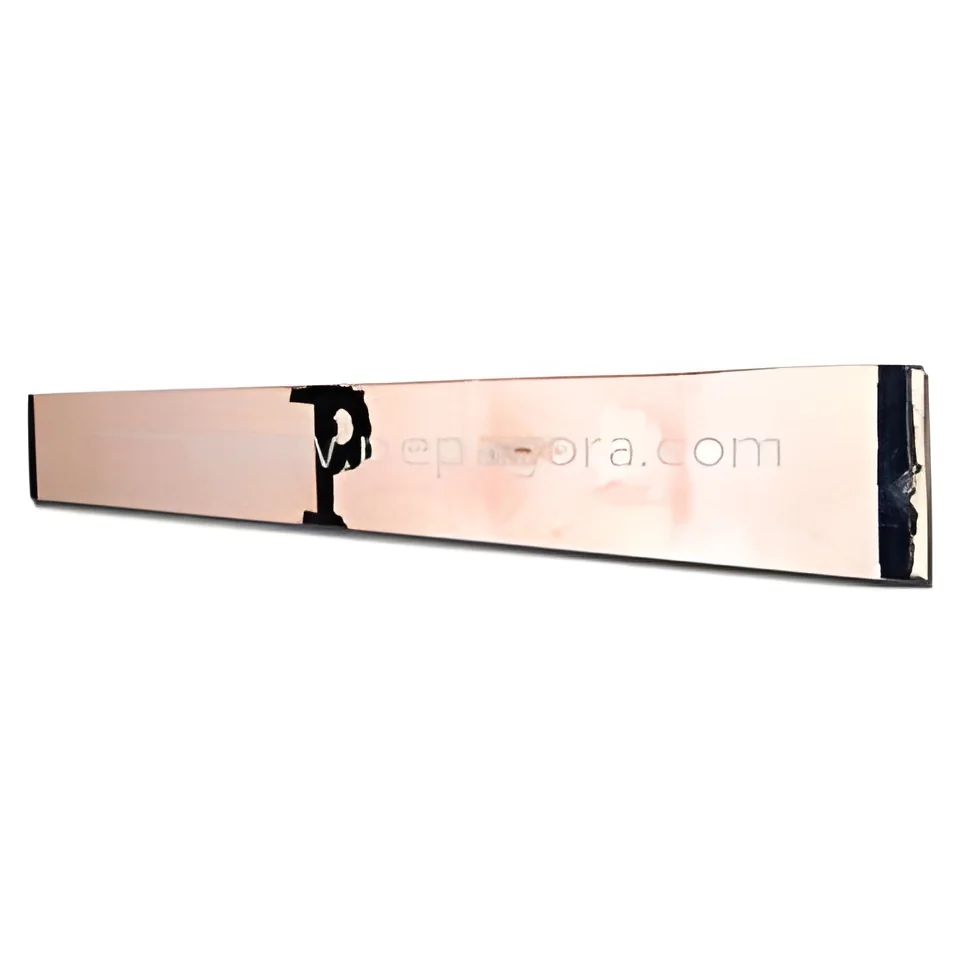
Key Features and Specifications
Scaffolding planks come with various features and specifications tailored to meet industry standards and safety requirements. Understanding these specifications is crucial for selecting the right planks for specific applications.
Key specifications include:
1. Material Type
- Options include wood, GI, and aluminum
- Each material has specific weight capacities and durability characteristics
2. Load Capacity
- Varies based on material and design
- Typically ranges from 200 to 600 kg per plank
3. Length Variations
- Common lengths include 2 meters, 3 meters, and 4 meters
- Custom lengths may be available upon request
4. Width Specifications
- Standard widths range from 200 mm to 300 mm
- Wider planks provide increased stability
5. Thickness
- Common thickness ranges are 25 mm to 50 mm
- Thicker planks offer enhanced strength
6. Surface Treatment
- Wood planks may be treated for weather resistance
- GI planks often have a rust-resistant coating
7. Compliance Standards
- Many planks meet international safety standards
- CE certification indicates compliance with EU regulations
8. Weight
- Varies by material: wood is generally heavier, while aluminum is lighter
- Weight affects ease of handling and transport
In summary, scaffolding planks are available in various materials and specifications, which are essential for ensuring safety and effectiveness on the job site.
Common Applications and Use Cases
Scaffolding planks serve a wide range of industries that require safe access to heights.
1. Construction: In construction, scaffolding planks provide platforms for workers during the building and renovation of structures. They enable easy movement and access to tools and materials.
2. Manufacturing: Manufacturing facilities utilize scaffolding planks for maintenance and repair tasks on machinery and overhead systems, ensuring workers can safely reach elevated areas.
3. Oil and Gas: In the oil and gas industry, scaffolding planks are used during the construction and maintenance of rigs and pipelines, providing stable platforms for workers in challenging environments.
4. Entertainment: For events and concerts, scaffolding planks are often used to create staging and viewing platforms, allowing audiences to have an unobstructed view.
5. Infrastructure: In infrastructure projects, scaffolding planks provide access for inspections and repairs on bridges, tunnels, and roadways, ensuring that maintenance work can be conducted safely.
6. Utilities: Utility companies use scaffolding planks for maintenance of power lines and other elevated installations, ensuring that workers can perform their tasks securely.
7. Renovation: During renovation projects, scaffolding planks are crucial for providing access to high walls and ceilings, enabling efficient work without compromising safety.
Product Variants and Subcategories
Scaffolding planks come in various options to meet different project needs, offering diversity in material and application.
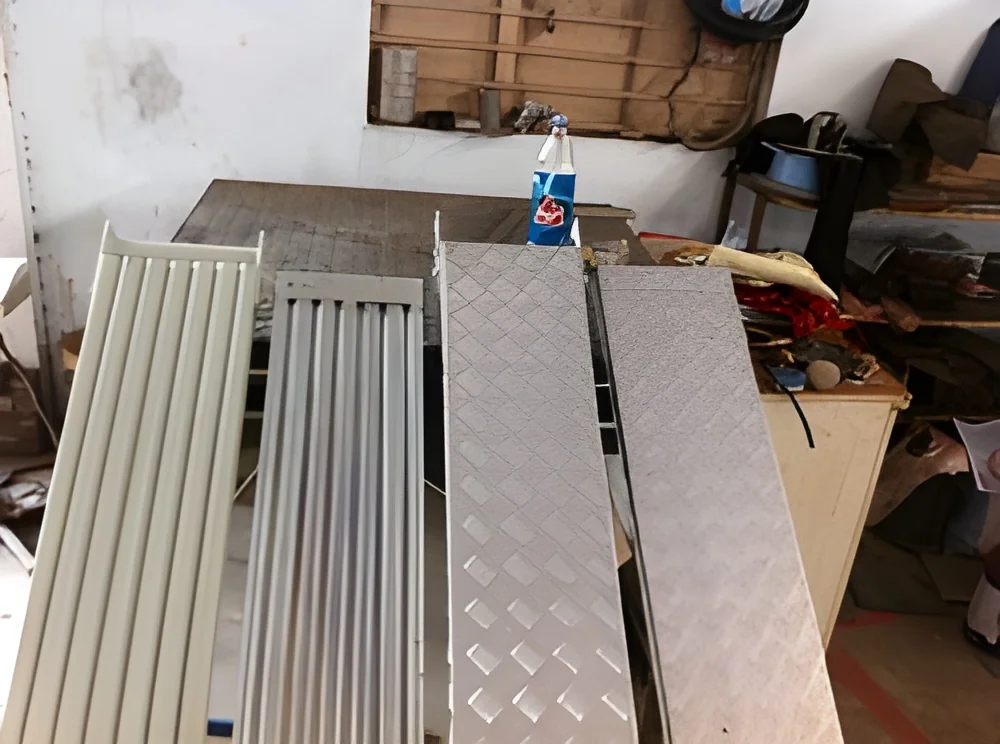
Wooden Scaffolding Planks:
These planks are commonly used for general construction. They provide excellent load-bearing capacities and can be treated for weather resistance. Their natural material offers a good grip, making them a popular choice for many applications.
GI Scaffolding Planks:
Galvanized iron planks are known for their durability and resistance to corrosion. They are often used in industrial settings where heavy loads may be present. Their robust nature makes them suitable for both temporary and permanent scaffolding solutions.
Aluminum Scaffolding Planks:
Lightweight and easy to handle, aluminum planks are ideal for projects requiring mobility. They are often used in environments where quick assembly and dismantling are essential. Additionally, aluminum's resistance to rust makes these planks suitable for outdoor applications.
Benefits and Advantages
Choosing the right scaffolding planks provides several advantages that enhance safety and efficiency on job sites.
1. Enhanced Safety: Scaffolding planks designed to meet safety standards significantly reduce the risk of accidents, ensuring worker protection.
2. Versatility: Available in various materials, scaffolding planks can be used across multiple industries, adapting to different project requirements.
3. Durability: High-quality materials provide long-lasting performance, reducing the need for frequent replacements.
4. Cost-Effectiveness: Investing in durable scaffolding planks can lead to lower overall costs through reduced maintenance and replacement needs.
5. Easy Handling: Lightweight options, such as aluminum planks, facilitate easier transportation and setup, saving time during project execution.
6. Compliance Assurance: Many scaffolding planks meet industry regulations and standards, ensuring that users remain compliant with safety laws.
Buying Guide for B2B Buyers
When sourcing scaffolding planks, several important factors must be considered to ensure the right choice for your project.
1. Quality Assessment: Evaluate the quality of the materials used in the planks. Look for certifications that indicate compliance with industry standards, ensuring safety and reliability.
2. Supplier Verification: Vet suppliers thoroughly to ensure they provide high-quality products. Check their reputation, customer reviews, and history of compliance with safety regulations.
3. Pricing and MOQ: Understand the pricing structure and minimum order quantities that suppliers require. This will help you plan your budget and procurement strategy effectively.
4. Delivery and Lead Times: Confirm the logistics involved in the delivery of scaffolding planks. Ensure that lead times align with your project schedule to avoid delays.
5. Compliance Requirements: Familiarize yourself with any regulatory requirements for scaffolding planks in your region. This may include adherence to safety standards and environmental regulations.
Compliance and Certifications
Scaffolding planks must adhere to various quality standards to ensure safety and reliability in their application. Common standards include ISO 9001, which focuses on quality management systems, ensuring that products consistently meet customer requirements. Additionally, the CE certification indicates that the product complies with European Union safety regulations.
Safety and testing requirements are critical in the manufacturing of scaffolding planks. These requirements ensure that the planks can withstand the stresses associated with construction activities. Manufacturers must conduct rigorous testing to validate the load capacity and durability of their products.
Regional compliance considerations may vary, necessitating awareness of local regulations and standards. This ensures that the scaffolding planks used meet the necessary legal and safety requirements in different markets.
Why Source Scaffolding Planks (Wood, GI, Aluminum) from Pepagora?
Pepagora offers a reliable platform for sourcing scaffolding planks made from wood, GI, and aluminum with several advantages for B2B buyers.
Verified Supplier Network: Pepagora maintains a network of verified suppliers, ensuring that buyers have access to high-quality products. This verification process builds trust and reliability in the procurement process.
Streamlined RFQ Process: The platform features a streamlined Request for Quotation (RFQ) process that simplifies obtaining quotes from multiple suppliers. This efficiency allows buyers to compare options easily and make informed decisions.
Trade Assurance and Support: Pepagora provides trade assurance, protecting buyers against potential risks associated with transactions. This support fosters a secure purchasing environment.
Regional Coverage: With a presence in India, the Gulf Cooperation Council (GCC), and Southeast Asia, Pepagora ensures broad geographic coverage, making it easier for businesses to source scaffolding planks across different regions.

 IN
IN