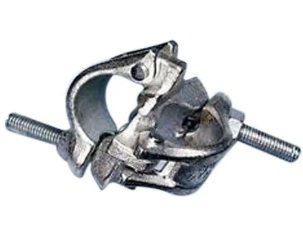
What are Scaffolding Couplers (Fixed, Swivel, Sleeve)?
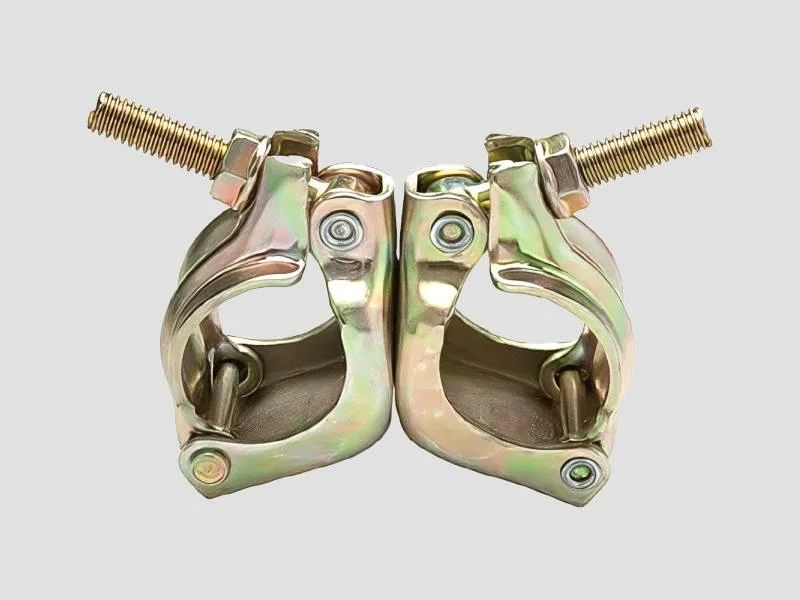
Scaffolding couplers are essential components used in the construction industry to connect and secure scaffolding tubes. They are designed to provide stability and safety to scaffolding structures, ensuring that workers can perform tasks at height without risk of collapse. There are three primary types of scaffolding couplers: fixed, swivel, and sleeve couplers, each serving specific functions in scaffolding assembly.
The primary uses of scaffolding couplers include providing support for scaffolding frameworks, allowing for adjustments in angles and positions, and facilitating the quick assembly and disassembly of scaffolding systems. These couplers are widely used in various construction projects, ranging from residential buildings to large commercial structures. Their effective use is critical in ensuring safety and compliance with industry standards.
In the current market, the demand for scaffolding couplers is driven by the growth of the construction industry and the increasing complexity of building projects. As safety regulations become more stringent, quality scaffolding components are crucial for maintaining workplace safety. Couplers that meet recognized standards are essential for contractors and construction companies looking to ensure compliance and reliability on their job sites.
𝗞𝗲𝘆 𝗙𝗲𝗮𝘁𝘂𝗿𝗲𝘀 𝗮𝗻𝗱 𝗦𝗽𝗲𝗰𝗶𝗳𝗶𝗰𝗮𝘁𝗶𝗼𝗻𝘀
Scaffolding couplers come with various features and specifications that make them suitable for different applications. Key specifications include:
1. Material Composition
- Typically made from high-strength steel or aluminum
- Ensures durability and resistance to corrosion
2. Load Capacity
- Varies based on design and type of coupler
- Commonly rated for load capacities ranging from 2,000 to 6,000 pounds
3. Connection Type
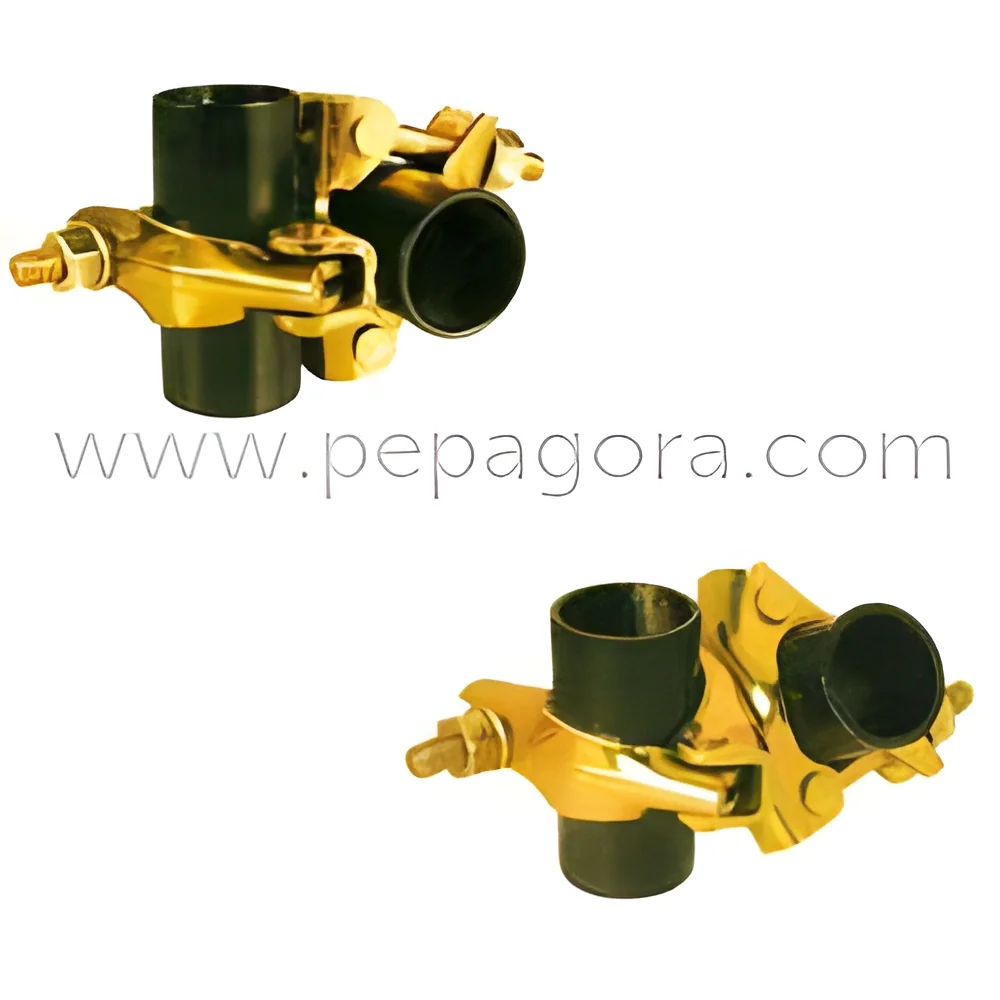
- Fixed couplers provide a rigid connection
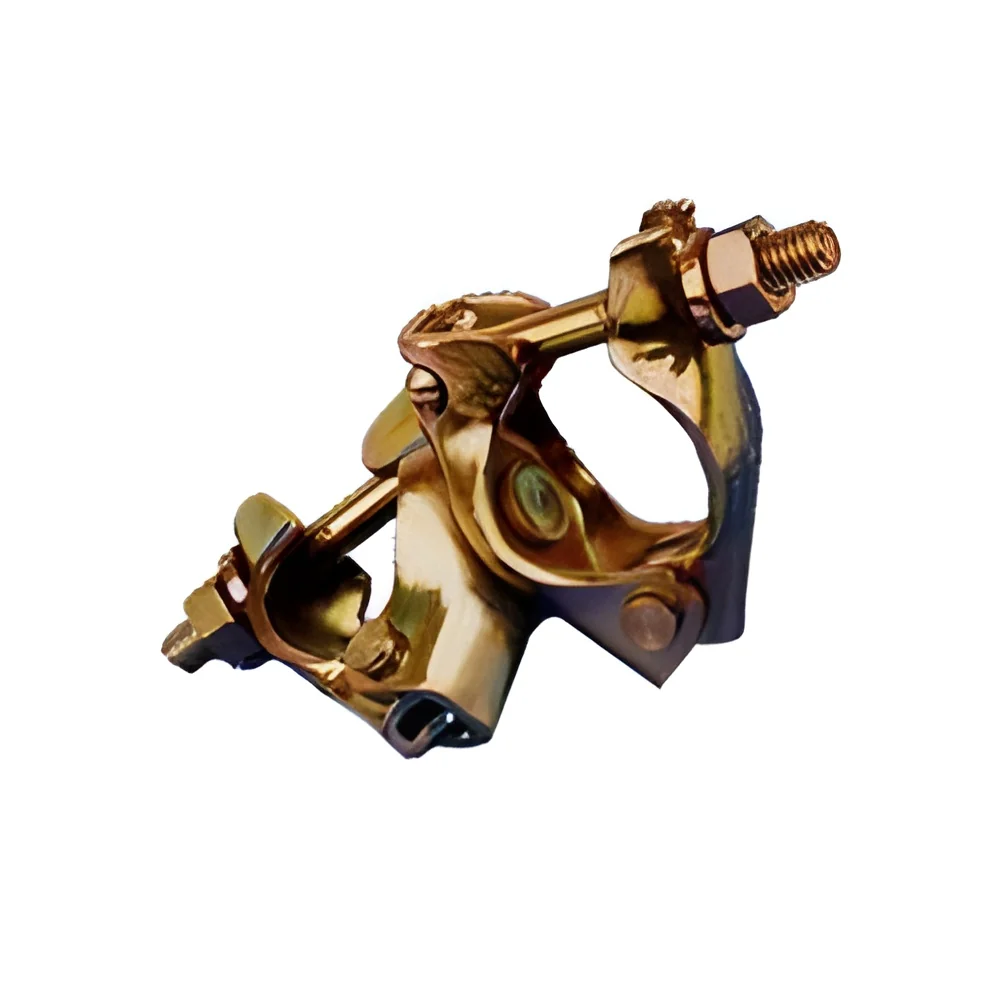
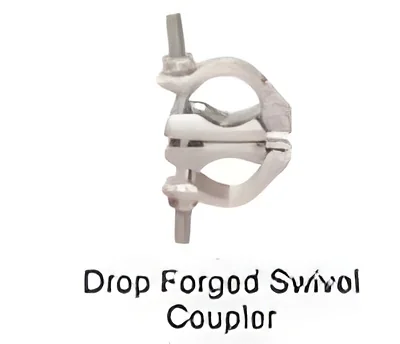
- Swivel couplers allow for angular adjustments
- Sleeve couplers facilitate the joining of two scaffolding tubes
4. Surface Finish
- Hot-dip galvanized or painted finishes for corrosion resistance
- Enhances longevity and performance in various environments
5. Compliance Certifications
- Must comply with relevant safety and quality standards
- CE certification is a common requirement
6. Dimensions
- Various sizes available to accommodate standard scaffolding tube diameters
- Ensures compatibility with existing scaffolding systems
7. Weight
- Lightweight designs for easy handling and transport
- Typically range from 0.5 to 2.5 kilograms per coupler
8. Installation Method
- Quick-release mechanisms for rapid assembly
- Simple designs that require minimal tools for installation
In summary, the specifications of scaffolding couplers are designed to meet the demands of construction projects while ensuring safety and efficiency.
𝗖𝗼𝗺𝗺𝗼𝗻 𝗔𝗽𝗽𝗹𝗶𝗰𝗮𝘁𝗶𝗼𝗻𝘀 𝗮𝗻𝗱 𝗨𝘀𝗲 𝗖𝗮𝘀𝗲𝘀
Scaffolding couplers are utilized across various industries, demonstrating their versatility and importance.
1. Construction: Used extensively in residential and commercial building projects, scaffolding couplers provide the necessary support for platforms where workers perform tasks at height.
2. Renovation: In renovation projects, couplers allow for temporary access to building facades, enabling safe work on repairs and upgrades.
3. Events and Staging: For concerts and events, scaffolding couplers are used to build temporary structures, such as stages and viewing platforms.
4. Industrial Maintenance: In factories and plants, these couplers support scaffolding for maintenance work, ensuring safe access to equipment and ceilings.
5. Infrastructure: Scaffolding couplers play a critical role in infrastructure projects like bridges and tunnels, where height and stability are essential.
6. Shipbuilding: In the maritime industry, couplers are used to create scaffolding for ship repairs and construction, providing safe access to difficult areas.
7. Oil and Gas: In the oil and gas sector, scaffolding is needed for maintenance and inspection of rigs and refineries, with couplers ensuring secure connections.
𝗣𝗿𝗼𝗱𝘂𝗰𝘁 𝗩𝗮𝗿𝗶𝗮𝗻𝘁𝘀 𝗮𝗻𝗱 𝗦𝘂𝗯𝗰𝗮𝘁𝗲𝗴𝗼𝗿𝗶𝗲𝘀
Scaffolding couplers come in various types, each designed for specific applications.
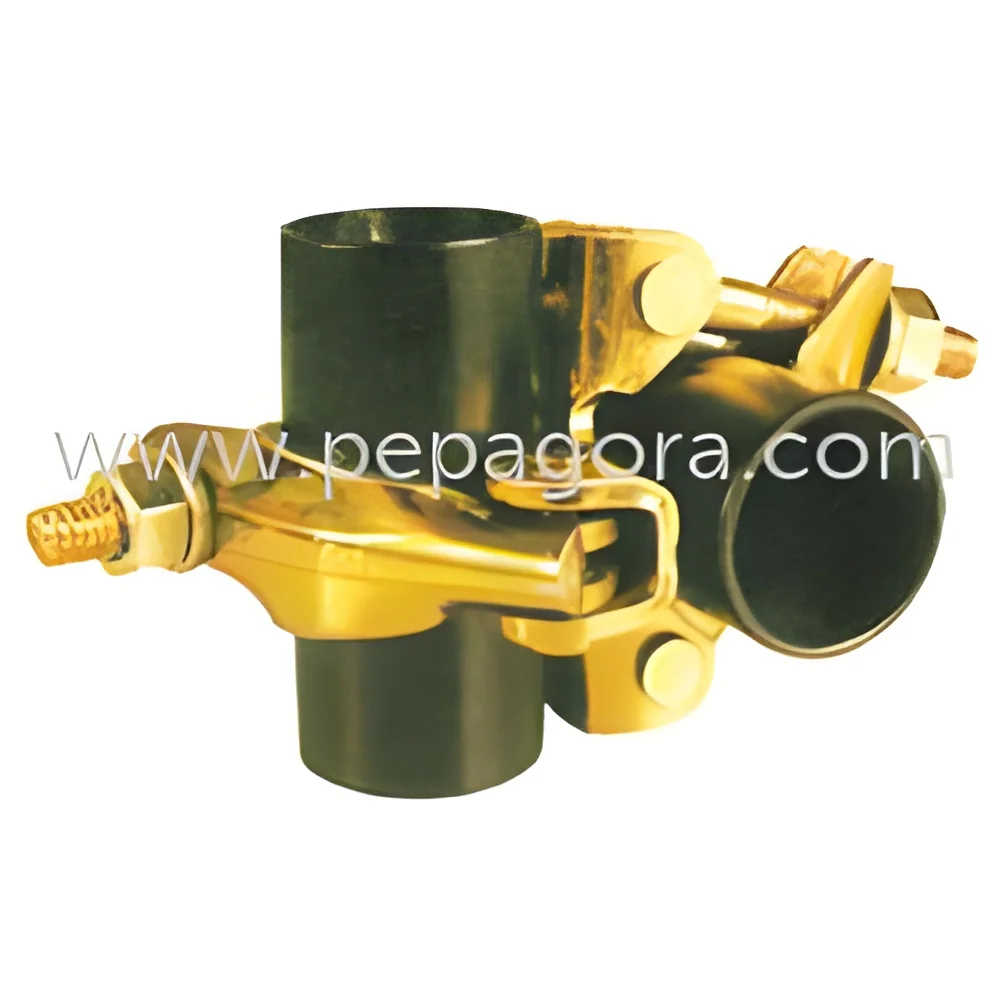
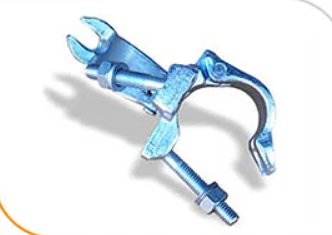
Fixed Couplers: Fixed couplers create a rigid connection between scaffolding tubes, providing stability for straight runs. They are ideal for vertical and horizontal connections, ensuring safety in scaffolding structures.
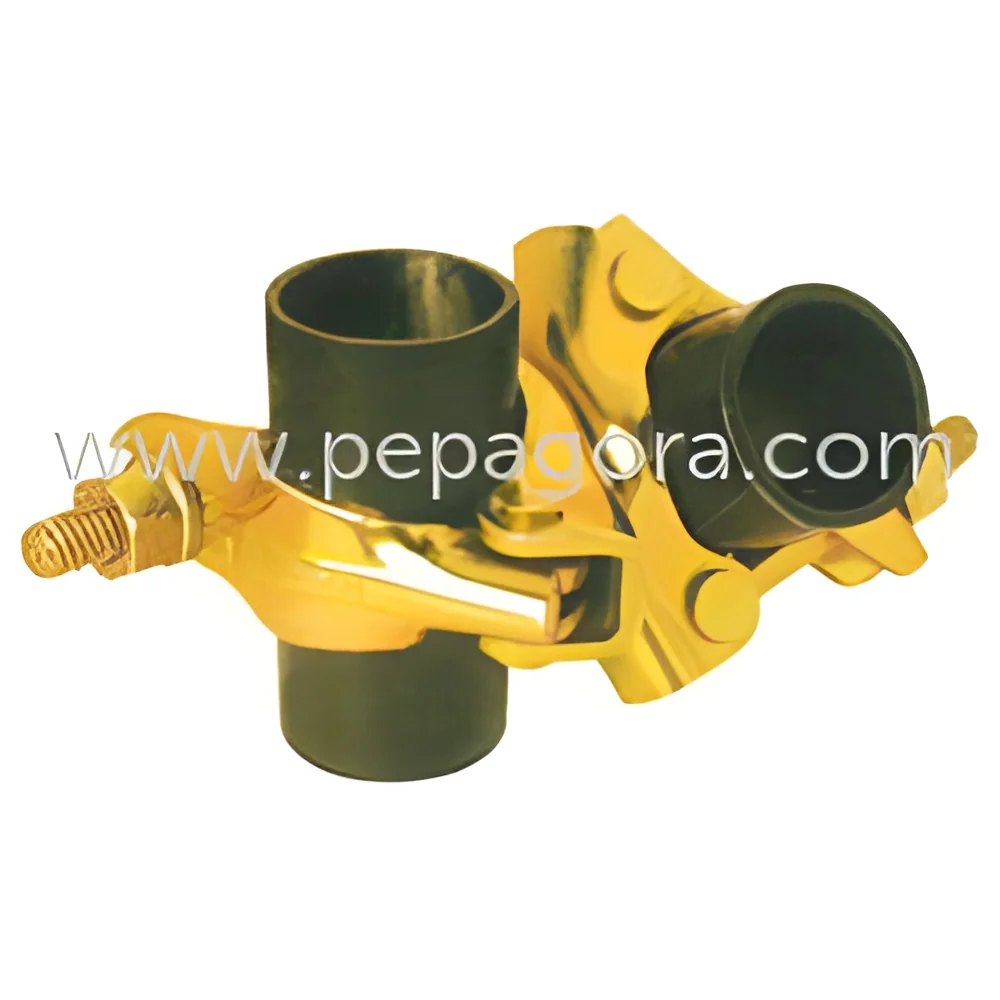
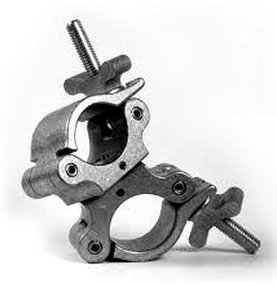
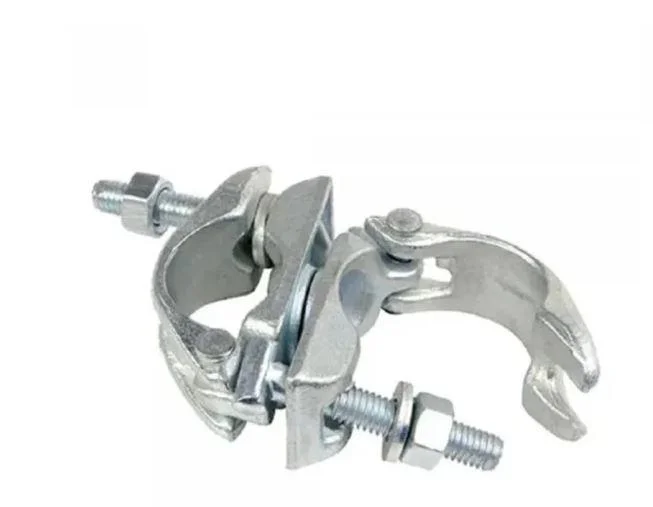
Swivel Couplers: These allow for angular adjustments, making them perfect for connecting tubes at various angles. Swivel couplers are commonly used in complex scaffolding designs where versatility is required.
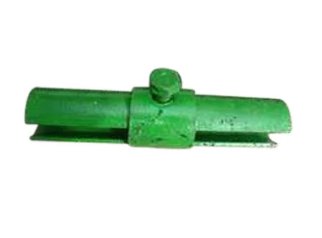
Sleeve Couplers: Sleeve couplers are used to join two scaffolding tubes end-to-end, extending the length of the scaffold. They are essential for creating longer runs and enhancing the reach of scaffolding systems.
𝗕𝗲𝗻𝗲𝗳𝗶𝘁𝘀 𝗮𝗻𝗱 𝗔𝗱𝘃𝗮𝗻𝘁𝗮𝗴𝗲𝘀
Choosing the right scaffolding couplers offers several key benefits.
1. Enhanced Safety: Quality couplers improve the overall safety of scaffolding structures, reducing the risk of accidents and ensuring compliance with safety regulations.
2. Versatility: Different types of couplers offer flexibility in design, allowing for various configurations based on project needs.
3. Quick Assembly: Many couplers feature easy-to-use designs that enable rapid setup and teardown, saving valuable time on construction sites.
4. Cost-Effectiveness: Durable couplers reduce the need for frequent replacements, contributing to cost savings in long-term projects.
5. Increased Load Capacity: Quality couplers can support significant loads, making them suitable for heavy-duty applications.
6. Compliance Assurance: Sourcing couplers that meet industry standards ensures adherence to regulations, providing peace of mind for contractors.
𝗕𝘂𝘆𝗶𝗻𝗴 𝗚𝘂𝗶𝗱𝗲 𝗳𝗼𝗿 𝗕𝟮𝗕 𝗕𝘂𝘆𝗲𝗿𝘀
When sourcing scaffolding couplers, it is essential to consider several factors to ensure you make informed purchasing decisions.
1. Quality Assessment: Evaluate the quality of materials and construction methods used in couplers. Look for certifications that demonstrate compliance with safety and industry standards.
2. Supplier Verification: Vet potential suppliers by checking their reputation and reliability. Look for reviews and testimonials from previous clients to ensure they deliver high-quality products.
3. Pricing and MOQ: Understand the pricing structure and minimum order quantities. Compare quotes from various suppliers to find the best value for your budget.
4. Delivery and Lead Times: Consider logistics and delivery times. Ensure that suppliers can meet your project deadlines to avoid delays in construction schedules.
5. Compliance Requirements: Familiarize yourself with local and international regulations regarding scaffolding equipment. Ensure that the couplers meet all necessary compliance standards required for your industry.
𝗖𝗼𝗺𝗽𝗹𝗶𝗮𝗻𝗰𝗲 𝗮𝗻𝗱 𝗖𝗲𝗿𝘁𝗶𝗳𝗶𝗰𝗮𝘁𝗶𝗼𝗻𝘀
In the scaffolding industry, compliance with quality standards is crucial for ensuring safety and reliability.
Relevant quality standards, such as ISO 9001, govern the quality management systems of manufacturers. This ensures that products are consistently produced and controlled according to quality standards.
Industry certifications like CE indicate that scaffolding couplers meet European safety and environmental protection requirements. This certification is essential for manufacturers looking to sell within European markets.
Safety and testing requirements include rigorous testing for load capacity and structural integrity. Manufacturers must provide detailed documentation proving that their couplers can withstand specified loads.
Additionally, regional compliance considerations vary depending on local regulations. Understanding these requirements is essential for ensuring that products meet applicable safety standards across different markets.
Why Source Scaffolding Couplers (Fixed, Swivel, Sleeve) from Pepagora?
Pepagora offers a trusted platform for sourcing scaffolding couplers, providing several key advantages to B2B buyers.
Verified Supplier Network: Pepagora ensures that all suppliers in its network are thoroughly vetted for quality and reliability. This guarantees that buyers receive products that meet industry standards.
Streamlined RFQ Process: The request for quotation process on Pepagora is straightforward, allowing buyers to quickly obtain competitive quotes from multiple suppliers. This efficiency saves time and simplifies the purchasing process.
Trade Assurance and Support: Pepagora provides trade assurance, offering buyers protection against quality discrepancies and delivery issues. This support fosters trust and confidence in the sourcing process.
Regional Coverage: With a strong presence in India, the GCC, and Southeast Asia, Pepagora offers extensive regional coverage. This geographic reach ensures that buyers can access quality scaffolding couplers from reliable suppliers in their vicinity.