
 IN
Suspended Scaffolding Platforms
4 products available
What are Suspended Scaffolding Platforms?
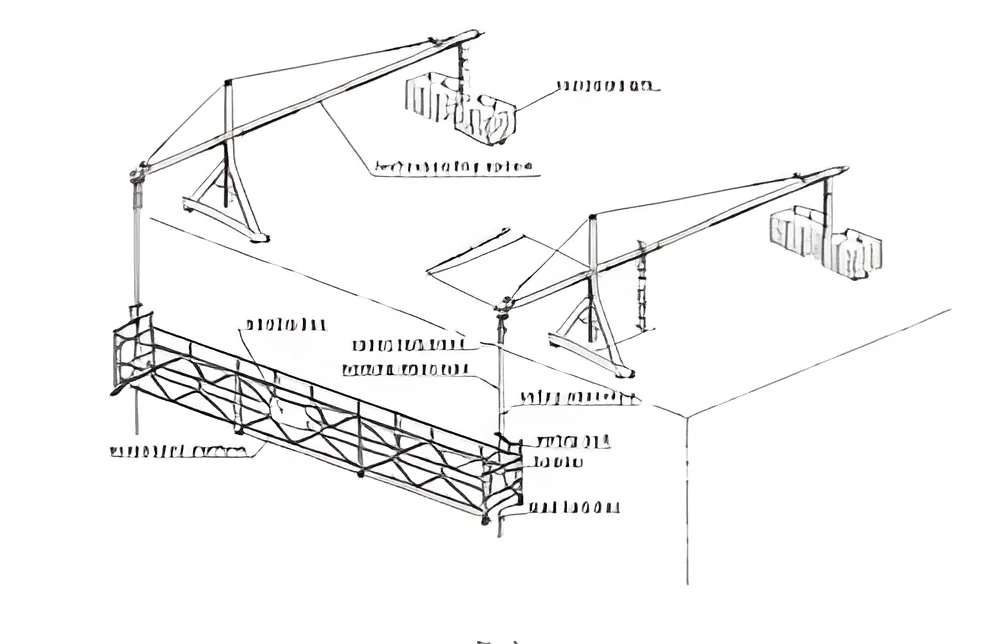
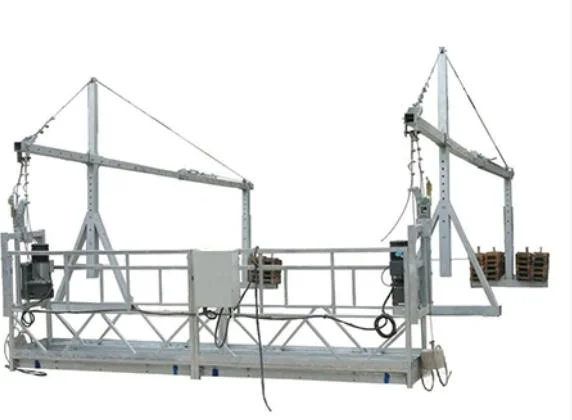
Suspended scaffolding platforms are elevated work platforms that are supported from above, typically from a building or structure. These platforms are designed to allow workers to access heights safely while performing tasks such as construction, maintenance, or cleaning. They are often used in situations where traditional scaffolding systems would be impractical, providing flexibility and efficiency in various work environments.
These platforms find primary applications in industries such as construction, painting, and facade maintenance. They enable workers to easily reach high or hard-to-access areas without the need for extensive ground-level support structures. The versatility of suspended scaffolding makes it an essential tool in urban settings, where space may be limited, or in tall structures where traditional scaffolds are difficult to erect. The demand for suspended scaffolding platforms continues to grow as industries prioritize safety and efficiency in their operations.
Key Features and Specifications
Suspended scaffolding platforms are designed with safety and functionality in mind. Their key features ensure that they can withstand various working conditions and provide a secure platform for workers. Understanding the specifications is crucial for selecting the right platform for specific applications.
Key specifications include:
1. Load Capacity
- Typically ranges from 500 to 1,500 kg
- Determines the number of workers and materials supported
2. Platform Dimensions
- Width commonly between 0.6 to 1.5 meters
- Length varies based on project requirements
3. Suspension Mechanism
- Can be manually or electrically operated
- Ensures smooth and controlled movement
4. Safety Features
- Equipped with guardrails and toe boards
- Often includes safety locks and fail-safes
5. Material Composition
- Constructed from aluminum or steel
- Provides durability and resistance to corrosion
6. Compliance Standards
- Adheres to local and international safety regulations
- May include certifications like CE for quality assurance
7. Adjustable Height
- Can be modified to meet various height requirements
- Facilitates use in different construction scenarios
8. Portability
- Lightweight designs allow for easy transport
- Quick assembly and disassembly for efficient use
These features collectively enhance the usability and safety of suspended scaffolding platforms, making them a valuable asset in various industrial applications.
Common Applications and Use Cases
Suspended scaffolding platforms are utilized across a broad range of industries due to their versatility and efficiency.
1. Construction: They are essential for high-rise building projects, allowing workers to access upper floors easily for tasks like bricklaying and concrete pouring.
2. Facade Maintenance: These platforms are ideal for cleaning and repairing building exteriors, enabling safe access to tall structures without obstructing ground-level activities.
3. Painting: Painters use suspended platforms to reach high walls and ceilings, ensuring even application and reducing the need for ladders.
4. HVAC Installation: Technicians can use these platforms to install or maintain heating, ventilation, and air conditioning systems in elevated spaces.
5. Window Installation: Suspended scaffolding aids in the efficient installation of windows in multi-story buildings, improving workflow and safety.
6. Industrial Maintenance: Factories and warehouses use suspended scaffolding for maintenance tasks, providing access to machinery and structural components at height.
7. Event Setup: Used in large venues for staging and lighting installation, allowing teams to work safely at elevated heights.
Product Variants and Subcategories
Suspended scaffolding platforms come in various designs to meet specific project needs and preferences.
Electric Suspended Scaffolding
This variant features an electric hoist for effortless raising and lowering. It is ideal for projects requiring frequent height adjustments, such as facade work.
Manual Suspended Scaffolding
This variant relies on manual operation for suspension. It is often preferred for smaller projects due to its simpler mechanics and lower cost.
Modular Suspended Scaffolding
This design allows for customizable configurations. It is suitable for projects with unique structural challenges, providing flexibility in platform dimensions.
Foldable Suspended Scaffolding
This variant can be easily folded for transport and storage. It is ideal for contractors who need a portable solution for multiple job sites.
Benefits and Advantages
Suspended scaffolding platforms offer several advantages that contribute to operational efficiency and worker safety.
1. Enhanced Safety: Equipped with safety features such as guardrails, these platforms minimize the risk of falls, ensuring a safer working environment.
2. Increased Efficiency: Workers can access heights quickly, reducing downtime and improving productivity during projects.
3. Versatile Use: Suitable for various applications across multiple industries, these platforms can adapt to different project requirements.
4. Cost-Effective: Their ability to eliminate the need for extensive ground support structures can lead to overall cost savings on project budgets.
5. Easy Setup: Quick assembly and disassembly processes allow for immediate use, facilitating more efficient project timelines.
6. Compliance with Regulations: Many platforms come with necessary certifications, ensuring adherence to safety and quality standards, which can enhance project credibility.
Buying Guide for B2B Buyers
When sourcing suspended scaffolding platforms, it is essential for buyers to consider several key factors to make informed purchasing decisions.
1. Quality Assessment: Buyers should evaluate the quality of materials and construction. Look for platforms that meet industry standards and possess necessary certifications.
2. Supplier Verification: It is crucial to vet suppliers for reliability and reputation. Check references and past projects to ensure they can deliver quality products and services.
3. Pricing and MOQ: Understand the pricing structure and minimum order quantities. Compare quotes from multiple suppliers to ensure competitive pricing.
4. Delivery and Lead Times: Confirm the expected delivery times and logistics arrangements. Timely delivery is critical in maintaining project schedules.
5. Compliance Requirements: Be aware of local and international regulations that may apply to suspended scaffolding. Ensure the products sourced meet all necessary compliance standards.
Compliance and Certifications
Suspended scaffolding platforms must adhere to various quality standards and regulations to ensure safety and reliability in use. Commonly referenced standards include ISO 9001, which emphasizes quality management systems, ensuring that products are manufactured to consistent quality levels.
Industry certifications, such as CE marking, indicate compliance with European health, safety, and environmental protection standards. This certification is crucial for products sold within the European market.
Safety testing is a critical aspect of compliance, as platforms must be tested for load capacity, stability, and durability under various conditions. Regional compliance considerations may also apply, requiring adherence to specific local regulations and safety practices.
Why Source Suspended Scaffolding Platforms from Pepagora?
Pepagora provides a trusted platform for sourcing suspended scaffolding platforms, offering numerous advantages to B2B buyers.
Verified Supplier Network: Pepagora has a robust network of verified suppliers, ensuring that buyers can connect with reputable manufacturers who meet quality standards.
Streamlined RFQ Process: The platform features a user-friendly Request for Quotation system that simplifies the procurement process, making it easier for buyers to obtain competitive quotes.
Trade Assurance and Support: Pepagora offers buyer protection through trade assurance policies. This support provides peace of mind during transactions, ensuring that buyers are safeguarded against potential risks.
Regional Coverage: With a strong presence in India, the GCC, and Southeast Asia, Pepagora can facilitate sourcing for local and regional projects, ensuring timely access to suspended scaffolding platforms tailored to specific market needs.

Frequently Asked Questions
What are Suspended Scaffolding Platforms?
Suspended Scaffolding Platforms are temporary structures used in construction and maintenance work. They are suspended from a building or structure to provide a safe working area at elevated heights, allowing workers to perform tasks such as painting, cleaning, or repairing facades.
What are the different types of Suspended Scaffolding Platforms?
There are several types of Suspended Scaffolding Platforms, including single-point and multi-point suspension systems. Single-point platforms are typically used for lighter loads and smaller tasks, while multi-point platforms are designed for more extensive work and heavier loads, providing greater stability.
How do I choose the right Suspended Scaffolding Platforms?
Choosing the right Suspended Scaffolding Platforms depends on factors such as the type of work, height requirements, load capacity, and the building's architecture. It is advisable to consult with suppliers or manufacturers to ensure the selected platform meets safety and operational standards.
What are the standard specifications for Suspended Scaffolding Platforms?
Standard specifications for Suspended Scaffolding Platforms typically include load capacity, dimensions, materials used, and safety features such as guardrails and brakes. Compliance with local safety regulations and standards is also crucial when evaluating specifications.
What is the price range for Suspended Scaffolding Platforms?
The price range for Suspended Scaffolding Platforms can vary significantly based on type, material, and specifications. Generally, prices can start from a few thousand rupees and can go up to several lakhs, depending on customization and additional features.
What quality standards apply to Suspended Scaffolding Platforms?
Suspended Scaffolding Platforms must adhere to various quality standards, including those set by the Bureau of Indian Standards (BIS) and international safety standards like EN 1808. These standards ensure the platforms are safe, reliable, and suitable for their intended use.
Where can I find Suspended Scaffolding Platforms suppliers in India?
You can find Suspended Scaffolding Platforms suppliers in India through B2B marketplaces like Pepagora, trade directories, and local construction equipment suppliers. It is recommended to compare multiple suppliers to find the best options in terms of price and quality.
Can Suspended Scaffolding Platforms be customized?
Yes, Suspended Scaffolding Platforms can often be customized based on specific project requirements. Customization options may include size adjustments, load capacity variations, and additional safety features to enhance functionality and compliance.
What is the typical minimum order quantity for Suspended Scaffolding Platforms?
The typical minimum order quantity (MOQ) for Suspended Scaffolding Platforms can vary by supplier, but it usually ranges from one to several units. It's best to check with individual manufacturers or suppliers for their specific MOQ policies.
What is the typical lead time for Suspended Scaffolding Platforms?
The typical lead time for Suspended Scaffolding Platforms can vary based on factors such as availability, customization, and supplier location. On average, lead times can range from a few days to several weeks, so it's advisable to confirm with the supplier for accurate timelines.
Why Businesses Trust Pepagora
Thousands of companies trust Pepagora to source smarter and sell faster
Expand Your Sales Globally

Source Smarter,Grow Faster
