What are Formwork Contractors?
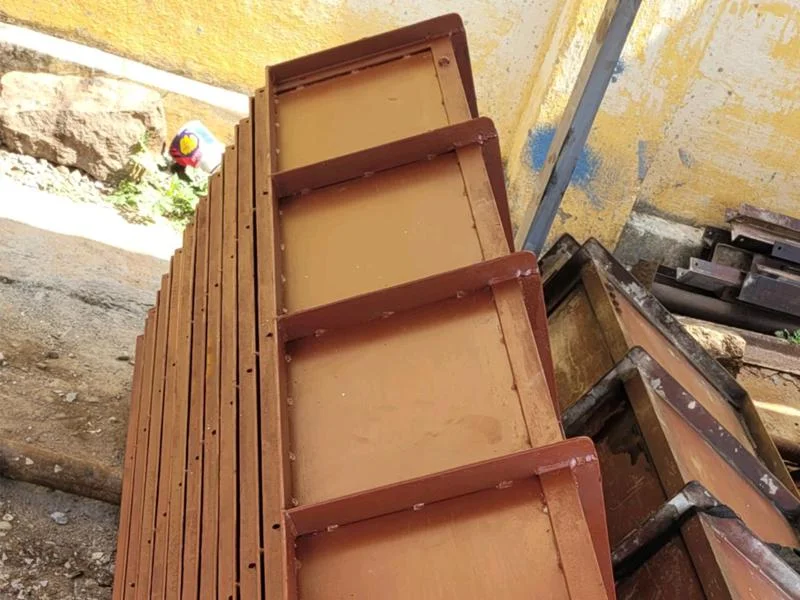
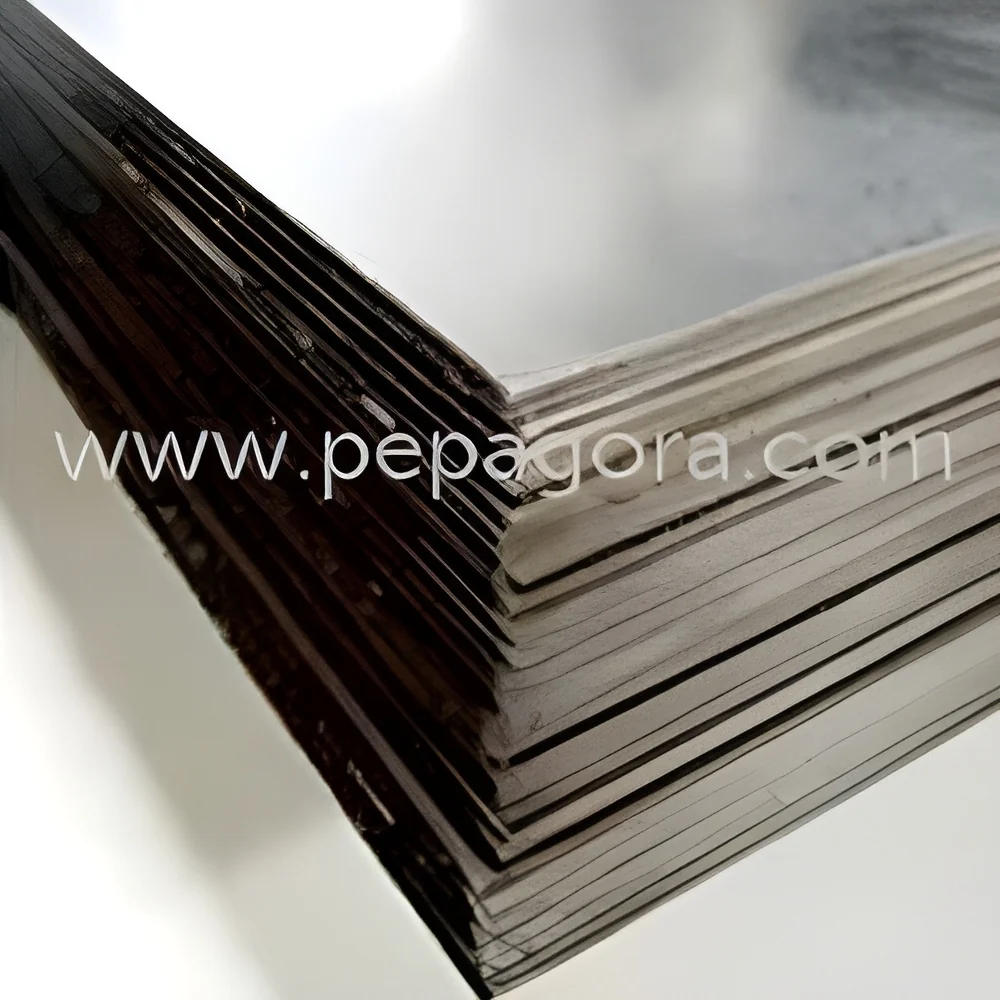
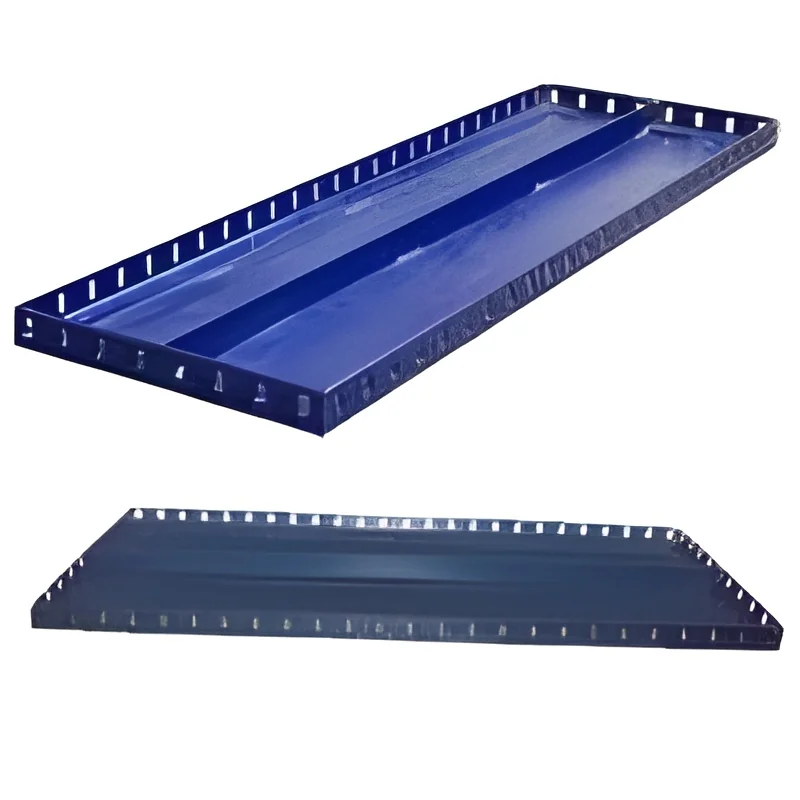
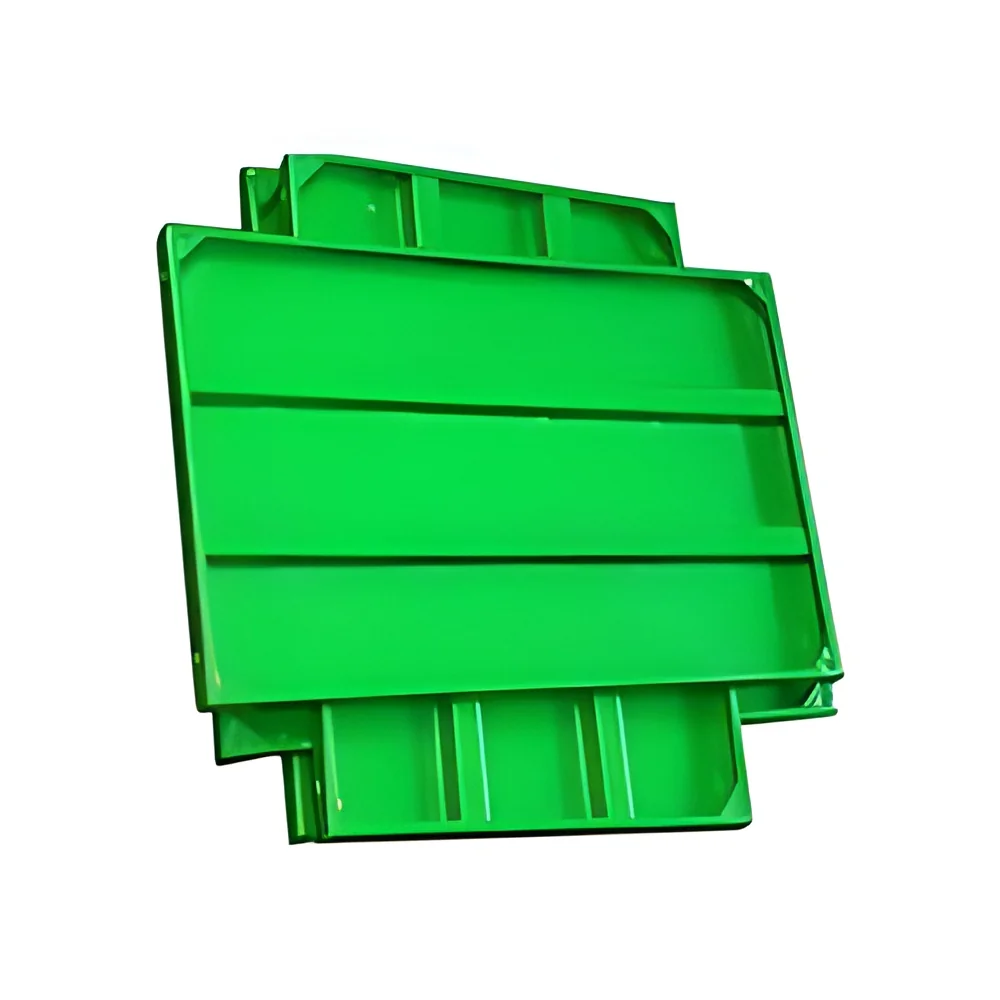
Formwork contractors are specialized service providers responsible for the design, construction, and installation of formwork systems used in concrete construction projects. Formwork serves as a mold for concrete, ensuring that it retains its shape during the curing process. These contractors play a crucial role in the construction industry by providing the necessary structures that support concrete until it hardens. Their expertise includes selecting appropriate materials, understanding engineering principles, and managing project timelines effectively.
Primarily, formwork contractors are utilized in the construction of buildings, bridges, tunnels, and other infrastructure projects. Their work is essential in both residential and commercial construction, where precise measurements and quality are critical for structural integrity. The demand for formwork contractors is closely tied to the overall growth of the construction industry, with trends toward sustainable building practices and advanced construction methods further shaping their market relevance.
As the construction sector increasingly adopts innovative techniques and materials, the role of formwork contractors becomes even more significant. The market context reflects a growing emphasis on efficiency, safety, and compliance with industry standards, making qualified and experienced formwork contractors essential partners in successful construction projects.
Key Features and Specifications
Formwork contractors offer a variety of features and specifications tailored to meet the diverse needs of construction projects. Understanding these specifications is crucial for selecting the right contractor for specific applications.
Key specifications include:
1. Material Selection
- Common materials include wood, metal, and plastic.
- Each material has unique properties suitable for different types of projects.
2. Load Capacity
- Formwork must support specific loads during the concrete pouring phase.
- Load capacities vary based on design and materials used.
3. Customization Options
- Contractors can provide tailored solutions based on project requirements.
- Custom forms can accommodate unique architectural designs.
4. Assembly and Dismantling Time
- Efficient assembly and dismantling processes are critical.
- Timeframes can vary depending on the complexity of the project.
5. Safety Features
- Compliance with safety standards is essential.
- Features may include guardrails and stabilizers.
6. Durability
- The lifespan of formwork systems depends on the materials and usage.
- High-quality materials enhance durability and reduce costs over time.
7. Cost Efficiency
- Competitive pricing based on market rates and project scope.
- Value engineering may be offered to optimize costs.
8. Environmental Considerations
- Use of sustainable materials and practices.
- Minimizing waste during construction processes is encouraged.
In summary, understanding the key features and specifications of formwork contractors is vital for making informed decisions that align with project goals and budgets.
Common Applications and Use Cases
Formwork contractors serve a broad range of industries with specific applications tailored to their needs.
1. Construction Industry: Formwork is essential for creating foundations, walls, and structural elements in both residential and commercial buildings. Contractors ensure that the formwork is accurately measured and built to support the concrete.
2. Infrastructure Development: Bridges, tunnels, and highways require robust formwork solutions. Contractors design and implement formwork systems that ensure structural integrity and safety during construction.
3. Industrial Projects: Factories and warehouses often involve large concrete structures, necessitating specialized formwork. Contractors provide efficient systems that cater to heavy-duty requirements.
4. Civil Engineering: Projects like dams and water treatment plants require careful planning and execution. Formwork contractors deliver solutions that withstand significant environmental and structural pressures.
5. Prefabrication: In some cases, formwork is used to create precast concrete elements. Contractors design formwork that allows for efficient production and transportation of these components.
6. Renovation Projects: In existing structures, formwork may be needed for repairs or additions. Contractors ensure compatibility with existing systems while adhering to modern standards.
7. Agricultural Applications: Structures like silos and barns often utilize formwork. Contractors provide tailored solutions that meet the specific needs of agricultural construction.
Product Variants and Subcategories
Formwork contractors offer diverse solutions to meet various construction needs. Each variant is designed to address specific requirements and applications.
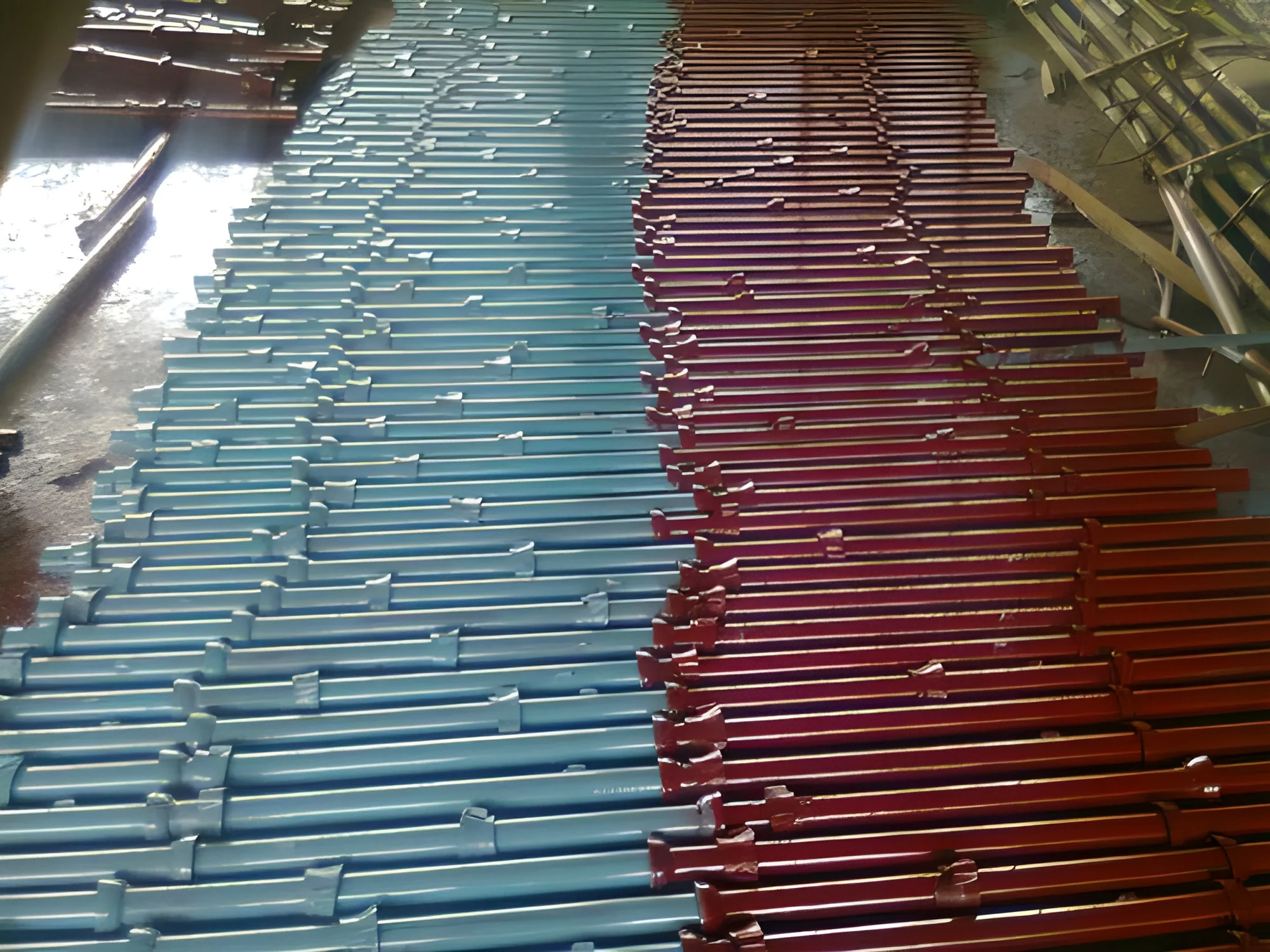
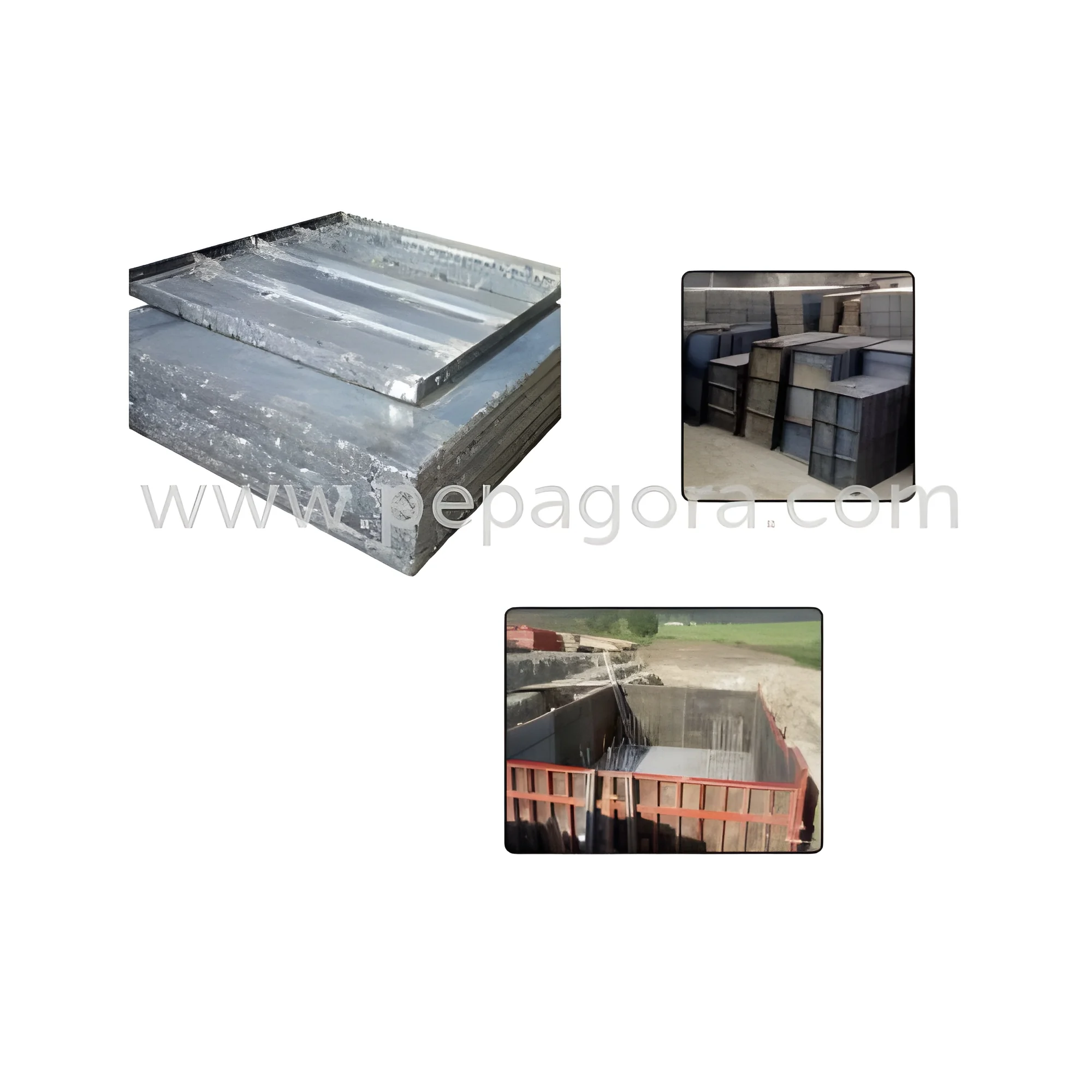
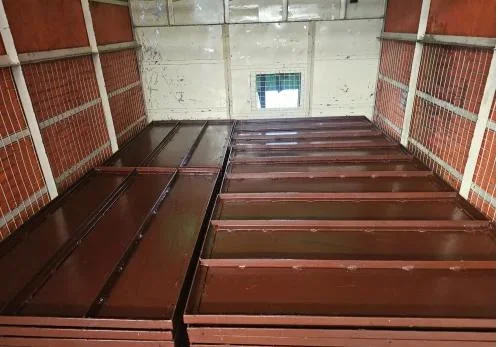
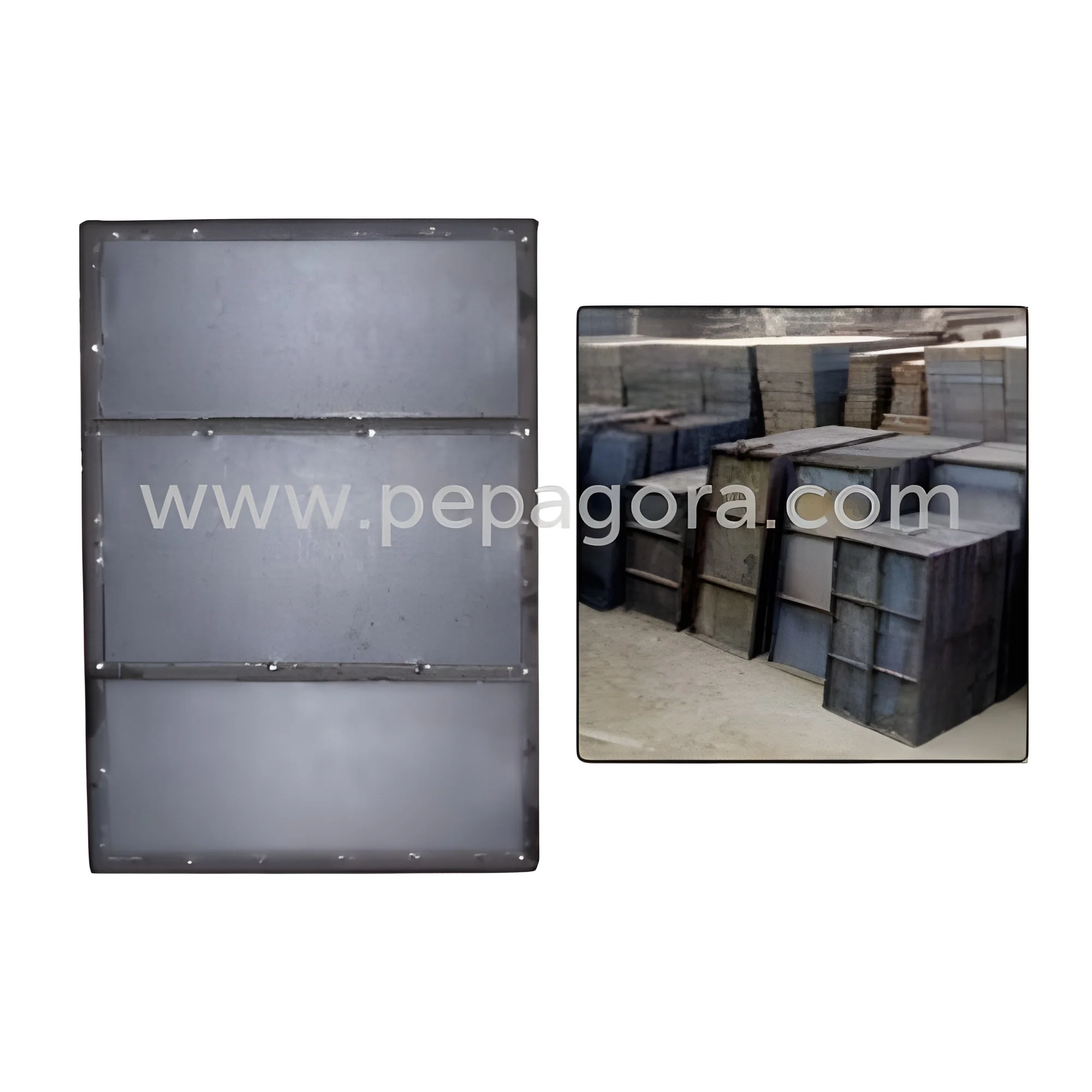
Steel Formwork: Known for its strength and durability, steel formwork is ideal for large-scale projects. It provides excellent load-bearing capacity and can be reused multiple times, making it cost-effective.
Aluminum Formwork: Lightweight and easy to work with, aluminum formwork is suitable for residential and commercial buildings. Its quick assembly reduces labor costs and construction time.
Timber Formwork: Traditional and versatile, timber formwork is often used for smaller projects. It allows for easy customization and is cost-effective for one-time use.
Plastic Formwork: This option is lightweight and resistant to corrosion. Plastic formwork is particularly useful for projects requiring a high level of detail and finish.
Benefits and Advantages
Formwork contractors deliver numerous advantages that contribute to the success of construction projects.
Key benefits include:
1. Expertise and Experience: Contractors bring specialized knowledge to ensure the formwork is designed and executed correctly, minimizing errors.
2. Time Savings: Efficient project management and quick assembly processes help to reduce construction timelines.
3. Cost-Effectiveness: By providing tailored solutions and optimizing material usage, contractors can help reduce overall project costs.
4. Safety Compliance: Experienced contractors prioritize safety, ensuring that all work meets regulatory standards and reduces risks on-site.
5. Quality Assurance: Contractors focus on maintaining high-quality standards, which results in better finished concrete structures.
6. Flexibility: The ability to customize formwork solutions allows contractors to adapt to unique project requirements and specifications.
Buying Guide for B2B Buyers
When sourcing formwork contractors, several key factors should be considered to ensure the selection of a reliable partner.
1. Quality Assessment: Evaluate the contractor's previous work and adherence to industry standards. Check for certifications and client testimonials to gauge quality.
2. Supplier Verification: Conduct thorough vetting of potential contractors. Verify their experience, reputation, and any relevant industry affiliations.
3. Pricing and MOQ: Understand the pricing structure and minimum order quantities. Compare quotes from multiple contractors to ensure competitive pricing.
4. Delivery and Lead Times: Discuss logistics and ensure that the contractor can meet your project timelines. Consider their ability to handle unforeseen delays.
5. Compliance Requirements: Ensure that the contractor is familiar with and adheres to all relevant regulatory requirements, including safety and environmental standards.
Compliance and Certifications
Formwork contractors must adhere to various quality standards and certifications to ensure reliability and safety in their operations. Relevant quality standards include ISO 9001, which focuses on maintaining consistent quality management systems. This certification helps ensure that contractors meet customer expectations and regulatory requirements.
Additionally, contractors may hold industry certifications such as CE, which indicates compliance with European health, safety, and environmental protection standards. These certifications are essential for building trust with clients and ensuring that projects adhere to stringent guidelines.
Safety and testing requirements are also crucial in the formwork industry. Contractors must implement safety measures to protect workers and ensure the structural integrity of formwork systems. This includes regular inspections and adherence to local and international safety standards.
Regional compliance considerations may affect how contractors operate in different markets. Understanding local regulations and industry practices is essential for ensuring that projects are compliant and successful.
Why Source Formwork Contractors from Pepagora?
Pepagora provides a trusted platform for sourcing formwork contractors, offering several key advantages that cater to B2B buyers.
Verified Supplier Network: Pepagora features a network of verified suppliers, ensuring that buyers can confidently select contractors who meet stringent quality and compliance standards. This verification process helps mitigate risks associated with unreliable contractors.
Streamlined RFQ Process: The request for quotation (RFQ) process on Pepagora is designed to be user-friendly, allowing buyers to easily submit their requirements and receive competitive bids from multiple contractors. This efficiency helps buyers make informed decisions quickly.
Trade Assurance and Support: Pepagora offers trade assurance that protects buyers throughout the sourcing process. This includes support in case of disputes or issues, ensuring that transactions are secure and reliable.
Regional Coverage: Pepagora has a wide geographic reach, covering markets in India, the GCC, and Southeast Asia. This regional coverage allows buyers to find local contractors who understand the specific needs and regulations of their market, facilitating smoother project execution.
In conclusion, sourcing formwork contractors through Pepagora provides a reliable and efficient solution for B2B buyers looking to enhance their construction projects.

 IN
IN