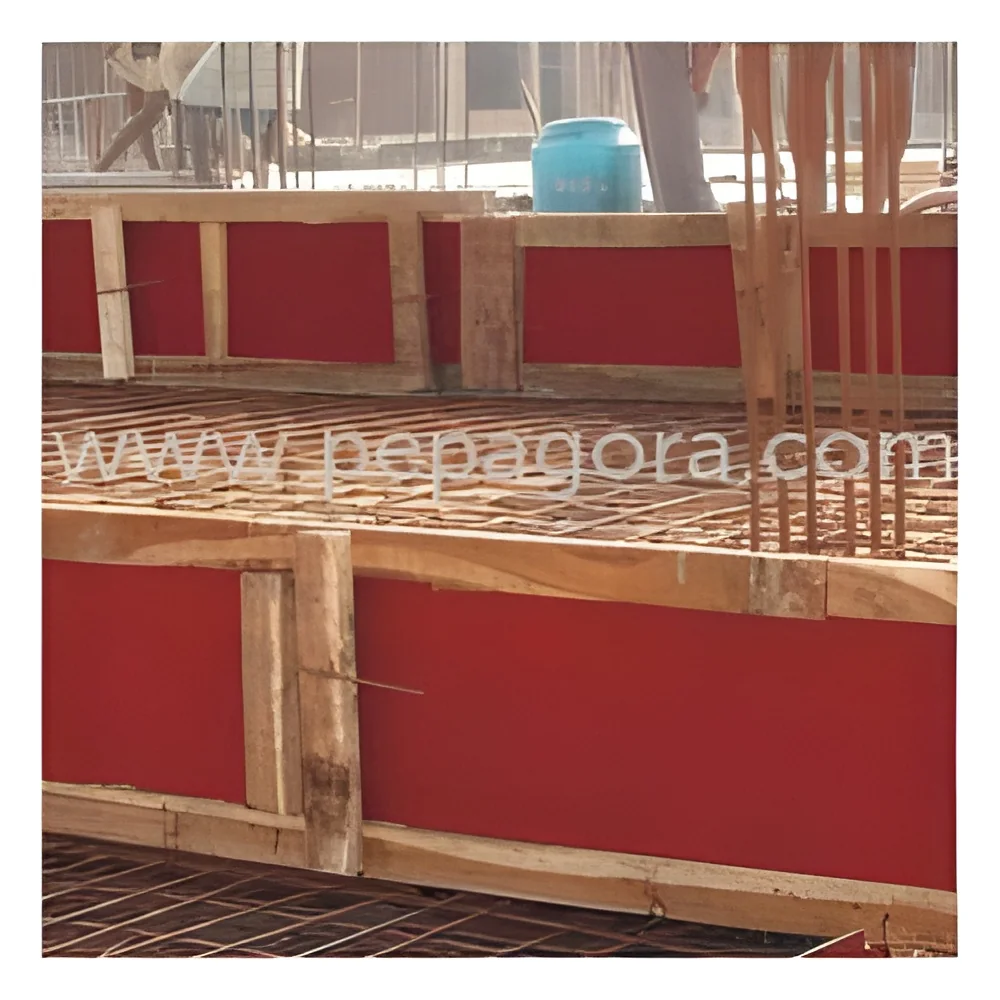
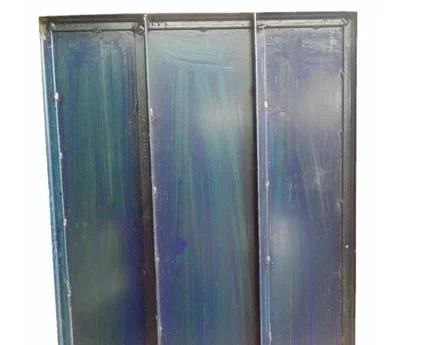
What are Plywood for Formwork Use?
Plywood for formwork use refers to high-quality plywood specifically designed for constructing molds and frameworks in concrete construction. This type of plywood offers exceptional strength, durability, and moisture resistance, making it ideal for use in various construction applications. It is engineered to withstand the rigors of concrete pouring and curing processes, ensuring that the forms maintain their shape and integrity under pressure.
The primary uses of plywood for formwork include creating vertical and horizontal surfaces in building structures, such as walls, slabs, and foundations. Businesses in the construction, civil engineering, and architectural sectors frequently utilize this plywood to ensure precise formwork, which contributes to superior concrete finishes. In addition to its structural applications, plywood for formwork is essential for projects requiring short-term and reusable forms, making it a valuable resource in the construction industry.
With the growing demand for sustainable and efficient construction practices, the market for plywood for formwork use is expanding. The continuous advancements in plywood manufacturing techniques and the increasing focus on eco-friendly building materials contribute to the relevance of this product in today's construction landscape.
Key Features and Specifications
Plywood for formwork use is characterized by several key features that enhance its performance and suitability for construction applications. These specifications help businesses select the right type of plywood for their specific needs.
Key specifications include:
1. Thickness
- Ranges from 12 mm to 21 mm, depending on the application and load requirements.
2. Face Grade
- Available in various grades, typically including B/BB or B/B, to ensure both durability and a smooth surface finish.
3. Bond Type
- Commonly bonded with waterproof phenolic resin, which offers exceptional moisture resistance.
4. Density
- Average density ranges from 600 kg/m3 to 700 kg/m3, providing strength without excessive weight.
5. Surface Treatment
- Often treated with anti-stick coatings to facilitate easier demolding and minimize surface damage.
6. Moisture Resistance
- Designed to withstand high humidity and wet conditions, ensuring longevity in harsh environments.
7. Reusability
- Can be reused multiple times, making it a cost-effective option for construction projects.
8. Compliance
- Meets relevant industry standards and certifications, such as CE marking, ensuring quality and reliability.
In summary, the features and specifications of plywood for formwork use make it an essential material for construction professionals seeking durability and efficiency in their projects.
Common Applications and Use Cases
Plywood for formwork use finds application across various industries, catering to different construction needs.
1. Construction: In the construction industry, this plywood is utilized to create molds for concrete walls, foundations, and slabs, ensuring precise shapes and finishes.
2. Civil Engineering: Civil engineering projects often require formwork for bridges, tunnels, and other infrastructure, where plywood provides the necessary strength and support.
3. Precast Concrete Manufacturing: Manufacturers of precast concrete components use plywood for formwork to produce panels and beams in a controlled environment.
4. Residential Building: In residential projects, plywood is commonly used for formwork in basements and structural walls, contributing to efficient building processes.
5. Commercial Construction: Plywood for formwork is essential in commercial projects, including shopping malls and office buildings, where large-scale concrete applications are needed.
6. Road and Highway Construction: In road construction, this plywood is used for formwork in overpasses and retaining walls, ensuring durability under heavy loads.
7. Landscaping: Plywood can also be utilized for decorative concrete forms in landscaping projects, allowing for creative designs and finishes.
Product Variants and Subcategories
While specific subcategories are not available, plywood for formwork use can vary based on applications and specific project requirements.
Standard Formwork Plywood
This variant is designed for general use in concrete pouring and is suitable for various construction projects. It features moisture resistance and durability, making it ideal for both vertical and horizontal applications.
High-Performance Formwork Plywood
Engineered for heavy-duty applications, this plywood variant is built to withstand extreme conditions and repeated use. It is often used in large-scale infrastructure projects where high strength and durability are essential.
Benefits and Advantages
Plywood for formwork use offers numerous benefits that enhance construction efficiency and effectiveness.
1. Durability: This plywood is designed to withstand the pressures of concrete pouring and curing, ensuring longevity and reliable performance in construction projects.
2. Cost-Effectiveness: The reusability of plywood for formwork helps reduce material costs over time, making it a financially viable option for contractors.
3. Improved Finish Quality: The smooth surface of high-quality plywood helps achieve superior concrete finishes, reducing the need for additional surface treatments.
4. Lightweight: Compared to other formwork materials, plywood is relatively lightweight, making it easier to handle and install on construction sites.
5. Customization: Plywood can be cut and shaped to meet specific project requirements, offering versatility in formwork design.
6. Environmental Considerations: Many plywood options are sourced sustainably, aligning with eco-friendly building practices and reducing the environmental impact of construction.
Buying Guide for B2B Buyers
When sourcing plywood for formwork use, several factors should be considered to ensure the right choice for your projects.
1. Quality Assessment: Evaluate the quality of the plywood, focusing on face grades, bonding types, and moisture resistance. High-quality materials will yield better performance and longevity.
2. Supplier Verification: Vet suppliers to ensure they provide reliable products and adhere to industry standards. Check for certifications and customer reviews to gauge their reputation.
3. Pricing and MOQ: Consider the pricing structure and minimum order quantities required by the supplier. Balance cost with quality to make informed purchasing decisions.
4. Delivery and Lead Times: Discuss logistics and delivery timelines with suppliers to ensure that the plywood arrives on schedule for your construction timelines.
5. Compliance Requirements: Ensure that the plywood meets relevant regulatory standards and certifications, such as CE marking, to comply with industry norms and safety regulations.
Compliance and Certifications
Plywood for formwork use is subject to various quality standards and certifications that ensure its suitability for construction applications. Key standards include ISO 9001, which outlines quality management systems, and HACCP, which focuses on safety and risk management.
The CE marking signifies compliance with European Union safety, health, and environmental protection standards. This certification assures buyers that the product meets stringent quality requirements.
Safety and testing requirements are also crucial, as they confirm the plywood's performance under various conditions. It is essential to check regional compliance considerations, as different areas may have specific regulations pertaining to construction materials.
Why Source Plywood for Formwork Use from Pepagora?
Pepagora provides a trusted platform for sourcing plywood for formwork use with several key advantages that cater to B2B buyers.
Verified Supplier Network: Pepagora connects buyers with a network of verified suppliers, ensuring that only reputable sources are considered. This verification process helps mitigate risks associated with sourcing materials.
Streamlined RFQ Process: The platform facilitates a straightforward Request for Quotation (RFQ) process, allowing buyers to easily compare prices and specifications from multiple suppliers, simplifying the decision-making process.
Trade Assurance and Support: Pepagora offers trade assurance and buyer protection, ensuring that transactions are secure and that buyers receive high-quality products. This support adds an extra layer of confidence for businesses.
Regional Coverage: With a strong presence in India, the GCC, and Southeast Asia, Pepagora provides extensive geographic coverage, making it an ideal platform for businesses looking to source plywood for formwork use across diverse markets.

 IN
IN