What are Column Clamps & Ties?
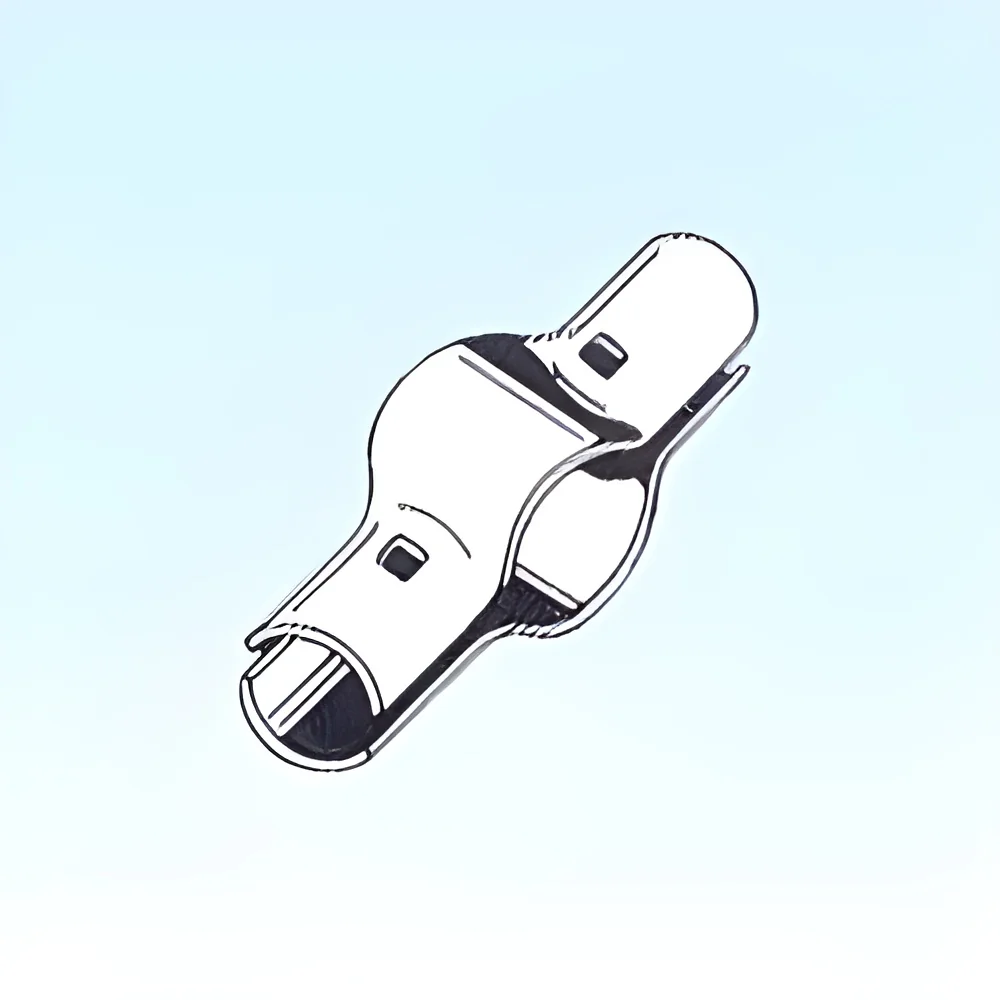
Column clamps and ties are essential components used in construction and industrial applications to secure columns and structural elements. These products are designed to hold columns in place, ensuring stability and alignment during the construction process. They are typically made from durable materials such as steel or reinforced plastic, providing the necessary strength to withstand various loads and environmental conditions.
In terms of business applications, column clamps and ties are widely used in the construction of buildings, bridges, and other infrastructure projects. They play a crucial role in maintaining the structural integrity of frameworks while concrete is poured and set. These products are relevant in various industries, including civil engineering, architecture, and manufacturing, where precision and reliability are paramount.
The market for column clamps and ties is competitive, with numerous suppliers offering a range of products. The increasing demand for robust construction materials and the growth of infrastructure projects worldwide have further boosted the relevance of these products in the industry.
Key Features and Specifications
Column clamps and ties are characterized by several key features that enhance their functionality and performance. Understanding these specifications is critical for buyers seeking reliable solutions.
Key specifications include:
1. Material Composition
- Typically made from high-grade steel or reinforced plastic.
- Offers strength and durability for heavy loads.
2. Load Capacity
- Designed to support various load ranges, depending on the application.
- Ensures stability during construction processes.
3. Corrosion Resistance
- Many clamps and ties are treated with anti-corrosive coatings.
- Extends the lifespan of the products in harsh environments.
4. Size and Dimensions
- Available in various sizes to accommodate different column dimensions.
- Custom sizing options may be available.
5. Installation Type
- Can be designed for easy installation and removal.
- Some models feature adjustable mechanisms for flexibility.
6. Compliance with Standards
- Products often adhere to industry standards for safety and reliability.
- CE certification is commonly available.
In summary, the key features and specifications of column clamps and ties are essential considerations for buyers looking to ensure quality and reliability in their construction projects.
Common Applications and Use Cases
Column clamps and ties find applications across various industries, demonstrating their versatility and importance.
1. Construction: In building projects, column clamps are used to secure concrete columns during curing, ensuring they maintain their shape and alignment.
2. Civil Engineering: These products are essential in infrastructure projects like bridges, where they provide necessary support and stability.
3. Manufacturing: In manufacturing plants, column ties are utilized to secure structural frames, ensuring safety and reliability during operations.
4. Oil and Gas: In the oil and gas industry, column clamps are used to support pipelines and structures in challenging environments.
5. Warehousing: Column ties help secure racking systems, ensuring safety and efficiency in storage facilities.
6. Agriculture: In agricultural settings, column clamps can be used to support structures such as greenhouses and storage silos.
7. Renewable Energy: In solar and wind energy installations, these products are used to secure structural components against environmental forces.
Product Variants and Subcategories
Column clamps and ties come in various forms to meet specific application needs. While detailed subcategories are not available, the diversity in design allows for tailored solutions.
Heavy-Duty Column Clamps
These clamps are designed for high-load applications, suitable for use in large construction projects. They provide enhanced strength and stability, making them ideal for supporting heavy concrete structures.
Adjustable Column Ties
These ties offer flexibility in installation, allowing for adjustments based on the specific dimensions of the columns they support. They are particularly useful in projects requiring customization and adaptability.
Standard Column Clamps
These are commonly used in general construction applications where standard sizes suffice. They provide reliable support and are easy to install and remove.
Benefits and Advantages
Choosing column clamps and ties offers numerous advantages for businesses involved in construction and infrastructure projects.
1. Enhanced Stability: These products provide robust support for columns, ensuring stability during the curing process.
2. Increased Safety: By securing structural elements effectively, they help prevent accidents and structural failures.
3. Cost-Effectiveness: Durable materials reduce the need for frequent replacements, leading to long-term savings.
4. Versatility: Available in various sizes and types, they can be used across multiple industries and applications.
5. Compliance Assurance: Many products come with certifications, ensuring they meet industry safety and quality standards.
6. Streamlined Installation: Designed for ease of use, these clamps and ties can be quickly installed and adjusted as needed.
Buying Guide for B2B Buyers
When sourcing column clamps and ties, B2B buyers should consider several critical factors to ensure they make informed decisions.
1. Quality Assessment: Buyers should look for products that meet industry standards and have undergone rigorous testing. Checking for certifications like CE can be beneficial.
2. Supplier Verification: It is essential to vet suppliers thoroughly. Assess their reputation, customer feedback, and experience in the industry to ensure reliability.
3. Pricing and MOQ: Understanding the price range and minimum order quantities is crucial. Buyers should compare costs across suppliers to find the best value.
4. Delivery and Lead Times: Timely delivery is critical in construction projects. Buyers should confirm lead times and ensure suppliers can meet their scheduling needs.
5. Compliance Requirements: Buyers should be aware of any regional compliance standards that may apply to the products, ensuring they meet local regulations.
Compliance and Certifications
Compliance and certifications play a vital role in the manufacture and supply of column clamps and ties. Products often adhere to relevant quality standards such as ISO 9001, which ensures a consistent quality management system. This certification helps buyers trust that the products have been produced under strict quality controls.
Industry certifications like CE indicate that the products meet European safety and environmental requirements. This is particularly important for buyers in markets where compliance with such standards is mandated.
Additionally, safety and testing requirements are crucial, as they ensure the products can withstand the intended loads and environmental conditions. Buyers should also consider regional compliance requirements, as different areas may have specific regulations that must be met for construction materials.
Why Source Column Clamps & Ties from Pepagora?
Pepagora provides a trusted platform for sourcing column clamps and ties, offering several key advantages for B2B buyers.
Verified Supplier Network: Pepagora collaborates with a wide range of verified suppliers, ensuring that buyers can access high-quality products. Each supplier undergoes a thorough vetting process, providing peace of mind regarding product reliability.
Streamlined RFQ Process: The Request for Quotation (RFQ) system is designed to simplify the sourcing process. Buyers can easily submit their requirements and receive competitive quotations from multiple suppliers, allowing for informed decision-making.
Trade Assurance and Support: Pepagora offers trade assurance programs that protect buyers throughout the purchasing process. This includes support for resolving disputes and ensuring that products meet quality expectations.
Regional Coverage: With a focus on markets in India, the Gulf Cooperation Council (GCC), and Southeast Asia, Pepagora provides extensive regional coverage. This ensures that buyers can find suitable suppliers that cater to their specific location and industry needs.

 IN
IN