
 IN
Timing Lights
1 products available
What are Timing Lights?
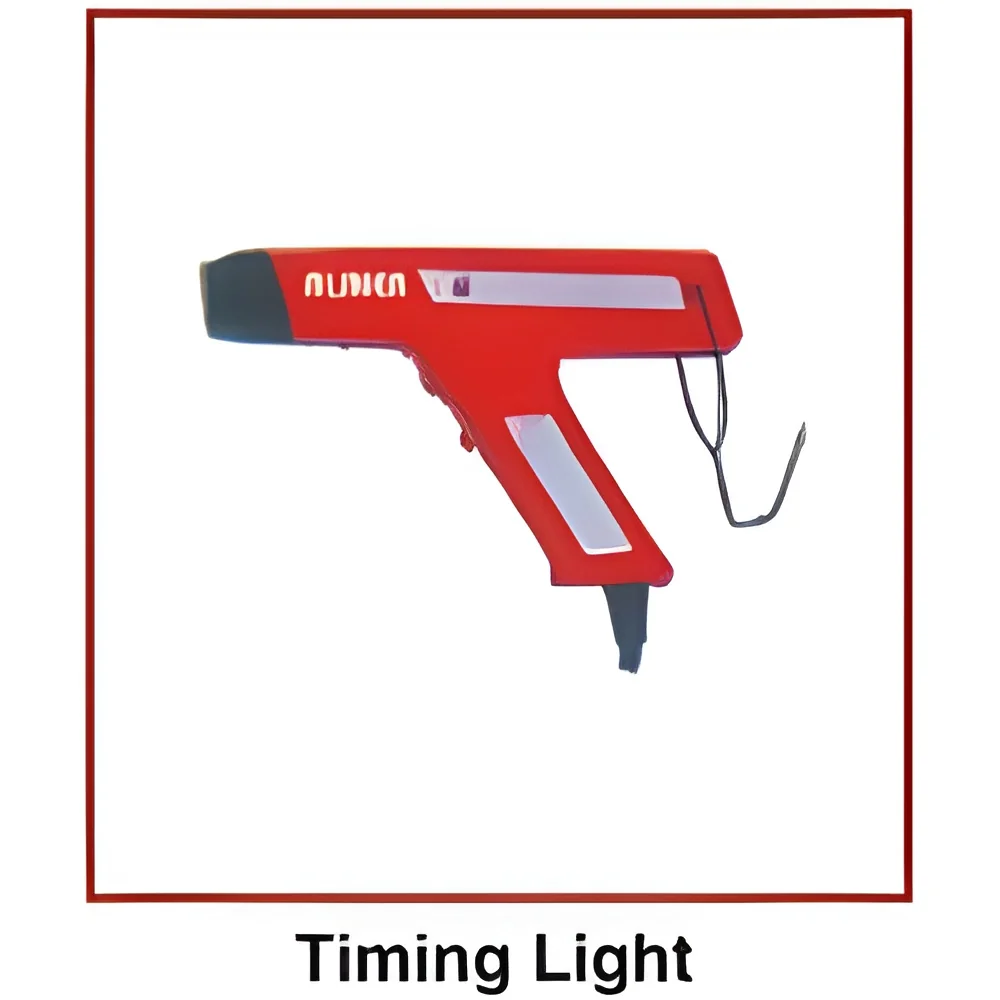
Timing lights are specialized tools used primarily in automotive and industrial applications to measure and display the timing of engine ignition. They work by providing a visual signal that indicates the precise moment when the spark plug fires in relation to the position of the engine's crankshaft. By connecting to the ignition system, timing lights enable technicians to assess and adjust the ignition timing for optimal engine performance.
The primary uses of timing lights extend beyond simple engine tuning; they are essential in diagnostics and performance enhancement across various sectors. Automotive repair shops utilize timing lights for routine maintenance and performance upgrades. Furthermore, industries that rely on combustion engines, such as transportation and construction, benefit from the accurate timing and efficiency that these tools provide. In a competitive market, the relevance of timing lights continues to grow as businesses seek to maximize engine efficiency and reduce operational costs.
Key Features and Specifications
Timing lights come equipped with a range of features designed to enhance usability and accuracy. Understanding these specifications is crucial for selecting the right product for specific applications.
Key specifications include:
1. Ignition Type Compatibility
- Compatible with various ignition systems including conventional, electronic, and distributor-less systems.
- Supports 2-stroke and 4-stroke engines.
2. Display Type
- LED or incandescent light sources for visibility.
- Some models offer an adjustable flash rate for different engine speeds.
3. Adjustable Timing Range
- Timing range typically adjustable to 0-60 degrees.
- Allows for precise adjustments based on specific engine requirements.
4. Triggering Mechanism
- Can be activated via clamp-on or inductive pickup methods.
- Ensures ease of setup and operation.
5. Power Source
- Operates on batteries or direct vehicle power.
- Battery-operated models offer portability.
6. Build Quality
- Durable materials to withstand shop environments.
- Shock-resistant designs for added longevity.
7. Safety Features
- Over-voltage protection to safeguard internal components.
- Insulated leads for user safety.
8. Calibration
- Factory calibrated for accuracy.
- Some models allow for user calibration based on specific needs.
In summary, these features ensure that timing lights provide accurate, reliable performance for various automotive and industrial applications.
Common Applications and Use Cases
Timing lights are utilized across multiple industries, providing critical support for engine diagnostics and performance tuning.
1. Automotive Repair: Timing lights are an essential tool in automotive repair shops for engine timing adjustments and diagnostics, allowing technicians to ensure optimal engine performance.
2. Racing: In motorsports, timing lights are used to maximize engine efficiency, helping teams achieve the best possible performance on the track.
3. Marine: Boat engines, which often rely on combustion, benefit from timing lights for maintenance and performance adjustments.
4. Construction: Equipment with combustion engines, such as generators and heavy machinery, utilize timing lights to ensure efficient operation.
5. Agriculture: Timing lights assist in tuning agricultural machinery, enhancing performance and fuel efficiency in farming equipment.
6. Aerospace: Timing lights may be employed in aircraft engine maintenance to ensure precise ignition timing for safety and performance.
7. Educational Institutions: Technical schools and training programs use timing lights as teaching tools to educate students on engine mechanics and tuning principles.
Product Variants and Subcategories
Timing lights come in various models, each tailored to meet specific needs and preferences.
Digital Timing Lights
These models feature advanced digital displays that provide precise readouts of ignition timing. They often include additional features like memory functions and advanced settings for enhanced diagnostics.
Analog Timing Lights
Analog models offer a traditional approach with a simple light display. They are typically more affordable and suitable for basic applications.
Portable Timing Lights
Designed for on-the-go use, portable timing lights are lightweight and battery-operated, making them ideal for fieldwork and remote locations.
Benefits and Advantages
Timing lights provide several benefits that enhance operational efficiency and engine performance.
1. Improved Engine Performance: Proper ignition timing directly influences engine performance, ensuring optimal power and efficiency.
2. Enhanced Diagnostic Capabilities: Timing lights enable technicians to quickly diagnose ignition-related issues, reducing downtime in repair processes.
3. Cost Efficiency: Regular maintenance with timing lights can lead to fuel savings and reduced wear on engine components, ultimately lowering operational costs.
4. Ease of Use: Most timing lights are designed for user-friendliness, allowing technicians to operate them with minimal training.
5. Versatility: Timing lights can be used on various engine types and applications, making them a valuable tool for diverse industries.
6. Reliable Results: The accuracy of timing lights ensures that engine adjustments are precise, leading to consistent performance improvements.
Buying Guide for B2B Buyers
When sourcing Timing Lights, there are several key factors to consider to ensure the right selection for your business needs.
1. Quality Assessment: Look for timing lights that meet industry standards and have a reputation for durability and reliability. Consider customer reviews and performance ratings.
2. Supplier Verification: Vet potential suppliers by checking their credentials, customer feedback, and product offerings. A trustworthy supplier should have a solid history in the industry.
3. Pricing and MOQ: Evaluate the cost of timing lights and any minimum order quantities (MOQ) that may apply. Compare prices across different suppliers to find the best value.
4. Delivery and Lead Times: Confirm the expected delivery times and shipping logistics to ensure timely receipt of products. This is critical for businesses that rely on quick turnaround.
5. Compliance Requirements: Ensure that the timing lights comply with necessary regulatory standards and certifications required in your region, such as CE certification.
Compliance and Certifications
Timing lights are subject to various quality standards and certifications that ensure safety and performance.
Many timing lights adhere to quality management standards such as ISO 9001, which ensures consistent quality in manufacturing processes. This certification is a hallmark of reliability in the industry.
The CE certification indicates that timing lights meet European safety and health requirements, ensuring they are safe for use in a variety of applications.
Safety and testing requirements may include rigorous assessments to ensure that products can withstand operational pressures without compromising user safety.
Regional compliance considerations may vary based on local regulations, so it is crucial to verify that timing lights meet all relevant laws in the markets where they will be used.
Why Source Timing Lights from Pepagora?
Pepagora stands out as a trusted platform for sourcing Timing Lights, offering several advantages that benefit B2B buyers.
Verified Supplier Network: Pepagora connects buyers with a network of verified suppliers, ensuring that the products sourced meet high-quality standards and reliability. This network has been vetted for credibility, giving buyers peace of mind.
Streamlined RFQ Process: The request for quotation (RFQ) process on Pepagora is designed to be straightforward, allowing buyers to receive competitive quotes from multiple suppliers efficiently. This streamlines the sourcing process and helps businesses make informed decisions.
Trade Assurance and Support: Buyers benefit from trade assurance and dedicated support throughout the purchasing process. This includes assistance with negotiations, order tracking, and post-purchase support.
Regional Coverage: Pepagora has a broad geographic reach, serving markets in India, the GCC, and Southeast Asia. This ensures that buyers can find local suppliers and receive timely deliveries, enhancing overall operational efficiency.

 India
Frequently Asked Questions
What are Timing Lights?
Timing lights are diagnostic tools used primarily in automotive applications to measure the ignition timing of an engine. They help mechanics and technicians determine when the spark plugs ignite the fuel-air mixture in the engine cylinders, which is crucial for optimal engine performance.
What are the different types of Timing Lights?
There are mainly two types of timing lights: inductive and digital. Inductive timing lights use a sensor that clamps around the ignition wire, while digital timing lights provide a digital readout of the timing and often include additional features like RPM measurement.
How do I choose the right Timing Lights?
Choosing the right timing light depends on your specific needs, such as the type of vehicle and the features you require. Consider factors like accuracy, durability, and whether you need additional features like an RPM display or the ability to work with different ignition systems.
What are the standard specifications for Timing Lights?
Standard specifications for timing lights typically include features like adjustable timing advance, a range of timing values (usually from 0 to 60 degrees), and a reliable power source. Additionally, some models may offer features like a built-in tachometer for RPM readings.
What is the price range for Timing Lights?
The price range for timing lights can vary significantly based on the brand and features. Generally, you can expect to pay anywhere from INR 1,500 to INR 10,000, with higher-end models featuring advanced functionalities costing more.
What quality standards apply to Timing Lights?
Timing lights should comply with international quality standards such as ISO 9001, which ensures consistent quality management. Additionally, they may also meet specific electrical safety standards to ensure user safety during operation.
Where can I find Timing Lights suppliers in India?
You can find timing lights suppliers in India by searching online B2B marketplaces like Pepagora.com. These platforms connect you with various manufacturers and suppliers, allowing you to compare products and prices easily.
Can Timing Lights be customized?
Yes, many manufacturers offer customization options for timing lights to meet specific user requirements. Custom features may include different color displays, added functionalities, or tailored packaging according to client specifications.
What is the typical minimum order quantity for Timing Lights?
The typical minimum order quantity (MOQ) for timing lights can vary by supplier, but it generally ranges from 10 to 50 units. It is advisable to check with specific manufacturers for their MOQ policies.
What is the typical lead time for Timing Lights?
The typical lead time for timing lights can range from 2 to 4 weeks, depending on the supplier and the availability of the product. Custom orders may take longer, so it's important to discuss lead times when placing an order.
Why Businesses Trust Pepagora
Thousands of companies trust Pepagora to source smarter and sell faster
Expand Your Sales Globally

Source Smarter,Grow Faster
