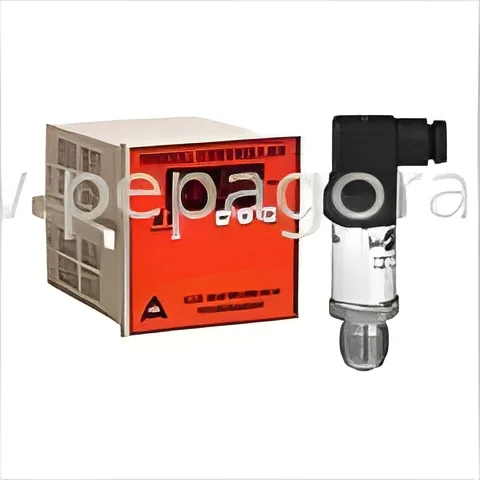
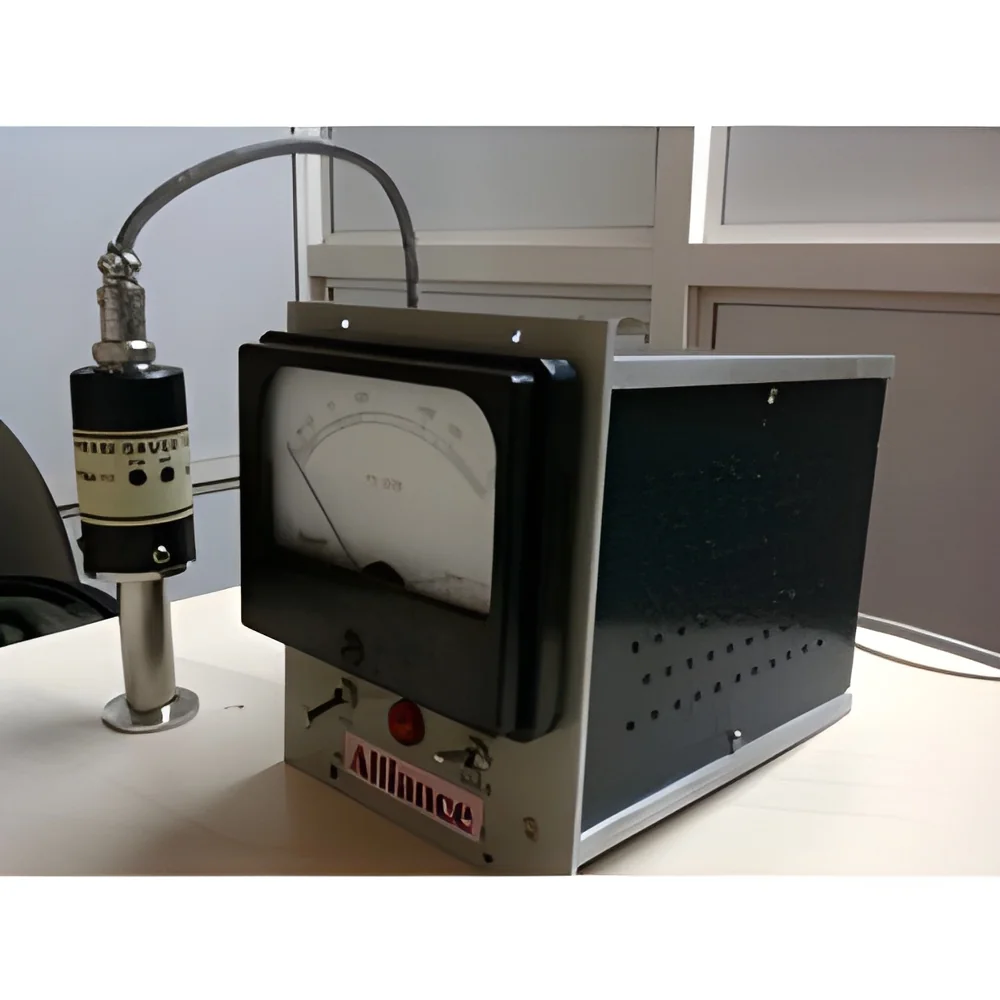
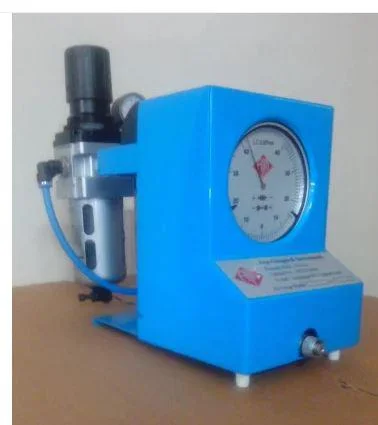
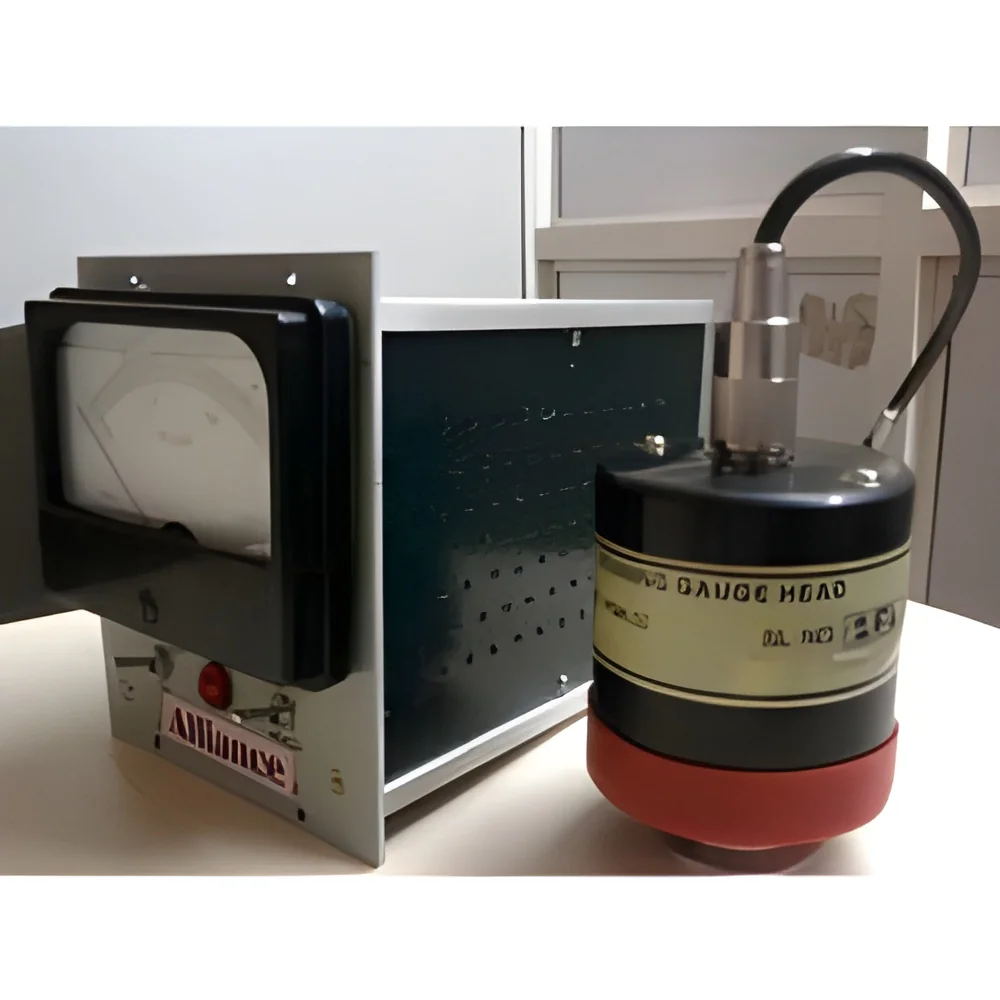
What are Vacuum Gauges?
Vacuum gauges are precision instruments used to measure the pressure within a vacuum system. They provide critical data as they indicate how much pressure is below atmospheric levels. This measurement is essential for various applications, ensuring that systems operate efficiently and safely. Vacuum gauges can vary in their measurement methods, including mechanical, electronic, and optical techniques, each serving specific needs based on the application.
These gauges are commonly used in industries such as semiconductor manufacturing, pharmaceuticals, food packaging, and research laboratories. In these contexts, vacuum gauges help monitor processes, ensuring that materials are handled correctly and that conditions remain optimal for production. Their role is significant in maintaining product quality and safety standards. The demand for vacuum gauges continues to grow as industrial processes become more complex and technology advances.
Key Features and Specifications
Vacuum gauges come equipped with a variety of features designed to enhance their functionality and accuracy. Understanding these specifications is crucial for selecting the right gauge for your industrial needs.
Key specifications include:
1. Measurement Range
- Indicates the pressure levels the gauge can measure.
- Common ranges include high vacuum, medium vacuum, and low vacuum levels.
2. Accuracy
- Refers to the precision of the gauge in measuring pressure.
- Typical accuracy levels are expressed as a percentage of full scale.
3. Response Time
- The time taken for the gauge to respond to pressure changes.
- Quick response times are vital in dynamic processes.
4. Operating Temperature
- The temperature range within which the gauge can function effectively.
- Ensures reliability in various environmental conditions.
5. Connection Types
- Various fittings available for mounting on systems.
- Options include threaded, flanged, or quick-connect fittings.
6. Display Type
- Can be analog or digital.
- Digital displays often provide more precise readings and additional features.
7. Power Requirements
- Information on whether the gauge is battery-operated or requires electrical power.
- Energy-efficient models may reduce operational costs.
8. Calibration
- Details about how and when the gauge should be calibrated.
- Regular calibration ensures sustained accuracy over time.
In summary, understanding these specifications helps businesses choose the right vacuum gauge for their unique applications, ensuring optimal performance and reliability.
Common Applications and Use Cases
Vacuum gauges serve a wide range of industries, making them versatile tools in many applications.
1. Semiconductor Manufacturing: Vacuum gauges are critical in processes such as chemical vapor deposition and etching, where precise vacuum conditions are essential for producing high-quality semiconductors.
2. Pharmaceutical Industry: In this sector, vacuum gauges help maintain sterile environments during manufacturing and packaging processes, ensuring the safety and efficacy of drugs.
3. Food Packaging: These gauges are used to monitor vacuum levels in packaging machines to extend shelf life and maintain product quality.
4. Research Laboratories: Vacuum gauges are utilized in various experiments and processes that require controlled environments, such as material testing and chemical reactions.
5. HVAC Systems: In heating, ventilation, and air conditioning systems, vacuum gauges help ensure that the systems are properly evacuated before refrigerant charging.
6. Pulp and Paper Industry: They monitor vacuum levels during the drying process, ensuring optimal moisture removal from paper products.
7. Coating and Plating: In the coatings industry, vacuum gauges are essential for processes like vacuum coating and electroplating, where uniform application is critical.
Product Variants and Subcategories
Vacuum gauges come in different variants tailored to specific needs.
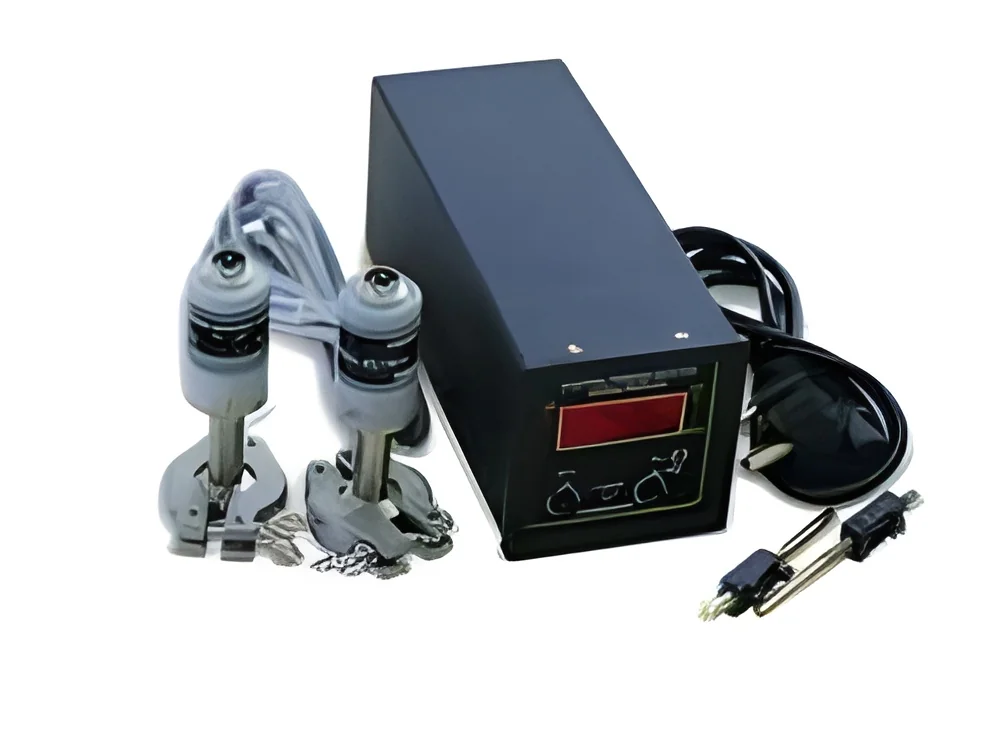
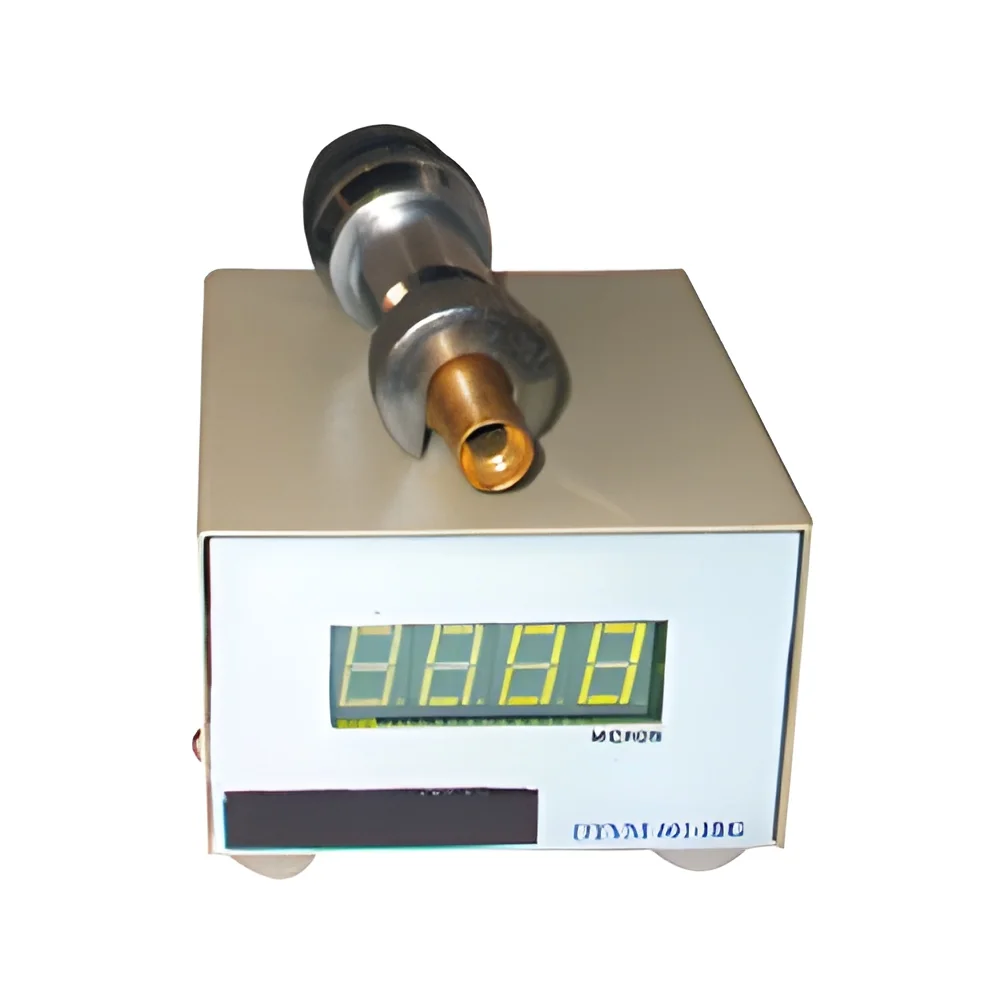
Digital Vacuum Gauges: These gauges provide precise readings and often feature advanced functions such as data logging and remote monitoring capabilities. They are ideal for applications requiring high accuracy and ease of use.
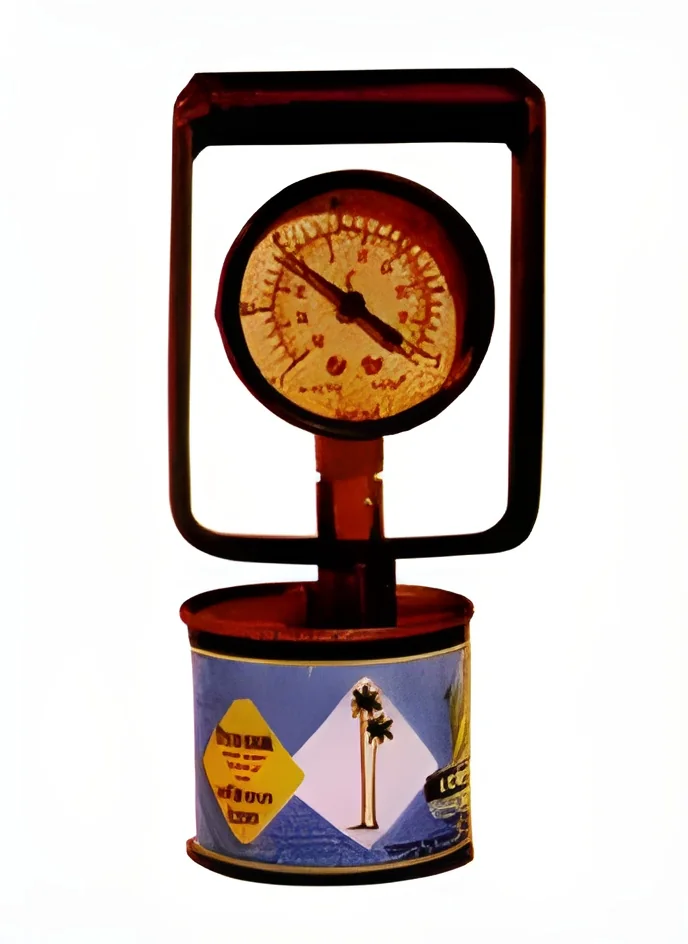
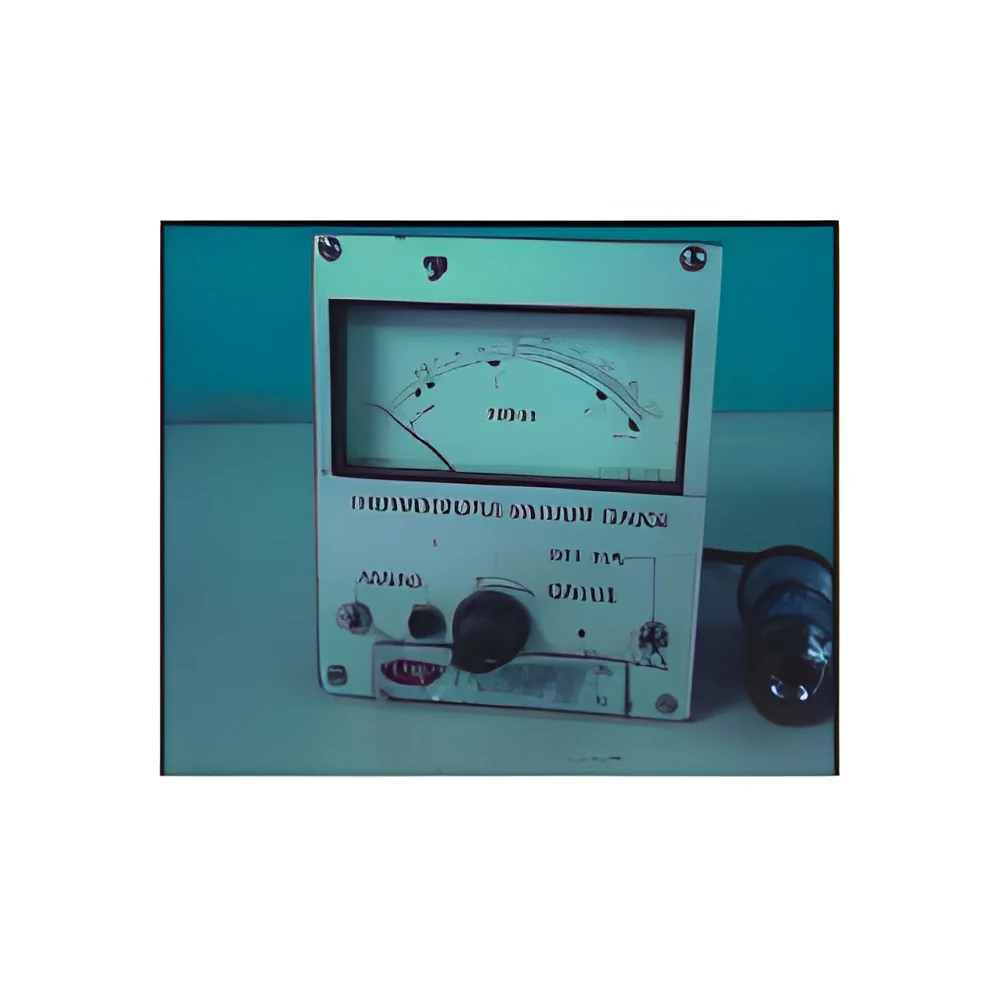
Analog Vacuum Gauges: These gauges use mechanical methods to display pressure levels. They are often more durable and easier to read in certain conditions, making them suitable for rough environments.
Pirani Gauges: This variant measures vacuum levels using a heated wire and is often used in research and industrial applications, offering good accuracy in the low vacuum range.
Capacitance Manometers: Known for their high accuracy, these gauges measure pressure changes based on capacitance variations, making them suitable for high-precision applications.
Benefits and Advantages
Vacuum gauges offer several key benefits that enhance productivity and safety in industrial applications.
1. Improved Accuracy: High-quality vacuum gauges provide precise measurements, reducing the risk of errors in processes that depend on exact pressure readings.
2. Enhanced Process Control: By monitoring vacuum levels, businesses can optimize their processes, leading to improved quality and efficiency.
3. Increased Safety: Accurate vacuum measurements help prevent dangerous conditions that could lead to system failures or accidents.
4. Cost-Effective Operations: Reliable gauges reduce downtime and maintenance costs by ensuring systems operate within safe parameters.
5. Versatility: Vacuum gauges can be used across various industries, making them a valuable tool for diverse applications.
6. Easy Integration: Many models are designed for straightforward installation and compatibility with existing systems, minimizing disruptions during setup.
Buying Guide for B2B Buyers
When sourcing vacuum gauges, there are several important factors to consider.
1. Quality Assessment: Evaluate the gauge's construction and materials to ensure durability and reliability. Look for gauges that meet industry standards for accuracy and performance.
2. Supplier Verification: Research potential suppliers to confirm their reputation and reliability. Check for customer reviews and industry certifications to ensure you are working with a trustworthy partner.
3. Pricing and MOQ: Understand the market price range for vacuum gauges and inquire about minimum order quantities (MOQ). This helps in budgeting and ensures you can meet your project needs.
4. Delivery and Lead Times: Discuss logistics with suppliers to understand their delivery capabilities and lead times. Timely delivery is critical to keeping projects on schedule.
5. Compliance Requirements: Ensure that the chosen vacuum gauges meet relevant regulatory standards and certifications. This is especially important in industries like pharmaceuticals and food processing.
Compliance and Certifications
Vacuum gauges must adhere to various compliance and certification standards to ensure quality and safety.
ISO 9001 is a widely recognized standard that outlines quality management systems. Compliance with this standard indicates that a manufacturer consistently provides products that meet customer and regulatory requirements.
CE certification is essential for vacuum gauges sold in European markets, confirming that they meet safety, health, and environmental protection standards.
Safety and testing requirements vary by application. For example, gauges used in explosive environments may need additional certifications.
Regional compliance considerations are also important, as different regions may have specific regulations governing the use of vacuum equipment. It is crucial for businesses to familiarize themselves with these requirements to ensure compliance.
Why Source Vacuum Gauges from Pepagora?
Pepagora provides a trusted platform for sourcing vacuum gauges with several key advantages.
Verified Supplier Network: Pepagora connects buyers with a network of verified suppliers. Each supplier undergoes a thorough vetting process to ensure they meet industry standards, providing peace of mind for buyers.
Streamlined RFQ Process: The platform offers an efficient Request for Quotation (RFQ) process, allowing buyers to easily compare options and make informed decisions. This simplifies the procurement process and saves time.
Trade Assurance and Support: Pepagora offers trade assurance features that protect buyers throughout the purchasing process. This includes support for resolving disputes and ensuring timely delivery.
Regional Coverage: With a focus on India, the GCC, and Southeast Asia, Pepagora extends its reach to a broad geographic area, making it easier for businesses to source vacuum gauges that meet their specific needs.

 IN
IN