What are Shop Presses?
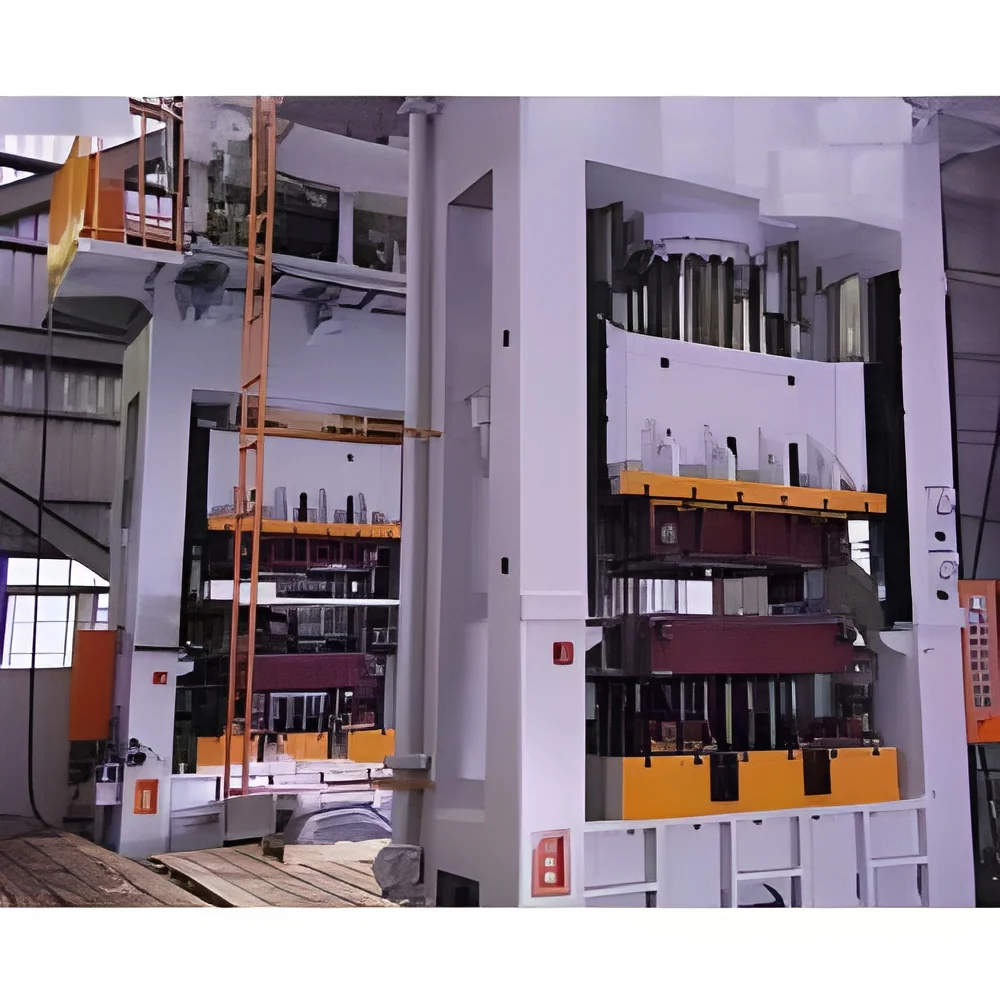
Shop presses are powerful machines designed to apply force for various industrial applications. They operate by using a hydraulic or mechanical mechanism to exert pressure, making them invaluable for tasks such as bending, straightening, and shaping materials. Typically found in workshops and manufacturing facilities, shop presses are essential for metalworking, automotive repair, and various other fabrication processes.
These machines are widely used in industries for tasks like assembling components, forming and shaping materials, and even crushing waste. Businesses rely on shop presses to enhance productivity and ensure precision in their operations. Their capacity to handle different materials and perform various functions makes them versatile tools in the manufacturing sector. In today's competitive market, the relevance of shop presses continues to grow as industries seek efficient and effective solutions for material manipulation.
Key Features and Specifications
Shop presses come with several features and specifications that enhance their functionality and performance. Understanding these details is crucial for businesses looking to invest in such machinery.
Key specifications include:
1. Force Capacity
- The maximum pressure the press can exert, typically measured in tons.
- Ranges from 5 tons for small models to over 50 tons for industrial variants.
2. Construction Material
- Commonly made from heavy-duty steel to ensure durability.
- Designed to withstand significant pressure and heavy workloads.
3. Operating Mechanism
- Hydraulic or mechanical systems are used for power application.
- Hydraulic presses provide smooth operation and greater force.
4. Table Size
- The dimensions of the pressing table, which affect material handling.
- Available in various sizes to accommodate different workpieces.
5. Stroke Length
- The distance the ram travels during operation.
- Typically adjustable to suit various applications.
6. Weight
- The overall weight of the machine, influencing portability and stability.
- Ranges from lightweight models suitable for small shops to heavier versions for industrial use.
7. Safety Features
- Includes features such as emergency stop buttons and protective shields.
- Designed to minimize the risk of accidents during operation.
8. Certification
- Many models adhere to industry certifications like CE for safety compliance.
- Ensures that the machine meets specific quality standards.
In summary, understanding the key features and specifications of shop presses is essential for selecting the right model for specific industrial needs.
Common Applications and Use Cases
Shop presses serve a variety of industries with specific applications tailored to their needs.
1. Automotive Industry: Shop presses are used for bending and straightening metal parts, assembling components, and repairing vehicles. Their precision is crucial for maintaining high-quality standards in automotive manufacturing.
2. Manufacturing: In manufacturing environments, shop presses are employed for stamping, forming, and shaping metal materials. They enhance production efficiency and ensure product consistency.
3. Metalworking: Metalworkers utilize shop presses for tasks like punching holes, creating intricate shapes, and flattening metal sheets. Their versatility makes them essential tools in this field.
4. Aerospace: The aerospace industry relies on shop presses for creating parts that require high precision and strength. They are critical in the assembly and maintenance of aircraft components.
5. Construction: Shop presses are used to shape and assemble materials for construction projects, ensuring structural integrity and longevity.
6. Recycling: In recycling operations, shop presses aid in compacting materials for easier transport and processing. They play a vital role in reducing waste and promoting sustainability.
7. Arts and Crafts: Beyond industrial applications, shop presses are also used in artistic endeavors, such as metal sculpting and fabrication of custom pieces.
Product Variants and Subcategories
Shop presses come in diverse variants that cater to the specific needs of different industries. Each variant offers unique features and functionalities.
Manual Shop Press: This variant relies on manual operation, providing a cost-effective solution for smaller workshops. It allows for precise control and is ideal for light-duty tasks.
Hydraulic Shop Press: Hydraulic presses utilize fluid power to operate, offering higher force capacities and smoother operation. They are well-suited for heavy-duty applications in industrial settings.
Pneumatic Shop Press: These presses use compressed air to create force, making them suitable for rapid operations. They are often favored in environments where speed is crucial.
Electric Shop Press: Electric models provide a user-friendly experience with automated controls. They are ideal for businesses looking to streamline operations with minimal manual intervention.
Benefits and Advantages
Investing in shop presses offers numerous benefits for businesses looking to enhance their operational efficiency.
1. Increased Productivity: Shop presses enable faster and more efficient processing of materials, leading to higher output levels.
2. Precision and Consistency: With their ability to apply controlled force, shop presses ensure that products are manufactured to exact specifications, reducing waste and errors.
3. Versatility: These machines can handle a variety of tasks, making them adaptable for different applications across various industries.
4. Cost-effectiveness: By minimizing manual labor and speeding up processes, shop presses can lead to significant cost savings in production.
5. Safety: Modern shop presses come equipped with safety features that protect operators and reduce the risk of accidents.
6. Durability: Built with robust materials, shop presses are designed to withstand heavy use, ensuring long-term performance and reliability.
Buying Guide for B2B Buyers
When sourcing shop presses, several factors should be considered to ensure a successful purchase.
1. Quality Assessment: Evaluate the build quality and materials used in the construction of the press. Look for established brands with a reputation for reliability and performance.
2. Supplier Verification: Conduct thorough research on potential suppliers. Check for certifications, customer reviews, and their track record in the industry.
3. Pricing and MOQ: Understand the price range for different models and inquire about minimum order quantities. This will help you plan your budget effectively.
4. Delivery and Lead Times: Consider the logistics involved in transportation. Ensure that the supplier can meet your delivery timelines to avoid production delays.
5. Compliance Requirements: Be aware of any regulatory standards that the shop press must meet, such as safety certifications. This is crucial for ensuring that the equipment is suitable for your operational needs.
Compliance and Certifications
Compliance with relevant quality and safety standards is critical for the manufacturing and use of shop presses. Many manufacturers adhere to ISO 9001, which ensures a consistent quality management system. This certification reflects the company's commitment to quality and customer satisfaction.
Additionally, shop presses often carry the CE certification, signifying compliance with European health, safety, and environmental requirements. This certification assures buyers that the equipment meets stringent safety standards.
Safety and testing requirements for shop presses are essential to minimize risks during operation. Manufacturers usually conduct rigorous testing to ensure that their products can withstand the pressures they are designed to handle.
Lastly, regional compliance considerations may vary, and it is important to be aware of local regulations that may affect the use and operation of shop presses in different markets.
Why Source Shop Presses from Pepagora?
Pepagora offers a reliable platform for sourcing shop presses, providing several key advantages for B2B buyers.
Verified Supplier Network: Pepagora connects buyers with verified suppliers, ensuring that they engage with reputable manufacturers. This reduces the risks associated with sourcing equipment from unknown vendors.
Streamlined RFQ Process: The platform simplifies the request for quotation process, allowing buyers to receive competitive quotes from multiple suppliers quickly. This efficiency helps businesses make informed purchasing decisions.
Trade Assurance and Support: Pepagora provides trade assurance to protect buyers from potential disputes and ensures a smooth transaction process. Their support team is available to assist with any inquiries or issues that may arise.
Regional Coverage: With a strong presence in India, the GCC, and Southeast Asia, Pepagora offers extensive regional coverage. This enables businesses to tap into a broader market and find the right suppliers for their specific needs.

 IN
IN