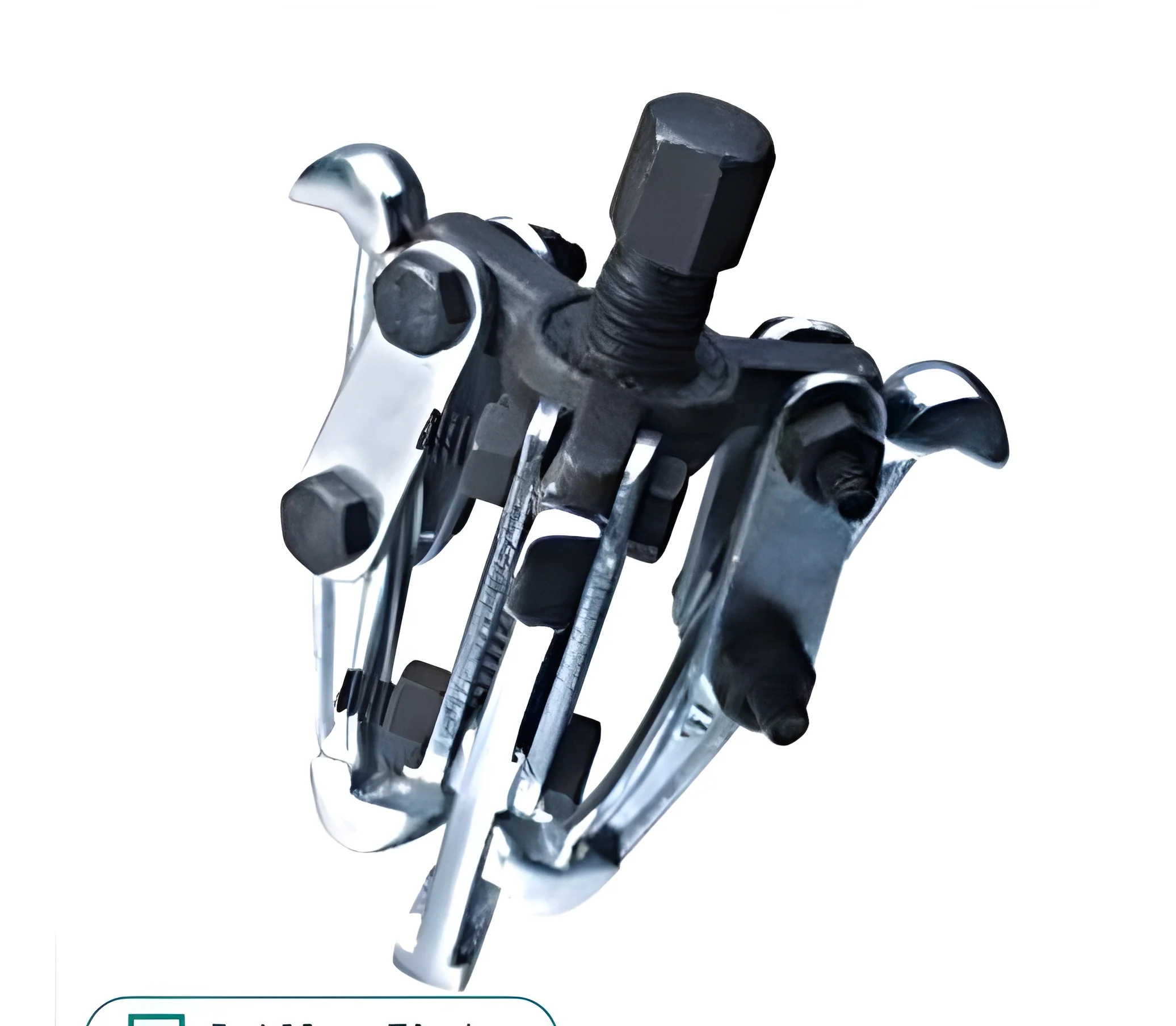
What are Bearing Pullers?
Bearing pullers are specialized tools designed to remove bearings from shafts or housings. They utilize mechanical leverage to grip and extract the bearings without causing damage to the surrounding components. These tools are essential for maintenance and repair tasks in various industrial applications, ensuring that bearings can be replaced or serviced efficiently.
Bearing pullers are widely used in industries such as automotive, manufacturing, and machinery maintenance. They are crucial for tasks that involve disassembling equipment where bearings are located. Their ability to facilitate quick and safe removal of bearings enhances productivity and reduces downtime during maintenance operations.
In the current market, the demand for bearing pullers is driven by the need for efficient maintenance practices across industries. With the growing emphasis on minimizing equipment downtime, the importance of high-quality bearing pullers has become increasingly relevant. Their versatility and effectiveness make them indispensable tools in various industrial sectors.
Key Features and Specifications
Bearing pullers come with a range of features and specifications that enhance their functionality and usability. Understanding these specifications is crucial for selecting the right tool for specific applications.
Key specifications include:
1. Pulling Capacity
- Indicates the maximum load the puller can handle.
- Typically ranges from 1 ton to 10 tons, depending on the model.
2. Jaw Design
- Determines the type of grip and application versatility.
- Common designs include two-jaw and three-jaw configurations.
3. Material Construction
- Affects durability and strength.
- Often made of high-carbon steel or alloy steel for enhanced resistance to wear.
4. Reach Length
- Refers to the distance from the center of the puller to the tip of the jaws.
- Can vary from 4 inches to over 12 inches.
5. Size Options
- Available in various sizes to accommodate different bearing types.
- Sizes typically range from small (for compact bearings) to large (for industrial applications).
6. Adjustable Mechanism
- Allows for easy customization of the puller's reach and grip.
- Ensures compatibility with various bearing sizes and configurations.
7. Safety Features
- Include mechanisms that prevent slippage during operation.
- May feature locking systems to secure the puller in place.
In summary, the key features and specifications of bearing pullers are vital for ensuring that they meet the specific needs of various applications. Selecting the right specifications can significantly enhance the efficiency and effectiveness of maintenance tasks.
Common Applications and Use Cases
Bearing pullers are utilized across multiple industries, emphasizing their versatility and essential role in maintenance.
1. Automotive Industry: Bearing pullers are crucial for removing wheel bearings, crankshaft bearings, and transmission bearings during vehicle repairs and maintenance.
2. Manufacturing Industry: In this sector, bearing pullers are used to disassemble machinery, allowing for the replacement of worn bearings in equipment like conveyors and motors.
3. Aerospace Industry: These tools facilitate the maintenance of aircraft components by enabling the safe removal of bearings from engines and landing gear assemblies.
4. Construction Equipment: Bearing pullers assist in the repair of heavy machinery, ensuring that equipment remains operational by allowing for quick bearing replacements.
5. Marine Applications: In marine settings, bearing pullers are used for servicing boat engines and propeller shafts, ensuring efficient operation and safety.
6. Rail Transport: Maintenance of locomotives and railcars often involves the use of bearing pullers to replace bearings in wheel assemblies.
7. Electrical Equipment: These tools are also employed in the repair of electric motors and generators, where bearings need to be replaced regularly.
Product Variants and Subcategories
Bearing pullers are available in a variety of designs to suit different applications and user preferences. Each variant offers unique features that cater to specific needs.
Two-Jaw Bearing Puller
This variant is ideal for pulling bearings in tighter spaces. Its compact design allows for easy maneuverability and is perfect for smaller applications where space is limited.
Three-Jaw Bearing Puller
The three-jaw design provides a more stable grip on the bearing, making it suitable for larger or heavier bearings. It offers improved balance and is versatile for use across various industrial applications.
Gear Puller
Specifically designed for removing gears and pulleys, this tool provides a robust grip and is essential in automotive and machinery maintenance.
Hydraulic Bearing Puller
This variant utilizes hydraulic power for easier removal of bearings with minimal effort. It is particularly beneficial for larger bearings that require significant force to extract.
Benefits and Advantages
Bearing pullers offer numerous benefits that enhance operational efficiency and safety in maintenance tasks.
1. Efficiency: These tools allow for quick bearing removal, leading to reduced downtime during repairs.
2. Damage Prevention: Bearing pullers are designed to extract bearings without damaging surrounding components, which helps maintain equipment integrity.
3. Versatility: With various designs available, bearing pullers can be used across multiple industries and applications, making them a valuable tool for any maintenance team.
4. Ease of Use: Most bearing pullers are straightforward to operate, requiring minimal training for personnel.
5. Cost-Effectiveness: Investing in quality bearing pullers can reduce long-term maintenance costs by minimizing the risk of damage and ensuring quicker repairs.
6. Increased Safety: A well-designed bearing puller reduces the risk of accidents during maintenance, contributing to a safer work environment.
Buying Guide for B2B Buyers
When sourcing bearing pullers, it is essential for B2B buyers to consider several key factors to ensure they make informed decisions.
1. Quality Assessment: Ensure the pullers meet industry standards and are made from durable materials. Look for reviews or certifications that indicate reliability.
2. Supplier Verification: Vet suppliers by checking their reputation, customer feedback, and history in the industry. Reliable suppliers should have a proven track record.
3. Pricing and MOQ: Compare prices among different suppliers while considering the minimum order quantity. Ensure that the pricing aligns with budget constraints while ensuring quality.
4. Delivery and Lead Times: Discuss delivery schedules and lead times with suppliers to ensure that the tools arrive when needed to avoid delays in maintenance operations.
5. Compliance Requirements: Verify that the bearing pullers meet any relevant regulatory or safety standards applicable in your industry or region.
Compliance and Certifications
Bearing pullers must adhere to various compliance and certification standards to ensure safety and reliability in their applications. Relevant quality standards include ISO 9001, which assures a consistent quality management system, and certifications like CE and UL that signify compliance with safety and performance benchmarks.
Additionally, safety testing requirements are crucial in ensuring that the pullers perform reliably under operational conditions. Manufacturers should provide proof of compliance with these testing standards to assure buyers of the product's quality.
Regional compliance considerations may also apply based on local regulations. It is essential for buyers to be aware of these standards to ensure that their sourced products are compliant and safe for use.
Why Source Bearing Pullers from Pepagora?
Pepagora provides a trusted platform for sourcing bearing pullers, offering several key advantages to B2B buyers.
Verified Supplier Network: Pepagora ensures that all listed suppliers undergo a verification process, providing confidence in the quality of the products offered. This reduces the risk associated with sourcing from unknown suppliers.
Streamlined RFQ Process: The platform simplifies the request for quotation process, allowing buyers to easily compare multiple suppliers and make informed decisions based on pricing and specifications.
Trade Assurance and Support: Pepagora offers trade assurance, giving buyers protection throughout the purchasing process. This support enhances trust and reliability in transactions.
Regional Coverage: With a strong presence in India, the GCC, and Southeast Asia, Pepagora connects buyers with suppliers across these regions, ensuring accessibility to quality bearing pullers tailored to local market needs.

 IN
IN