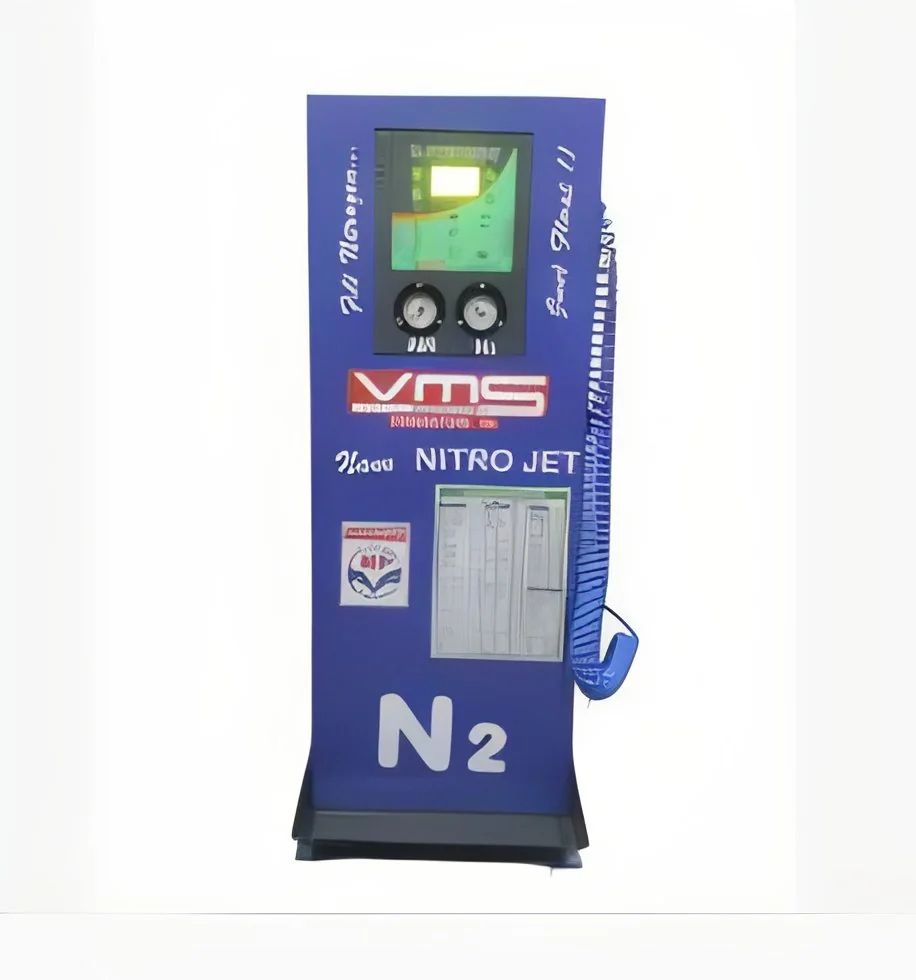
What are Tire Inflators & Air Compressors?
Tire inflators and air compressors are essential tools used for inflating tires and powering various pneumatic tools. A tire inflator is typically a portable device designed specifically to inflate vehicle tires, while an air compressor is a more versatile machine that compresses air for various applications. Both devices can be powered by electricity or gasoline, depending on their design and intended use.
These tools are primarily used in automotive, industrial, and commercial settings. In the automotive field, tire inflators ensure that vehicles maintain optimal tire pressure for safety and fuel efficiency. Air compressors are used in industrial applications to power pneumatic tools, operate machinery, and provide air for cleaning and drying processes. Their relevance continues to grow as industries seek efficiency and productivity in their operations.
The market for tire inflators and air compressors is robust, driven by the increasing demand for vehicle maintenance and the expansion of manufacturing sectors. As businesses focus on reducing operational downtime and improving safety, the adoption of reliable inflators and compressors is becoming more critical.
Key Features and Specifications
Tire inflators and air compressors come with a variety of features that enhance their functionality and ease of use. Understanding these specifications can help businesses select the right equipment for their needs.
Key specifications include:
1. Power Source
- Can be electric or gasoline-powered.
- Electric models are suitable for indoor use, while gasoline models provide portability.
2. Pressure Rating
- Measured in PSI (pounds per square inch).
- Typical ranges are from 30 PSI to over 150 PSI depending on the model.
3. Air Delivery Rate
- Measured in CFM (cubic feet per minute).
- This indicates how much air the compressor can deliver and is critical for powering pneumatic tools.
4. Tank Size
- Measured in gallons.
- Larger tanks store more compressed air, suitable for continuous use.
5. Portability
- Varies from compact, lightweight designs to larger stationary units.
- Portable models often include wheels and handles for easy transport.
6. Noise Level
- Measured in decibels (dB).
- Important for workplace environments where noise levels are a concern.
7. Safety Features
- Includes pressure relief valves and thermal overload protection.
- These features prevent overheating and over-pressurization.
8. Additional Features
- Digital gauges, auto shut-off, and built-in work lights enhance user convenience.
These specifications help businesses choose the right tire inflators and air compressors based on their specific applications and requirements.
Common Applications and Use Cases
Tire inflators and air compressors are used across various industries, each benefiting from their unique capabilities.
1. Automotive Industry: Tire inflators are essential for maintenance, ensuring tires are properly inflated for safety and performance. Air compressors power tools for tire changes and repairs.
2. Manufacturing: In manufacturing settings, air compressors are used to operate machinery, supply air for pneumatic tools, and assist in assembly lines.
3. Construction: Both inflators and compressors are utilized on construction sites for powering tools, inflating equipment, and maintaining vehicle tire pressure.
4. Agriculture: Air compressors support various agricultural equipment by supplying air for tools and tire maintenance on farm vehicles.
5. Home and DIY: Tire inflators are popular among homeowners for personal vehicle maintenance, while air compressors are used for DIY projects involving pneumatic tools.
6. Emergency Services: Portable tire inflators are vital for roadside assistance, enabling quick tire inflation for stranded motorists.
7. HVAC Services: Air compressors are essential in HVAC systems for servicing and maintenance tasks.
Product Variants and Subcategories
Tire inflators and air compressors come in various models to meet diverse needs.
Portable Tire Inflators
These inflators are compact and designed for easy transport. They are ideal for individual vehicle use and can quickly inflate tires in emergencies.
Stationary Air Compressors
These larger units are designed for industrial applications. They provide a continuous air supply for pneumatic tools and require a dedicated space for installation.
Electric Air Compressors
Electric models are designed for indoor use, offering quiet operation and efficiency. They are suitable for light to moderate industrial applications.
Gas-Powered Air Compressors
These compressors are ideal for outdoor use where electricity is unavailable. They are robust and can power heavy-duty equipment.
Benefits and Advantages
Tire inflators and air compressors offer numerous advantages to businesses and individuals alike.
Key benefits include:
1. Efficiency: These tools save time by quickly inflating tires and providing air for tools, reducing downtime in operations.
2. Safety: Maintaining proper tire pressure enhances vehicle safety and performance, minimizing the risk of accidents.
3. Versatility: Air compressors can power a wide range of pneumatic tools, making them useful in various applications, from automotive to construction.
4. Cost-Effectiveness: Investing in these tools can reduce reliance on external services, leading to cost savings over time.
5. Portability: Many models are designed for easy transport, enabling use in various locations, which is particularly beneficial for roadside assistance.
6. User-Friendly Features: Many inflators and compressors come with digital displays and automatic shut-off features, making them easy to operate.
Buying Guide for B2B Buyers
When sourcing tire inflators and air compressors, businesses should consider several important factors.
1. Quality Assessment: Look for durable materials and reliable performance. Read reviews and seek recommendations to ensure that the product meets industry standards.
2. Supplier Verification: Vet suppliers by checking their certifications, customer feedback, and industry reputation. This ensures a trustworthy partnership.
3. Pricing and MOQ: Consider the cost of the equipment and the minimum order quantity. Compare prices across suppliers to find the best deal without compromising quality.
4. Delivery and Lead Times: Understand the supplier's logistics capabilities and expected delivery times. Timely delivery is crucial for maintaining operational efficiency.
5. Compliance Requirements: Ensure that the products meet industry regulations and safety standards. Compliance with certifications such as CE can prevent legal issues.
Compliance and Certifications
Tire inflators and air compressors must adhere to various industry standards and certifications to ensure safety and performance.
Relevant quality standards include ISO 9001, which focuses on quality management systems. Compliance with this standard indicates that the manufacturer follows best practices in production and quality assurance.
Industry certifications such as CE signify that the products meet European safety requirements. This certification is essential for products sold in European markets and ensures that they comply with health, safety, and environmental protection standards.
Safety and testing requirements are crucial for air compressors, as they must be designed to handle high pressure safely. Regular testing ensures that the equipment remains reliable and safe for use.
Regional compliance considerations can vary, so businesses should be aware of local regulations that may apply to tire inflators and air compressors, particularly when sourcing from international suppliers.
Why Source Tire Inflators & Air Compressors from Pepagora?
Pepagora provides a trusted platform for sourcing tire inflators and air compressors, offering several key advantages to B2B buyers.
Verified Supplier Network: Pepagora connects buyers with a network of verified suppliers, ensuring that businesses can source high-quality products with confidence. This verification process mitigates risks associated with untrustworthy suppliers.
Streamlined RFQ Process: The request for quotation (RFQ) system on Pepagora is designed for efficiency. Buyers can easily submit their requirements and receive competitive quotes from multiple suppliers, simplifying the procurement process.
Trade Assurance and Support: Pepagora offers buyer protection through trade assurance policies. This support ensures that transactions are secure and that buyers receive what they expect.
Regional Coverage: With a strong presence in India, the GCC, and Southeast Asia, Pepagora caters to a wide geographic area. This regional coverage enables businesses to source products tailored to their specific market needs.

 IN
IN