
 IN
Ratchets & Extensions
2 products available
What are Ratchets & Extensions?
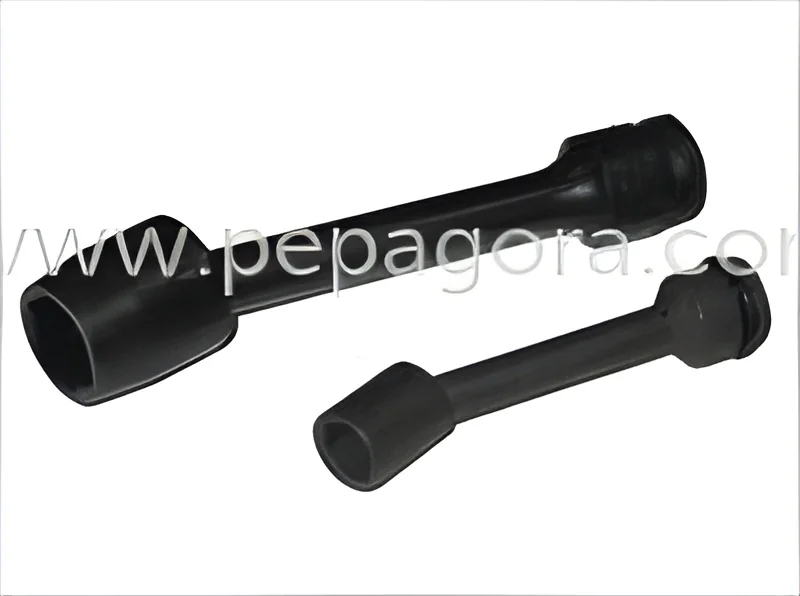
Ratchets and extensions are essential tools in various industries, primarily used for fastening and loosening nuts and bolts. A ratchet is a mechanical device that allows for continuous rotation in one direction while preventing motion in the opposite direction. Extensions are tools that connect to ratchets, allowing users to reach fasteners in tight or awkward spaces. Together, they enhance efficiency and accessibility in mechanical tasks.
These tools are commonly employed in automotive repair, construction, and assembly lines, where quick and reliable fastening is crucial. Ratchets and extensions facilitate the tightening and loosening of fasteners, enabling workers to perform tasks swiftly and effectively. Their versatility makes them indispensable in both professional and DIY applications.
In a competitive market, the demand for high-quality ratchets and extensions continues to grow. Businesses seek reliable tools that can withstand rigorous use and provide long-lasting performance. With advancements in materials and designs, manufacturers are now offering a range of products tailored to meet specific industry needs, further solidifying the relevance of ratchets and extensions in various sectors.
Key Features and Specifications
Ratchets and extensions come with a variety of features that enhance their functionality and usability. Understanding these specifications is vital for selecting the right tools for specific applications.
Key specifications include:
1. Drive Size
- Commonly available in 1/4-inch, 3/8-inch, and 1/2-inch sizes.
- Determines the compatibility with various sockets and extensions.
2. Material Composition
- Typically made from chrome vanadium or chrome molybdenum steel.
- Provides strength, durability, and resistance to corrosion.
3. Ratchet Mechanism
- Features a 72-tooth or 90-tooth design for improved precision.
- Allows for minimal movement to engage fasteners in tight spots.
4. Length of Extensions
- Available in various lengths, typically from 3 inches to 12 inches.
- Provides flexibility in accessing hard-to-reach areas.
5. Finish
- Chrome-plated or polished finishes for enhanced protection.
- Reduces wear and tear and improves grip.
6. Weight
- Lightweight designs for ease of handling.
- Ensures reduced fatigue during extended use.
7. Socket Compatibility
- Designed to fit a range of socket sizes and types.
- Ensures versatility in different applications.
In summary, selecting ratchets and extensions with the right specifications is crucial for maximizing efficiency and performance in various tasks.
Common Applications and Use Cases
Ratchets and extensions are utilized across numerous industries, each benefiting from their unique capabilities.
1. Automotive Industry: These tools are commonly used in vehicle maintenance and repair for tasks such as tightening or loosening bolts on engines and suspensions.
2. Construction: Ratchets and extensions are essential for assembling structures, securing metal components, and installing equipment, allowing workers to operate in confined spaces.
3. Manufacturing: In assembly lines, these tools help in the rapid fastening of components, enhancing productivity and efficiency in mass production settings.
4. Aerospace: Used in aircraft maintenance, ratchets and extensions facilitate precision work on critical components, ensuring safety and reliability.
5. Home Improvement: DIY enthusiasts and contractors use these tools for various home repair tasks, from furniture assembly to appliance installation.
6. Electrical: Electricians utilize ratchets and extensions to secure electrical connections and fixtures in hard-to-reach locations.
7. Plumbing: These tools assist plumbers in fastening pipes and fittings securely, especially in cramped spaces.
Product Variants and Subcategories
Ratchets and extensions come in various forms, each tailored for specific tasks and preferences.
Standard Ratchets
These are the most common type, featuring a simple ratchet mechanism that allows users to apply force in one direction while maintaining control in the other. They are ideal for general use in a variety of applications.
Flex Head Ratchets
Flex head ratchets have a movable head that allows for angled access to fasteners. This feature is particularly useful for working in tight spaces where a standard ratchet may not fit.
Long Handle Ratchets
Designed for added leverage, long handle ratchets are suitable for tasks requiring more torque. They provide greater reach and power, making them ideal for heavy-duty applications.
Impact Ratchets
These ratchets are designed to withstand high torque applications and are compatible with impact sockets. They are commonly used in automotive repair and industrial settings where heavy-duty performance is necessary.
Benefits and Advantages
Utilizing ratchets and extensions offers numerous benefits that enhance work efficiency and effectiveness.
1. Increased Efficiency: These tools allow for quicker fastening and loosening of fasteners, saving time on tasks.
2. Accessibility: Extensions enable users to reach fasteners in confined or awkward spaces, reducing the need for additional tools.
3. Versatility: Ratchets are compatible with various socket sizes and types, making them suitable for a wide range of applications.
4. Durability: High-quality materials ensure long-lasting performance, even under heavy use, reducing the need for frequent replacements.
5. Precision: Fine-tooth ratchet mechanisms provide better control, allowing for precise adjustments without overtightening.
6. Ergonomics: Many ratchet designs prioritize user comfort, minimizing fatigue during extended use.
Buying Guide for B2B Buyers
When sourcing ratchets and extensions, it is essential to consider several factors to ensure you make the right choice.
1. Quality Assessment: Evaluate the materials and construction of the tools. Look for trusted brands known for durability and reliability to ensure long-term use.
2. Supplier Verification: Vet suppliers to confirm their reputation and reliability. Check for reviews, certifications, and previous customer experiences to ensure a trustworthy partnership.
3. Pricing and MOQ: Understand the pricing structure and minimum order quantities. Compare prices across different suppliers to find competitive rates while considering quality.
4. Delivery and Lead Times: Inquire about the logistics of delivery. Ensure suppliers can meet your timelines to avoid disruptions in your operations.
5. Compliance Requirements: Familiarize yourself with any industry-specific regulations or standards that apply to ratchets and extensions to ensure compliance and safety.
Compliance and Certifications
Ensuring compliance with quality standards and certifications is crucial for businesses sourcing ratchets and extensions. Many manufacturers adhere to internationally recognized standards such as ISO 9001, which ensures consistent quality management systems. Compliance with these standards indicates that the products meet high-quality expectations.
Additionally, certifications like CE mark demonstrate that the products meet European health, safety, and environmental protection standards. This certification is essential for businesses operating in markets that require compliance with stringent regulations.
Safety and testing requirements are also paramount. Ratchets and extensions should undergo rigorous testing to ensure they can withstand the conditions they will be used in. Regional compliance considerations may vary, so it is important to understand the specific regulations that apply in your market.
Why Source Ratchets & Extensions from Pepagora?
Pepagora offers a reliable platform for sourcing ratchets and extensions, providing several key advantages for B2B buyers.
Verified Supplier Network: Pepagora connects buyers with a network of verified suppliers, ensuring that you can source high-quality products from reputable manufacturers. This verification process helps mitigate risks associated with substandard products.
Streamlined RFQ Process: The platform simplifies the request for quotation process, allowing buyers to efficiently compare multiple suppliers and receive competitive pricing. This streamlined approach saves time and enhances decision-making.
Trade Assurance and Support: Pepagora provides trade assurance, offering buyers protection throughout the purchasing process. This support builds confidence in sourcing decisions, ensuring a positive experience.
Regional Coverage: With a focus on areas such as India, the GCC, and Southeast Asia, Pepagora ensures that buyers have access to a diverse range of suppliers, catering to different market needs and preferences. This regional reach enhances the availability of products and services, making it easier for businesses to find the right tools.

Frequently Asked Questions
What are Ratchets & Extensions?
Ratchets & Extensions are tools used in various mechanical applications for tightening or loosening fasteners. A ratchet mechanism allows for continuous rotational movement in one direction while preventing movement in the opposite direction, while extensions provide added reach to sockets and wrenches.
What are the different types of Ratchets & Extensions?
There are several types of Ratchets & Extensions, including standard ratchets, flex-head ratchets, and low-profile ratchets. Extensions can come in various lengths and sizes, designed to fit specific socket types and applications.
How do I choose the right Ratchets & Extensions?
To choose the right Ratchets & Extensions, consider the type of fasteners you will be working with and the space available for usage. Additionally, look for compatibility with your existing tools and ensure that the quality meets your durability needs.
What are the standard specifications for Ratchets & Extensions?
Standard specifications for Ratchets & Extensions typically include drive size (commonly 1/4", 3/8", and 1/2"), length of extensions, and construction material. Many tools are made from chrome vanadium or chrome molybdenum steel for enhanced strength and durability.
What is the price range for Ratchets & Extensions?
The price range for Ratchets & Extensions can vary widely based on quality and brand, typically ranging from ₹500 to ₹5000 or more. Bulk purchases may offer additional savings.
What quality standards apply to Ratchets & Extensions?
Quality standards for Ratchets & Extensions often include certifications such as ISO, ASTM, or ANSI, which ensure that the tools meet safety and performance criteria. It's important to choose products from reputable manufacturers who adhere to these standards.
Where can I find Ratchets & Extensions suppliers in India?
You can find Ratchets & Extensions suppliers in India through B2B marketplaces, trade directories, and local hardware stores. Websites like Pepagora.com provide a platform to connect with verified suppliers and manufacturers.
Can Ratchets & Extensions be customized?
Yes, many manufacturers offer customization options for Ratchets & Extensions. Customization may include variations in length, drive size, or specific branding requirements.
What is the typical minimum order quantity for Ratchets & Extensions?
The typical minimum order quantity (MOQ) for Ratchets & Extensions can vary by supplier but usually ranges from 10 to 50 pieces. It is advisable to check with individual suppliers for their specific MOQ policies.
What is the typical lead time for Ratchets & Extensions?
The typical lead time for Ratchets & Extensions can range from 1 week to several weeks, depending on the supplier, order volume, and customization requirements. It's best to confirm lead times directly with the supplier during the ordering process.
Why Businesses Trust Pepagora
Thousands of companies trust Pepagora to source smarter and sell faster
Expand Your Sales Globally

Source Smarter,Grow Faster
