What are Engine Stands?
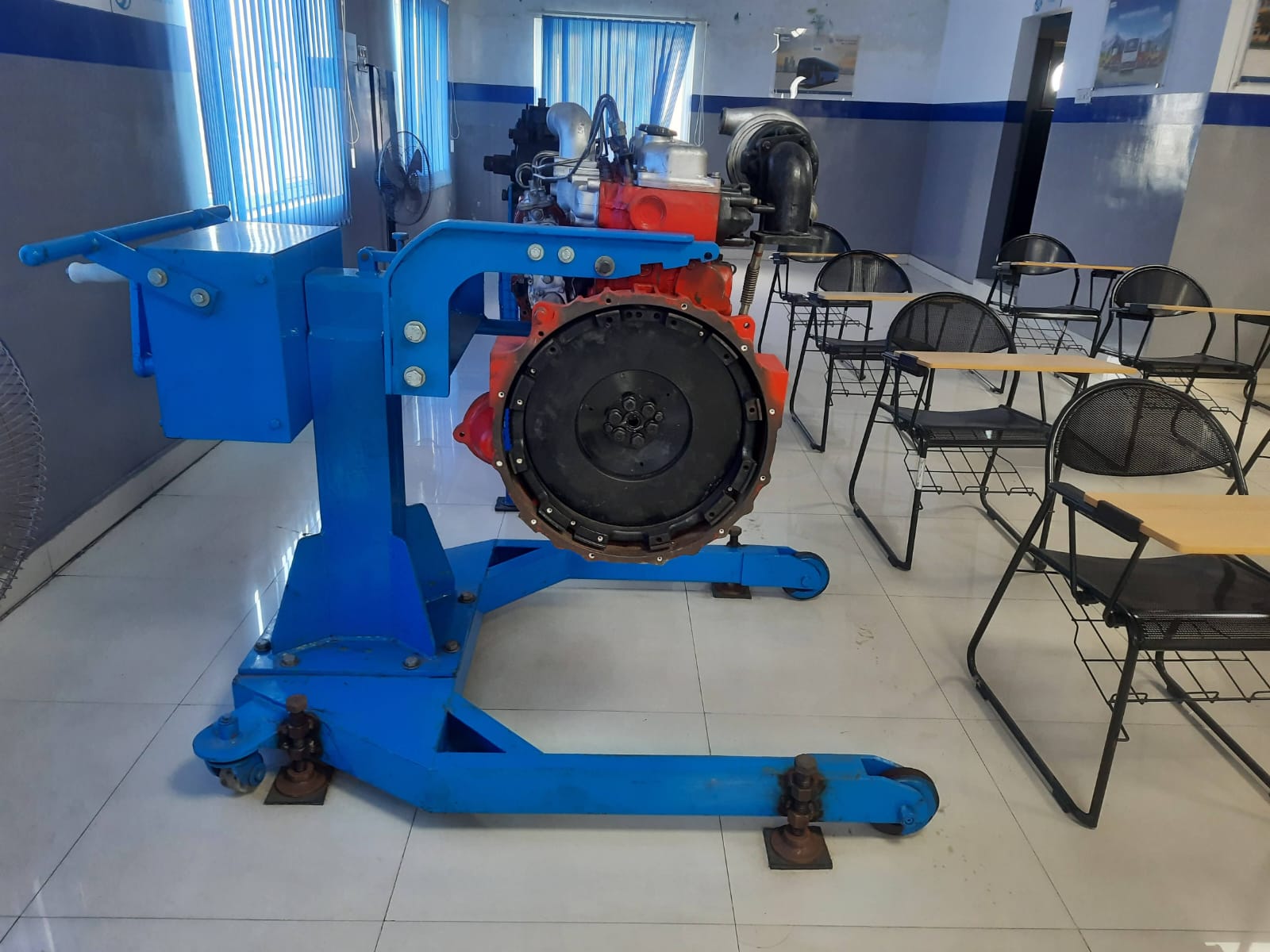
Engine stands are specialized support structures designed to hold and stabilize automotive engines during maintenance, repair, or rebuilding processes. They provide a secure platform that allows technicians to work efficiently and safely while accessing various components of the engine. Engine stands are typically constructed from durable materials to withstand the weight and stress of engines, making them essential tools in automotive workshops and manufacturing facilities.
The primary use of engine stands is to facilitate the handling of heavy engine assemblies, enabling mechanics to rotate, tilt, and position the engine for better accessibility. This functionality is crucial during tasks such as disassembly, inspection, and reassembly. Engine stands are widely used in different sectors, including automotive repair shops, manufacturing plants, and educational institutions focused on automotive technology. The market for engine stands continues to grow as the automotive industry evolves and the demand for efficient repair processes increases.
Industry relevance is evident as engine stands are utilized in various applications, including vehicle assembly lines, engine remanufacturing, and performance tuning. With technological advancements in engine design, the need for reliable and versatile engine stands is paramount in ensuring that automotive professionals can perform their duties effectively.
Key Features and Specifications
Engine stands come with several features and specifications that enhance their usability and reliability. These specifications vary based on the design and intended application of the stands.
Key specifications include:
1. Load Capacity
- Engine stands typically have a load capacity ranging from 1,000 to 2,500 pounds, allowing them to support various engine sizes and weights.
2. Adjustable Height
- Many engine stands feature adjustable heights, enabling users to customize the working height according to their preferences and workspace requirements.
3. Rotational Capability
- A key feature is the ability to rotate the engine 360 degrees, providing easy access to all parts of the engine during repair and maintenance.
4. Material Construction
- Most engine stands are made from heavy-duty steel or aluminum, ensuring durability and longevity under heavy loads.
5. Base Stability
- The design of the base is crucial for stability; most stands feature a wide base to prevent tipping and enhance safety.
6. Wheel Mobility
- Many engine stands come equipped with swivel casters for easy movement around the workshop, allowing for greater flexibility in workspaces.
7. Safety Features
- Engine stands may include safety locks or pins to prevent accidental collapse while the engine is mounted.
8. Compact Storage Design
- Some engine stands feature a foldable design for easy storage when not in use, saving valuable workshop space.
In summary, the key features and specifications of engine stands make them an essential tool for automotive professionals, providing the strength, stability, and flexibility needed for effective engine servicing.
Common Applications and Use Cases
Engine stands find applications across various industries due to their versatility and functionality.
1. Automotive Repair: In automotive repair shops, engine stands are essential for supporting engines during disassembly and reassembly, allowing technicians to perform repairs efficiently.
2. Manufacturing: Engine stands are used in manufacturing facilities to assemble and test engines before installation in vehicles, ensuring quality control throughout the production process.
3. Educational Institutions: Technical schools and training programs utilize engine stands for hands-on training in engine mechanics, providing students with practical experience in engine repair.
4. Racing Industry: In the racing sector, engine stands help teams quickly rebuild and tune engines between races, providing crucial support for high-performance modifications.
5. Aerospace: Engine stands are also applicable in the aerospace industry for engine maintenance and testing, ensuring precision and safety in aircraft engine operations.
6. Marine Applications: Boat maintenance often requires the use of engine stands to support marine engines during repairs, ensuring that technicians can work safely and effectively.
7. Custom Builds: Enthusiasts and custom builders use engine stands when creating unique engine setups, allowing for detailed work while ensuring safety.
Product Variants and Subcategories
Engine stands come in various types and designs to cater to different needs and preferences.
Heavy-Duty Engine Stands
These stands are designed to support larger, heavier engines typically found in trucks or industrial applications. They offer a high load capacity and enhanced stability features for safe handling.
Portable Engine Stands
Portable engine stands are lightweight and easy to move, making them ideal for mobile mechanics or workshops with limited space. They often feature a compact design that allows for easy storage when not in use.
Adjustable Engine Stands
These stands come with adjustable arms and height settings, providing flexibility for different engine sizes. Their versatility makes them suitable for a wide range of applications in various industries.
Foldable Engine Stands
Foldable engine stands are designed for easy storage and transport, making them a convenient option for mechanics who require mobility. They maintain stability while in use and can be quickly collapsed for storage.
Benefits and Advantages
Engine stands offer numerous benefits that enhance their value for users in various industries.
1. Enhanced Safety: Engine stands provide a secure platform for working on heavy engines, reducing the risk of accidents during repairs.
2. Improved Accessibility: The ability to rotate and adjust the height of the engine allows technicians to access hard-to-reach areas more easily, improving efficiency.
3. Increased Productivity: With a reliable engine stand, mechanics can complete tasks faster, leading to higher productivity in automotive and manufacturing settings.
4. Versatility: Engine stands can accommodate various engine sizes and designs, making them a versatile tool for different applications.
5. Cost-Effective: Investing in a quality engine stand can reduce repair times and minimize labor costs, offering long-term savings for businesses.
6. Durable Construction: Most engine stands are built to withstand heavy use over time, ensuring they remain functional and reliable.
Buying Guide for B2B Buyers
When sourcing engine stands for business use, certain factors should be considered to ensure the right choice.
1. Quality Assessment: Evaluate the materials and construction of the engine stands. Look for heavy-duty steel or aluminum designs that can support the intended engine weights without failure.
2. Supplier Verification: It is crucial to verify suppliers for quality assurance. Request certifications or references to ensure they meet industry standards and have a good reputation.
3. Pricing and MOQ: Consider the pricing structure and minimum order quantities. Look for competitive pricing that aligns with your budget and needs.
4. Delivery and Lead Times: Discuss delivery options and lead times with suppliers to ensure you receive the stands when needed, preventing delays in your operations.
5. Compliance Requirements: Ensure that the engine stands meet relevant safety and regulatory standards in your region, such as CE certification, to avoid compliance issues.
Compliance and Certifications
Engine stands are subject to various quality standards and certifications that ensure safety and reliability in their use.
Compliance with ISO 9001 standards is essential as it indicates that the manufacturing processes meet international quality management criteria. This certification helps buyers ensure that they are sourcing products from reliable manufacturers.
Industry certifications, such as CE marking, are also crucial. This certification signifies that the products meet European health, safety, and environmental protection standards, providing assurance to buyers regarding product safety.
Safety and testing requirements are paramount in the production of engine stands. Manufacturers must conduct rigorous testing to verify load capacities and stability features to ensure they can safely support engines during repairs.
Regional compliance considerations may vary, so it is essential for buyers to understand local regulations and standards that apply to engine stands in their specific market.
Why Source Engine Stands from Pepagora?
Pepagora offers a trusted platform for sourcing engine stands, providing several key advantages for B2B buyers.
The verified supplier network ensures that buyers have access to quality manufacturers who meet industry standards. This verification process helps mitigate risks associated with sourcing equipment from unverified suppliers.
The streamlined RFQ process simplifies the quotation system, allowing buyers to quickly receive competitive offers from multiple suppliers. This efficiency saves time and helps businesses make informed decisions.
Trade assurance and support from Pepagora protect buyers throughout the purchasing process. This assurance enhances buyer confidence and provides a safety net in case of discrepancies.
With regional coverage extending to India, the GCC, and Southeast Asia, Pepagora caters to a broad market, ensuring that businesses in these regions can easily source high-quality engine stands tailored to their needs.

 IN
IN