𝗪𝗵𝗮𝘁 𝗮𝗿𝗲 𝗔𝘂𝘁𝗼𝗺𝗼𝘁𝗶𝘃𝗲 𝗧𝗼𝗼𝗹𝘀?
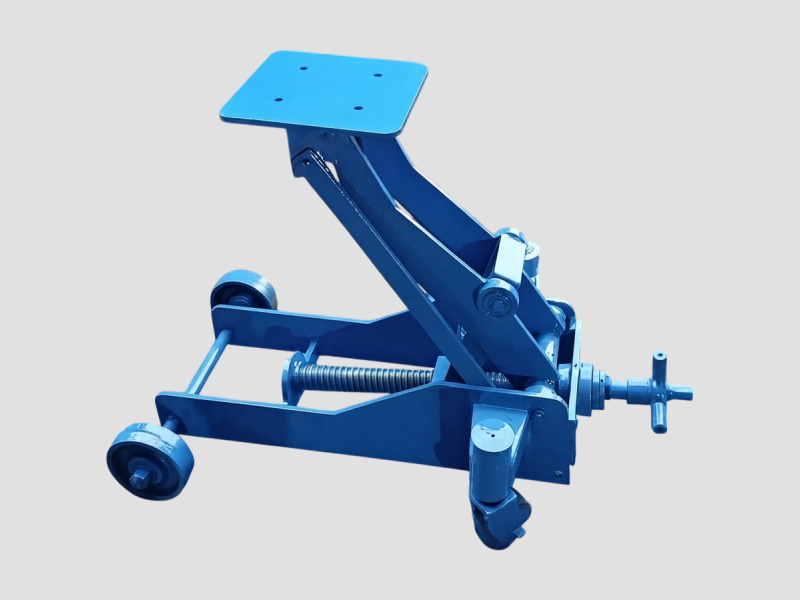
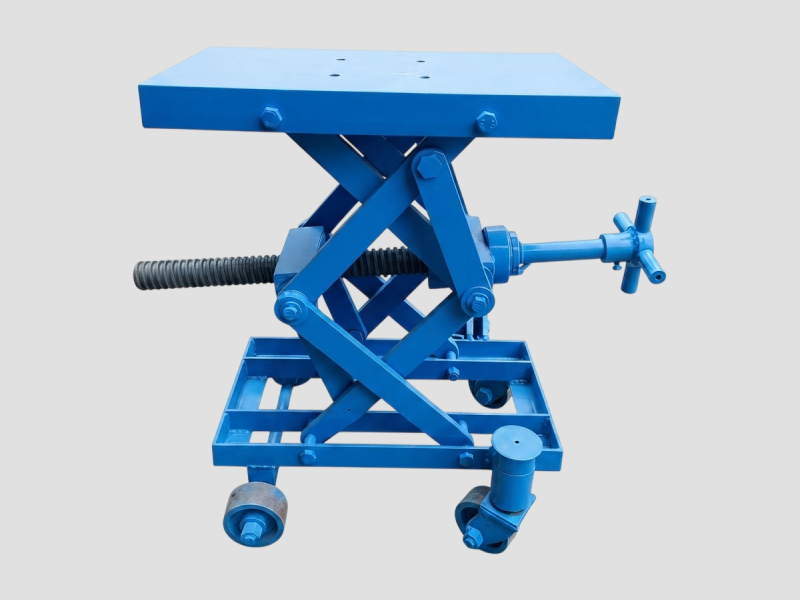
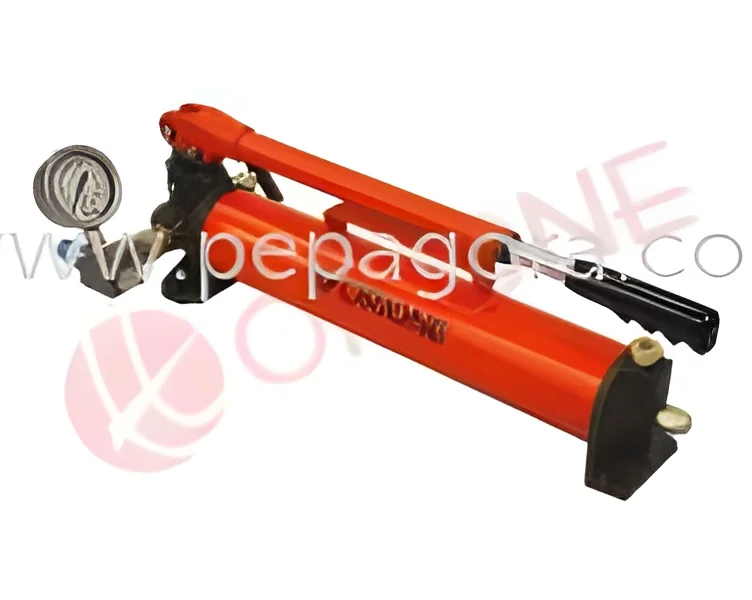
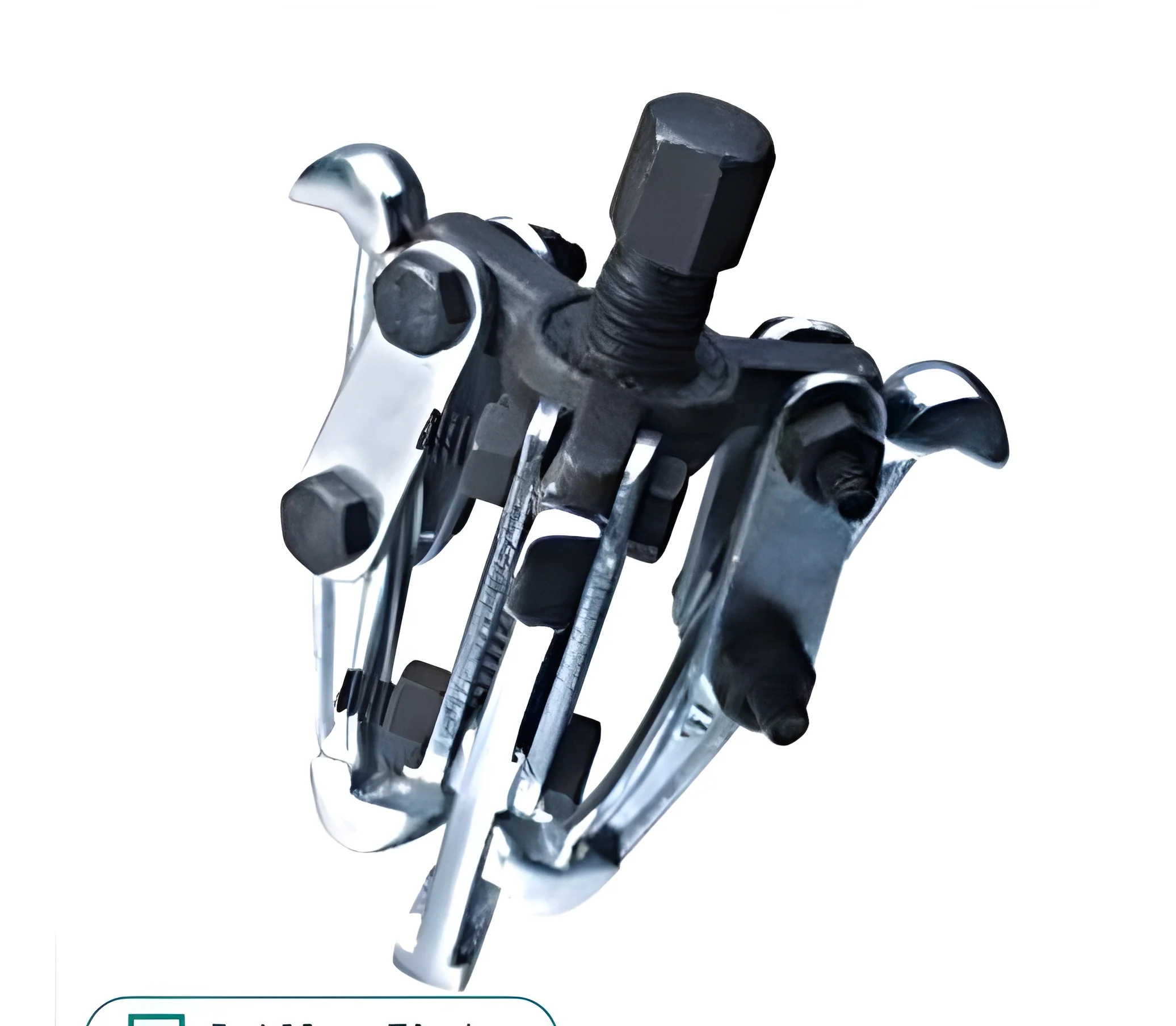
Automotive tools are specialized instruments designed for the maintenance, repair, and assembly of vehicles. These tools encompass a wide range of equipment, including hand tools, power tools, diagnostic devices, and shop equipment. They are essential for both professional mechanics and DIY enthusiasts, enabling precise work on various automotive components such as engines, transmissions, brakes, and electrical systems.
The primary uses of automotive tools include performing routine maintenance, executing repairs, and facilitating vehicle modifications. In a business context, these tools are crucial for automotive repair shops, service centers, and manufacturing facilities. They ensure that vehicles operate safely and efficiently, thereby enhancing customer satisfaction and retention. The automotive tools market is rapidly evolving, driven by advancements in technology and increasing demands for vehicle performance and safety.
The relevance of automotive tools in the industry is underscored by the growing complexity of vehicle systems and the need for skilled technicians. As vehicles incorporate more advanced technologies, the demand for sophisticated tools and equipment continues to rise. Automotive tools are vital in ensuring that service providers can keep up with these changes, maintaining their competitive edge in the market.
𝗞𝗲𝘆 𝗙𝗲𝗮𝘁𝘂𝗿𝗲𝘀 𝗮𝗻𝗱 𝗦𝗽𝗲𝗰𝗶𝗳𝗶𝗰𝗮𝘁𝗶𝗼𝗻𝘀
Automotive tools come with several key features and specifications that enhance their effectiveness and usability. Understanding these specifications is important for making informed purchasing decisions.
Key specifications include:
1. Durability
- Constructed from high-quality materials to withstand rigorous use
- Designed to resist wear, corrosion, and impact
2. Ergonomics
- Features that promote comfort and reduce fatigue during prolonged use
- Grip designs that enhance control and precision
3. Compatibility
- Tools that are compatible with a wide range of vehicle models and systems
- Versatility to accommodate various automotive tasks
4. Precision
- Tools designed to deliver accurate measurements and adjustments
- Calibration features for maintaining accuracy over time
5. Portability
- Lightweight designs for easy transport and storage
- Compact tool kits for mobile mechanics
6. Safety Features
- Built-in safety mechanisms to prevent accidents during operation
- Compliance with industry safety standards
7. Warranty
- Manufacturer warranties that provide assurance of quality and performance
- Support for repairs or replacements if needed
In summary, automotive tools must be durable, ergonomic, compatible, precise, portable, and safe. These specifications are crucial for ensuring reliability and efficiency in automotive applications.
𝗖𝗼𝗺𝗺𝗼𝗻 𝗔𝗽𝗽𝗹𝗶𝗰𝗮𝘁𝗶𝗼𝗻𝘀 𝗮𝗻𝗱 𝗨𝘀𝗲 𝗖𝗮𝘀𝗲𝘀
Automotive tools serve various industries, each with specific applications that highlight their importance.
1. Automotive Repair Shops: These tools are essential for diagnosing and fixing vehicle issues, ensuring that cars are safe and operational.
2. Manufacturing Facilities: In production lines, automotive tools are used for assembly, quality control, and maintenance of machinery.
3. Fleet Maintenance: Companies managing a fleet of vehicles use automotive tools to keep their vehicles in top condition, minimizing downtime.
4. Racing Teams: High-performance automotive tools are critical for tuning and maintaining race cars, where precision and speed are paramount.
5. DIY Enthusiasts: Hobbyists utilize automotive tools for personal vehicle maintenance and customizations, allowing for creativity and personal expression.
6. Educational Institutions: Automotive training programs use these tools to teach students about vehicle systems and repair techniques.
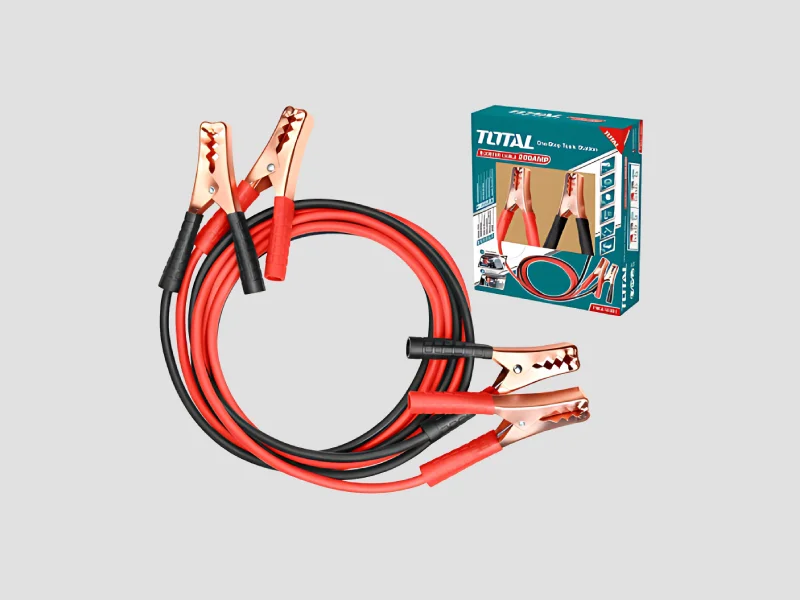
7. Emergency Services: Tools are necessary for quick vehicle repairs and maintenance in emergency response situations, ensuring operational readiness.
𝗣𝗿𝗼𝗱𝘂𝗰𝘁 𝗩𝗮𝗿𝗶𝗮𝗻𝘁𝘀 𝗮𝗻𝗱 𝗦𝘂𝗯𝗰𝗮𝘁𝗲𝗴𝗼𝗿𝗶𝗲𝘀
Automotive tools come in a diverse range of products tailored to specific needs and applications.
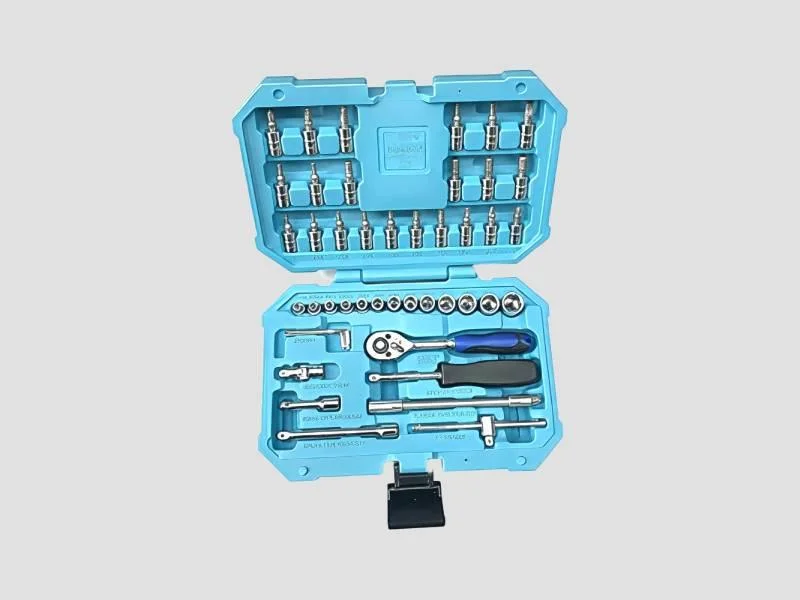
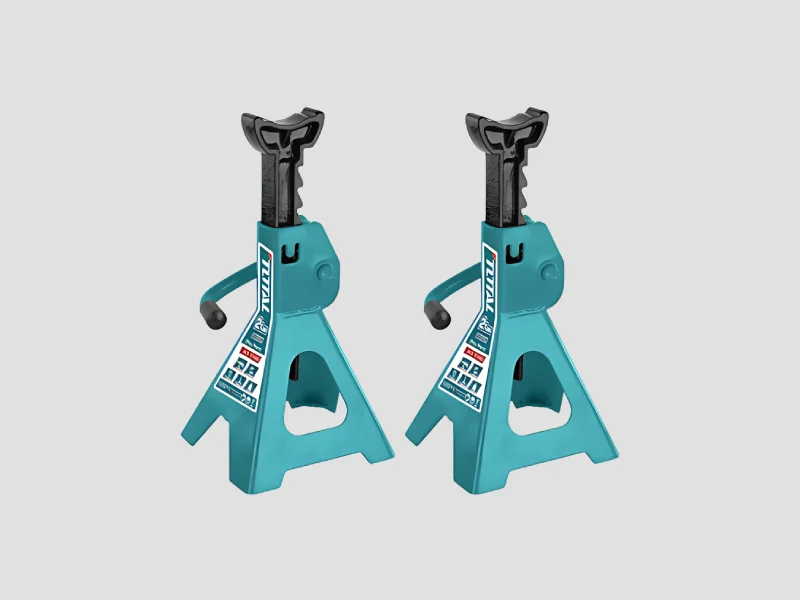
Hand Tools: This category includes wrenches, screwdrivers, pliers, and sockets. Hand tools are essential for everyday automotive repairs and maintenance tasks.
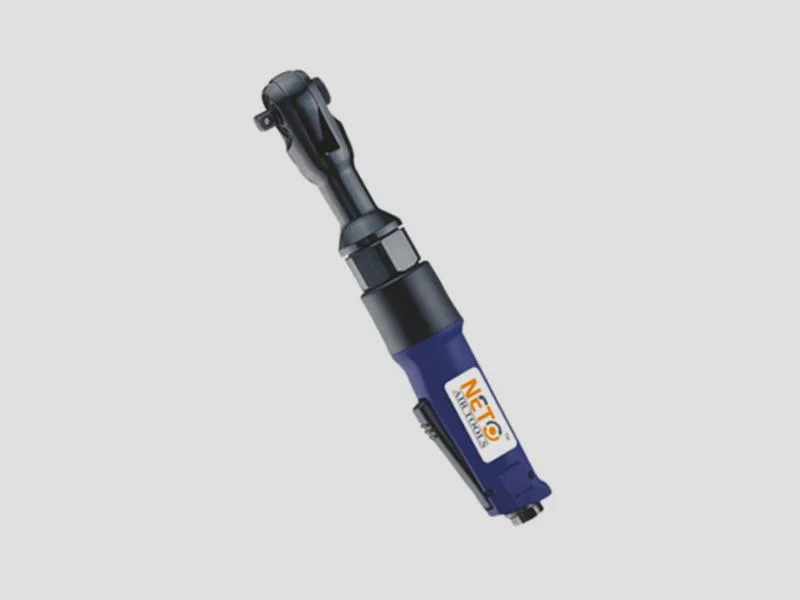
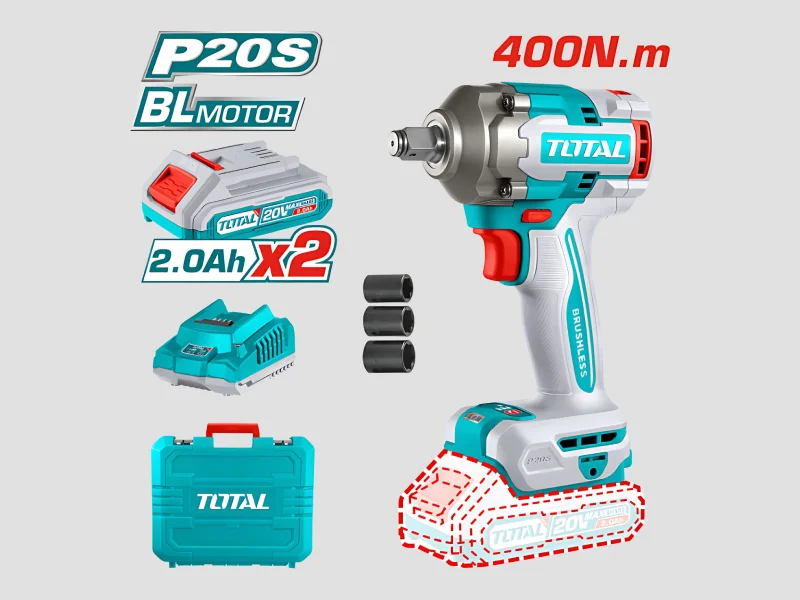
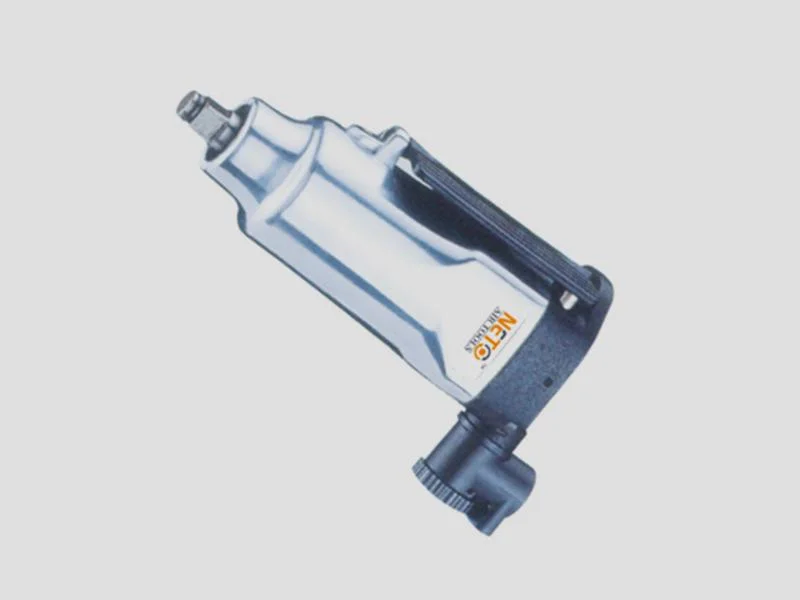
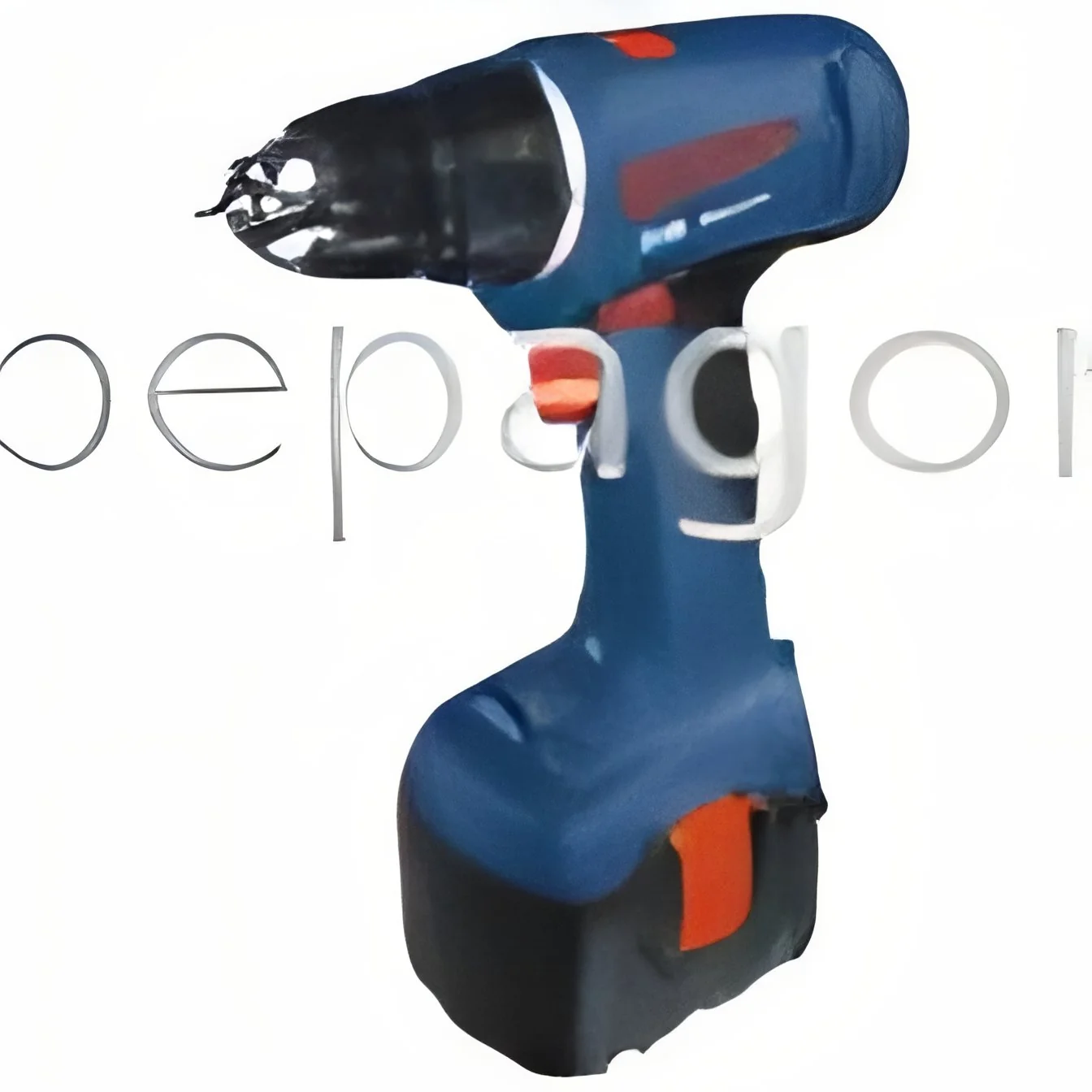
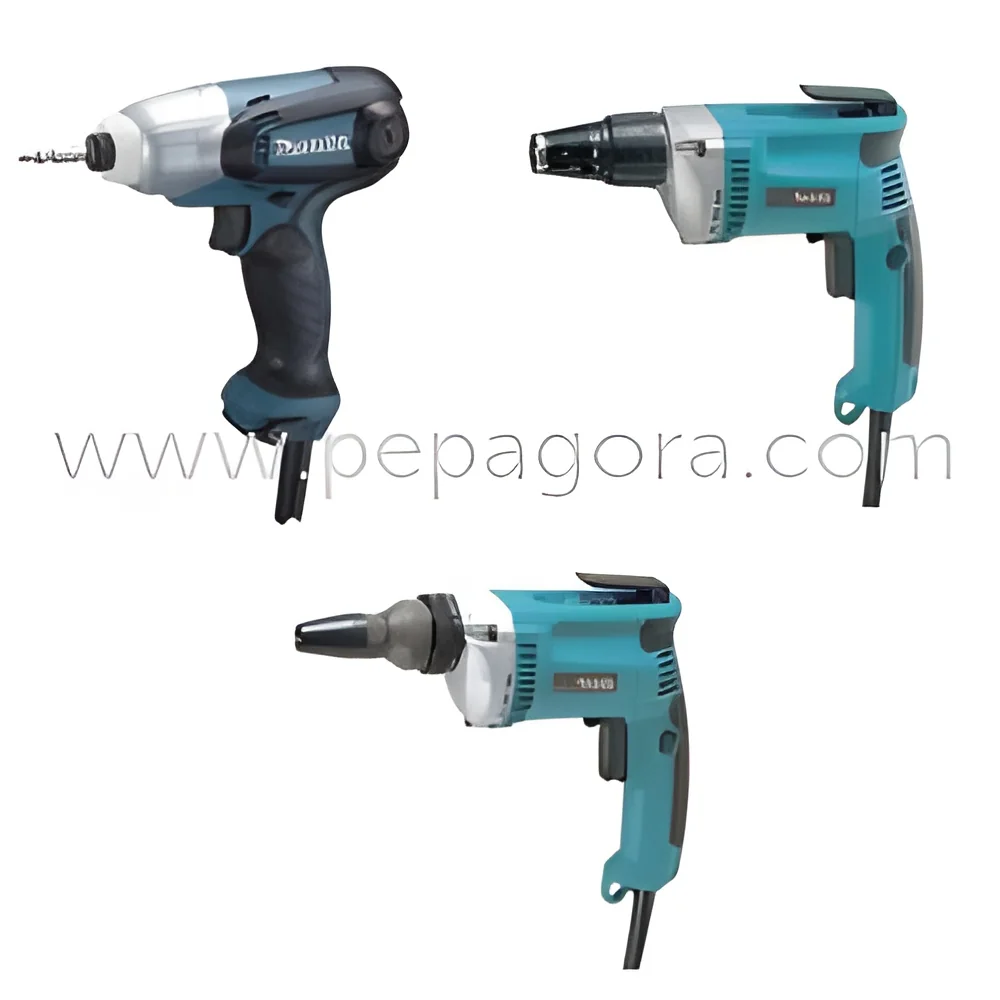
Power Tools: Electric and pneumatic tools such as drills, impact wrenches, and grinders fall under this category. They provide greater efficiency and power for demanding tasks.
Diagnostic Tools: These include scanning tools and multimeters that help technicians identify and troubleshoot vehicle issues. They are crucial for modern automotive diagnostics.
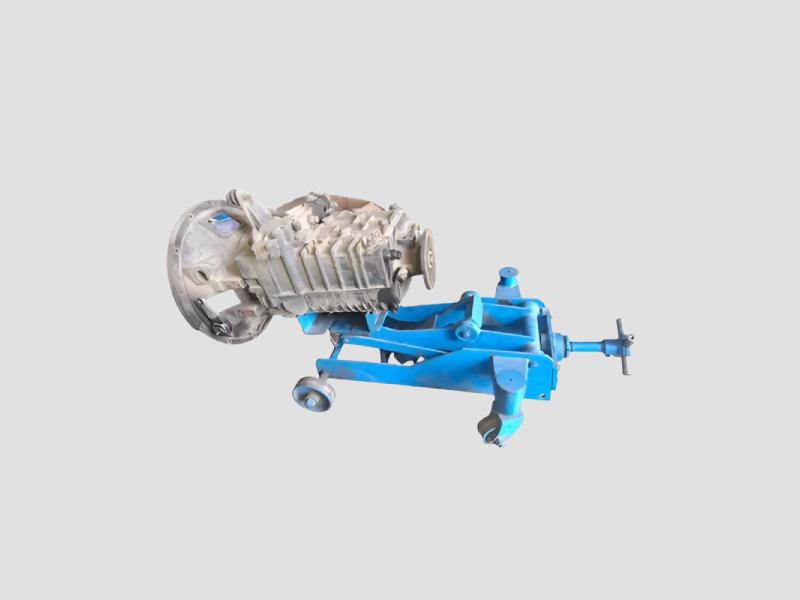
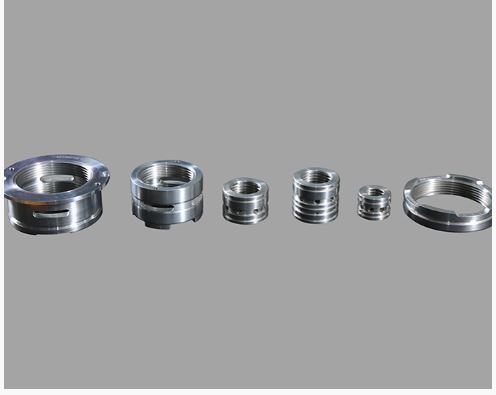
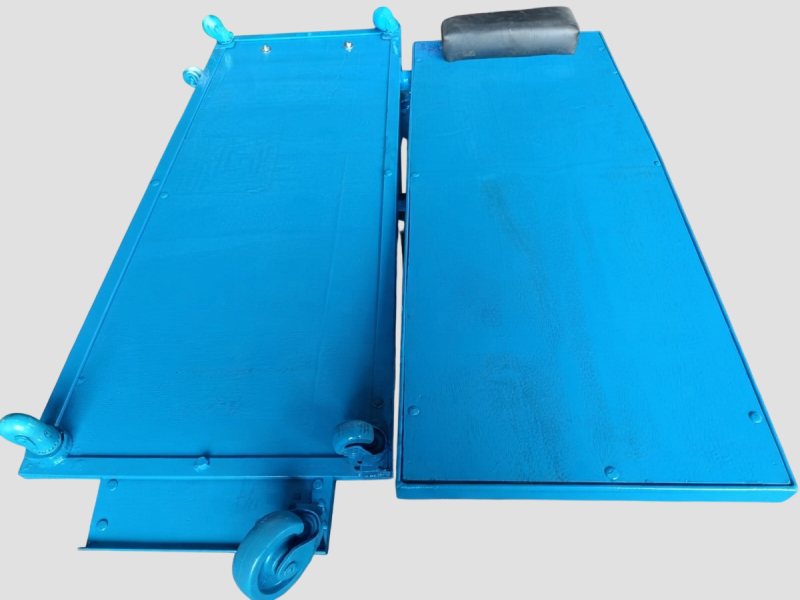
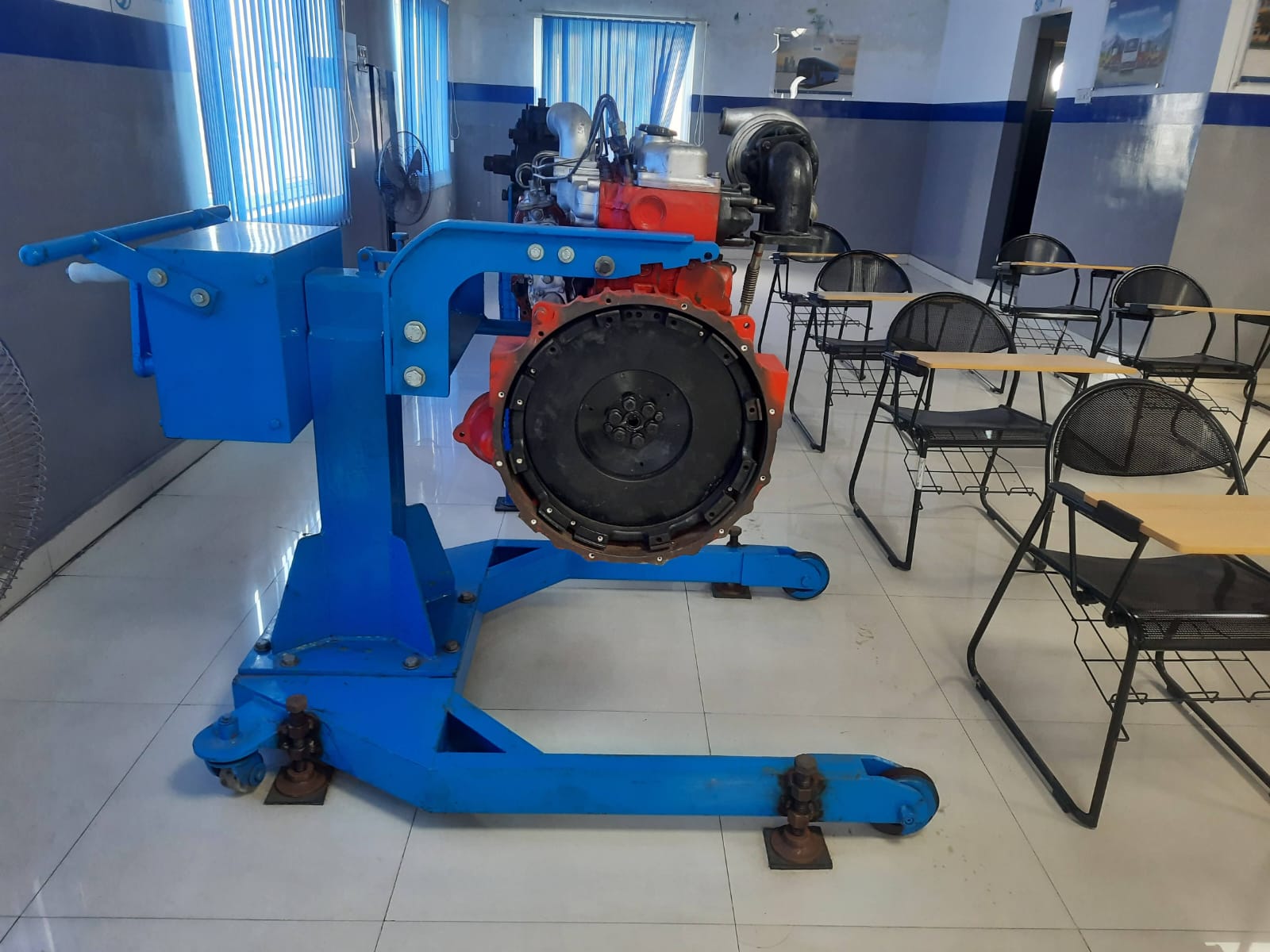
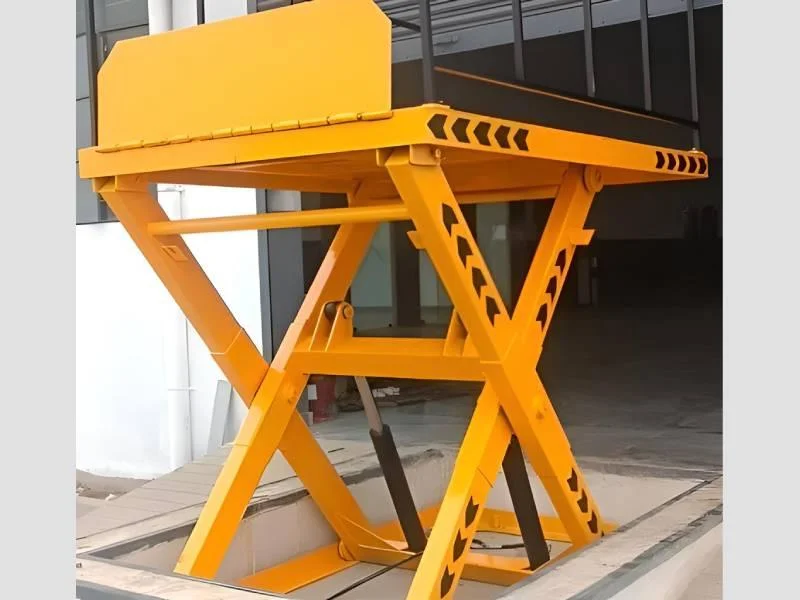
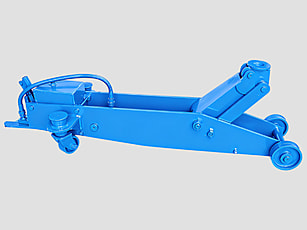
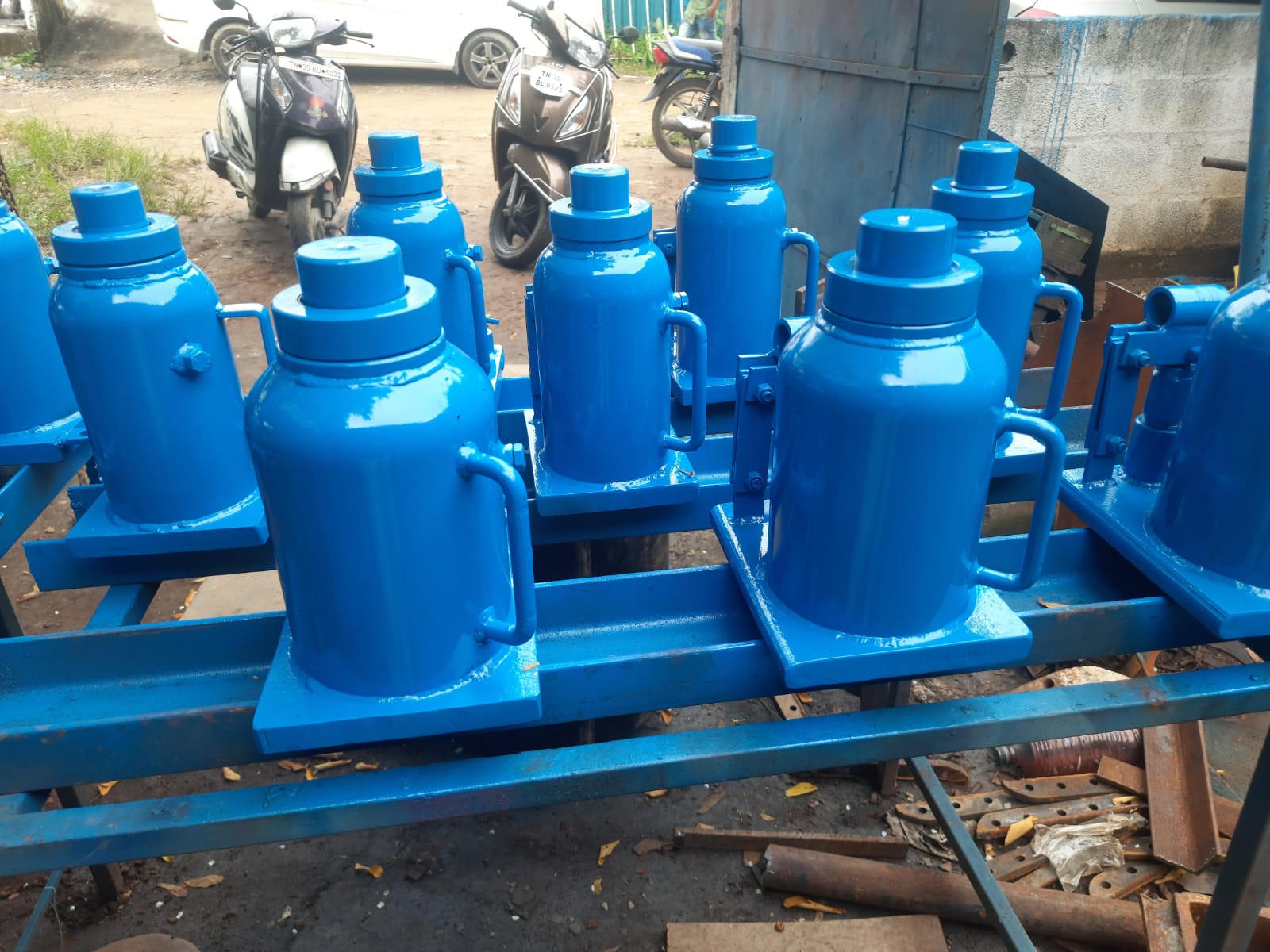
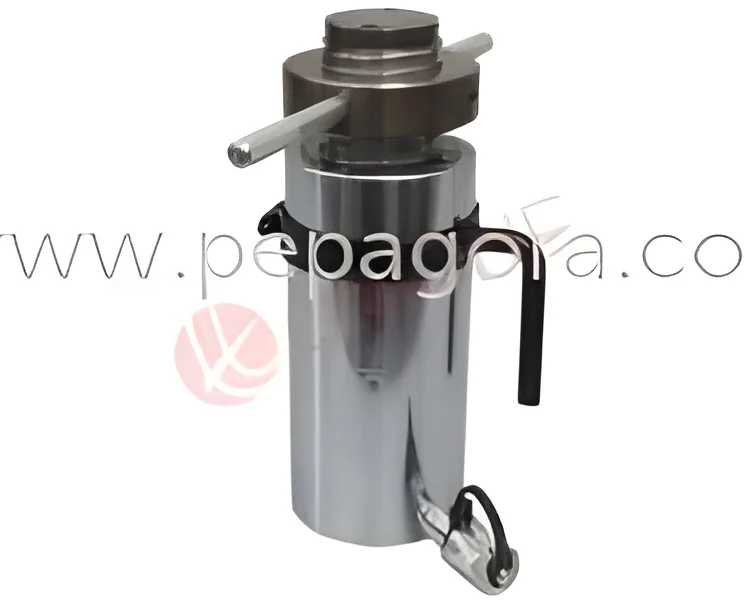
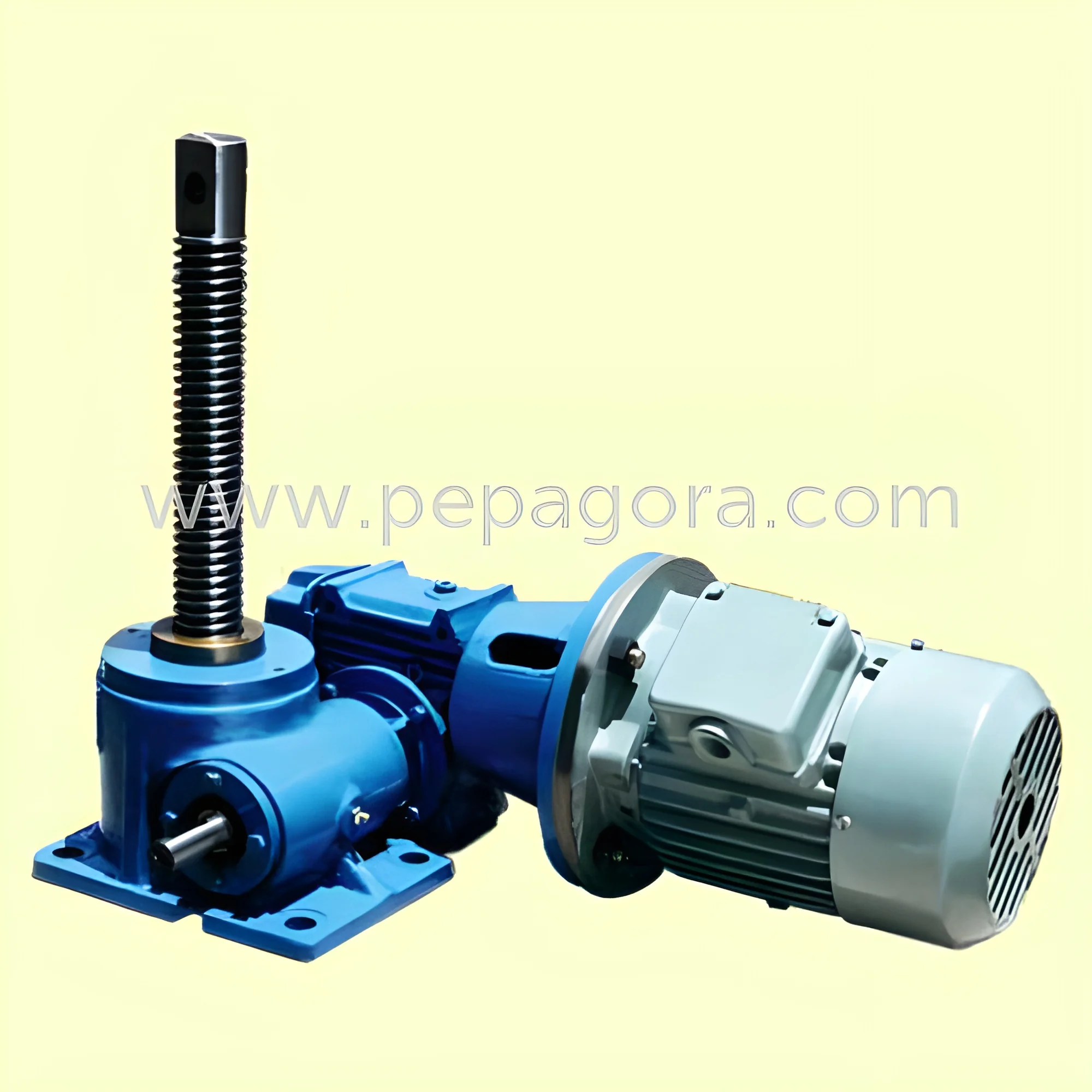
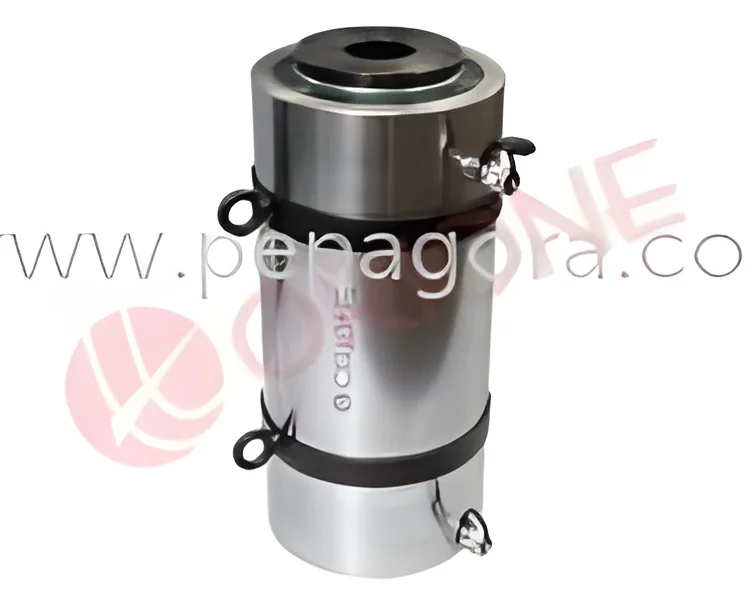
Specialty Tools: This variant encompasses unique tools designed for specific tasks, such as brake service tools, alignment tools, and engine rebuilding kits. They enhance precision and ease in specialized applications.
𝗕𝗲𝗻𝗲𝗳𝗶𝘁𝘀 𝗮𝗻𝗱 𝗔𝗱𝘃𝗮𝗻𝘁𝗮𝗴𝗲𝘀
Investing in high-quality automotive tools offers numerous benefits to businesses and professionals.
Key benefits include:
1. Increased Efficiency: Quality tools streamline work processes, enabling technicians to complete tasks faster and with greater accuracy.
2. Cost Savings: Reliable tools reduce the likelihood of mistakes and rework, leading to lower operational costs over time.
3. Enhanced Safety: Well-designed tools minimize the risk of accidents and injuries, creating a safer work environment.
4. Improved Quality of Work: Precision tools contribute to higher-quality repairs and maintenance, leading to greater customer satisfaction.
5. Versatility: A diverse range of tools allows for handling various tasks, reducing the need for multiple specialized tools.
6. Long-term Investment: Durable tools provide a return on investment, as they can withstand repeated use and last for many years.
𝗕𝘂𝘆𝗶𝗻𝗴 𝗚𝘂𝗶𝗱𝗲 𝗳𝗼𝗿 𝗕𝟮𝗕 𝗕𝘂𝘆𝗲𝗿𝘀
When sourcing automotive tools, it is essential to consider several key factors to ensure quality and reliability.
1. Quality Assessment: Evaluate materials and construction methods to ensure longevity and performance. Look for tools that meet industry standards for durability.
2. Supplier Verification: Vet suppliers to confirm their reputation and reliability. Check for certifications, customer reviews, and their history in the market.
3. Pricing and MOQ: Understand the pricing structure and minimum order quantities required by suppliers to align with budget constraints and inventory needs.
4. Delivery and Lead Times: Assess the logistics of delivery, including estimated lead times to avoid disruptions in operations. Ensure suppliers can meet your schedule.
5. Compliance Requirements: Familiarize yourself with any regulatory or safety standards that apply to automotive tools in your region to ensure compliance and avoid penalties.
𝗖𝗼𝗺𝗽𝗹𝗶𝗮𝗻𝗰𝗲 𝗮𝗻𝗱 𝗖𝗲𝗿𝘁𝗶𝗳𝗶𝗰𝗮𝘁𝗶𝗼𝗻𝘀
Automotive tools must adhere to various compliance standards and certifications to ensure safety and quality.
Relevant quality standards include ISO 9001, which focuses on quality management systems to enhance customer satisfaction and operational effectiveness. Other standards like HACCP and GDP may apply depending on specific industry requirements.
Industry certifications, such as CE marking, indicate compliance with European health, safety, and environmental protection standards. This certification ensures that the tools meet stringent requirements for performance and safety.
Safety and testing requirements are critical in the automotive industry, as tools must perform reliably under various conditions. Manufacturers should conduct rigorous testing to verify that their products meet the necessary safety standards.
Additionally, regional compliance considerations may vary. It is essential to be aware of local regulations that affect the use and distribution of automotive tools to ensure that products are legally marketable.
𝗪𝗵𝘆 𝗦𝗼𝘂𝗿𝗰𝗲 𝗔𝘂𝘁𝗼𝗺𝗼𝘁𝗶𝘃𝗲 𝗧𝗼𝗼𝗹𝘀 𝗳𝗿𝗼𝗺 𝗣𝗲𝗽𝗮𝗴𝗼𝗿𝗮?
Pepagora provides a trusted platform for sourcing automotive tools, offering several key advantages that benefit B2B buyers.
Verified Supplier Network: Pepagora works with a network of verified suppliers, ensuring that buyers connect with reputable manufacturers and distributors. This verification process enhances trust and reliability in sourcing.
Streamlined RFQ Process: The platform offers an efficient request for quotation (RFQ) system, allowing buyers to easily compare prices and specifications from multiple suppliers. This simplifies the purchasing decision and saves time.
Trade Assurance and Support: Pepagora provides buyer protection through trade assurance, ensuring that transactions are secure and that buyers receive support throughout the purchasing process. This instills confidence and peace of mind.
Regional Coverage: With a strong presence in India, the GCC, and Southeast Asia, Pepagora facilitates access to a wide range of automotive tools from diverse geographic locations. This regional coverage allows buyers to find the best products that suit their specific needs.

 IN
IN