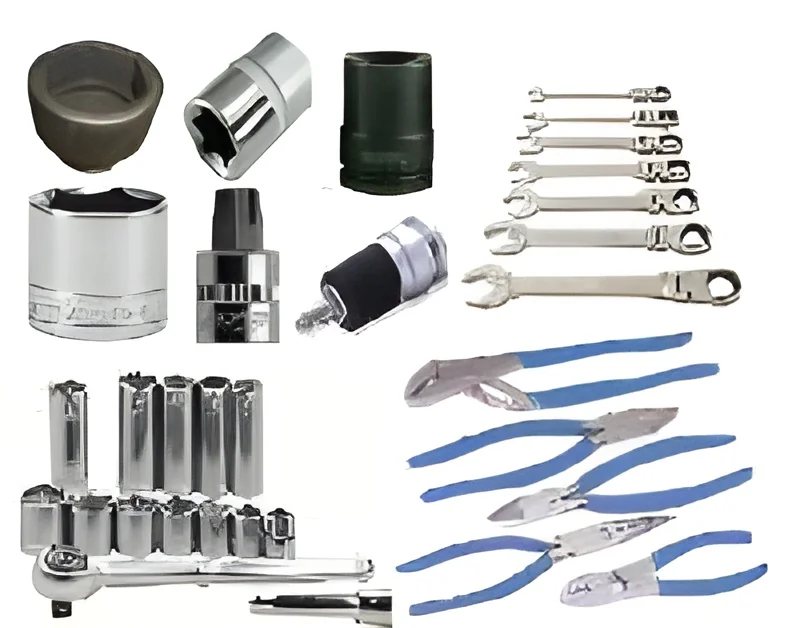
What are Pliers (Needle Nose, Slip Joint, etc.)?
Pliers are essential hand tools used in various industries for gripping, twisting, bending, and cutting materials. They come in different types, including needle nose, slip joint, and others, each designed for specific tasks. Needle nose pliers feature long, tapered jaws that allow users to reach into tight spaces, whereas slip joint pliers have adjustable pivot points to accommodate various sizes of objects being grasped.
These tools are widely used in sectors like manufacturing, construction, automotive, and electronics. Their ability to handle small components makes them invaluable in tasks such as electrical work, plumbing, and general maintenance. The global market for pliers continues to expand, driven by the demand for precision tools in both professional and DIY applications. With advancements in materials and ergonomic designs, modern pliers are more durable and user-friendly than ever.
𝗞𝗲𝘆 𝗙𝗲𝗮𝘁𝘂𝗿𝗲𝘀 𝗮𝗻𝗱 𝗦𝗽𝗲𝗰𝗶𝗳𝗶𝗰𝗮𝘁𝗶𝗼𝗻𝘀
Pliers come with multiple features designed to enhance user experience and functionality. Key specifications vary depending on the type and application of the tool.
Key specifications include:
1. Material Composition
- Typically made from high-carbon steel or chrome vanadium steel
- Offers durability and resistance to corrosion
2. Jaw Length
- Varies by type, with needle nose pliers having longer jaws for precision
- Slip joint pliers feature adjustable jaw widths for versatility
3. Handle Design
- Often ergonomically designed for comfort during extended use
- May include non-slip grips for improved control
4. Cutting Capacity
- Specific to cutting-edge types, ranging from light to heavy-duty applications
- Measured by wire gauge capacity for electrical work
5. Weight
- Lightweight designs for ease of handling
- Heavier models may indicate more robust construction
6. Jaw Opening
- Maximum opening range varies by model, affecting gripping ability
- Essential for accommodating different sizes of materials
7. Insulation
- Some pliers are insulated for electrical safety
- Rated to prevent electric shock in high-voltage environments
8. Certification
- Many pliers meet CE standards for safety and quality assurance
- Ensures compliance with European regulations
Overall, these specifications are critical for determining the right pliers for specific applications, ensuring efficiency and safety in their use.
𝗖𝗼𝗺𝗺𝗼𝗻 𝗔𝗽𝗽𝗹𝗶𝗰𝗮𝘁𝗶𝗼𝗻𝘀 𝗮𝗻𝗱 𝗨𝘀𝗲 𝗖𝗮𝘀𝗲𝘀
Pliers serve a wide range of industries, each leveraging specific types for effective results.
1. Electrical Industry: Needle nose pliers are commonly used for gripping small wires and bending them into shape during installation and repairs.
2. Automotive Sector: Slip joint pliers are essential for adjusting fittings and hoses, providing the necessary torque to loosen or tighten components.
3. Construction: General-purpose pliers are used for gripping and twisting wire, as well as cutting materials during building projects.
4. Plumbing: Pliers are crucial for manipulating pipes and fittings, enabling plumbers to achieve secure connections.
5. Manufacturing: Precision pliers are used for assembly lines, where handling small parts is critical for efficiency and accuracy.
6. Jewelry Making: Needle nose pliers are favored for crafting intricate designs, allowing artisans to handle delicate components with care.
7. HVAC: Pliers are utilized to install and repair heating and cooling systems, providing the necessary leverage for various fittings.
𝗣𝗿𝗼𝗱𝘂𝗰𝘁 𝗩𝗮𝗿𝗶𝗮𝗻𝘁𝘀 𝗮𝗻𝗱 𝗦𝘂𝗯𝗰𝗮𝘁𝗲𝗴𝗼𝗿𝗶𝗲𝘀
Pliers come in various variants, each tailored to specific tasks or industries. The diversity of design ensures that there is a suitable tool for nearly every application.
Needle Nose Pliers: Known for their long, narrow jaws, needle nose pliers are perfect for precision work in tight spaces. They are often used by electricians for wire manipulation and in jewelry making for detailed assembly.
Slip Joint Pliers: These versatile pliers feature adjustable jaws, allowing them to grasp a wide range of objects. They are commonly used in plumbing and automotive tasks, where different sizes of nuts and bolts need to be tightened or loosened.
Combination Pliers: These pliers combine gripping and cutting features, making them suitable for general use in various industries. They are ideal for DIY tasks and household repairs.
Locking Pliers: Also known as vise grips, these pliers can be locked into place to hold items securely. They are useful in welding and fabrication where hands-free operation is needed.
𝗕𝗲𝗻𝗲𝗳𝗶𝘁𝘀 𝗮𝗻𝗱 𝗔𝗱𝘃𝗮𝗻𝘁𝗮𝗴𝗲𝘀
Investing in quality pliers offers numerous advantages that enhance productivity and safety in the workplace.
1. Precision Handling: Pliers allow for accurate manipulation of small components, reducing the risk of damage during tasks.
2. Versatility: With various types available, pliers can be used across multiple applications and industries, making them a valuable tool for any toolbox.
3. Ergonomic Design: Many modern pliers are designed to minimize hand fatigue, allowing users to work longer without discomfort.
4. Durable Construction: High-quality materials ensure that pliers withstand rigorous use, providing long-lasting performance.
5. Safety Features: Insulated options protect against electrical hazards, ensuring safe operation in high-voltage environments.
6. Cost-Effectiveness: Investing in durable pliers reduces the need for frequent replacements, providing value over time.
𝗕𝘂𝘆𝗶𝗻𝗴 𝗚𝘂𝗶𝗱𝗲 𝗳𝗼𝗿 𝗕𝟮𝗕 𝗕𝘂𝘆𝗲𝗿𝘀
When sourcing pliers, businesses should consider several important factors to ensure they select the right tools for their needs.
1. Quality Assessment: Look for pliers made from high-quality materials that provide durability and resistance to wear. Check for manufacturer certifications to ensure compliance with industry standards.
2. Supplier Verification: Vet potential suppliers by reviewing their history and reputation in the market. Reliable suppliers should provide references and demonstrate a commitment to quality.
3. Pricing and MOQ: Understand the pricing structure and minimum order quantities (MOQ) of suppliers. This helps in budgeting and ensures that orders align with project needs.
4. Delivery and Lead Times: Evaluate the logistics involved in sourcing pliers. Timely delivery is crucial for maintaining project schedules and avoiding delays.
5. Compliance Requirements: Be aware of regional and industry-specific compliance needs. Ensure that products meet safety and quality standards applicable in your area.
𝗖𝗼𝗺𝗽𝗹𝗶𝗮𝗻𝗰𝗲 𝗮𝗻𝗱 𝗖𝗲𝗿𝘁𝗶𝗳𝗶𝗰𝗮𝘁𝗶𝗼𝗻𝘀
Pliers must adhere to various quality standards and certifications to ensure they meet safety and performance requirements.
ISO 9001 is a widely recognized quality management standard that ensures manufacturers maintain high quality in their production processes. Compliance with this standard demonstrates a commitment to continuous improvement and customer satisfaction.
CE certification is required for products sold within the European Economic Area. It indicates that the product complies with essential health and safety requirements, ensuring that users can operate the tools safely.
Safety and testing requirements may vary by region and industry. It is essential for manufacturers to conduct thorough testing to confirm that their pliers are safe for use in various applications.
Regional compliance considerations include understanding local regulations regarding tool safety and quality. This ensures that pliers meet the specific needs of users in different markets.
Why Source Pliers (Needle Nose, Slip Joint, etc.) from Pepagora?
Pepagora is a trusted platform for sourcing pliers, offering several key advantages to buyers.
Verified Supplier Network: Pepagora connects buyers with a network of reputable suppliers. Each supplier is vetted to ensure they meet industry standards, providing peace of mind to buyers.
Streamlined RFQ Process: The platform simplifies the request for quotation (RFQ) process, allowing buyers to easily compare prices and offerings from multiple suppliers. This efficiency saves time and promotes informed purchasing decisions.
Trade Assurance and Support: Pepagora provides buyer protection measures, ensuring that transactions are secure. Their support team is available to assist with any issues that may arise during the purchasing process.
Regional Coverage: With a strong presence in India, the GCC, and Southeast Asia, Pepagora facilitates connections across these regions. This geographic reach allows buyers to source pliers that meet their specific needs while benefiting from local market insights.

 IN
IN